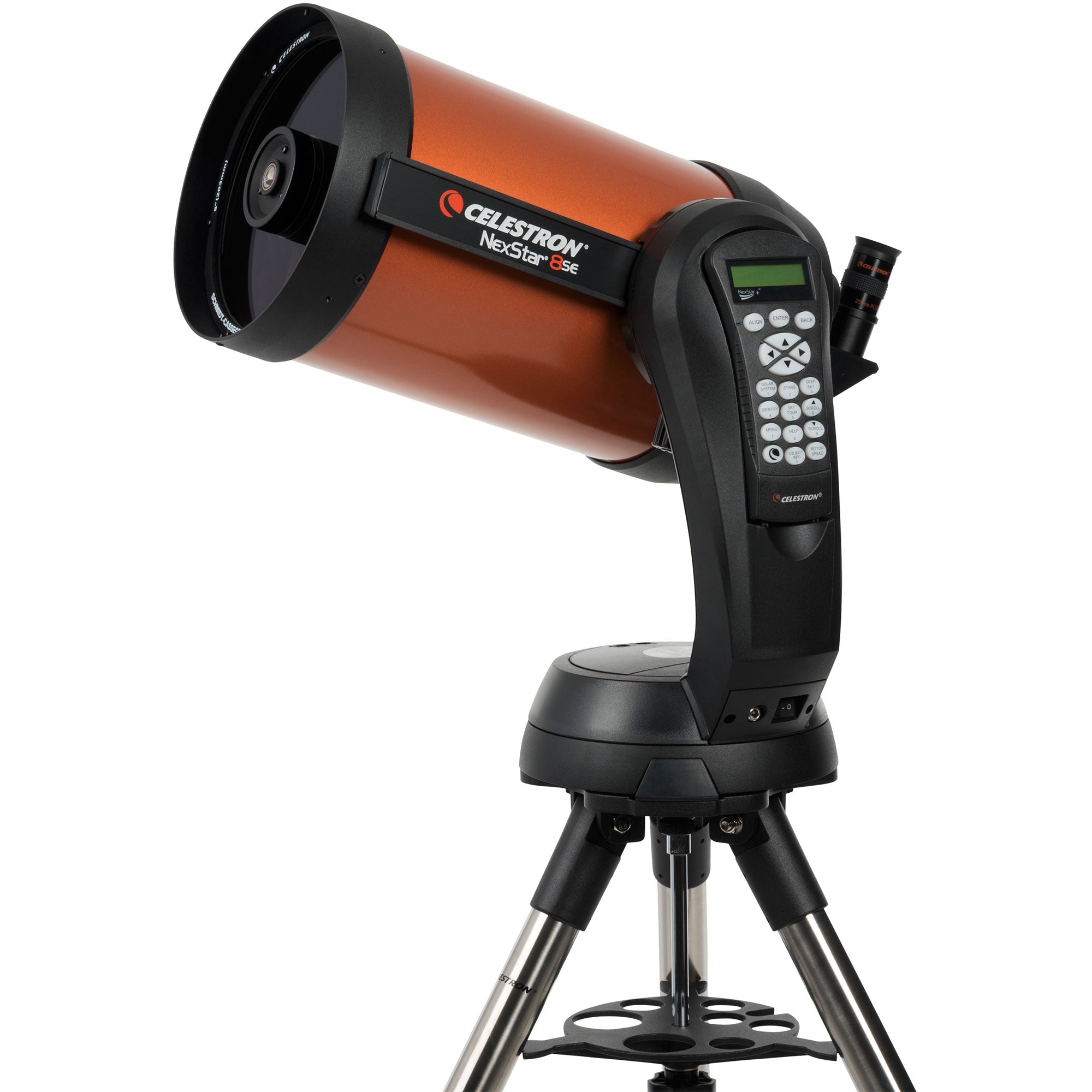
Celestron NexStar 8SE
Automated GoTo and 8-inch aperture, powerful enough to grow into, easy enough to enjoy tonight.
$200 above 90-day lowLast $1,499 in Jul 2026
Price tracked by PolarisObserved 108 timesTracking since Jun 2026
Verified 9h ago · prices tracked daily
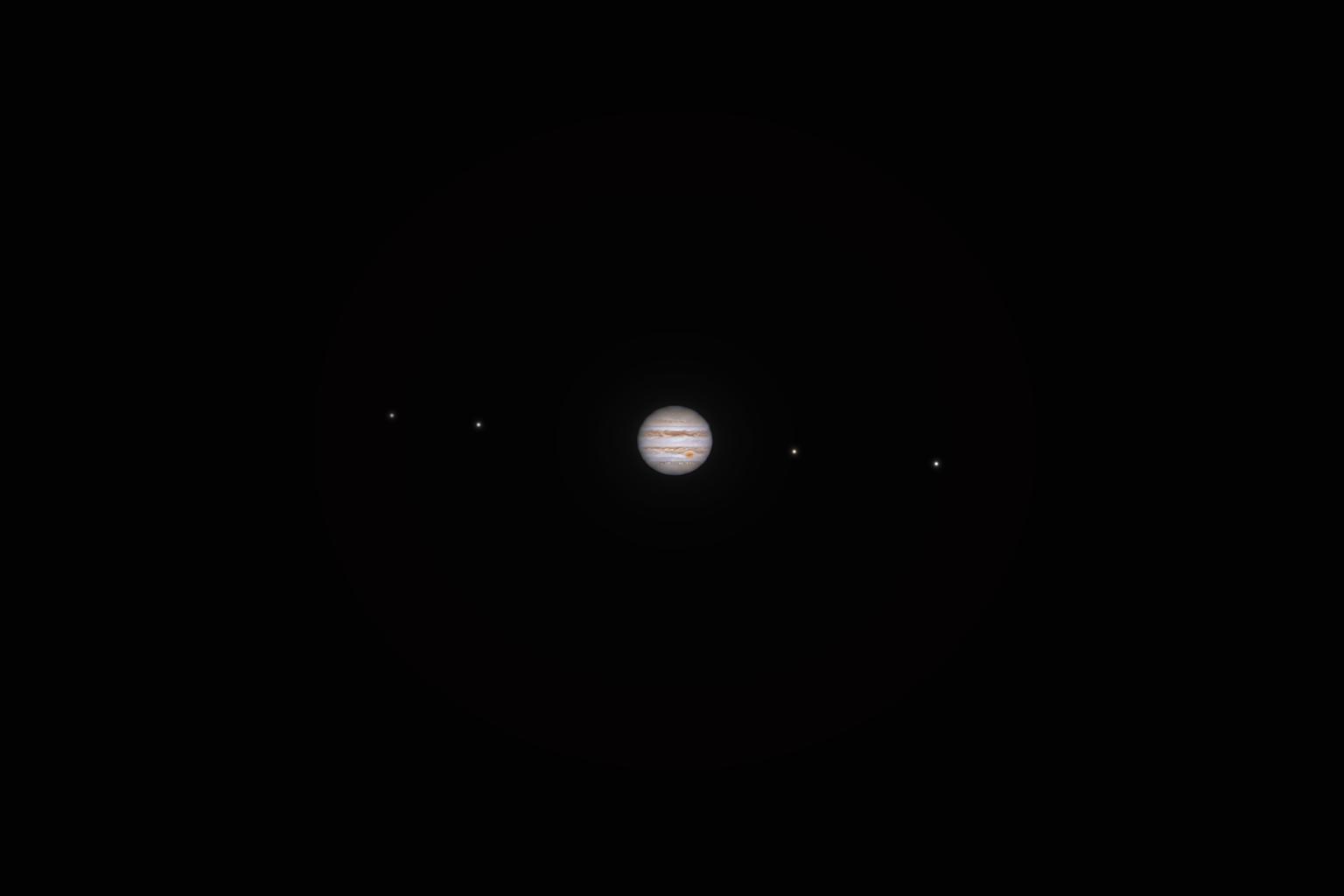




01What it's good atWhat it's best at — and the trade-offs.
Large 8" aperture shows deep sky objects clearly while still handling planets well
What it's best at — and the trade-offs.
02In plain EnglishWhat These Numbers Mean
203mm · f/10 · 2032mm FL · Alt-Az GoTo
What These Numbers Mean
03The Polaris ScoreHow it scores, and why.
92/100 · #1 of 12 telescopes we recommend
How it scores, and why.
Polaris weighs optical capability, how easy the scope is to live with, how portable it is, and how far it takes you before you outgrow it — not list price or brand.
04Who it's forAn honest fit check.
Beginners who want an easy, guided experience with no frustration
An honest fit check.
05Build your rigWhat to buy next — and where it leads.
15 pieces of gear, ordered by what changes the view most
What to buy next — and where it leads.
See wider, brighter deep-sky views★ Top pickExplore Scientific 68deg 28mm 2-inch
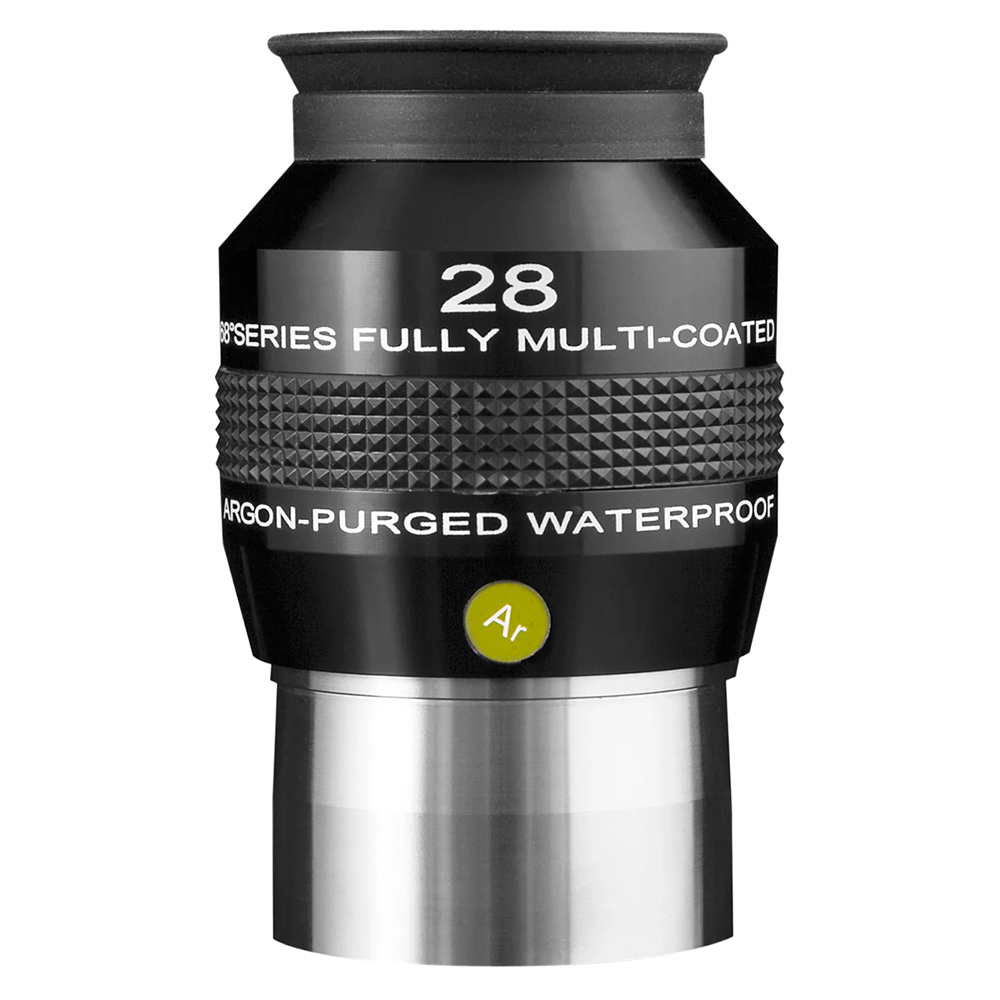
Wider true field for large deep-sky objects.
Double your magnificationTele Vue 2x Barlow 1.25-inch
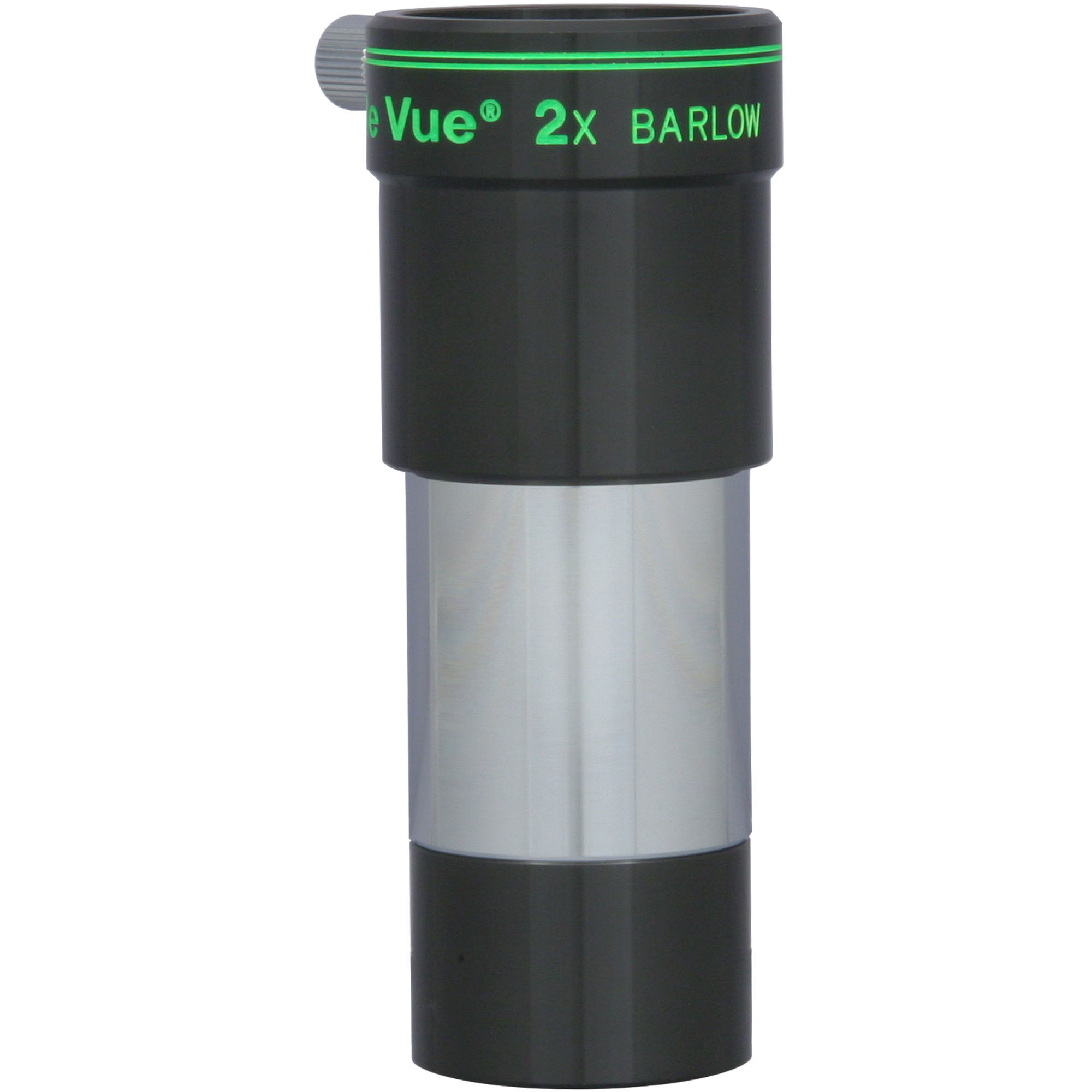
Doubles magnification with no image degradation.
Start imaging planets & the MoonCelestron NexImage 20MP Solar System Color Imager
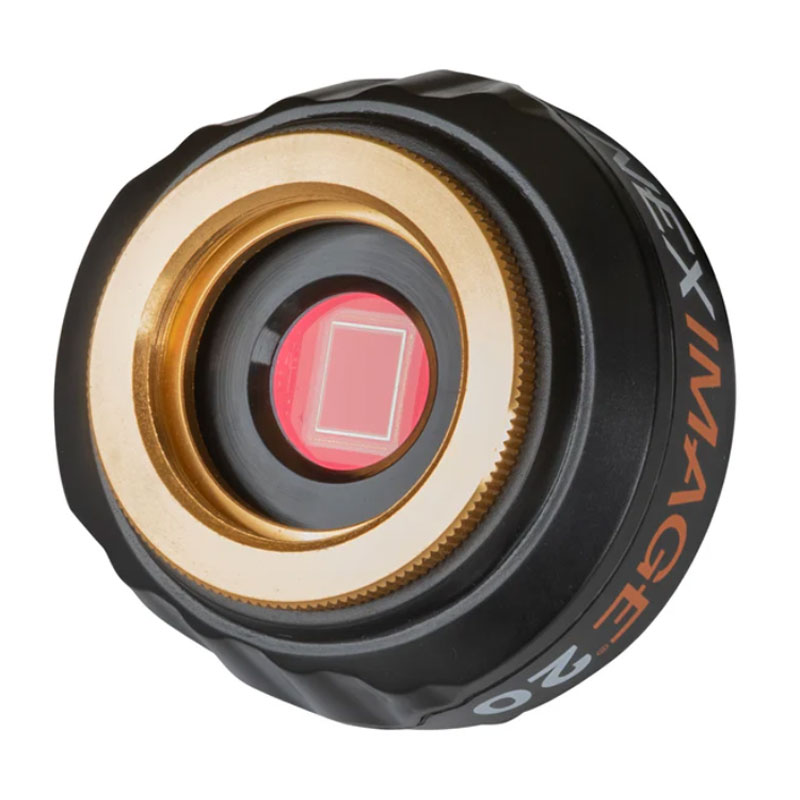
Turns the 8SE's long f/10 focal length into a planetary imaging rig. Drops into the 1.25in diagonal.
Visual observing tonightAlt-Az GoTo✓ Included
Ships with this telescope — point-and-track for visual sessions, no extra setup.
Better tracking & light imagingSky-Watcher HEQ5 Pro SynScan GoTo Mount⚠ Advanced setup
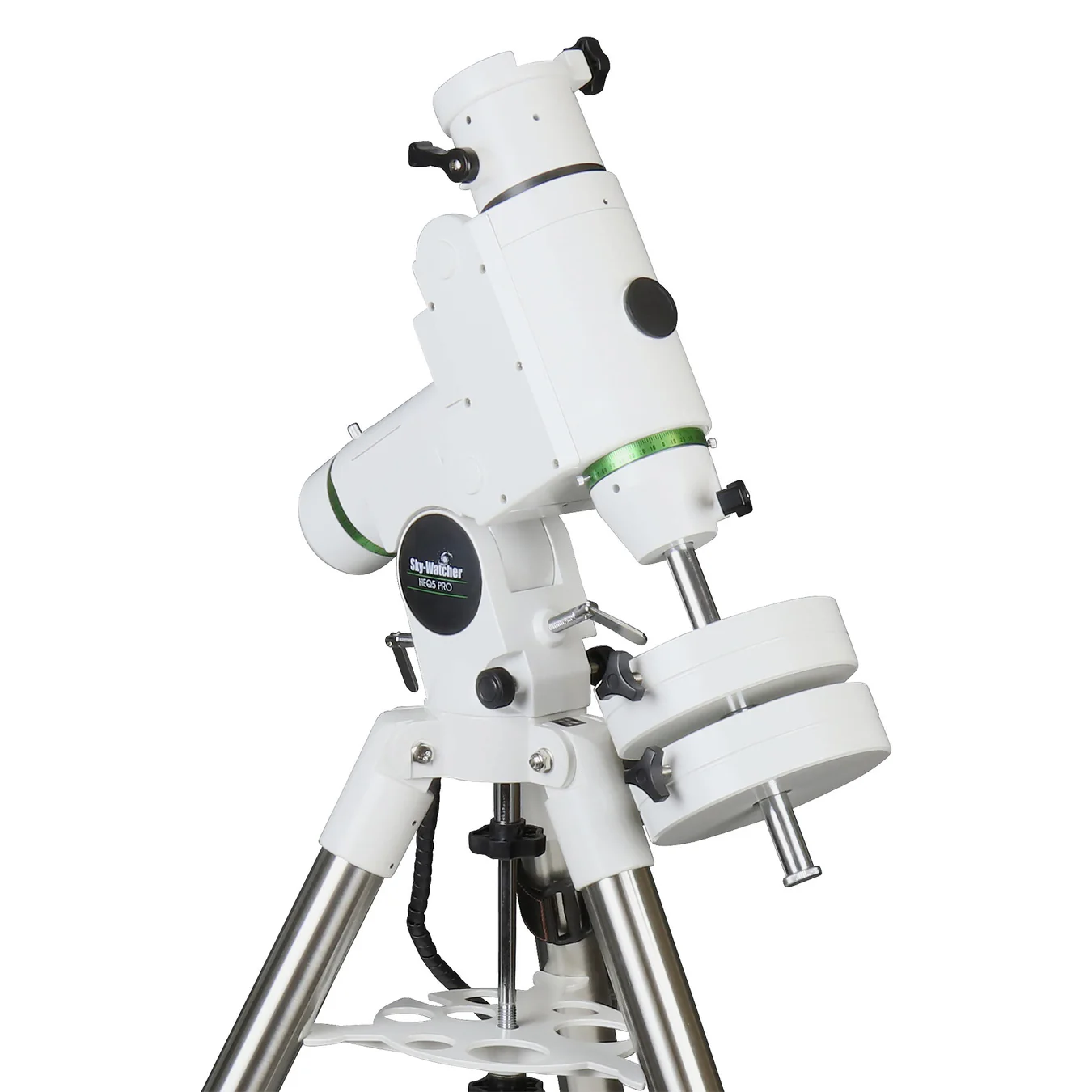
Requires moving the OTA from its fork arm to a dovetail rail
Portable astrophotographyZWO AM5N Harmonic Equatorial Mount⚠ Advanced setup

Requires moving the OTA from its fork arm to a dovetail rail
Start imagingZWO ASI662MC
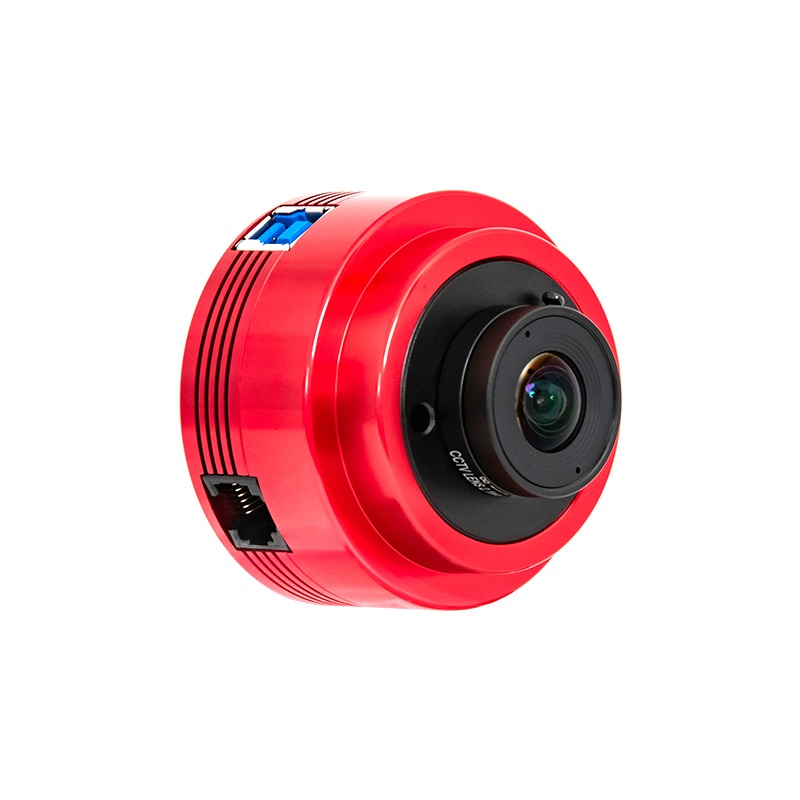
High frame rate camera for planetary and lunar imaging
A sharper everyday viewEthos 13mm
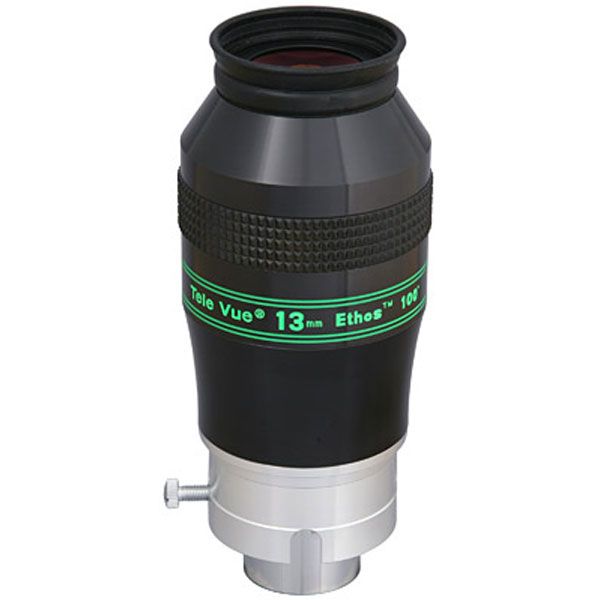
Balanced magnification, great for general observing
Sharper planets & lunar detailDelos 8mm
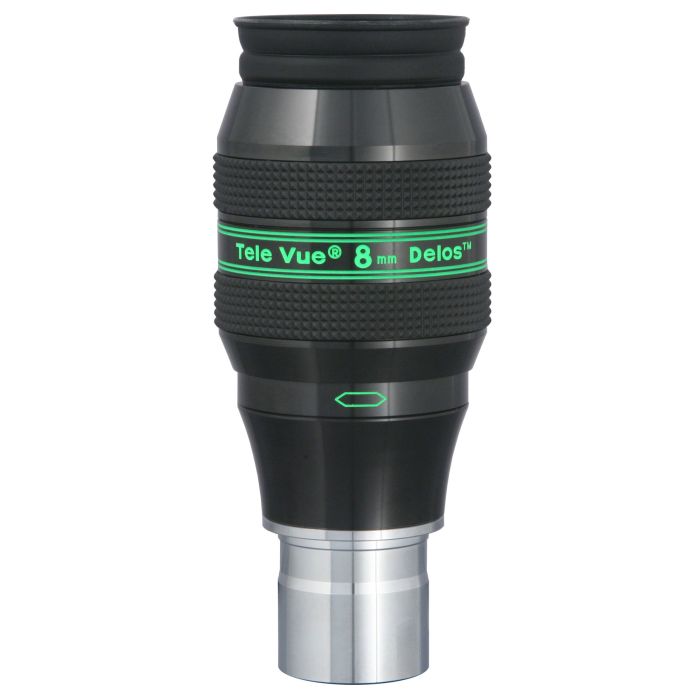
High magnification, best for planets and lunar detail
Make nebulae popUHC Nebula Filter
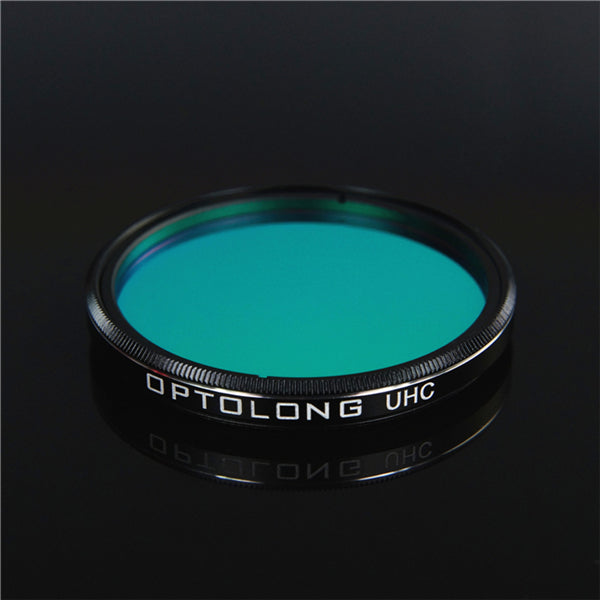
Enhances contrast on nebulae under light pollution
06The numbersFull specifications.
7 measured and stated values
Full specifications.
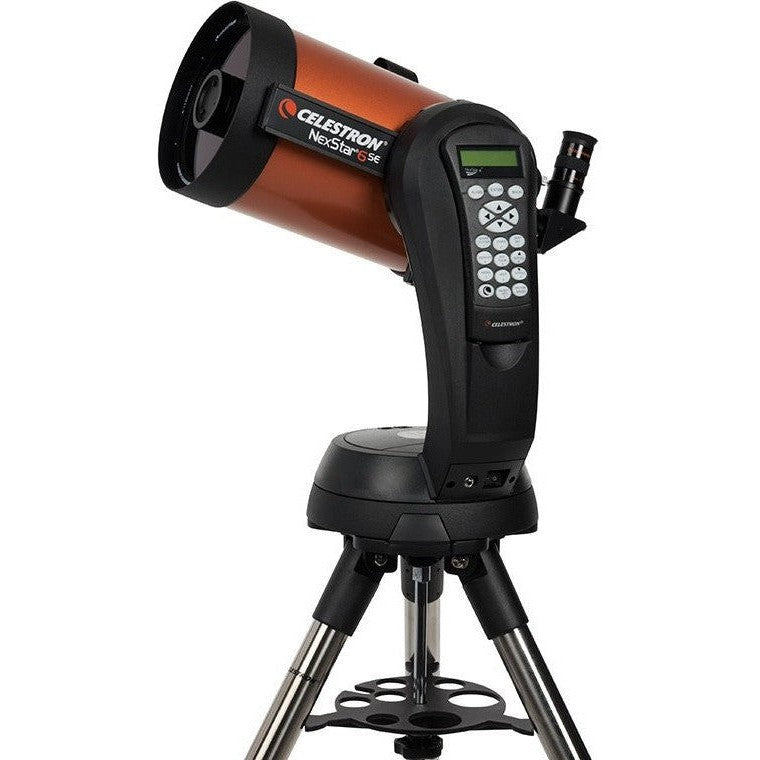
The 8SE put GoTo in a lot of first-time hands and is still the default do-everything computerised scope. GoTo means the mount finds and tracks for you: align on two bright stars, pick a target, and its motors slew there and follow it. The 8-inch Schmidt-Cassegrain ("SCT") folds a long 2032 mm focal length into a compact tube on a single-arm alt-az fork, so you get serious aperture for high-resolution Moon, planets and real deep-sky detail, carried out in two pieces. As a point-and-explore visual scope, few first telescopes are as beloved.
07AlternativesFor a different goal, start here.
3 alternatives, each mapped to the goal it wins at
For a different goal, start here.
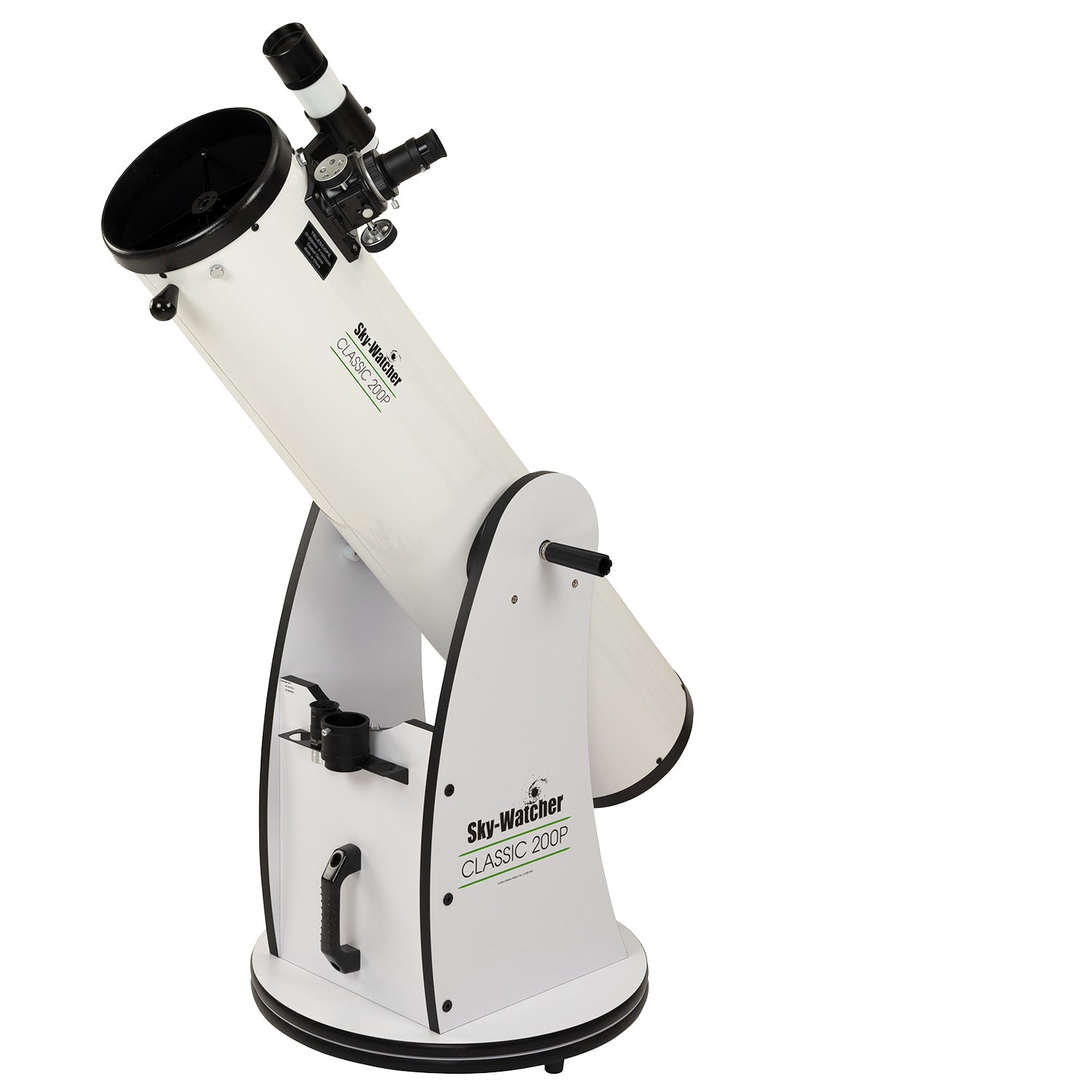
Sky-Watcher Classic 8 Dobsonian
Same 8" aperture for half the price, if you don't need GoTo
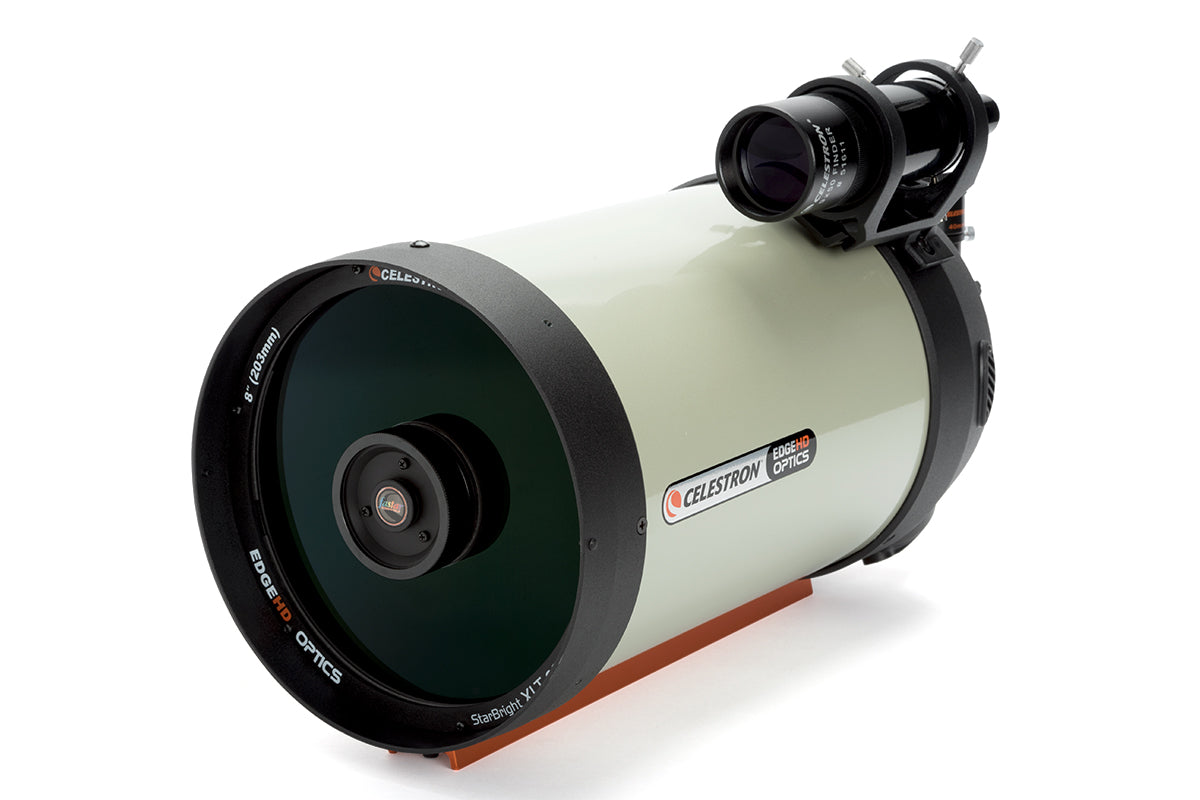
Celestron EdgeHD 8
Flat-field optics for serious astrophotography, if you have the budget
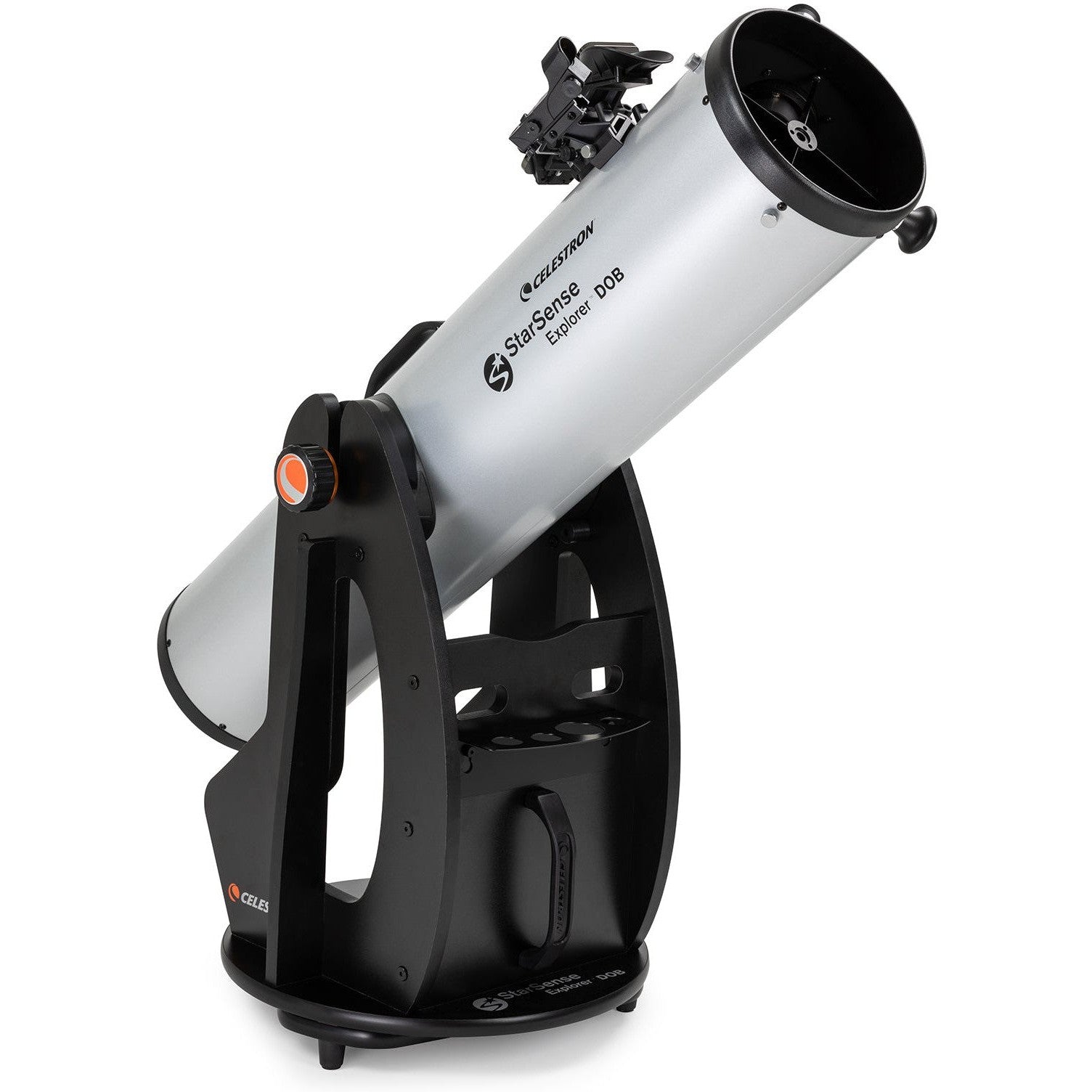
Celestron StarSense Explorer 8
Smartphone-guided finding without the complexity of GoTo alignment

Used in these setups.
Real builds from the community that include this product.