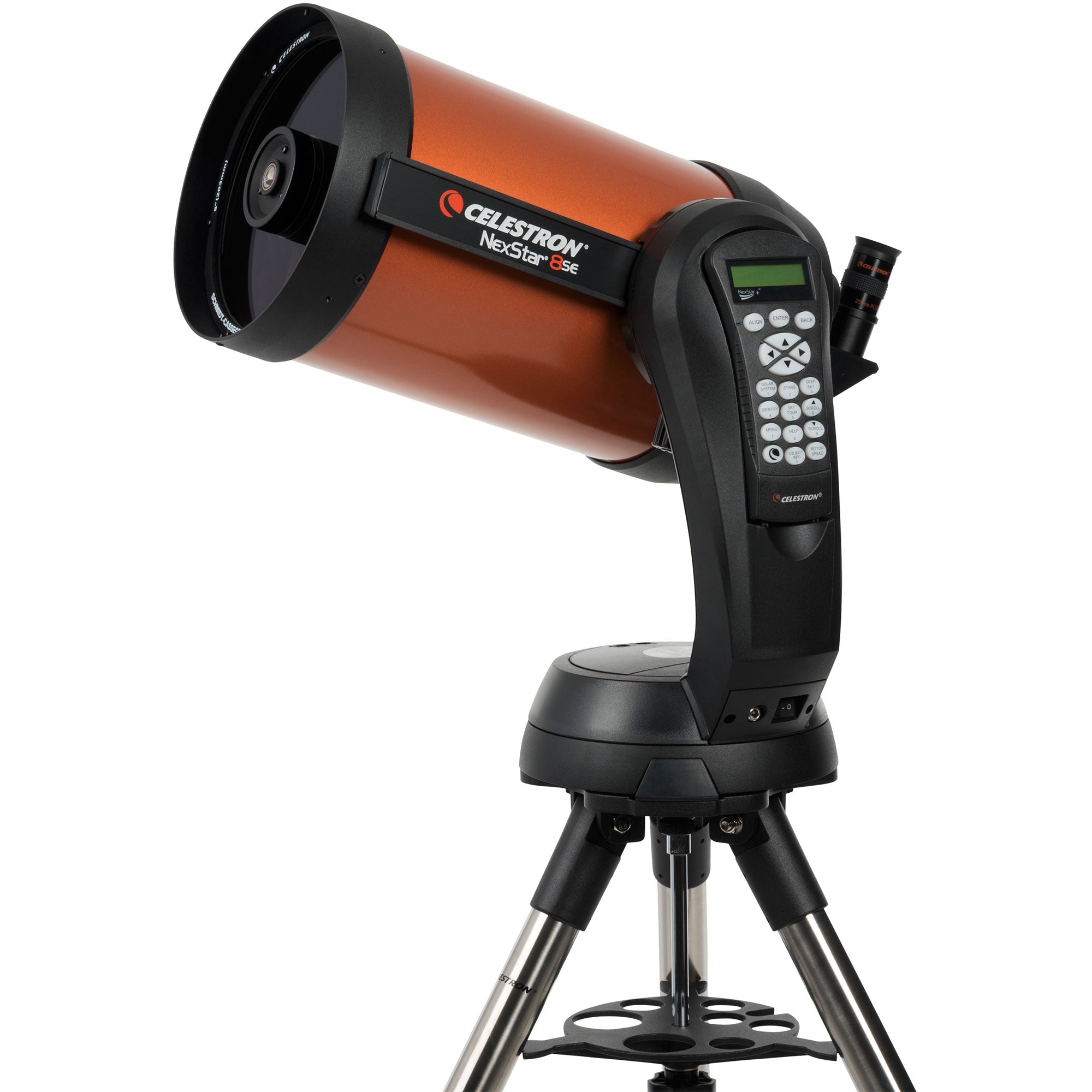
Celestron EdgeHD 8 — image 1
Celestron

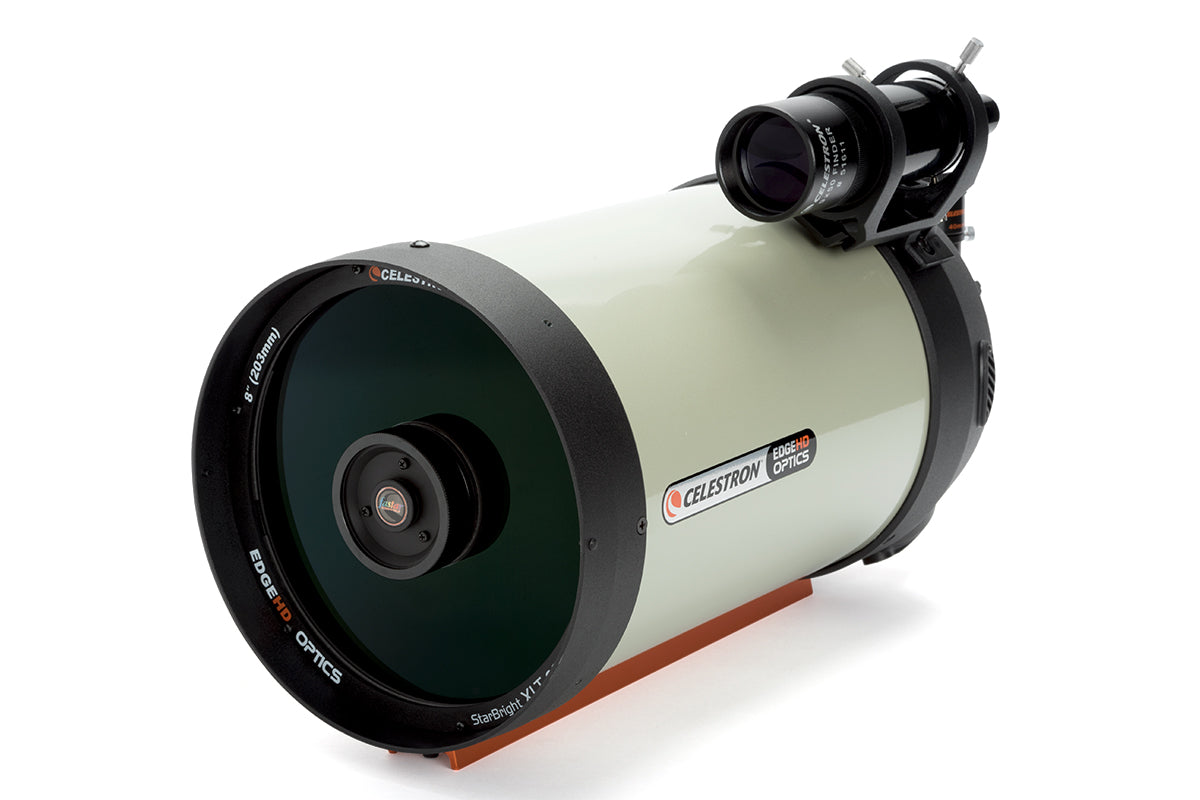
Celestron EdgeHD 8

Celestron's flagship 8-inch imaging SCT, with aplanatic optics that hold stars pinpoint to the corners of a large sensor in a portable 2032mm tube. Buy it for one instrument that does high-res planets and serious deep-sky imaging, on a real mount.

94/ 100
Polaris Score
Performance · ease · portability · upgrade path
See the breakdown ↓
Aperture
203mm
Focal Length
2032mm
Focal Ratio
f/10
Mount Type
None (OTA only)
Optical Design
Schmidt-Cassegrain (EdgeHD)
Weight
6.4 kg
From$1,499

Lowest in 90 daysLowest ever tracked

Price tracked by PolarisObserved 97 timesTracking since Jul 2026

Try in simulator →
What it's built forOpen these in the simulator →

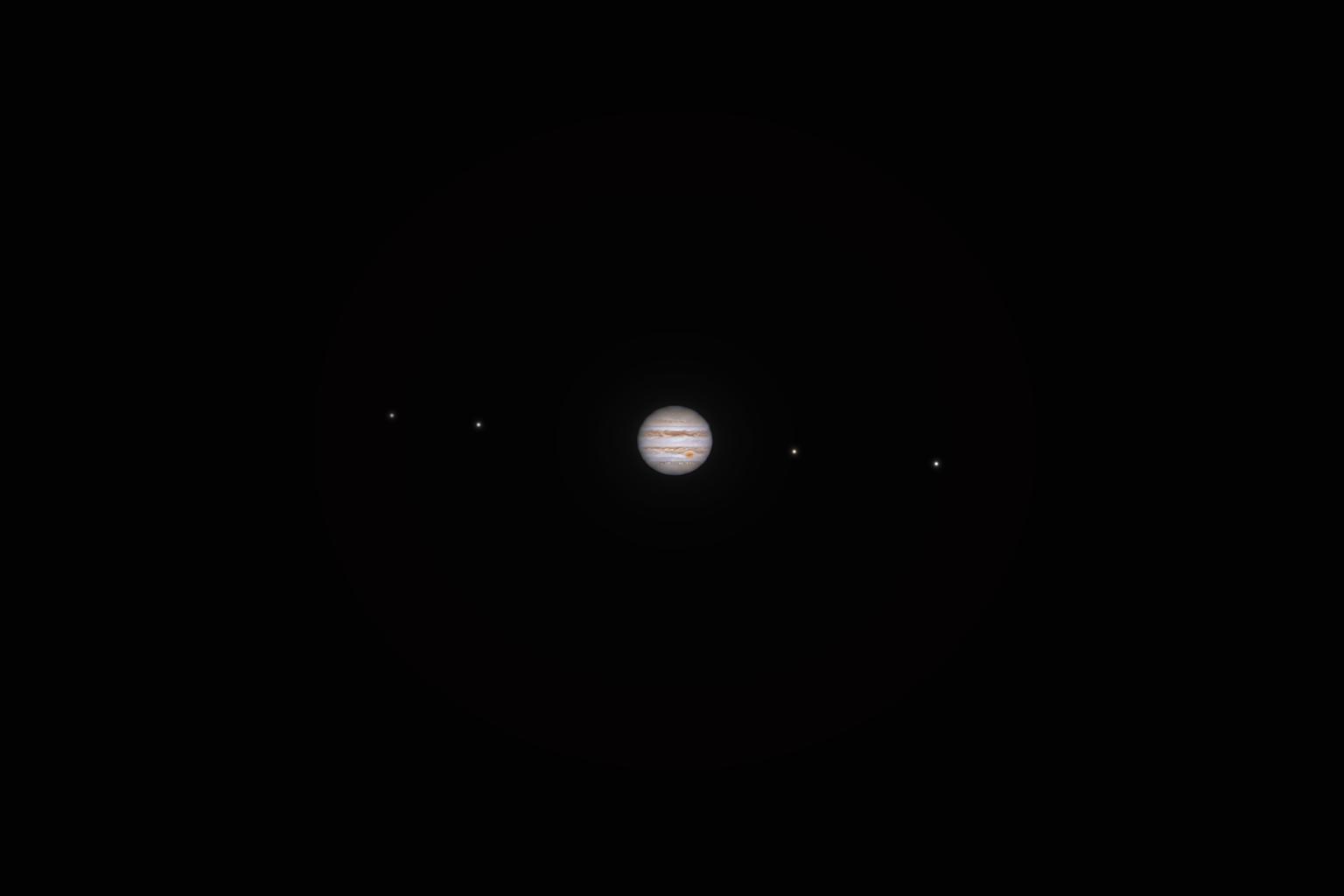
This telescope lives for the planets.

An f/10 focal length built to magnify. Where fast scopes sweep wide, this one holds a single planet rock-steady at high power — a telescope for the patient observer on a steady night.

Sweet spot 150–250×Loves steady seeing
01What it's good at

What it's best at — and the trade-offs.

Aplanatic EdgeHD optics keep stars sharp to the edge of a large sensor, the flat field ordinary SCTs lack.
Best at
✓Aplanatic EdgeHD optics keep stars sharp to the edge of a large sensor, the flat field ordinary SCTs lack.
✓203 mm at f/10 (2032 mm) delivers high-resolution lunar, planetary and small deep-sky detail from a compact tube.
✓Reducer- and Hyperstar-ready: the 0.7x reducer drops it to f/7, and a Hyperstar takes it to f/2 as a fast astrograph.
✓A Fastar-removable secondary and mirror lock make it a long-term imaging platform, not a fixed one-trick optic.
Trade-offs
!At f/10 it is slow for deep sky, so plan on the 0.7x EdgeHD reducer or a Hyperstar to keep exposures reasonable.
!The 2032 mm focal length is unforgiving: it needs a sturdy equatorial mount and good autoguiding, which often cost more than the OTA.
!Sold as an optical tube only, so budget separately for a mount, and usually a dew heater and an upgraded focuser.
!The closed tube dews up and needs cool-down time, and the moving-mirror focus can shift during long imaging runs.
02In plain English

What These Numbers Mean

203mm · f/10 · 2032mm FL
Aperture
203 mm (8 inch)
Eight inches gathers about 840 times the light of your eye, enough to resolve globular clusters, split tight doubles and show belt structure on Jupiter. It is the most popular aperture in the SCT range because it balances reach against a tube one person can handle.
Focal length
2032 mm
Two metres of focal length naturally favours planets, the Moon, small galaxies and globular clusters. Large nebulae need the 0.7x reducer, which brings it to 1422 mm, or a shorter telescope entirely.
Focal ratio
f/10
Slow, which makes high magnification effortless and eyepieces forgiving, but makes deep-sky imaging a long-exposure exercise with tight guiding requirements. Most imagers add the dedicated reducer.
Optical design
EdgeHD Schmidt-Cassegrain
Built-in field correction keeps stars round to the edge of an APS-C or full-frame sensor, unlike a standard SCT which bloats them outward. That correction is the reason to choose an EdgeHD over the cheaper C8.
Weight
~6.4 kg tube
Around 14 lb of tube, which is light for eight inches of aperture and easy to lift onto a mount alone. The folded optical path is what makes that possible.
Cooldown
45 to 60 minutes
The closed tube traps indoor warmth and the resulting air currents blur planetary detail. Set it outside while you prepare the rest of the session and the last hour of the night will be sharper than the first.
03The Polaris Score

How it scores, and why.

94/100
94/ 100
Celestron EdgeHD 8
Performance
98
Ease of use
80
Portability
75
Upgrade potential
98

Polaris weighs optical capability, how easy the scope is to live with, how portable it is, and how far it takes you before you outgrow it — not list price or brand.

04Who it's for

An honest fit check.

Imagers who want one scope for both planets and deep sky
Buy it if you
✓Imagers who want one scope for both planets and deep sky
✓Observers who want serious focal length in a tube they can still lift
✓Buyers investing in an upgrade-friendly platform (reducer, Hyperstar, better focuser)
Look elsewhere if you
!You mainly observe visually and want the most aperture per dollar (an 8 to 10 inch Dobsonian gives more light for less).
!You want grab-and-go wide-field views or Milky Way imaging (a small fast refractor suits that far better).
!You have no capable equatorial mount and won't buy one, because these optics outrun a light alt-az.
05Build your rig

What to buy next — and where it leads.

11 pieces of gear, ordered by what changes the view most
Recommended upgrades
See wider, brighter deep-sky views★ Top pickExplore Scientific 68deg 28mm 2-inch
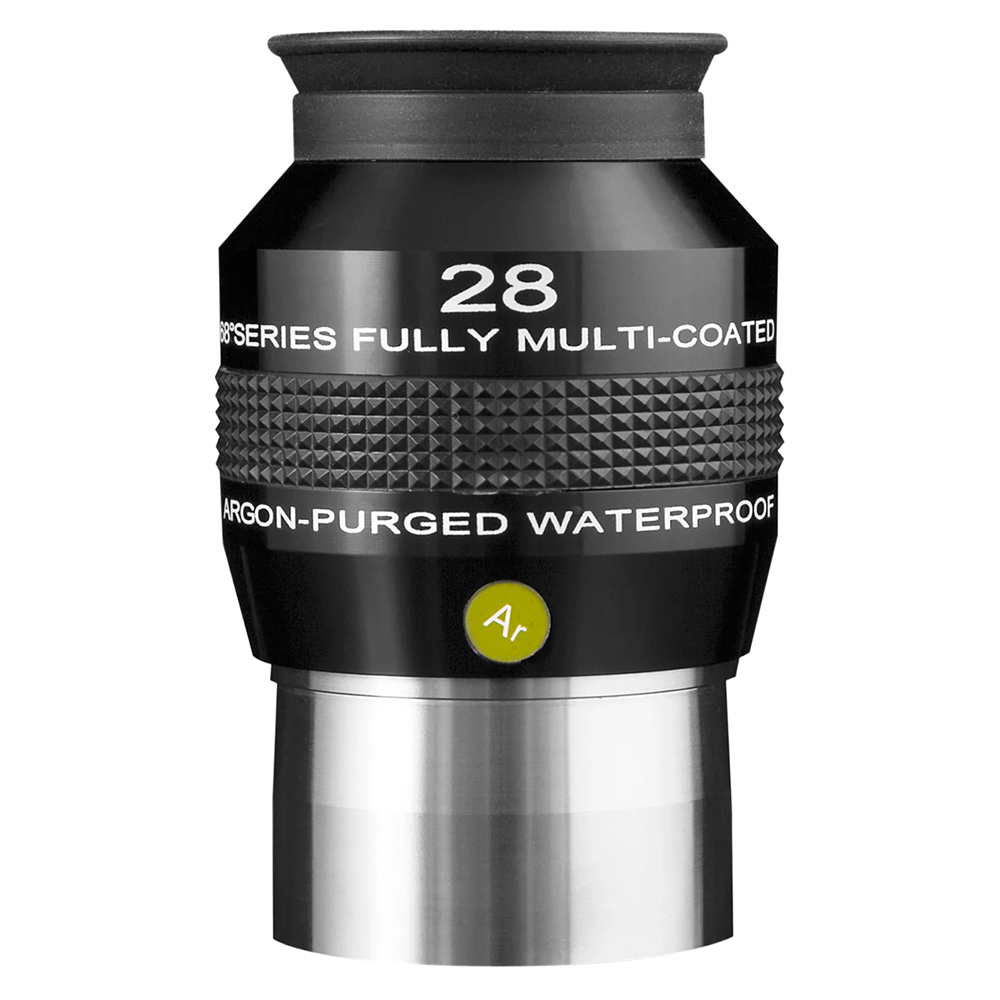
Wider true field for large deep-sky objects.

Make nebulae popOptolong UHC Filter 2″
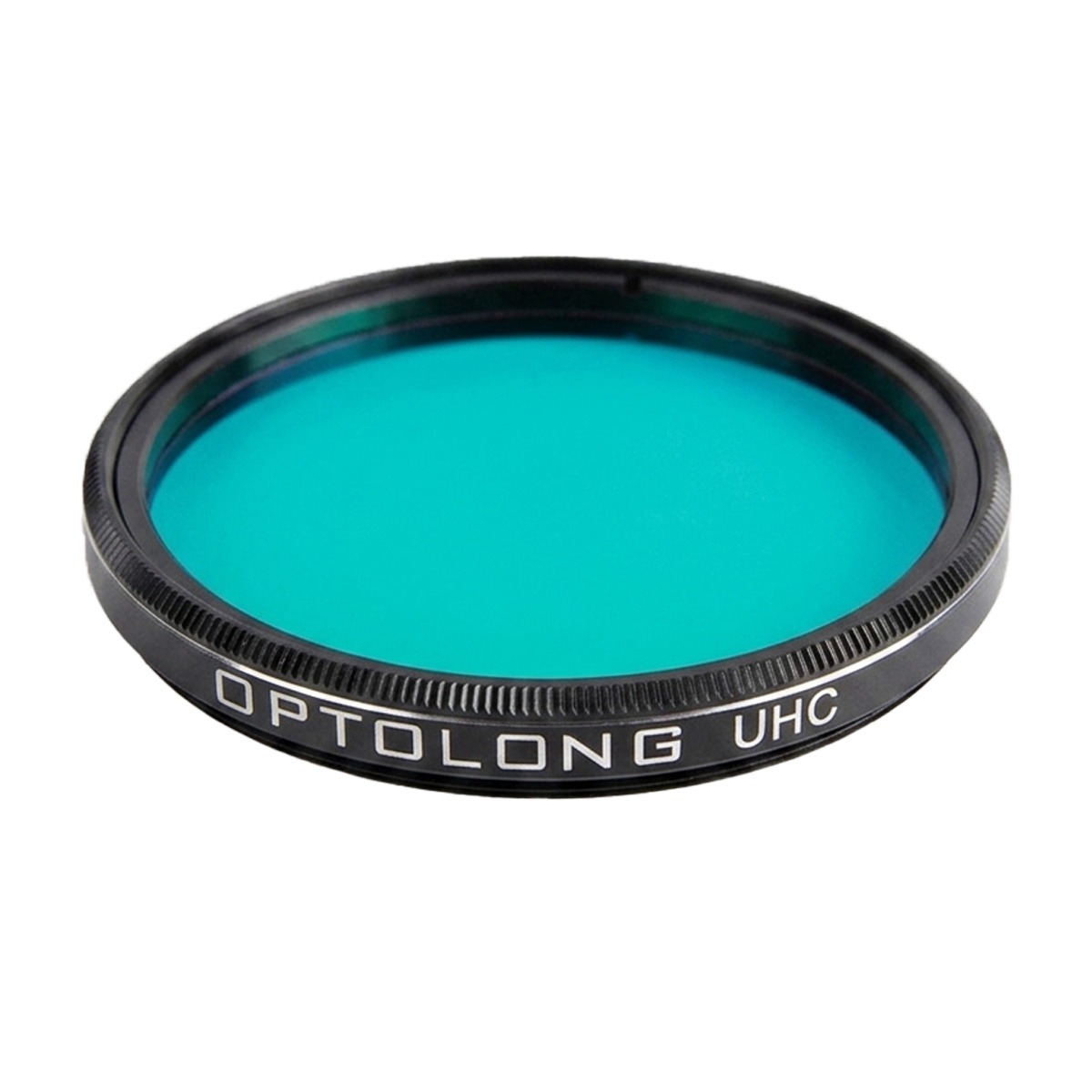
Improves contrast on emission nebulae.

No fogging on long sessionsPegasus Astro Multi-Channel Dew Controller
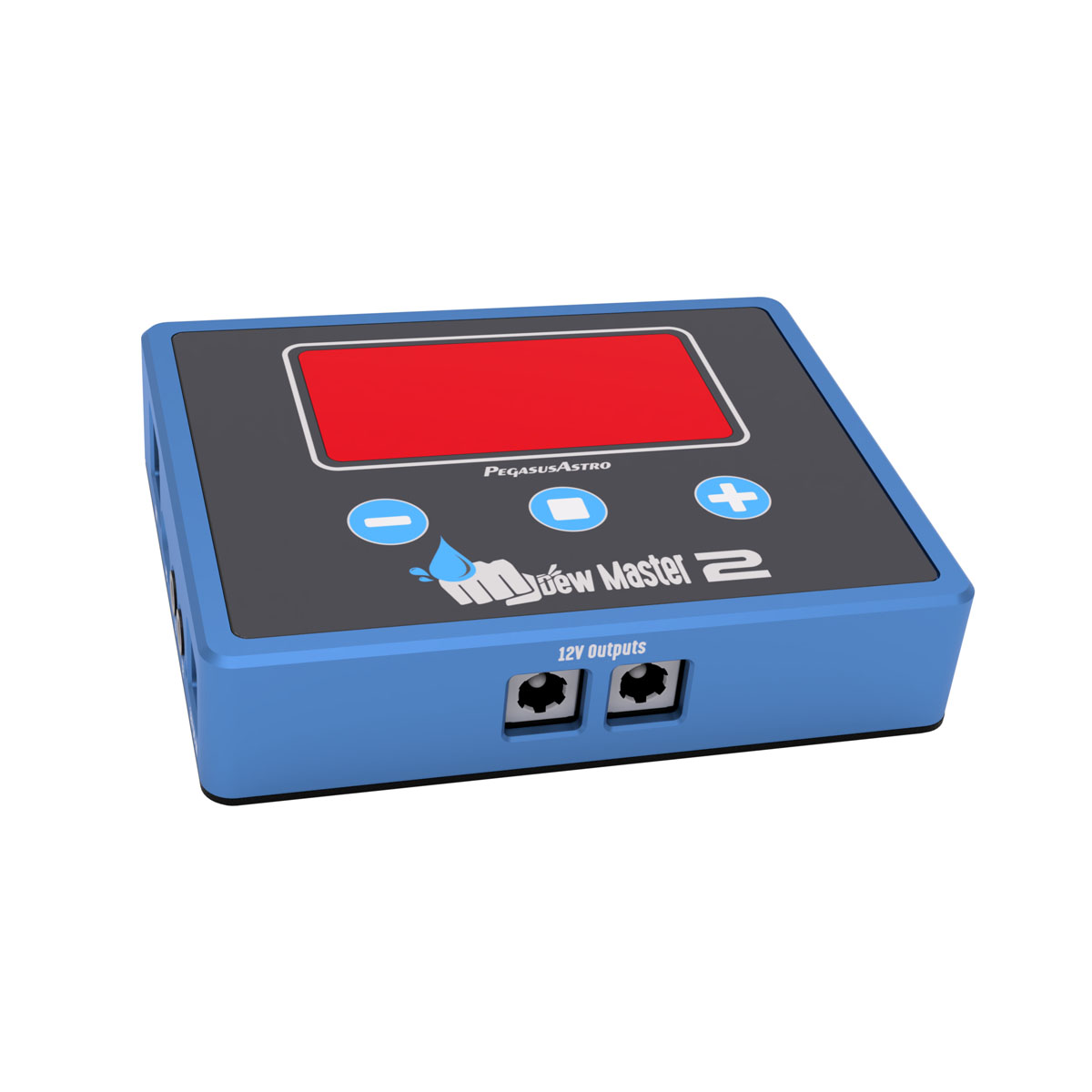
Stops dew from ending imaging sessions.

Imaging path
Better tracking & light imagingCelestron Advanced VX (AVX) Equatorial Mount⚠ Advanced setup
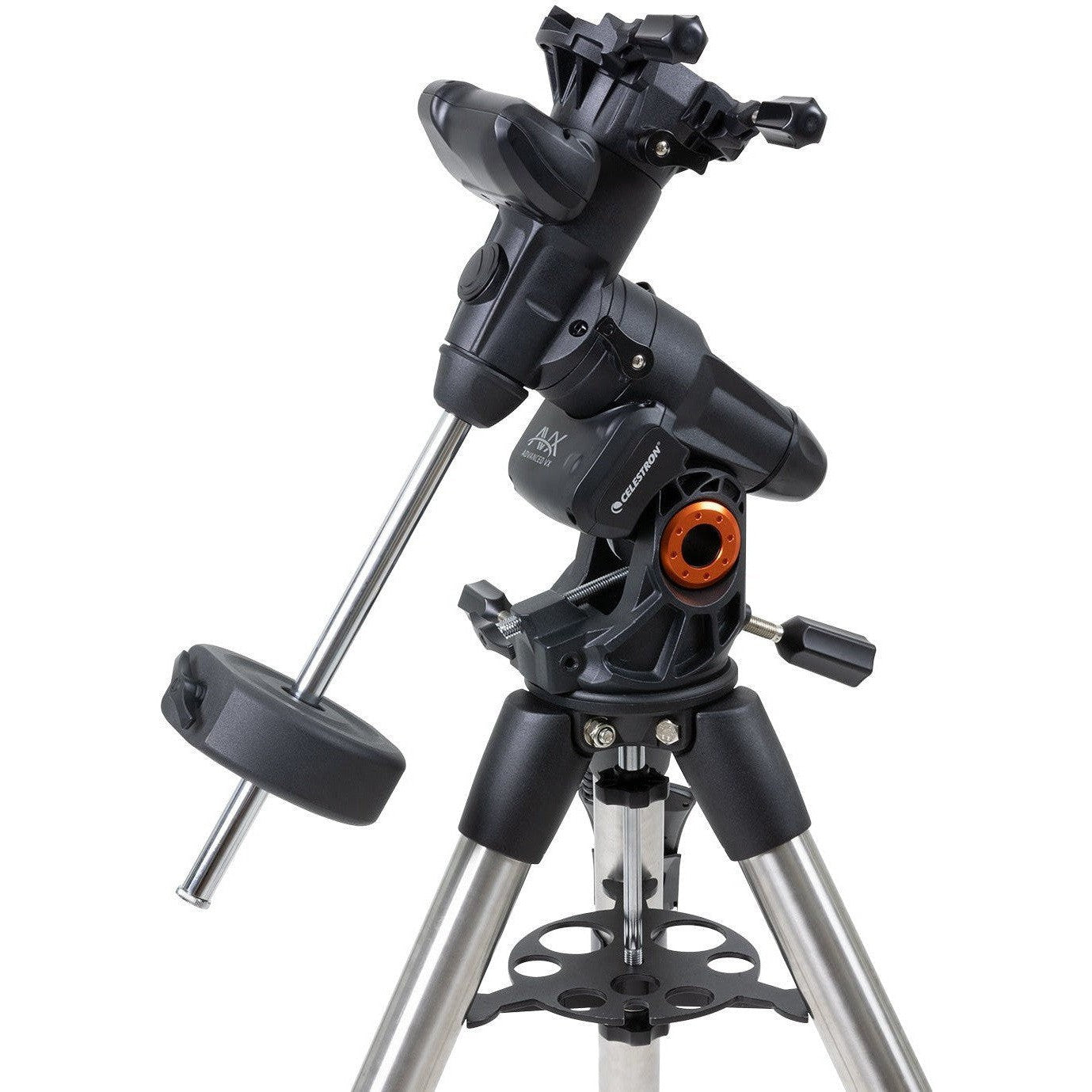
Near payload limit — visual OK, imaging strained

Portable astrophotographyZWO AM5N Harmonic Equatorial Mount✓ Compatible

Needs CGE-to-Vixen adapter

Permanent-setup astrophotographySky-Watcher EQ6-R Pro✓ Compatible
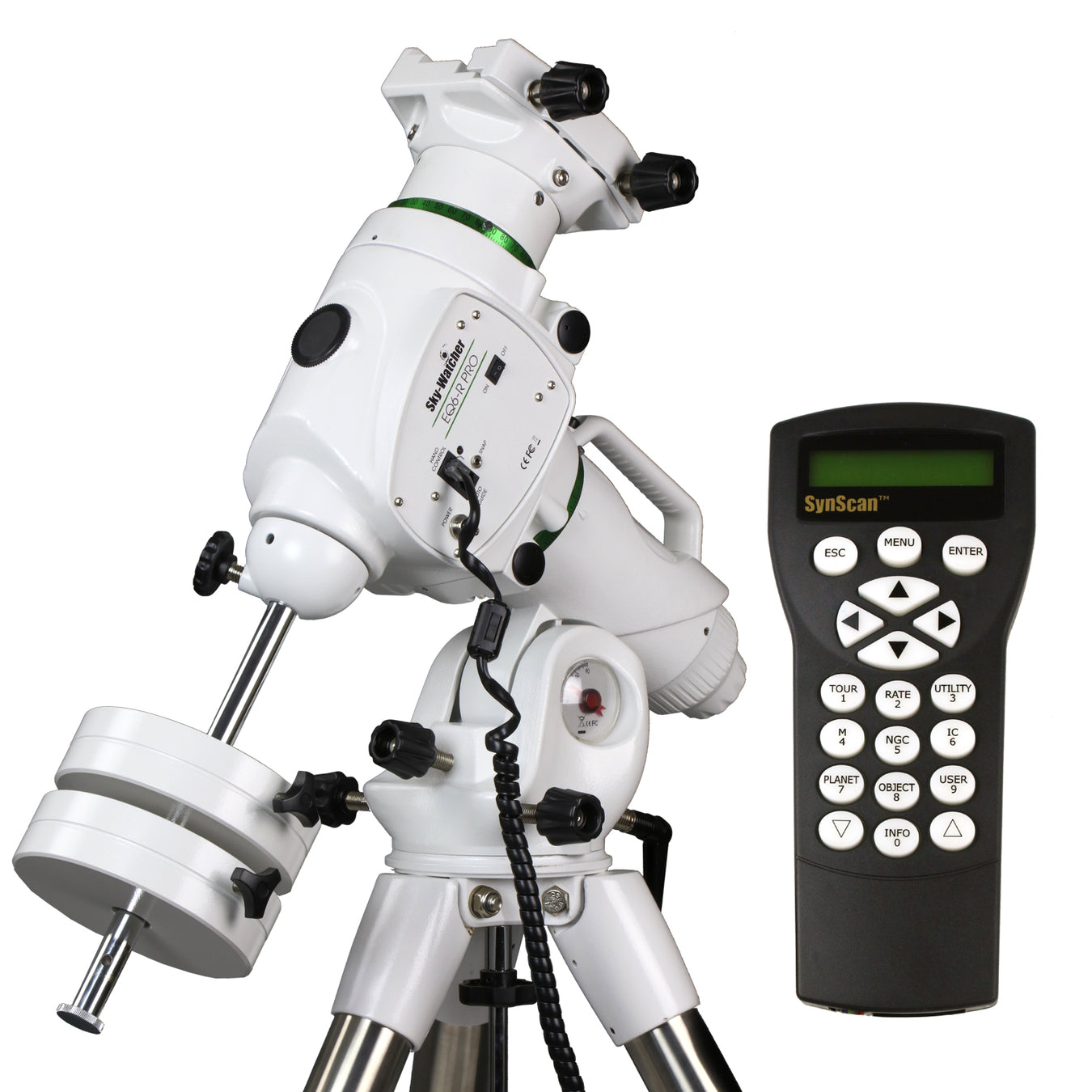
Good match for imaging

Start imagingZWO ASI2600MC Pro
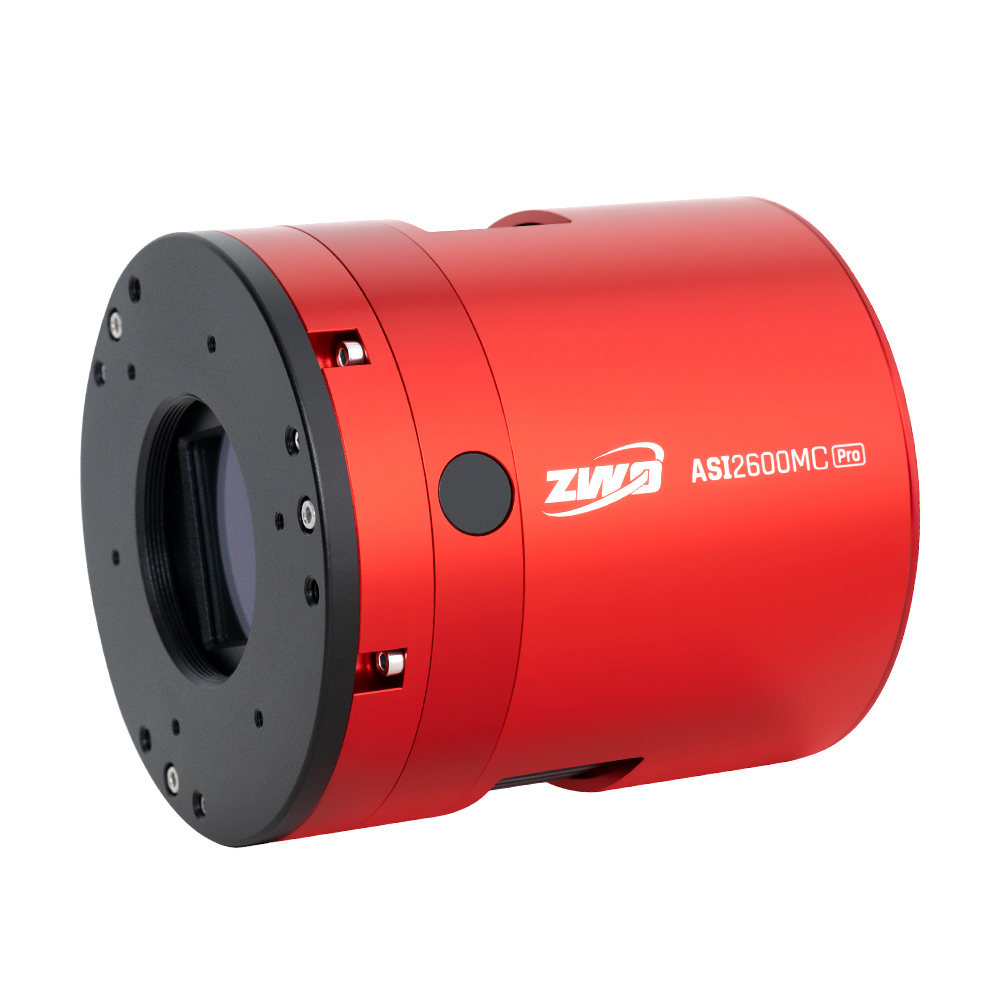
Start capturing images of the Moon and planets

Accessories
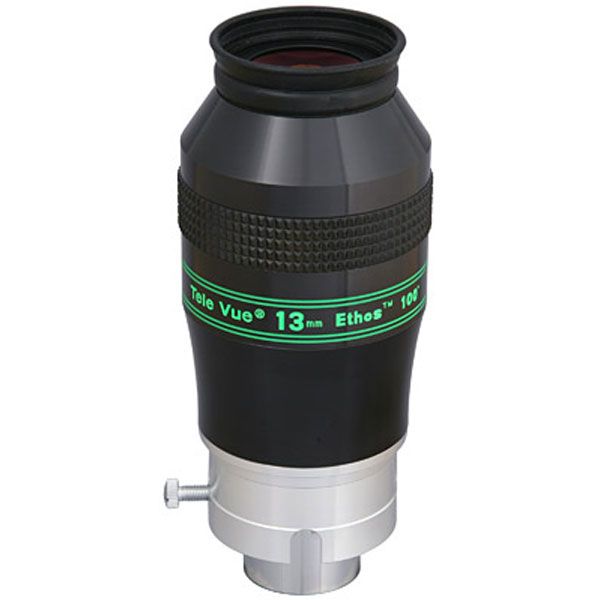
A sharper everyday viewEthos 13mm

Balanced magnification, great for general observing

Sharper planets & lunar detailDelos 8mm
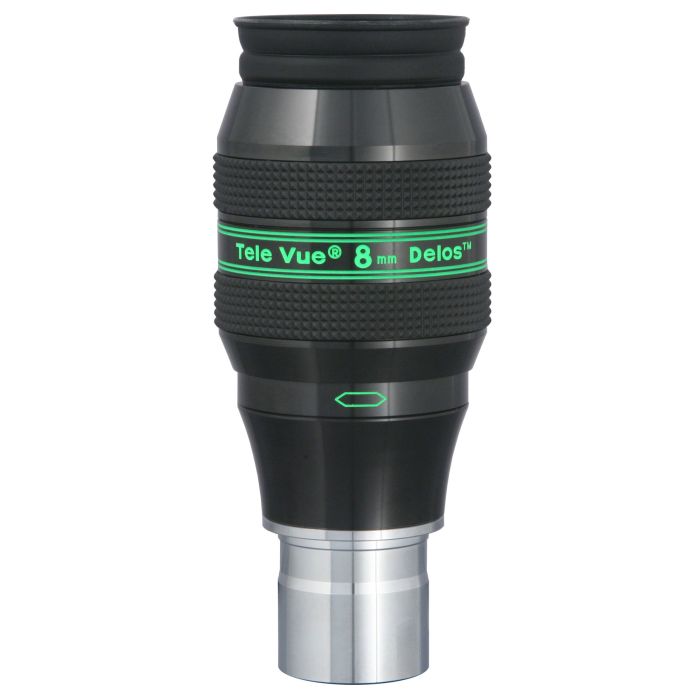
High magnification, best for planets and lunar detail
Lunar & planetary
Excellent
Deep-sky imaging
Ready once mounted
Visual observing
Strong all-rounder
06The numbers

Full specifications.

6 measured and stated values
Optics
Optical DesignSchmidt-Cassegrain (EdgeHD)
Aperture203mm
Focal Length2032mm
Focal Ratiof/10
Mount & drive
Mount TypeNone (OTA only)
Physical
Weight6.4 kg