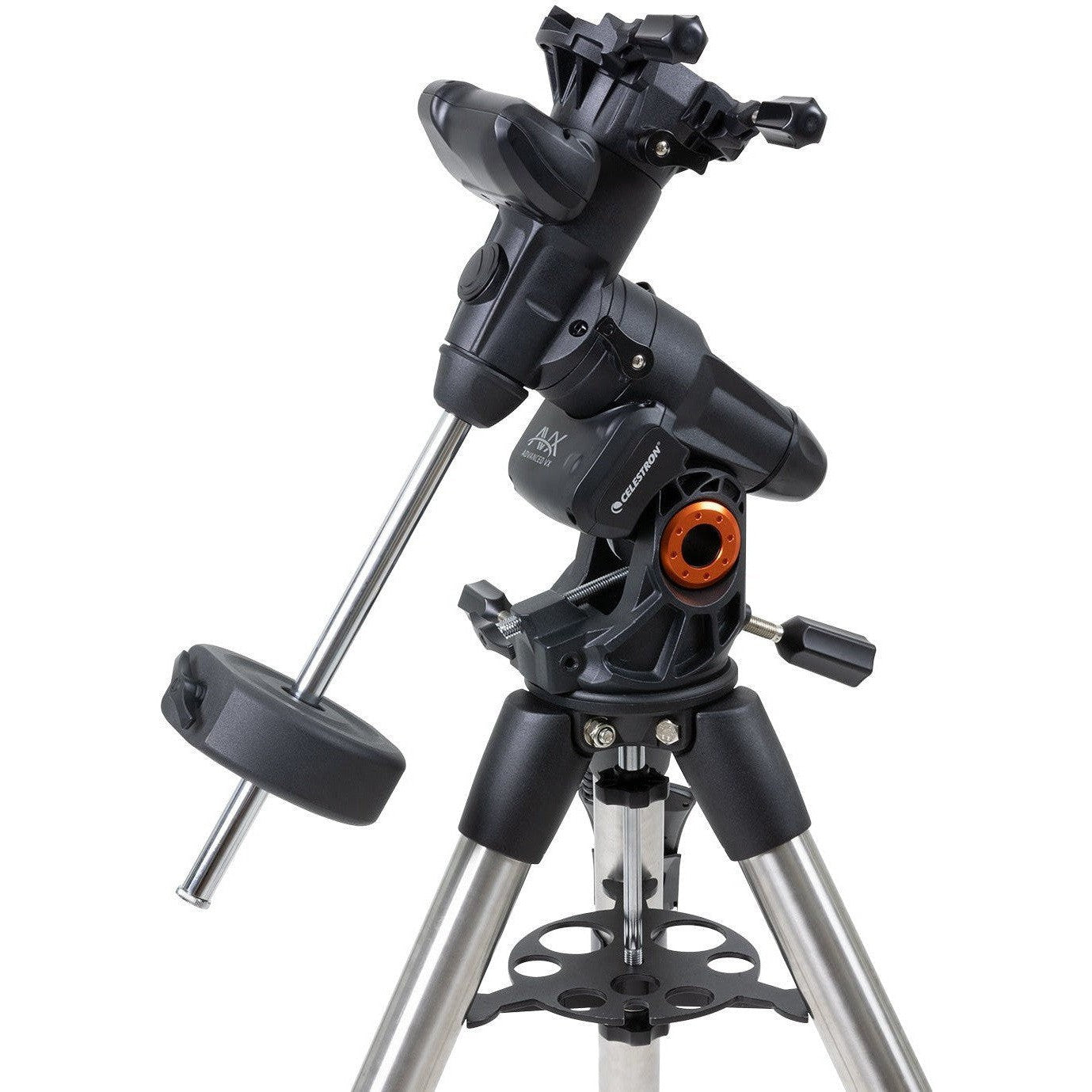
Celestron Advanced VX (AVX) Equatorial Mount
For a lot of people this is the first computerized mount they ever own, a German equatorial mount, the classic design where your telescope sits on one arm and a counterweight balances it on the other. Celestron's All-Star Polar Alignment and real GoTo make the jump from a beginner scope to tracked, go-anywhere observing feel approachable, and that first taste is what hooks you.
Lowest in 90 daysLowest ever tracked
Price tracked by PolarisObserved 55 timesTracking since Jun 2026
Verified 13h ago · prices tracked daily
01What it's good atWhat it's best at — and the trade-offs.
~13.6 kg capacity carries most 6–8" visual scopes and a small imaging rig (imaging wants roughly half the visual rating)
What it's best at — and the trade-offs.
02In plain EnglishThe numbers, in plain English.
13.6kg payload
The numbers, in plain English.
03The Polaris ScoreHow it scores, and why.
82/100
How it scores, and why.
Approachable GoTo and honest capacity for the money. The score reflects real limits, periodic error makes long-focal-length imaging a fight, but for visual and first imaging it punches at its price.
Polaris weighs tracking and payload capability, how easy the mount is to live with, how portable it is, and how far it takes you before you outgrow it — not list price or brand.
04Who it's forAn honest fit check.
Beginners who want their first GoTo mount, one that finds objects and tracks them
An honest fit check.
05The numbersFull specifications.
7 measured and stated values
Full specifications.
If you're new to mounts, here's the idea behind a German equatorial mount (GEM) like the AVX: your telescope sits on one side of a bar and a heavy counterweight balances it on the other, and the whole head tilts to match your latitude. You aim its axis at the celestial pole near Polaris, 'polar alignment', and from then on a single motor slowly turns to follow the sky, keeping objects still in the eyepiece. The AVX adds two beginner-friendly touches: All-Star Polar Alignment, which walks you through that alignment using any bright star instead of a fiddly polar scope, and GoTo, a database of thousands of objects the mount will slew to and track on command. It won't win a guiding contest for astrophotography, and it isn't the mount you'll keep forever, but it's the one where 'let the computer find it' first clicks and the sky stops feeling intimidating. That first taste is exactly what it's for.
06PairingsPairs well with.
3 scopes we would actually put on this mount
Pairs well with.
The scopes we’d actually put on this mount — chosen for payload, balance and intended use. Comfortable means room to spare; near the limit still works, with care.
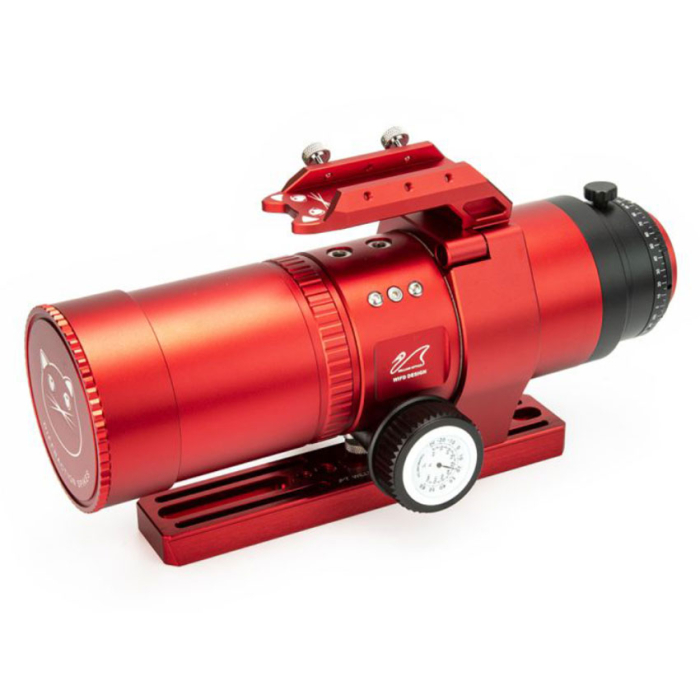
An approachable GoTo mount plus a forgiving refractor, a superb first imaging rig.
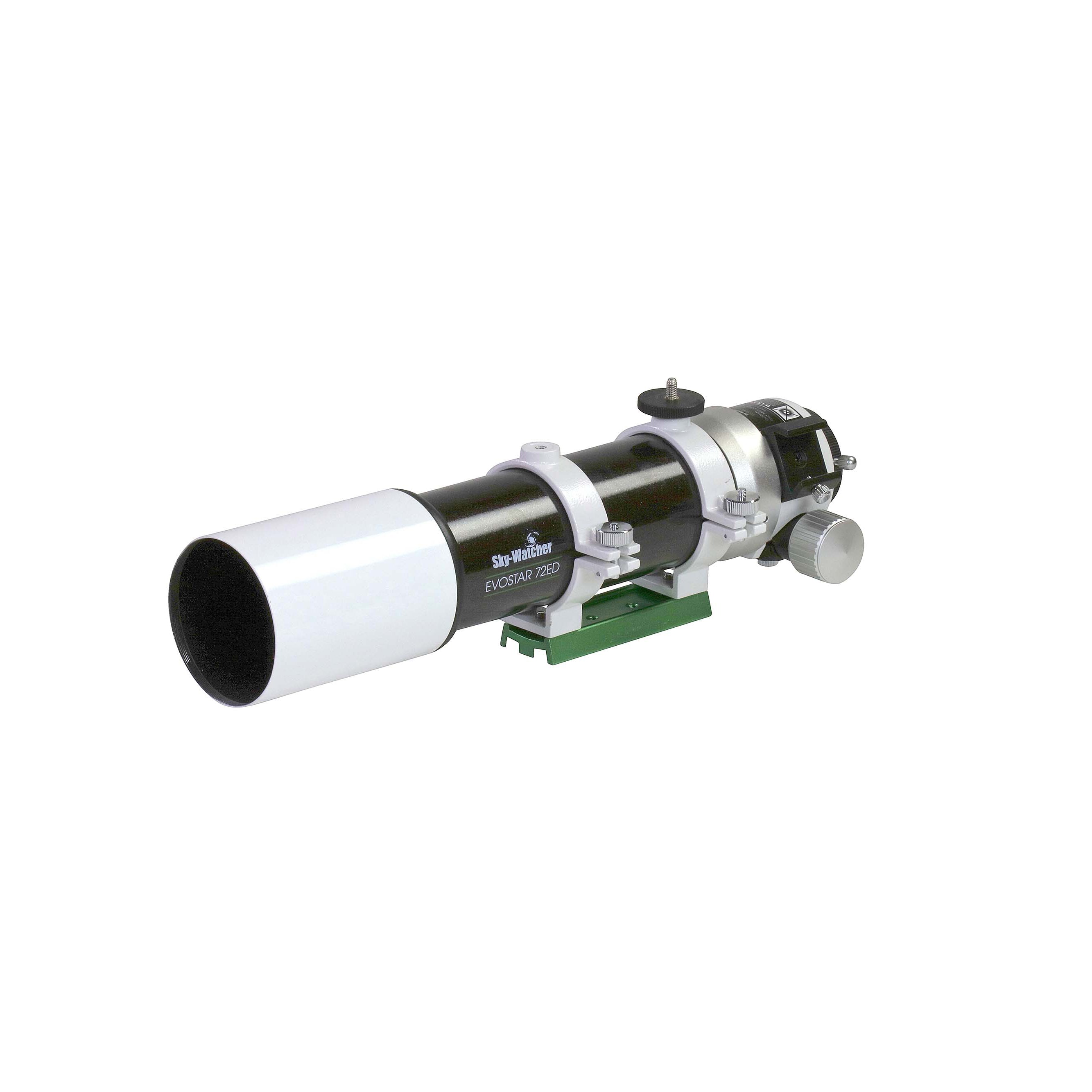
Light, wide-field, beginner-friendly imaging.
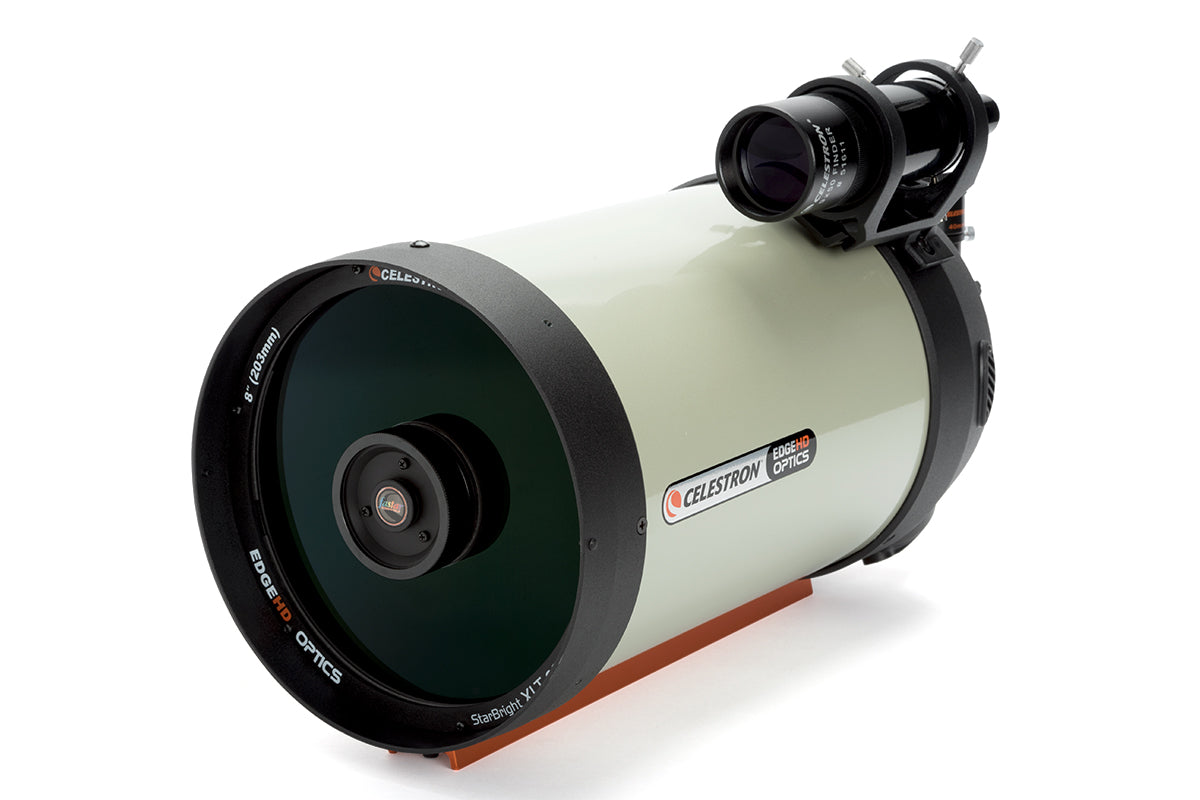
Happy for visual. For long focal-length imaging its periodic error fights you, and imagers move to an EQ6-R.
Fair-to-good; widely sold and supported, common as a first GoTo mount.