
What are you looking for today?
17 setupsNarrow by how you’ll observe, or how far along you are.
Small Scope, Big Magnification
“Planetary reach that fits in a camera bag.”
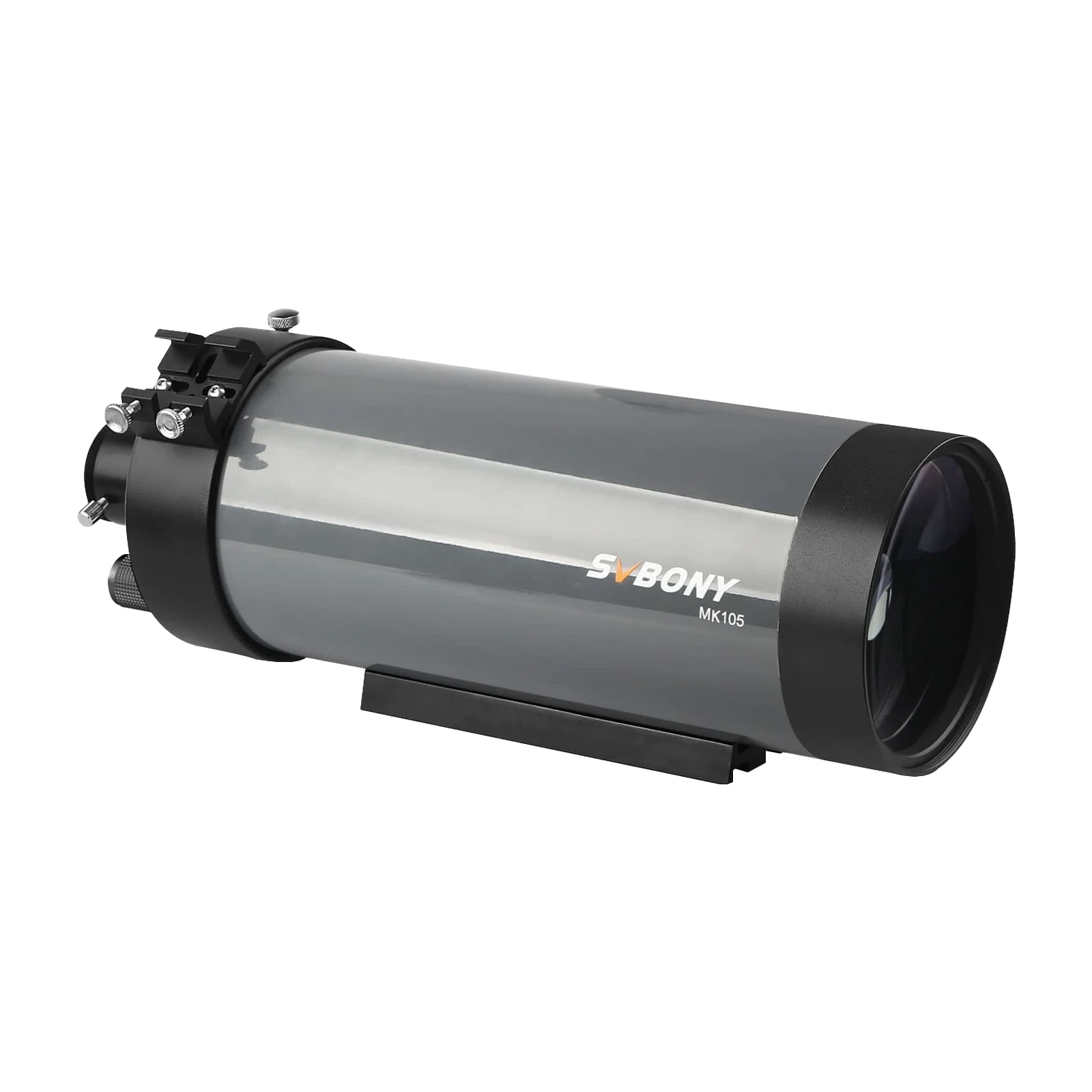
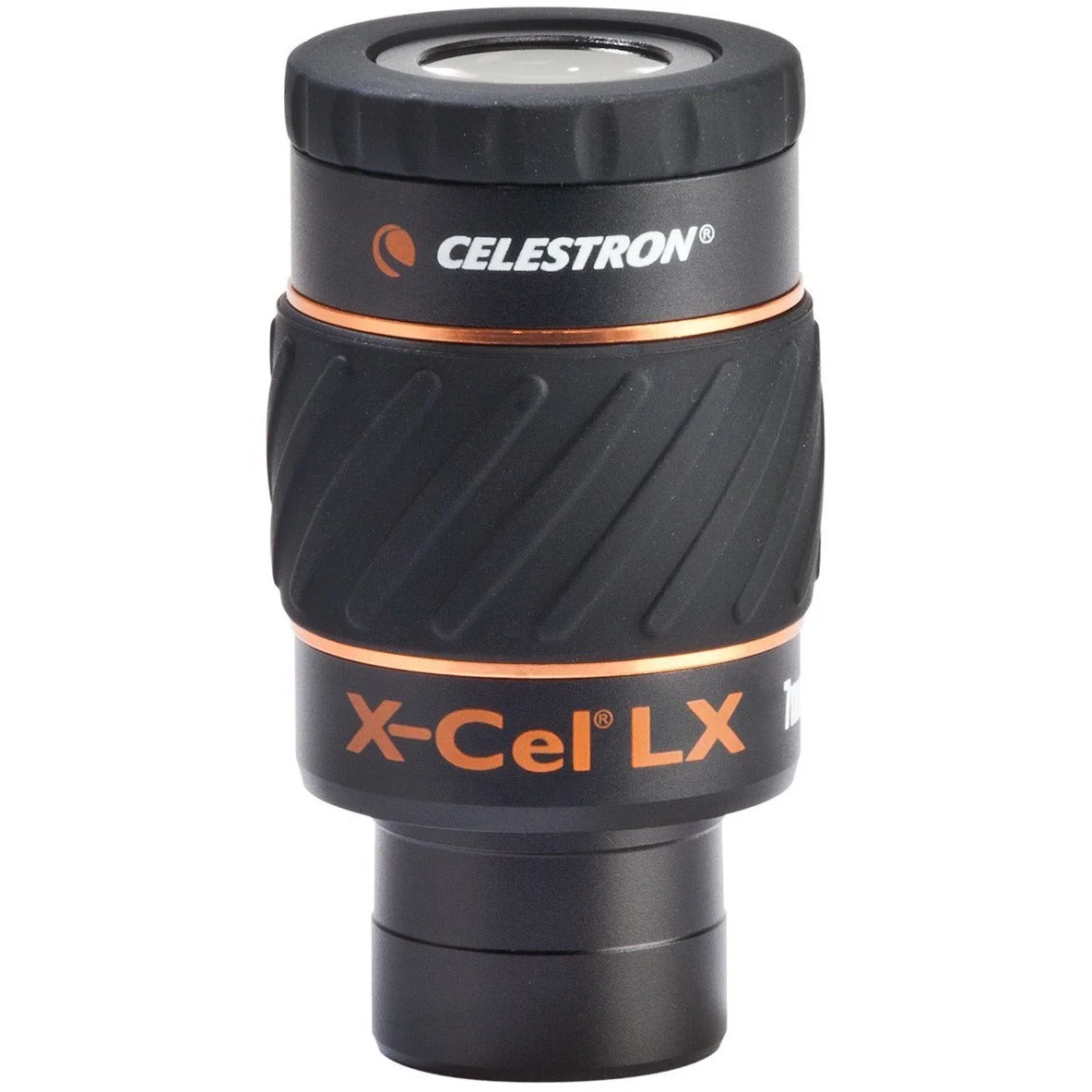
A 105mm Maksutov folds 1365mm of focal length into a tube barely longer than a wine bottle, which is why it reaches high magnification without the bulk or the price of an 8-inch SCT. At 114x and 195x it shows lunar craters in relief, Jupiter's cloud belts and moons, Saturn's rings with the gap, and Venus going through its phases. The Twilight I underneath is deliberately over-specified — at nearly 200x, mount stiffness matters more than anything else you can buy.
White-Light Sun Watcher
“The one object you can observe before dinner.”
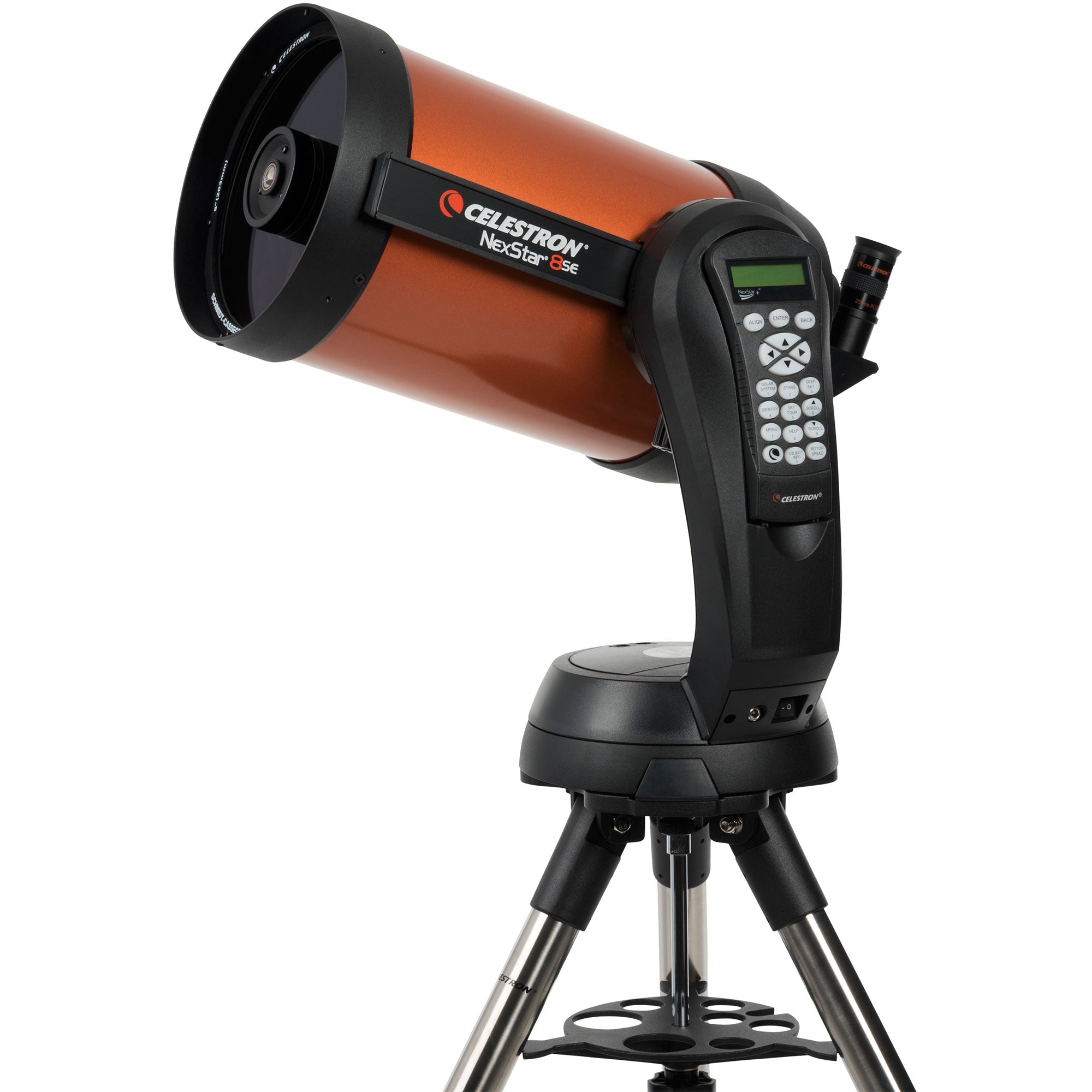
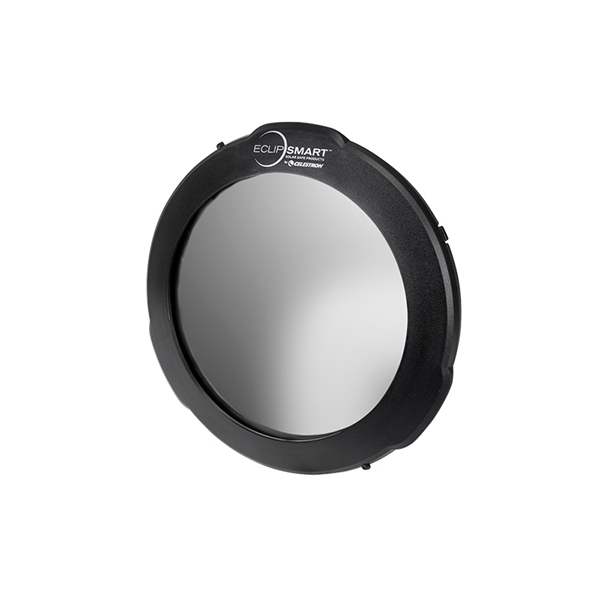
Solar observing in white light. A full-aperture filter fits over the front of the C8 and rejects all but a whisper of the sunlight before it enters the telescope, leaving a crisp white disc with sunspot groups, granulation and the darker limb. It is the only target that is up when you are, and the only one that changes visibly from day to day.
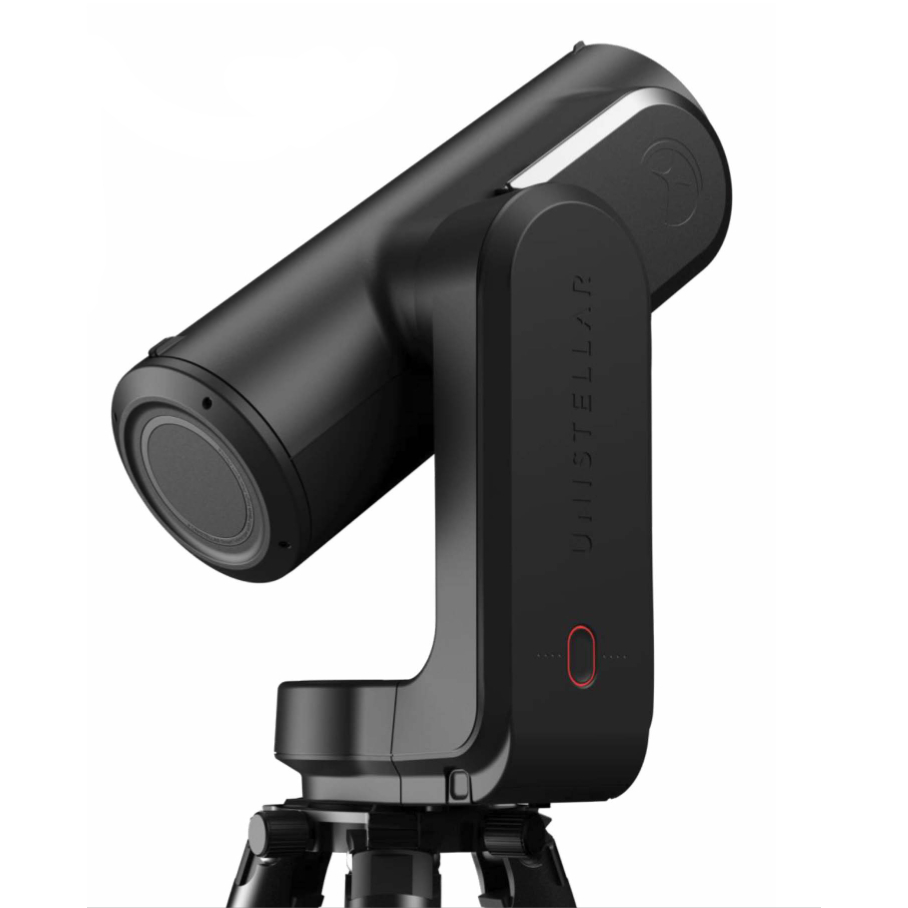
Smart Scope, Serious Results
“One-tap deep sky, without giving up the aperture.”
The Odyssey is what a smart telescope looks like once you stop optimising for price. You pick a target in the app and it slews, focuses, tracks and stacks while you watch the image build on your phone — but with enough aperture and a good enough sensor that the result stands up next to a conventional rig that took an hour of setup and a night of learning.
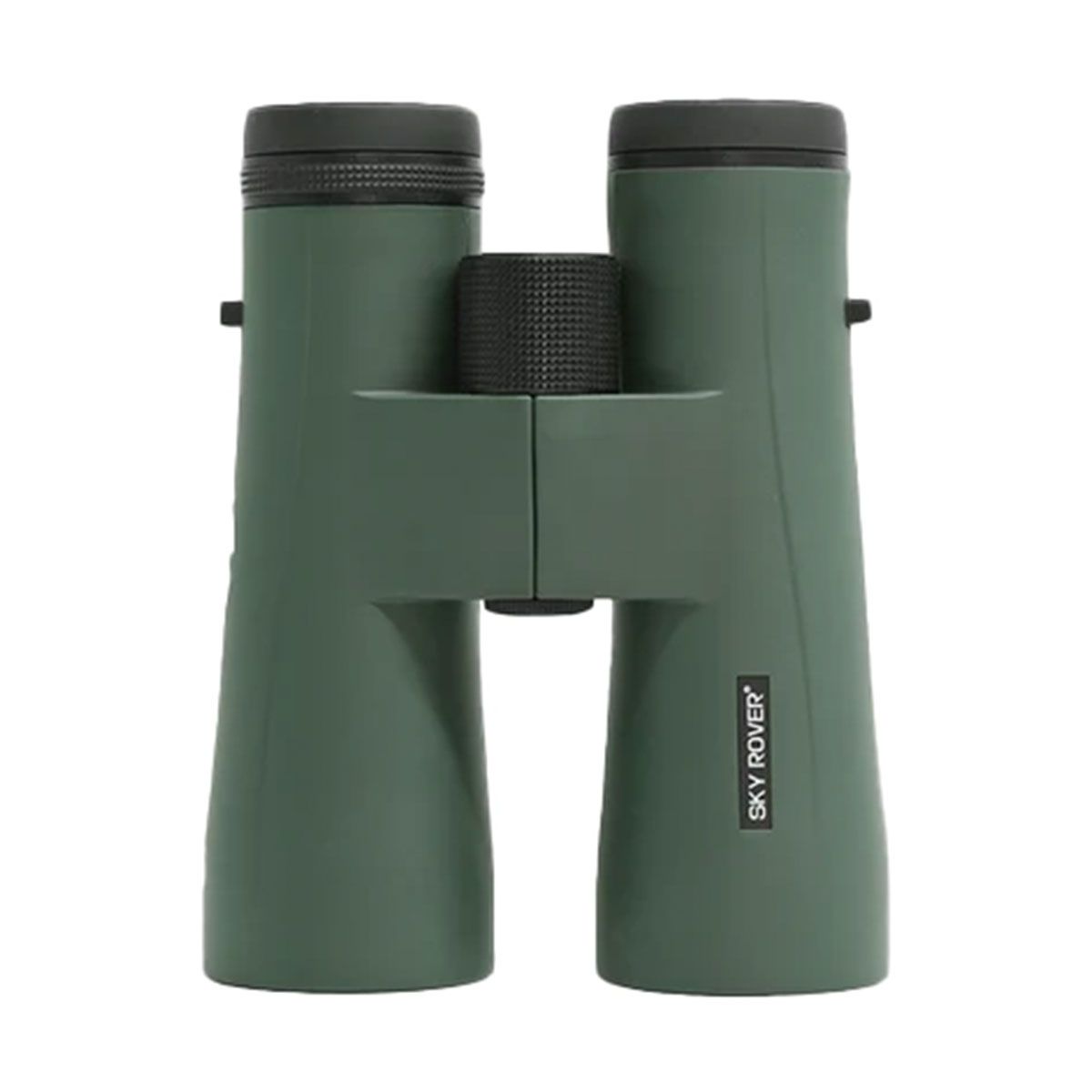
Binocular First Light
“The optics most people should own before a telescope.”
A 10x50 apochromat binocular is the most-used optic in most experienced observers' collections, and almost nobody buys it first. It shows the Pleiades whole, the Andromeda galaxy as a real ellipse, dozens of open clusters, the craters along the lunar terminator and the Milky Way as a river of stars. There is nothing to assemble, so it goes outside on nights a telescope will not.
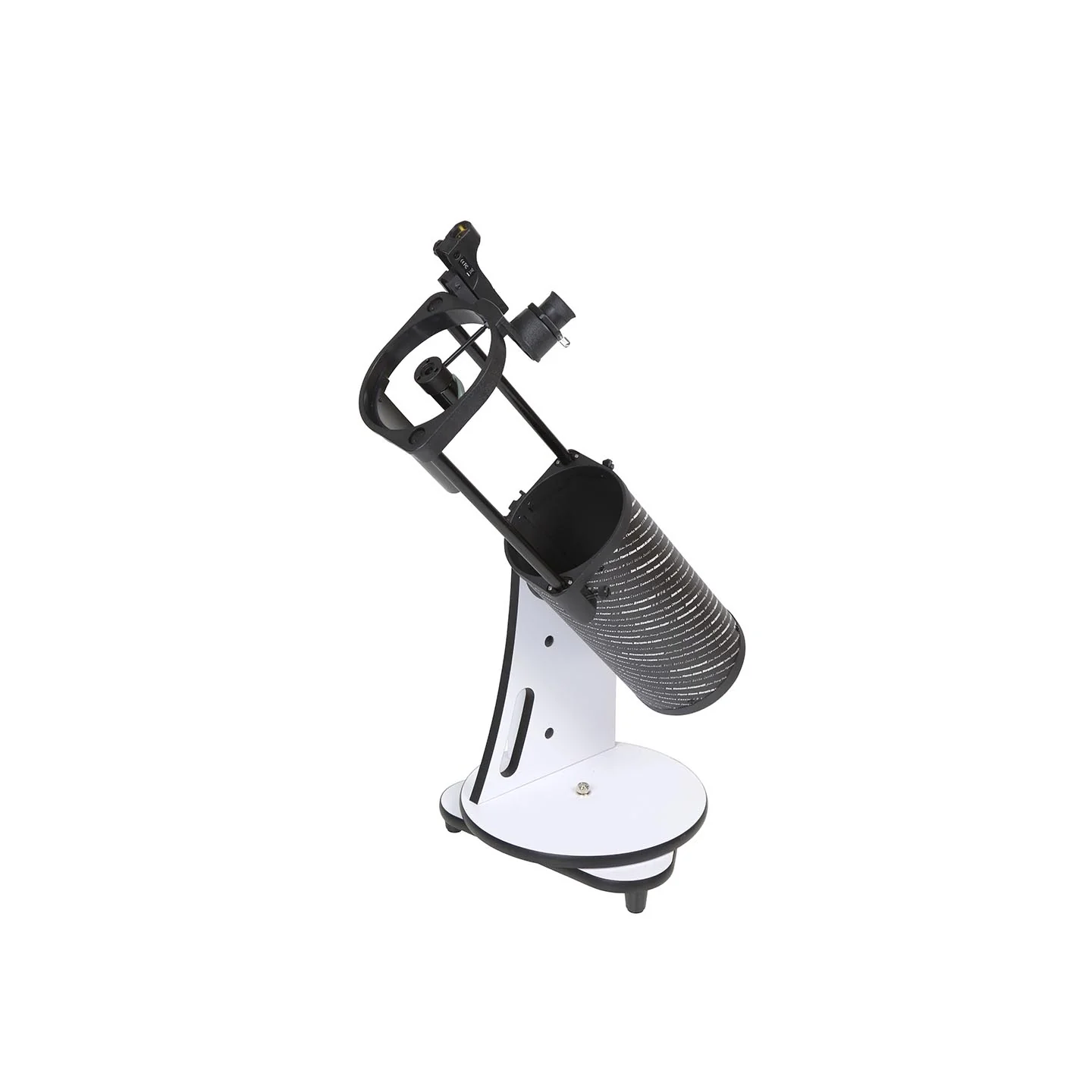
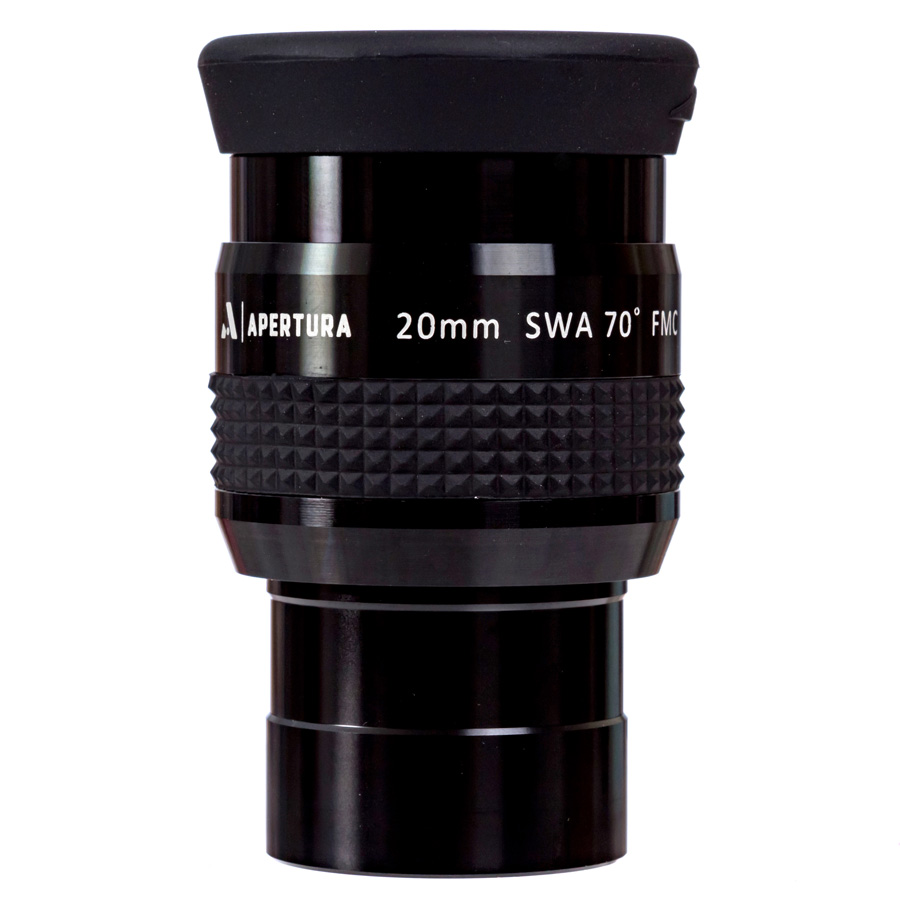
First Light Under $500
“A real telescope, not a toy, for less than a phone.”
The most honest entry into the hobby. The Heritage 130P is a 130mm tabletop Dobsonian — a real 5-inch mirror on a mount that needs no alignment, no batteries and no setup ritual. Put it on a table, point it, look. The two eyepieces here replace the ones that ship in the box, which is where most cheap telescopes quietly lose people.
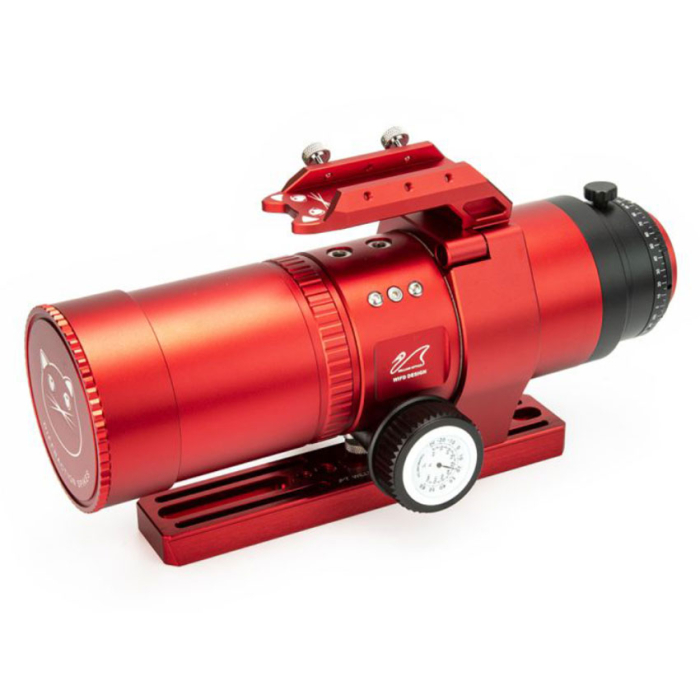
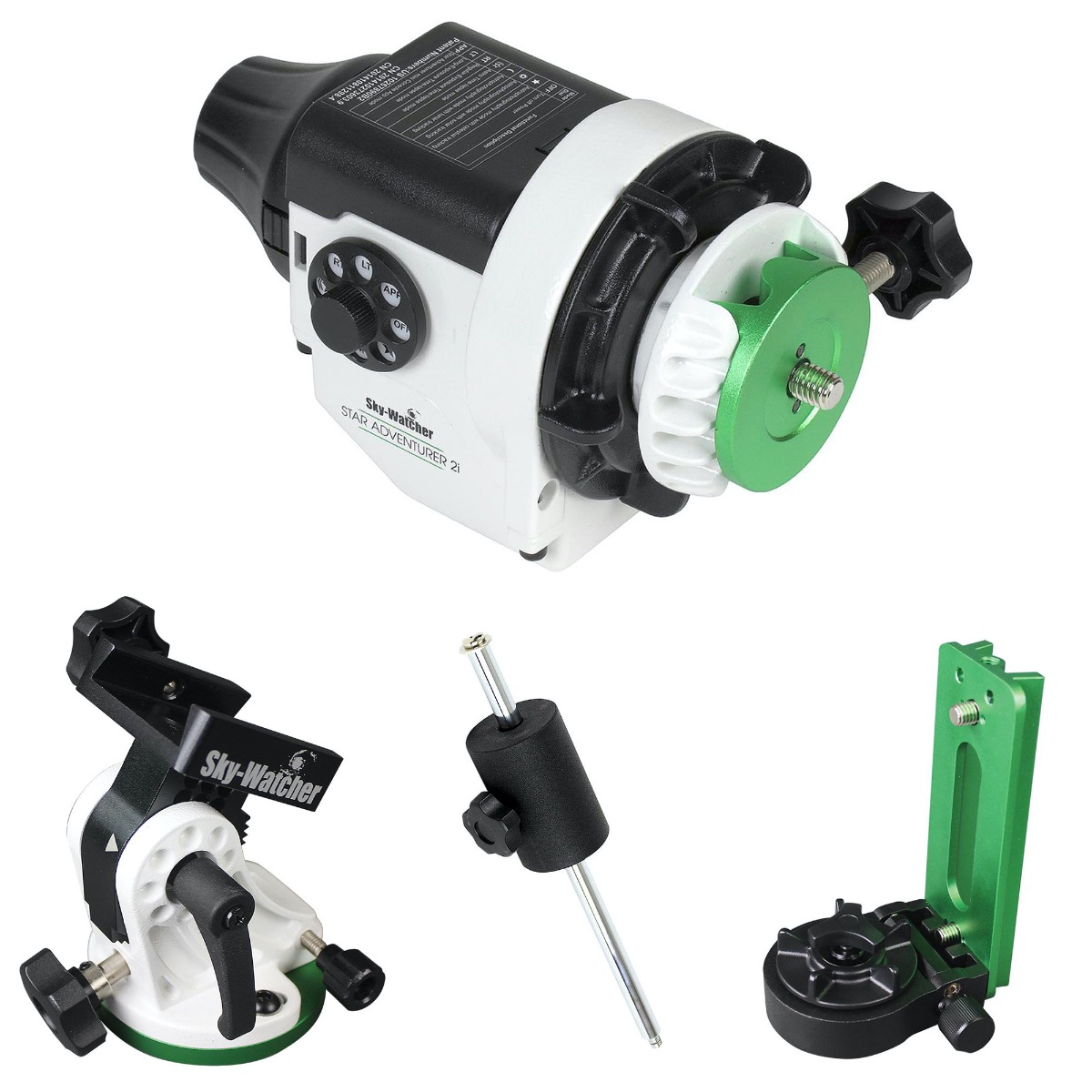
Milky Way Tracker
“Tracked wide-field astrophotos with the camera you already own.”
The simplest way into tracked astrophotography. A Star Adventurer 2i quietly follows the sky so your exposures stay sharp, while the RedCat 51 frames constellations, the Milky Way core and big nebula regions edge to edge. No laptop, no guiding, no dedicated astro camera — you bring the DSLR or mirrorless body you already shoot with, level it, point it, and shoot.
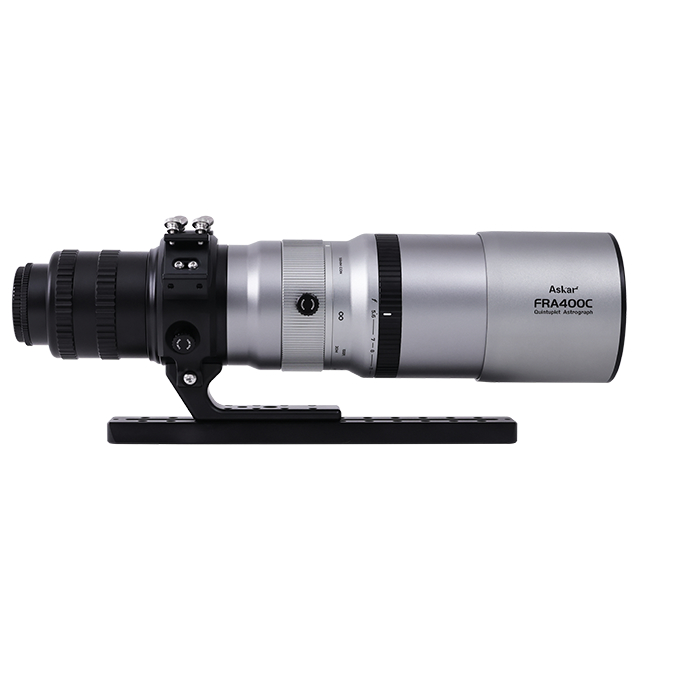
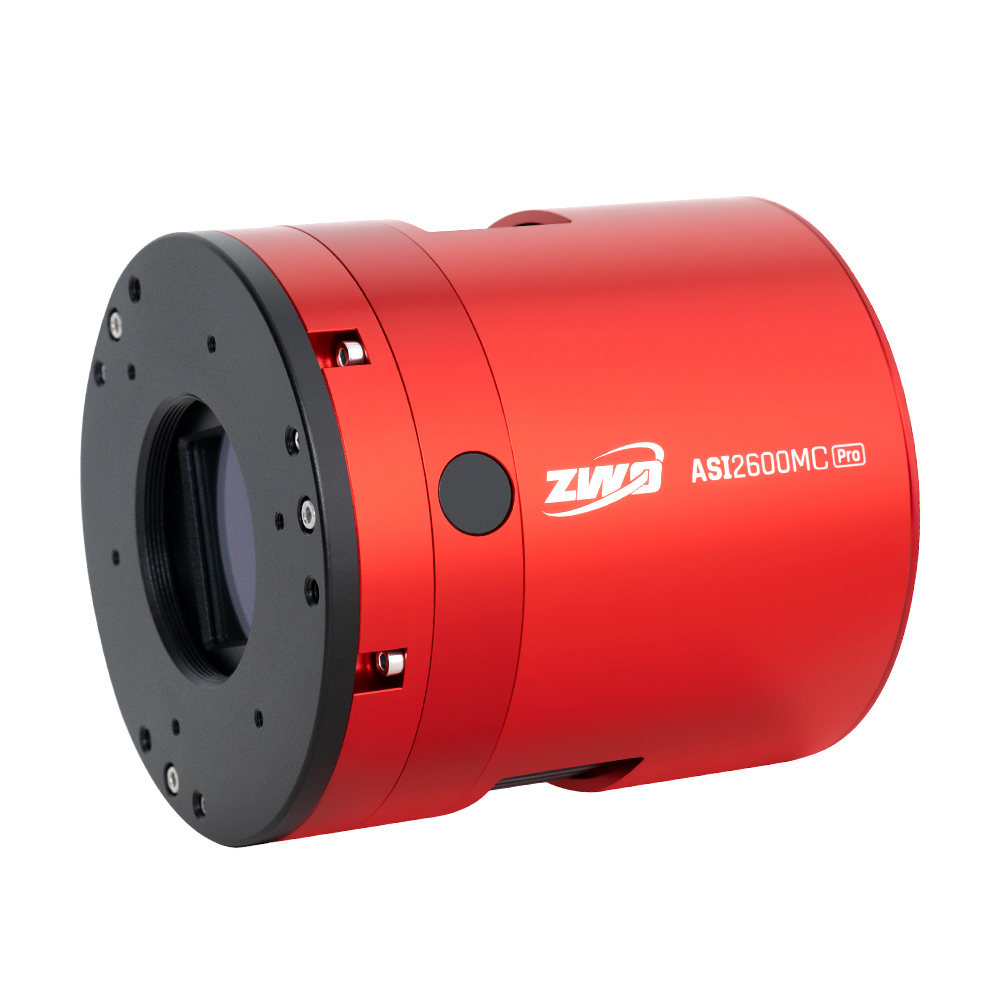
Portable Deep-Sky Imager
“A full deep-sky imaging kit that fits in one bag.”
A modern strain-wave imaging rig. The ZWO AM5N harmonic mount carries real payload with no counterweight and folds down small, while the Askar FRA400C quintuplet delivers a flat, fast field for nebulae and larger galaxies. Add the ASIAIR and a guide scope and you have a complete, travel-ready astrophotography setup that used to take a carload.
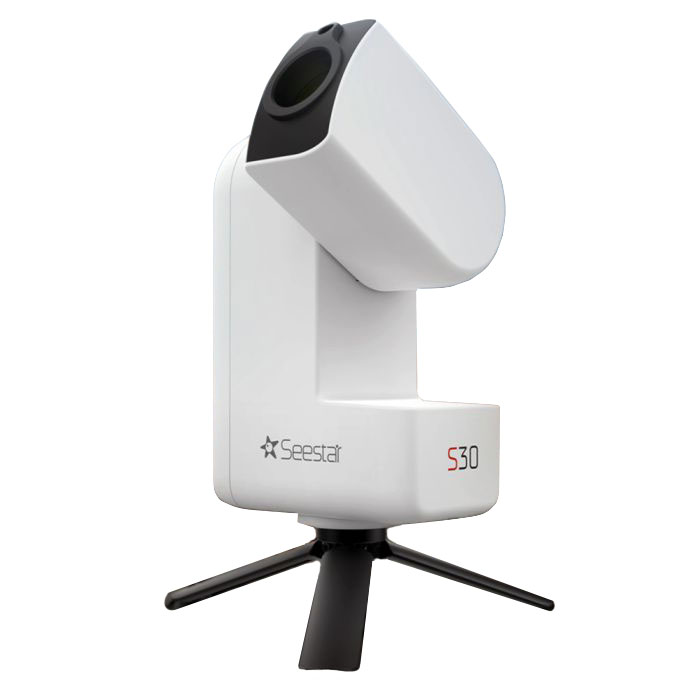
Smart Scope Starter
“The whole sky, from your phone — no setup, no learning curve.”
An all-in-one smart telescope that does the hard parts itself: it finds the target, tracks it, and live-stacks a real image straight to your phone. The Seestar S30 is the fastest path from curiosity to an actual photo of a nebula or galaxy — no mount to balance, no eyepieces, no polar alignment.
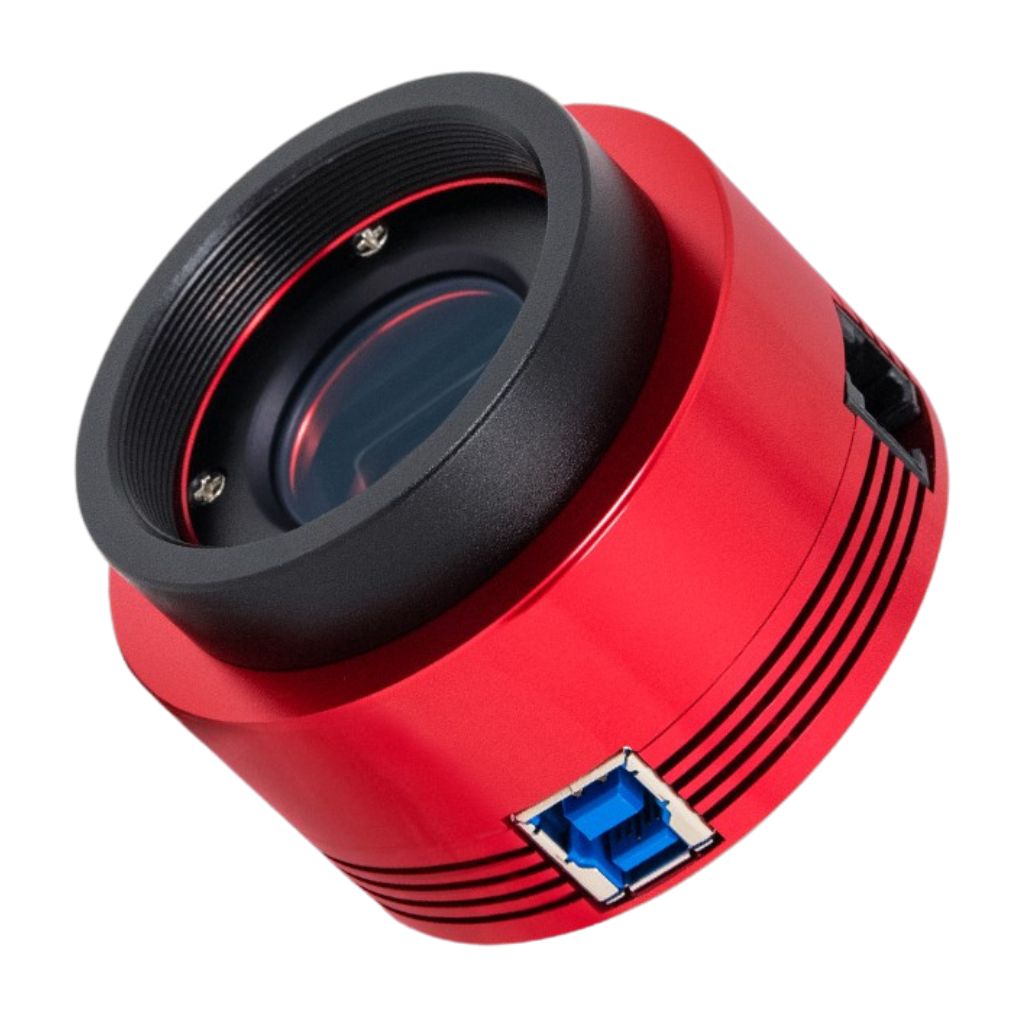
Beginner Astrophotography Rig
“Your first real astrophotos, without the heartbreak.”
A forgiving first deep-sky imaging setup. The RedCat 51's short focal length hides the polar-alignment and guiding errors everyone makes early on, and the ASI533MC's square sensor fits its circular field almost exactly — no awkward corners to crop.
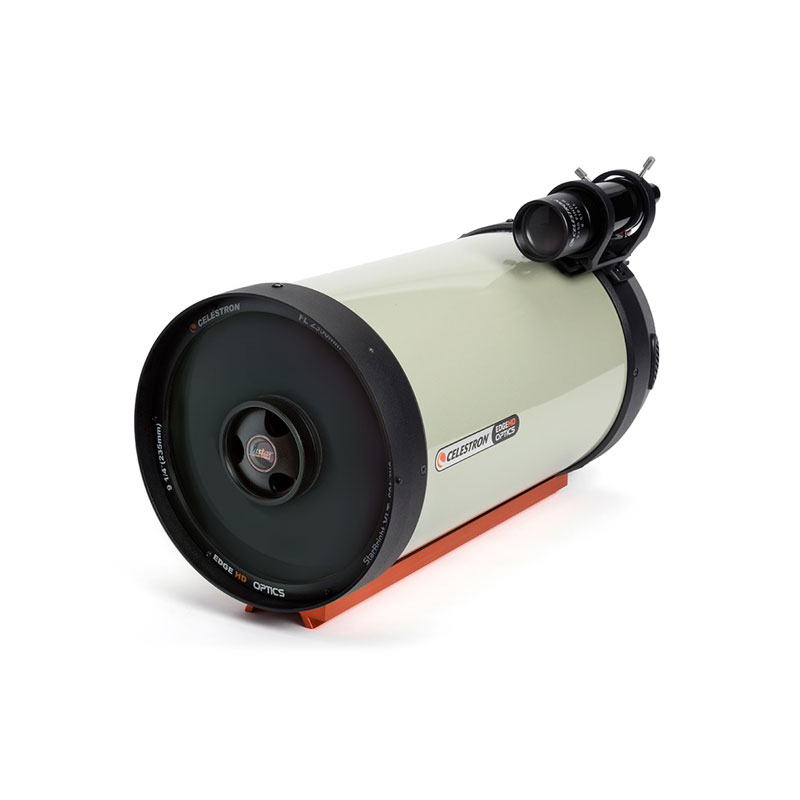
Galaxy Hunter
“Go deep on galaxies and small nebulae.”
A long-focal-length one-shot-color imaging rig built around the Celestron EdgeHD 9.25. The flat, edge-corrected field and a 0.7x reducer bring galaxies and compact planetary nebulae within reach, while the EQ6-R Pro carries the tube steadily through long exposures.
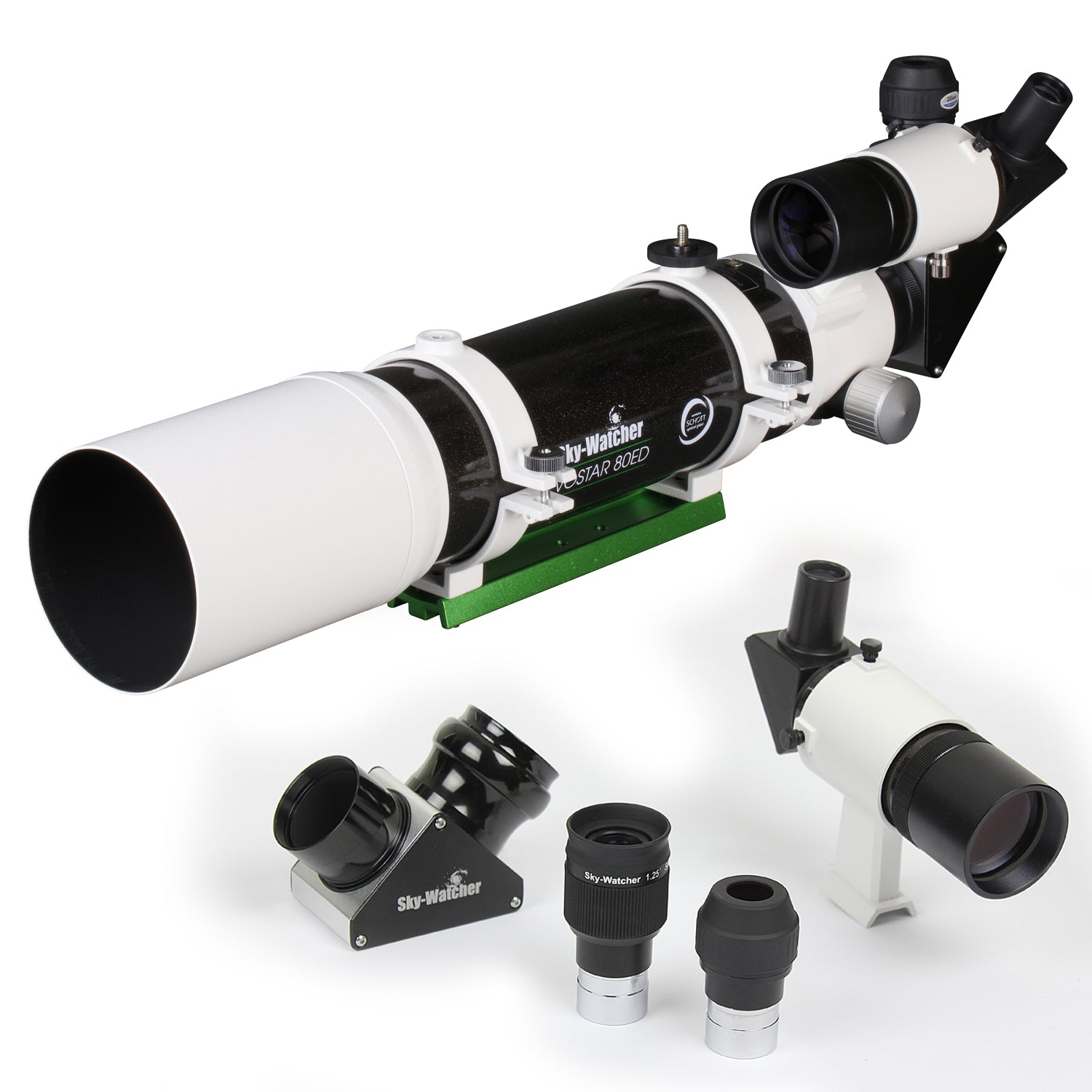
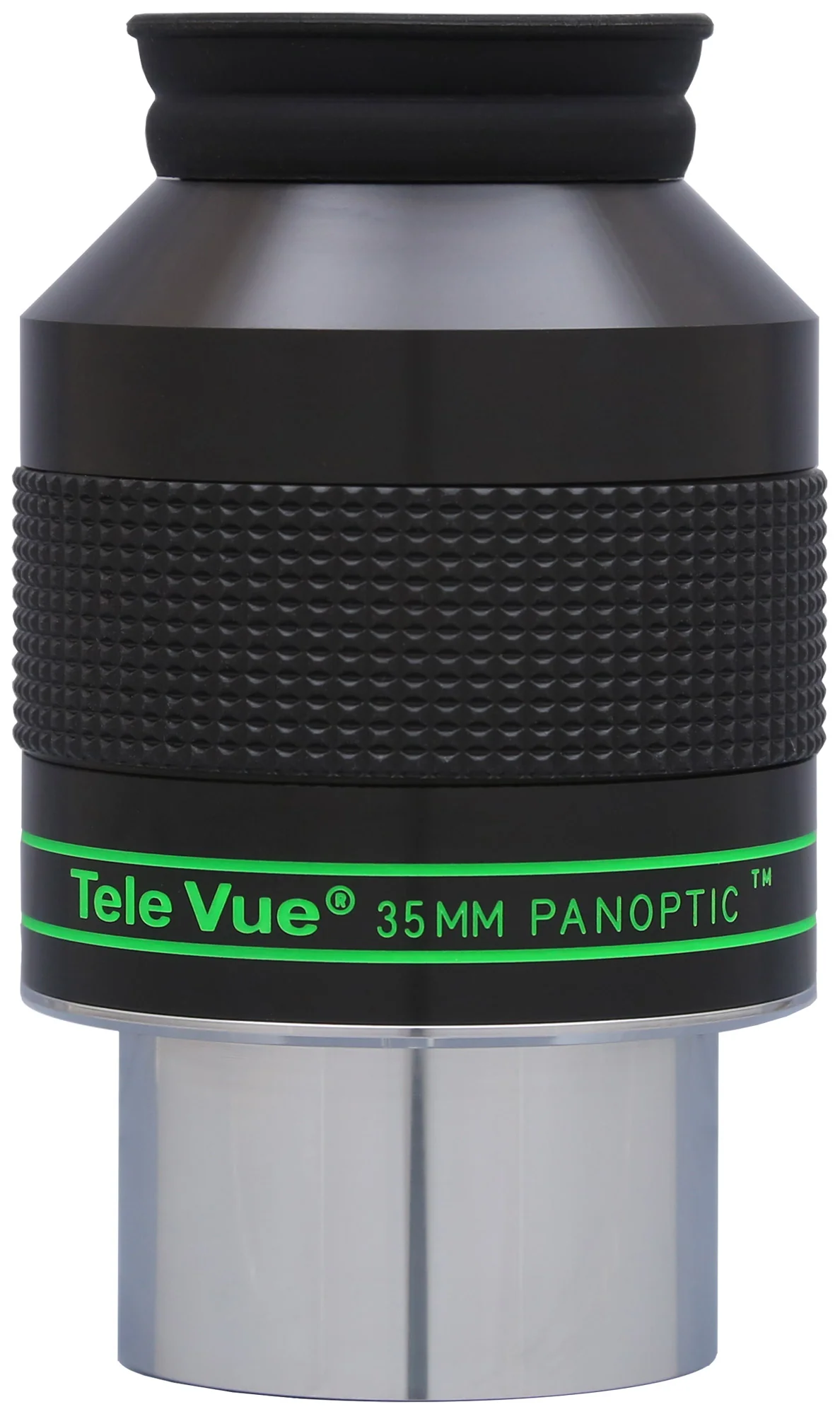
Star Cluster Sweeper
“Sweep the Milky Way, pinpoint sharp.”
Ultra-wide-field setup for large star clusters and sweeping the Milky Way. The 80ED and the Panoptic 35mm give just under 4° of true field — wide enough to hold the Double Cluster, the Pleiades and long stretches of the summer Milky Way whole, at a 4.7mm exit pupil that stays comfortable under a dark sky. The Twilight I is a manual alt-azimuth on a steel tripod, which is exactly what sweeping wants: you push the scope along the star clouds and stop when something catches your eye.
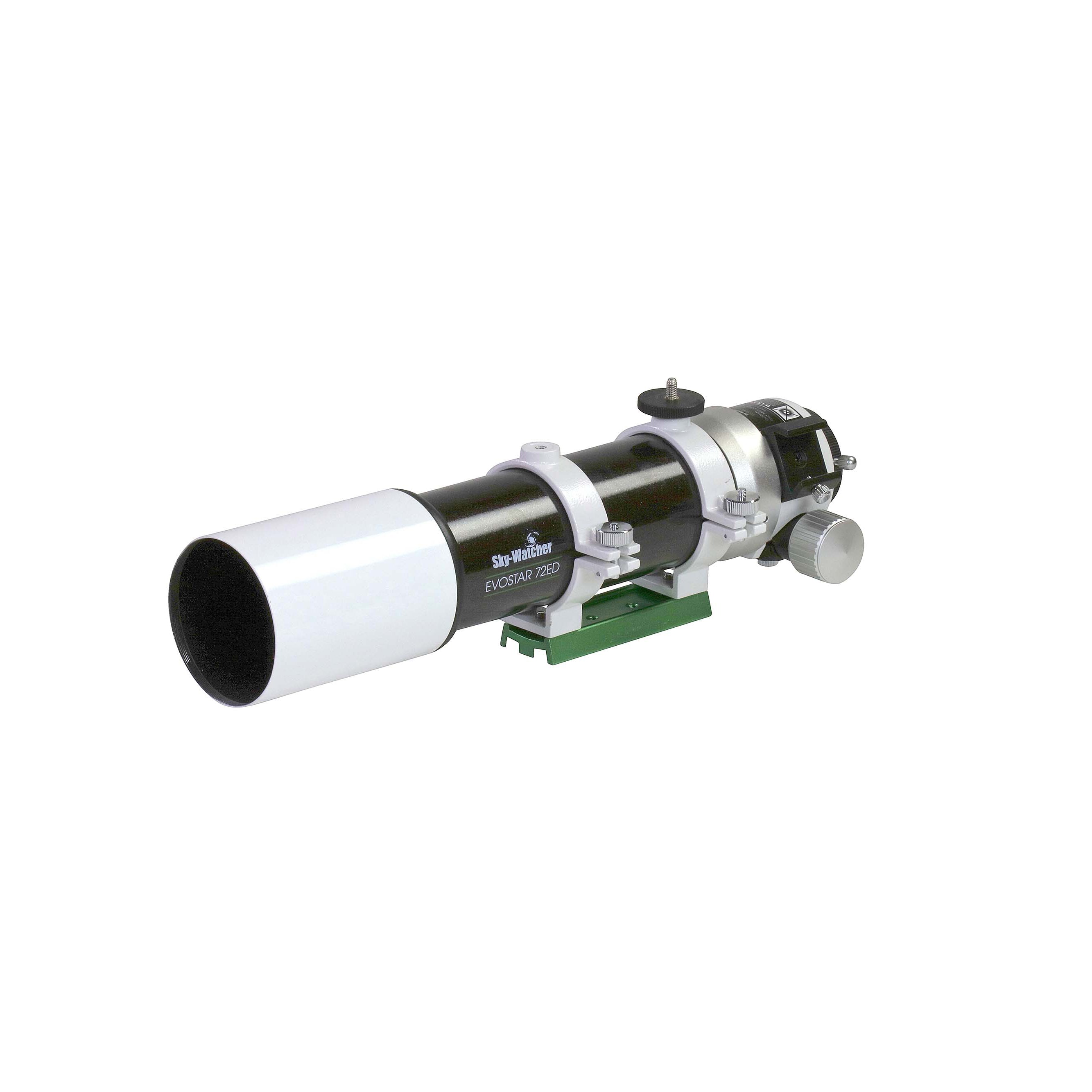
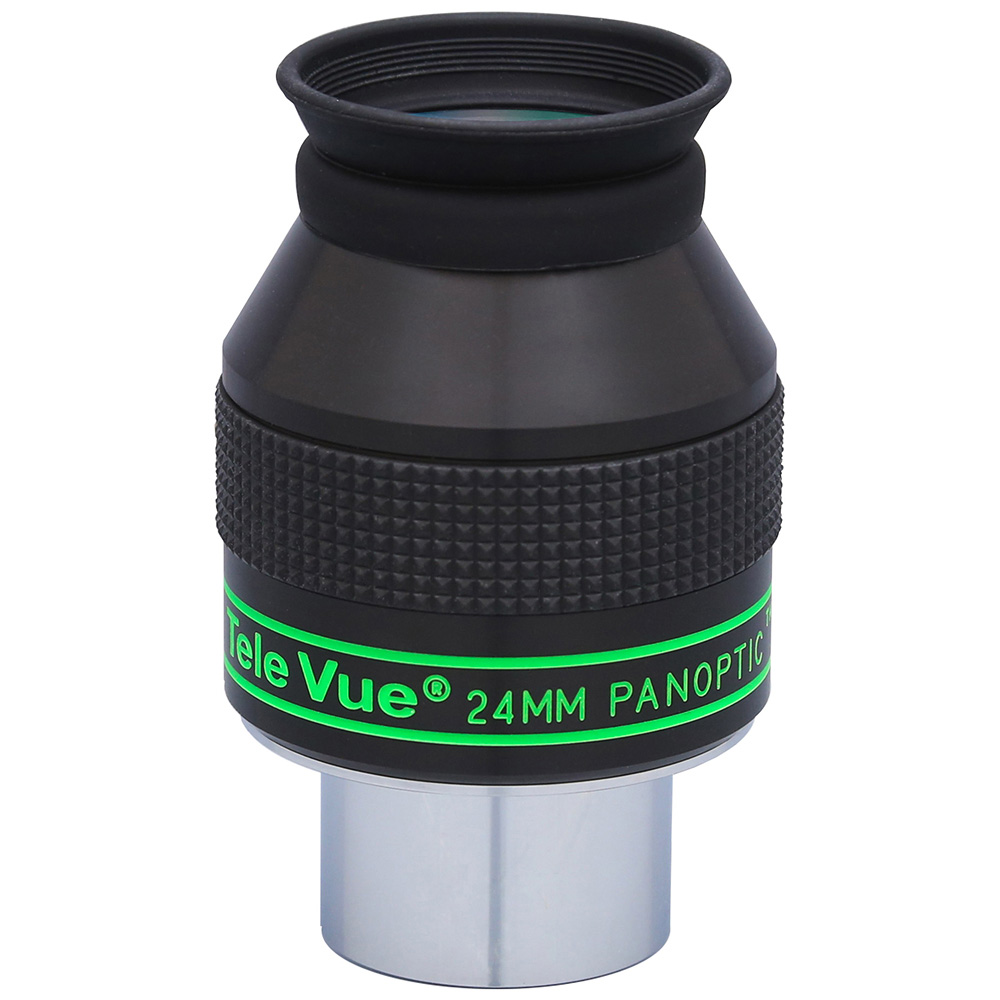
Portable Travel Rig
“The scope that actually comes with you.”
Grab-and-go refractor for casual observing and travel. The Evostar 72ED and the Twilight Nano together weigh less than a folding chair, and the mount is a simple alt-azimuth — up and down, left and right, no alignment. Set it on the ground, drop the tube on, and you are looking at something inside a minute. The Panoptic 24mm gives just under 4° of true field; add the 35mm when you want the widest view the little scope can produce.
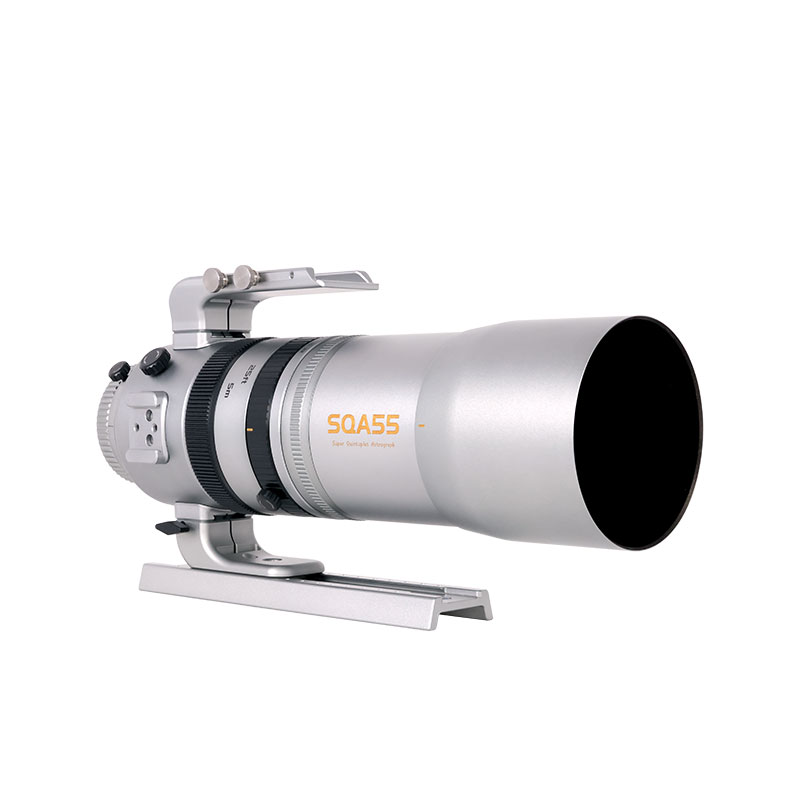
Widefield Nebula Imaging
“Glowing nebulae, framed wide, even from the suburbs.”
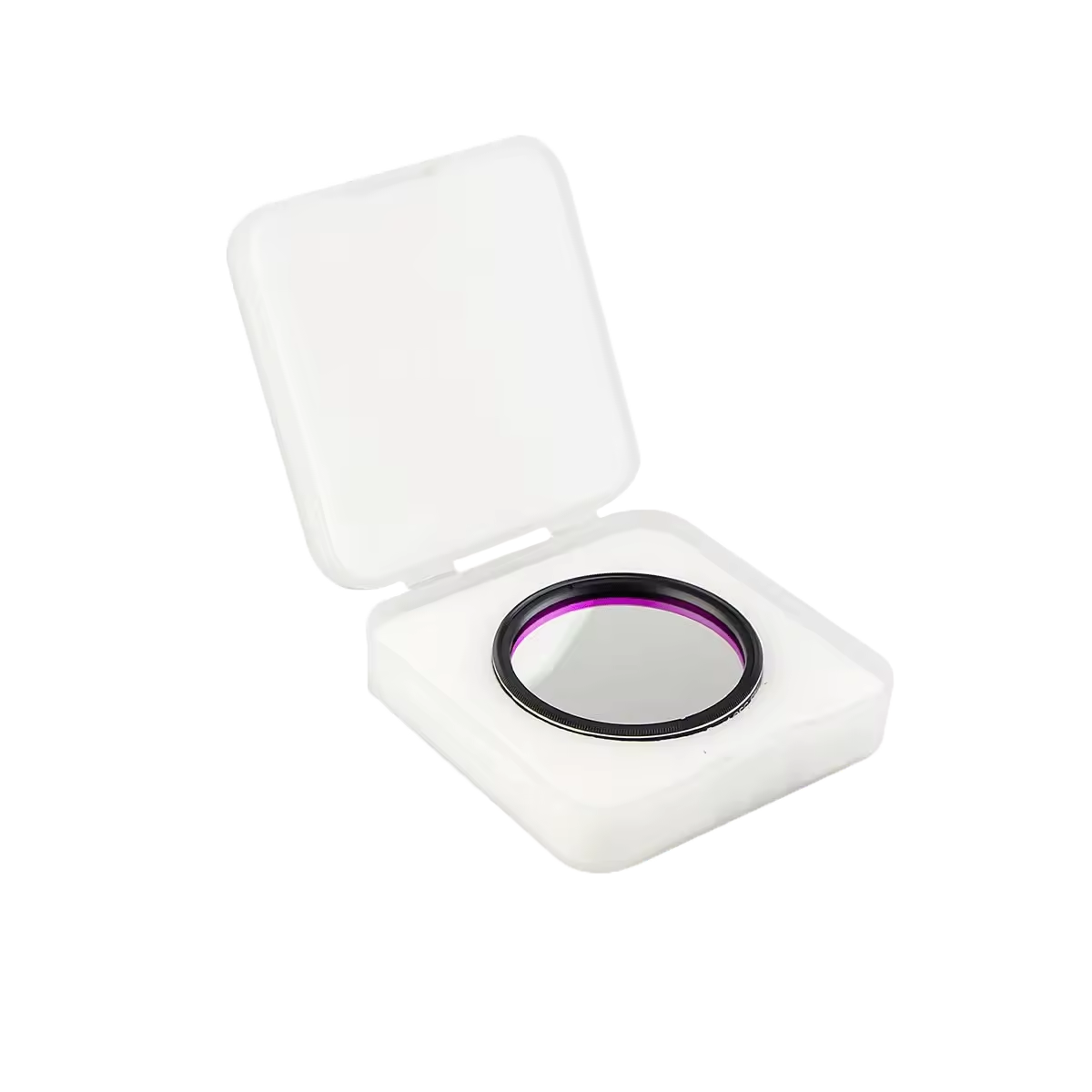
Wide-field deep-sky imaging built around big emission nebulae. The SQA55's fast, flat field covers the whole ASI2600MC sensor, and the 7nm dual-band filter cuts the sky glow that otherwise buries Ha and OIII from a suburban backyard.
Deep Sky Explorer
“More aperture, fainter galaxies, darker nights.”
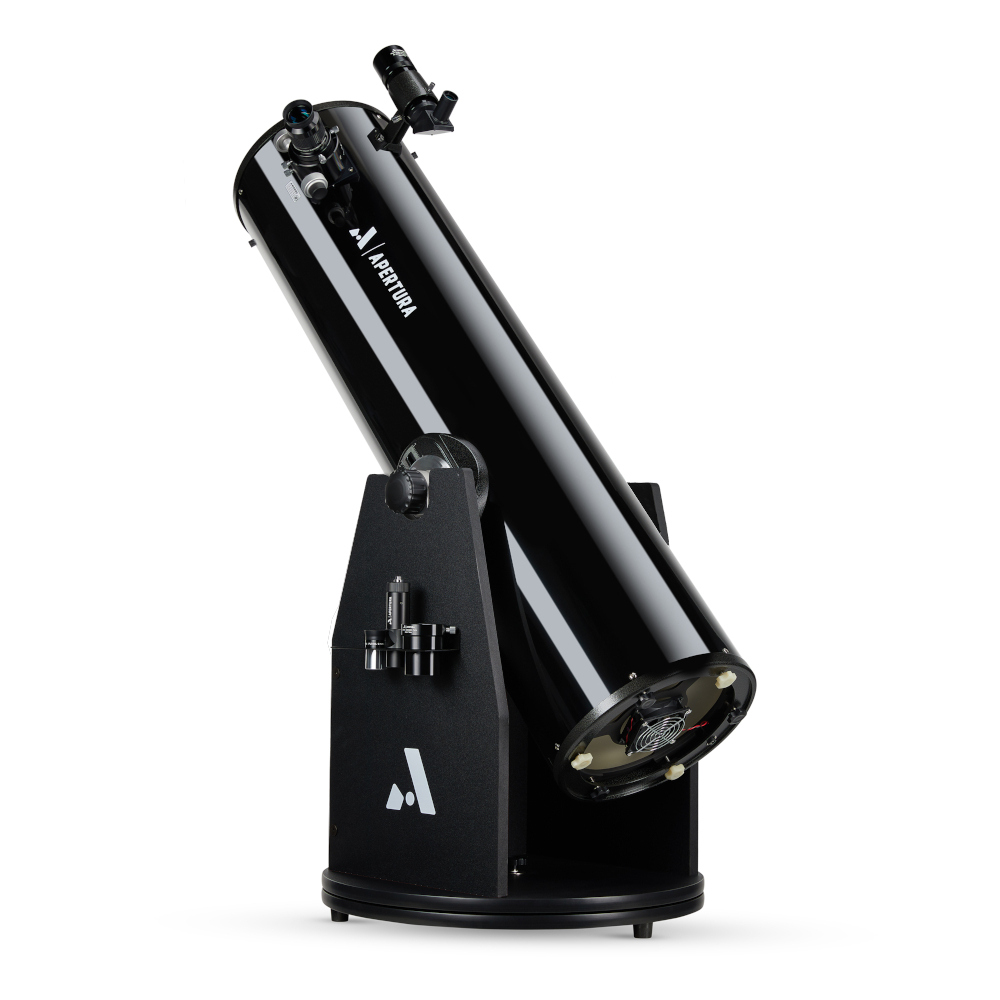
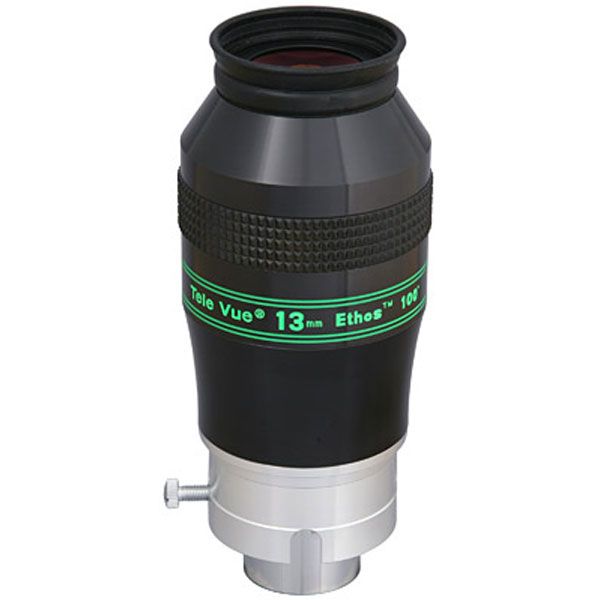
A big-aperture visual Dobsonian paired with premium wide-field eyepieces. Ten inches of aperture pulls in faint galaxies and globular clusters, and the Ethos/Delos eyepieces deliver those photons with immersive, edge-to-edge sharpness under dark skies.
Planetary Specialist
“Park on a planet and let the detail surface.”
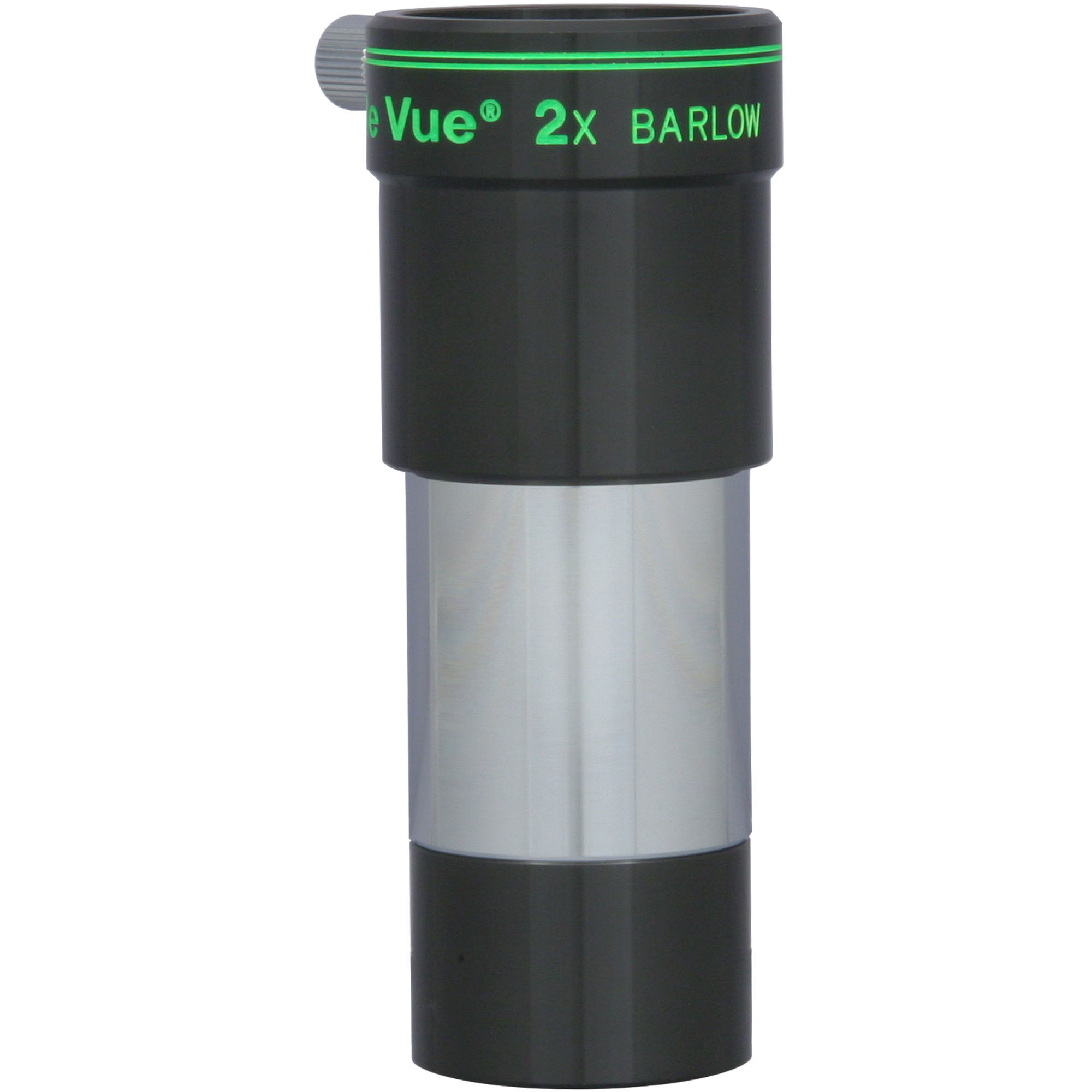
High-magnification configuration for Jupiter, Saturn and Mars. The C8 SCT supplies the long focal length; the 12mm, 7mm and 2x Barlow give you 169x, 290x and 338x so you can match the magnification to the night instead of hoping one eyepiece fits every sky.
Planetary Imaging Setup
“Catch Jupiter's storms on a steady night.”
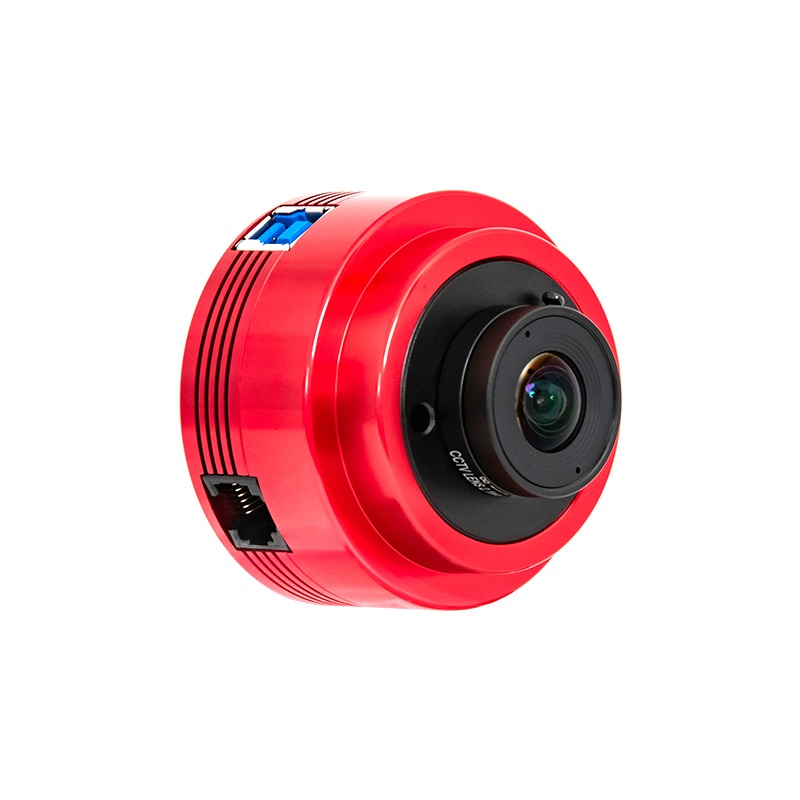
High frame-rate planetary imaging. The C8 gives 2032mm of focal length and the 2x Barlow doubles it, putting the image at roughly f/20 — about where the ASI662MC's 2.9-micron pixels stop throwing away detail. The camera runs fast and clean, which is what lets you keep only the sharpest frames.
Beginner Backyard Observer
“The telescope you'll keep for years.”
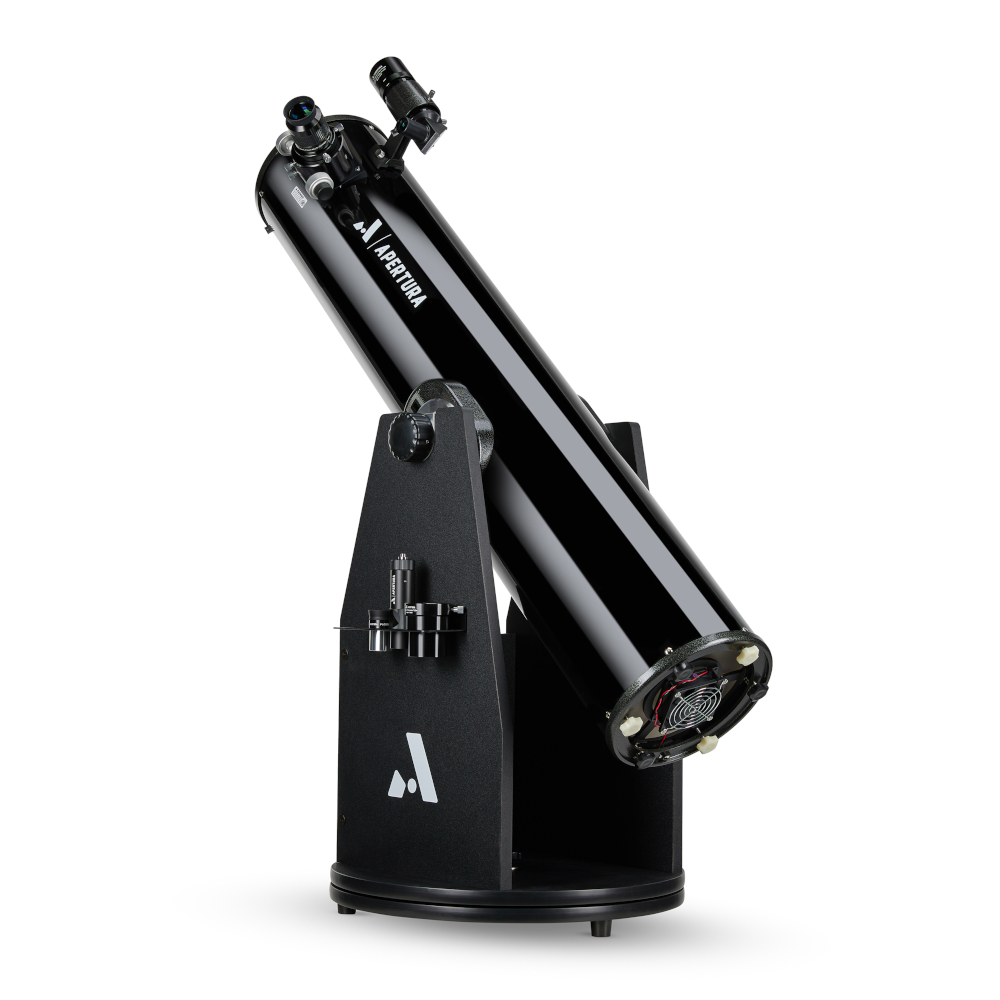
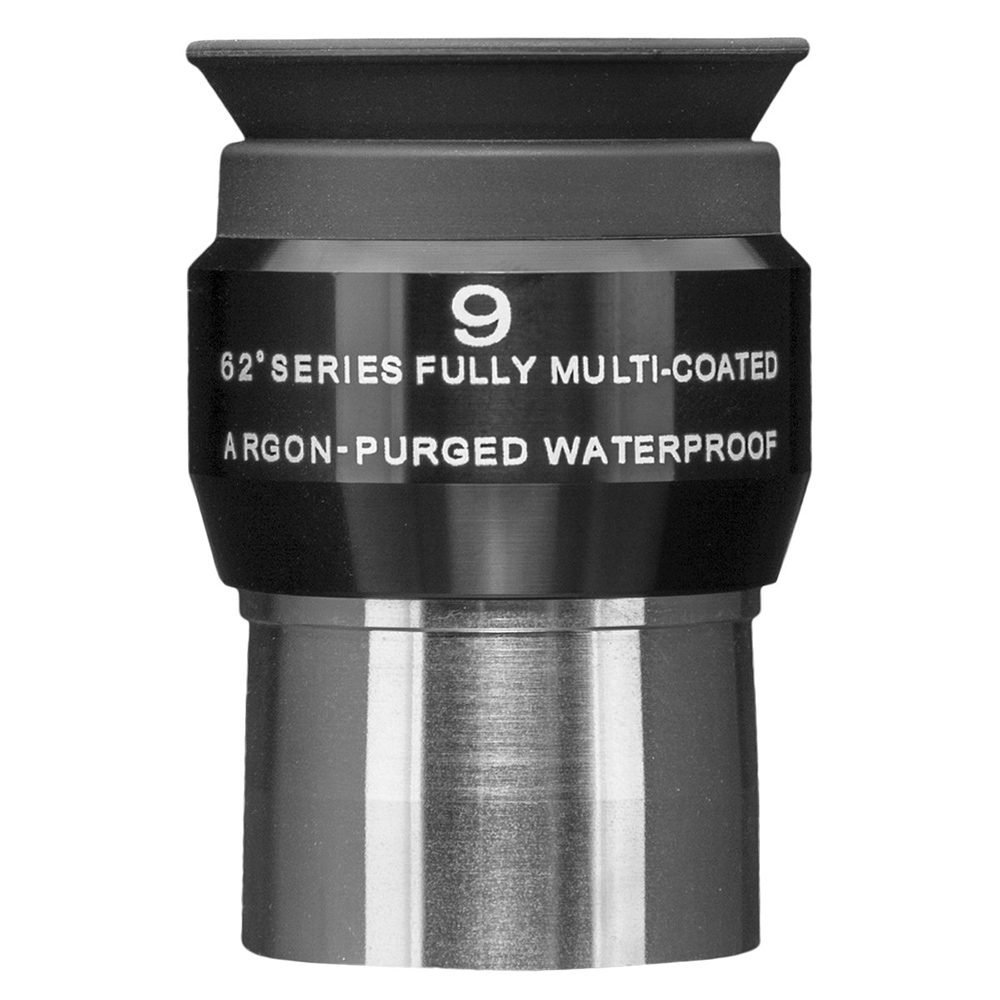
A complete 8" Dobsonian package on a smooth alt-az base — the classic best-value first telescope. Eight inches of aperture shows the Moon and planets in detail and pulls in bright galaxies and nebulae, and it comes ready to observe out of the box. Paired here with a wide 2" low-power eyepiece and a sharp high-power eyepiece to cover the whole range.
Looking for a particular kind of night?
Six outcomes, and the setups built for each. Pick one and the list above narrows to match.
Looking for a particular kind of night?
Six outcomes, and the setups built for each. Pick one and the list above narrows to match.
What a complete setup includes
Every Skynocular setup is built from the same handful of parts. Here’s what each one does — so the word “setup” actually means something.
The optics that gather light and form the image — aperture decides how much you see.
Holds the scope steady and tracks the sky as it slowly turns overhead.
What you look through for visual observing — it sets magnification and field of view.
Records faint light over minutes or hours for astrophotography.
Runs GoTo mounts, cooled cameras and controllers through the night.
Filters, finders, guiding and the small parts that make a night go smoothly.
Prefer to build your own adventure?
Start in the simulator, pick a telescope, and see exactly what it captures — we’ll check every part fits as you go.