Milky Way Tracker
“Tracked wide-field astrophotos with the camera you already own.”
If you asked us
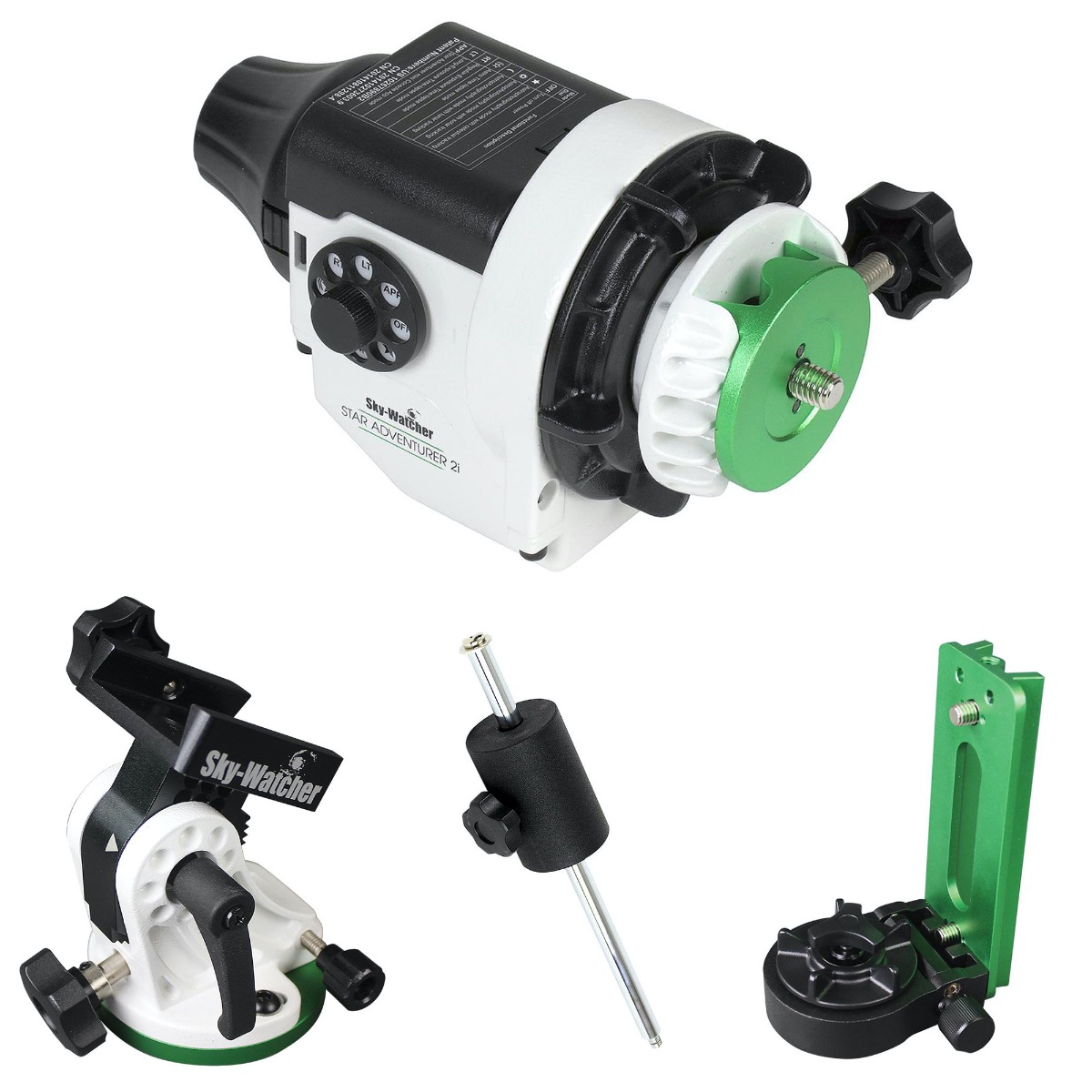
If you already own a camera and want to try tracked astro without a computer or a heavy mount, start here. A simple tracker plus a sharp little astrograph gets you real wide-field photos the first clear night — and it all fits in a daypack. When you outgrow it, the Beginner Astrophotography Rig is the next step.
Aperture
51mm
Focal length
250mm
Focal ratio
f/4.9
Estimated total today
$1,463partial
Why you'll love it
✓Simple star tracker — no GoTo, no guiding, no laptop
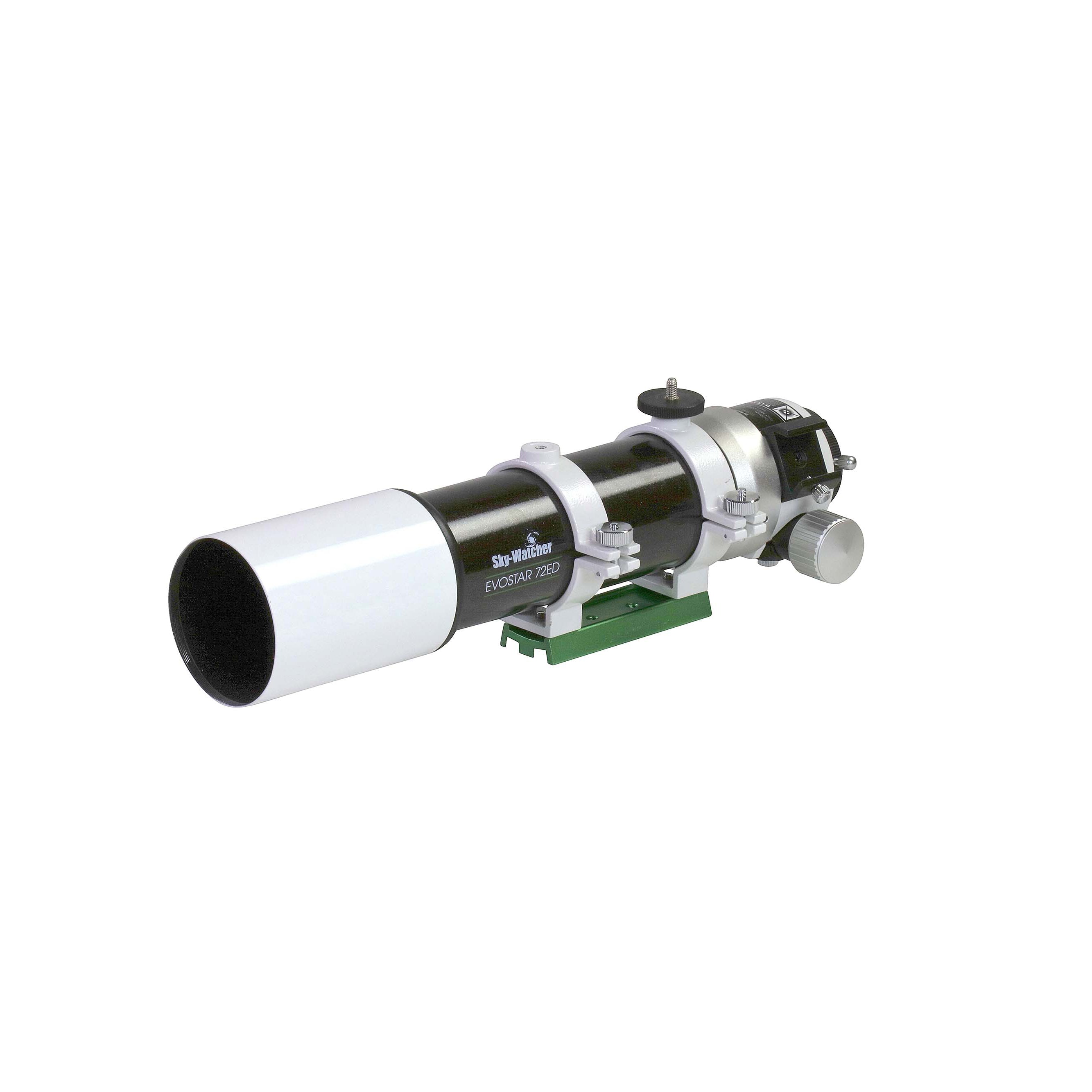
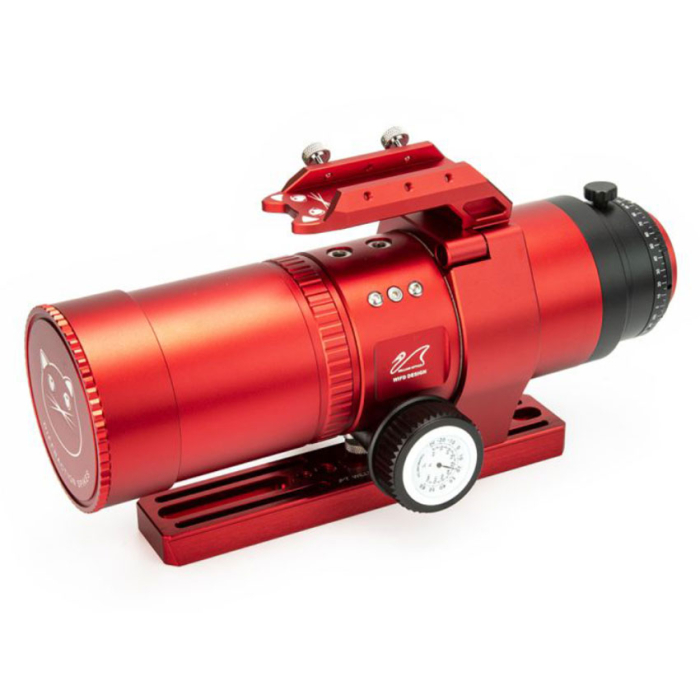
✓RedCat 51 is razor-sharp corner to corner
✓Whole kit fits in a backpack for dark-sky trips
Things to know
•You supply the camera body — any DSLR or mirrorless works
•Rough polar alignment keeps stars round for 1–2 minute subs
•The Pro Pack ships with a counterweight; you'll want it once a lens gets heavy
Who should skip this
–Small galaxies or planets (too wide)
–Anyone wanting one-tap automation (get a smart scope)
Build this setup
Some links are affiliate links — we earn a small commission at no extra cost to you.Grouped so you know what’s essential and what can wait.
Field experience
A typical evening
What using this setup actually feels like, start to finish.
15 min
Setup time
None
Cool down
1–3 hrs
Typical session
10 min
Pack-up
The honest trade-offs
Every recommendation is a compromise. Here’s where this one lands.
Strengths
✓Cheapest, simplest path into tracked astro
✓No computer or guiding to learn
✓Genuinely pack-and-go portable
Compromises
–Short subs without guiding
–Wide field only
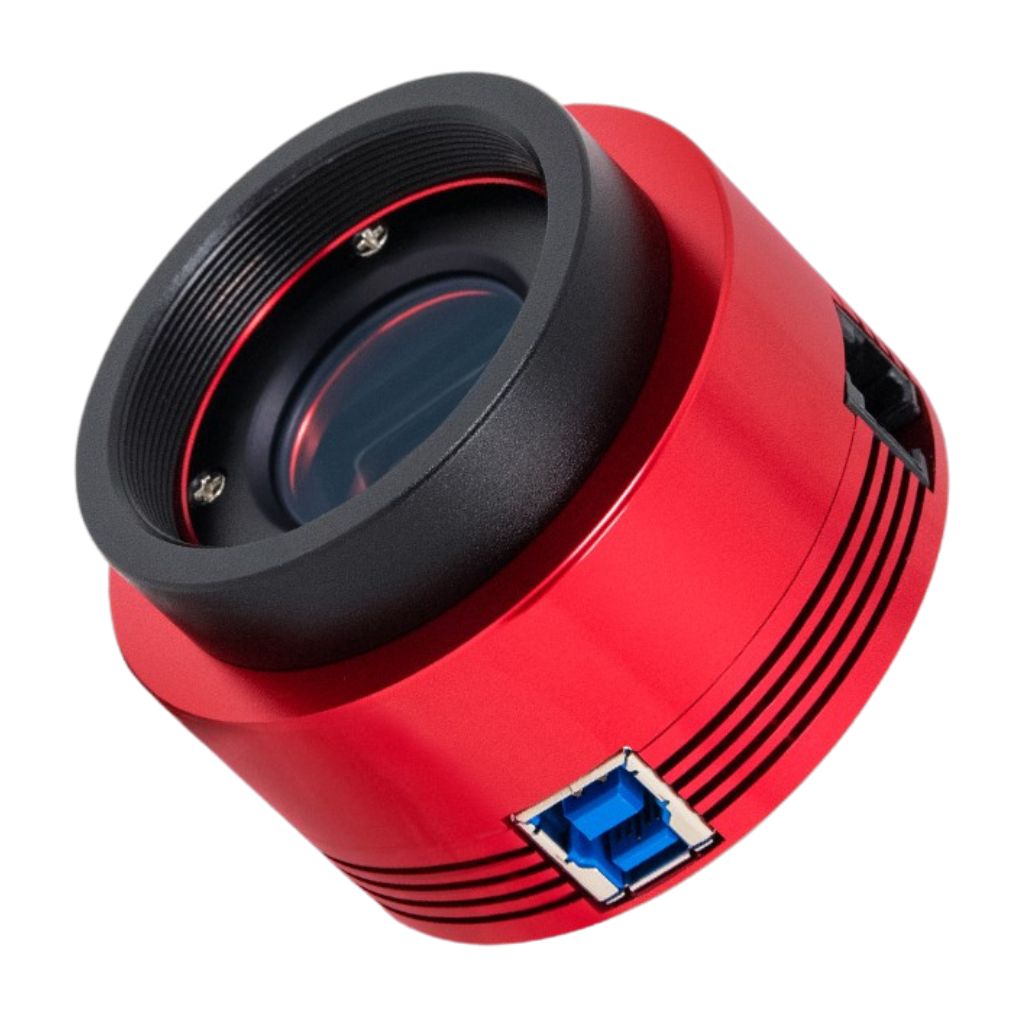
–You supply the camera (or add one)
Still deciding?
Take your time. See how this setup performs against the sky, or line it up next to the alternatives.