Galaxy Hunter
“Go deep on galaxies and small nebulae.”
If you asked us
If you've imaged wide nebulae and want to reach smaller, fainter galaxies, this is the natural next step — more aperture and focal length, on a mount that can actually hold it.
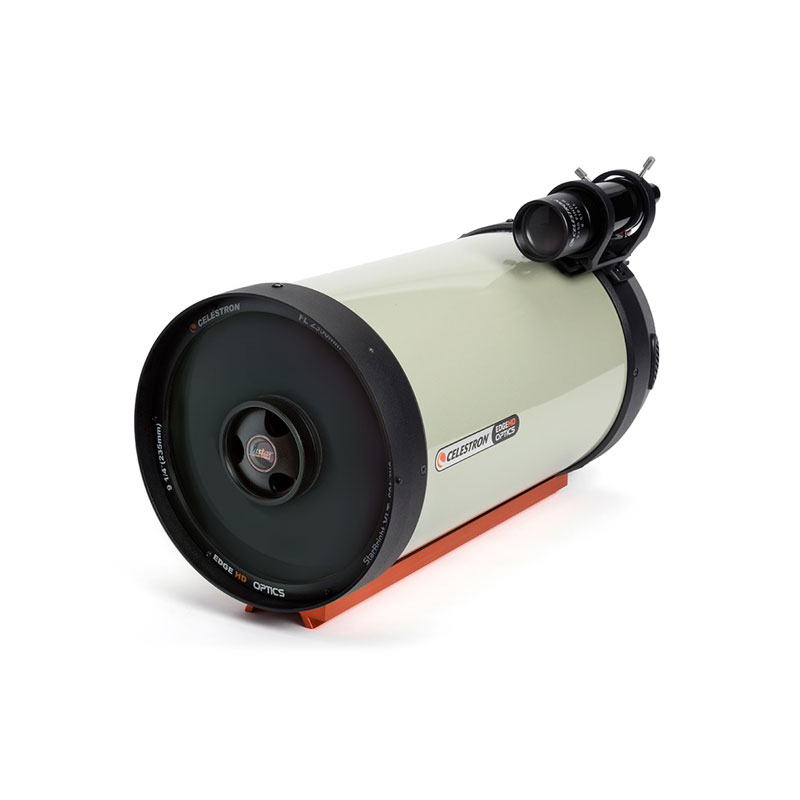
Aperture
235mm
Focal length
2350mm
Focal ratio
f/10
Estimated total today
$7,960
Why you'll love it
✓EdgeHD flat field keeps stars sharp to the corners
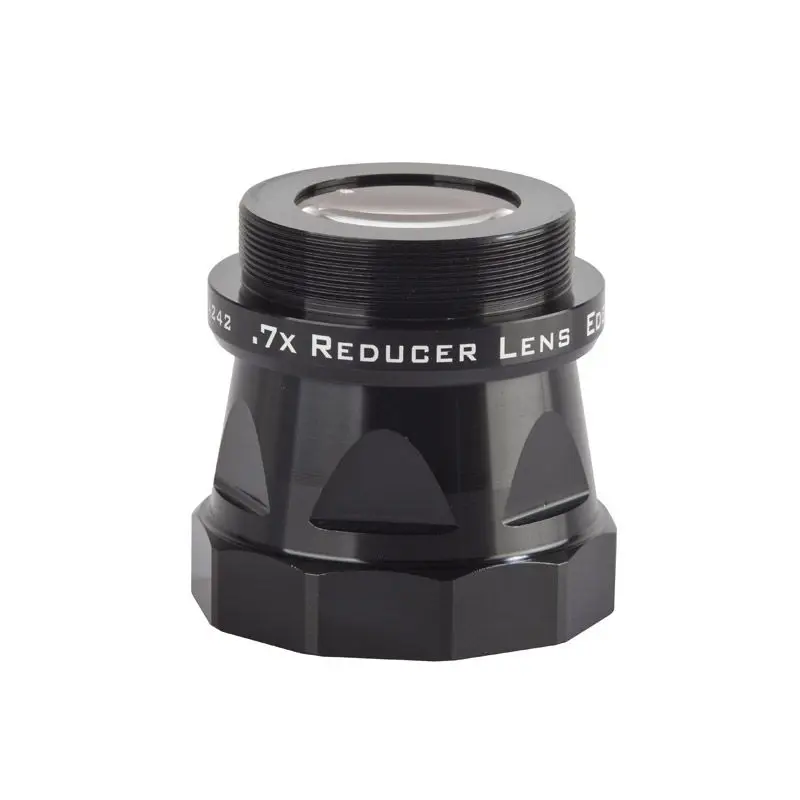
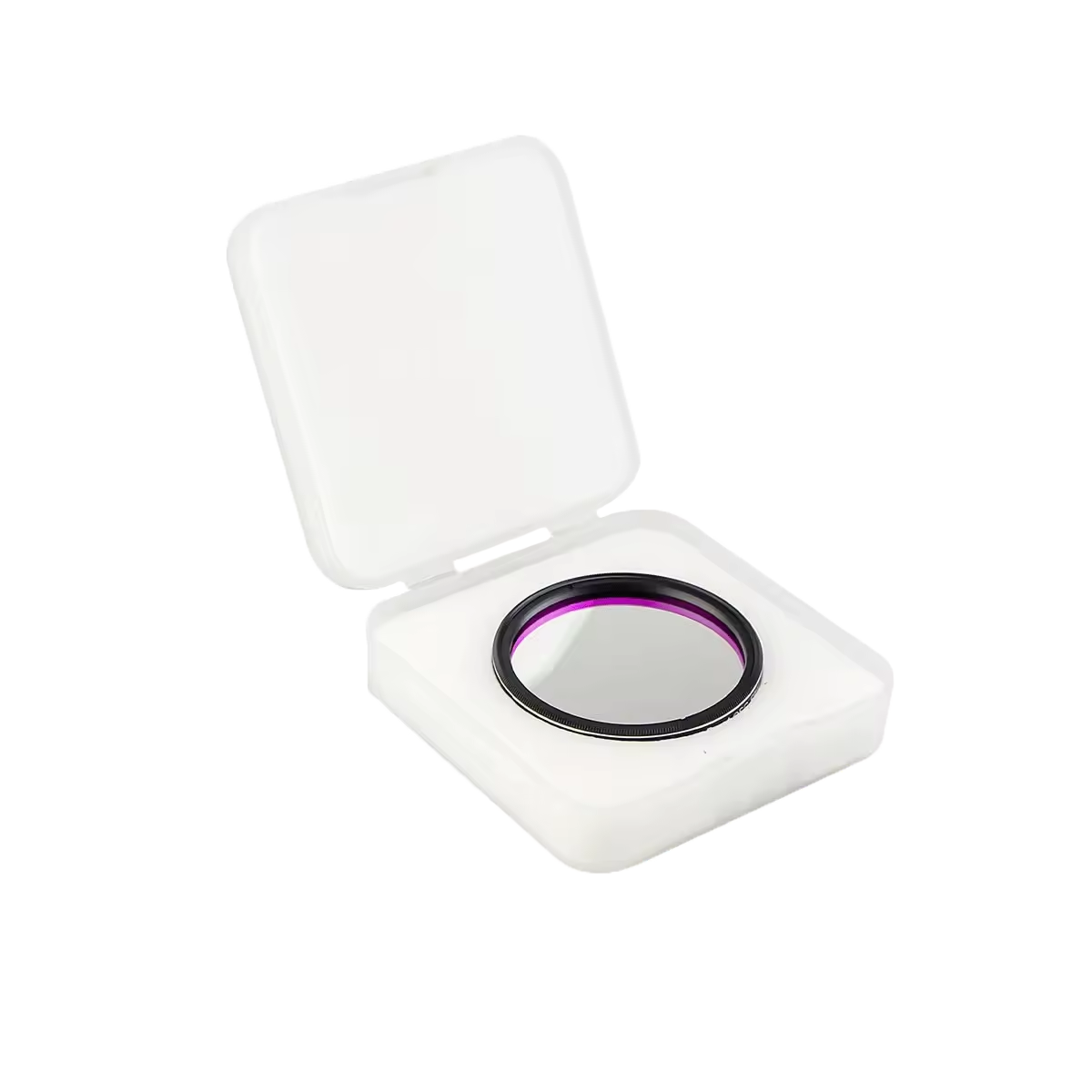
✓0.7x reducer speeds the system and widens the field
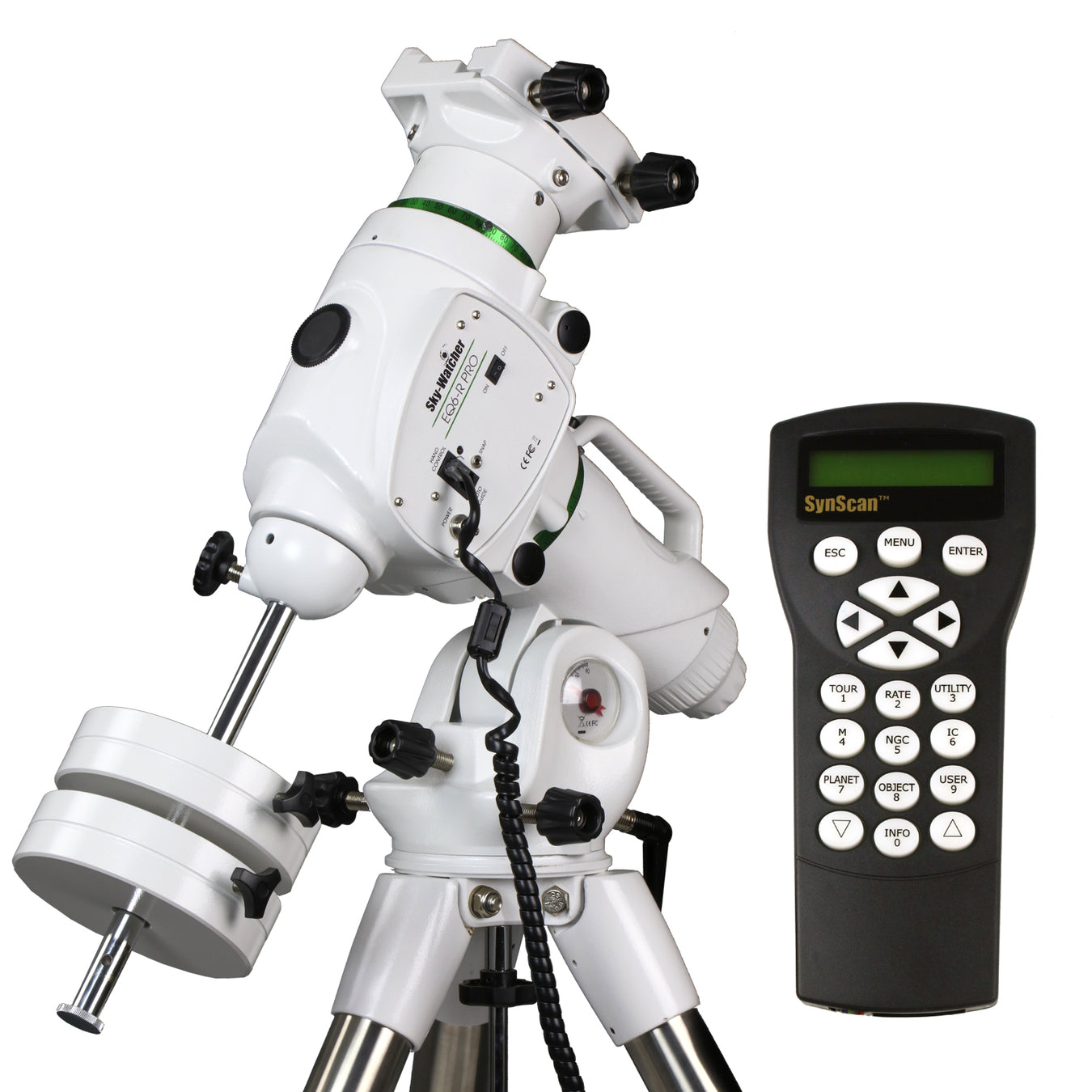
✓EQ6-R Pro handles the payload for long sub-exposures
Things to know
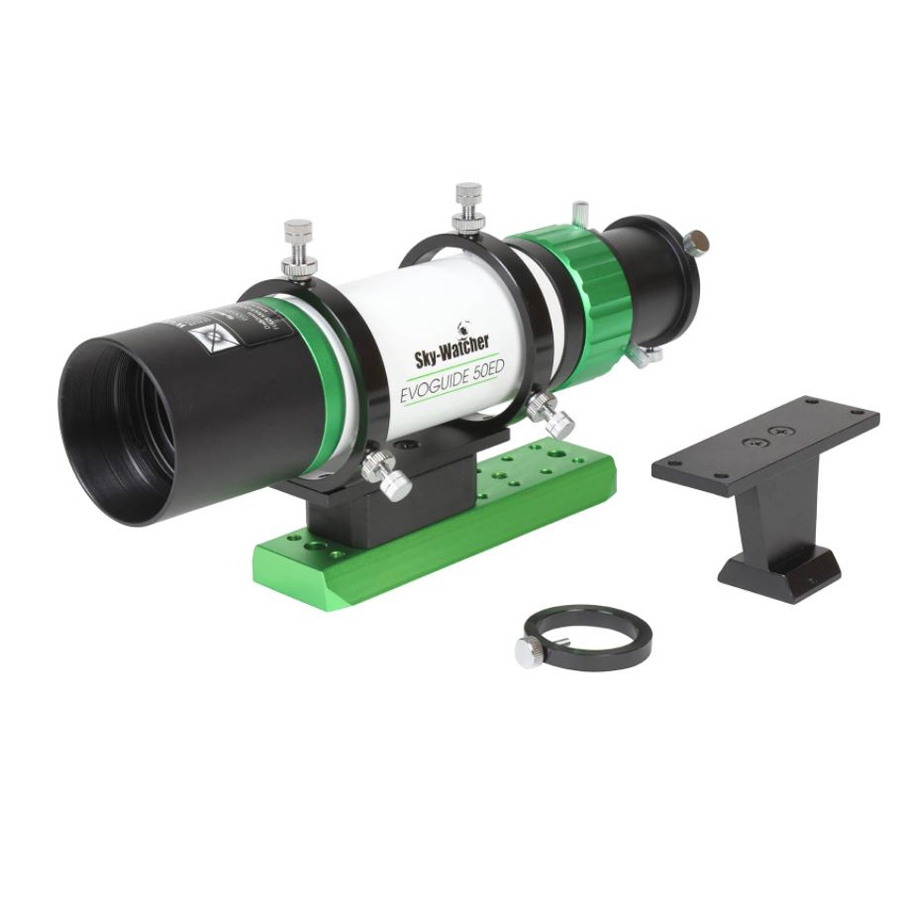
•Long focal length demands good guiding and seeing
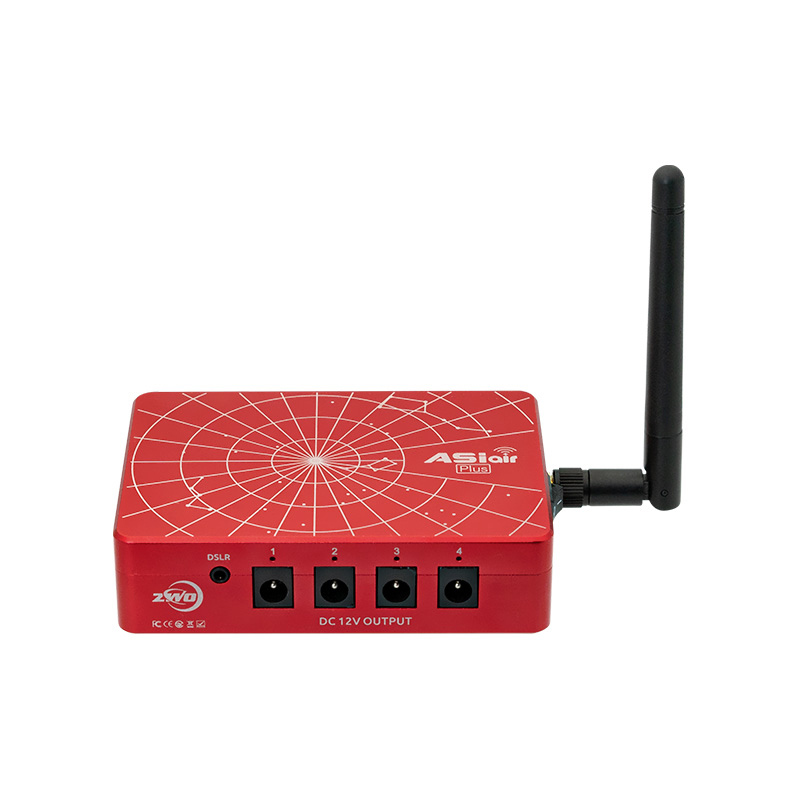
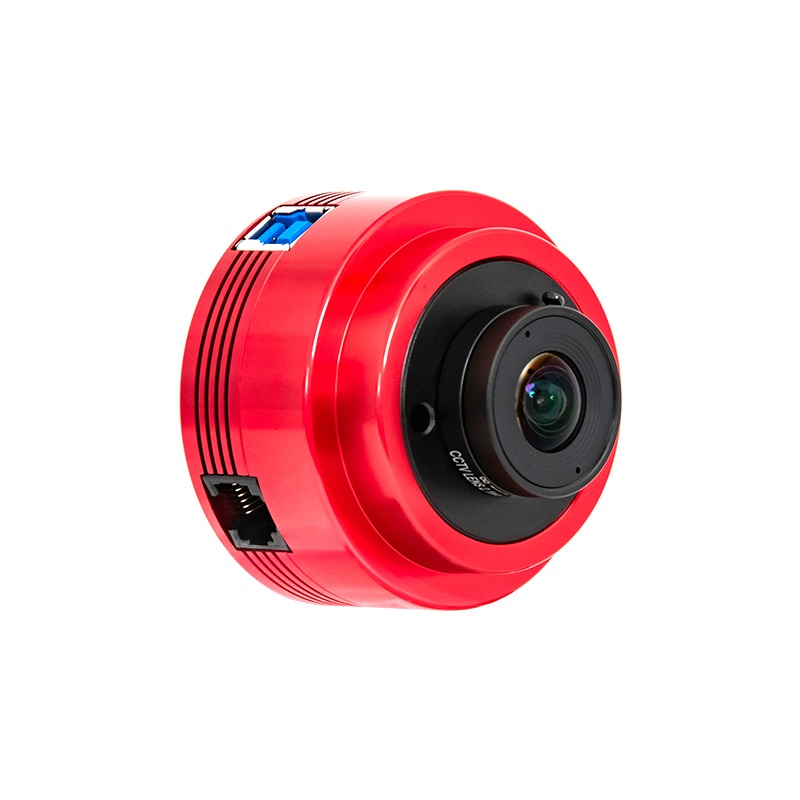
•You drive it from an ASIAIR or laptop
•Add a filter wheel + mono camera later for narrowband
Who should skip this
–First-time imagers (start wide and short)
–Grab-and-go nights
Build this setup
Some links are affiliate links — we earn a small commission at no extra cost to you.Grouped so you know what’s essential and what can wait.
What you'll capture
This rig’s field and reach, framed on real targets.
Sensor FOV
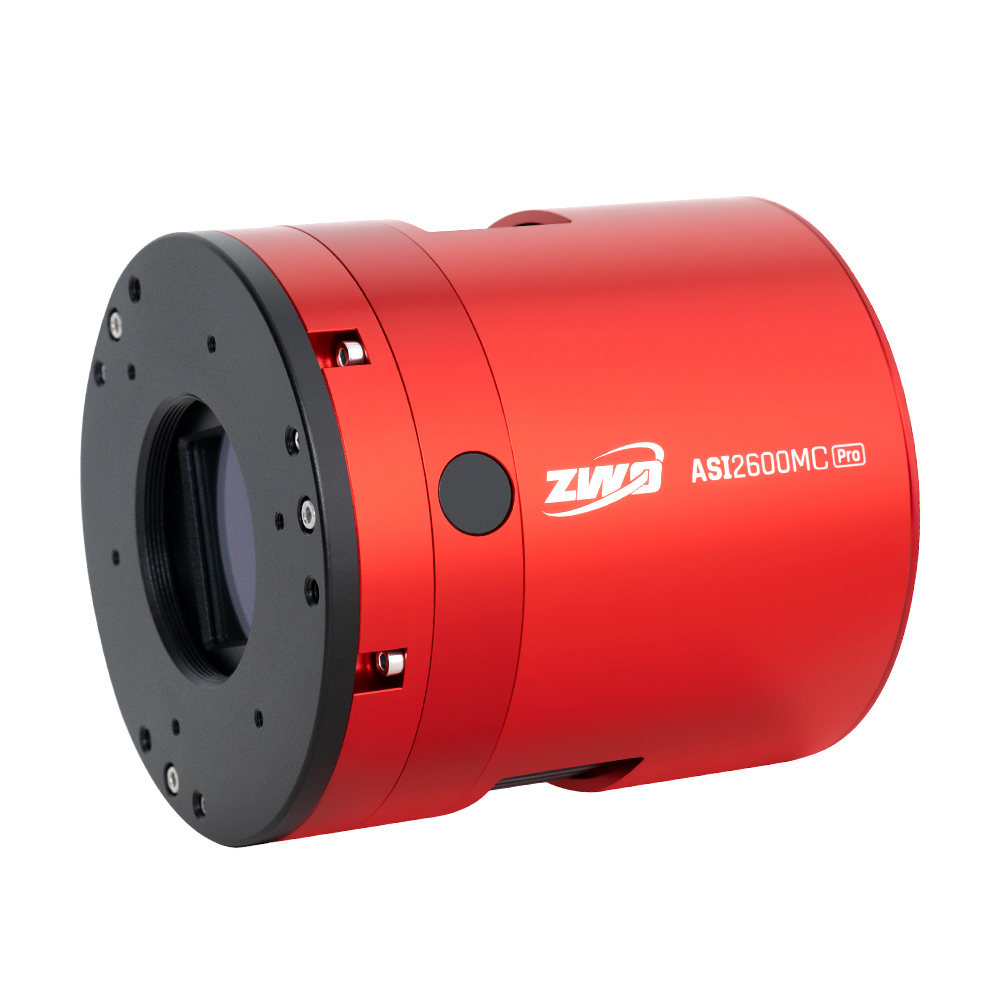
0.57° × 0.38°
Image scale
0.33″/px
Focal ratio
f/10
Examples you can capture
Orion NebulaAndromeda GalaxyRosette NebulaNorth America NebulaLagoon NebulaVeil Nebula
Open in the simulator for the full view →Field experience
A typical evening
What using this setup actually feels like, start to finish.
30 min
Setup time
30 min
Cool down
3–5 hrs
Typical session
20 min
Pack-up
The honest trade-offs
Every recommendation is a compromise. Here’s where this one lands.
Strengths
✓Reaches galaxies wide rigs can't
✓Edge-corrected, reducer-ready optics
✓Mount has payload headroom
Compromises
–Heavy and power-hungry
–Long focal length is less forgiving
–Highest cost of the imaging rigs
Still deciding?
Take your time. See how this setup performs against the sky, or line it up next to the alternatives.