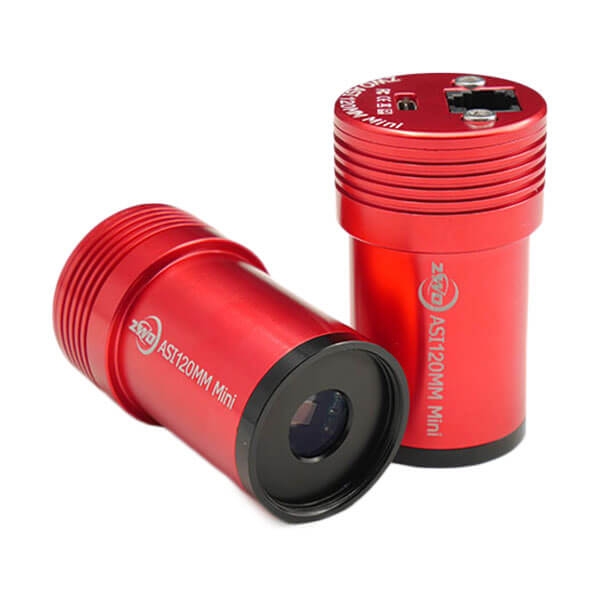
ZWO ASI120MM Mini — image 1
ZWO

ZWO ASI120MM Mini

The near-ubiquitous mono guide camera, small, sensitive and cheap enough that almost every imaging rig has one.

89/ 100
Polaris Score
#1 of 7 guide cameras
See the breakdown ↓
Camera Type
ImagingGuiding

A guide camera first: small, sensitive and fast to download. It corrects the mount so your main camera can take long exposures.

Type
Monochrome
Cooling
Uncooled
Pixel Size
3.75µm
Read noise
3.1 e⁻
Resolution
1.2 MP · 1280×960
Sensor
AR0130CS · 1/3"
From$199

$20 above 90-day lowLast $179 in Aug 2026

Price tracked by PolarisObserved 102 timesTracking since Jul 2026

Try in simulator →
Where to buy

Verified 13h ago · prices tracked daily

The frame it captures

Same camera. Different telescope. A completely different photograph.

A camera has no field of view of its own, the telescope in front of it decides everything. Pick a target and watch the same 1.2-megapixel frame become three different images.

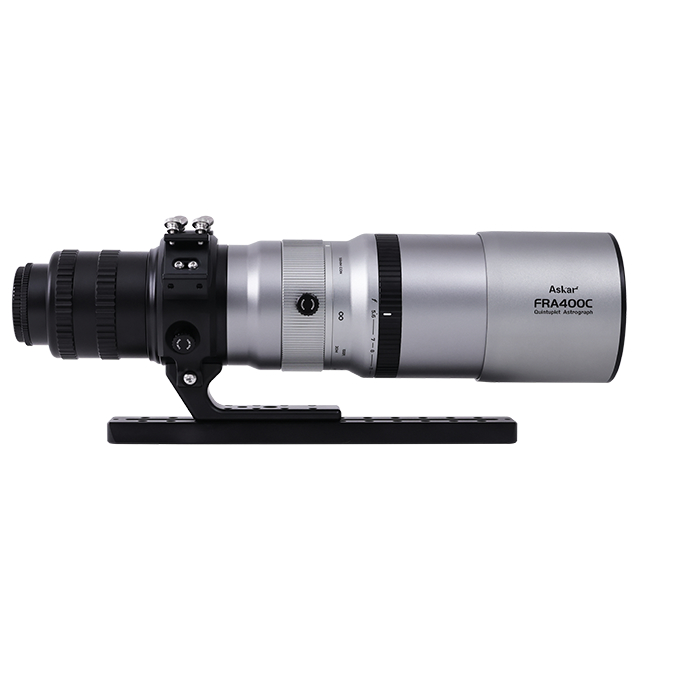
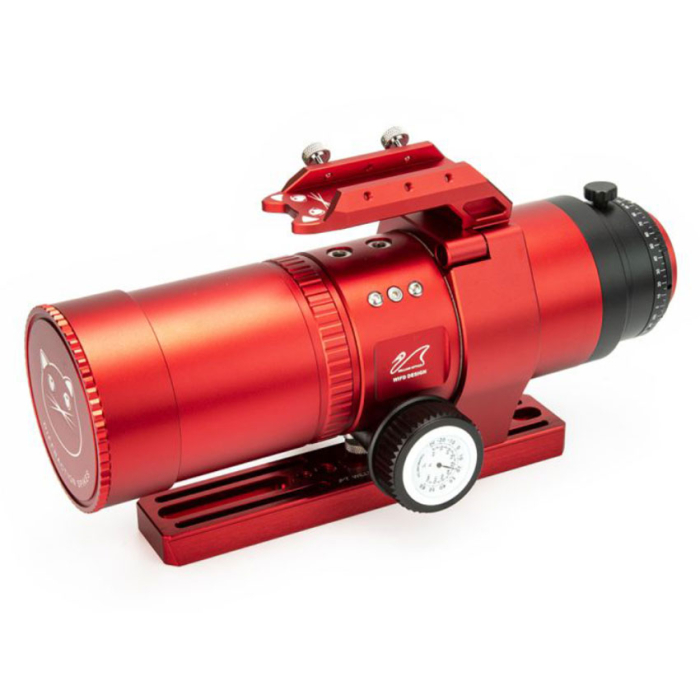
RedCat 51
250 mm · f/4.9
FOV 1.1° × 0.83°
Overflows frame
Only the bright core fits; the spiral arms spill off the sensor.
Esprit 100ED
550 mm · f/5.5
FOV 0.50° × 0.38°
Overflows frame
Only the bright core fits; the spiral arms spill off the sensor.
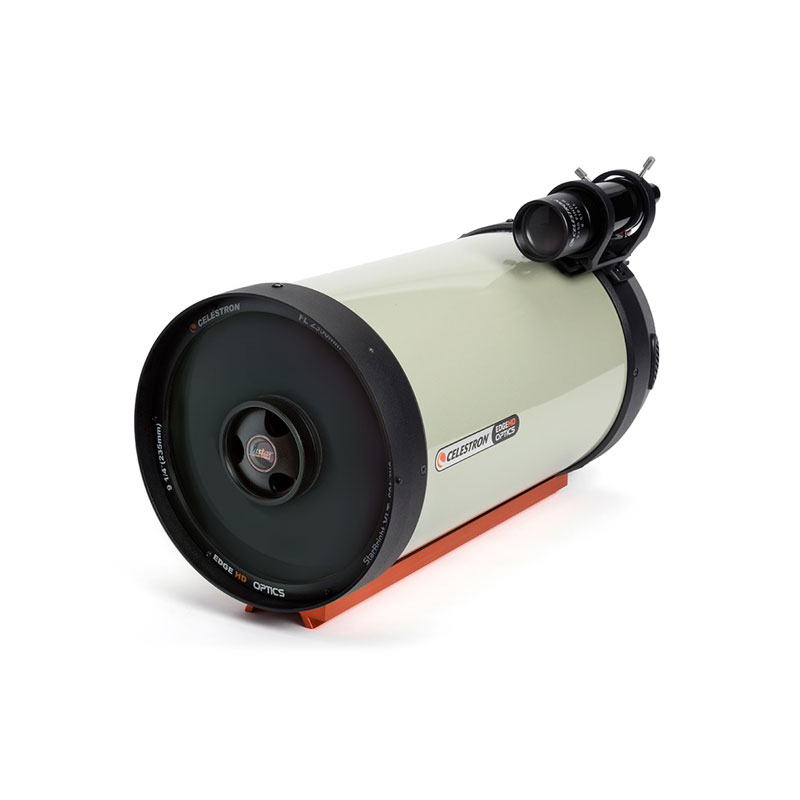
EdgeHD 8
2032 mm · f/10
FOV 0.14° × 0.10°
Overflows frame
Only the bright core fits; the spiral arms spill off the sensor.
Explore any telescope in the Simulator →
01What it's good at

What it's best at — and the trade-offs.

Mono sensitivity locks onto faint guide stars quickly.
Best at
✓Mono sensitivity locks onto faint guide stars quickly.
✓Small and light enough for any guide scope or off-axis guider.
✓Supported by every guiding application out of the box.
Trade-offs
!Not a deep-sky imaging camera, uncooled with a tiny sensor.
!A USB 2.0 interface is fine for guiding but slow for capture.
!Modest well depth and higher read noise than premium sensors.
02In plain English

The numbers, in plain English.

ON Semi AR0130CS · 1.2MP · 3.75µm · Uncooled
Read noiseLow
3.1 e⁻
Read noise is what the camera adds every time a frame is read out. At around three electrons this is modest rather than exceptional, which is entirely adequate for its job: locking onto a guide star, where you only need the star's centre, not a beautiful image.
Pixel sizeBalanced
3.75 µm
A middle pixel size that samples a guide star well across the short guide scopes people actually use. Guiding software measures the star's centroid to a fraction of a pixel, so this resolution is more than enough to detect the small errors that matter.
SensorSmall
AR0130CS, 1/3 inch
A small sensor keeps frame rates high and files small, which is what guiding wants: a fresh reading every second or two. It is too small a field for deep-sky imaging, but for finding a guide star through a 200 to 250 mm guide scope it is sufficient.
CoolingNone
Uncooled
Guide exposures last a second or two, so thermal noise never has time to build and cooling would be wasted cost and weight. The same fact rules this camera out for the long exposures deep-sky imaging requires.
Full wellModest
13,000 e⁻
Full well is how much charge a pixel holds before it saturates. A modest well means bright guide stars clip easily, which does not matter for guiding but does mean this is not a camera for capturing dynamic range.
Peak QEGood
About 75 percent
Quantum efficiency is the fraction of arriving photons the sensor actually records. Three quarters is good enough that faint guide stars are usable, which is what keeps you from hunting around the sky for something bright enough to lock onto.
03Typical targets

What it shines on.

Guide stars, Off-axis guiding, Polar alignment, The Moon (casual), Bright planets (casual)
Excellent
Guide stars
Locks onto a faint star and feeds corrections to the mount.
Excellent
Off-axis guiding
Small sensor works well behind an OAG on longer focal lengths.
Excellent
Polar alignment
Pairs with alignment routines to dial in the mount.
The Moon (casual)Excellent
The Moon (casual)
Doubles as a simple lunar or planetary camera in a pinch.
Excellent
Bright planets (casual)
Usable for a first look at Jupiter or Saturn.
04Build your imaging rig

Everything you'd actually buy.

Capture · Track · Complete it
Capture
The scope that forms the image
Any imaging refractor or reflector
It rides alongside (or behind) your main scope, not in place of it.
Track
What holds it steady
A guide scope or off-axis guider
Mount it on a small guide scope, or behind an OAG for long focal lengths.
Complete it
What unlocks its range
A guide camera bracket / OAG
However you mount it, it feeds corrections to the mount.
05The Polaris Score

How it scores, and why.

89/100 · #1 of 7 guide cameras
89/ 100
ZWO ASI120MM Mini
#1 of 7 guide cameras

A guide camera judged as a guide camera: sensitive, tiny and universally supported. Not an imaging sensor, and it does not pretend to be.

Image quality
84
Low-light sensitivity
86
Ease of use
94
Value
96

Polaris weighs how well the camera does the job it was designed for — image quality, sensitivity, versatility and value — never list price or brand.

06Who it's for

An honest fit check.

Anyone taking long deep-sky exposures who needs the mount guided.
Buy it if you
✓Anyone taking long deep-sky exposures who needs the mount guided.
✓Imagers setting up autoguiding with a guide scope or an off-axis guider.
✓People who also want a cheap, simple planetary or lunar camera on the side.
✓Beginners building their first imaging rig on a budget.
Look elsewhere if you
!Anyone expecting it to be their main imaging camera for deep sky.
!Planetary imagers wanting the best possible planetary detail.
!People who need colour output (this is a mono guide sensor).
!Wide-field deep-sky work.
07The numbers

Full specifications.

18 measured and stated values
Sensor
ModelON Semi AR0130CS
TypeCMOS · 1/3"
Megapixels1.2
Pixel Size3.75µm
Bit depth12-bit ADC
Noise & sensitivity
Read noise3.1 e⁻
Full well13,000 e⁻
Peak QE~75%
Dynamic range12 stops
Cooling
CoolingUncooled
Connectivity & fit
InterfaceUSB 2.0
Weight0.06 kg
More
cooledfalse
Sensor Height3.6mm
Sensor Width4.8mm
Editor’s Take

It is the default answer to "what should I guide with." Mono sensitivity finds guide stars easily, the small body fits any guide scope or OAG, and it just works with every guiding program.
— The Skynocular verdict