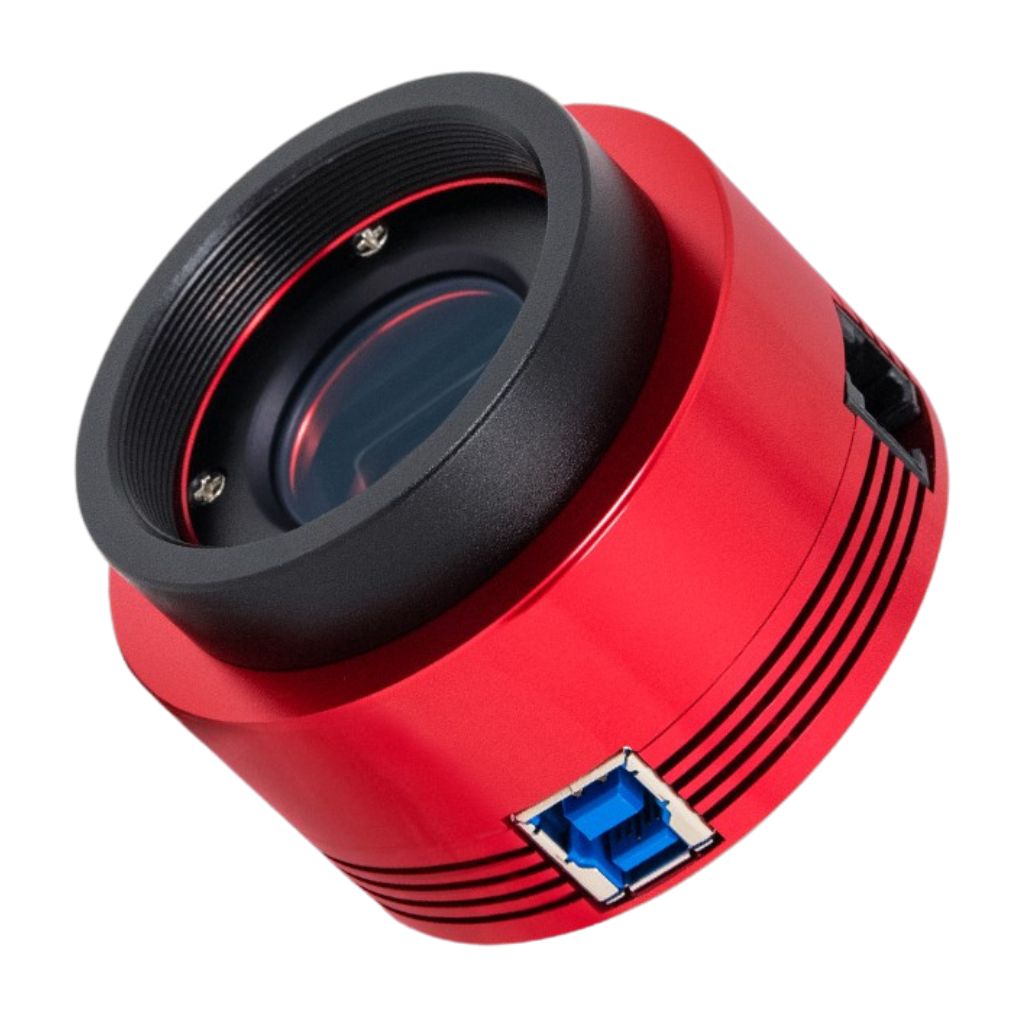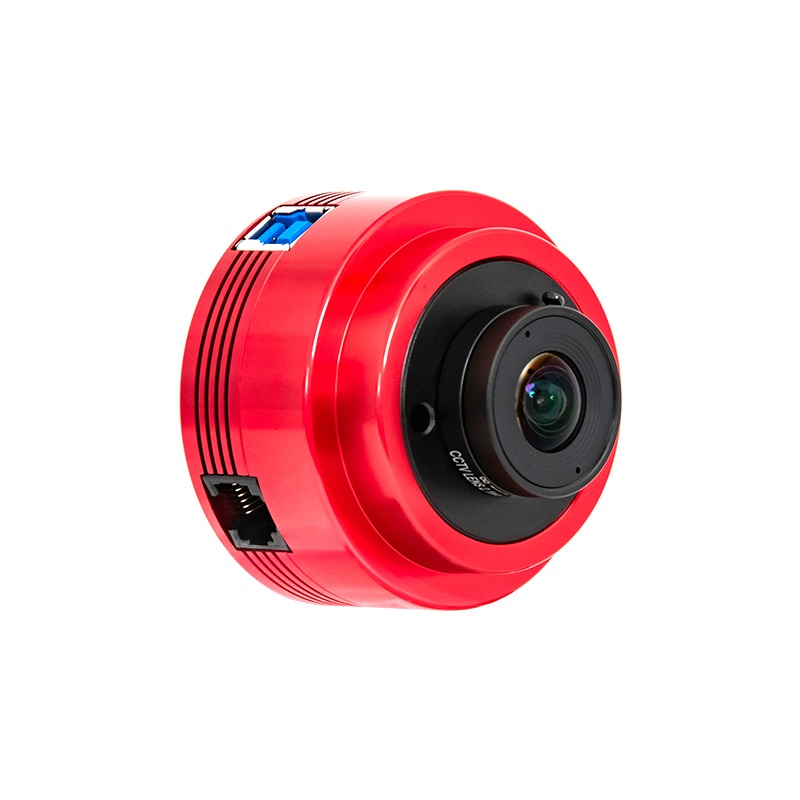
ZWO ASI662MC — image 1
ZWO

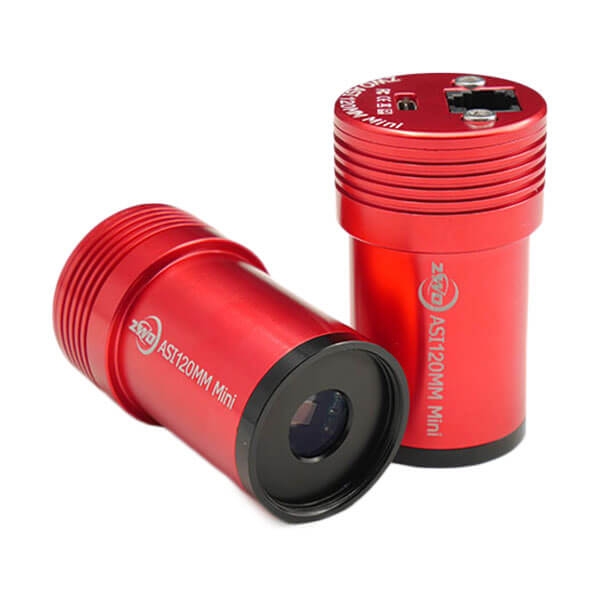
ZWO ASI662MC

A fast, sensitive 1/2.8-inch colour camera built for lucky imaging of planets, the Moon and the Sun.

88/ 100
Polaris Score
#1 of 7 planetary cameras
See the breakdown ↓
Camera Type
Deep skyPlanetary

Built for planets, the Moon and the Sun, small, fast and high-frame-rate. Usable on bright deep-sky objects, but not a long-exposure camera.

Type
One-shot colour
Cooling
Uncooled
Pixel Size
2.9µm
Read noise
0.5 e⁻
Resolution
2.1 MP · 1920×1080
Sensor
Sony IMX662 · 1/2.8"
From$199

Lowest in 90 days

Price tracked by PolarisObserved 55 timesTracking since Aug 2026

Try in simulator →
Where to buy

Verified 10h ago · prices tracked daily

The frame it captures

Same camera. Different telescope. A completely different photograph.

A camera has no field of view of its own, the telescope in front of it decides everything. Pick a target and watch the same 2.1-megapixel frame become three different images.

RedCat 51
250 mm · f/4.9
FOV 1.3° × 0.73°
Overflows frame
Only the bright core fits; the spiral arms spill off the sensor.
Esprit 100ED
550 mm · f/5.5
FOV 0.58° × 0.33°
Overflows frame
Only the bright core fits; the spiral arms spill off the sensor.
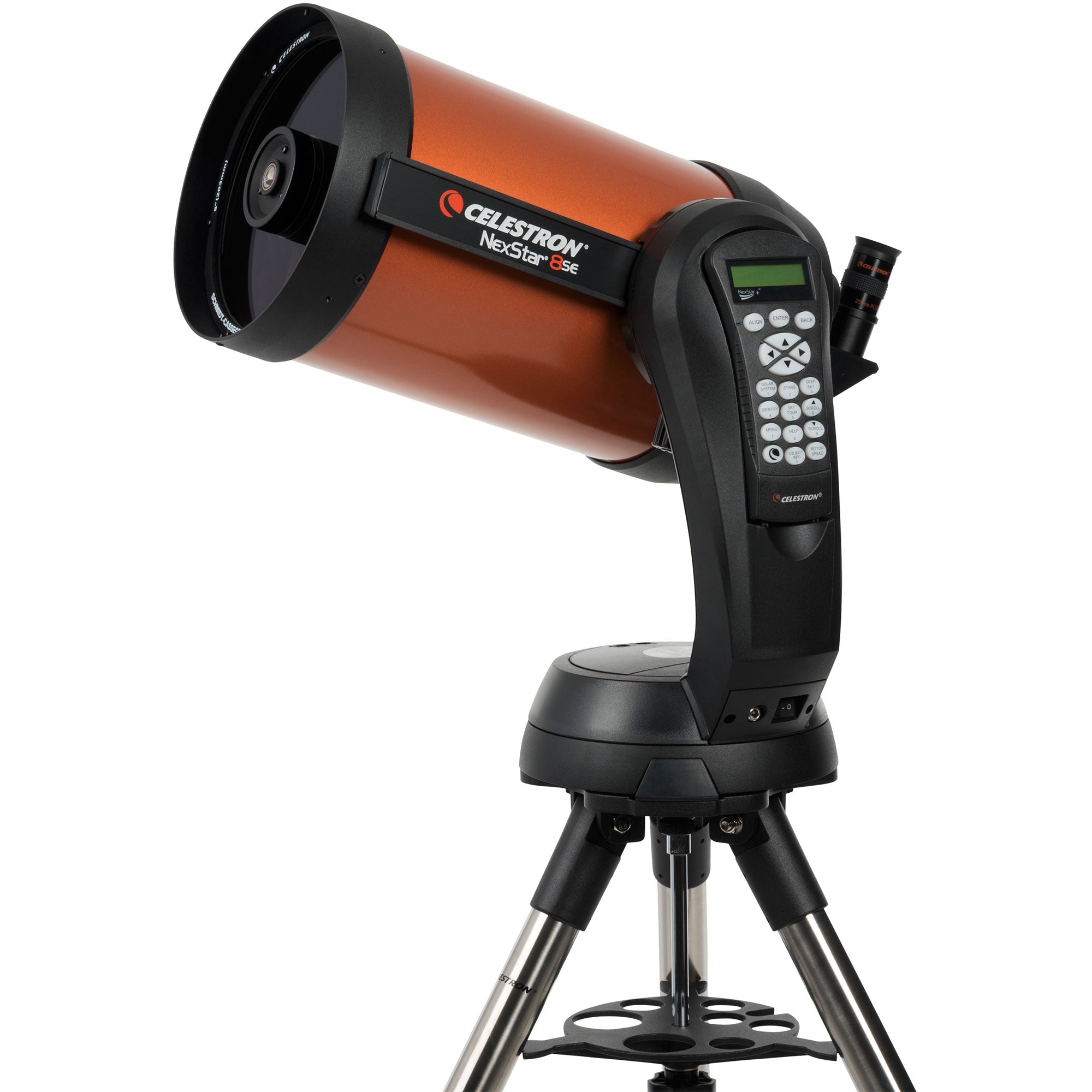
EdgeHD 8
2032 mm · f/10
FOV 0.16° × 0.09°
Overflows frame
Only the bright core fits; the spiral arms spill off the sensor.
Explore any telescope in the Simulator →
01What it's good at

What it's best at — and the trade-offs.

High frame rates freeze atmospheric seeing for lucky imaging.
Best at
✓High frame rates freeze atmospheric seeing for lucky imaging.
✓Very low read noise and ~91% QE keep short planetary frames clean.
✓Cheap, light and simple, a natural first imaging camera.
Trade-offs
!Tiny sensor and no cooling rule out long deep-sky exposures.
!A long focal length or Barlow is needed to scale planets up.
!Very small field of view on the sky.
02In plain English

The numbers, in plain English.

Sony IMX662 · 2.1MP · 2.9µm · Uncooled
Read noiseVery low
0.5 e⁻
Planetary imaging reads the sensor thousands of times in a session, so read noise accumulates in a way it never does for deep sky. Half an electron is what allows exposures of a few milliseconds to still carry usable detail.
Pixel sizeFine
2.9 µm
Small pixels sample the tiny disc of a planet finely, which is exactly what you need at 2000 mm and above. At short focal lengths that same fineness becomes wasted resolution rather than an advantage.
SensorSmall
Sony IMX662, 1/2.8 inch
A small sensor keeps frame rates high and file sizes manageable, both of which decide how good a lucky-imaging stack can be. The narrow field is no limitation when the target is a planet occupying a fraction of the frame.
CoolingNone
Uncooled
Exposures here are measured in milliseconds, so thermal noise never has time to accumulate and cooling would add cost for no benefit. It also means this camera is not suited to long deep-sky exposures.
Full wellDynamic range
38,800 e⁻
A generous well for a planetary chip, which helps hold detail in a bright limb while the darker features nearby still register. It also makes the camera usable for lunar work where brightness varies sharply across the frame.
Peak QESensitivity
About 91 percent
Very high efficiency means shorter exposures for the same signal, and shorter exposures freeze more of the atmospheric turbulence that limits planetary detail. On this kind of camera, sensitivity buys sharpness rather than depth.
03Typical targets

What it shines on.

Jupiter, Saturn, Mars at opposition, The Moon, Venus phases, The Sun (with a filter)
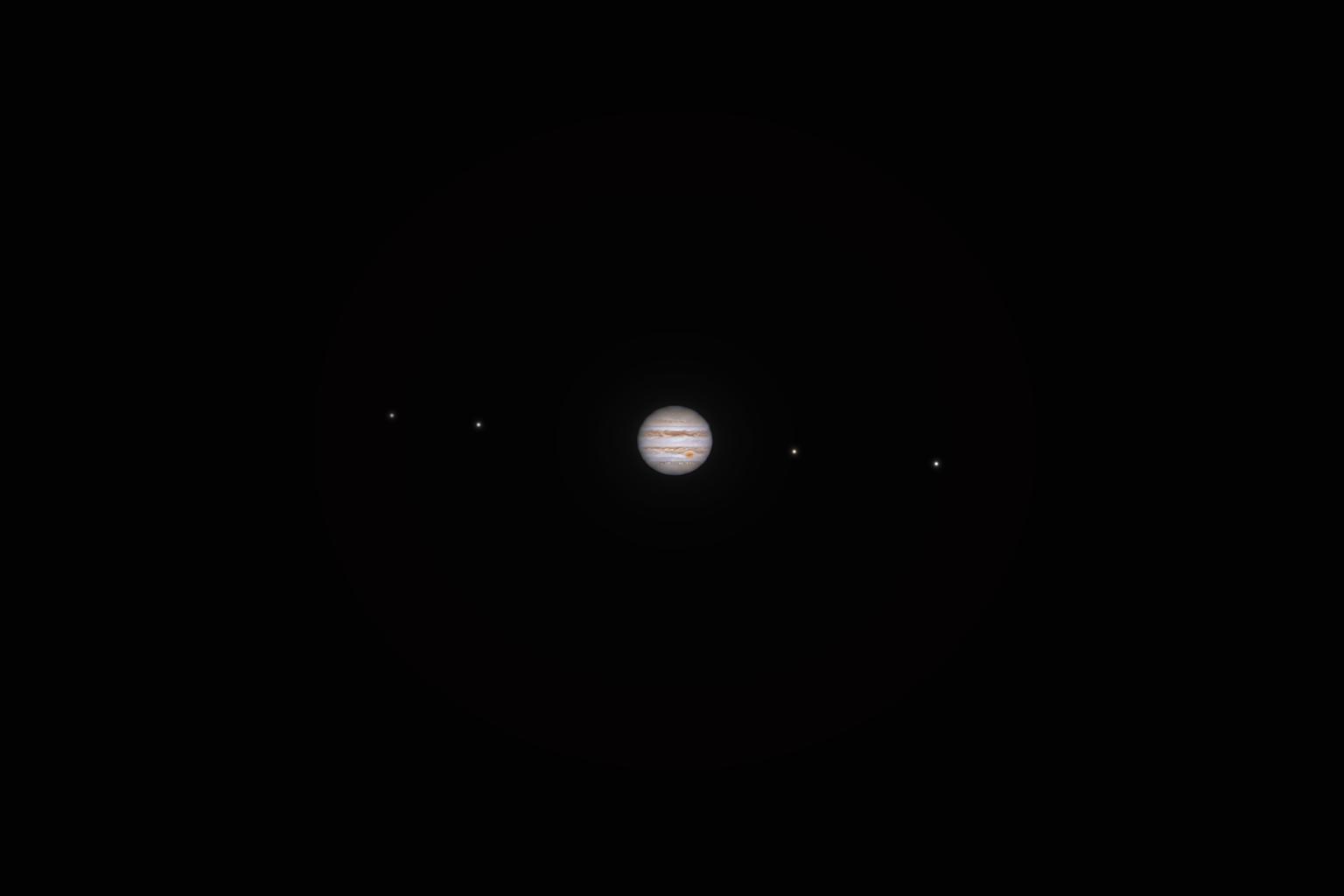
JupiterComes alive
Jupiter
High frame rates freeze the seeing; belts and the Great Red Spot sharpen after stacking.
SaturnComes alive
Saturn
The Cassini Division and belt shadings resolve in a good stack.
Mars at oppositionExcellent
Mars at opposition
Surface markings and the polar cap when Mars is close.
The MoonExcellent
The Moon
Crater detail along the terminator at high magnification.
Excellent
Venus phases
The changing crescent through the day or at dusk.
Excellent
The Sun (with a filter)
Sunspots and granulation with proper solar filtration.
04Build your imaging rig

Everything you'd actually buy.

Capture · Track · Complete it
Track
What holds it steady
A tracking equatorial mount
Even planetary imaging benefits from tracking to keep the target centred.
Complete it
What unlocks its range
A Barlow or Powermate
Amplify the focal length to put the planet across more pixels.
05The Polaris Score

How it scores, and why.

88/100 · #1 of 7 planetary cameras
88/ 100
ZWO ASI662MC
#1 of 7 planetary cameras

An excellent-value planetary camera: high frame rates, low read noise and strong sensitivity. Its small sensor and lack of cooling are exactly right for its job.

Image quality
88
Low-light sensitivity
91
Ease of use
90
Value
94

Polaris weighs how well the camera does the job it was designed for — image quality, sensitivity, versatility and value — never list price or brand.

06Who it's for

An honest fit check.

Image planets, the Moon and the Sun at high frame rates.
Buy it if you
✓Image planets, the Moon and the Sun at high frame rates.
✓Own a long-focal-length scope (SCT, Mak or a Barlowed reflector).
✓Want an affordable, fast camera that lucky-imaging can stack into sharp detail.
✓Are getting started and want a low-cost entry into imaging.
Look elsewhere if you
!Deep-sky imagers, the tiny sensor and no cooling rule out long exposures.
!Anyone wanting a wide field; this sensor sees a very small patch of sky.
!Imagers on a short-focal-length scope with no way to amplify it.
!Those expecting cooled, low-noise deep-sky data.
07The numbers

Full specifications.

19 measured and stated values
Sensor
ModelSony IMX662
TypeCMOS · 1/2.8"
Megapixels2.1
Pixel Size2.9µm
Bit depth12-bit ADC
Noise & sensitivity
Read noise0.5 e⁻
Full well38,800 e⁻
Peak QE~91%
Dynamic range13 stops
Cooling
CoolingUncooled
Connectivity & fit
InterfaceUSB 3.0
Weight0.12 kg
More
cooledfalse
Sensor Height3.2mm
Sensor Width5.6mm
Editor’s Take

Tiny 2.9 µm pixels, very high QE and near-zero read noise let it rip off hundreds of frames a second; stack the sharpest and Jupiter snaps into detail. Remarkable capability for the price.

— The Skynocular verdict