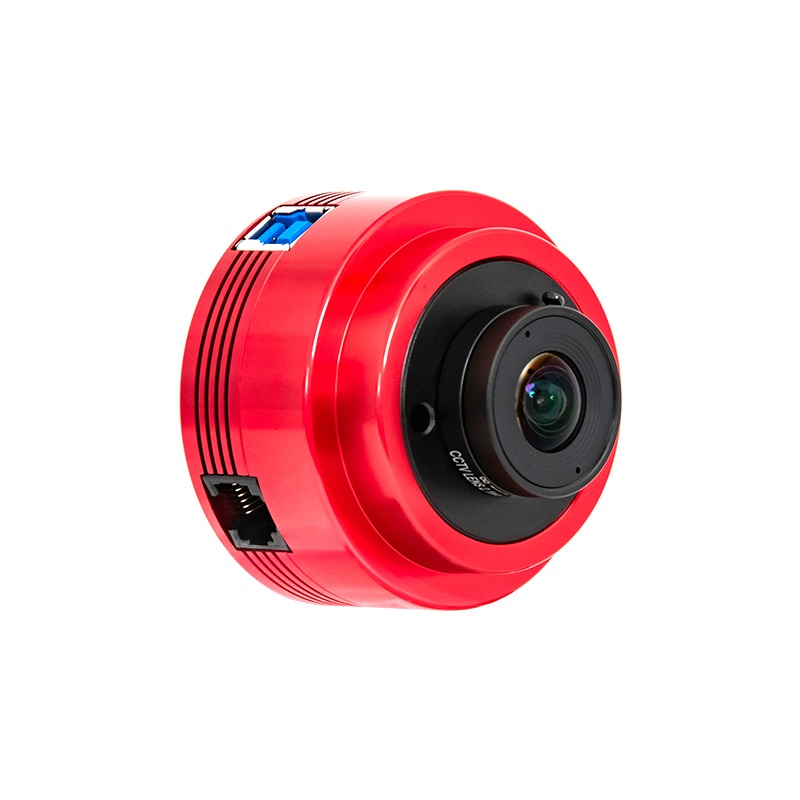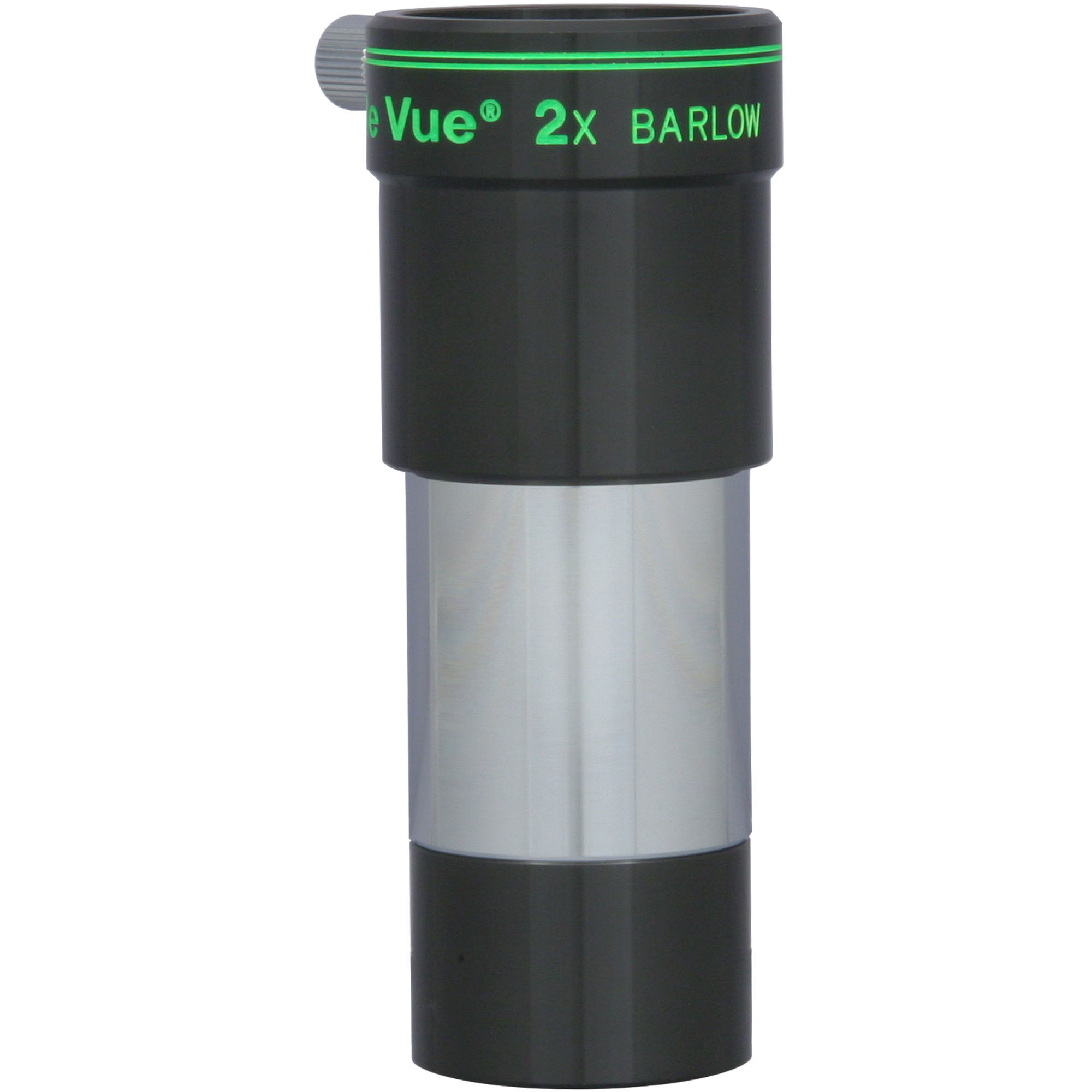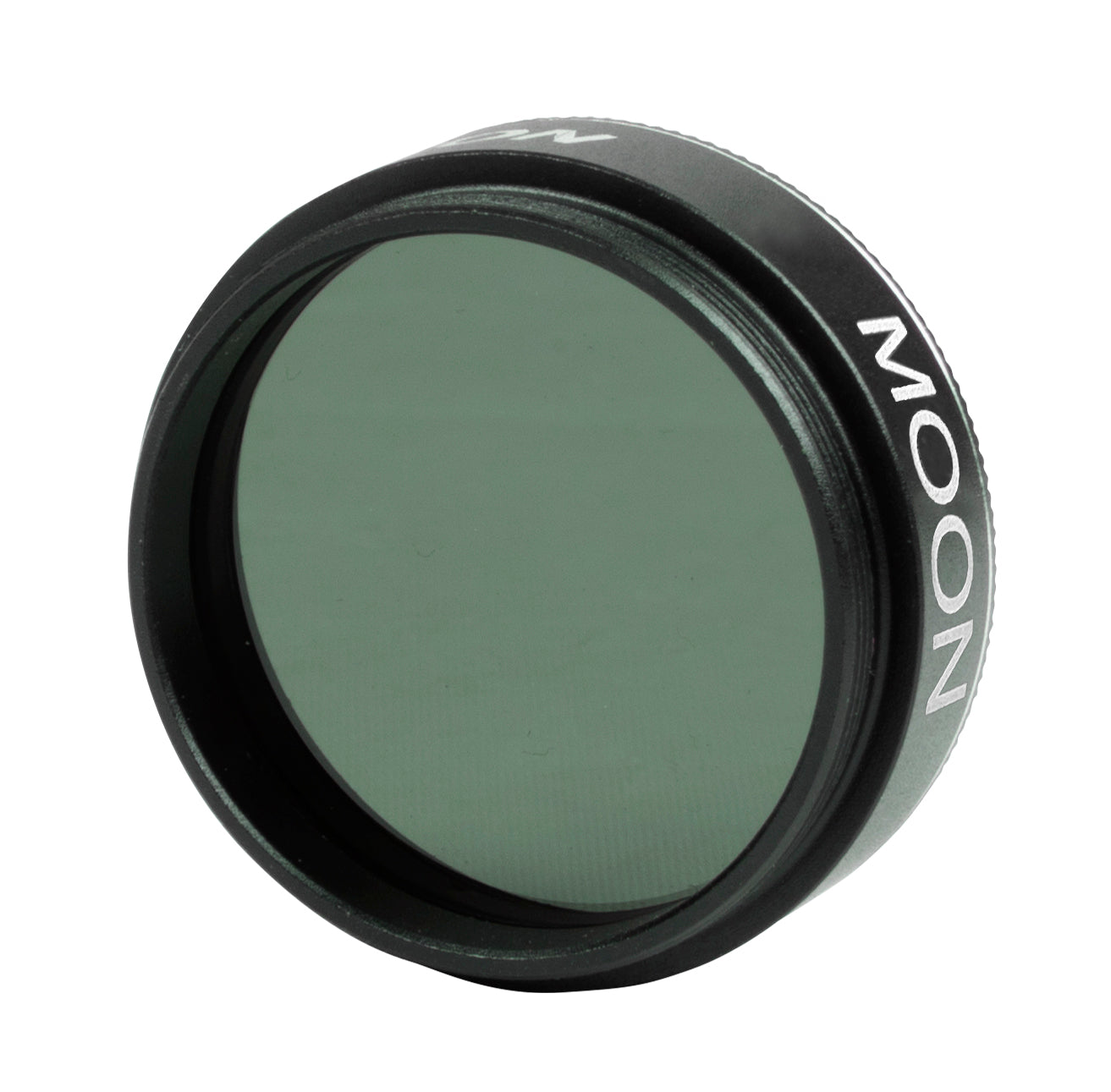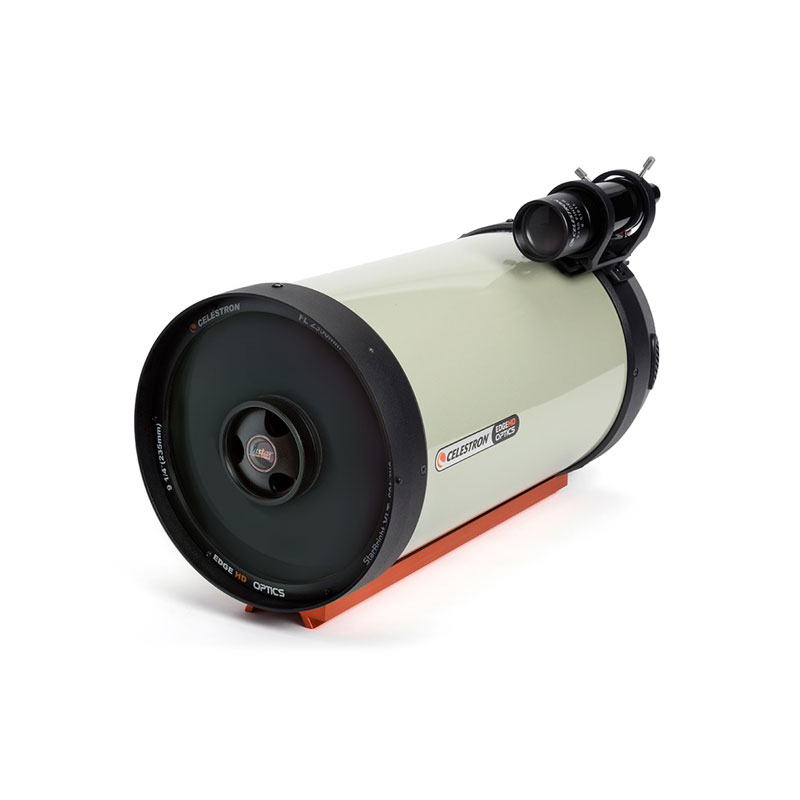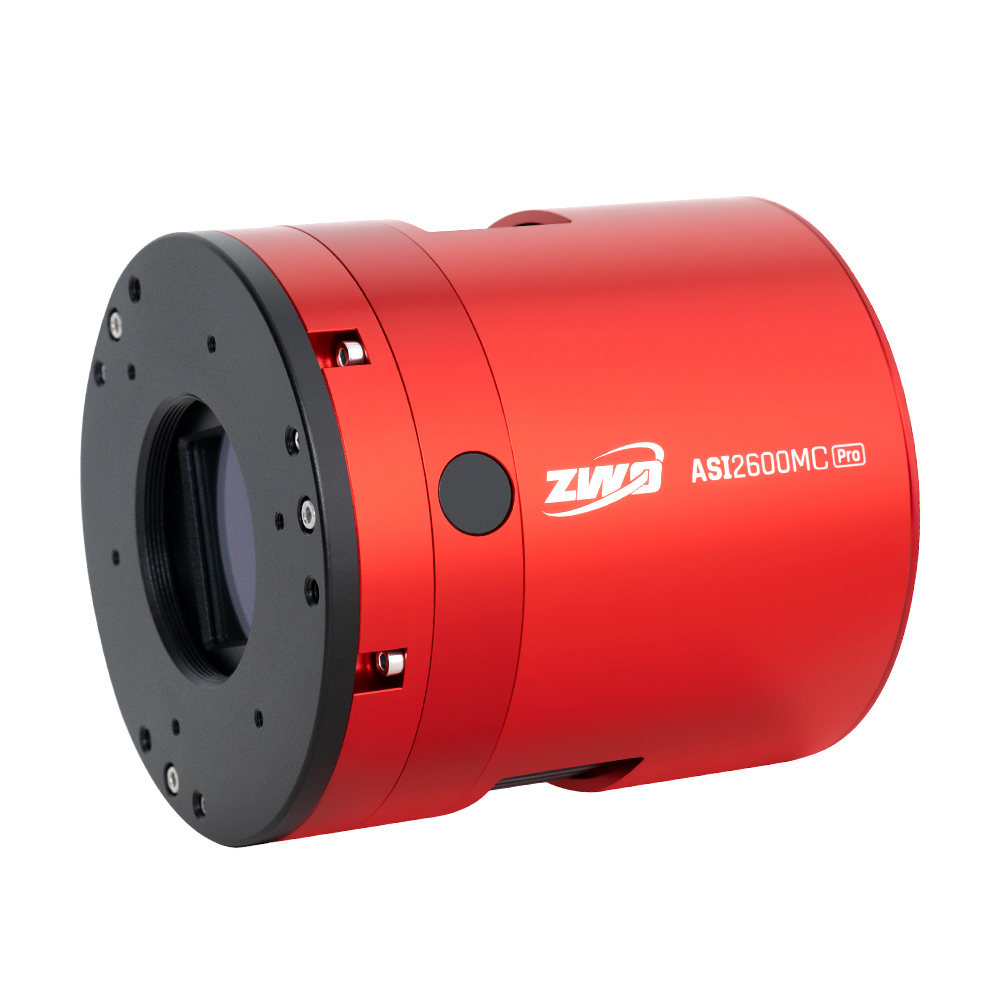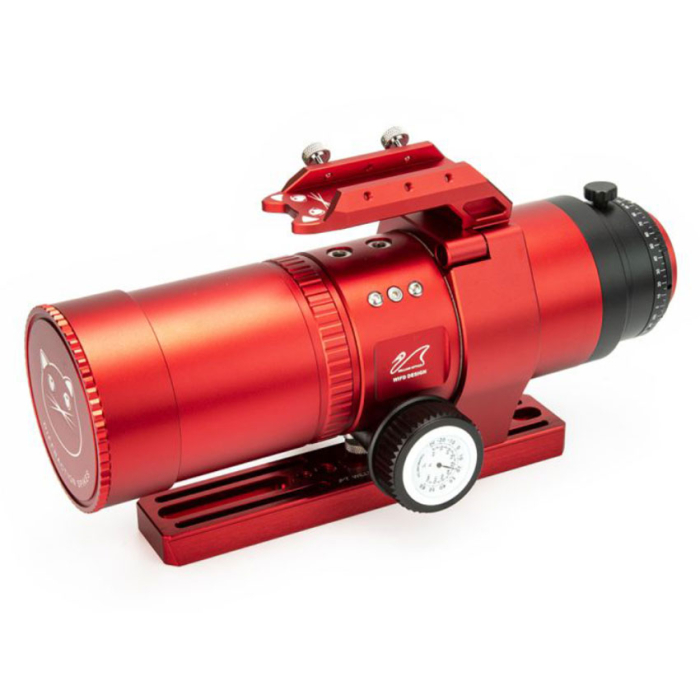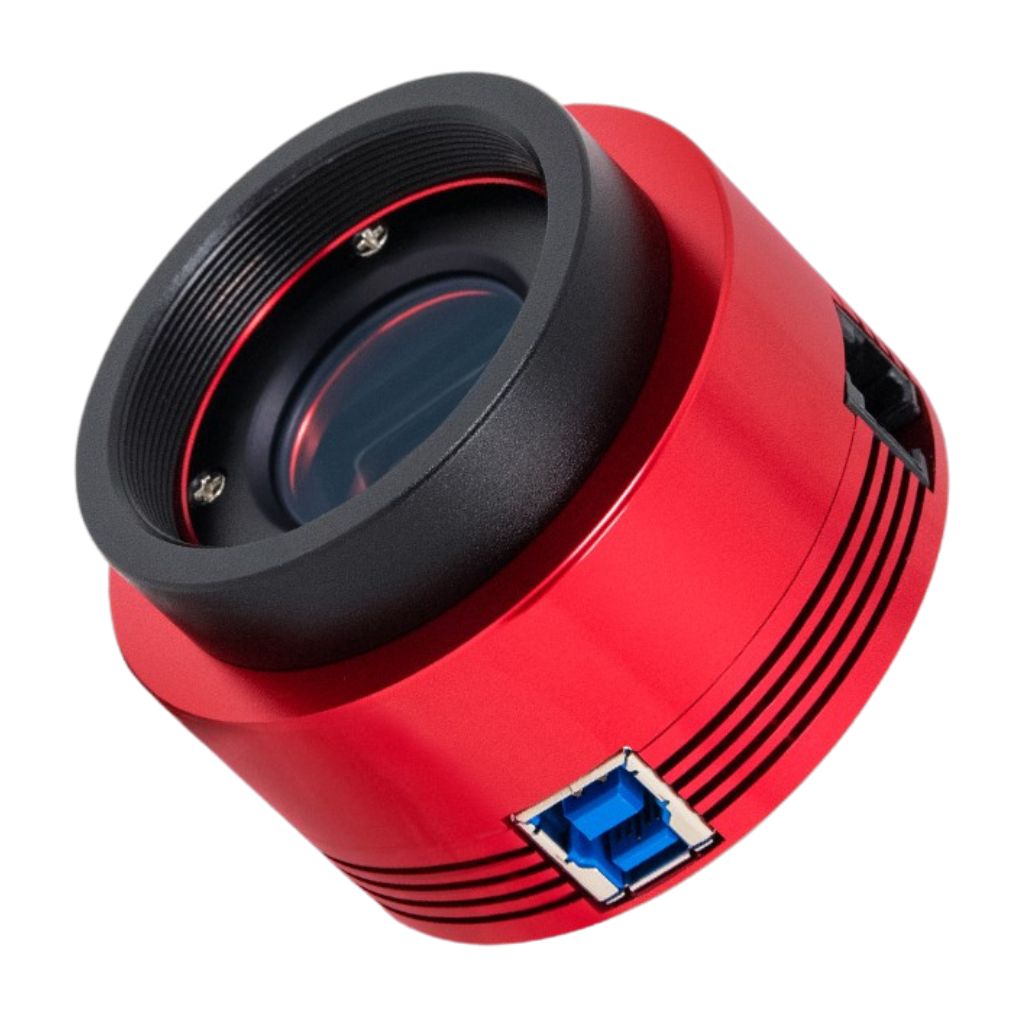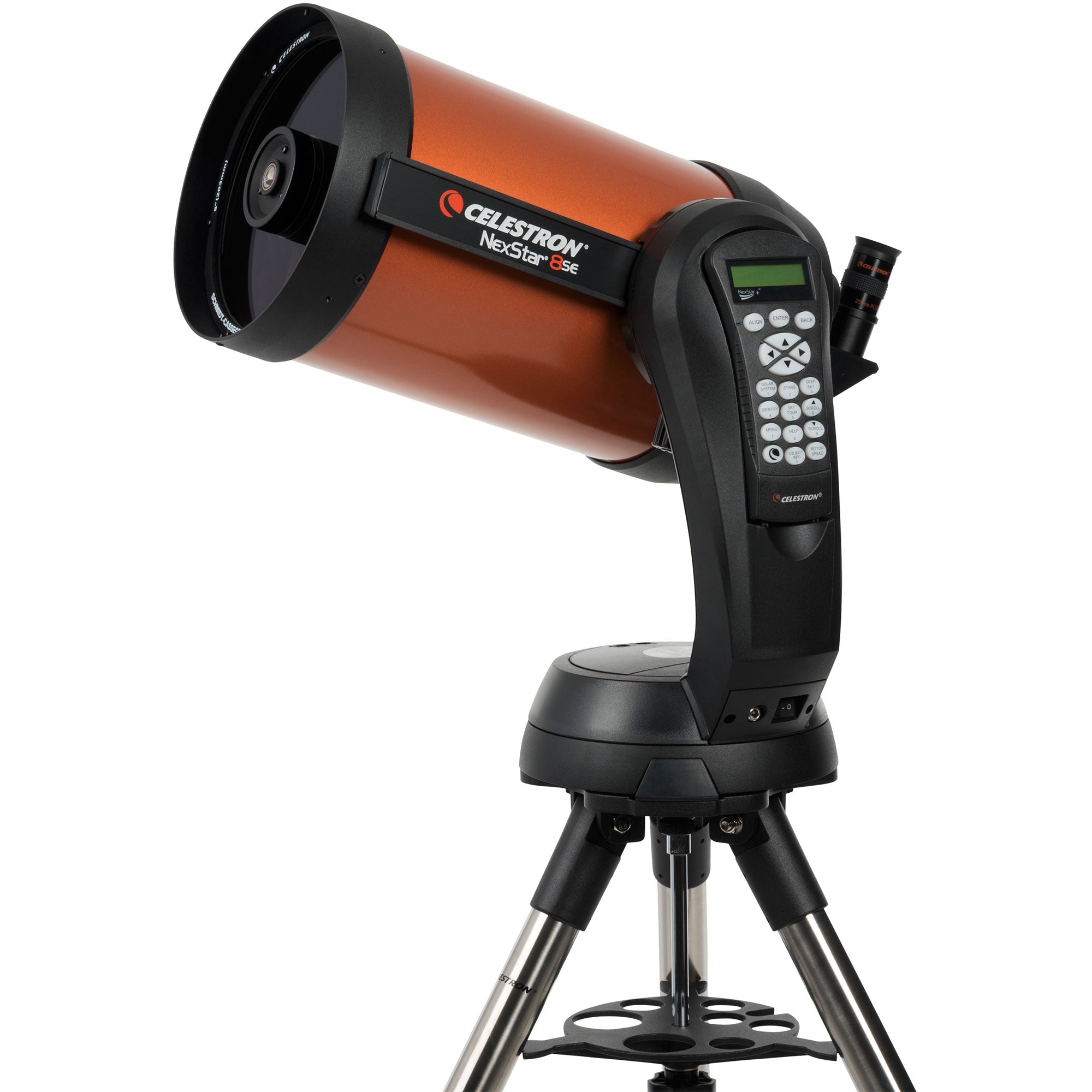
Planetary Imaging Setup
“Catch Jupiter's storms on a steady night.”
If you asked us
For the friend who can’t stop staring at Jupiter, this is the setup that turns a steady night into cloud belts, the Great Red Spot and Saturn’s rings — real detail you captured yourself.
Aperture
203mm
Focal length
2032mm
Focal ratio
f/10
Estimated total today
$2,051
Why you'll love it
✓Resolves cloud belts, the Great Red Spot and Cassini
✓Long focal length without a huge mount
✓Fast camera freezes the seeing
Things to know
•Results depend heavily on atmospheric steadiness
•You capture thousands of frames and stack the sharpest — this runs from a laptop, not a hand controller
•Collimation matters on the SCT, and so does a full cooldown
Who should skip this
–You want faint nebulae or galaxies
–You want a simple point-and-look scope
Build this setup
Some links are affiliate links — we earn a small commission at no extra cost to you.Grouped so you know what’s essential and what can wait.
What you'll capture
This rig’s field and reach, framed on real targets.
Sensor FOV
0.16° × 0.09°
Image scale
0.29″/px
Focal ratio
f/10
Examples you can capture
Orion NebulaAndromeda GalaxyRosette NebulaNorth America NebulaLagoon NebulaVeil Nebula
Open in the simulator for the full view →Field experience
A typical evening
What using this setup actually feels like, start to finish.
20 min
Setup time
45 min
Cool down
1–3 hrs
Typical session
15 min
Pack-up
The honest trade-offs
Every recommendation is a compromise. Here’s where this one lands.
Strengths
✓Stunning planetary and lunar detail
✓Compact for its reach
✓Modest mount requirement
Compromises
–Useless on faint deep-sky
–Hostage to the seeing
–Steep processing learning curve
Still deciding?
Take your time. See how this setup performs against the sky, or line it up next to the alternatives.