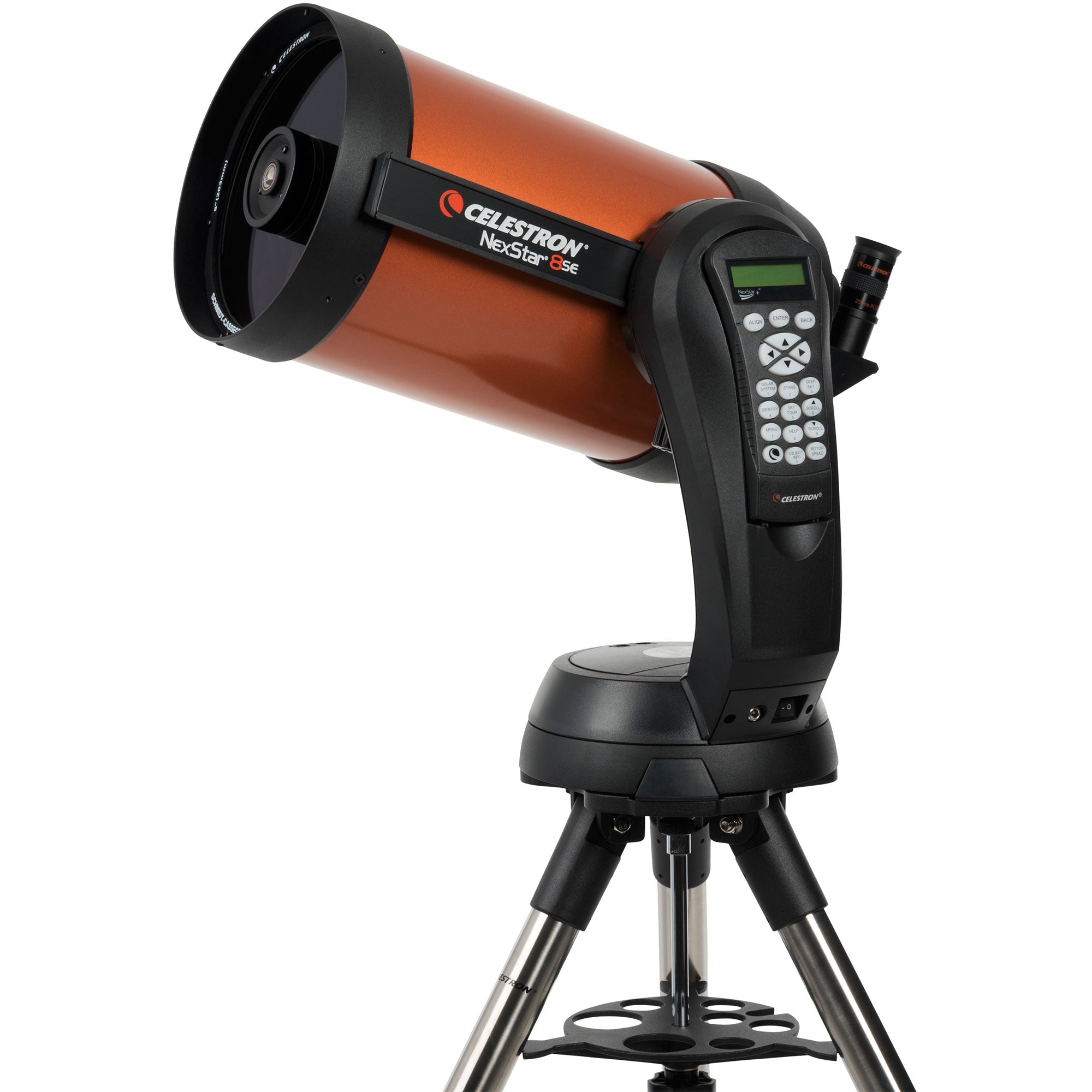
Planetary Specialist
“Park on a planet and let the detail surface.”
If you asked us
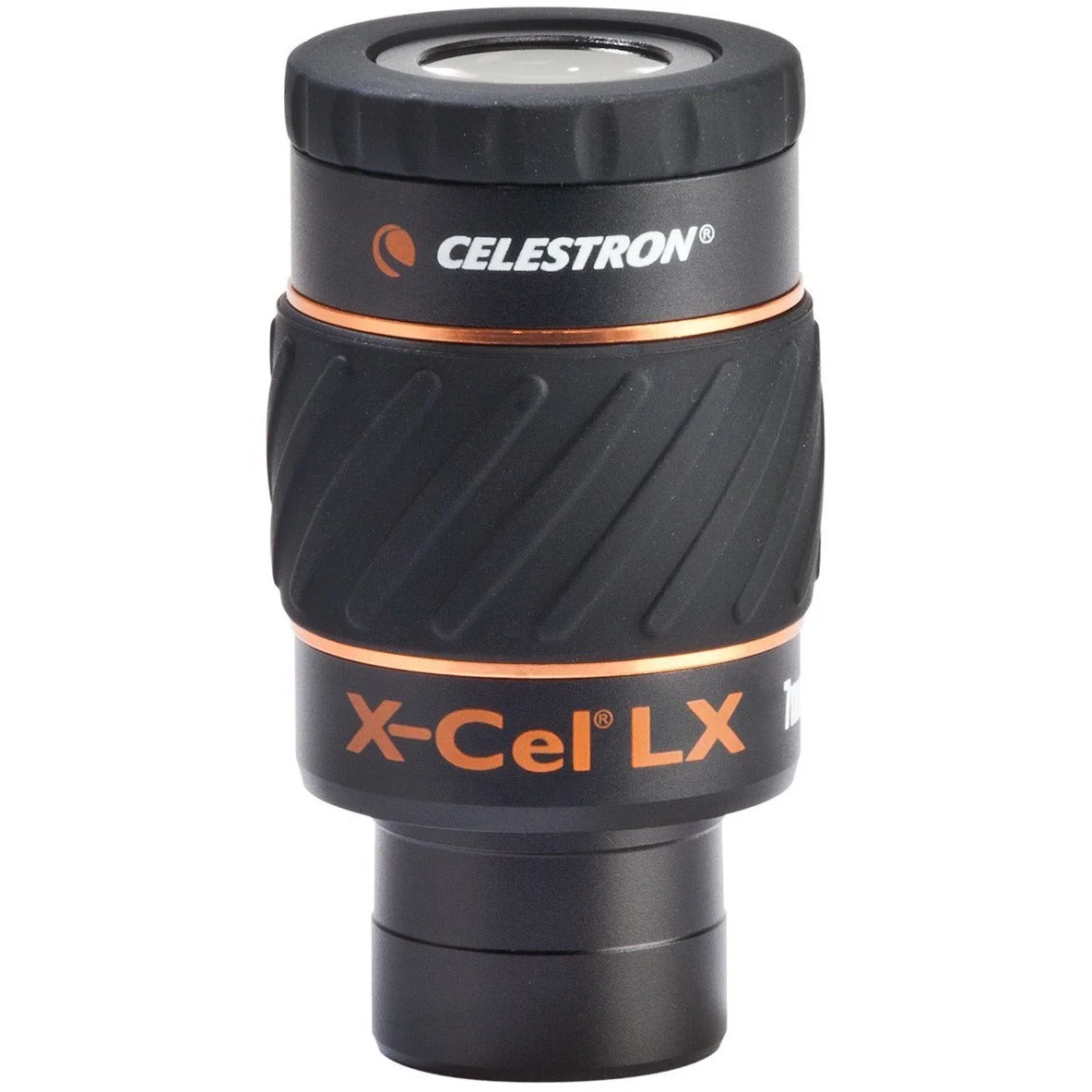
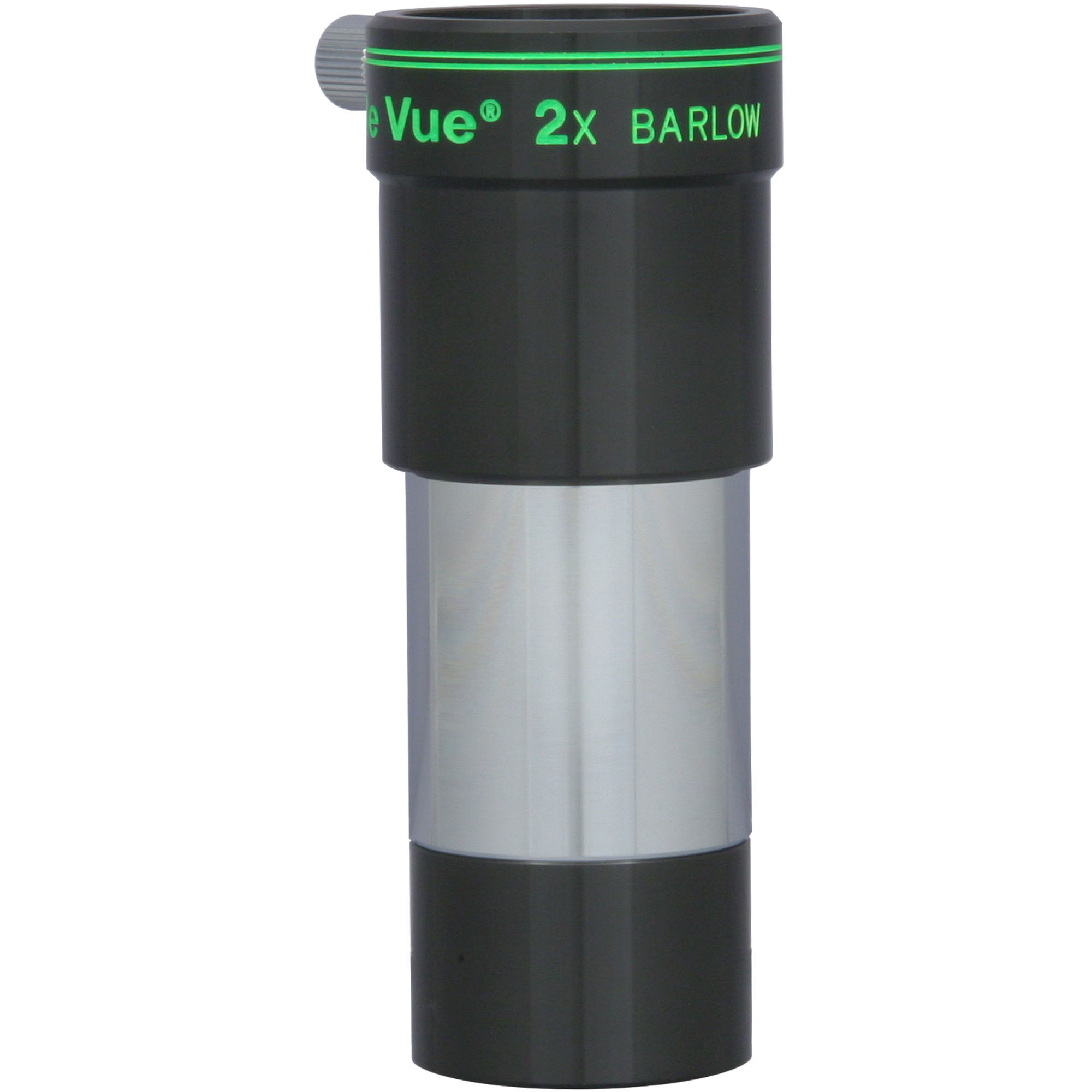
When a friend already has a wide-field scope and wants to push closer on the planets, this is where we send them. An 8-inch SCT and a good Barlow turn a steady night into cloud belts on Jupiter and the Cassini division on Saturn.
Aperture
203mm
Focal length
2032mm
Focal ratio
f/10
Estimated total today
$2,072
Why you'll love it
✓A real magnification ladder — 169x to 338x, not one fixed power
✓Compact 8-inch tube on a mount you can carry out in one trip
✓Sharp planetary and lunar detail when the air is steady
Things to know
•Give the optics 45 minutes to cool to the night air
•169x is the workhorse; the top of the ladder only pays off on genuinely steady nights
•The GoTo mount tracking is what makes high magnification comfortable
Who should skip this
–You want wide, faint deep-sky views
–You want a grab-and-go scope with no cooldown
Build this setup
Some links are affiliate links — we earn a small commission at no extra cost to you.Grouped so you know what’s essential and what can wait.
What you'll see
This rig’s field and reach, framed on real targets.
Magnification
290×
True FOV
0.21°
Exit pupil
0.7 mm
Examples you'll see
MoonJupiterSaturnMarsVenusLunar cratersJupiter cloud bands
Open in the simulator for the full view →Field experience
A typical evening
What using this setup actually feels like, start to finish.
10 min
Setup time
45 min
Cool down
1–2 hrs
Typical session
10 min
Pack-up
The honest trade-offs
Every recommendation is a compromise. Here’s where this one lands.
Strengths
✓Excellent planetary and lunar resolution
✓Plenty of reach in a compact tube
✓A great Moon and double-star scope too
Compromises
–Narrow field — poor for large nebulae
–Needs cooldown before it performs
–Seeing-limited like every planetary scope
Still deciding?
Take your time. See how this setup performs against the sky, or line it up next to the alternatives.