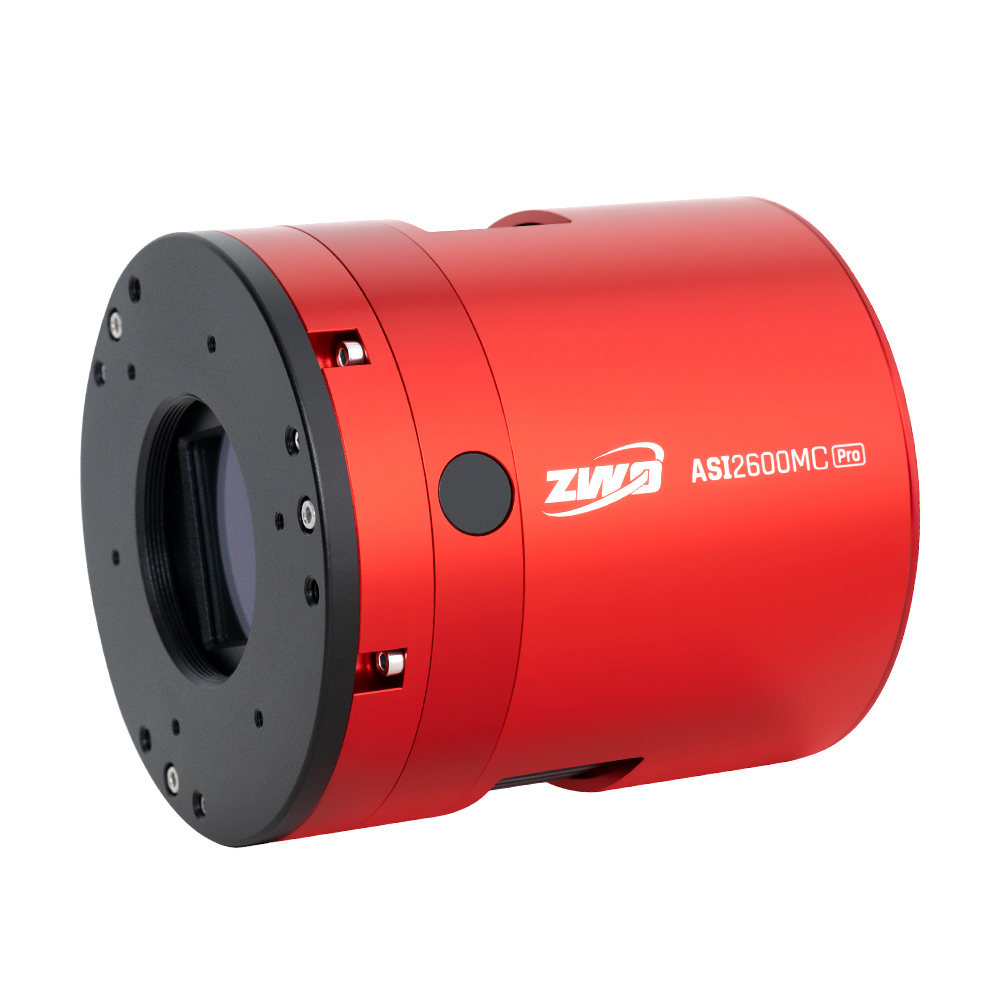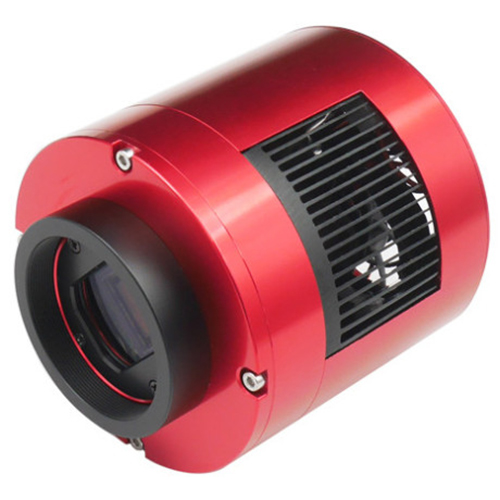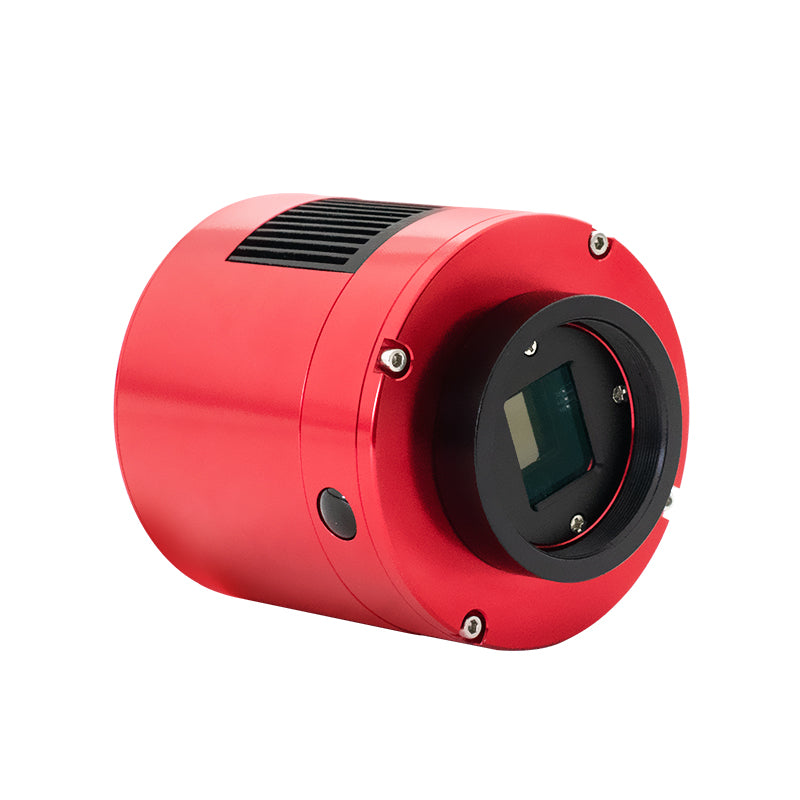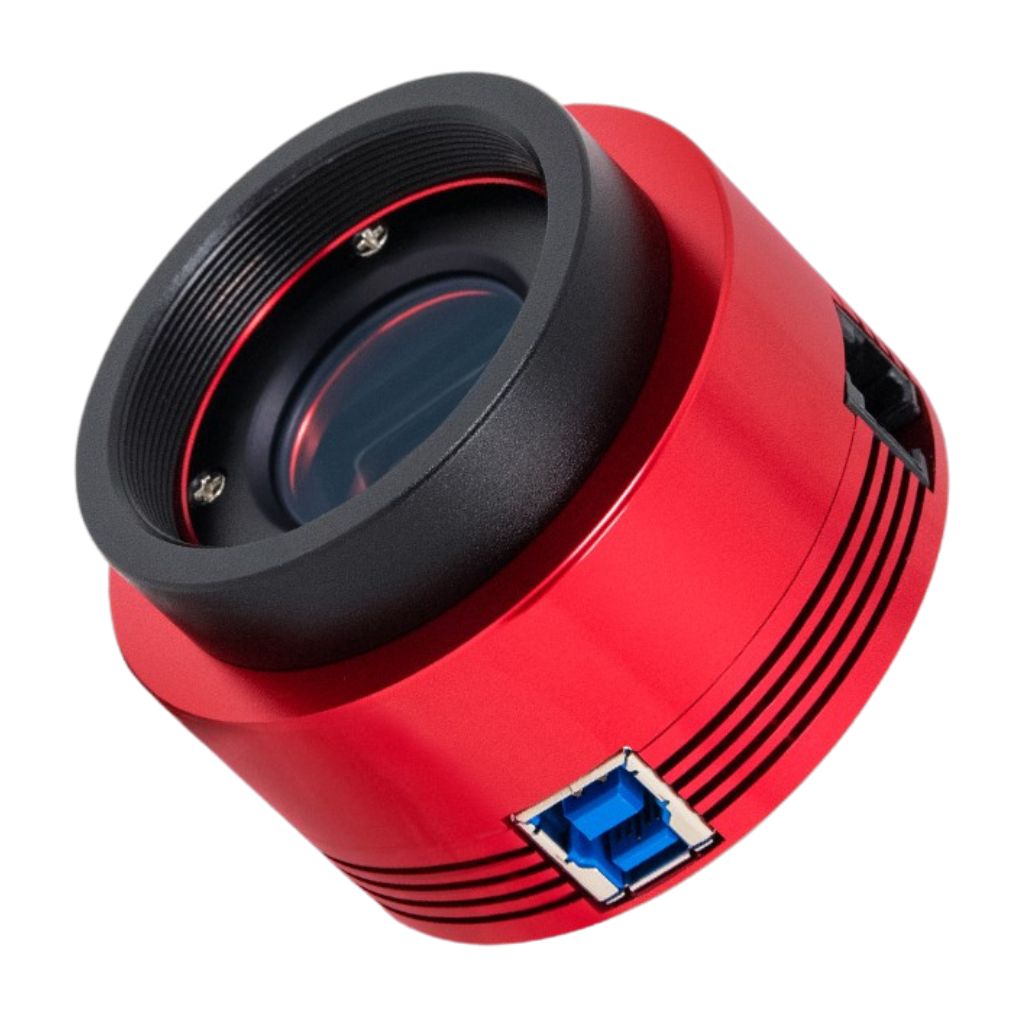
ZWO ASI533MC Pro — image 1
ZWO

ZWO ASI533MC Pro

A cooled 9-megapixel one-shot-colour camera on a perfectly square sensor, the friendliest way into serious deep-sky imaging.

91/ 100
Polaris Score
#1 of 7 colour deep-sky cameras
See the breakdown ↓
Camera Type
PlanetaryDeep sky

Built for deep sky, nebulae, galaxies and clusters under long exposure. Capable on the Moon, but oversized for high-resolution planets.

Type
One-shot colour
Cooling
−35°C
Pixel Size
3.76µm
Read noise
1.0 e⁻
Resolution
9 MP · 3008×3008
Sensor
Sony IMX533 · 1"
From$799

Lowest in 90 days

Price tracked by PolarisObserved 55 timesTracking since Aug 2026

Try in simulator →
Where to buy

Verified 10h ago · prices tracked daily

The frame it captures

Same camera. Different telescope. A completely different photograph.

A camera has no field of view of its own, the telescope in front of it decides everything. Pick a target and watch the same 9-megapixel frame become three different images.

RedCat 51
250 mm · f/4.9
FOV 2.6° × 2.6°
Fills the frame edge to edge, the classic full-galaxy portrait.
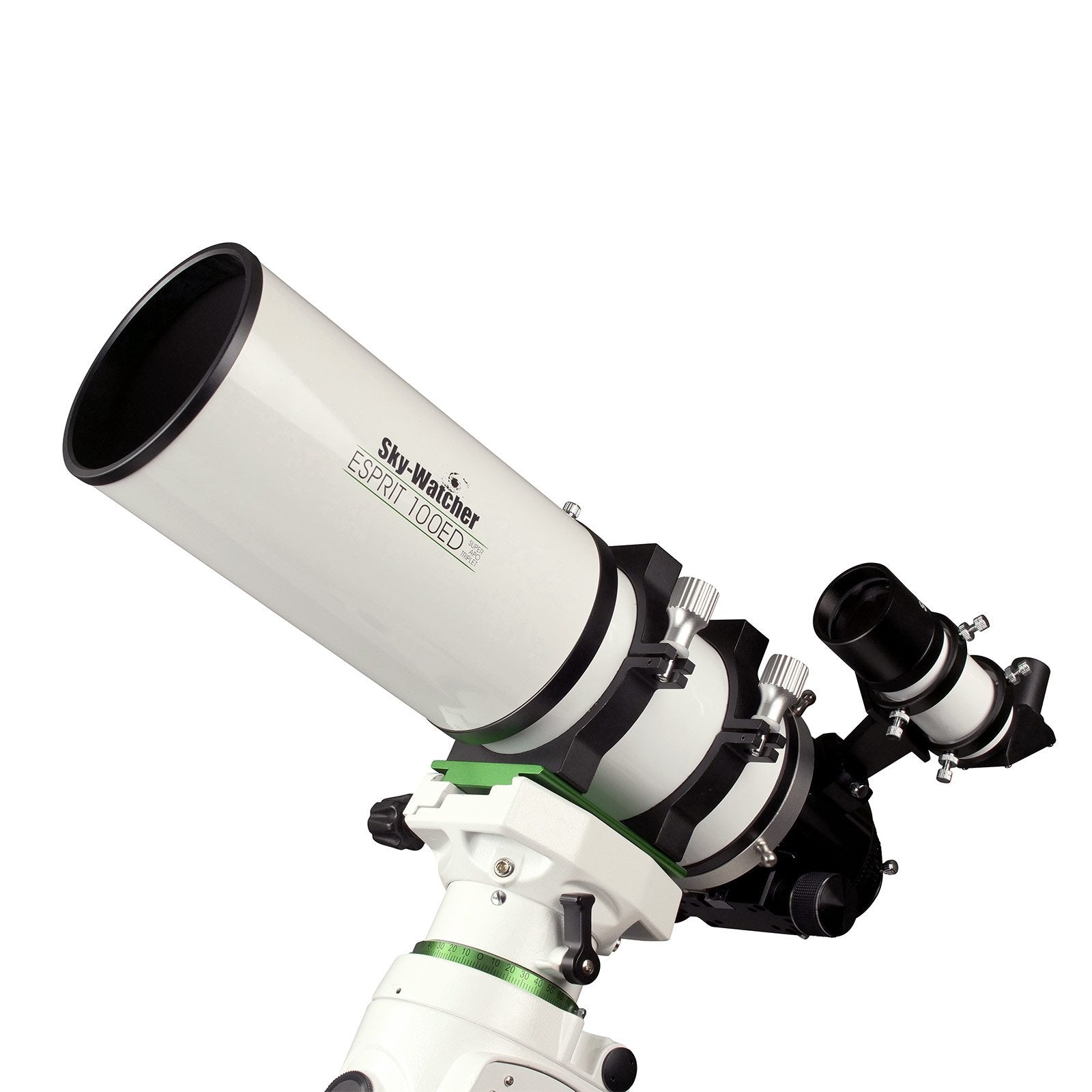
Esprit 100ED
550 mm · f/5.5
FOV 1.2° × 1.2°
Overflows frame
Only the bright core fits; the spiral arms spill off the sensor.
EdgeHD 8
2032 mm · f/10
FOV 0.32° × 0.32°
Overflows frame
Only the bright core fits; the spiral arms spill off the sensor.
Explore any telescope in the Simulator →
01What it's good at

What it's best at — and the trade-offs.

Zero amp glow on the IMX533, so calibration is simple and clean.
Best at
✓Zero amp glow on the IMX533, so calibration is simple and clean.
✓A square sensor frames any target the same way at any rotation.
✓Deep regulated cooling makes faint-signal integration repeatable night to night.
Trade-offs
!A 1-inch sensor sees a smaller field than APS-C, big nebulae may not fit.
!One-shot colour cannot match mono narrowband from heavy light pollution.
!Needs a tracking mount and, ideally, guiding for long exposures.
02In plain English

The numbers, in plain English.

Sony IMX533 · 9MP · 3.76µm · −35°C
Read noiseExcellent
1.0 e⁻
At one electron the camera adds almost nothing to each readout, so short subframes still carry faint signal. That is what makes this camera forgiving on a modest mount, where long exposures risk trailing.
Pixel sizeBalanced
3.76 µm
A middle pixel size that samples well across the 400 to 1000 mm range most people image at, without needing exceptional seeing to justify the resolution.
SensorSquare
Sony IMX533, 1 inch square
A square sensor frames a target the same way at any camera rotation, which removes a fiddly alignment step and makes mosaics tidier. The 1 inch size is smaller than APS-C, so corner correction is easy and almost any flattener keeps stars round.
CoolingRegulated TEC
35 C below ambient
Regulated deep cooling cuts thermal noise and holds a repeatable temperature, so a dark frame library stays valid across months rather than being rebuilt each session.
Full wellDynamic range
50,000 e⁻
A deep well keeps bright star cores and nebula centres from clipping while you expose long enough for the faint outer material to register.
Peak QESensitivity
About 80 percent
Four fifths of arriving photons are recorded. Slightly behind the best sensors on paper, though in practice the amp-glow-free readout and square format matter more to most owners than the last ten percent of efficiency.
03Typical targets

What it shines on.

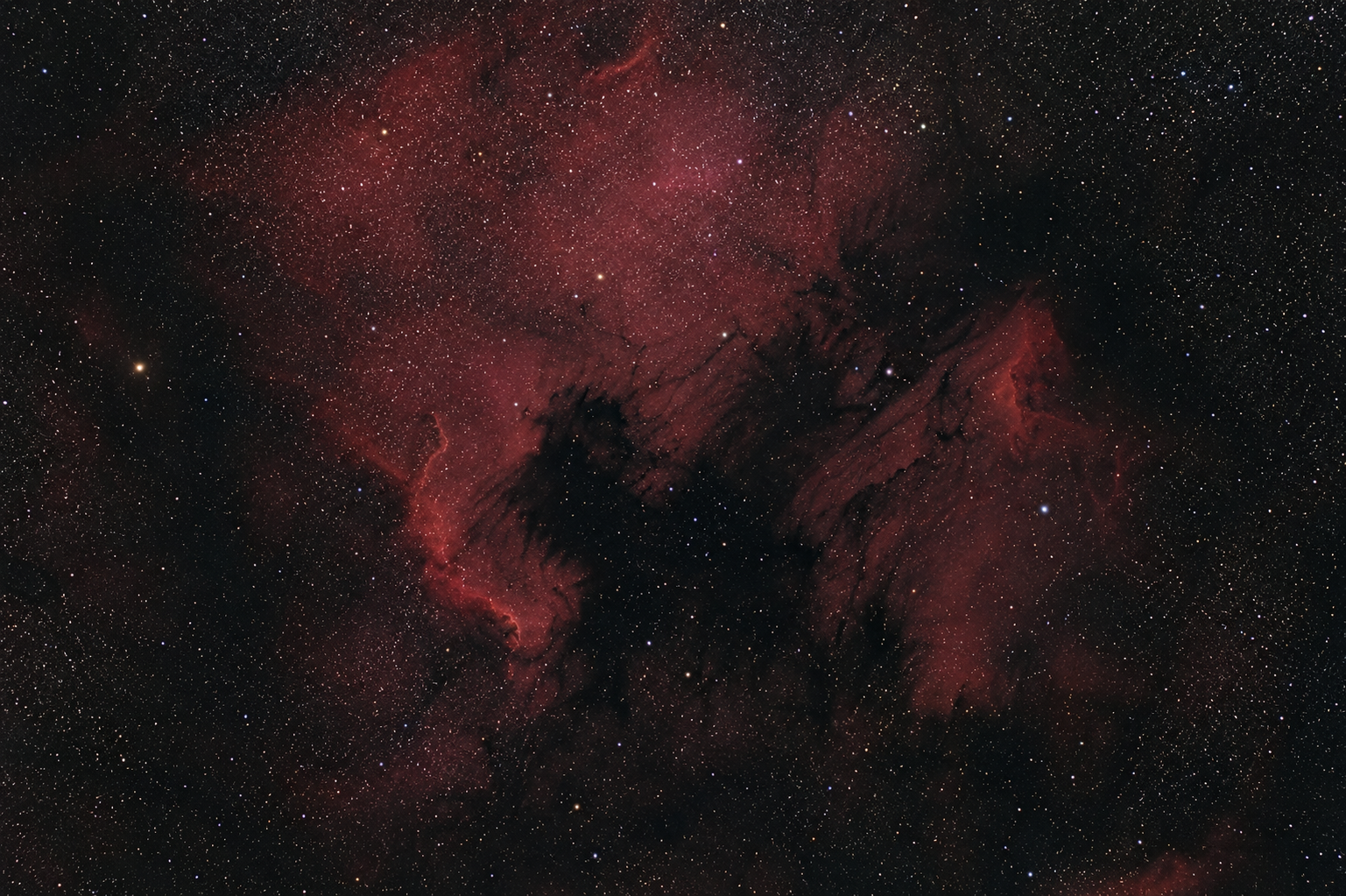
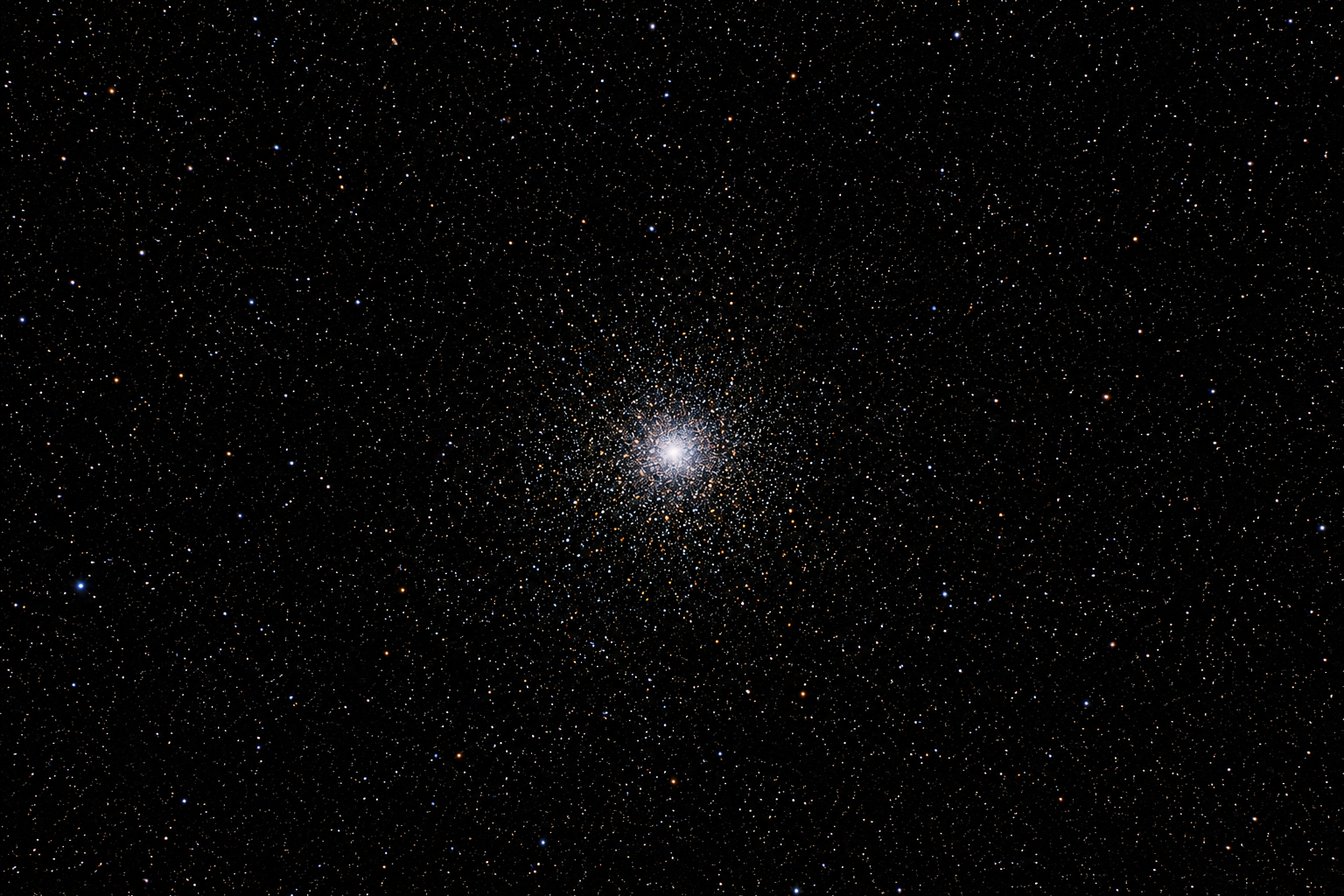
The Orion Nebula (M42), The Andromeda Galaxy (M31), The North America Nebula, The Pleiades…
The Orion Nebula (M42)Comes alive
The Orion Nebula (M42)
Bright core and faint wings build up fast in cooled colour data.
The Andromeda Galaxy (M31)Excellent
The Andromeda Galaxy (M31)
Dust lanes and the two companions frame well on this sensor.
The North America NebulaExcellent
The North America Nebula
A wide emission target that suits a short refractor and colour sensor.
The Pleiades (M45)Excellent
The Pleiades (M45)
Blue reflection nebulosity around the cluster stars.
Comes alive
The Rosette Nebula
A big, colourful HII region made for one-shot colour.
Globular clusters (M13)Excellent
Globular clusters (M13)
Tight, pinpoint stars reward low read noise.
04Build your imaging rig

Everything you'd actually buy.

Capture · Track · Complete it
Track
What holds it steady
A tracking equatorial mount
Long exposures need a solid, guided EQ mount underneath.
Complete it
What unlocks its range
A light-pollution or dual-band filter
Lifts nebula contrast from the suburbs on a one-shot colour sensor.
05The Polaris Score

How it scores, and why.

91/100 · #1 of 7 colour deep-sky cameras
91/ 100
ZWO ASI533MC Pro
#1 of 7 colour deep-sky cameras

A clean, forgiving sensor with deep cooling and low read noise. Not the biggest field, but one of the easiest paths to a good deep-sky image.

Image quality
90
Low-light sensitivity
90
Ease of use
95
Value
92

Polaris weighs how well the camera does the job it was designed for — image quality, sensitivity, versatility and value — never list price or brand.

06Who it's for

An honest fit check.

Image deep-sky targets: nebulae, galaxies and clusters.
Buy it if you
✓Image deep-sky targets: nebulae, galaxies and clusters.
✓Want cooled, low-noise colour data without the complexity of mono and filters.
✓Own or plan a short-to-medium apo refractor or fast reflector.
✓Value a one-shot-colour workflow that gets to a finished image quickly.
Look elsewhere if you
!Mainly image planets or the Moon (a small fast camera wins there).
!Want the absolute deepest narrowband detail (go mono with filters).
!Have no tracking mount, long exposures need one.
!Need the widest possible field on a full-frame sensor.
07The numbers

Full specifications.

18 measured and stated values
Sensor
ModelSony IMX533
TypeCMOS · 1"
Megapixels9
Pixel Size3.76µm
Bit depth14-bit ADC
Noise & sensitivity
Read noise1.0 e⁻
Full well50,000 e⁻
Peak QE~80%
Dynamic range14 stops
Cooling
Cooling−35°C
Connectivity & fit
InterfaceUSB 3.0
Weight0.42 kg
More
cooledtrue
Sensor Height11.3mm
Sensor Width11.3mm
Editor’s Take

The square IMX533 sensor has no amp glow to calibrate out and never makes you choose a rotation angle. For a first cooled camera it removes more headaches than anything else at the price.

— The Skynocular verdict