ZWO ASI2600MC Pro — image 1
ZWO

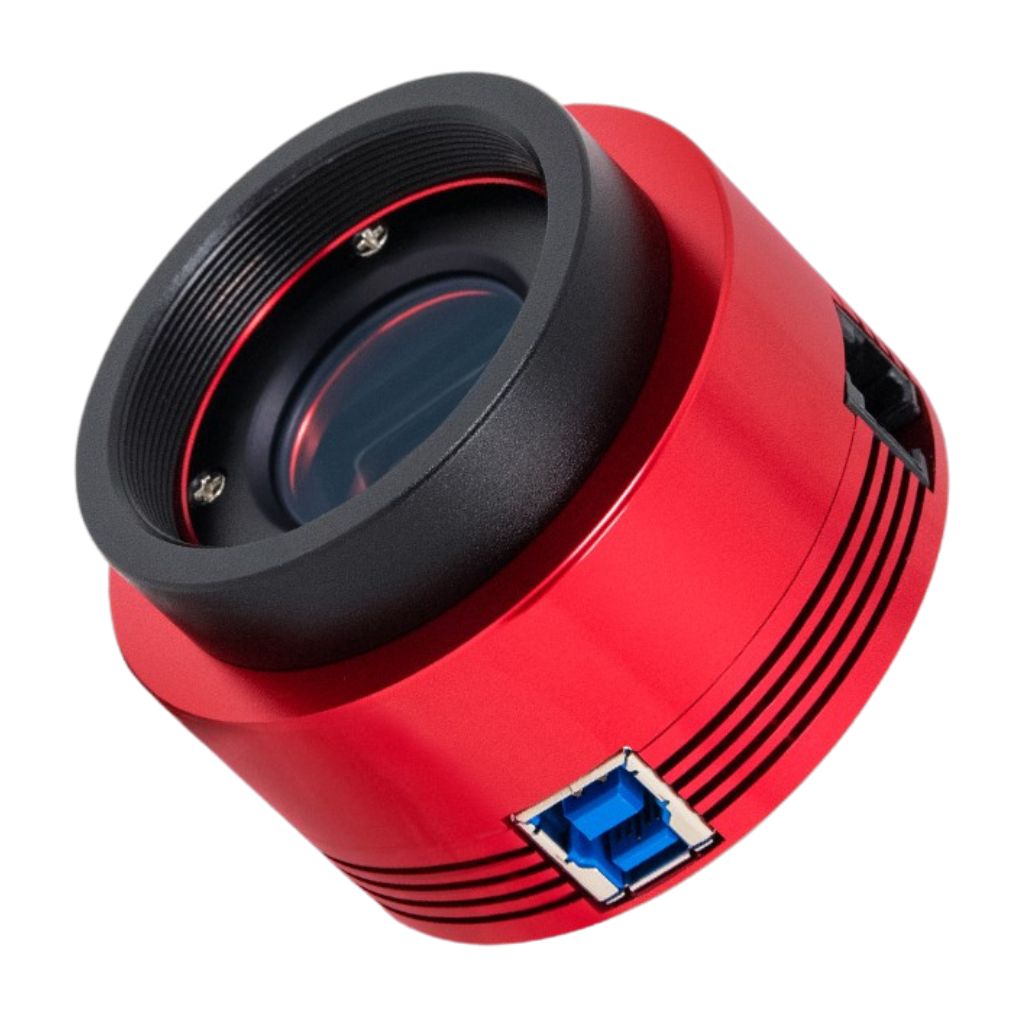
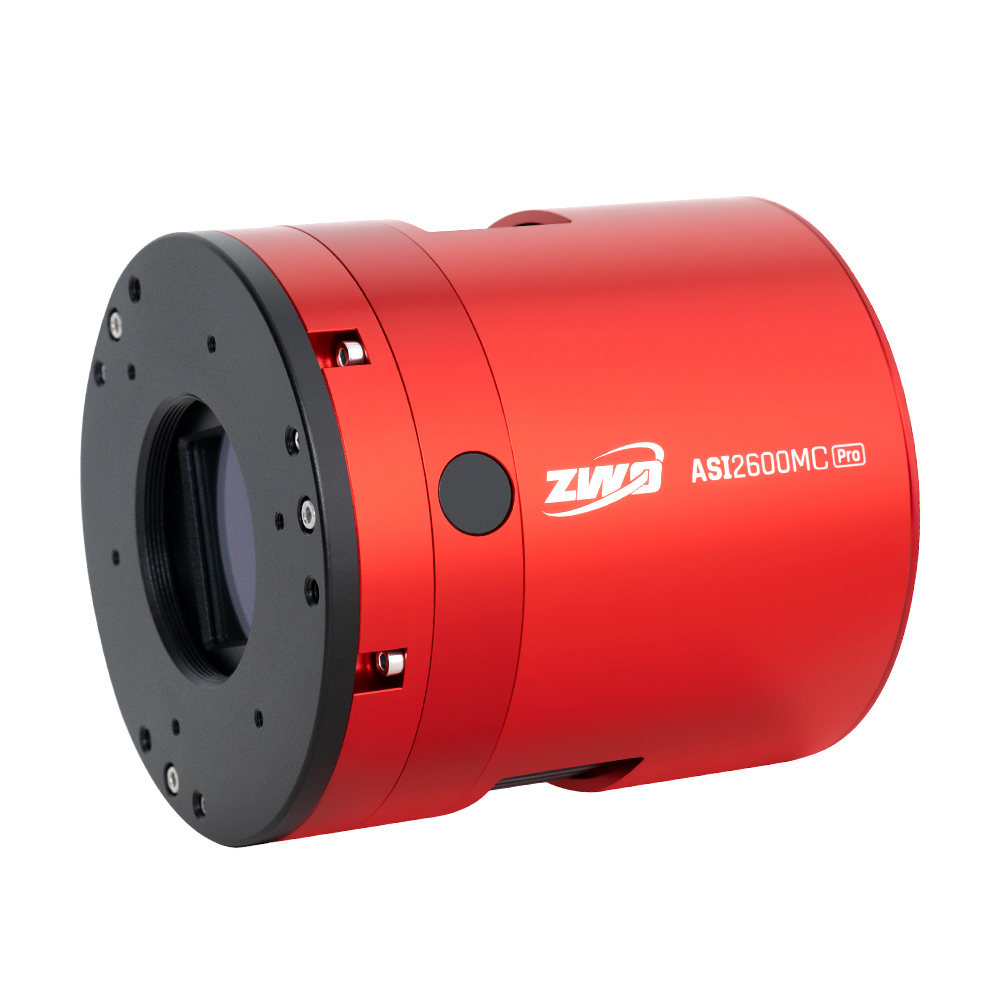
ZWO ASI2600MC Pro

26-megapixel cooled APS-C colour camera, built for long-exposure deep-sky imaging.

94/ 100
Polaris Score
#1 of 18 deep-sky cameras
See the breakdown ↓
Camera Type
PlanetaryDeep sky

Built for deep sky, nebulae, galaxies and clusters. Capable on the Moon, but oversized for high-resolution planetary work.

Type
One-shot colour
Cooling
−35°C
Pixel Size
3.76µm
Read noise
1.0 – 3.3 e⁻
Resolution
26 MP · 6248×4176
Sensor
Sony IMX571 · APS-C
From$1,499

$150 above 90-day lowLast $1,349 in Aug 2026

Price tracked by PolarisObserved 102 timesTracking since Jul 2026

Try in simulator →
Where to buy

Verified 13h ago · prices tracked daily

The frame it captures

Same camera. Different telescope. A completely different photograph.

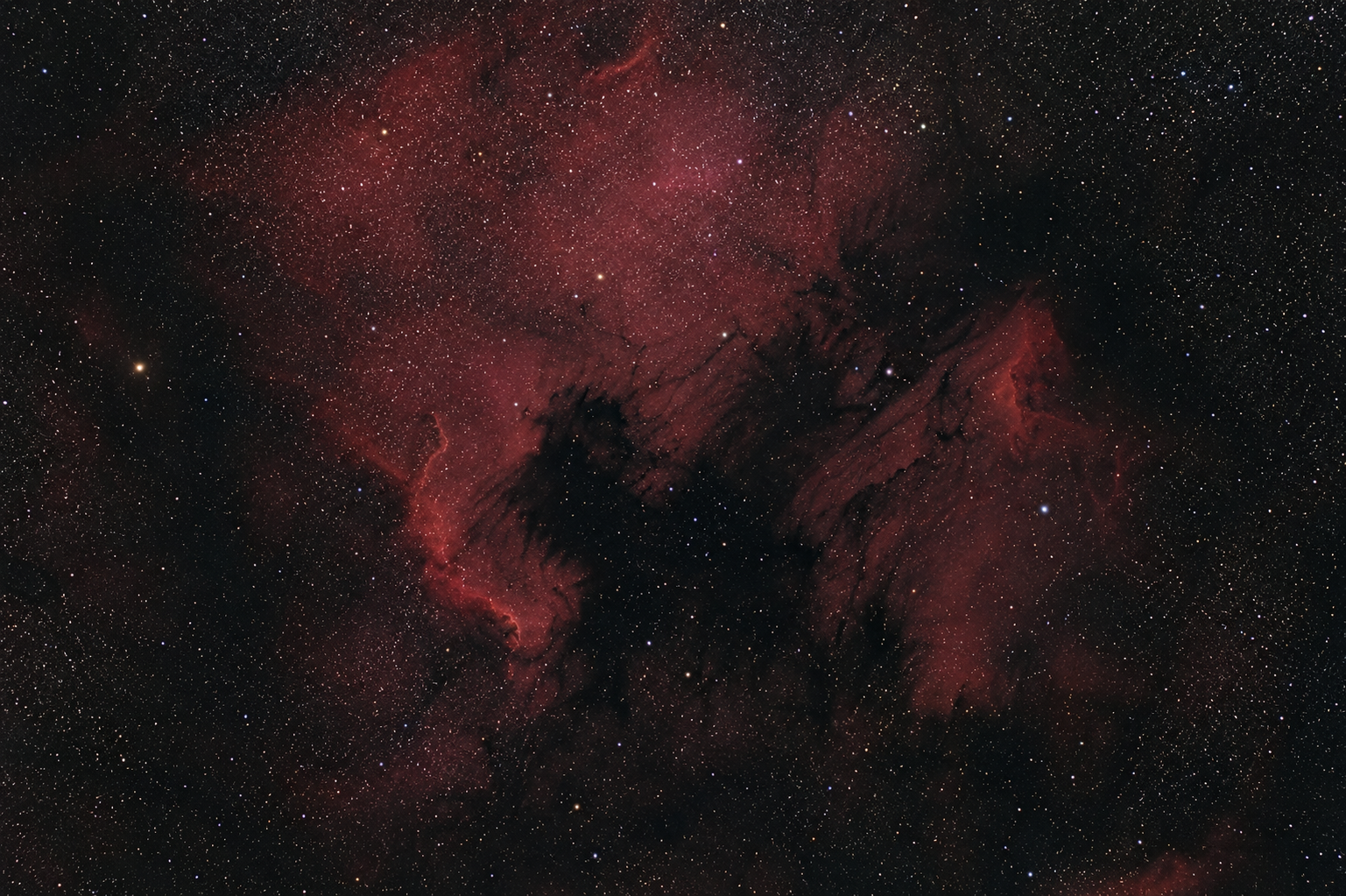
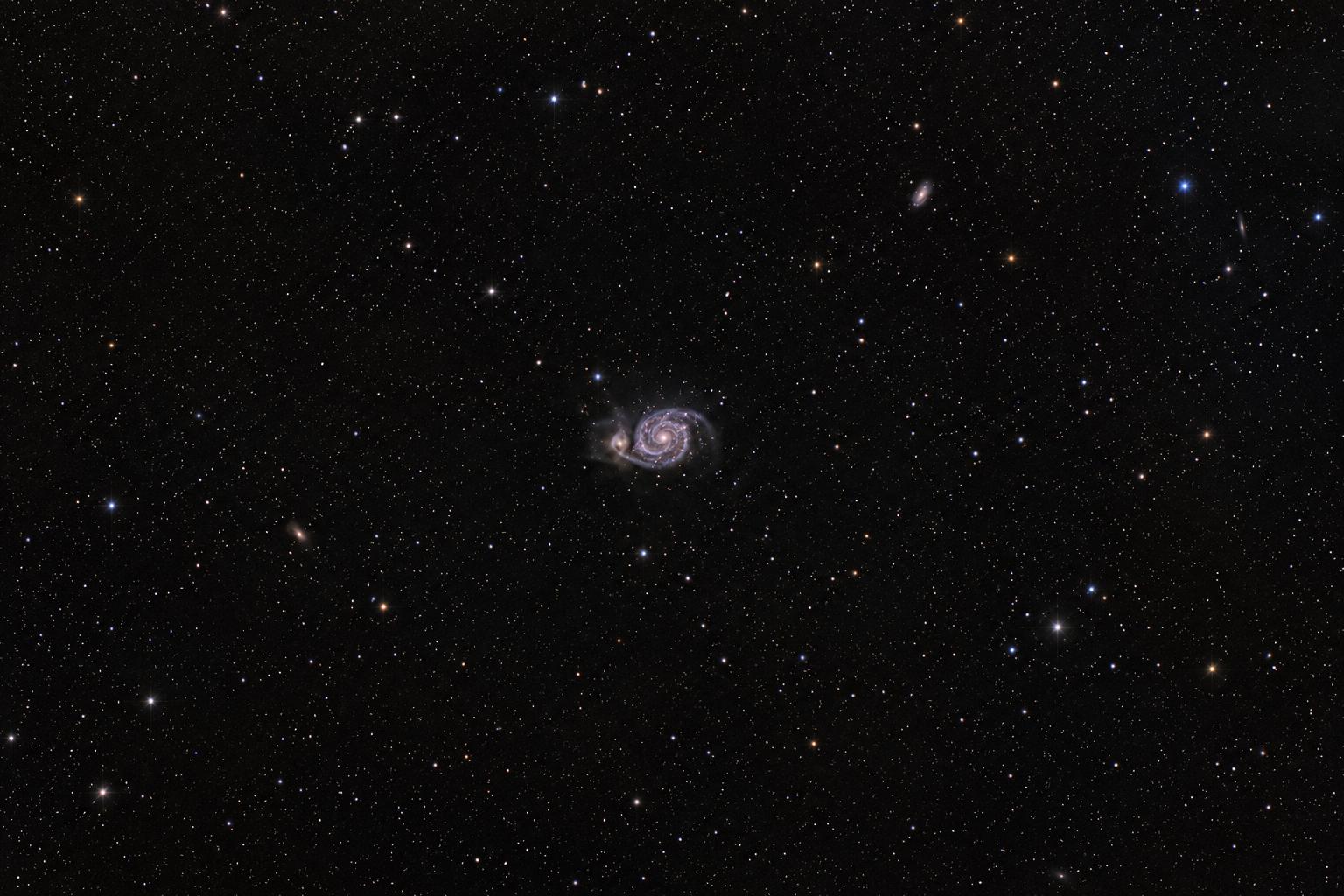
A camera has no field of view of its own, the telescope in front of it decides everything. Pick a target and watch the same 26-megapixel frame become three different images.

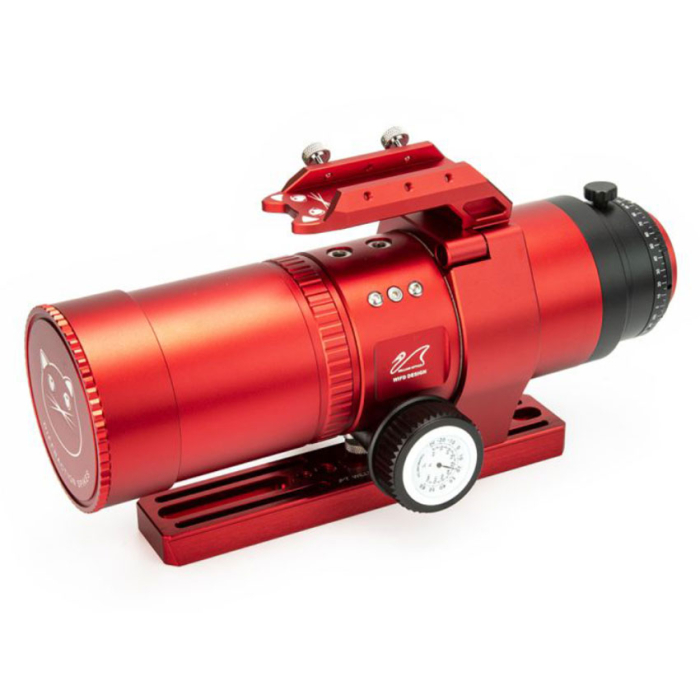
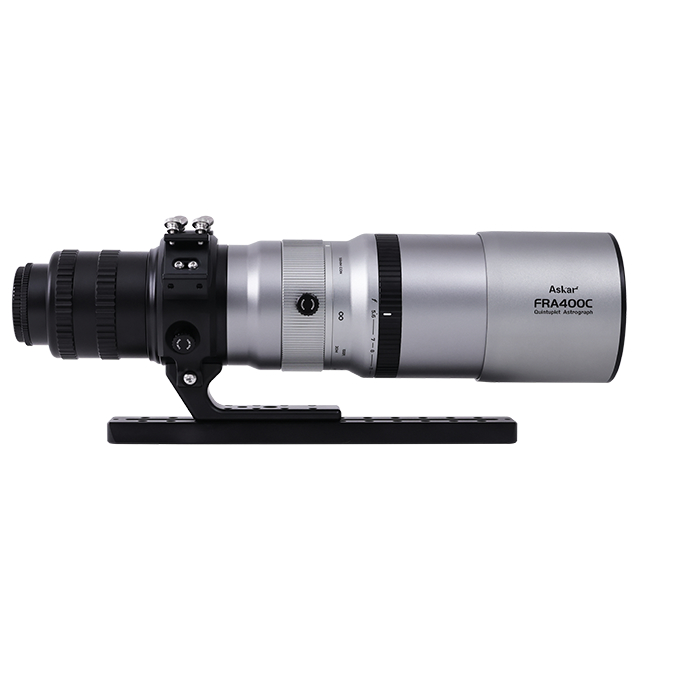
RedCat 51
250 mm · f/4.9
FOV 5.4° × 3.6°
Sits small in a wide field, room for its two companion galaxies.
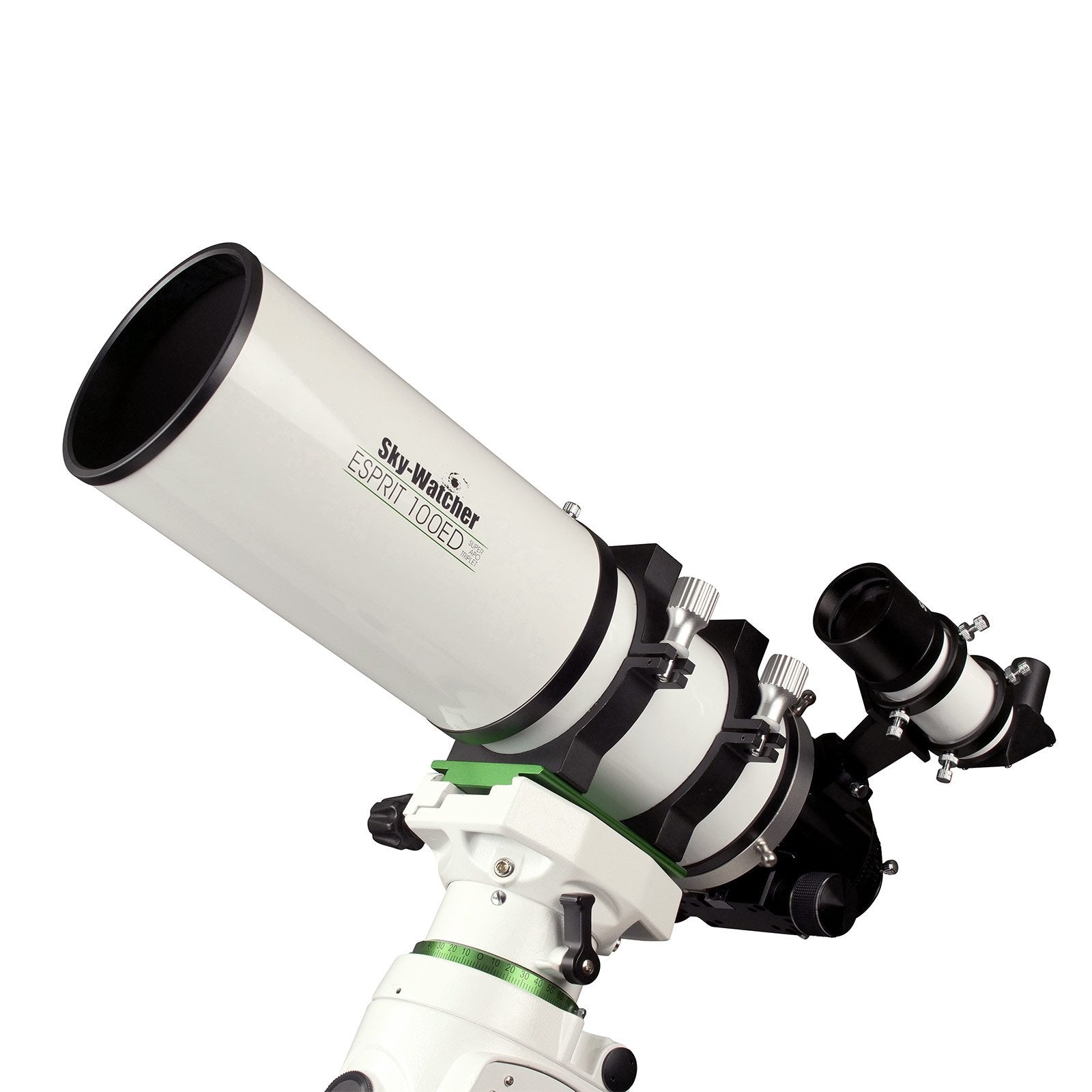
Esprit 100ED
550 mm · f/5.5
FOV 2.4° × 1.6°
Fills the frame edge to edge, the classic full-galaxy portrait.
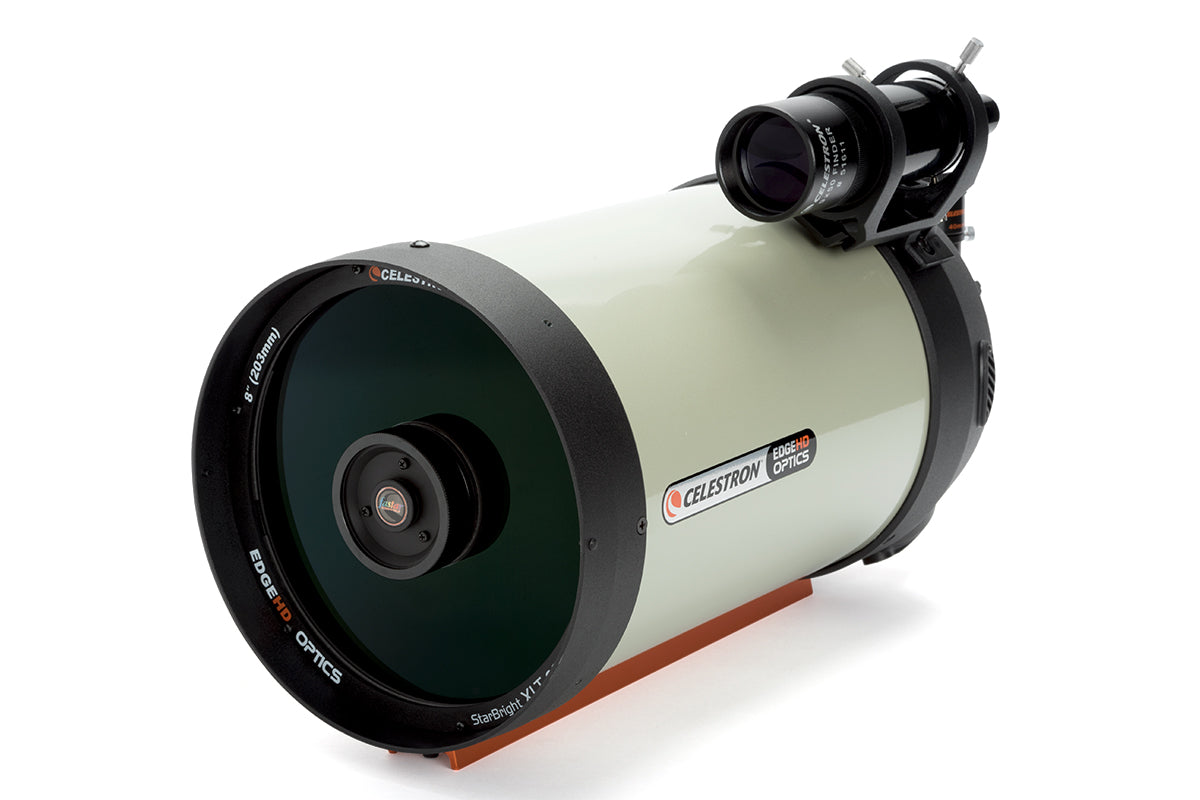
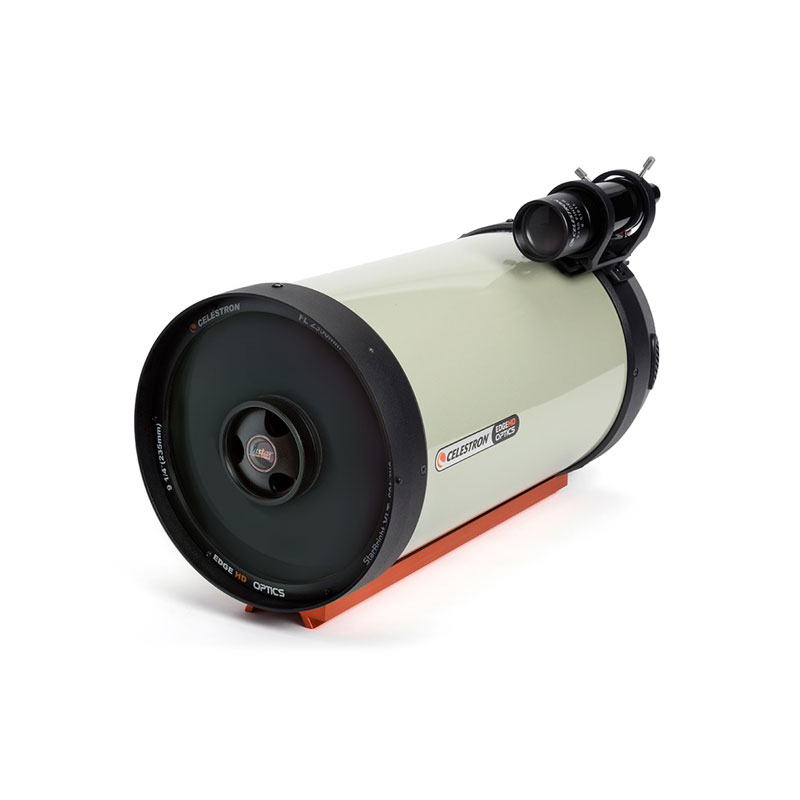
EdgeHD 8
2032 mm · f/10
FOV 0.66° × 0.44°
Overflows frame
Only the bright core fits; the spiral arms spill off the sensor.
Explore any telescope in the Simulator →
01What it's good at

What it's best at — and the trade-offs.

Faint nebulae and galaxies, high sensitivity and deep cooling reward long integration; faint signal builds up fast and stays clean.
Best at
✓Faint nebulae and galaxies, high sensitivity and deep cooling reward long integration; faint signal builds up fast and stays clean.
✓Wide and medium-field deep sky, the APS-C frame pairs beautifully with 250–800 mm apo refractors for full-nebula portraits.
✓One-shot-colour simplicity, no filter wheel, no mono workflow; set it running and let it integrate all night.
Trade-offs
!Not a planetary camera, the large sensor and 3.76 µm pixels under-resolve planets; a small high-frame-rate camera wins there.
!Wants a tracking EQ mount, long sub-exposures only pay off with guiding on an equatorial mount, not an Alt-Az.
!Backfocus is unforgiving, 17.5 mm leaves little room; spacing for reducers and filters has to be exact.
02In plain English

The numbers, in plain English.

Sony IMX571 · 26 MP · 3.76µm · Two-stage TEC
Read noiseExcellent
1.0 e⁻
Read noise is added each time a frame is read out, and at one electron the camera contributes almost nothing of its own. That means faint nebulosity survives in short subframes, so you can shoot three-minute exposures rather than ten and lose far less to satellites, gusts and passing cloud.
SensitivityExcellent
About 91 percent QE
Quantum efficiency is the share of arriving photons the sensor records, and 91 percent is close to the practical ceiling. Very little of the light your telescope worked to collect is wasted, so faint targets emerge in less total integration.
CoolingRegulated TEC
35 C below ambient
Deep regulated cooling suppresses thermal noise and, just as importantly, holds the sensor at a repeatable temperature. Your summer images look like your winter ones, and a library of dark frames stays valid for months instead of being rebuilt every session.
Dynamic rangeVery high
14 stops
Dynamic range is the span between the faintest signal the camera can record and the brightest it can hold without clipping. Fourteen stops means a bright galaxy core and its faint outer arms can live in the same exposure, rather than forcing you to blend two.
Deep skyIdeal
Its home
The APS-C sensor, low noise and deep cooling all point the same way: point it at nebulae and galaxies, let it run for hours, and it keeps rewarding the time. This is the camera most people settle on and stop upgrading from.
PlanetsNot its strength
Limited
A planet occupies a tiny fraction of a sensor this large, and the frame rate needed for lucky imaging is far beyond what a big APS-C chip delivers. A small, fast planetary camera will show more detail on Jupiter for a fraction of the price.
04Build your imaging rig

Everything you'd actually buy.

Capture · Support · Complete
Complete
What finishes the system
Dual-band filter
Ha/OIII, cuts light pollution, boosts nebulae for OSC
Field flattener / reducer
Matches the scope to the APS-C corners
Off-axis guider + drawer
Guides through the scope; swap filters at fixed spacing
The rig an experienced imager builds

A no-compromise wide-to-medium deep-sky setup that runs unattended all night.

Open this rig →
Scope
Esprit 100ED
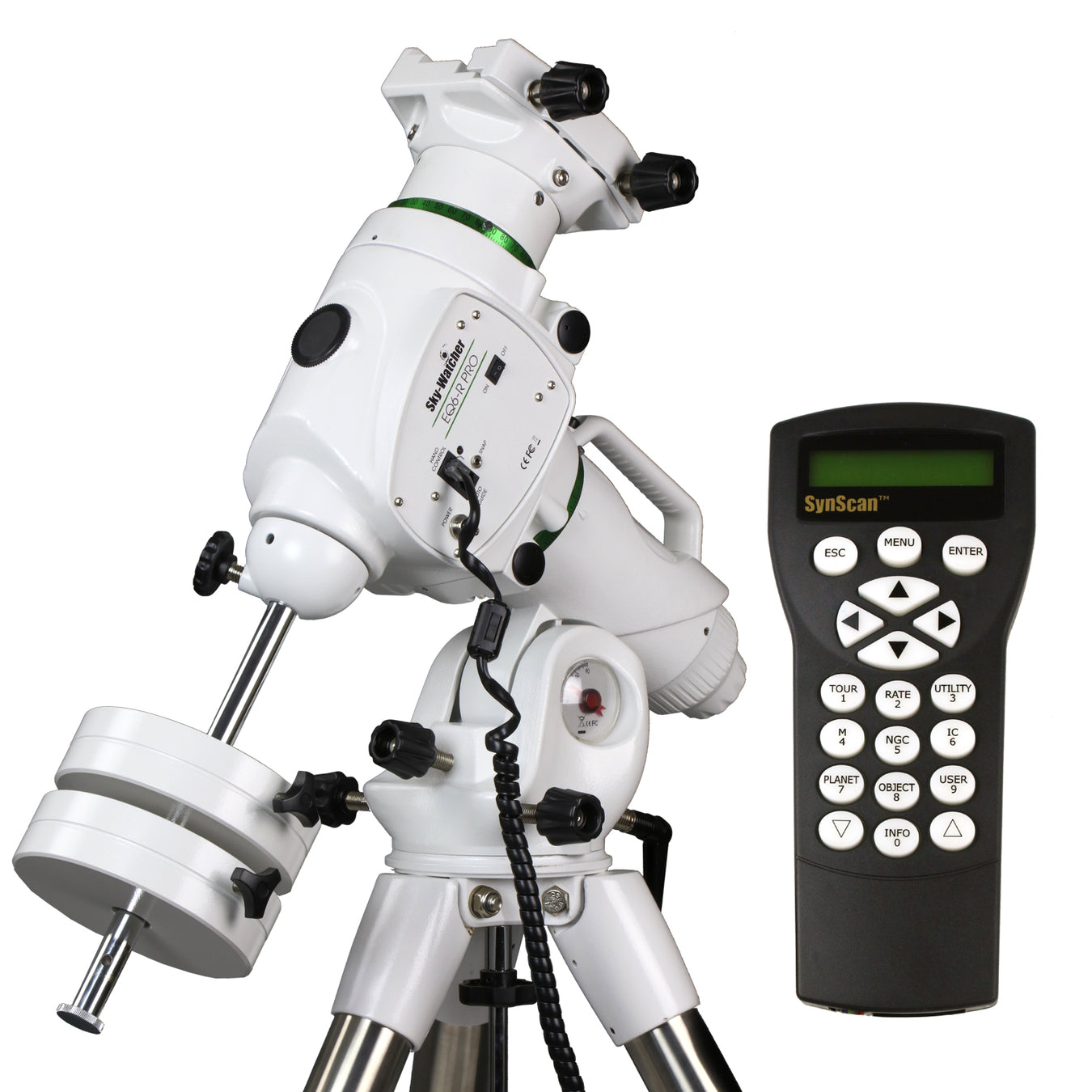
Mount
EQ6-R Pro
Camera
ASI2600MC Pro
Filter
Dual-band Ha/OIII
Guide + control
OAG + ASIAIR
05The Polaris Score

How it scores, and why.

94/100 · #1 of 18 deep-sky cameras
94/ 100
ZWO ASI2600MC Pro
#1 of 18 deep-sky cameras

The benchmark APS-C deep-sky camera. Outstanding image quality, excellent sensitivity, and enough versatility to stay useful for many years.

Image quality
96
Sensitivity
95
Versatility
82
Value
88

Polaris weighs how well the camera does the job it was designed for — image quality, sensitivity, versatility and value — never list price or brand.

06Who it's for

An honest fit check.

Image deep-sky targets, nebulae, galaxies, clusters
Buy it if you
✓Image deep-sky targets, nebulae, galaxies, clusters
✓Own or plan a 250–800 mm apo refractor
✓Want cooled, low-noise data without a mono workflow
✓Shoot long nights and stack many sub-exposures
Look elsewhere if you
!Mainly image planets and the Moon (get a planetary cam)
!Shoot on an Alt-Az or lightweight mount
!Want the widest possible field (go full-frame)
!Need mono + narrowband for heavy light pollution
07The numbers

Full specifications.

31 measured and stated values
Sensor
ModelSony IMX571
TypeCMOS · APS-C
Diagonal28.3 mm
Resolution6248 × 4176
Megapixels26 MP
Pixel Size3.76µm
Bit depth16-bit ADC
Noise & sensitivity
Read noise1.0 – 3.3 e⁻
Full well50,000 e⁻
Peak QE~91%
Dynamic range14 stops
Max gain≈100× e/ADU
Amp glowNone
Cooling
Cooling typeTwo-stage TEC
Cooling−35°C
Anti-dew heaterYes
Power draw12 V · 3 A
Regulation±0.1°C setpoint
Dark framesRepeatable
Connectivity & fit
InterfaceUSB 3.0
Onboard buffer256 MB DDR3
Backfocus17.5mm
ThreadM42 / M48
Weight0.7 kg
Sensor tiltAdjustable plate
More
Sensor Height15.7mm
Sensor Width23.5mm
Editor’s Take

If there is one camera that has become the default recommendation for serious deep-sky imaging, this is probably it. It quietly disappears into the background and lets you focus on making beautiful images, which is exactly what experienced imagers want.

— The Skynocular verdict
08Alternatives

For a different goal, start here.

3 alternatives, each mapped to the goal it wins at