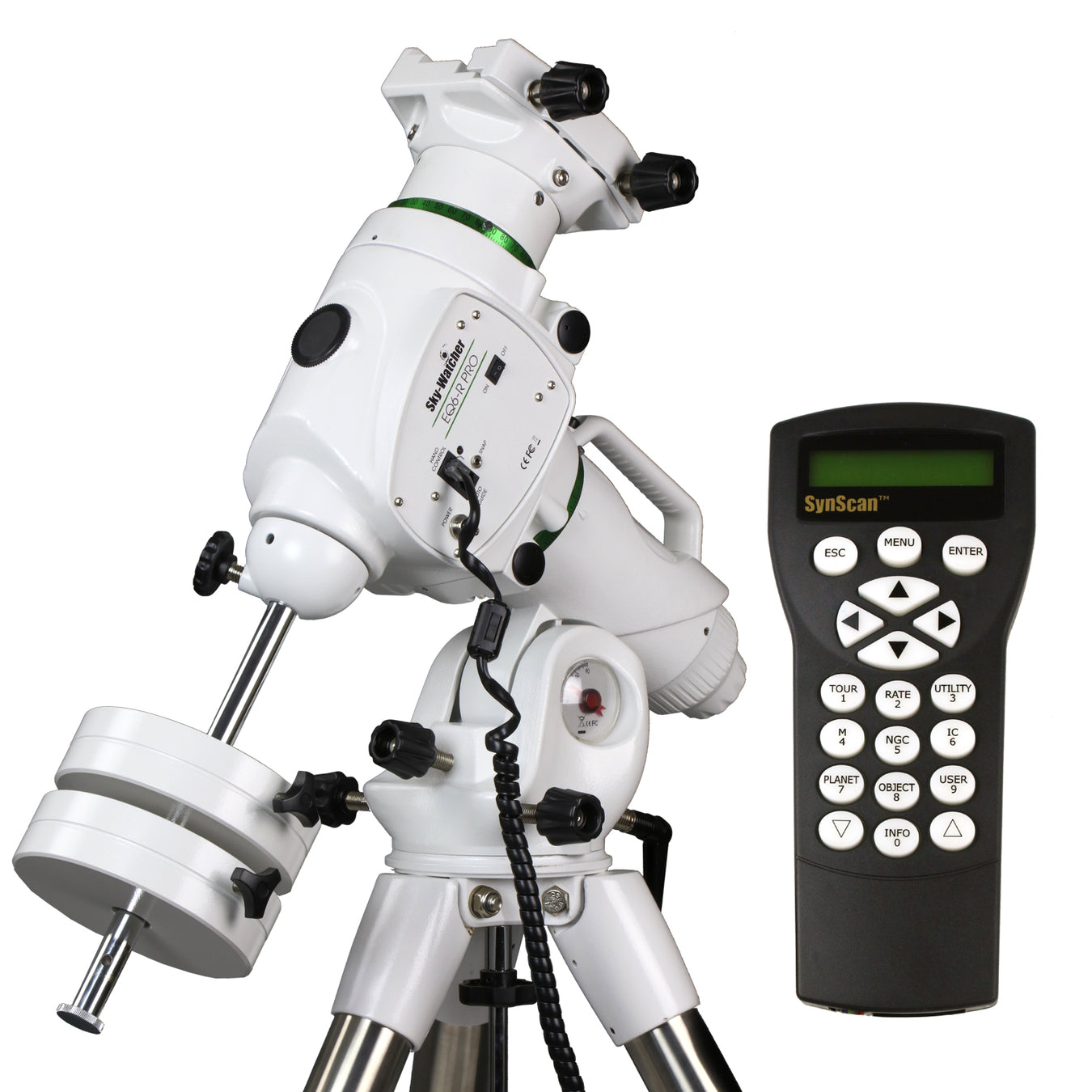
Sky-Watcher EQ6-R Pro
For most of a decade, the EQ6-R has been the answer to 'what mount should I get for astrophotography?' A belt-driven German equatorial with ~20 kg of capacity, priced right where serious deep-sky imaging begins, it's the workhorse a generation learned to guide on.
$351 above 90-day lowLast $1,899 in Aug 2026
Price tracked by PolarisObserved 96 timesTracking since Jul 2026
Verified 9h ago · prices tracked daily
01What it's good atWhat it's best at — and the trade-offs.
~20 kg visual / ~11 kg imaging payload swallows most refractors and mid-size SCTs and Newtonians
What it's best at — and the trade-offs.
02In plain EnglishThe numbers, in plain English.
20kg payload
The numbers, in plain English.
03The Polaris ScoreHow it scores, and why.
88/100
How it scores, and why.
Capacity and value carry the score: roughly 20 kg for the price of far less mount, with belt-drive smoothness and universal support. It loses a little for sheer bulk, this is not a travel mount.
Polaris weighs tracking and payload capability, how easy the mount is to live with, how portable it is, and how far it takes you before you outgrow it — not list price or brand.
04Who it's forAn honest fit check.
Deep-sky imagers who want the proven, do-everything mount at the price serious imaging…
An honest fit check.
05The numbersFull specifications.
7 measured and stated values
Full specifications.
The EQ6-R is the mount 'just get an EQ6-R' referred to for years, a German equatorial (scope on one arm, counterweight on the other) sized right where serious deep-sky imaging begins. What sets it apart in its class is that it's belt-driven: the motors turn the axes through toothed belts instead of meshing gears, which cuts the tiny backlash and roughness that make guiding harder, so it tracks smoothly for the price. The routine is the standard imaging one, polar align to the pole near Polaris, let GoTo find the target, autoguide (a small second camera nudging out tracking errors) through long exposures. At ~17 kg plus counterweights it's a haul, so it lives in the yard rather than a backpack, and harmonic mounts have since taken the portability crown. But it aged remarkably well, and very few people regret the nights they spent learning on one.
06PairingsPairs well with.
3 scopes we would actually put on this mount
Pairs well with.
The scopes we’d actually put on this mount — chosen for payload, balance and intended use. Comfortable means room to spare; near the limit still works, with care.
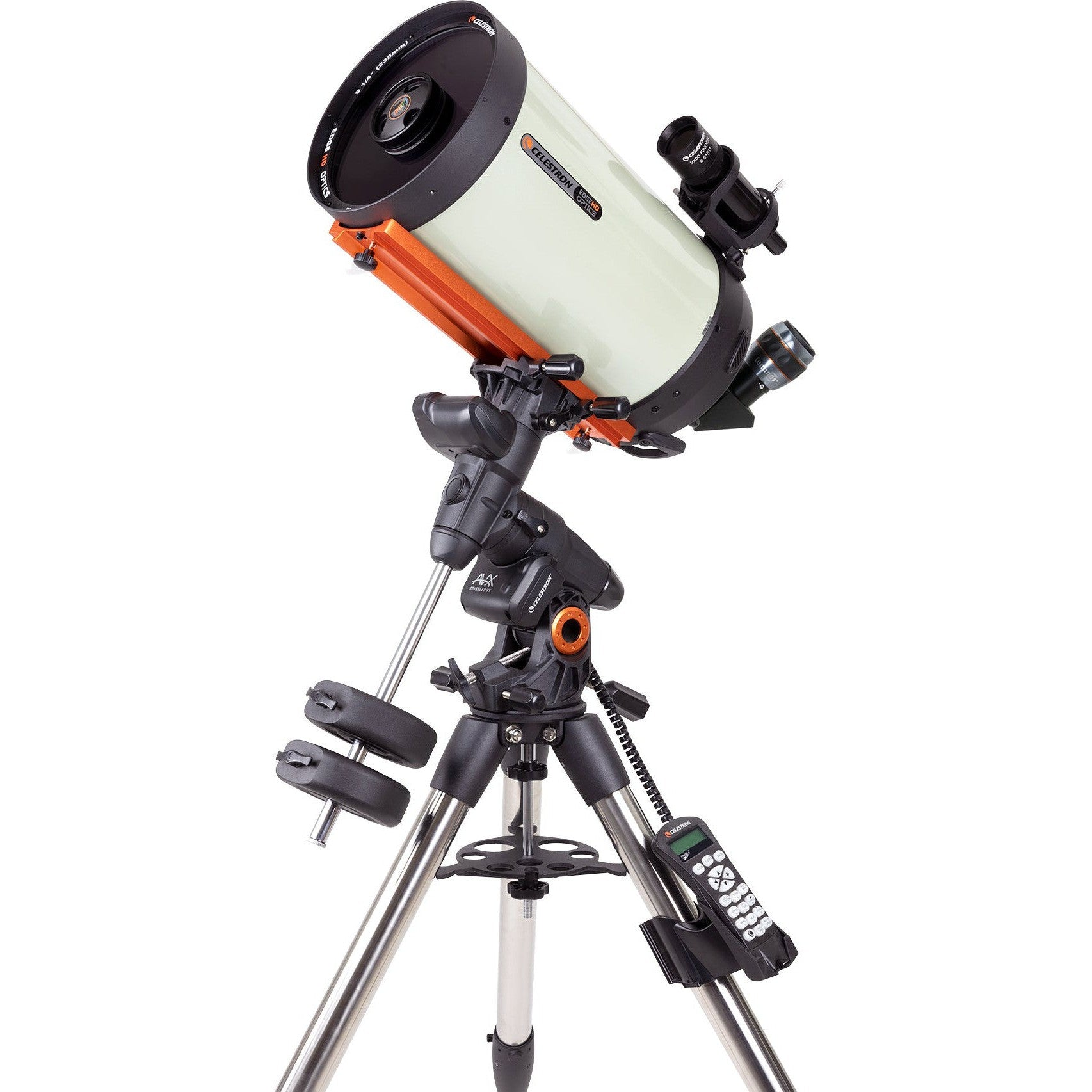
Its imaging sweet spot, the EQ6-R eats long focal lengths for breakfast.
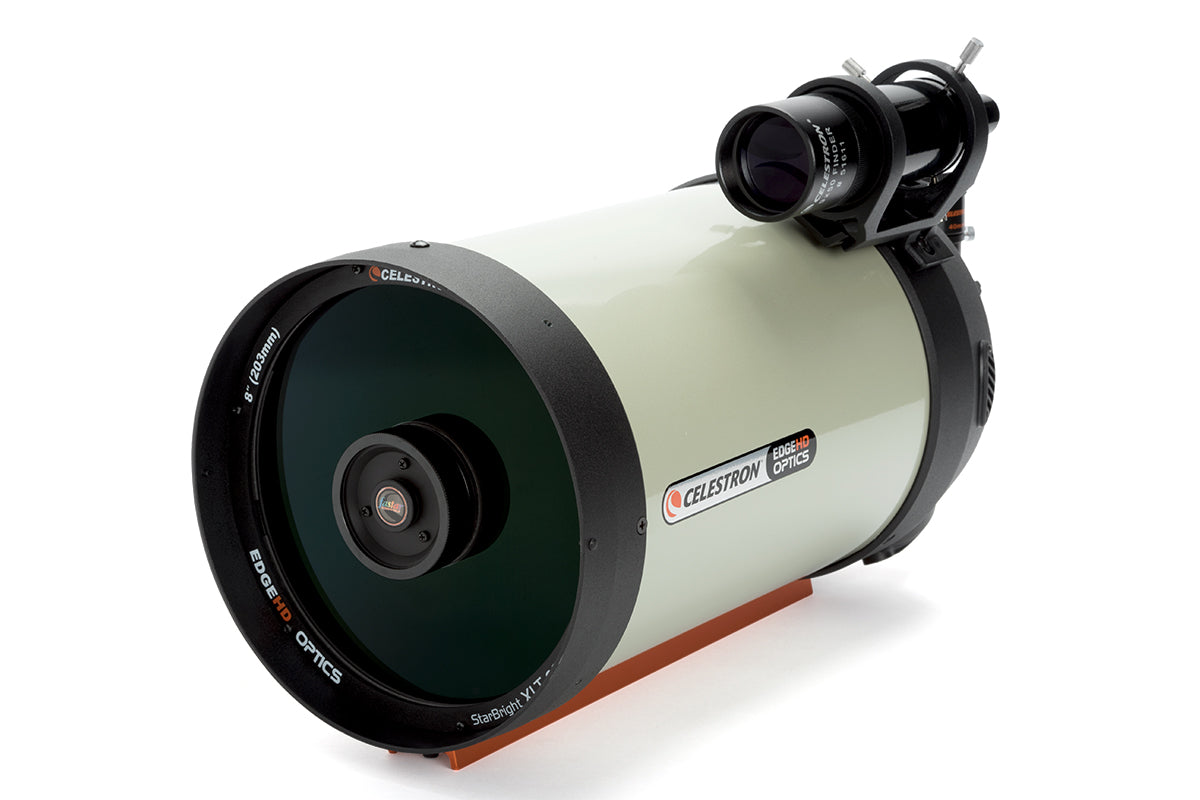
Rock-solid, with capacity to spare for clean, long sub-exposures.
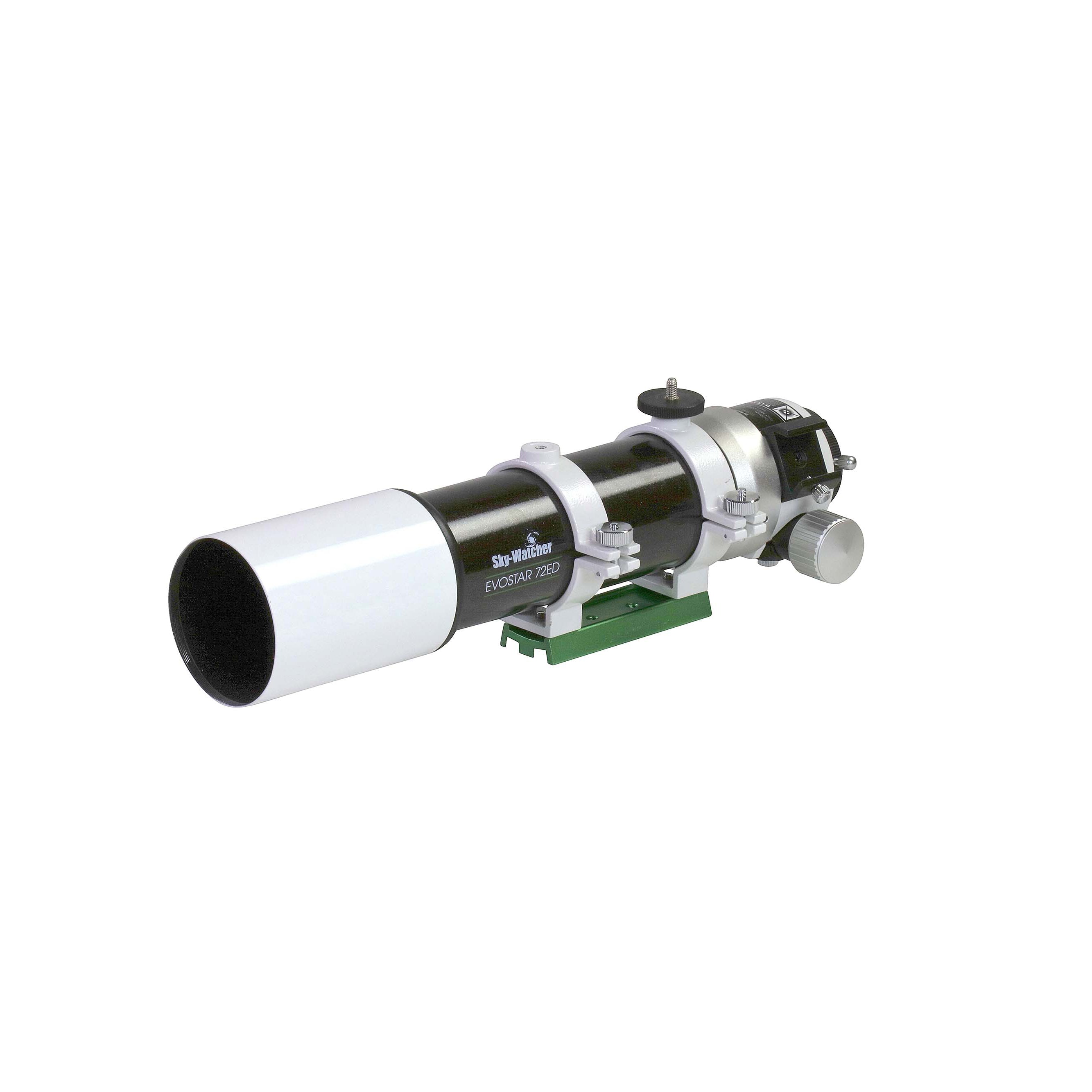
Overkill capacity means effortless wide-field imaging.
Excellent. Ubiquitous, endlessly supported, and holds resale value as the category benchmark.
Used in these setups.
Real builds from the community that include this product.