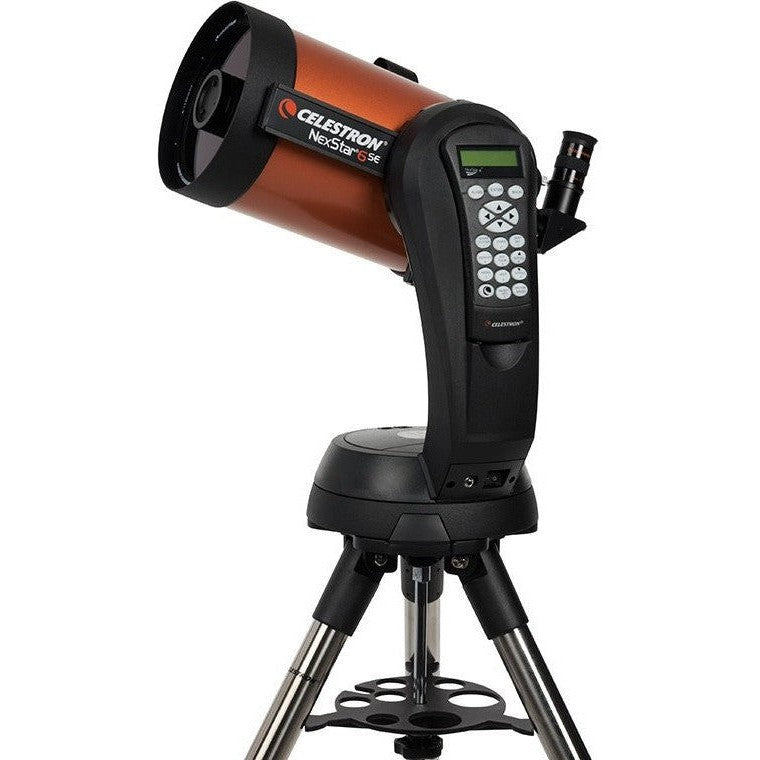
Celestron NexStar 6SE — image 1
Celestron

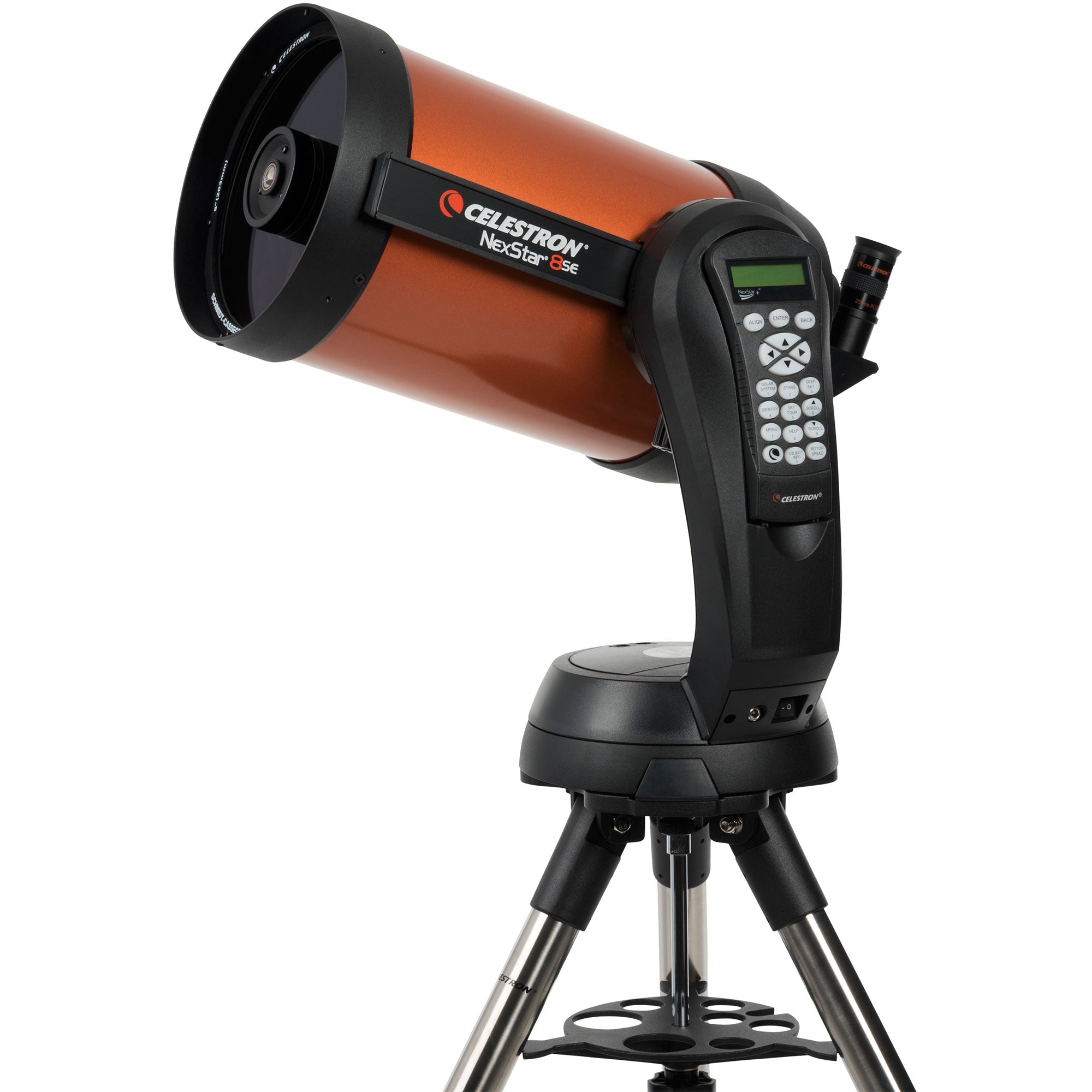
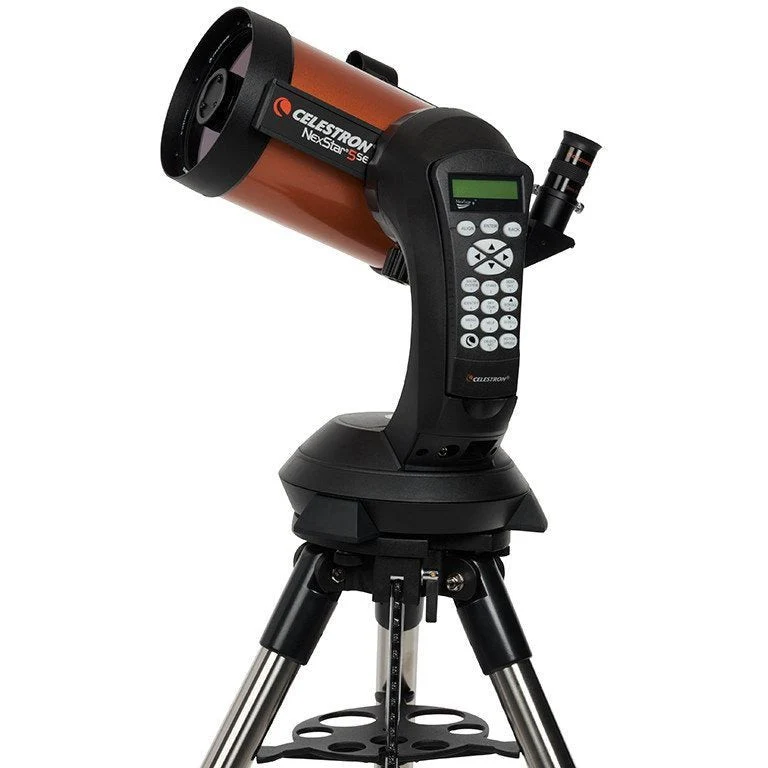
Celestron NexStar 6SE

Best value

A 6-inch computerized SCT that finds and tracks 40,000 objects after a quick alignment. The smaller, lighter, cheaper sibling of the 8SE: sharp on the Moon and planets, capable on brighter deep sky, and genuinely easy for a beginner to run.

88/ 100
Polaris Score
Performance · ease · portability · upgrade path
See the breakdown ↓
Aperture
150mm
Focal Length
1500mm
Focal Ratio
f/10
Mount Type
Alt-Az GoTo
Optical Design
Schmidt-Cassegrain
Weight
12.7 kg
From$1,199

$150 above 90-day lowLast $1,049 in Jul 2026

Price tracked by PolarisObserved 109 timesTracking since Jun 2026

Try in simulator →
What it's built forOpen these in the simulator →

This telescope lives for the planets.

An f/10 focal length built to magnify. Where fast scopes sweep wide, this one holds a single planet rock-steady at high power — a telescope for the patient observer on a steady night.

Sweet spot 110–190×Loves steady seeing
The view people remember

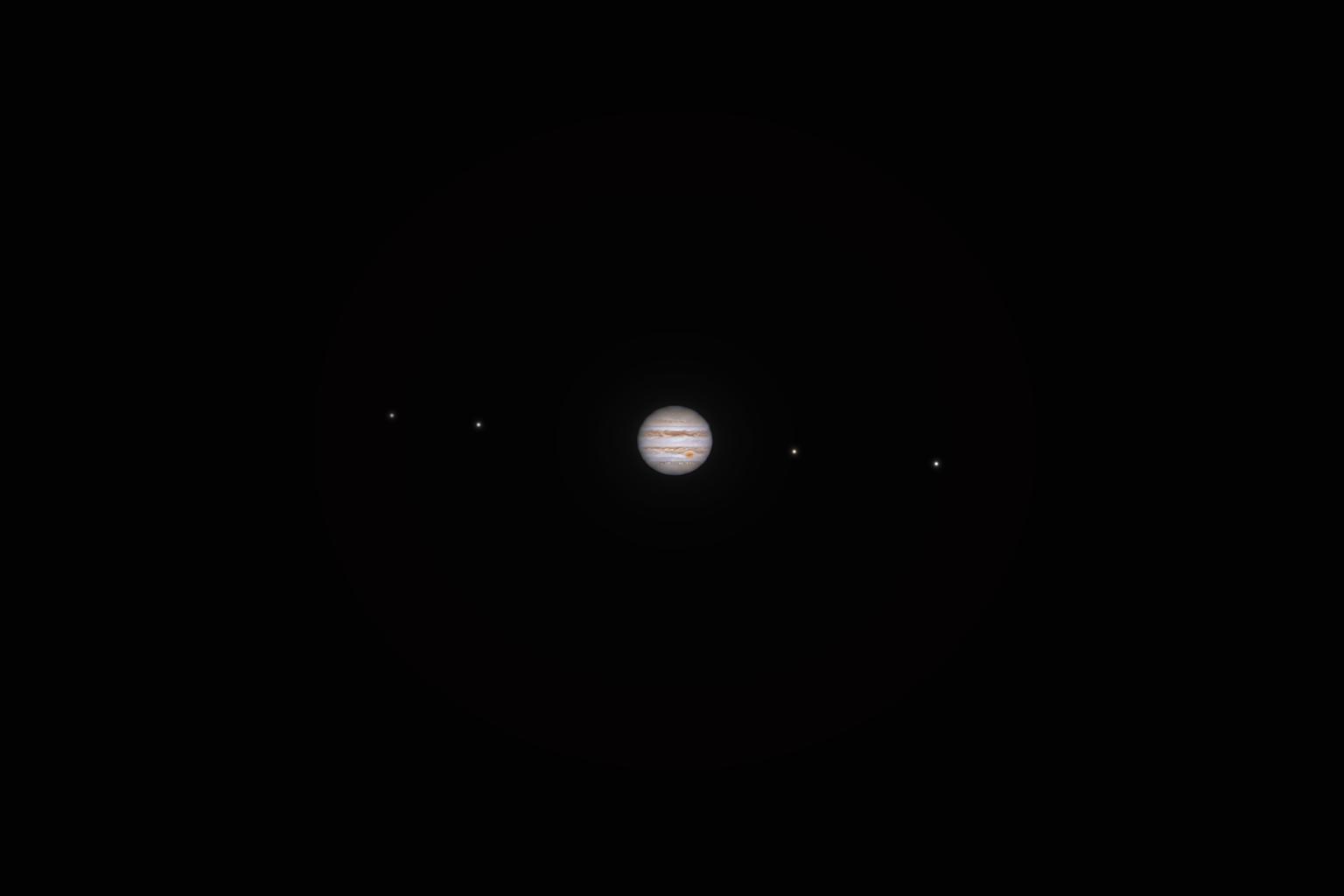
Saturn, with its rings tilted wide.

The one you call people outside to see — the rings standing clear of the planet, the Cassini Division a clean black line drawn around them.

See Saturn through this telescope →
01What it's good at

What it's best at — and the trade-offs.

150 mm at f/10 (1500 mm) gives crisp, high-contrast views of the Moon, planets and double stars.
Best at
✓150 mm at f/10 (1500 mm) gives crisp, high-contrast views of the Moon, planets and double stars.
✓SkyAlign GoTo lands objects in the eyepiece after a three-star alignment, so you spend the night looking, not hunting.
✓Compact single-fork tube breaks down into parts one person can carry and set up in minutes.
✓A real step up in reach from a 130 mm beginner scope while staying light and affordable.
Trade-offs
!The alt-az mount limits astrophotography to short lunar and planetary clips without a wedge.
!150 mm of aperture reaches many Messier objects but leaves faint galaxies dim.
!It runs on 8 AA batteries that drain fast, so a 12 V power source is close to essential.
!At f/10 the true field is narrow, so large targets like the Pleiades won't fit.
02In plain English

What These Numbers Mean

150mm · f/10 · 1500mm FL · Alt-Az GoTo
Aperture
150 mm (6 inch)
Six inches gathers about 460 times the light of your eye, a real step up from the 5SE. Globular clusters begin to resolve into stars, the brighter galaxies show shape, and planetary detail holds up well at 200x on steady nights.
Focal length
1500 mm
Long focal length in a compact tube, ideal for the Moon, planets and small deep-sky objects. Wide star fields need a 2 inch diagonal and a long eyepiece, and even then the field stays fairly narrow.
Focal ratio
f/10
Slow. It makes high magnification easy and forgives inexpensive eyepieces, but it also means dim wide-field views and impractical deep-sky imaging on this mount.
Optical design
Schmidt-Cassegrain
A folded optical path puts 1500 mm of focal length in a tube around 40 cm long, which keeps a six-inch telescope genuinely portable. The sealed tube trades some cooling time for near-zero maintenance.
Weight
~14 kg complete
Roughly 30 lb across tube, fork and tripod, each of which is a light individual carry. It fits in a car boot without planning.
Mount
Single-fork alt-azimuth GoTo
SkyAlign makes the GoTo usable without knowing a single constellation, and the motorised tracking keeps targets centred at high power. The single arm shows some vibration at maximum magnification, and long-exposure imaging needs a wedge and a different approach.
03The Polaris Score

How it scores, and why.

88/100
88/ 100
Celestron NexStar 6SE
Performance
80
Ease of use
95
Portability
85
Upgrade potential
85

Polaris weighs optical capability, how easy the scope is to live with, how portable it is, and how far it takes you before you outgrow it — not list price or brand.

04Who it's for

An honest fit check.

Beginners who want the telescope to find objects for them
Buy it if you
✓Beginners who want the telescope to find objects for them
✓Suburban observers focused on the Moon, planets and bright deep sky
✓Anyone wanting a grab-and-go GoTo scope
Look elsewhere if you
!Deep-sky imagers (the single-arm alt-az mount causes field rotation, so long exposures need a wedge)
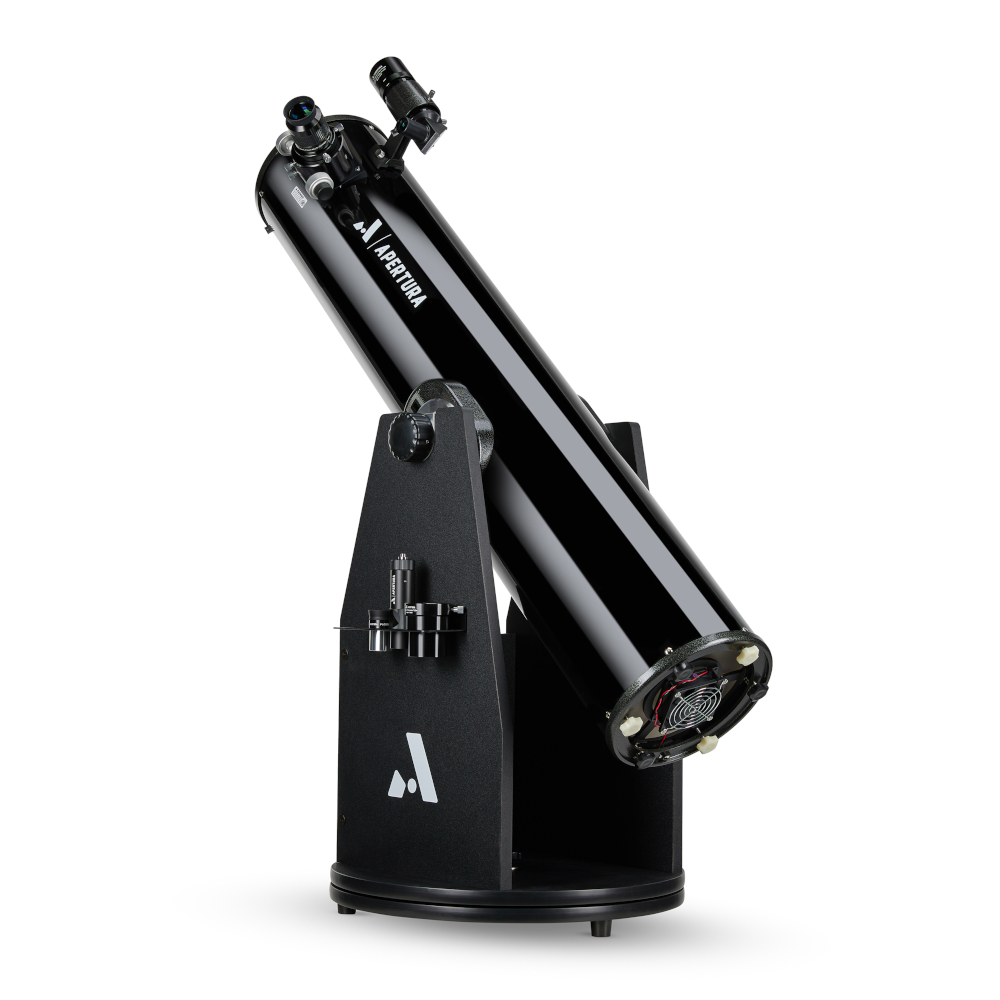
!Aperture-per-dollar hunters (a 6 or 8 inch Dobsonian shows fainter objects for less)
!Observers who want the widest possible fields (f/10 is narrow)
05Build your rig

What to buy next — and where it leads.

12 pieces of gear, ordered by what changes the view most
Recommended upgrades
A sharper everyday view★ Top pickExplore Scientific 68deg 24mm
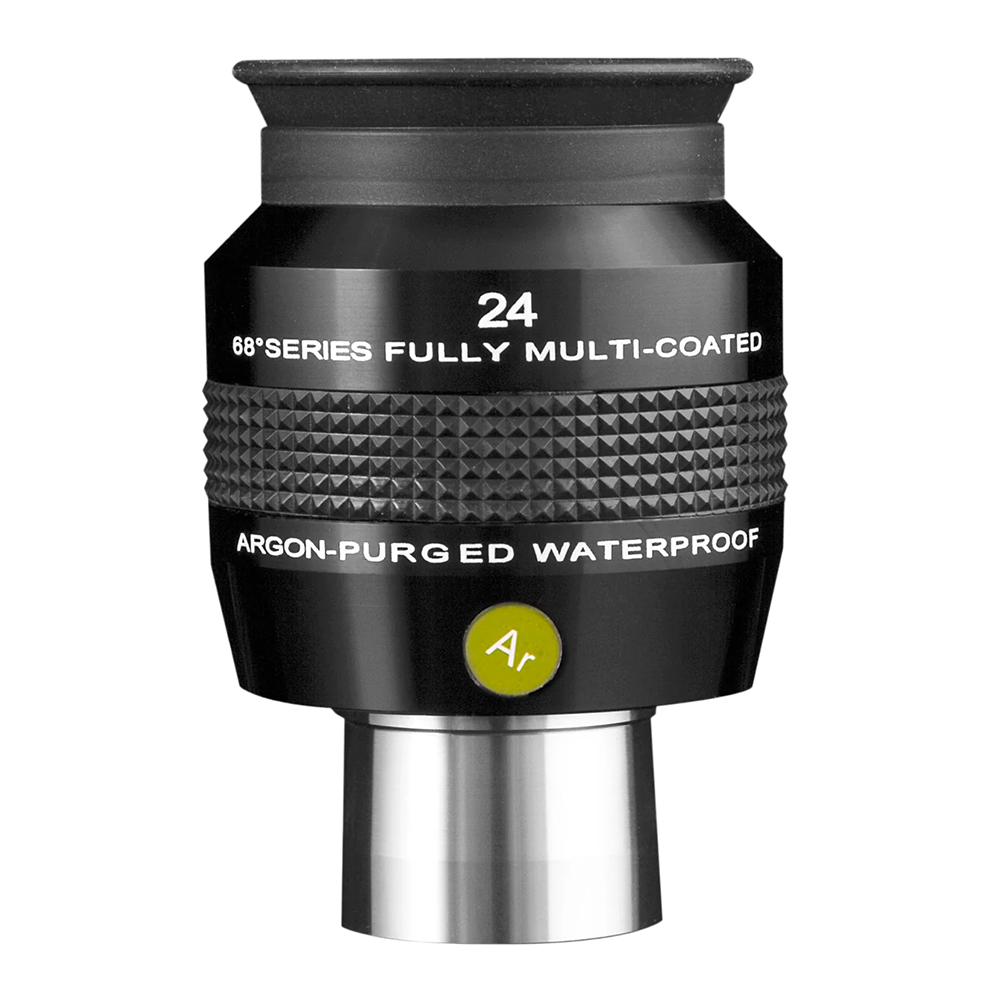
Wide, comfortable low-power views.

Double your magnificationTele Vue 2x Barlow 1.25-inch
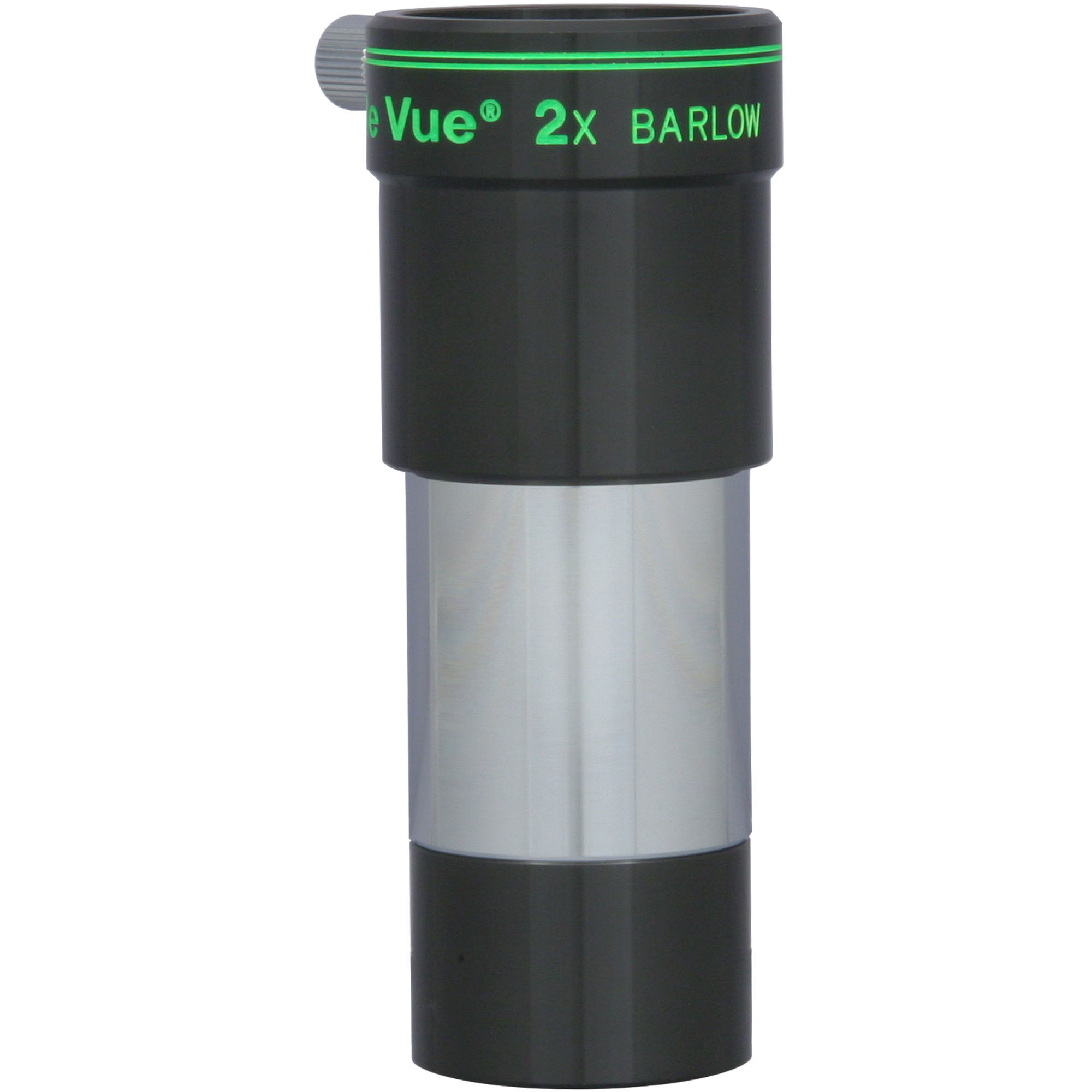
Doubles magnification with no image degradation.

Observe all night, no AA batteriesCelestron PowerTank Lithium
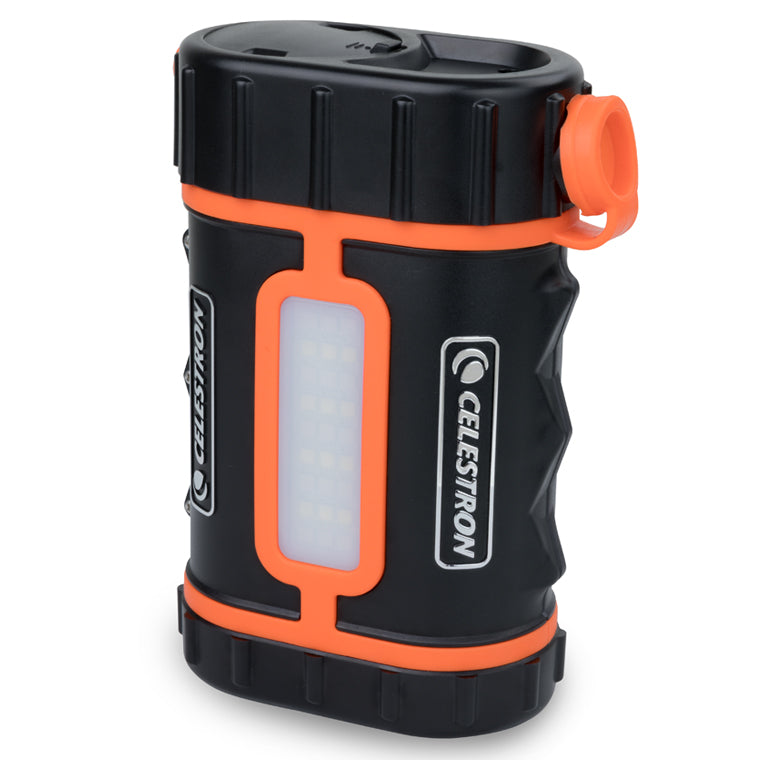
Keeps GoTo mounts running all night.

Imaging path
Visual observing tonightAlt-Az GoTo✓ Included

Ships with this telescope — point-and-track for visual sessions, no extra setup.

Better tracking & light imagingSky-Watcher HEQ5 Pro SynScan GoTo Mount⚠ Advanced setup
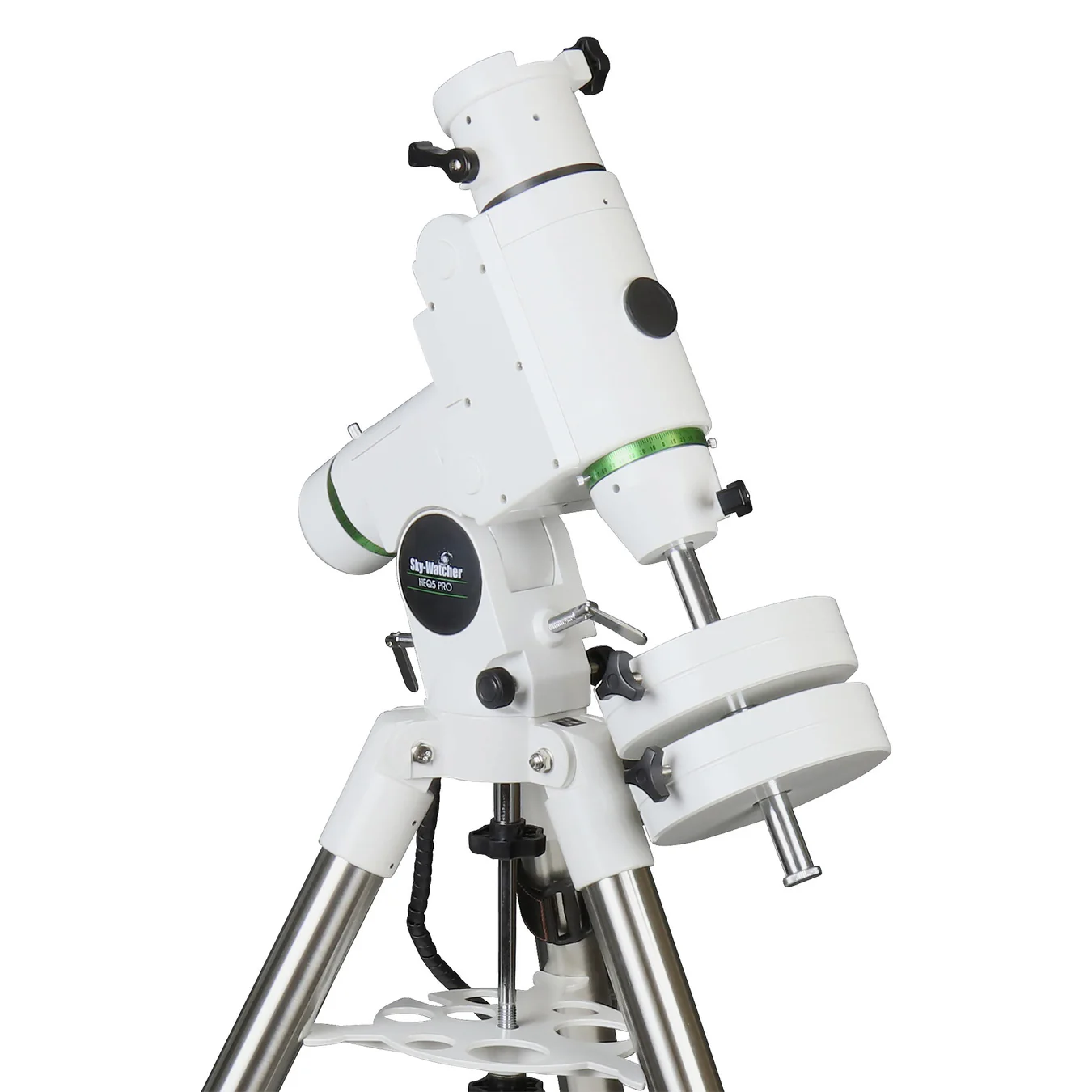
Requires removing OTA from fork arm and adding dovetail

Portable astrophotographyZWO AM5N Harmonic Equatorial Mount⚠ Advanced setup

Requires removing OTA from fork arm and Vixen adapter

Start imagingZWO ASI662MC
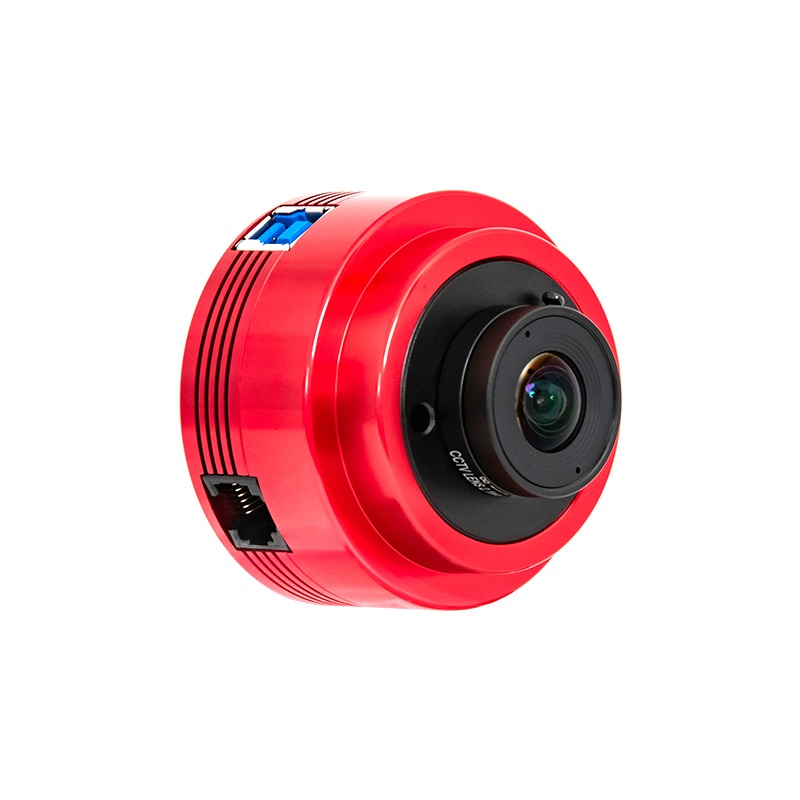
Start capturing images of the Moon and planets

Accessories
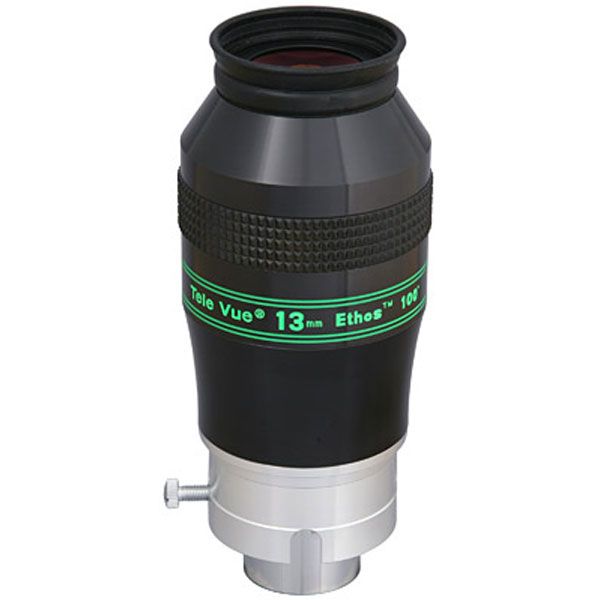
A sharper everyday viewEthos 13mm

Excellent planetary detail at 115x magnification

Sharper planets & lunar detailDelos 8mm
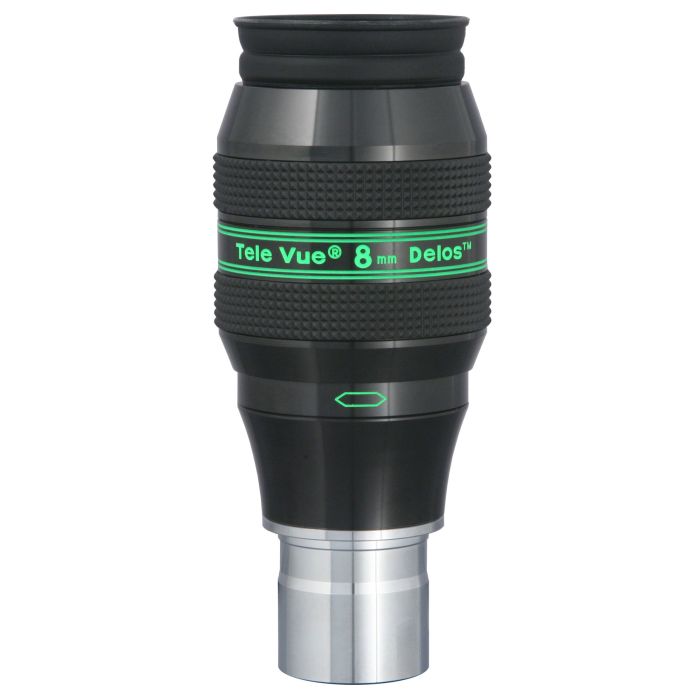
High power for planets, 188x with sharp edge-to-edge views

Tame lunar glareMoon Filter

Essential for comfortable lunar observing at this aperture

Lunar & planetary
Excellent
Deep-sky imaging
Add a wedge or reducer
Visual observing
Strong all-rounder
06The numbers

Full specifications.

7 measured and stated values
Optics
Optical DesignSchmidt-Cassegrain
Aperture150mm
Focal Length1500mm
Focal Ratiof/10
Mount & drive
Mount TypeAlt-Az GoTo
Physical
Weight12.7 kg
More
weight lbs13lbs
Editor’s Take

The 6SE is Celestron's most popular computerised scope, and the appeal is simple: it finds things for you. After a quick star-alignment you pick a target and its GoTo motors slew there and track it, no star-hopping. The optics are a 6-inch Schmidt-Cassegrain ("SCT"), a folded design packing a long 1500 mm focal length into a stubby, portable tube on a single-arm alt-az fork. Six inches shows the Moon and planets in fine detail plus the brighter galaxies and clusters. It is the "GoTo without the bulk" middle of the SE line.

— The Skynocular verdict