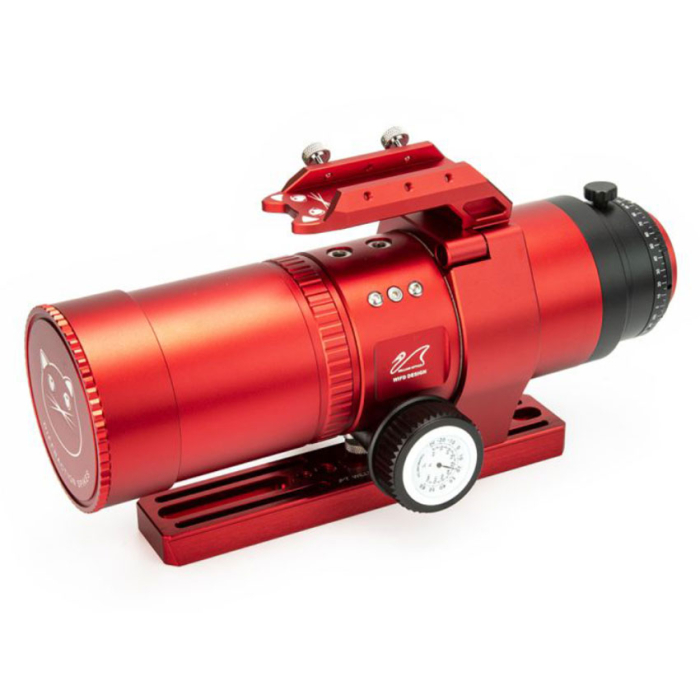
William Optics RedCat 51
Flat-field 51mm Petzval astrograph, pin-point stars for widefield deep-sky imaging.
A four-figure budget buys serious aperture or your first real imaging rig. These are the scopes worth stretching for — and what each is actually best at.

Flat-field 51mm Petzval astrograph, pin-point stars for widefield deep-sky imaging.

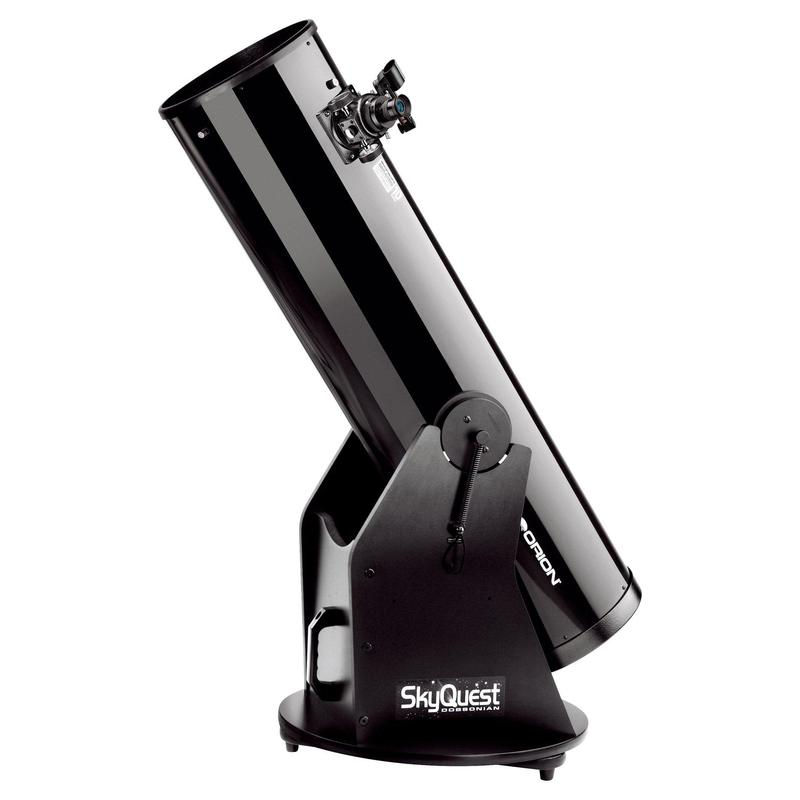
A 10-inch Dobsonian light bucket: 254 mm of aperture that turns faint smudges into structured galaxies and resolves globular clusters into stars. Maximum photons per dollar for the visual deep-sky observer.

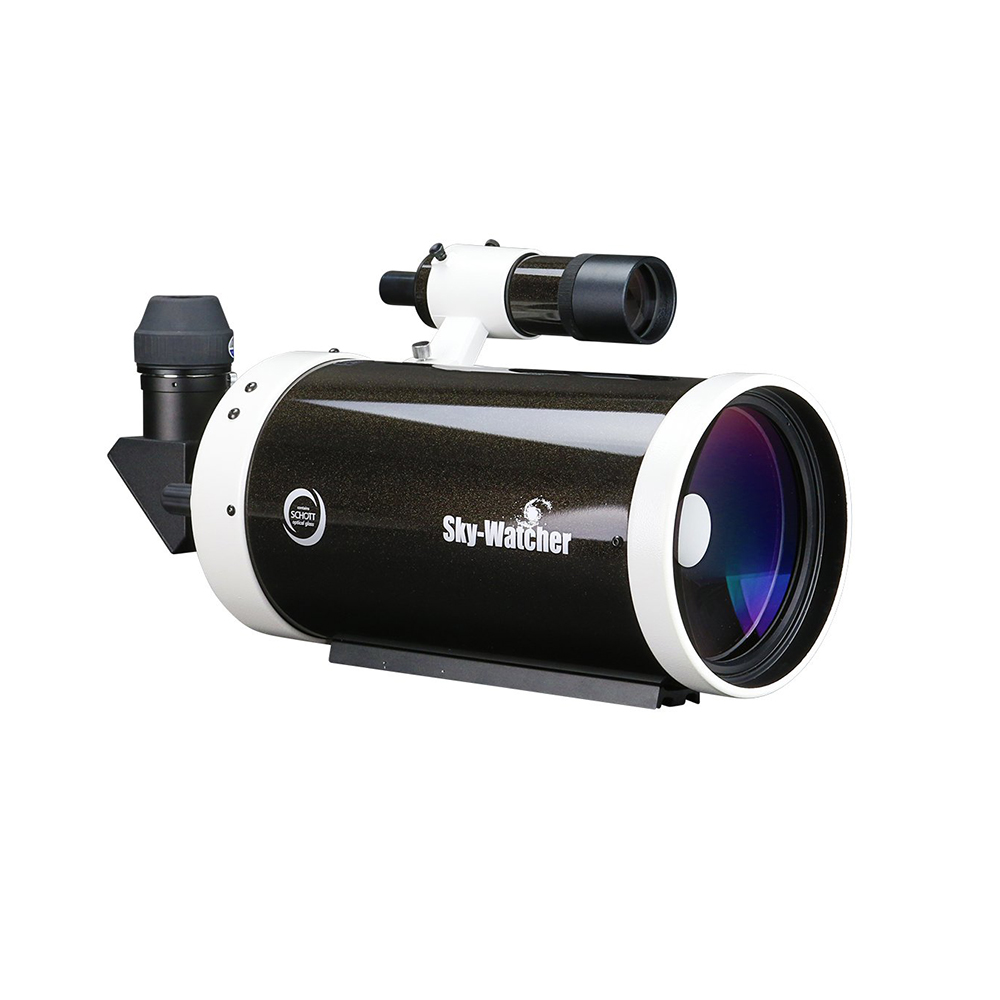
A 6-inch Maksutov built for the Moon and planets, long f/12 focal length and pinpoint, high-contrast optics in a compact sealed tube. The specialist for lunar and planetary detail.

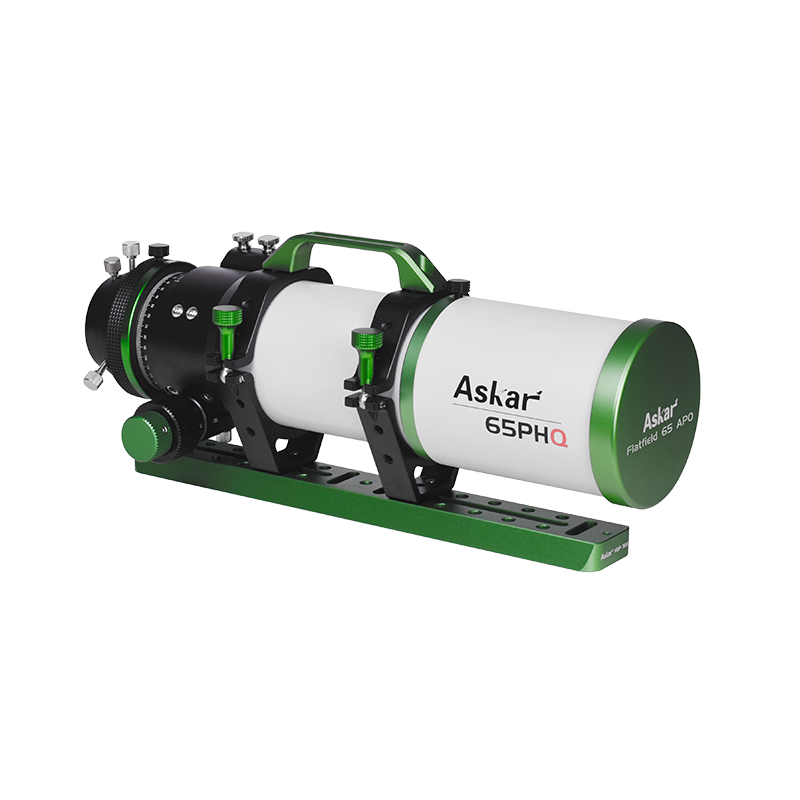
A 65mm five-element flat-field astrograph, pinpoint, colour-free stars corner to corner with no separate flattener, in a compact tube built to ride a small tracker.
A bigger mirror collects more light — and light is everything. An 8-inch Dobsonian shows dramatically more than a 3-inch refractor at the same price. Buy the widest aperture you can carry.
Wobbly equatorial mounts ruin the experience — every nudge sends the view shaking for seconds. A Dobsonian or a simple alt-az base is far steadier and far easier to live with.
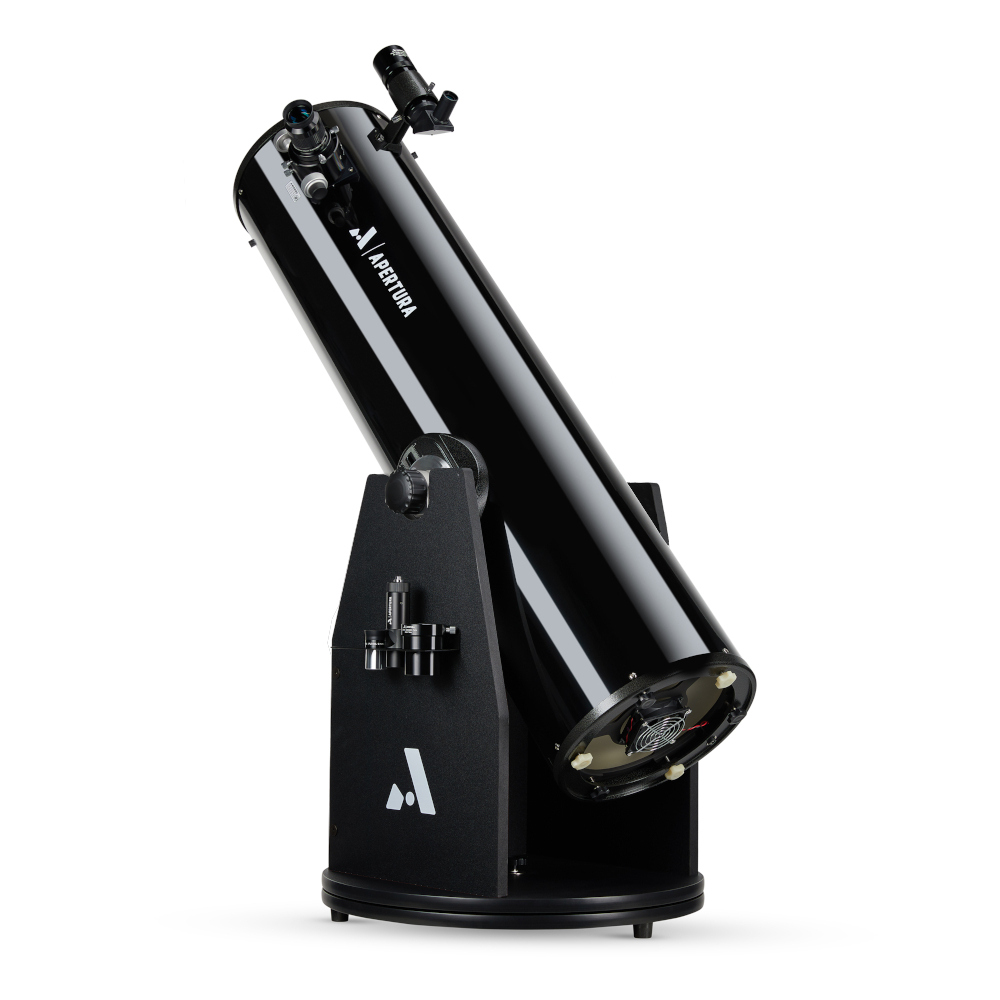
Dollar-for-dollar, no other design gives you as much aperture. Simple, stable, and ready to observe the moment you set it down.
Drop any of these into the simulator and watch Saturn, the Moon, and the Orion Nebula render at the right size in the eyepiece.