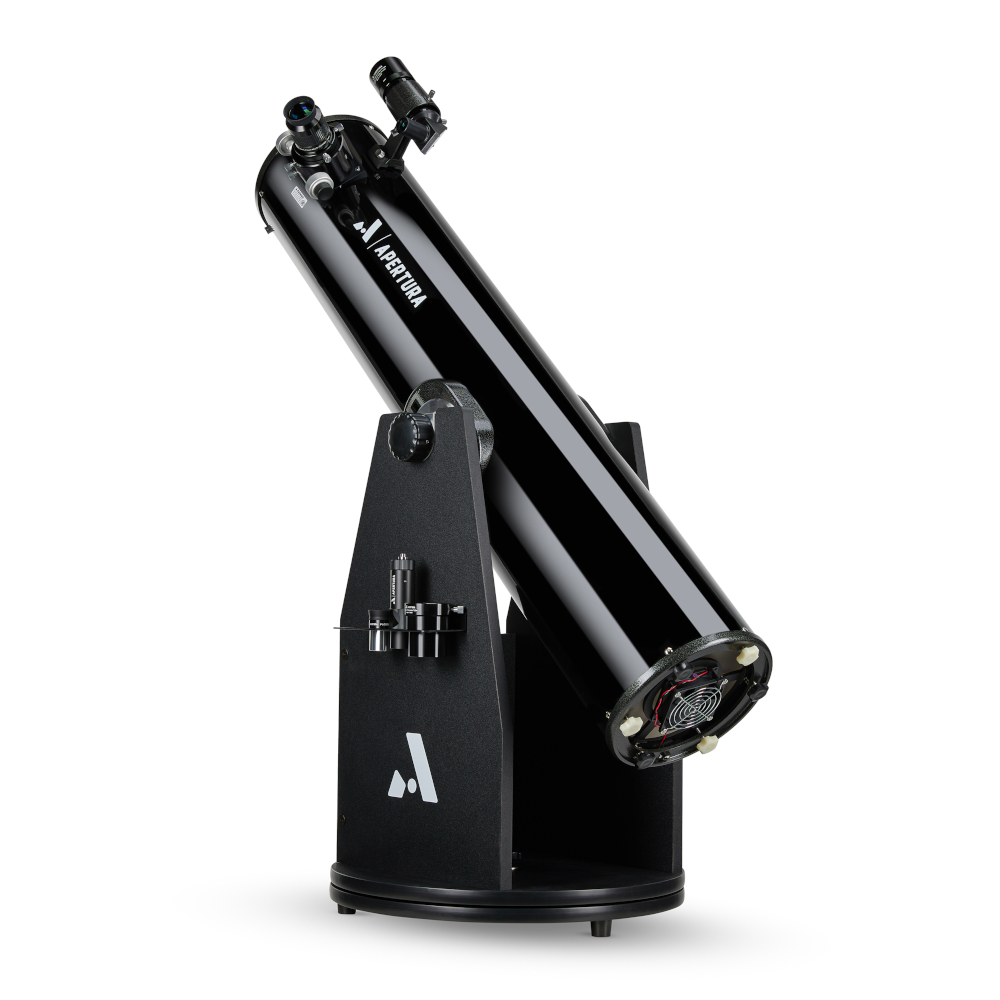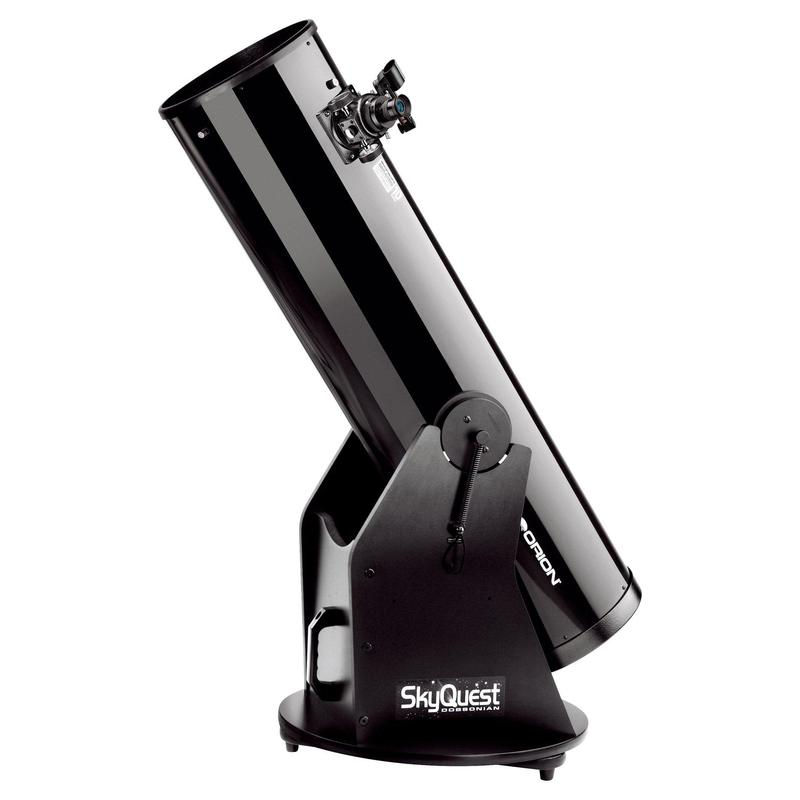
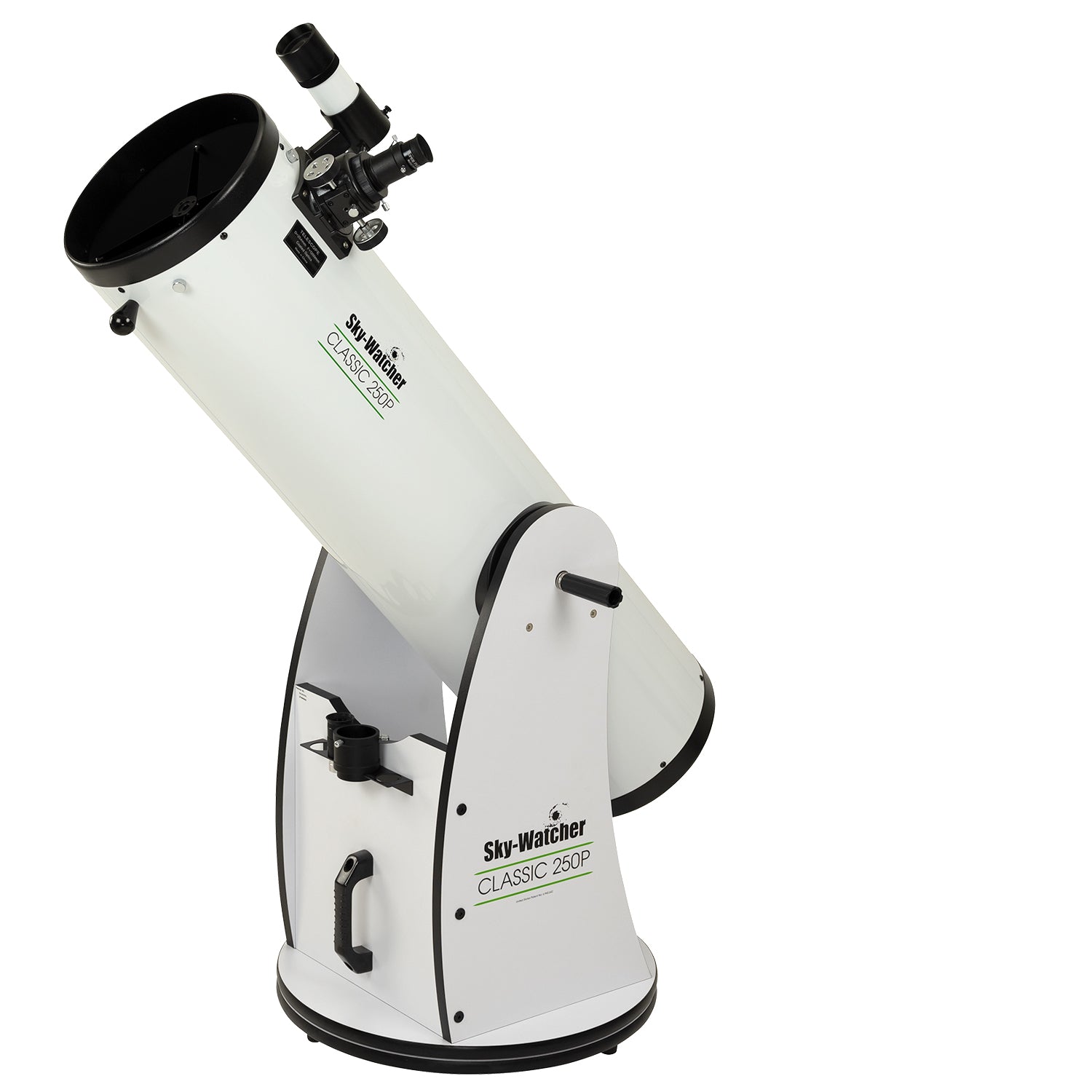
Orion SkyQuest XT10 — image 1
Orion

Orion SkyQuest XT10

A 10-inch Dobsonian light bucket: 254 mm of aperture that turns faint smudges into structured galaxies and resolves globular clusters into stars. Maximum photons per dollar for the visual deep-sky observer.

92/ 100
Polaris Score
Performance · ease · portability · upgrade path
See the breakdown ↓
Aperture
254mm
Focal Length
1200mm
Focal Ratio
f/4.7
Mount Type
Dobsonian
Optical Design
Newtonian
Weight
24.2 kg
From$899.99

Lowest in 90 daysLast $649.99 in Apr 2026

Price tracked by PolarisObserved 61 timesTracking since Apr 2026
Try in simulator →
Where to buy

Verified yesterday · prices tracked daily

What it's built forOpen these in the simulator →

This telescope was built to gather light.

254 mm of aperture pulls in the faint light that galaxies and clusters live or die on. Point it up under a dark sky and objects that are rumors in smaller scopes resolve into real structure.

Sweet spot 190–320×Rewards dark skies
The view people remember

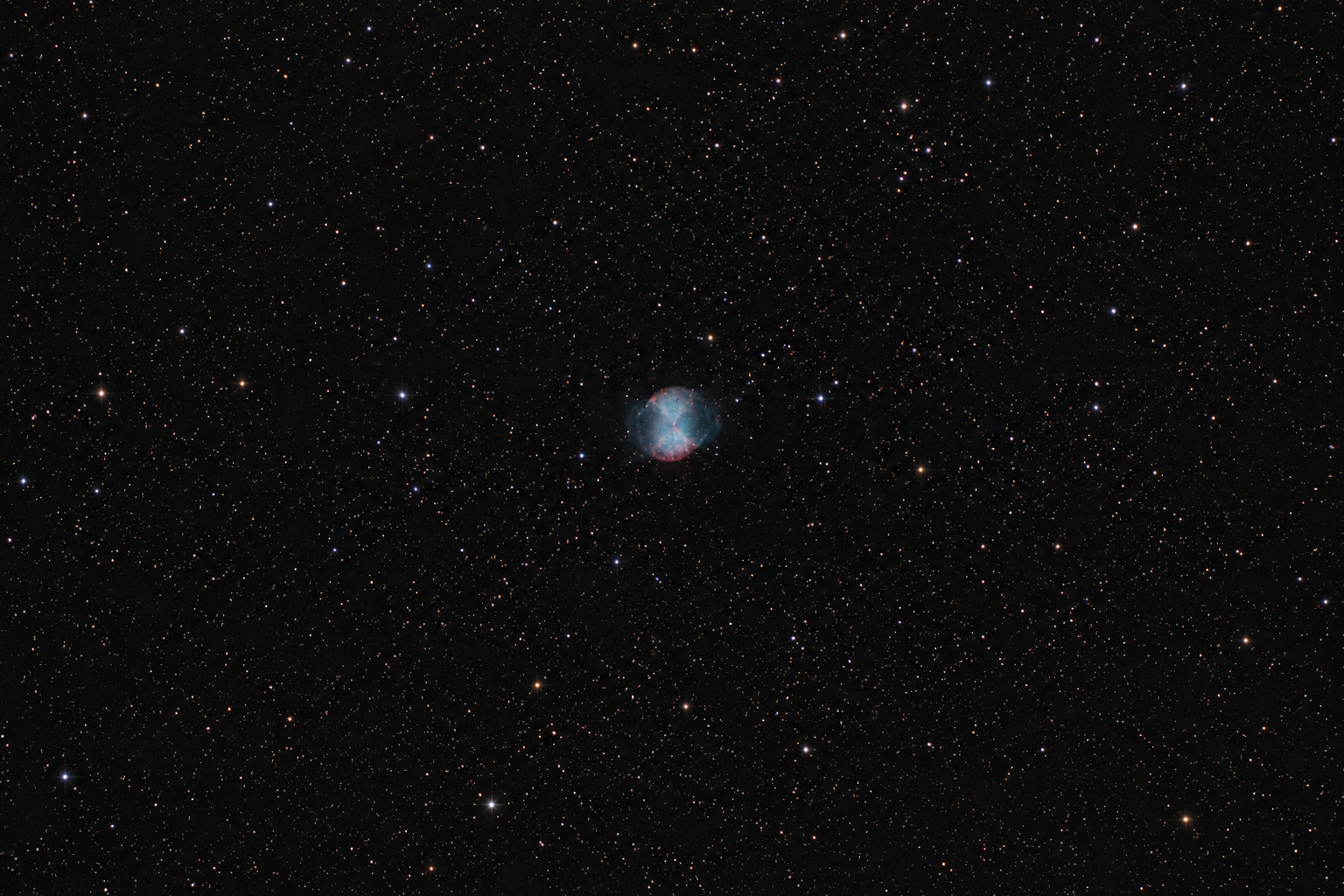
The Dumbbell, an hourglass of gas.

The brightest planetary nebula in the sky — a fat, glowing apple-core shape that takes magnification well and only gets richer with aperture.

See The Dumbbell through this telescope →
01What it's good at

What it's best at — and the trade-offs.

254 mm of aperture gathers over 1,300 times the light of the naked eye, pulling in faint galaxies and nebulae.
Best at
✓254 mm of aperture gathers over 1,300 times the light of the naked eye, pulling in faint galaxies and nebulae.
✓The simple Dobsonian mount puts all the money into the mirror, not motors, so aperture-per-dollar is unbeatable.
✓At f/4.7 (1200 mm) it balances reach with a manageable tube length.
✓Big aperture resolves globular clusters and shows spiral structure that smaller scopes only hint at.
Trade-offs
!It is large and heavy, so storage and transport take real planning.
!There is no tracking, so objects drift and need nudging, especially at high power.
!The fast f/4.7 mirror needs collimation and benefits from a coma corrector for critical views.
!Orion has wound down, so warranty and first-party accessory support are limited (third-party parts fit fine).
02In plain English

What These Numbers Mean

254mm · f/4.7 · 1200mm FL · Dobsonian
Aperture
254 mm (10 inch)
Ten inches gathers about 1,300 times the light of your eye. This is where galaxies start showing shape rather than being grey ovals, globular clusters resolve into stars, and the Veil Nebula becomes visible structure with a suitable filter.
Focal length
1200 mm
Enough for 240x planetary work with a 5 mm eyepiece, while a 30 mm eyepiece still gives 40x and a generous field. That range makes one telescope useful across the whole target list.
Focal ratio
f/4.7
Fast optics reach wide, low-power views easily but demand well corrected eyepieces and periodic collimation. Inexpensive wide-angle eyepieces show soft edges at this ratio, and a coma corrector is a worthwhile addition later.
Optical design
Newtonian reflector
A parabolic mirror with no colour error, which is the cheapest honest way to buy aperture. In return, expect occasional mirror alignment and a cooling period before the sharpest views.
Weight
~28 kg total
Around 60 lb across tube and base. Two carries for one person, and worth thinking about if your observing spot involves stairs or a long walk.
Mount
Manual Dobsonian base
Simple, stable and requiring no power or alignment: you point it and look. There is no tracking, so objects drift at high power and long-exposure imaging is not possible.
03The Polaris Score

How it scores, and why.

92/100
92/ 100
Orion SkyQuest XT10
Performance
97
Ease of use
75
Portability
45
Upgrade potential
93

Polaris weighs optical capability, how easy the scope is to live with, how portable it is, and how far it takes you before you outgrow it — not list price or brand.

04Who it's for

An honest fit check.

Visual deep-sky observers who want maximum aperture
Buy it if you
✓Visual deep-sky observers who want maximum aperture
✓Buyers who prefer light grasp over automation
✓Anyone with a dark site or willing to travel to one
Look elsewhere if you
!Astrophotographers (an alt-az Dob is a visual scope)
!Observers with no storage or car space for a large tube
!Anyone who wants the scope to find objects for them (this is manual star-hopping)
05Build your rig

What to buy next — and where it leads.

17 pieces of gear, ordered by what changes the view most
Recommended upgrades
See wider, brighter deep-sky views★ Top pickGSO SuperView 30mm 2-inch
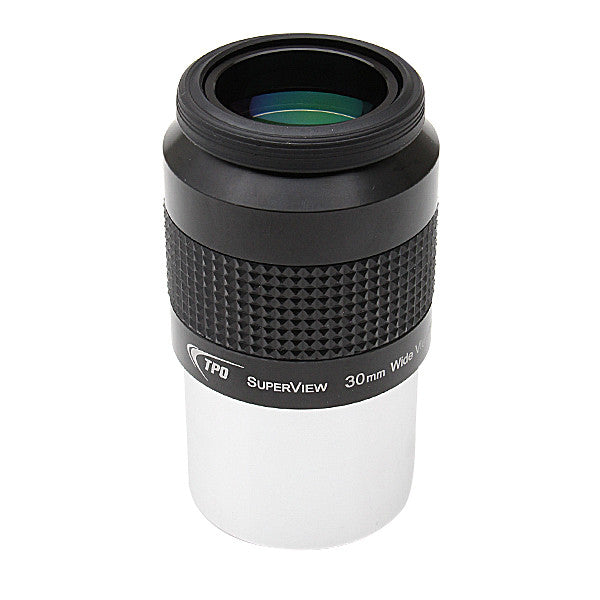
Big, bright low-power field on a budget.

Make nebulae popOptolong UHC Filter 2″
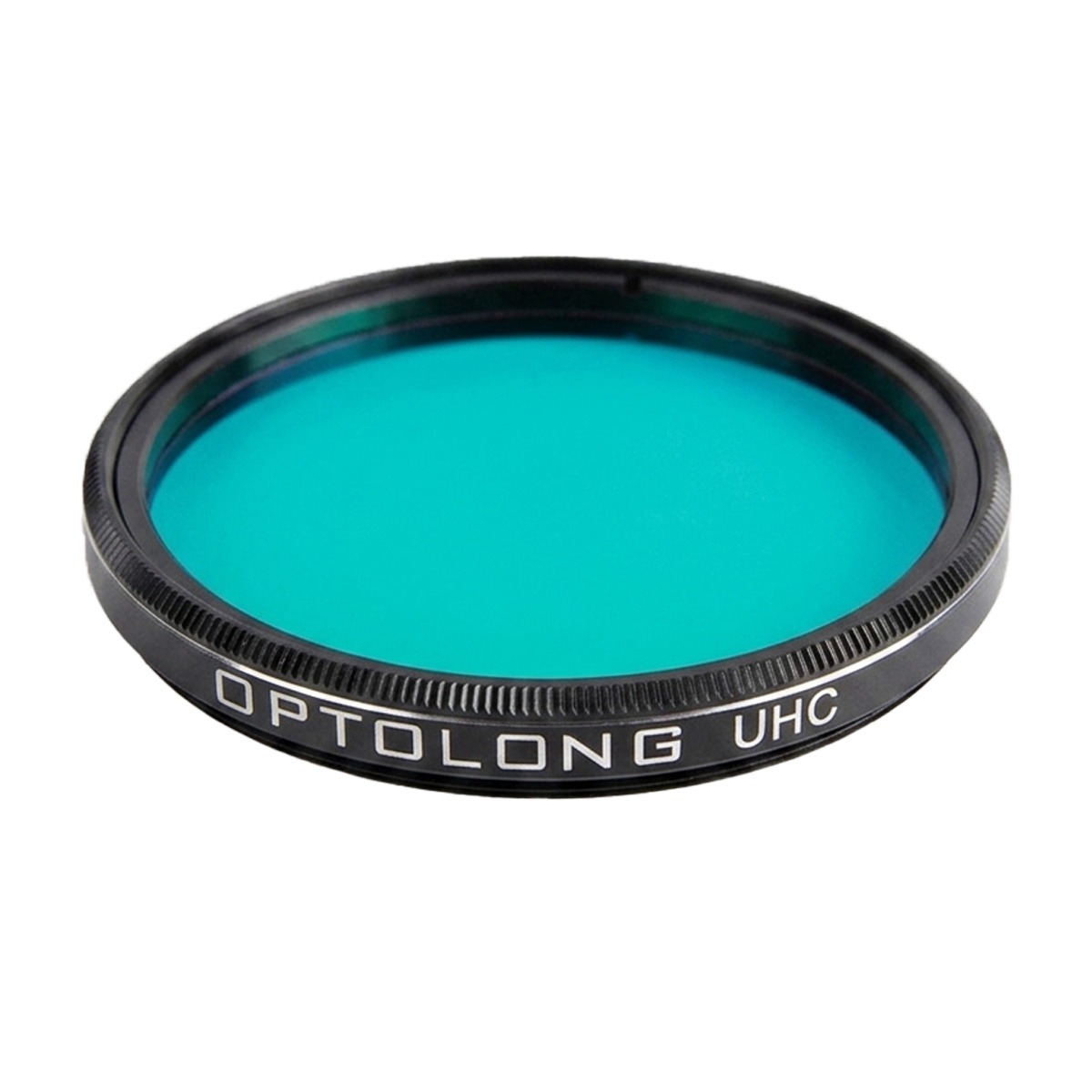
Improves contrast on emission nebulae.

Double your magnificationGSO 2x ED Barlow 1.25-inch
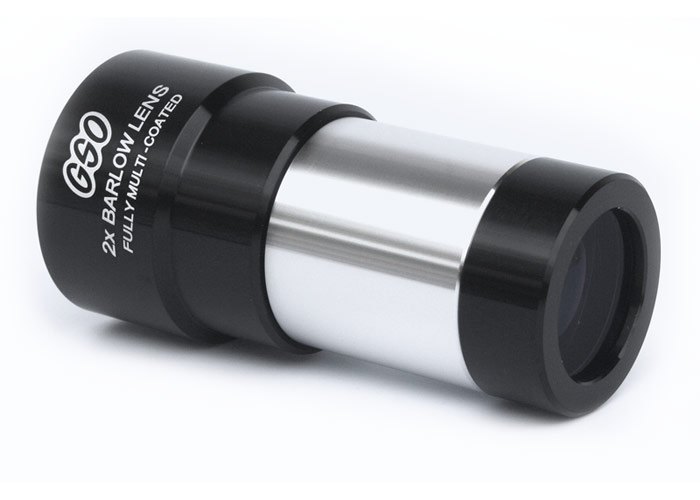
Doubles magnification without buying another eyepiece.

Observe better
Tame lunar glareMoon Filter

Essential, the Moon is blindingly bright at 10\" aperture

Tame lunar glareGSO Moon Filter 13pct 1.25-inch

Improves contrast on nebulae and planets with this setup

Make nebulae popSVBony UHC 1.25-inch

Commonly paired with this telescope

A sharper everyday viewEthos 13mm
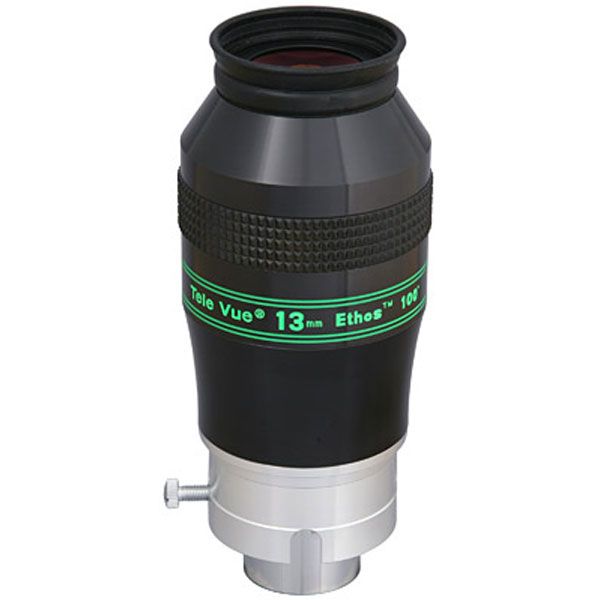
Sharp detail on galaxies and planetary nebulae at 92x

Show all compatible gear (9) →
Accessories
Sharper planets & lunar detailDelos 8mm
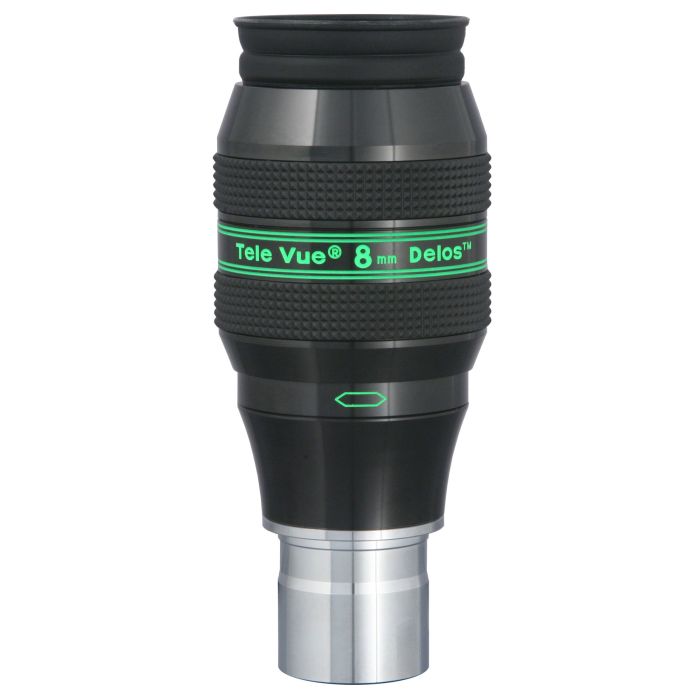
High power for planets, 150x with superb eye relief

See wider, brighter deep-sky viewsExplore Scientific 68deg 28mm 2-inch
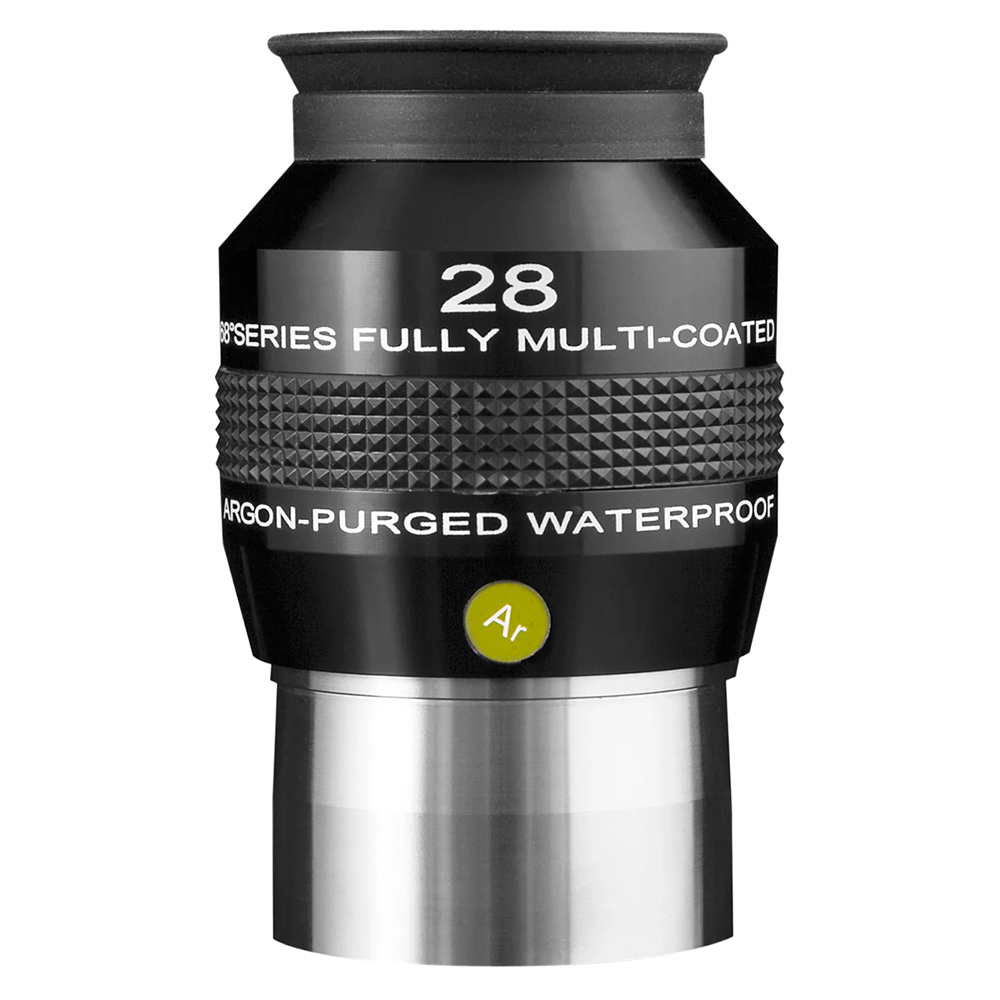
Commonly paired with this telescope

A sharper everyday viewCelestron X-Cel LX 18mm
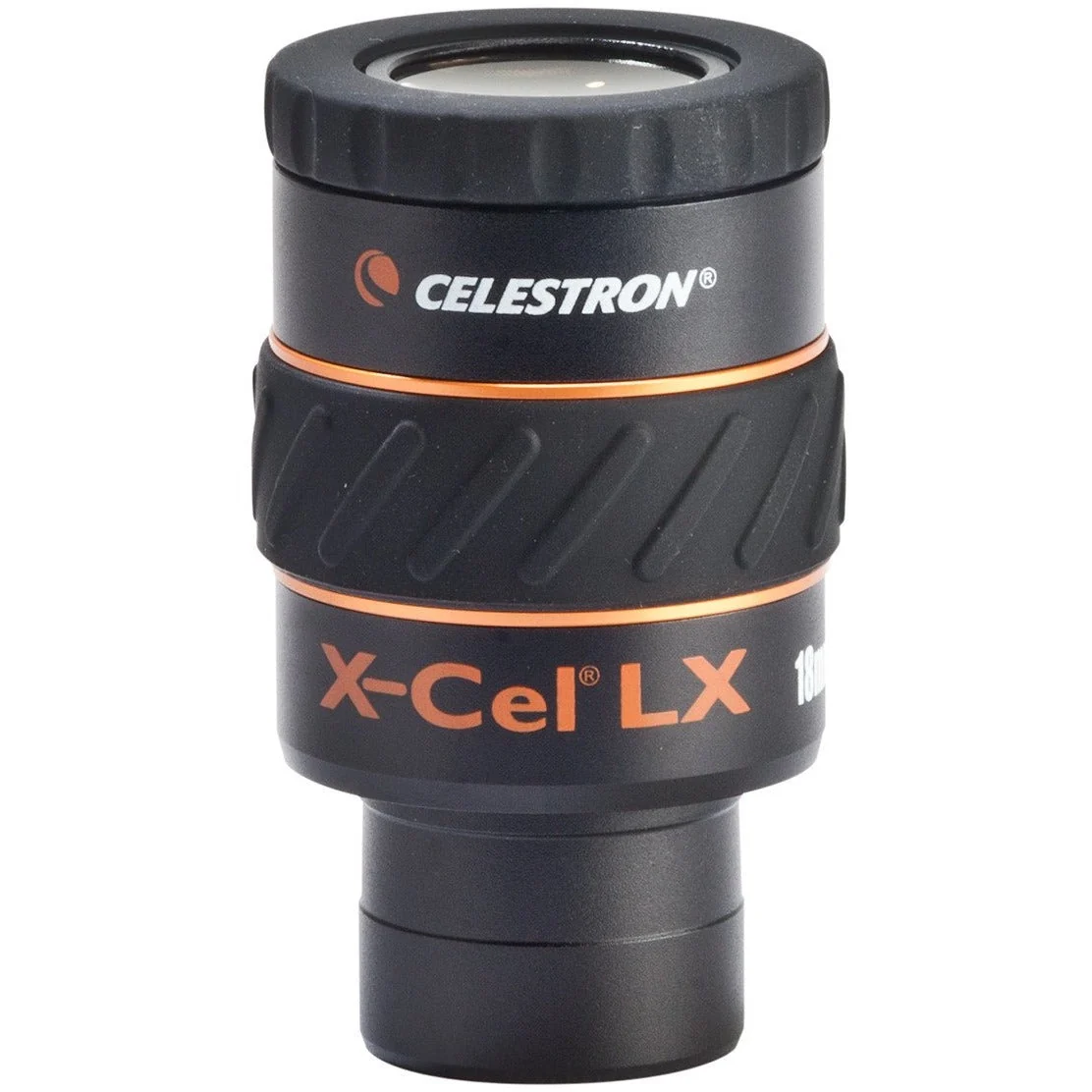
Commonly paired with this telescope
Show all compatible accessories (5) →
Lunar & planetary
Excellent
Deep-sky visual
Excellent
Astrophotography
Not its purpose, a visual scope
06The numbers

Full specifications.

6 measured and stated values
Optics
Optical DesignNewtonian
Aperture254mm
Focal Length1200mm
Focal Ratiof/4.7
Mount & drive
Mount TypeDobsonian
Physical
Weight24.2 kg