Sky-Watcher Classic 10 Dobsonian — image 1
Sky-Watcher

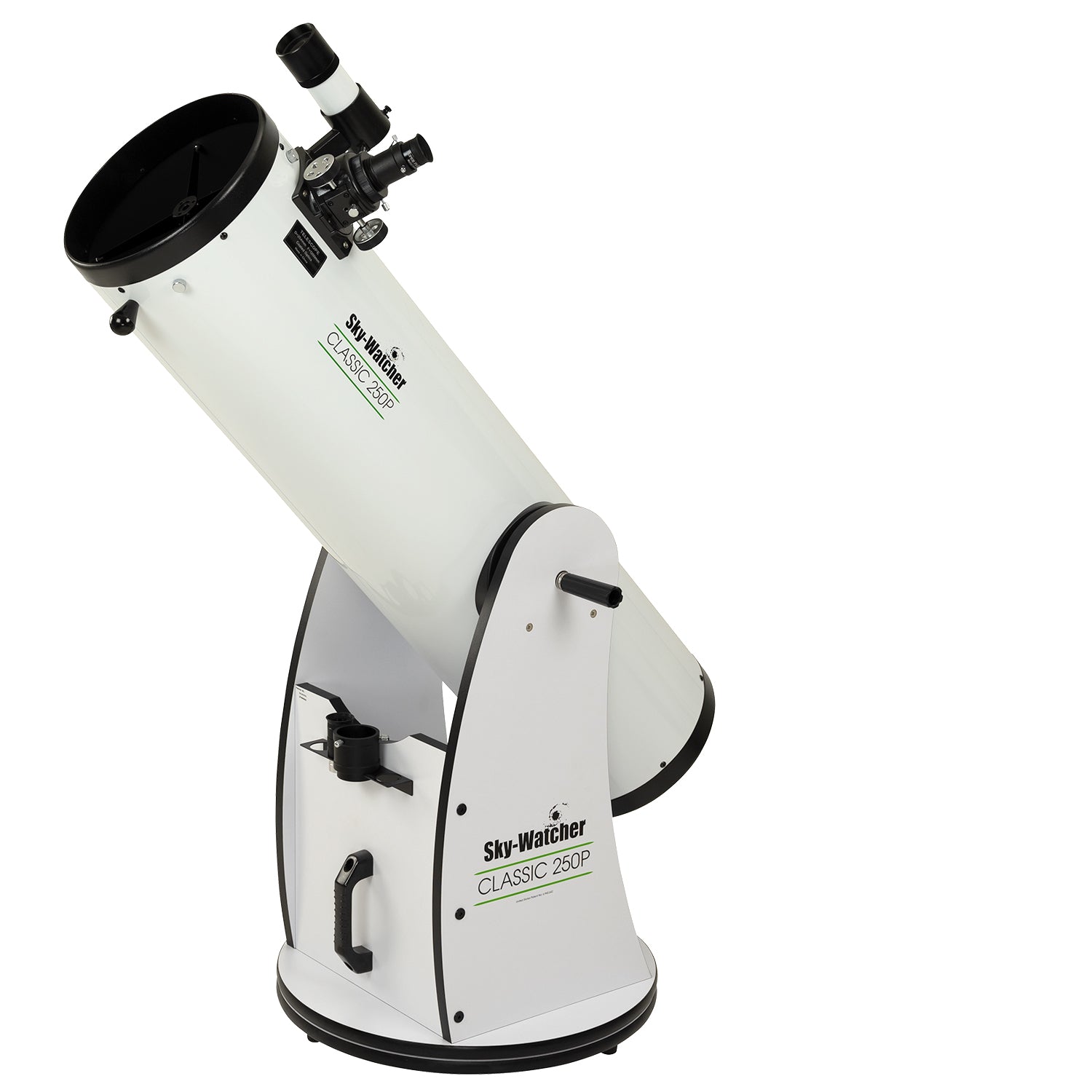
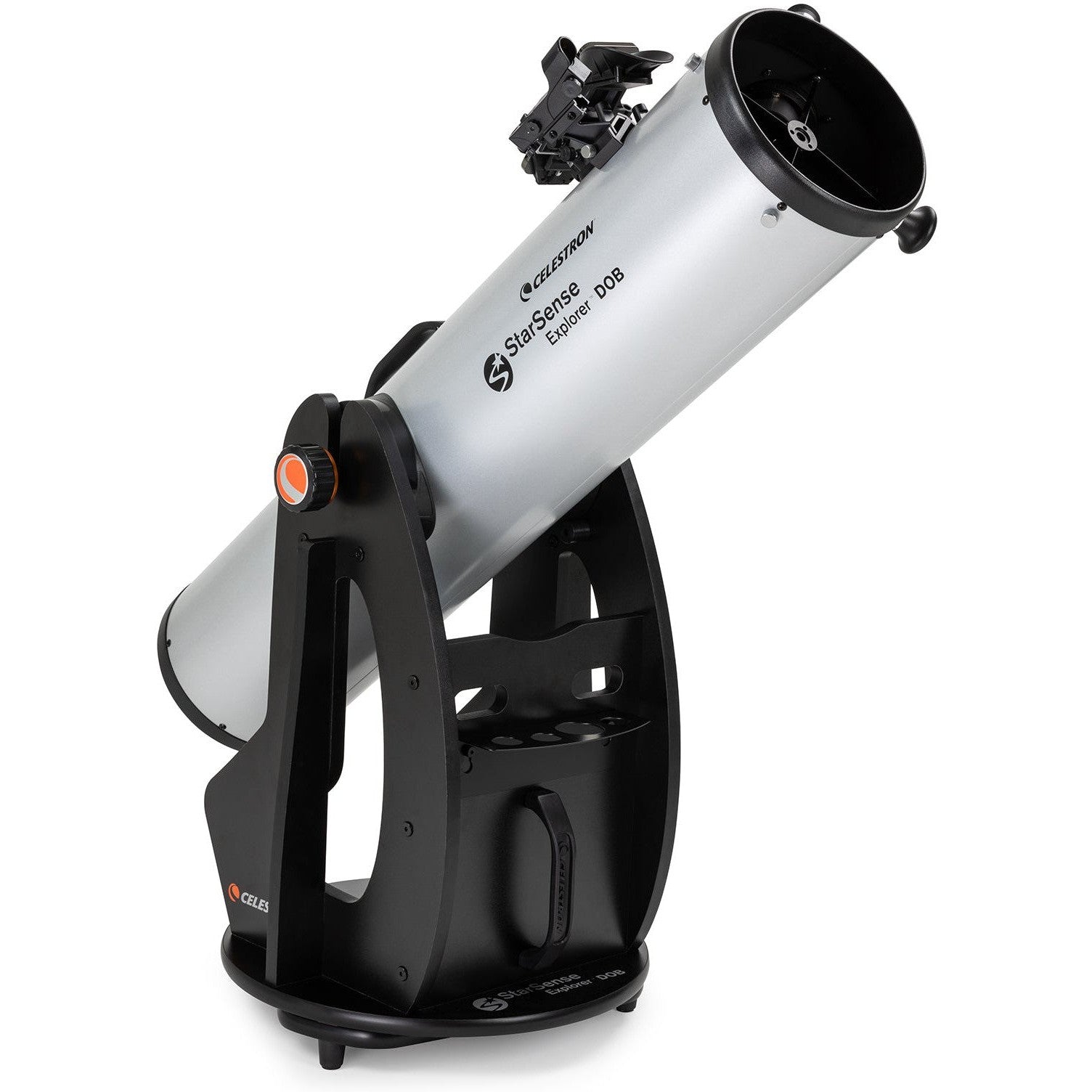
Sky-Watcher Classic 10 Dobsonian

Sky-Watcher's 10-inch Dobsonian: 254 mm of aperture on a smooth, no-nonsense rocker base. The current-brand answer to the classic big-Dob question, delivering deep-sky views that smaller scopes simply cannot reach.

93/ 100
Polaris Score
Performance · ease · portability · upgrade path
See the breakdown ↓
Aperture
254mm
Focal Length
1200mm
Focal Ratio
f/4.7
Mount Type
Dobsonian
Optical Design
Newtonian Reflector
Weight
24.0 kg
From$869

Lowest in 90 daysLowest ever tracked

Price tracked by PolarisObserved 97 timesTracking since Jul 2026

Try in simulator →
What it's built forOpen these in the simulator →

This telescope was built to gather light.

254 mm of aperture pulls in the faint light that galaxies and clusters live or die on. Point it up under a dark sky and objects that are rumors in smaller scopes resolve into real structure.

Sweet spot 190–320×Rewards dark skies
The view people remember

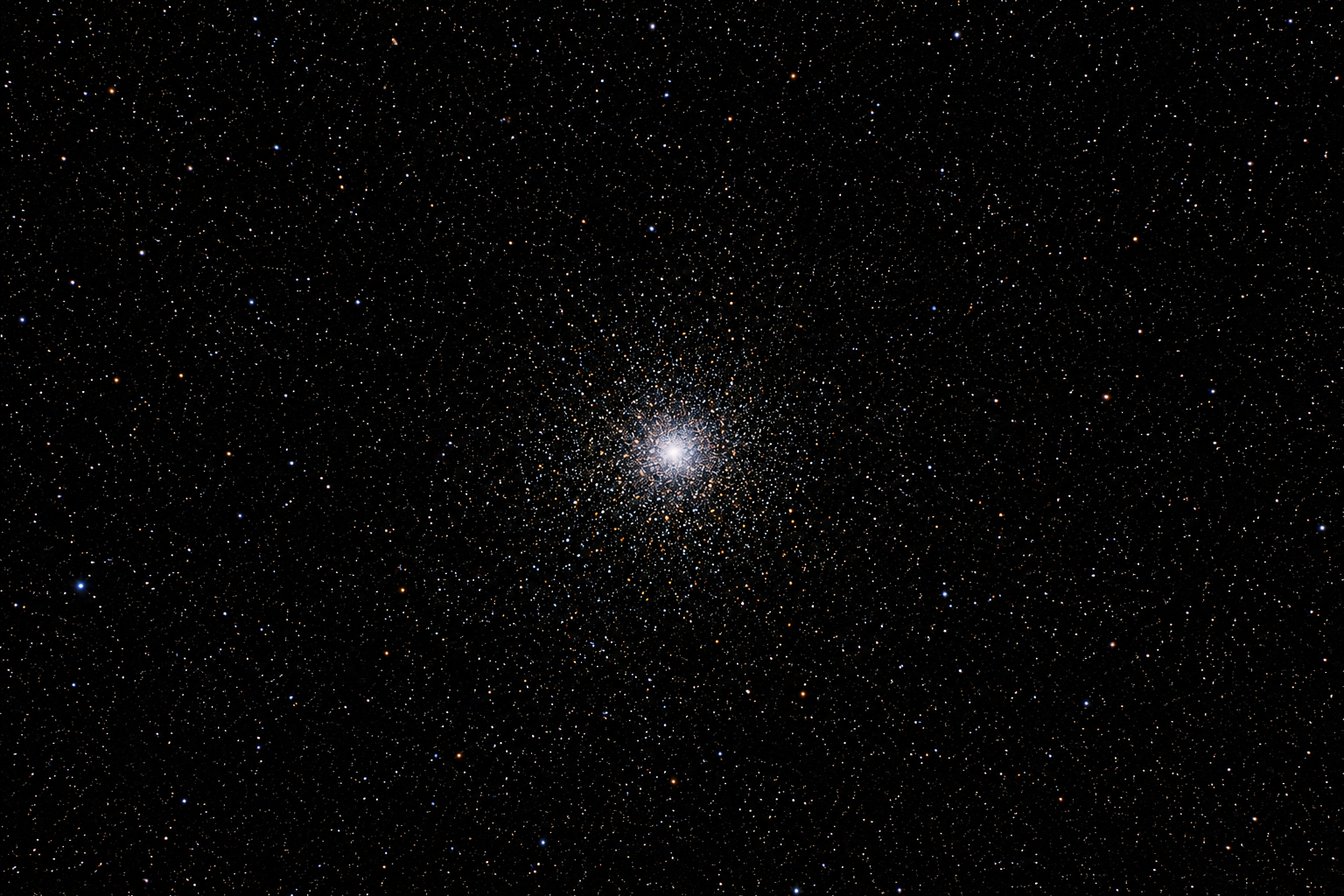
M13, breaking into a hundred stars.

A dark night takes the fuzzy ball and cracks its edges into individual suns — chains of them curving away from a core too dense to resolve.

See Hercules Cluster through this telescope →
01What it's good at

What it's best at — and the trade-offs.

254 mm of aperture reveals faint galaxies, nebulae and resolved globular clusters from a dark sky.
Best at
✓254 mm of aperture reveals faint galaxies, nebulae and resolved globular clusters from a dark sky.
✓The solid tube and smooth bearings track objects easily by hand at any power.
✓At f/4.7 (1200 mm) it pairs reach with a tube one person can still handle.
✓Aperture-per-dollar is exceptional, leaving room in the budget for quality eyepieces.
Trade-offs
!The tube is large and heavy, so it needs storage and car space.
!No tracking means constant nudging, most noticeable at high magnification.
!The f/4.7 mirror needs periodic collimation and shows edge coma without a corrector.
!The stock finder and focuser are serviceable but are common early upgrades.
02In plain English

What These Numbers Mean

254mm · f/4.7 · 1200mm FL · Dobsonian
Aperture
254 mm (10 inch)
Ten inches collects about 1,300 times the light of your eye. Galaxies begin to show structure instead of shape alone, globular clusters resolve into individual stars, and planetary nebulae reveal internal detail from a dark site.
Focal length
1200 mm
Reaches 240x with a 5 mm eyepiece for planetary work while a 30 mm eyepiece gives a wide 40x sweep. That span covers essentially the whole visual observing range.
Focal ratio
f/4.7
Fast optics reach wide, low-power views easily but demand good eyepieces and regular collimation. Cheap wide-angle eyepieces show soft, distorted stars at the edge here.
Optical design
Newtonian reflector
A parabolic mirror gives the most aperture per dollar with no colour error at all. Expect a collimation check before serious sessions and a cooling period after carrying it out.
Weight
~28 kg total
Roughly 62 lb across the tube and base. One person moves it in two trips, but it is a garden telescope rather than a travelling one.
Mount
Manual Dobsonian base
Stable, simple and instantly usable, with no power or alignment needed. You track by nudging, so at high magnification objects need frequent small pushes and long-exposure imaging is off the table.
03The Polaris Score

How it scores, and why.

93/100
93/ 100
Sky-Watcher Classic 10 Dobsonian
Performance
98
Ease of use
80
Portability
55
Upgrade potential
95

Polaris weighs optical capability, how easy the scope is to live with, how portable it is, and how far it takes you before you outgrow it — not list price or brand.

04Who it's for

An honest fit check.

Visual deep-sky observers who want maximum light grasp
Buy it if you
✓Visual deep-sky observers who want maximum light grasp
✓Buyers who value aperture over electronics
✓Observers with a dark site or the will to travel
Look elsewhere if you
!Astrophotographers (a visual Dob, no tracking)
!Buyers short on storage or transport space
!Anyone wanting GoTo or push-to convenience out of the box
05Build your rig

What to buy next — and where it leads.

16 pieces of gear, ordered by what changes the view most
Recommended upgrades
See wider, brighter deep-sky views★ Top pickExplore Scientific 68deg 28mm 2-inch
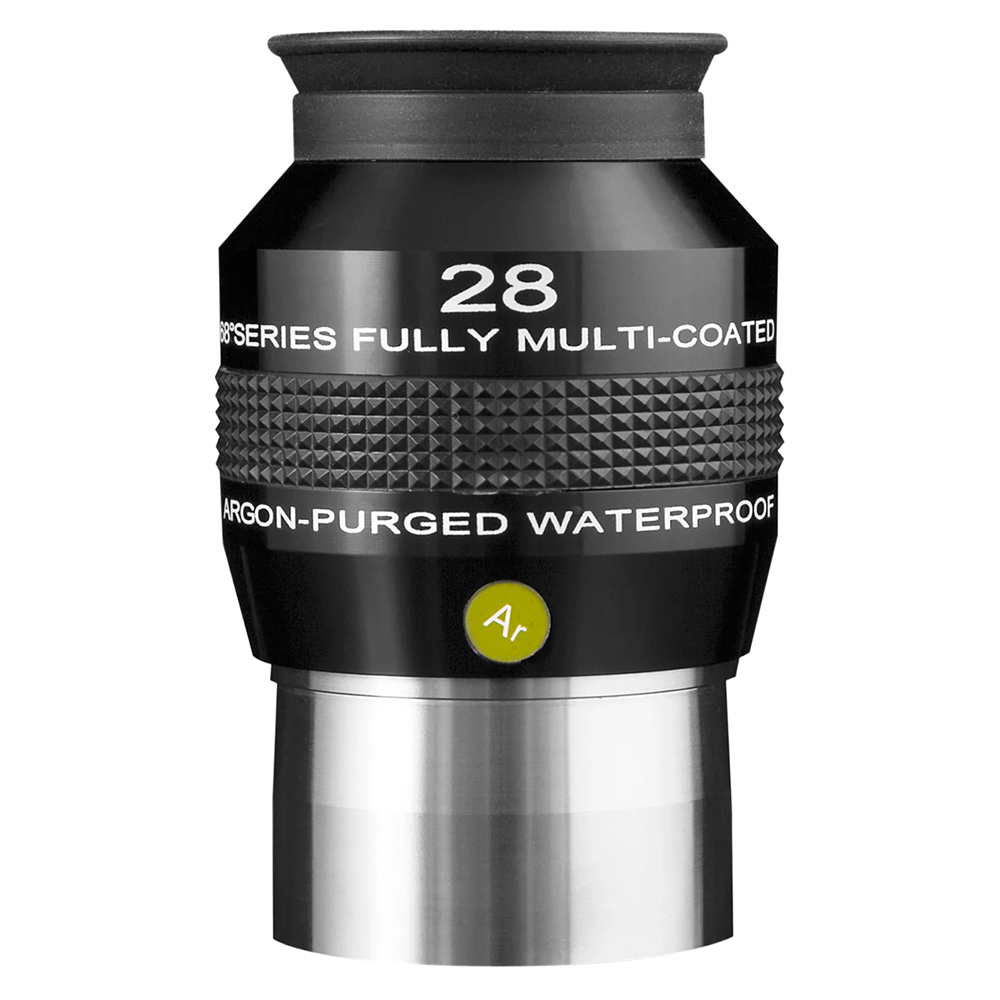
Wider true field for large deep-sky objects.

Make nebulae popOptolong UHC Filter 2″
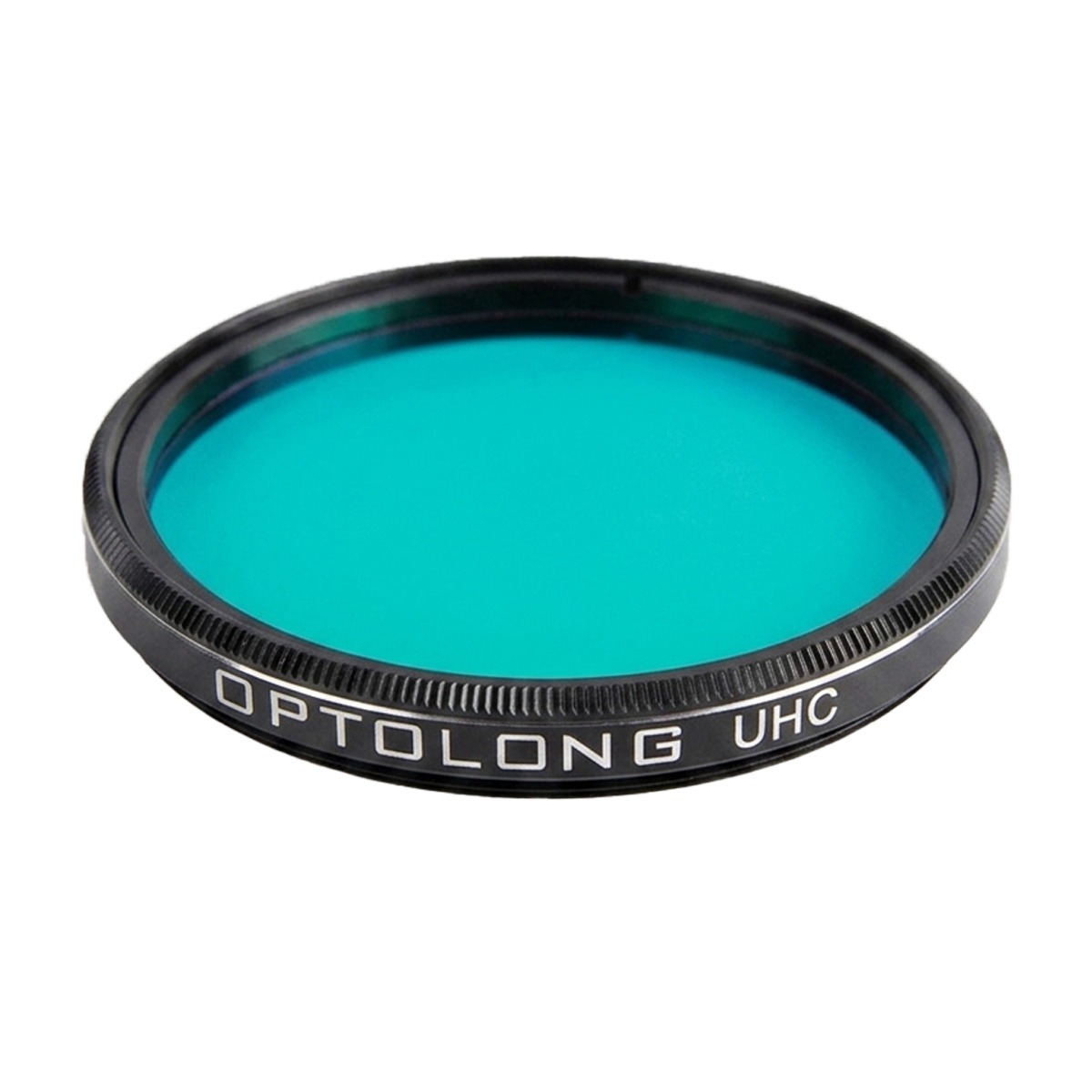
Improves contrast on emission nebulae.

Double your magnificationTele Vue 2x Barlow 1.25-inch
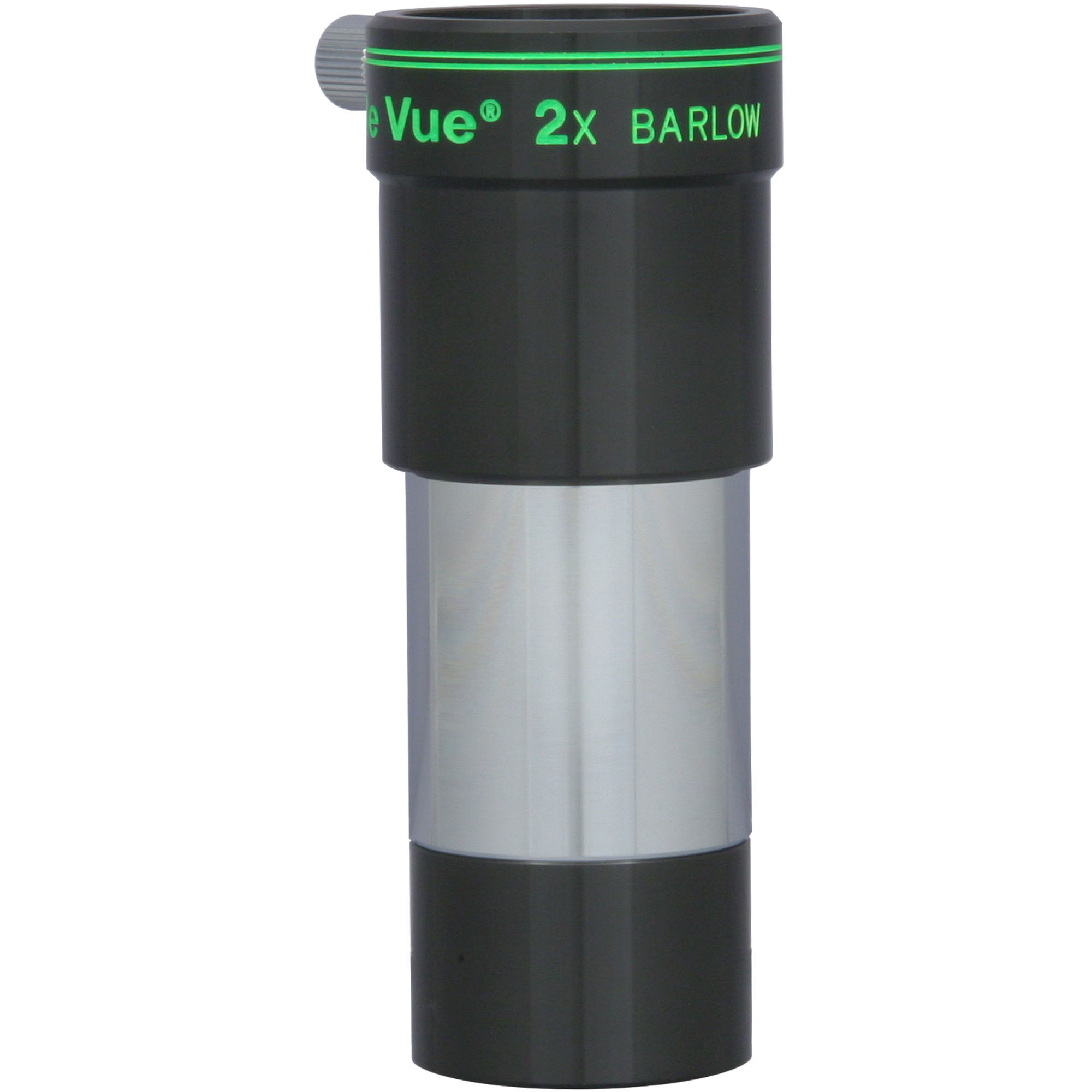
Doubles magnification with no image degradation.

Observe better
Tame lunar glareGSO Moon Filter 13pct 1.25-inch

Improves contrast on nebulae and planets with this setup

Make nebulae popSVBony UHC 1.25-inch

Commonly paired with this telescope

Make nebulae popUHC Nebula Filter
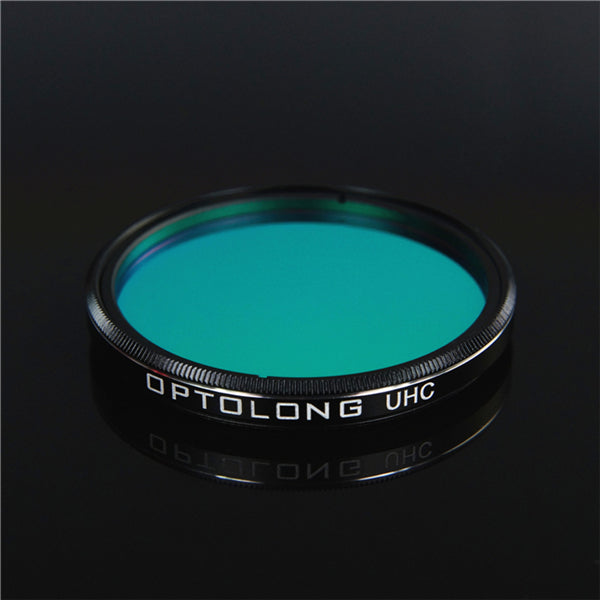
Enhances nebulae by blocking light pollution, best with 8" or larger scopes

Tame lunar glareMoon Filter

Reduces glare for comfortable lunar observing, essential first filter

Show all compatible gear (8) →
Accessories
Sharper planets & lunar detailCelestron X-Cel LX 7mm
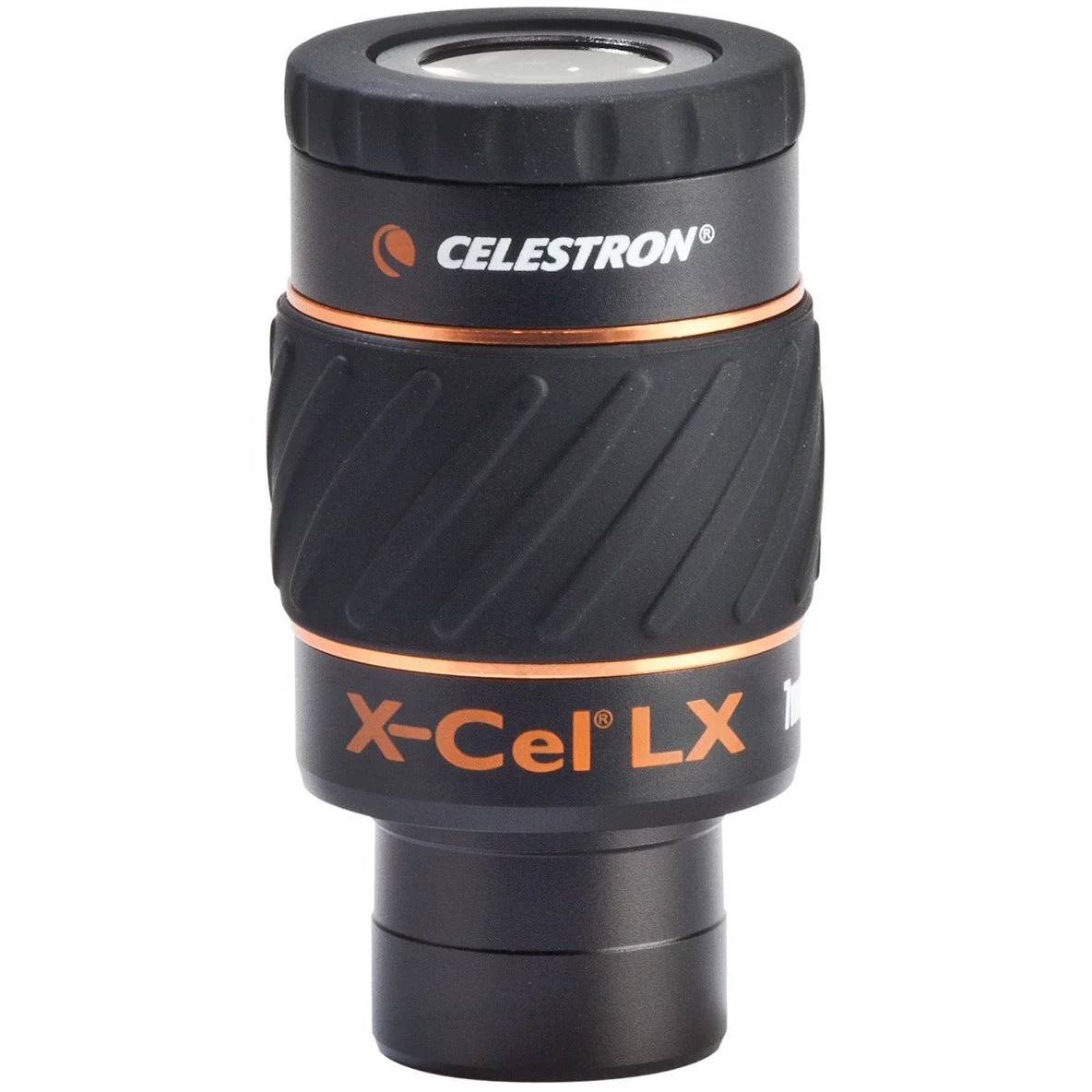
Commonly paired with this telescope

A sharper everyday viewCelestron X-Cel LX 18mm
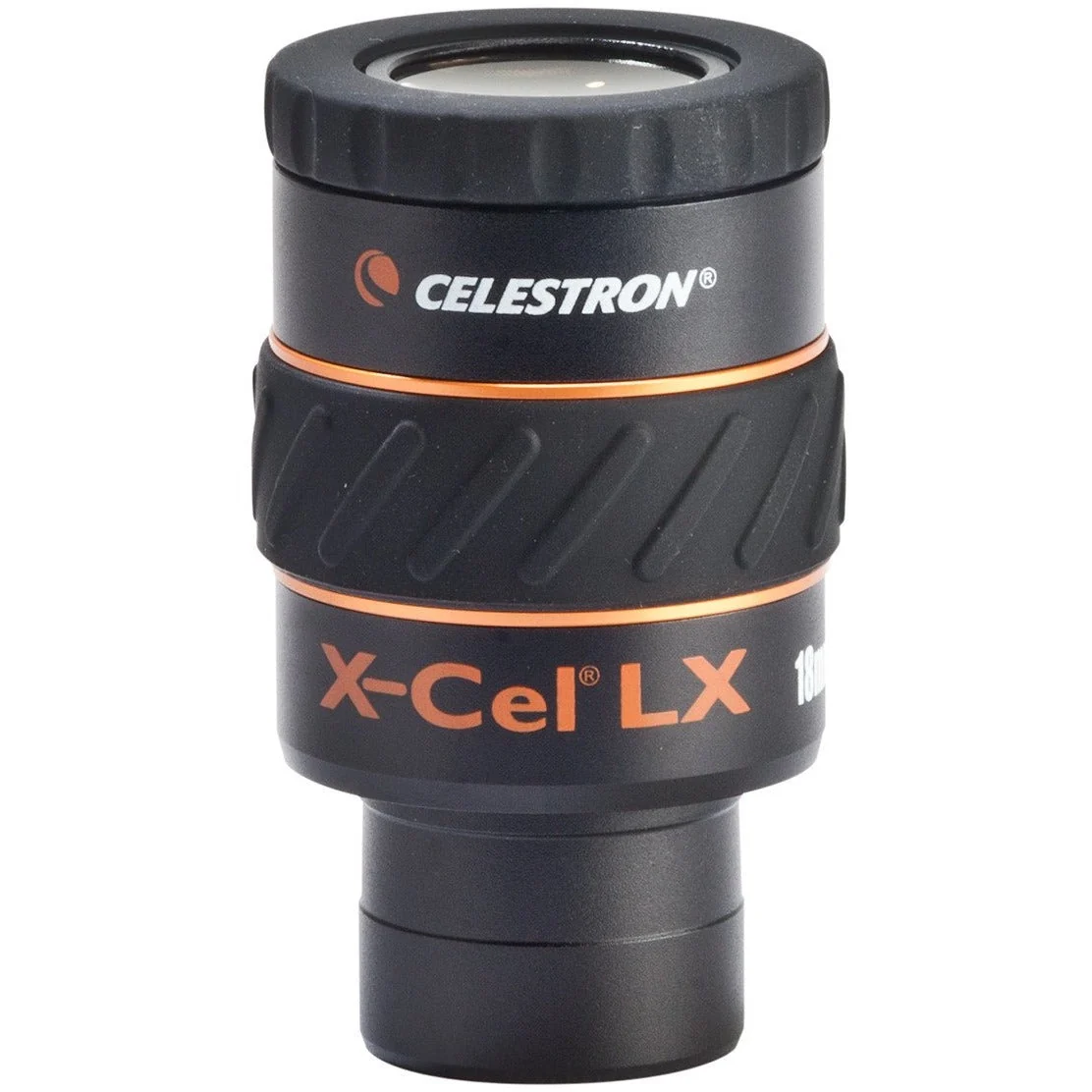
Commonly paired with this telescope

A sharper everyday viewEthos 13mm
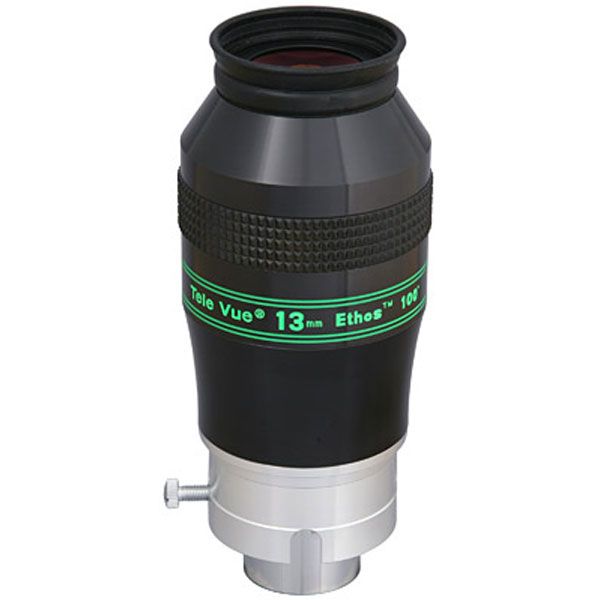
Balanced magnification, great for general observing
Show all compatible accessories (4) →
Lunar & planetary
Excellent
Deep-sky visual
Excellent
Astrophotography
Not its purpose, a visual scope
06The numbers

Full specifications.

6 measured and stated values
Optics
Optical DesignNewtonian Reflector
Aperture254mm
Focal Length1200mm
Focal Ratiof/4.7
Mount & drive
Mount TypeDobsonian
Physical
Weight24.0 kg