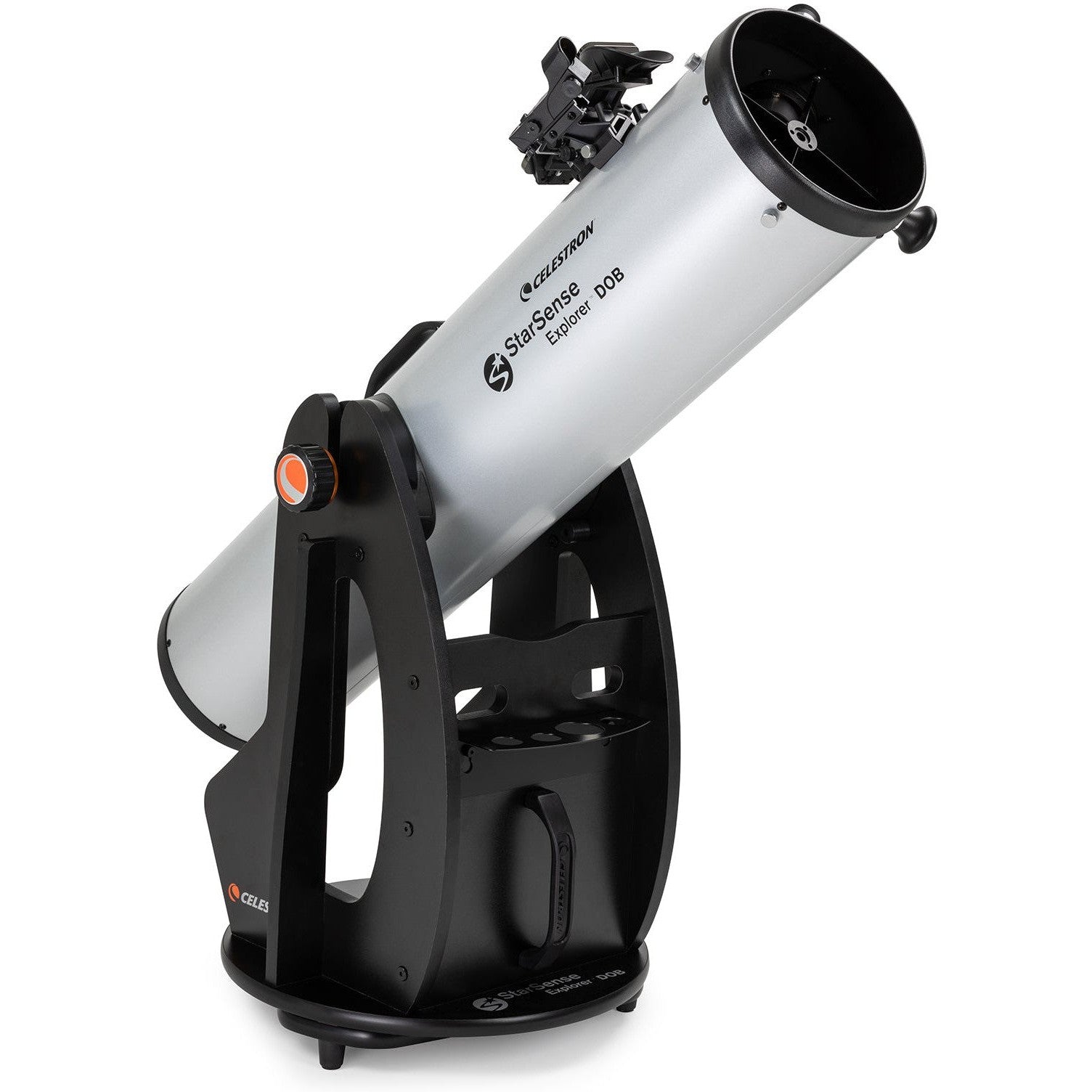
Celestron StarSense Explorer 8 Dobsonian — image 1
Celestron

Celestron StarSense Explorer 8 Dobsonian

Best value

An 8-inch Dobsonian that uses your phone to find things. StarSense turns the intimidating part of a manual scope, knowing where to point, into a guided arrow on your screen, while 203 mm of aperture does the heavy lifting on deep sky.

91/ 100
Polaris Score
Performance · ease · portability · upgrade path
See the breakdown ↓
Aperture
203mm
Focal Length
1200mm
Focal Ratio
f/5.9
Mount Type
Dobsonian
Optical Design
Newtonian
Weight
19.7 kg
From$879

Lowest in 90 daysLowest ever tracked

Price tracked by PolarisObserved 111 timesTracking since Jun 2026

Try in simulator →
What it's built forOpen these in the simulator →

This telescope was built to gather light.

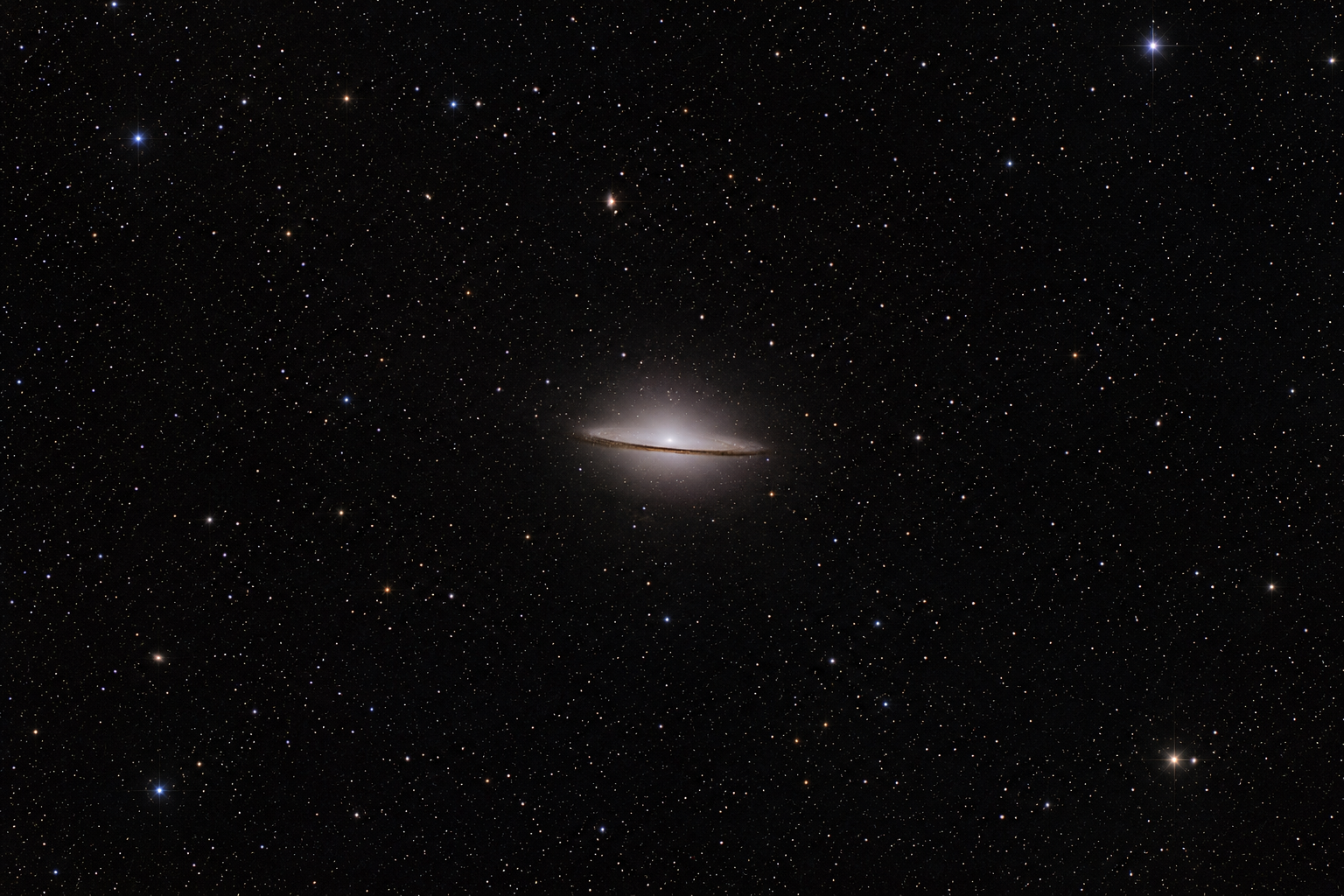
203 mm of aperture pulls in the faint light that galaxies and clusters live or die on. Point it up under a dark sky and objects that are rumors in smaller scopes resolve into real structure.

Sweet spot 150–250×Rewards dark skies
01What it's good at

What it's best at — and the trade-offs.

203 mm of aperture shows galaxies, nebulae and clusters with real detail from suburban and dark skies.
Best at
✓203 mm of aperture shows galaxies, nebulae and clusters with real detail from suburban and dark skies.
✓StarSense uses your phone's camera to plate-solve the sky and guide you to targets, no motors needed.
✓At f/5.9 (~1200 mm) it delivers bright, contrasty views across a usable field.
✓It bridges the gap between a manual Dob and an expensive GoTo scope.
Trade-offs
!StarSense guides you to targets but does not track them, so objects still drift.
!The system depends on your phone and its camera, and needs a clear sky to plate-solve.
!The tube is large and heavy like any 8-inch Dob.
!The f/5.9 mirror needs occasional collimation.
02In plain English

What These Numbers Mean

203mm · f/5.9 · 1200mm FL · Dobsonian
Aperture
203 mm (8 inch)
Eight inches gathers about 840 times the light of your eye, widely regarded as the sweet spot for a first serious telescope. Globular clusters resolve, the brighter galaxies show shape, and Jupiter and Saturn hold real detail at high power.
Focal length
1200 mm
Long enough for 240x on the planets with a 5 mm eyepiece and short enough that a 30 mm eyepiece still gives a wide 40x view. One telescope covers both ends of the target list.
Focal ratio
f/5.9
A comfortable middle ratio. It is short enough to frame large objects at low power yet slow enough that mid-priced eyepieces stay sharp near the edge without a coma corrector, which keeps the accessory budget sane.
Optical design
Newtonian reflector
A parabolic primary with no false colour, on the simplest mount ever devised. Expect to collimate occasionally and to give the mirror time to reach outdoor temperature.
Weight
22.7 kg total
About 50 lb split into a tube and a base for two carries. Comfortable from a garage to a back garden; awkward up a flight of stairs on a regular basis.
Finding system
StarSense smartphone dock
The phone reads the actual star field and guides you onto targets with on-screen arrows, so you can find faint objects without learning the constellations first. It is the feature that makes a manual Dobsonian approachable for a beginner.
03The Polaris Score

How it scores, and why.

91/100
91/ 100
Celestron StarSense Explorer 8 Dobsonian
Performance
92
Ease of use
90
Portability
65
Upgrade potential
90

Polaris weighs optical capability, how easy the scope is to live with, how portable it is, and how far it takes you before you outgrow it — not list price or brand.

04Who it's for

An honest fit check.

Beginners who want serious aperture but fear getting lost
Buy it if you
✓Beginners who want serious aperture but fear getting lost
✓Suburban observers who need help finding faint targets
✓Buyers who want most of GoTo's convenience for less
Look elsewhere if you
!Astrophotographers (still a visual alt-az Dob)
!Observers who want fully automated slewing and tracking (you push it by hand)
!Anyone without a compatible smartphone to run the app
05Build your rig

What to buy next — and where it leads.

17 pieces of gear, ordered by what changes the view most
Recommended upgrades
See wider, brighter deep-sky views★ Top pickExplore Scientific 68deg 28mm 2-inch
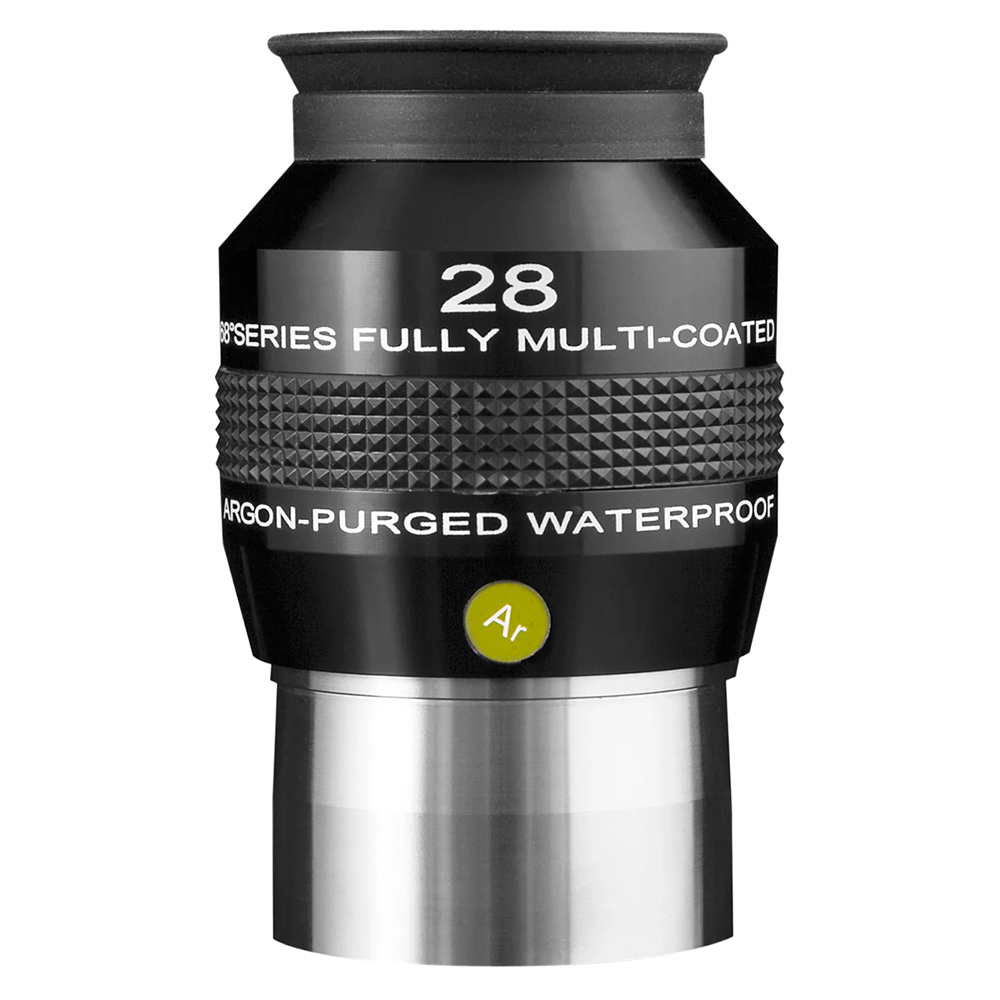
Wider true field for large deep-sky objects.

Make nebulae popOptolong UHC Filter 2″
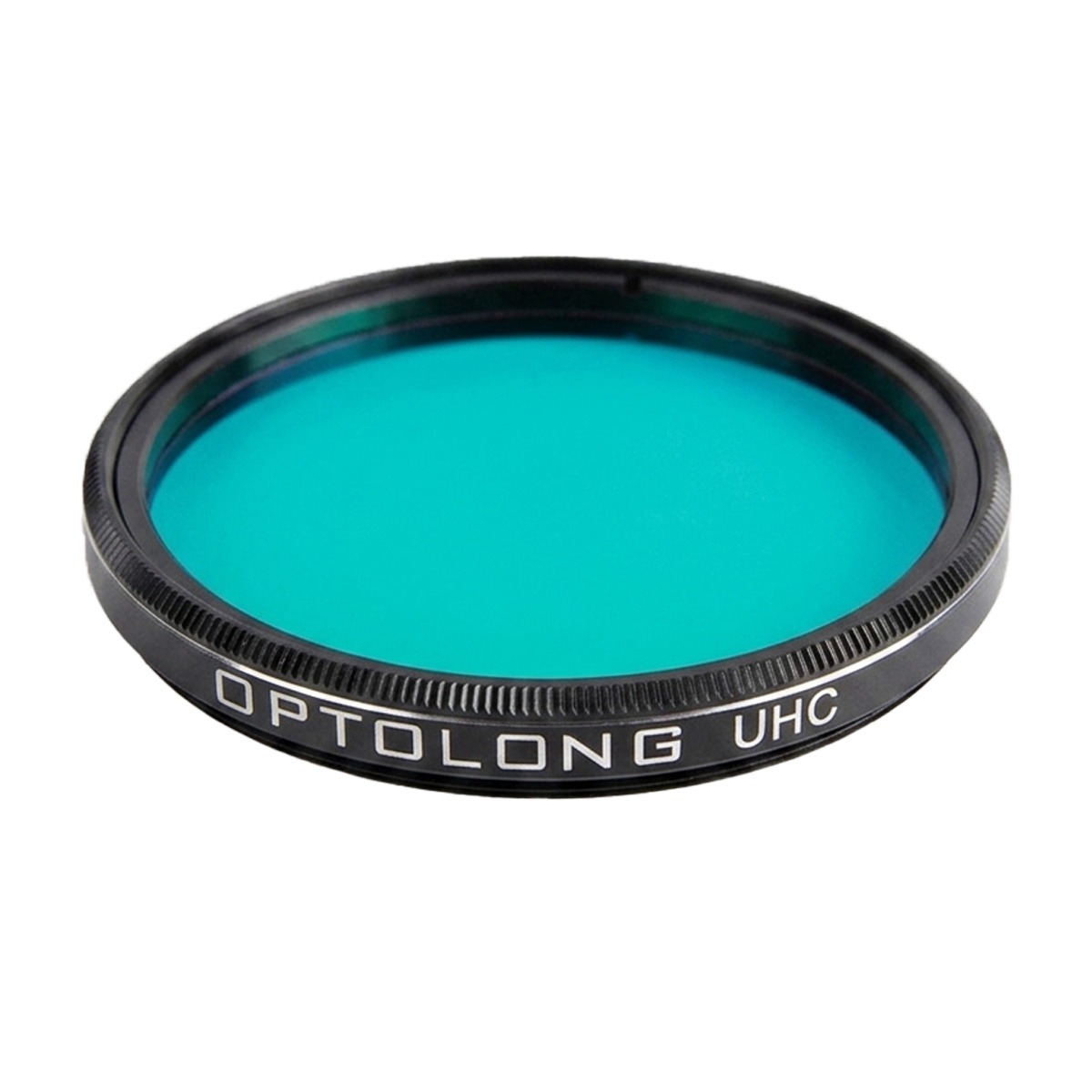
Improves contrast on emission nebulae.

Double your magnificationGSO 2x ED Barlow 1.25-inch
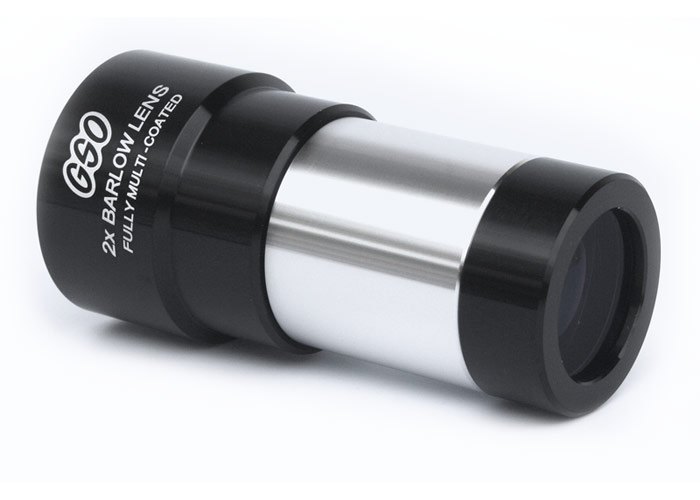
Doubles magnification without buying another eyepiece.

Observe better
Make nebulae popSVBony UHC 1.25-inch

Commonly paired with this telescope

Tame lunar glareGSO Moon Filter 13pct 1.25-inch

Improves contrast on nebulae and planets with this setup

Make nebulae popUHC Nebula Filter
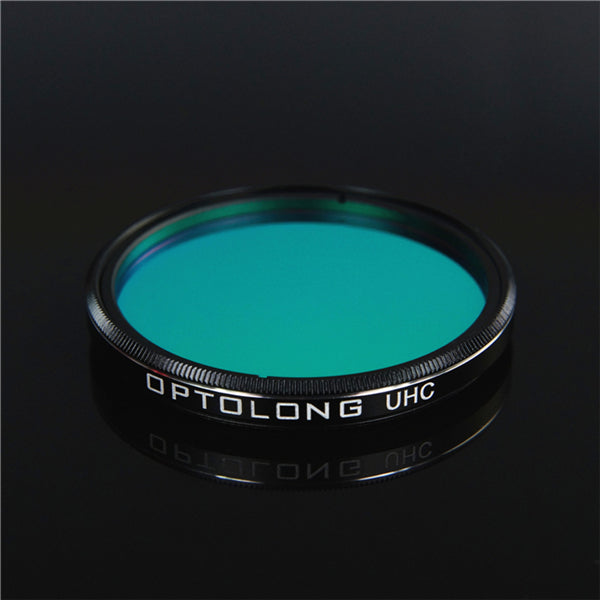
Enhances nebulae by blocking light pollution, best with 8" or larger scopes

Tame lunar glareMoon Filter

Reduces glare for comfortable lunar observing, essential first filter

Show all compatible gear (9) →
Accessories
Sharper planets & lunar detailCelestron X-Cel LX 7mm
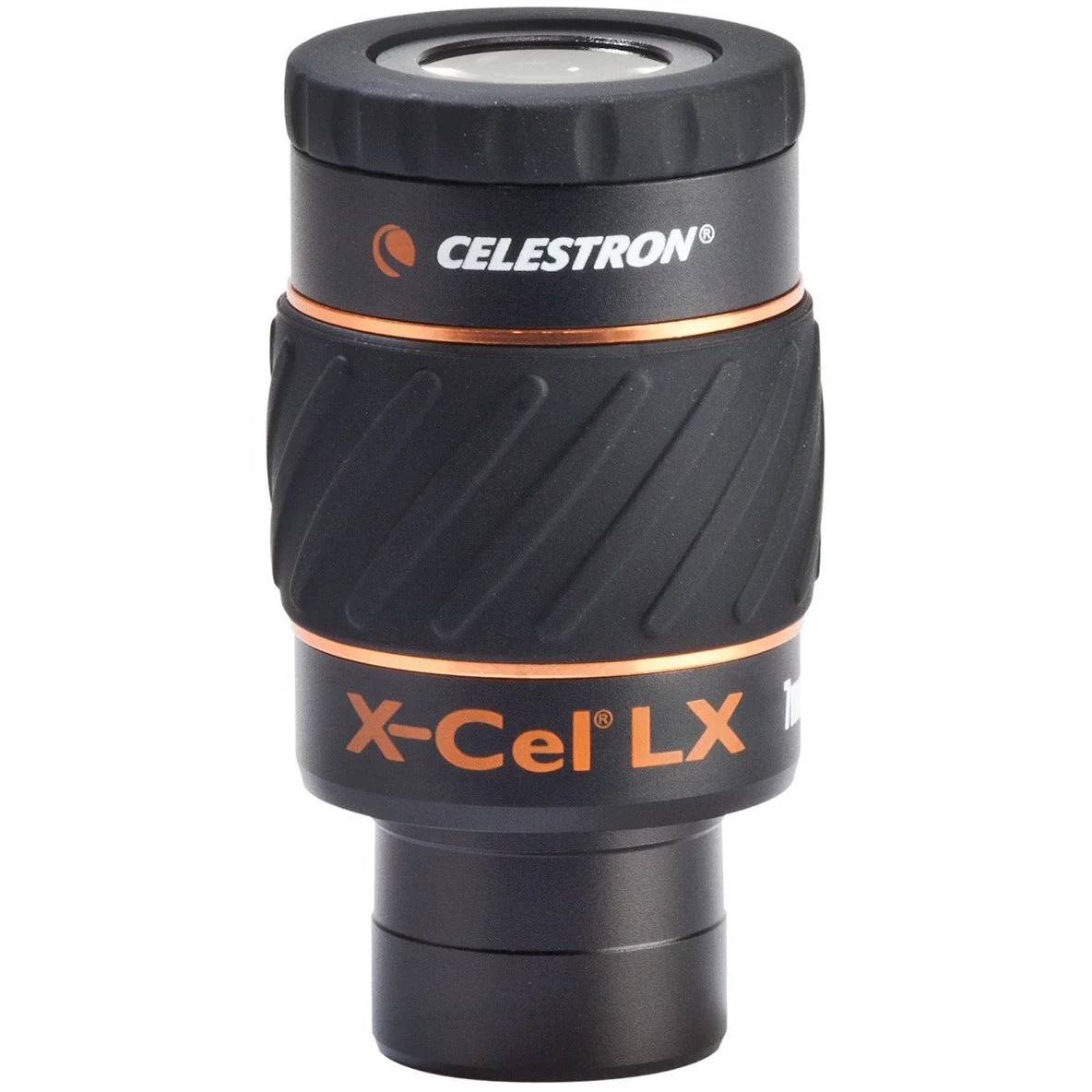
Commonly paired with this telescope

A sharper everyday viewCelestron X-Cel LX 18mm
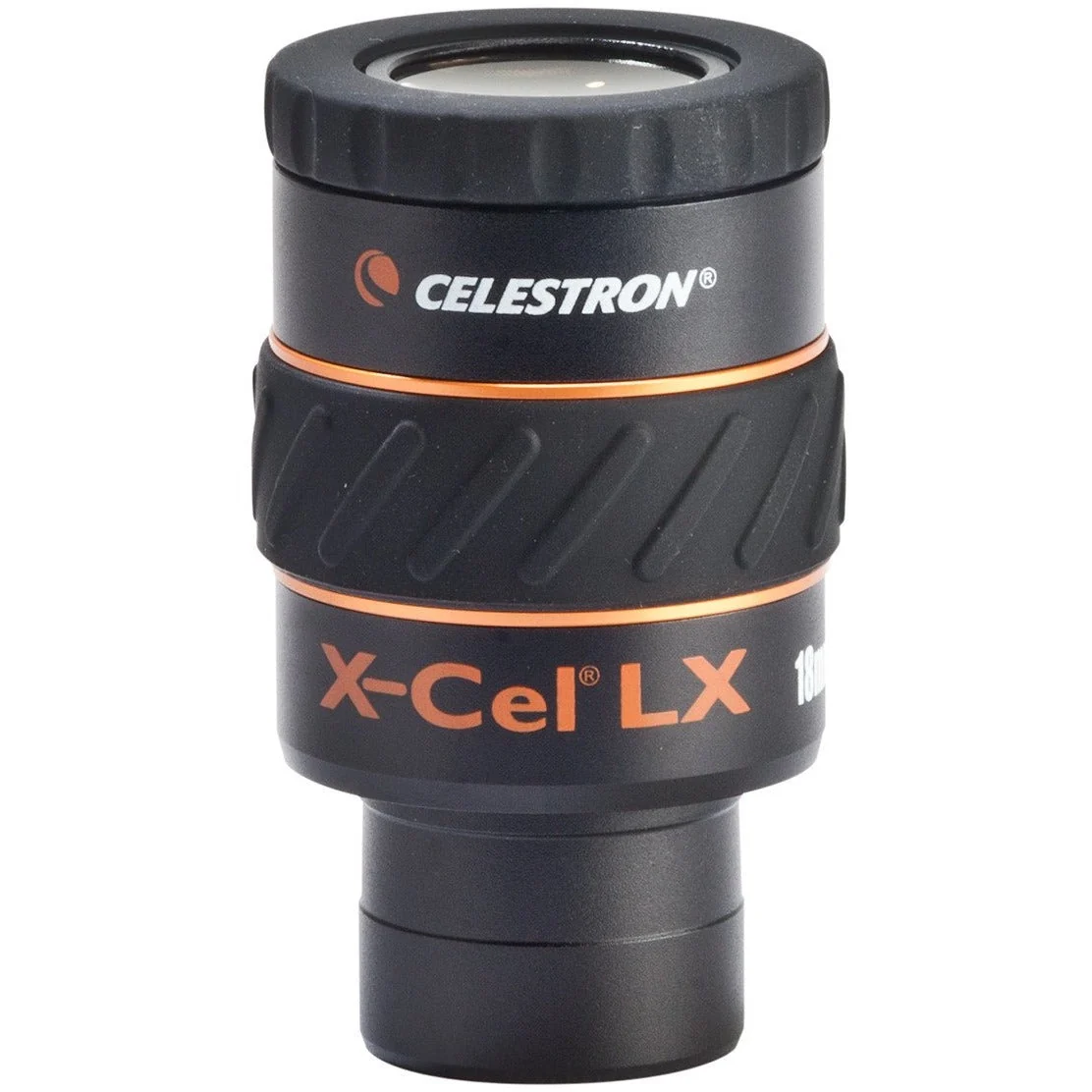
Commonly paired with this telescope

Double your magnificationTele Vue 2x Barlow 1.25-inch
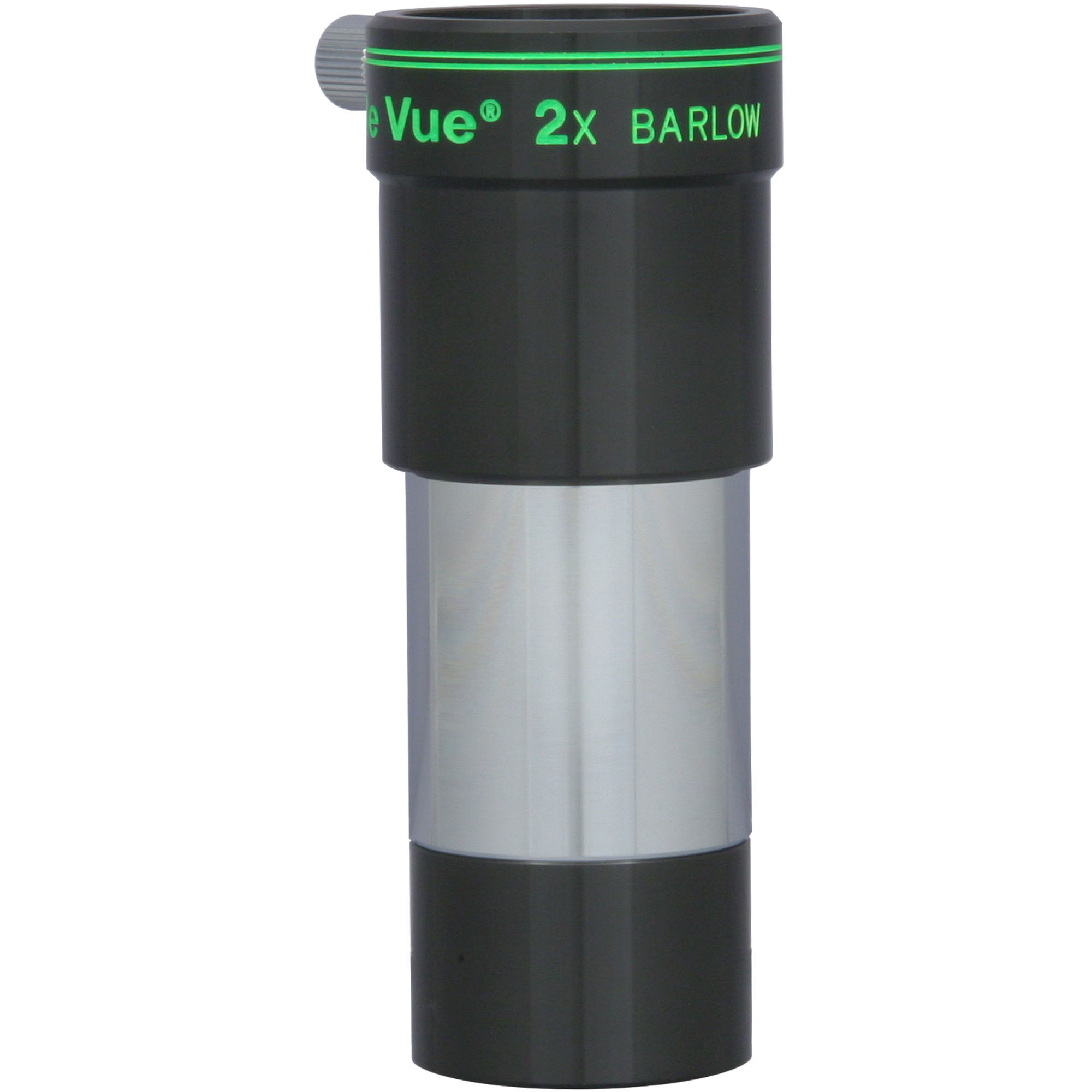
Doubles magnification for closer planetary detail with this telescope

Show all compatible accessories (5) →
Lunar & planetary
Excellent
Deep-sky visual
Excellent
Astrophotography
Not its purpose, a visual scope
06The numbers

Full specifications.

6 measured and stated values
Optics
Optical DesignNewtonian
Aperture203mm
Focal Length1200mm
Focal Ratiof/5.9
Mount & drive
Mount TypeDobsonian
Physical
Weight19.7 kg
Editor’s Take

This is an 8-inch Dobsonian, a big mirror on a simple push-by-hand base, with one clever addition: StarSense. It clamps your phone to the scope, reads the star field to know exactly where you are pointed, and shows on-screen arrows guiding you until the target is centred. It is not motorised GoTo, you still move it by hand, but it removes the beginner's biggest hurdle of finding faint objects. Under the app you still get everything a Dob gives you: 8 inches of light-gathering, no power, just the occasional two-minute collimation.

— The Skynocular verdict