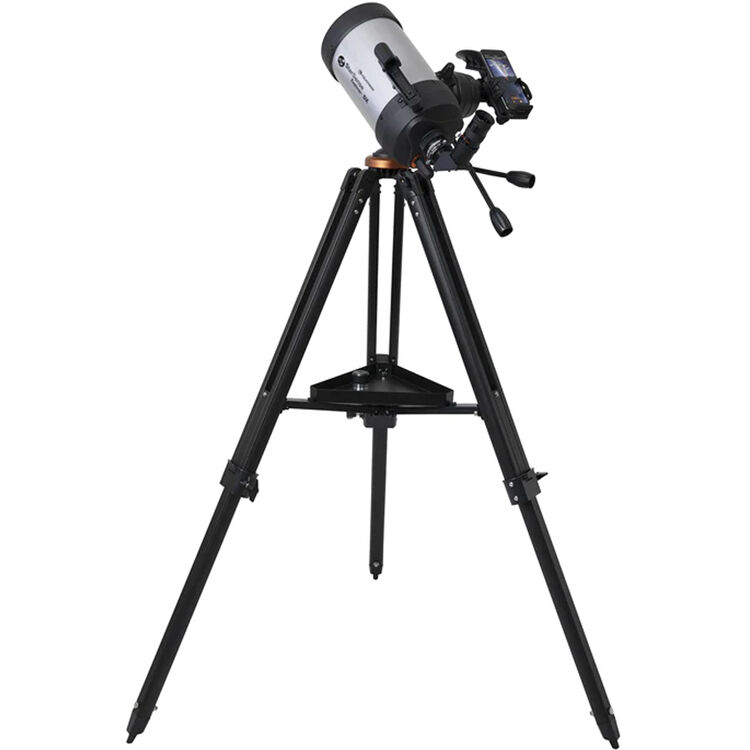
Celestron StarSense Explorer DX 5" SCT
The most optically serious StarSense Explorer, a compact 125mm Schmidt-Cassegrain that puts phone-guided finding behind a long focal length, and the best pick for someone who wants the Moon, planets, and double stars from a scope that lives in a closet.
Lowest in 90 daysLowest ever tracked
Price tracked by PolarisObserved 42 timesTracking since Mar 2026
Verified 9h ago · prices tracked daily
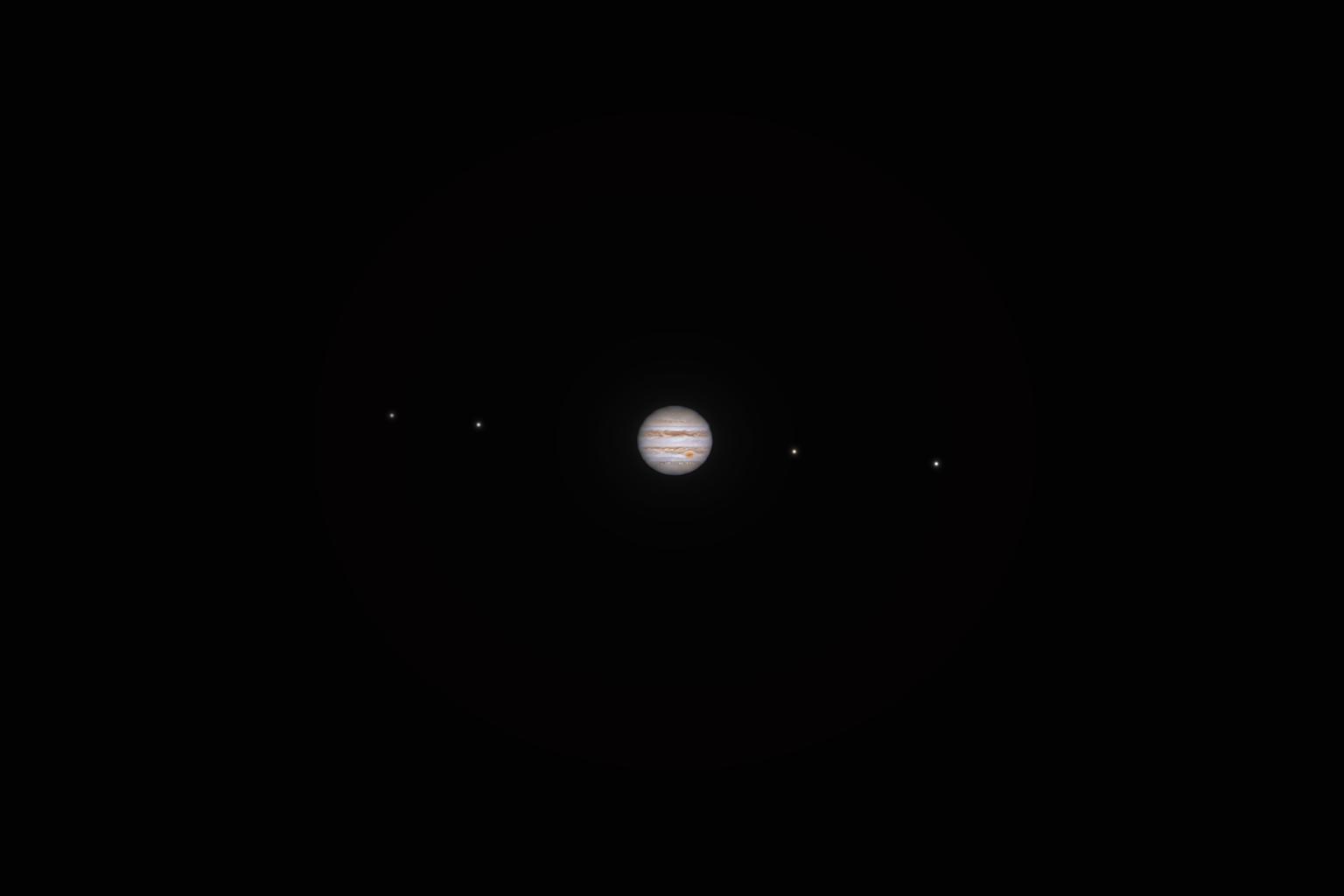
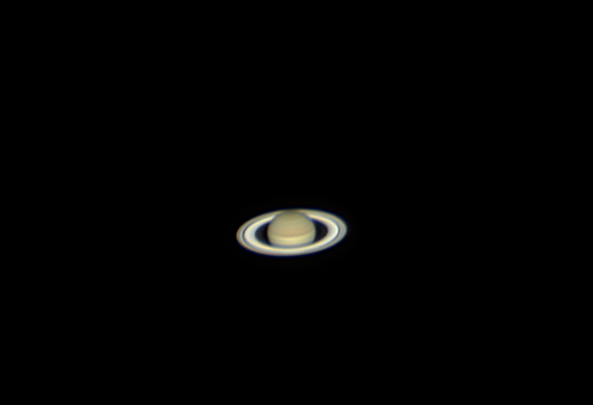
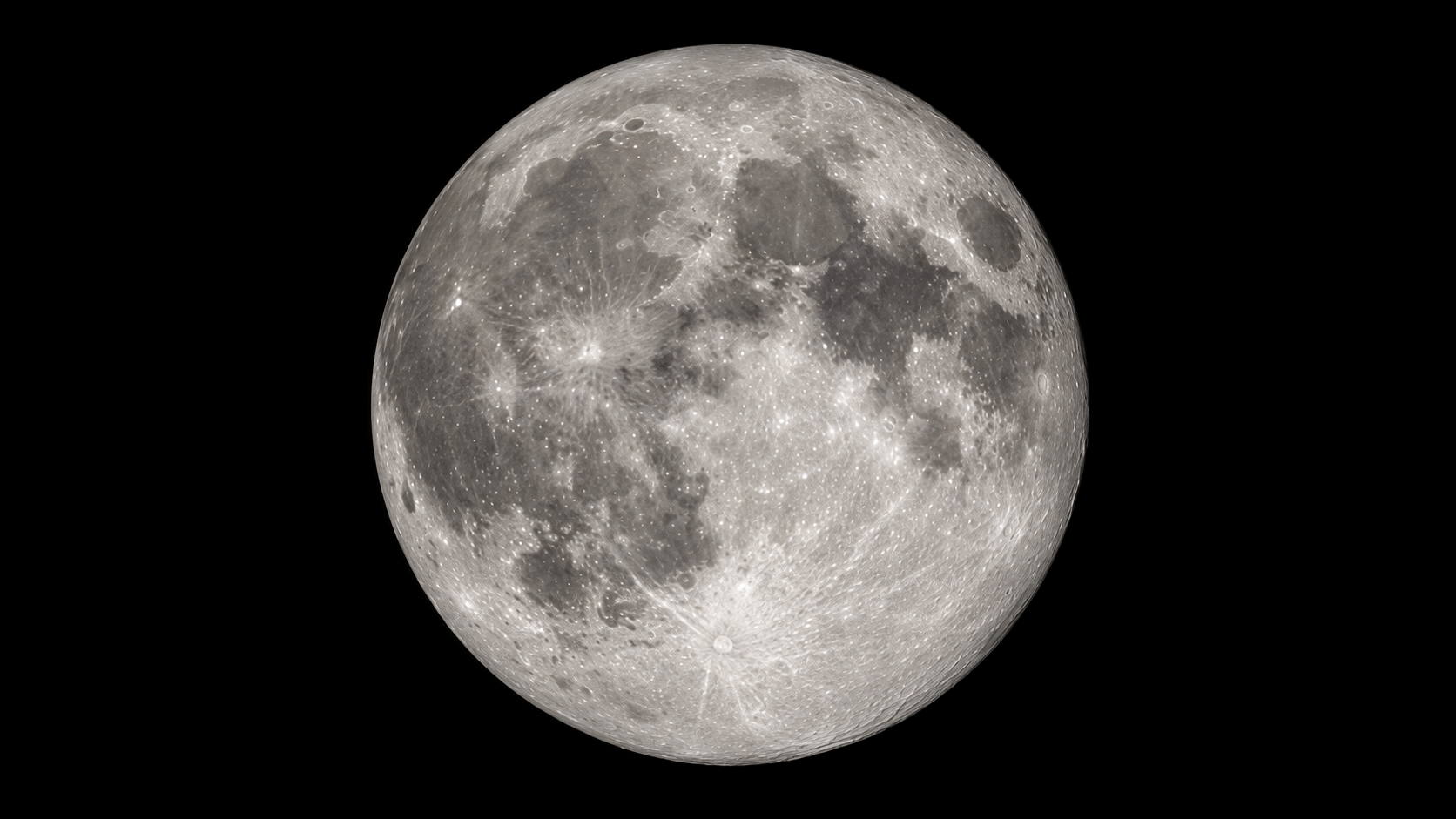


01What it's good atWhat it's best at — and the trade-offs.
1250mm of focal length in a 12-inch-long tube gives real planetary magnification from an instrument that stores on a shelf, which no 5-inch reflector or…
What it's best at — and the trade-offs.
02In plain EnglishWhat These Numbers Mean
125mm · f/10 · 1250mm FL · Manual Alt-Azimuth
What These Numbers Mean
03The Polaris ScoreHow it scores, and why.
74/100 · #3 of 6 smartphone-guided telescopes
How it scores, and why.
Polaris weighs optical capability, how easy the scope is to live with, how portable it is, and how far it takes you before you outgrow it — not list price or brand.
04Who it's forAn honest fit check.
Observers whose main targets are the Moon, planets, and double stars rather than faint…
An honest fit check.
05Build your rigWhat to buy next — and where it leads.
7 pieces of gear, ordered by what changes the view most
What to buy next — and where it leads.
A sharper everyday view★ Top pickExplore Scientific 68deg 24mm
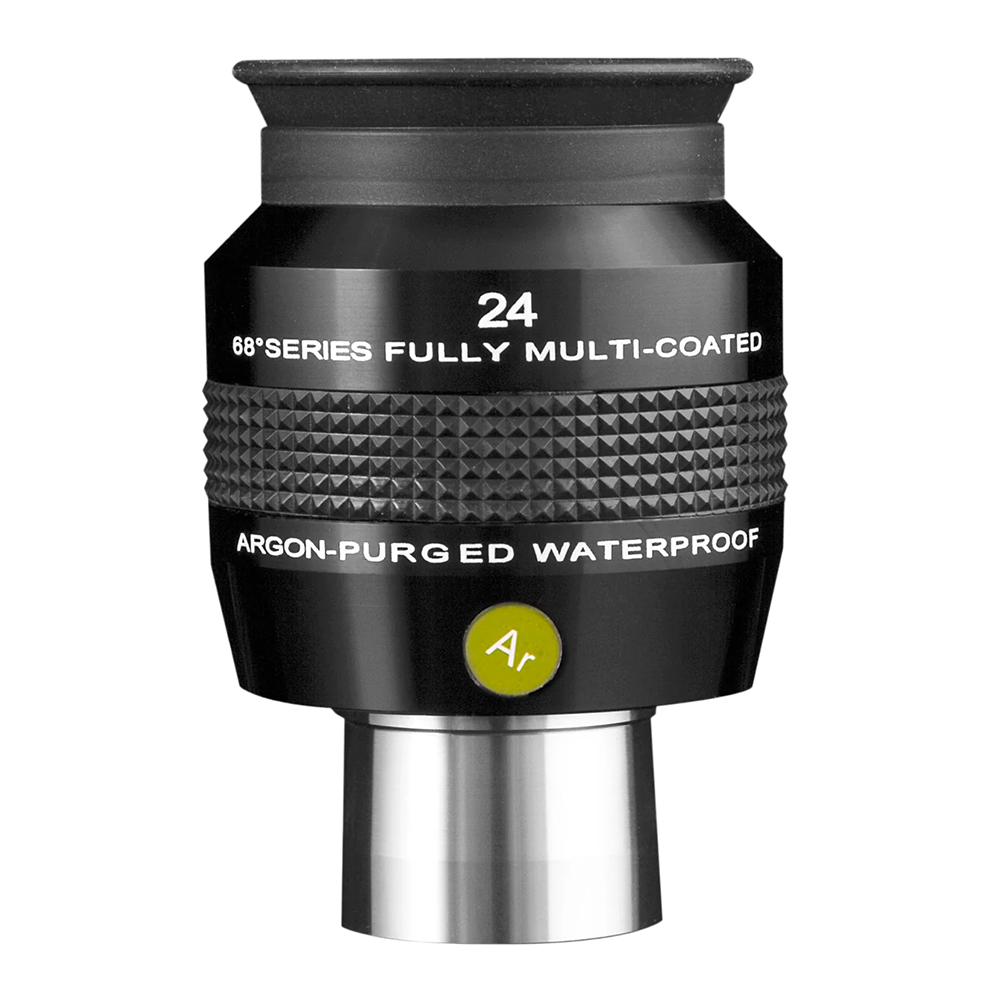
Close to the widest true field the 1.25-inch visual back permits, which makes finding and framing much easier at 1250mm
Sharper planets & lunar detailCelestron X-Cel LX 7mm
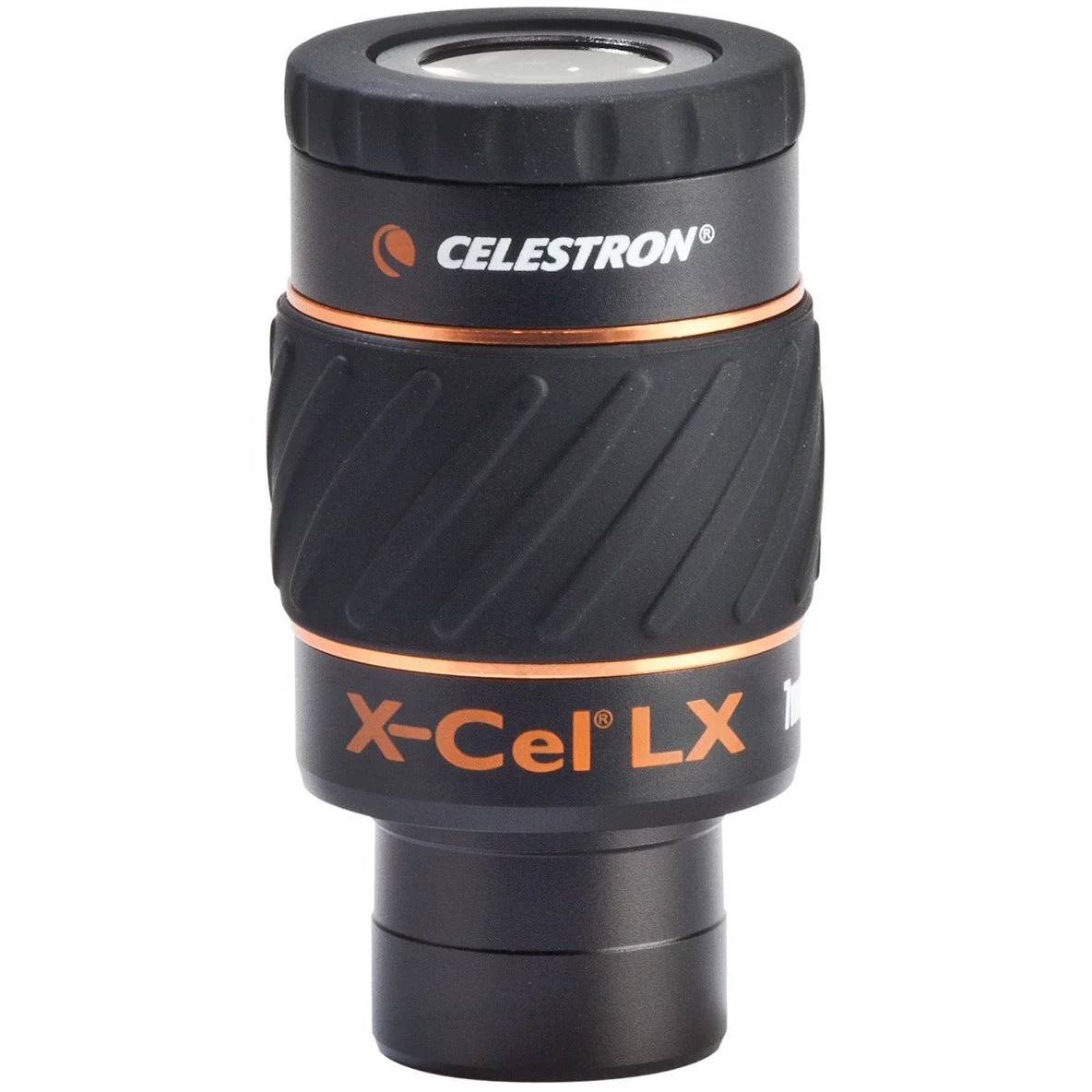
178x with long eye relief, the high-power end this 125mm scope holds cleanly on steady nights
Double your magnificationGSO 2x ED Barlow 1.25-inch
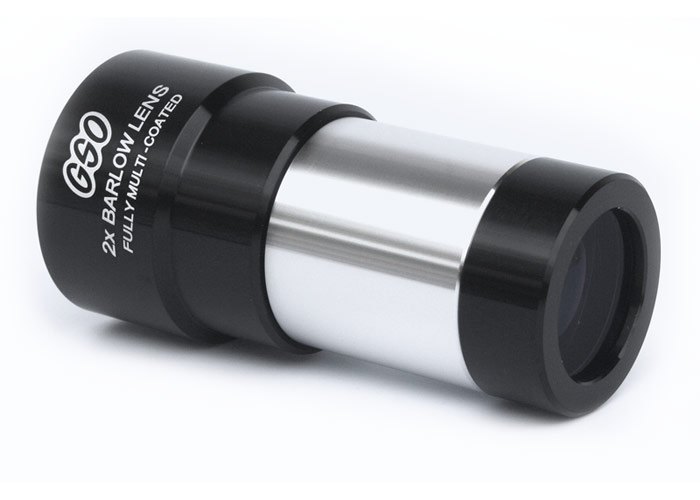
Turns the 24mm into a 104x mid-power view, filling the gap between finding and planetary work
Visual observing tonightManual Alt-Azimuth✓ Included
Ships with this telescope — point-and-track for visual sessions, no extra setup.
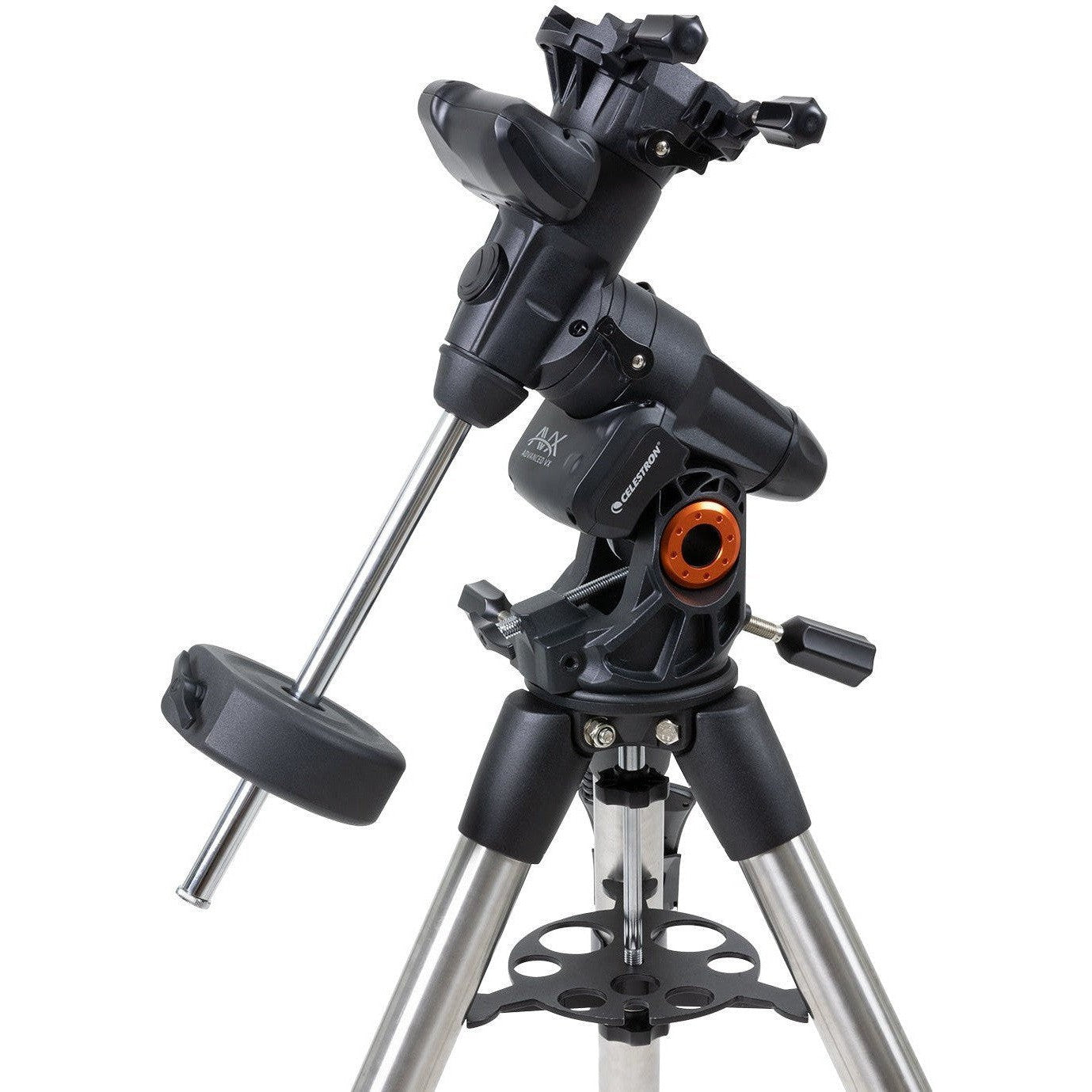
Better tracking & light imagingCelestron Advanced VX (AVX) Equatorial Mount✓ Compatible
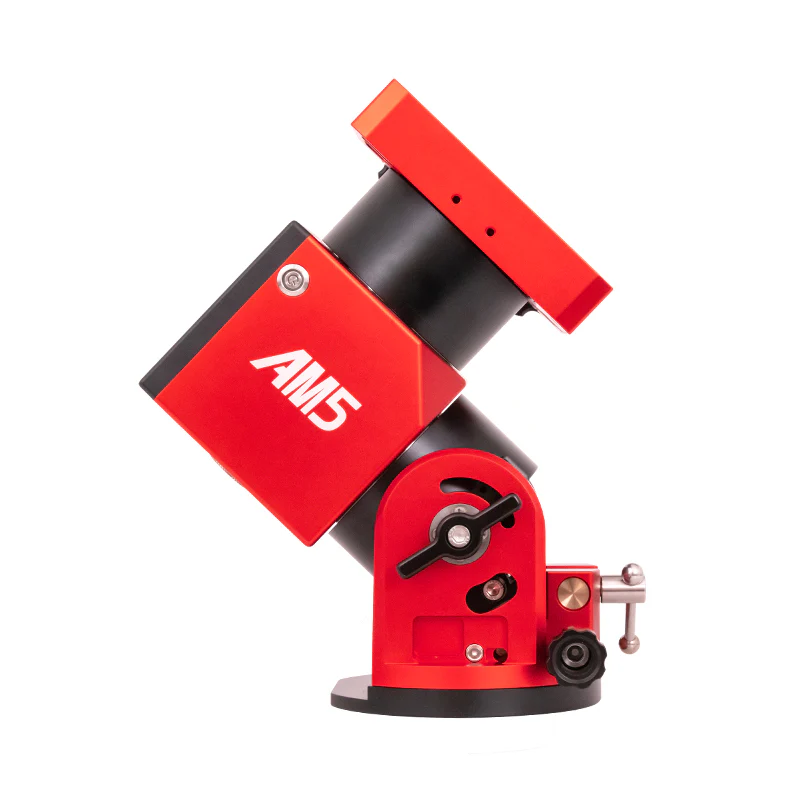
Portable astrophotographyZWO AM5N Harmonic Equatorial Mount✓ Compatible
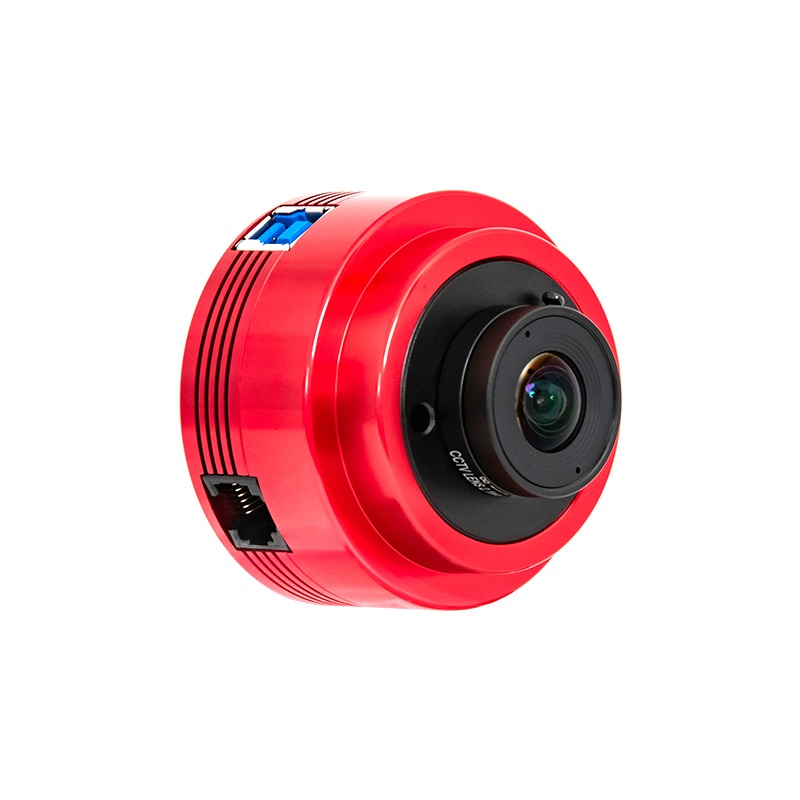
Start imagingZWO ASI662MC
06The numbersFull specifications.
6 measured and stated values
Full specifications.
07AlternativesFor a different goal, start here.
3 alternatives, each mapped to the goal it wins at
For a different goal, start here.
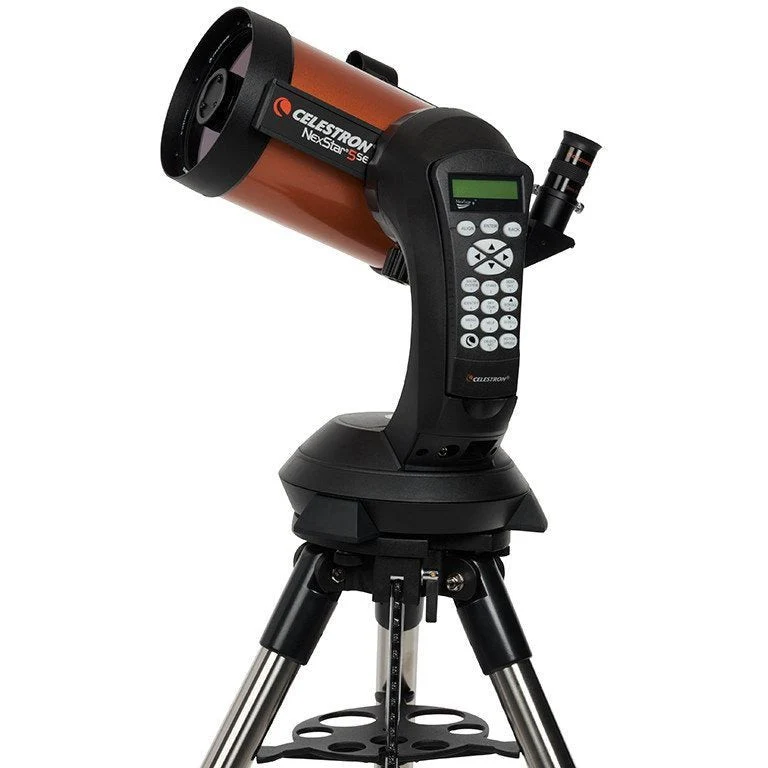
Celestron NexStar 5SE
The identical 125mm SCT on a computerized fork that tracks and slews, for meaningfully more money.
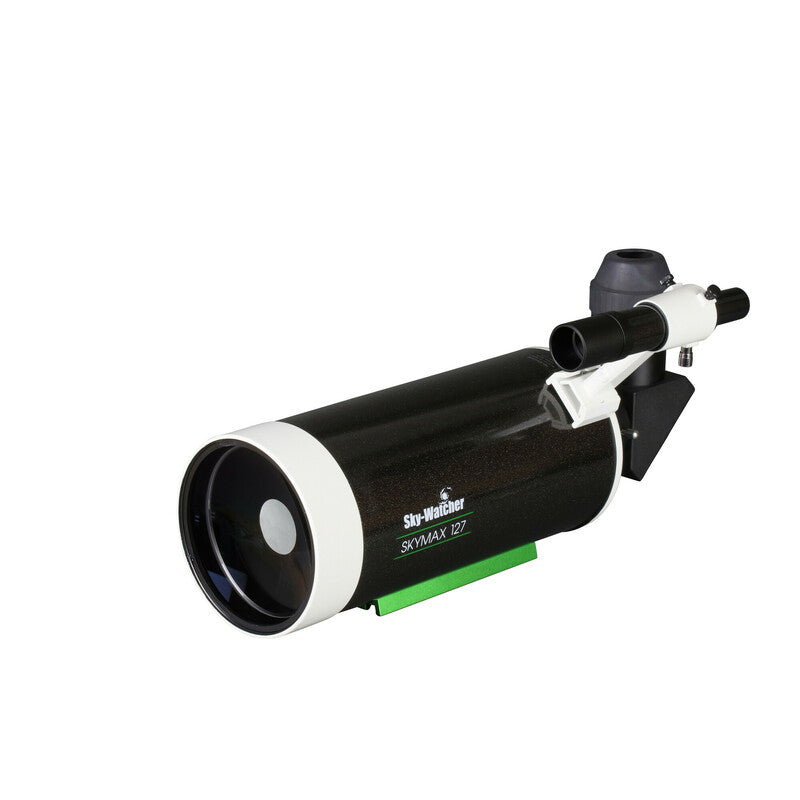
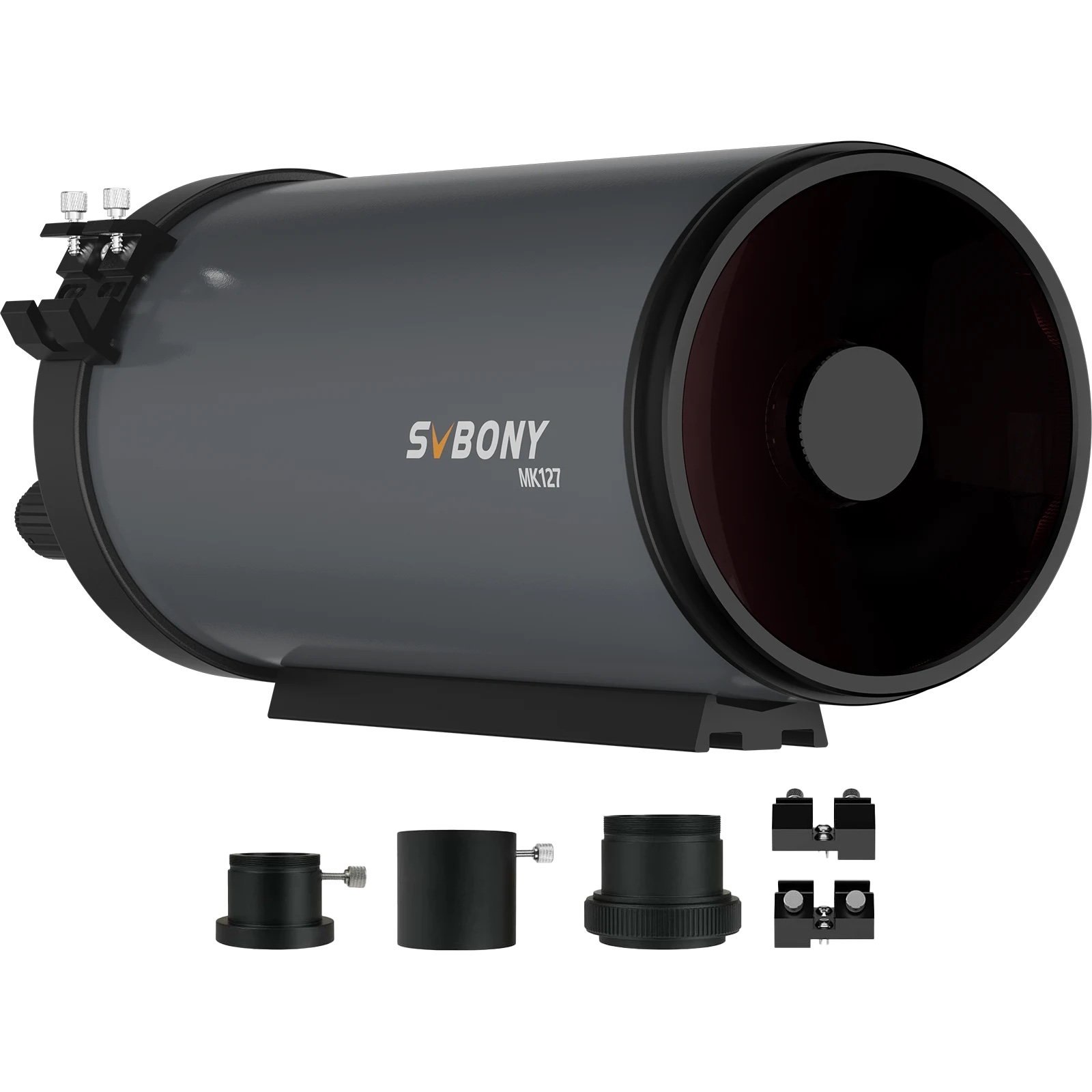
Sky-Watcher Skymax 127
A 127mm Maksutov with slightly crisper high-power views and no dew-prone corrector, but no phone guidance and usually no mount included
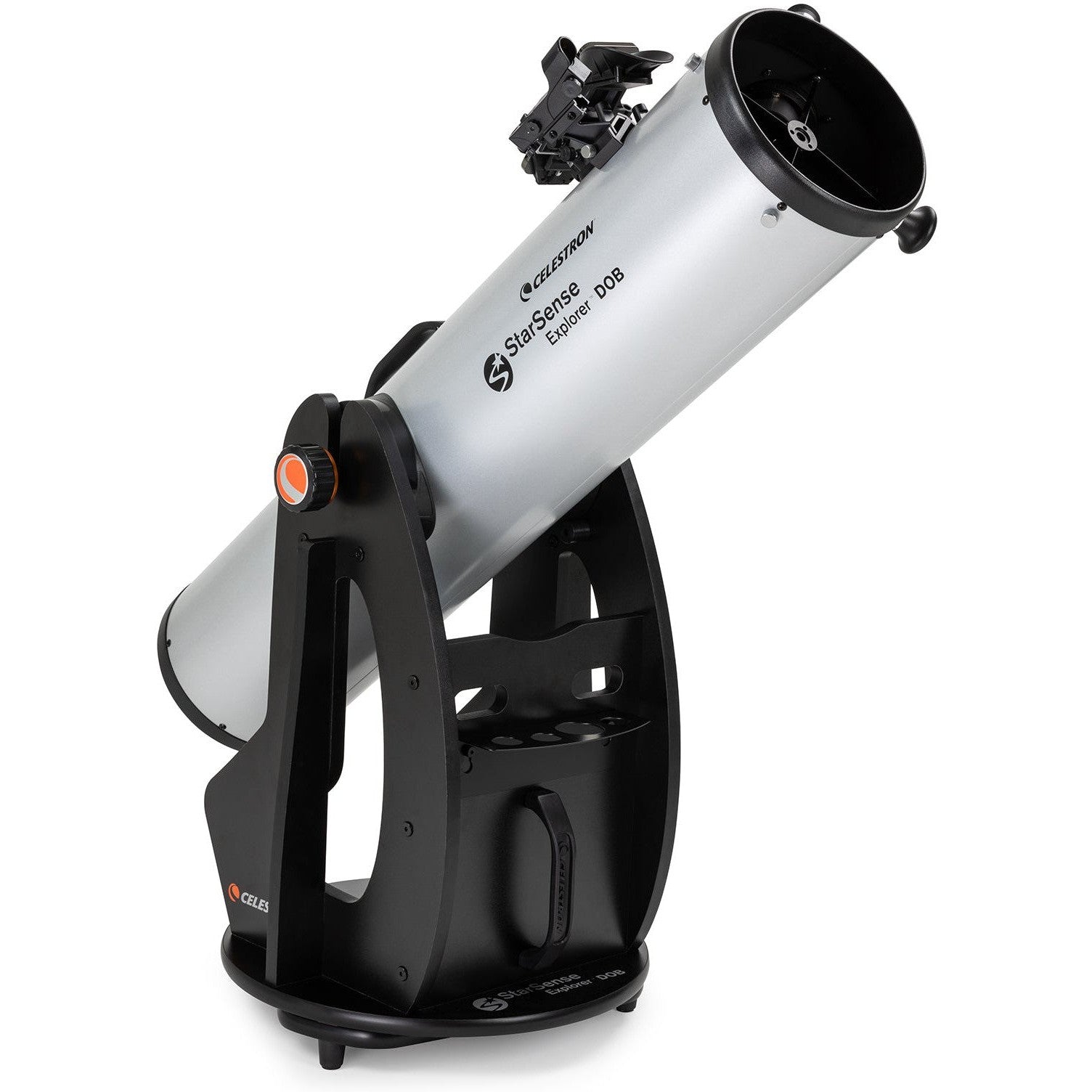
Celestron StarSense Explorer 8 Dobsonian
The same app-guided finding with 203mm of mirror, if you have the space to store and lift it.
The optical tube is the part that lasts. Even if you eventually add a tracking mount or move to a larger scope, a 5-inch SCT keeps earning its shelf space as the telescope you actually take outside on a work night.