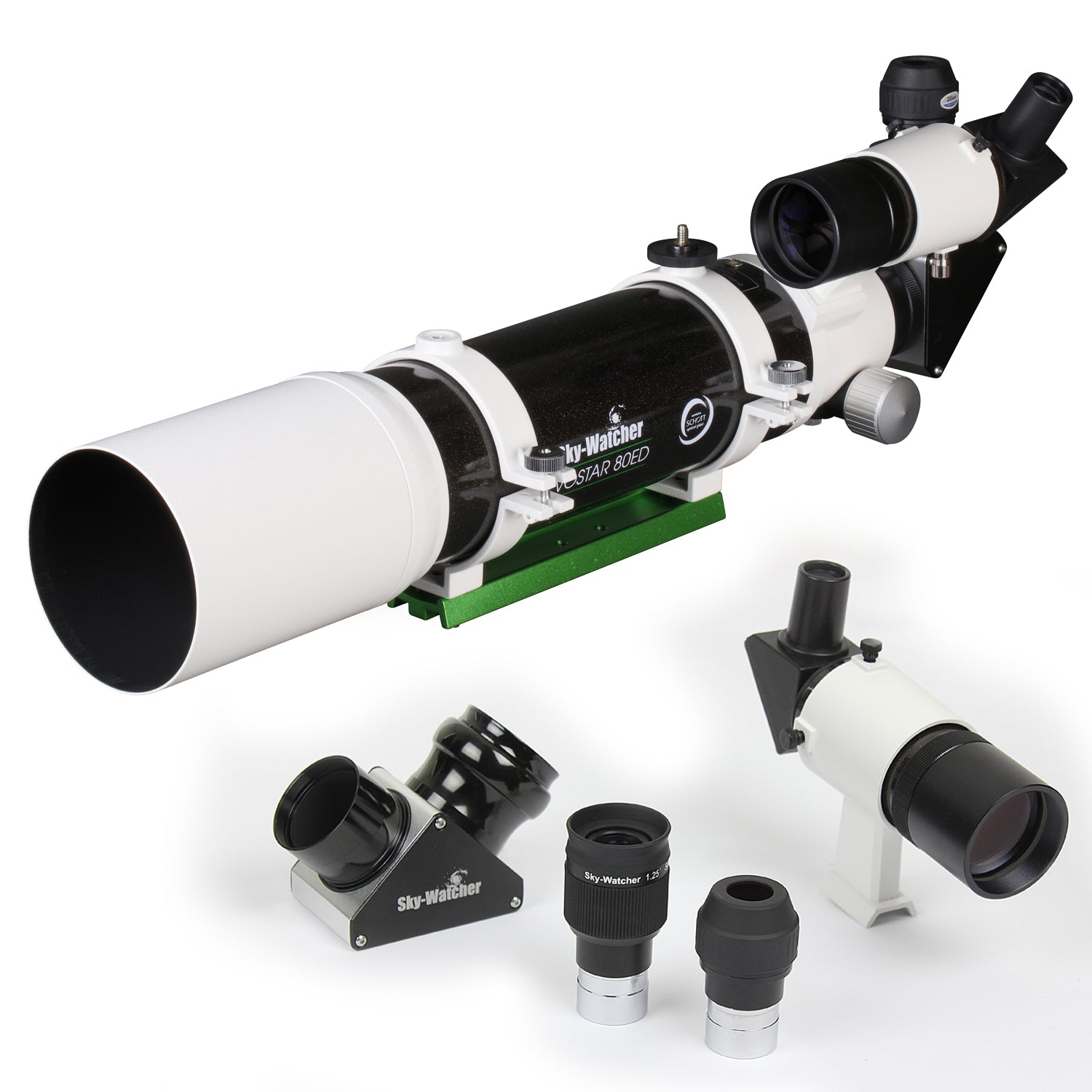
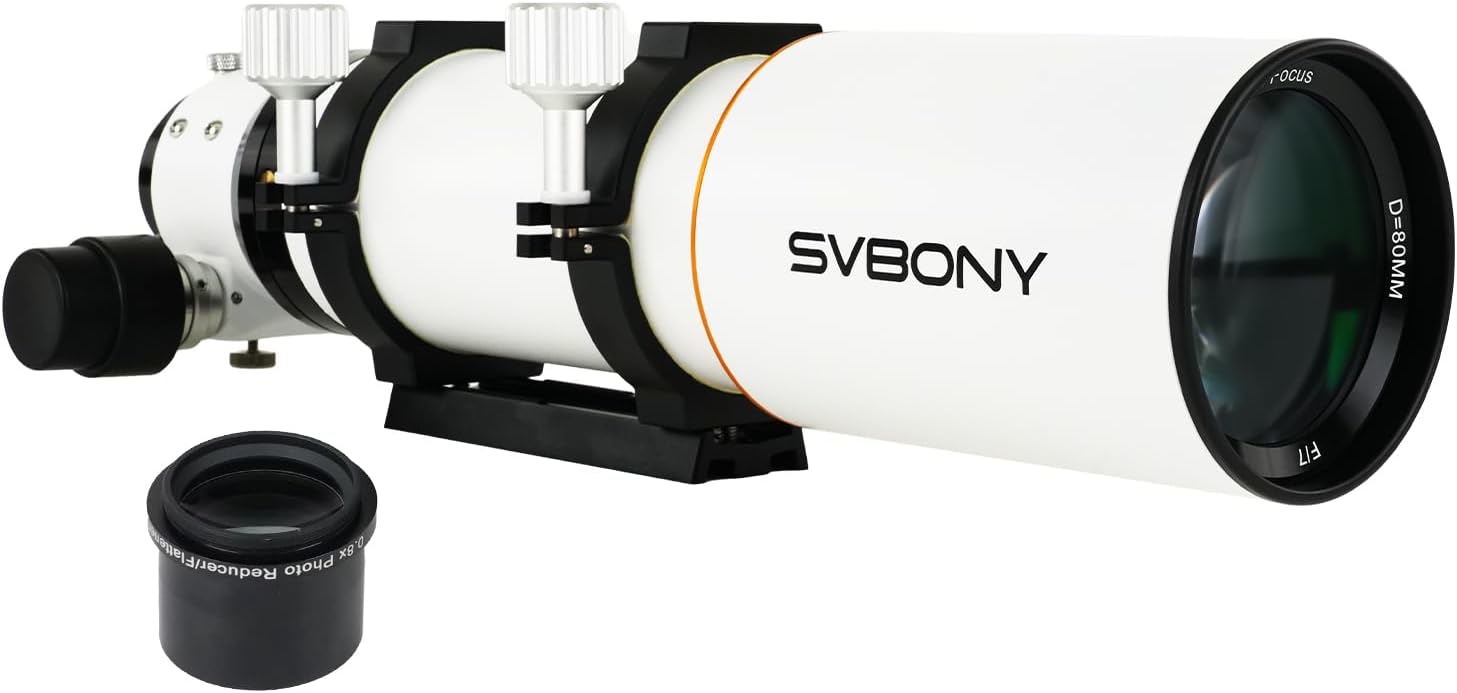
Sky-Watcher Evostar 80ED
The classic first imaging refractor: an 80mm ED doublet that shows clean, colour-controlled stars for a fraction of a triplet apo. The scope that has launched more astrophotographers than any other.
Lowest in 90 daysLowest ever tracked
Price tracked by PolarisObserved 97 timesTracking since Jul 2026
Verified 13h ago · prices tracked daily

01What it's good atWhat it's best at — and the trade-offs.
An FPL-53 ED element controls most false colour, so stars image far cleaner than a cheap achromat.
What it's best at — and the trade-offs.
02In plain EnglishWhat These Numbers Mean
80mm · f/7.5 · 600mm FL
What These Numbers Mean
03The Polaris ScoreHow it scores, and why.
86/100 · #1 of 8 beginner imaging refractors
How it scores, and why.
Polaris weighs optical capability, how easy the scope is to live with, how portable it is, and how far it takes you before you outgrow it — not list price or brand.
04Who it's forAn honest fit check.
Beginners taking their first real step into deep-sky imaging.
An honest fit check.
05Build your rigWhat to buy next — and where it leads.
12 pieces of gear, ordered by what changes the view most
What to buy next — and where it leads.
No fogging on long sessions★ Top pickPegasus Astro Multi-Channel Dew Controller
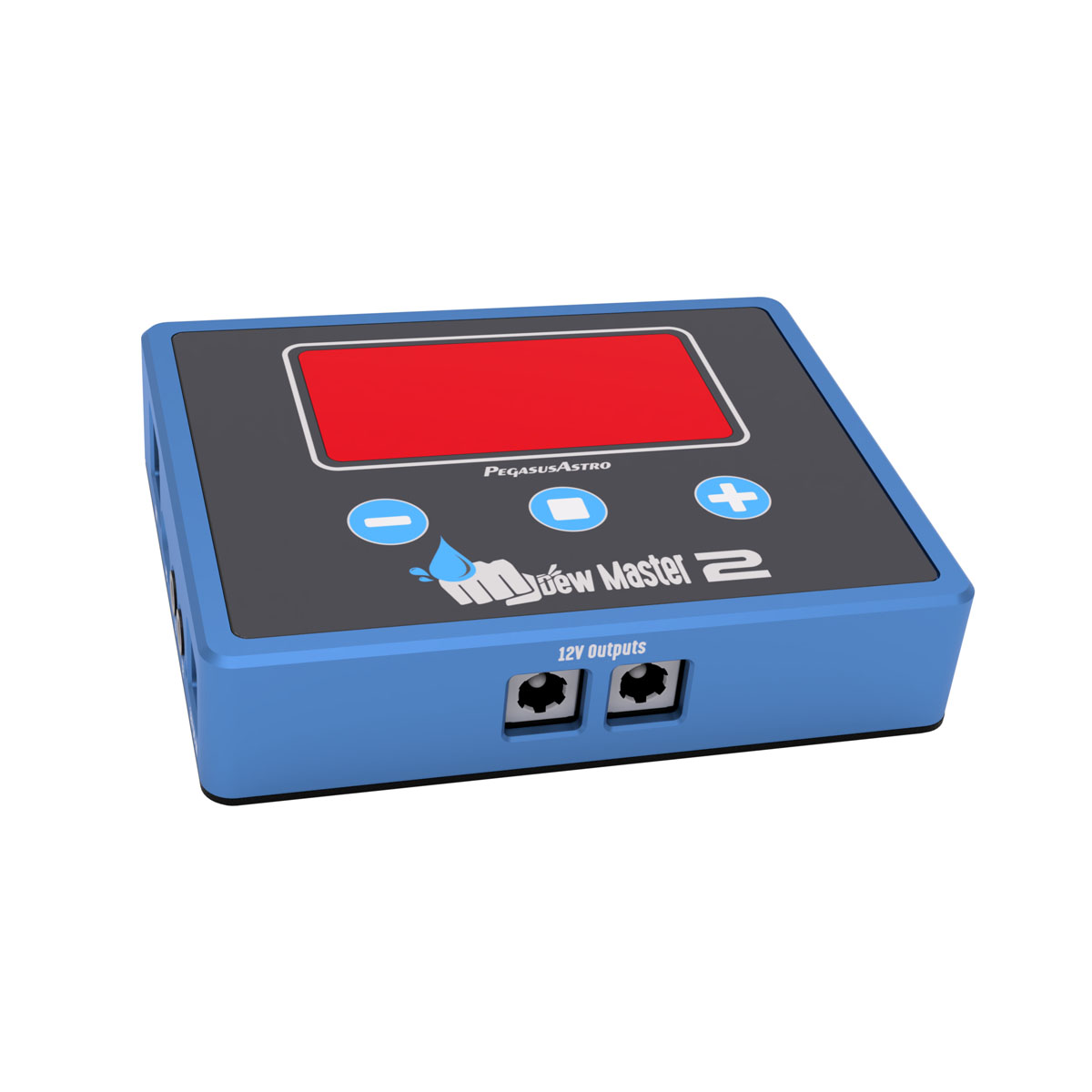
Stops dew from ending an imaging night.
Make nebulae popOptolong UHC Filter 2″
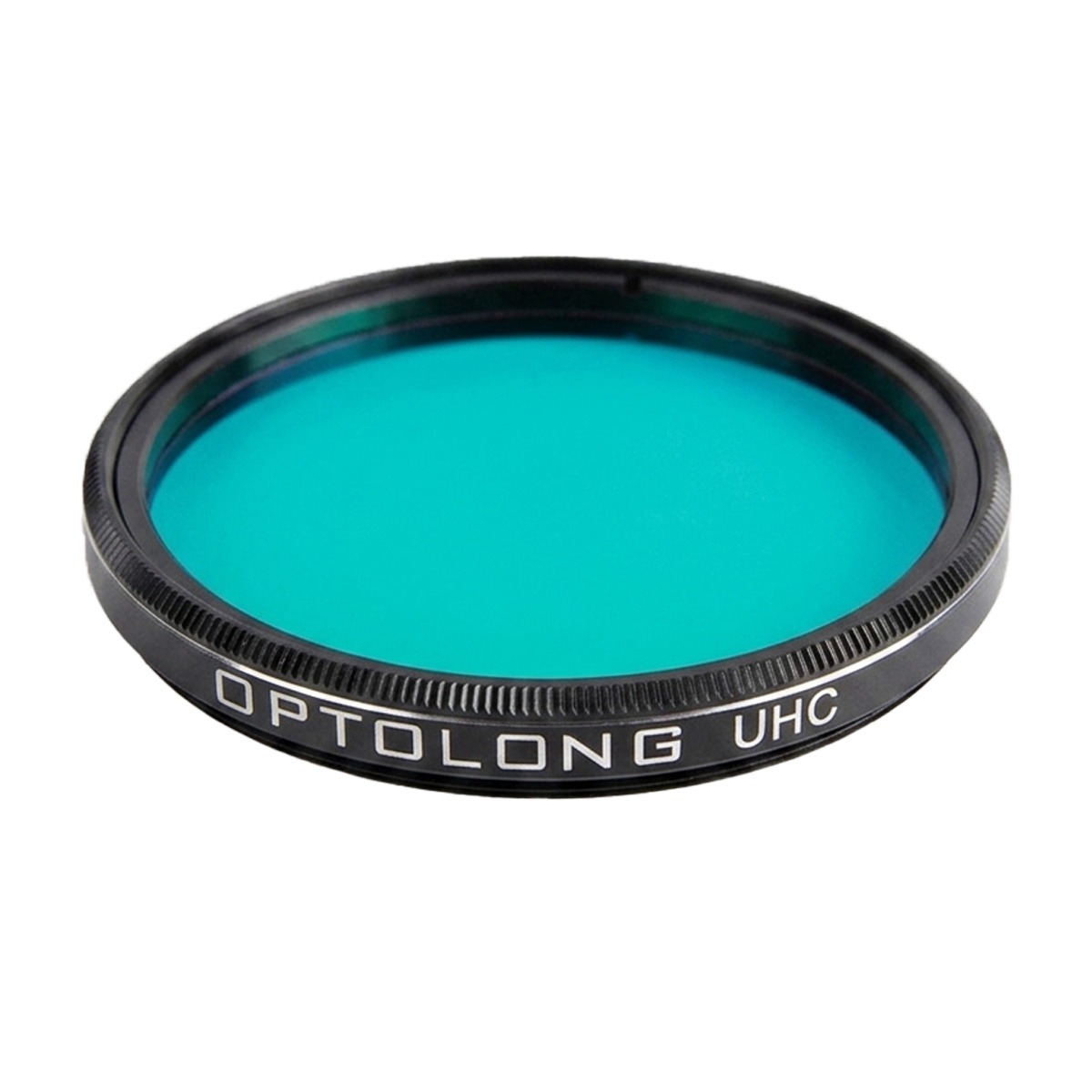
Lifts nebula contrast out of light-polluted skies.
Observe all night, no AA batteriesCelestron PowerTank Lithium
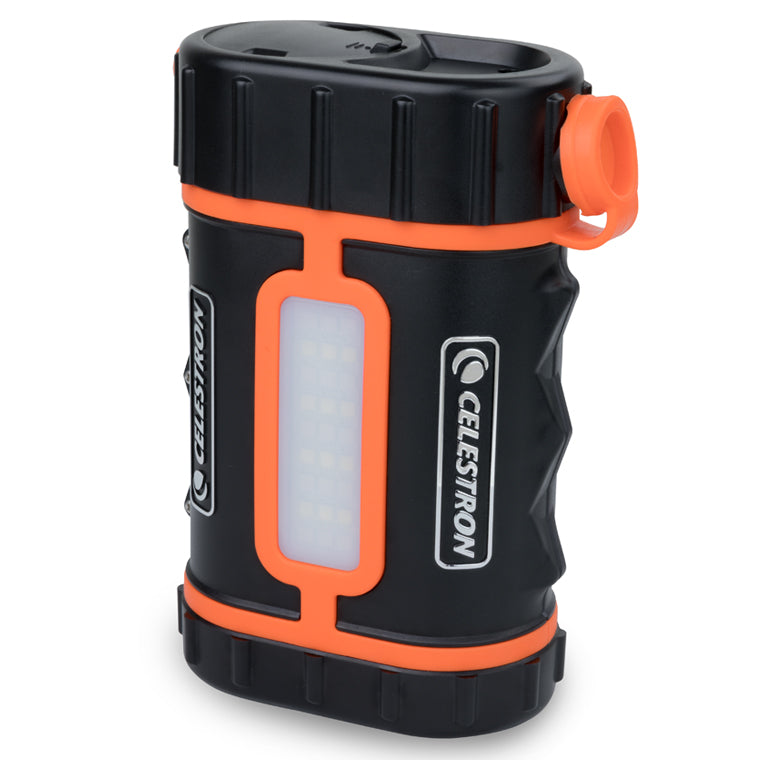
Runs the mount (and heaters) all night off one pack.
Better tracking & light imagingCelestron Advanced VX (AVX) Equatorial Mount✓ Compatible
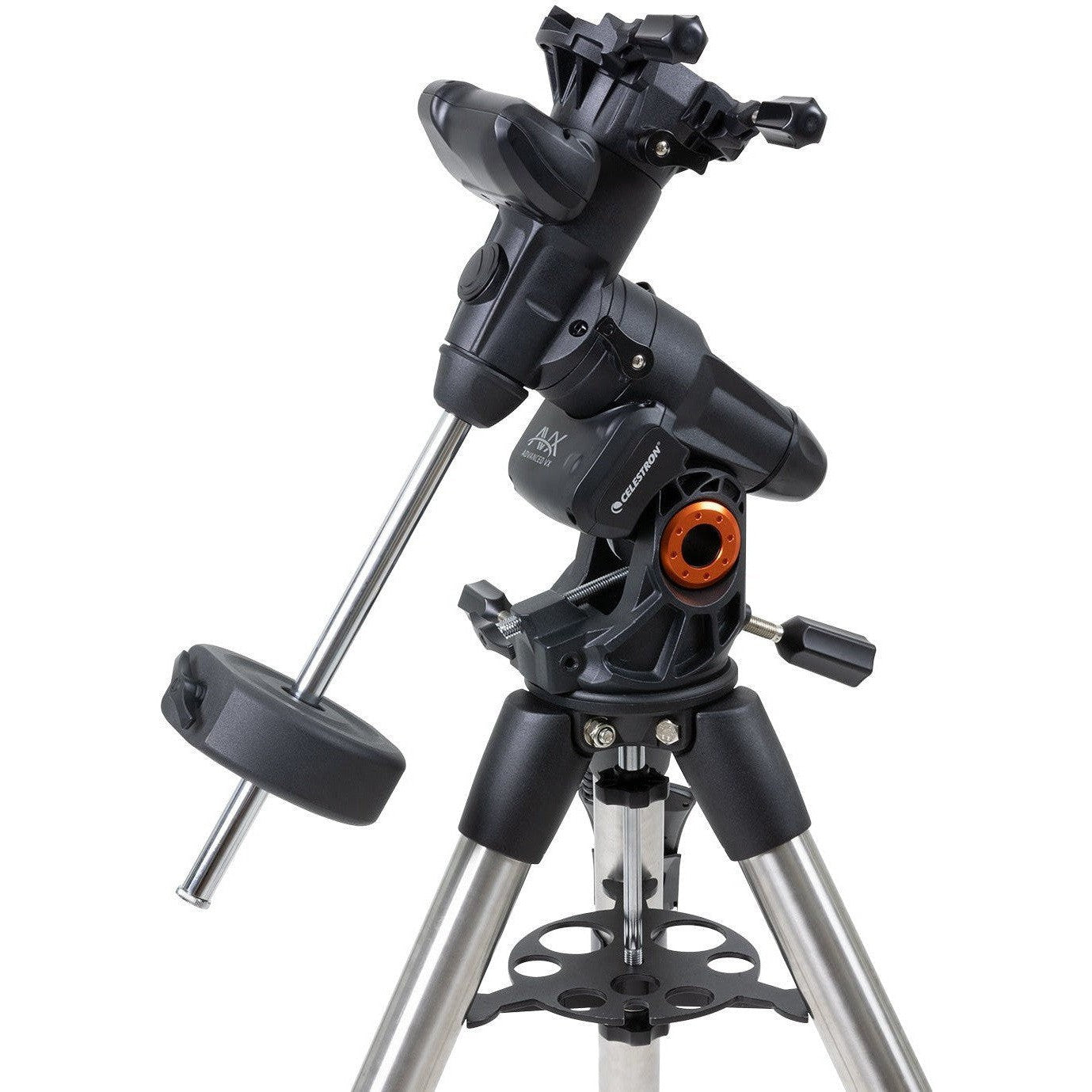
Great match for imaging
Portable astrophotographyZWO AM5N Harmonic Equatorial Mount✓ Compatible
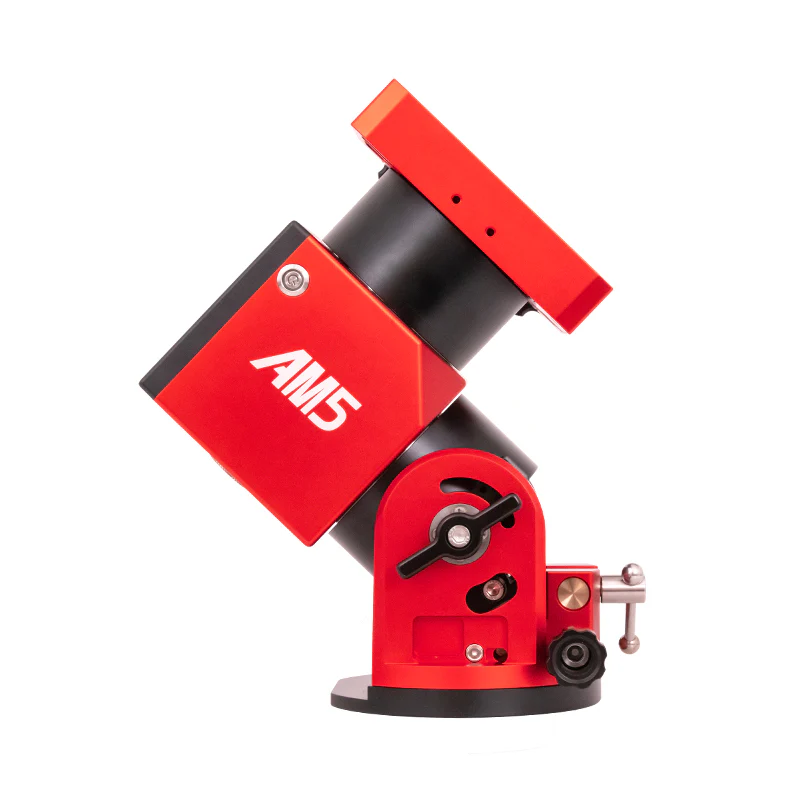
Ideal lightweight imaging pair
Permanent-setup astrophotographySky-Watcher EQ6-R Pro✓ Compatible
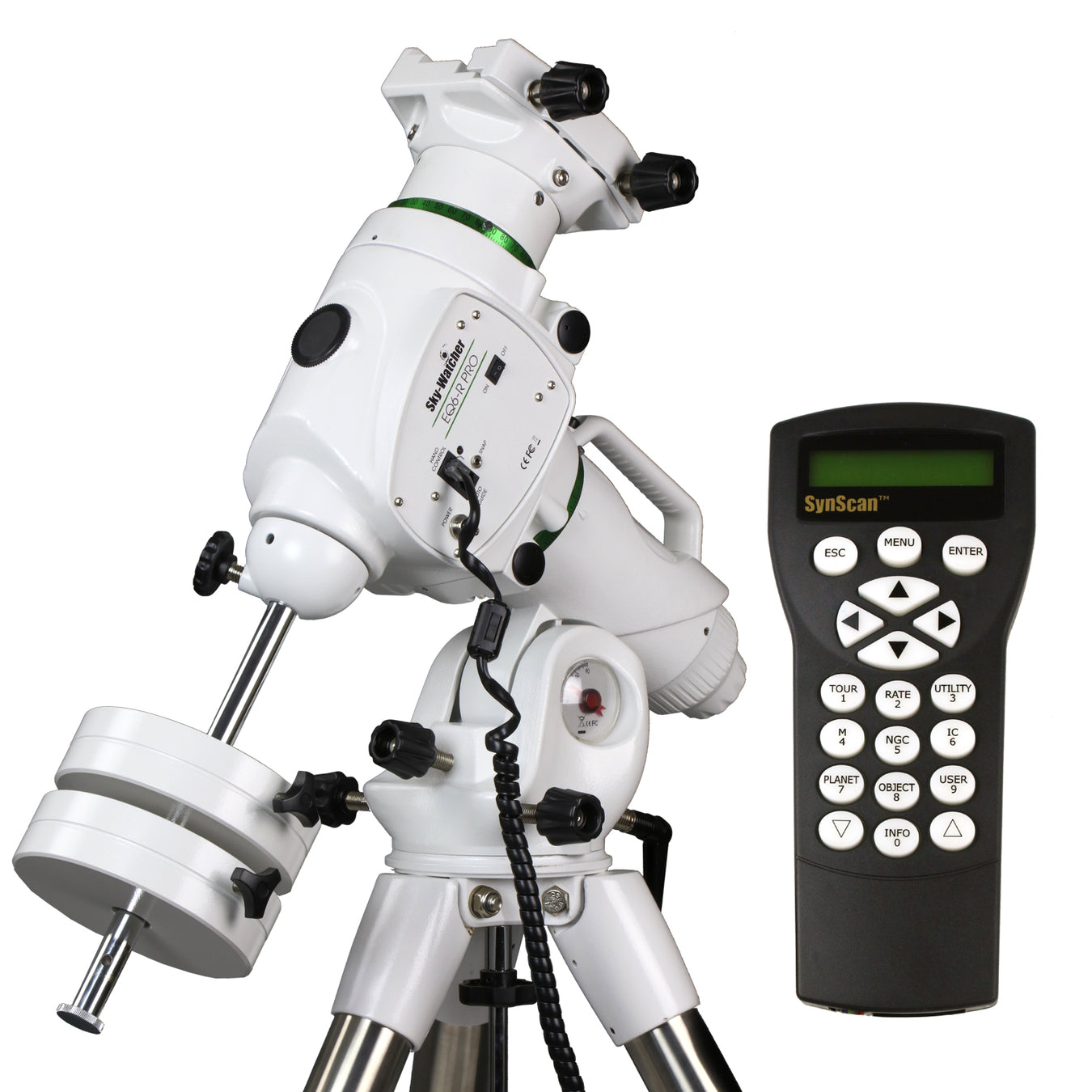
Rock-solid — overkill but perfect stability
Start imagingZWO ASI2600MC Pro
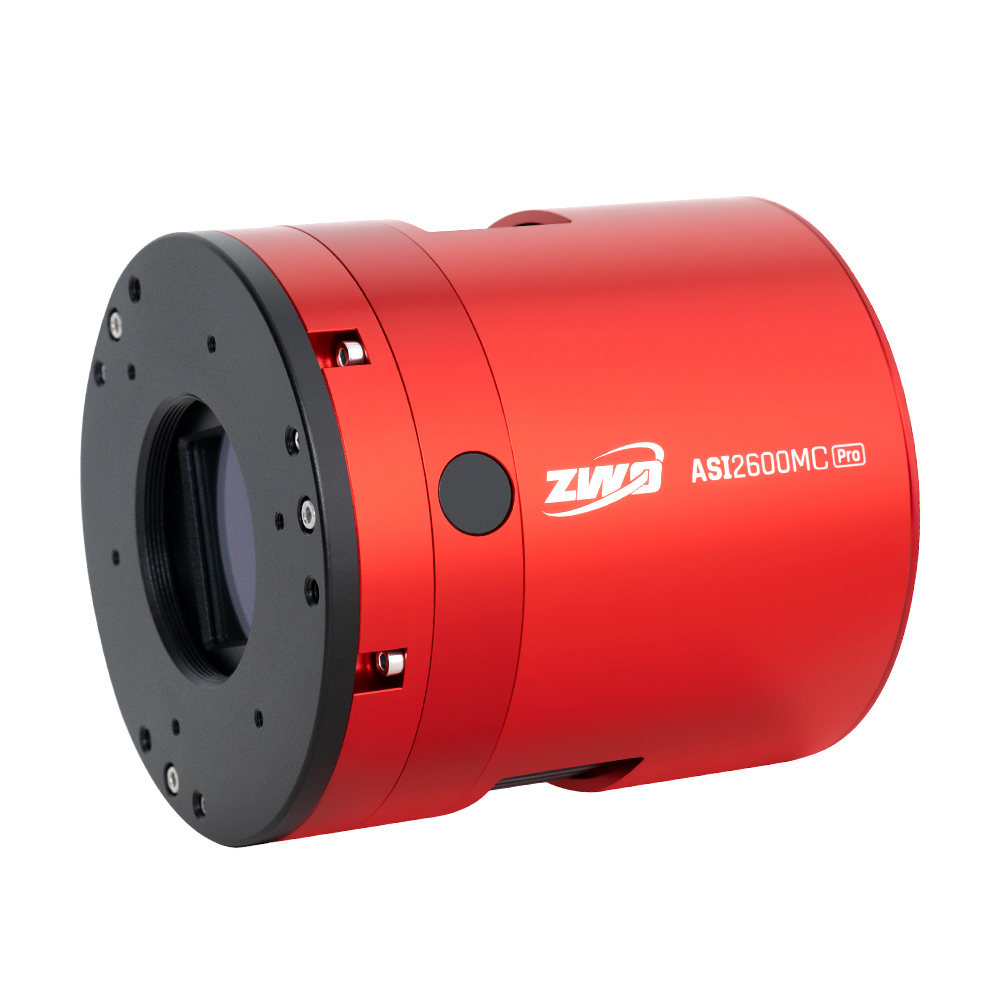
Start capturing images of the Moon and planets
A sharper everyday viewEthos 13mm
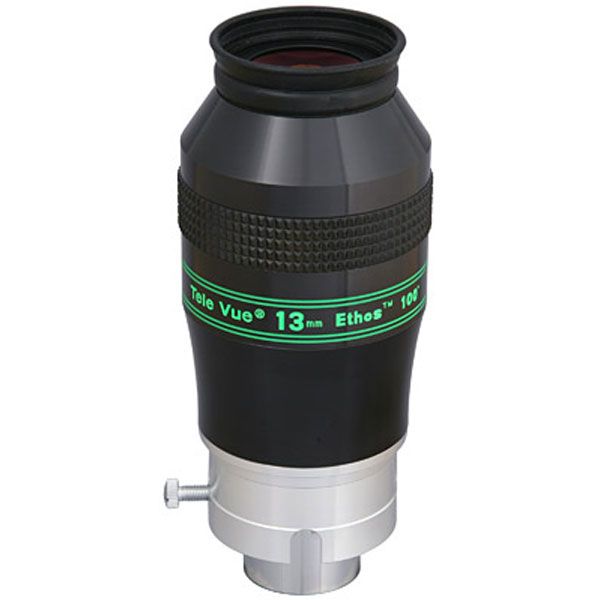
Balanced magnification at 46x, great for star clusters
Sharper planets & lunar detailDelos 8mm
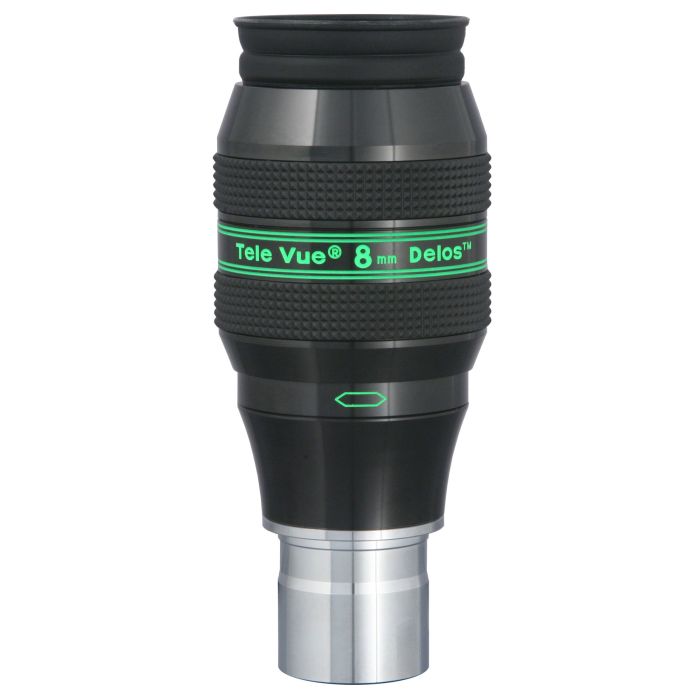
Higher power for tighter targets at 75x
06The numbersFull specifications.
7 measured and stated values
Full specifications.
The Evostar 80ED is a classic first imaging refractor. It is an "ED doublet": a two-element lens using low-dispersion (ED) glass that suppresses the colour fringing cheap refractors add to bright stars, so stars image as clean points, the near-"apo" correction that makes a scope good for photography. At 80 mm it frames larger nebulae and galaxies and stays light enough for a modest tracking mount. Sold as an OTA (tube only, no mount), it wants a matched field flattener for corner-sharp stars, and delivers most of a premium apo's clean stars for far less.
07AlternativesFor a different goal, start here.
2 alternatives, each mapped to the goal it wins at
For a different goal, start here.
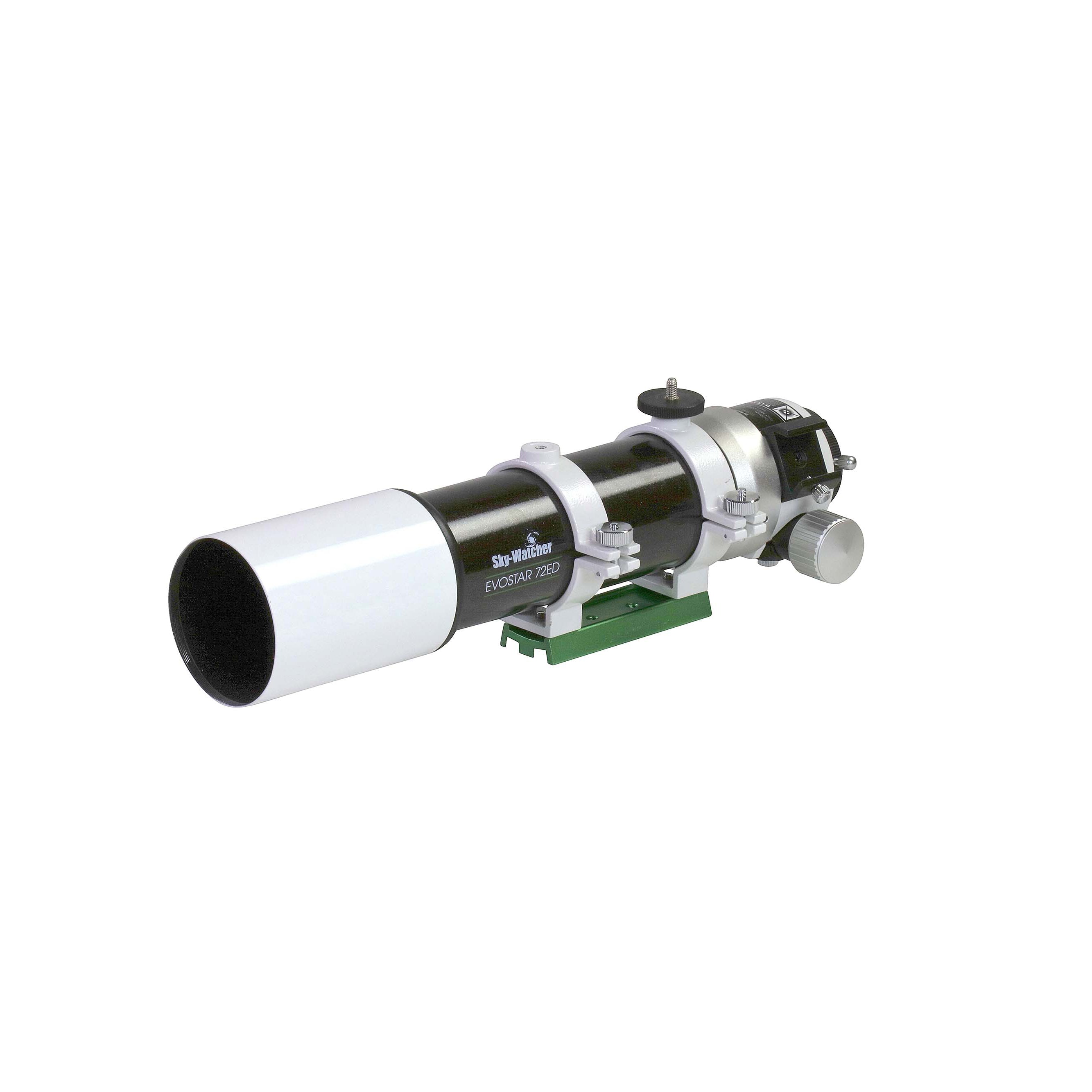
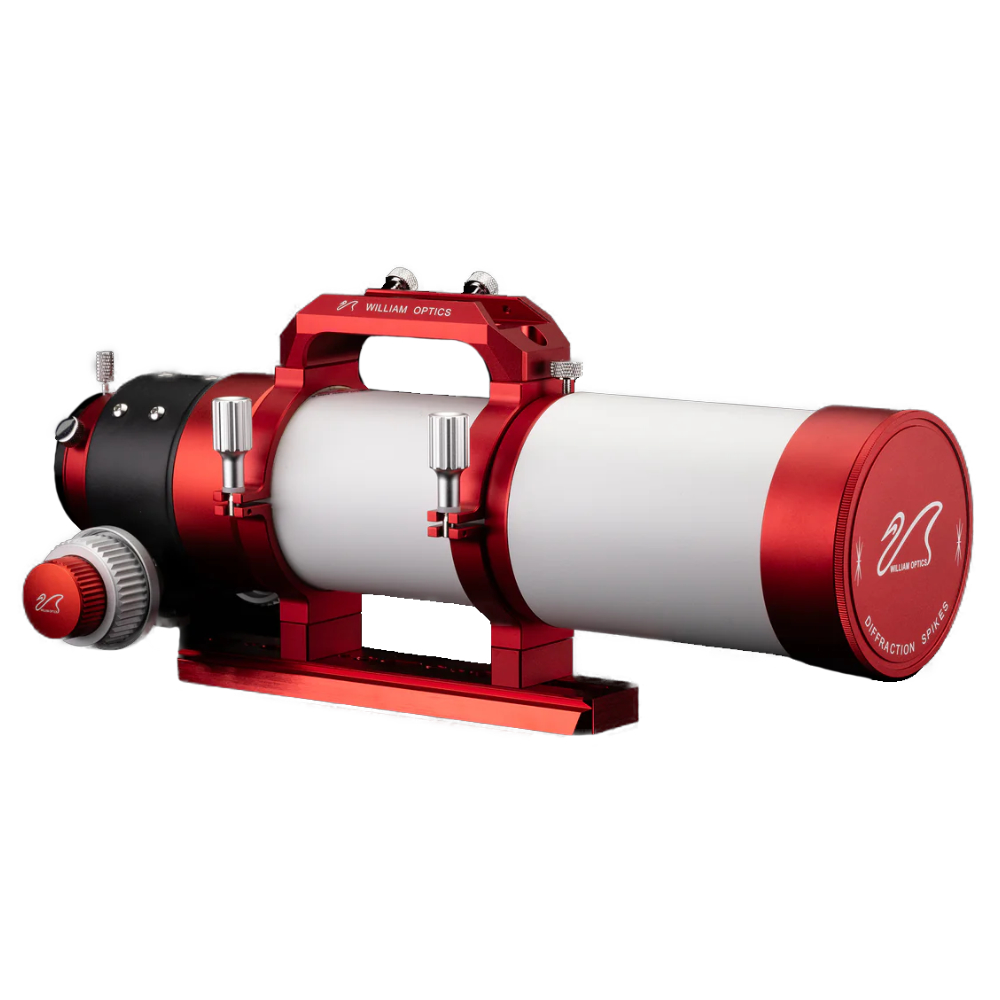
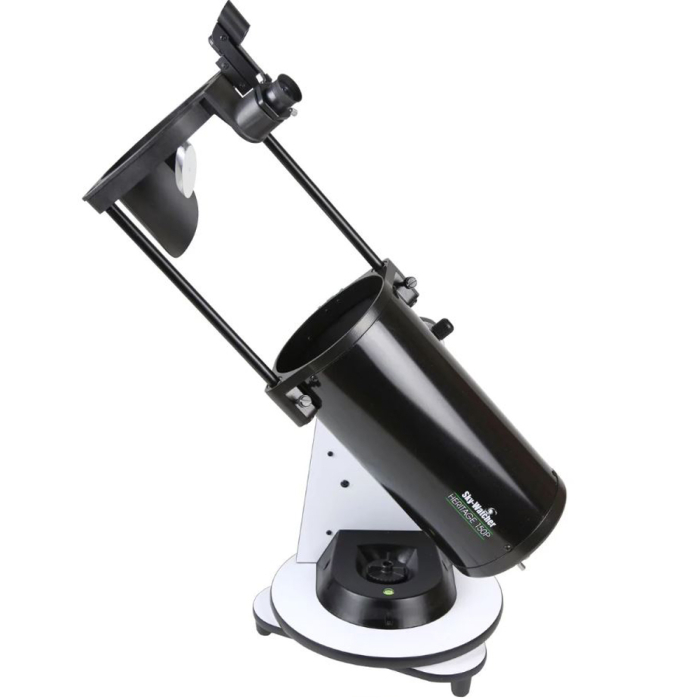
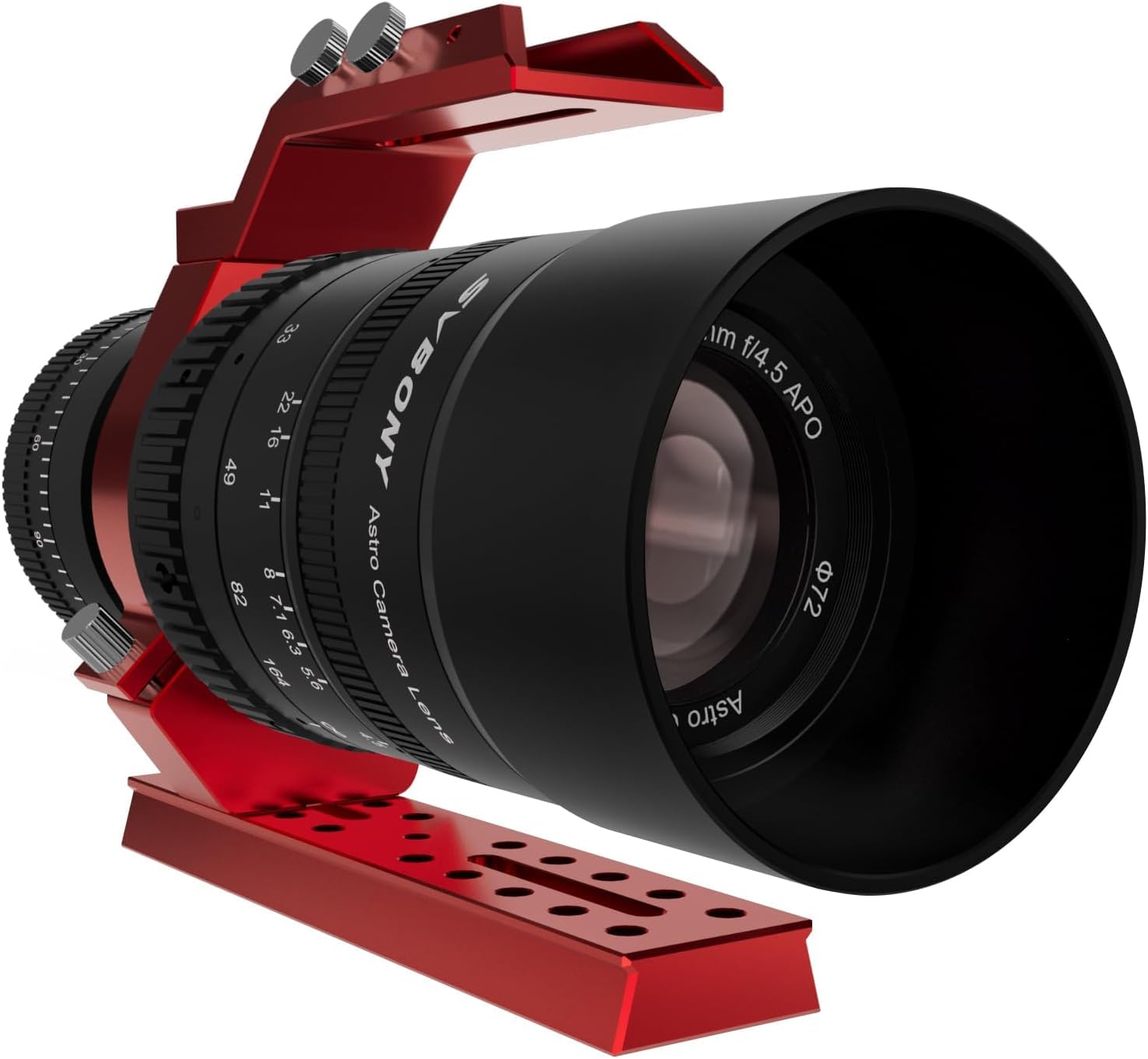
Used in these setups.
Real builds from the community that include this product.