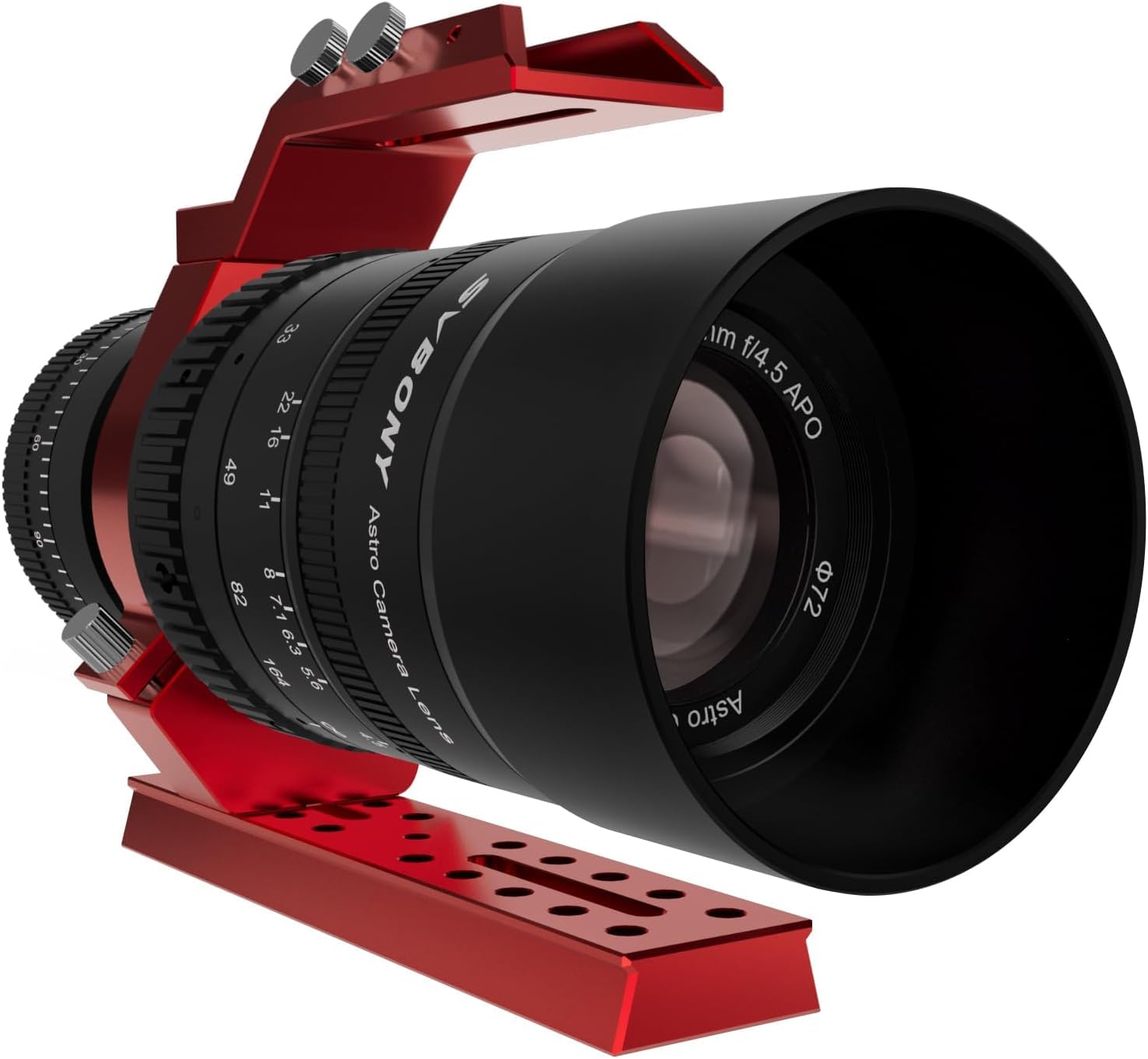
SVBony SV555 54mm f/4.5 APO — image 1
SVBony

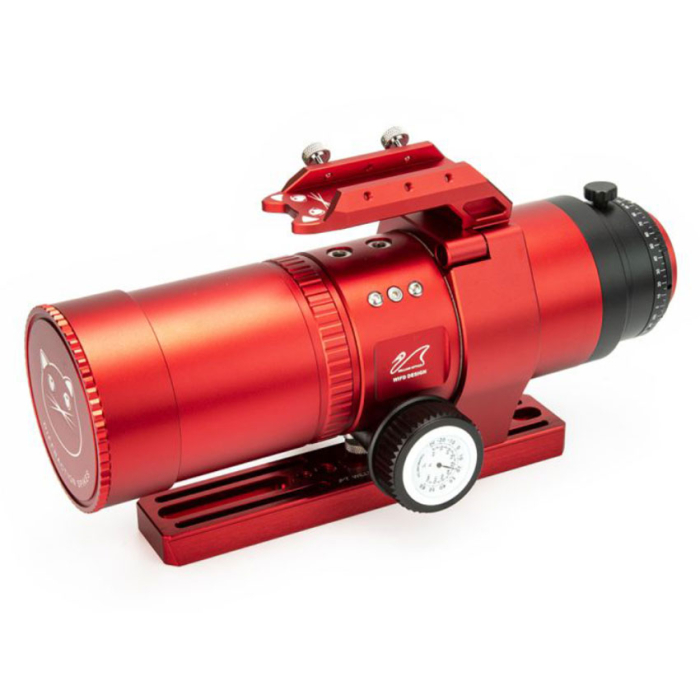
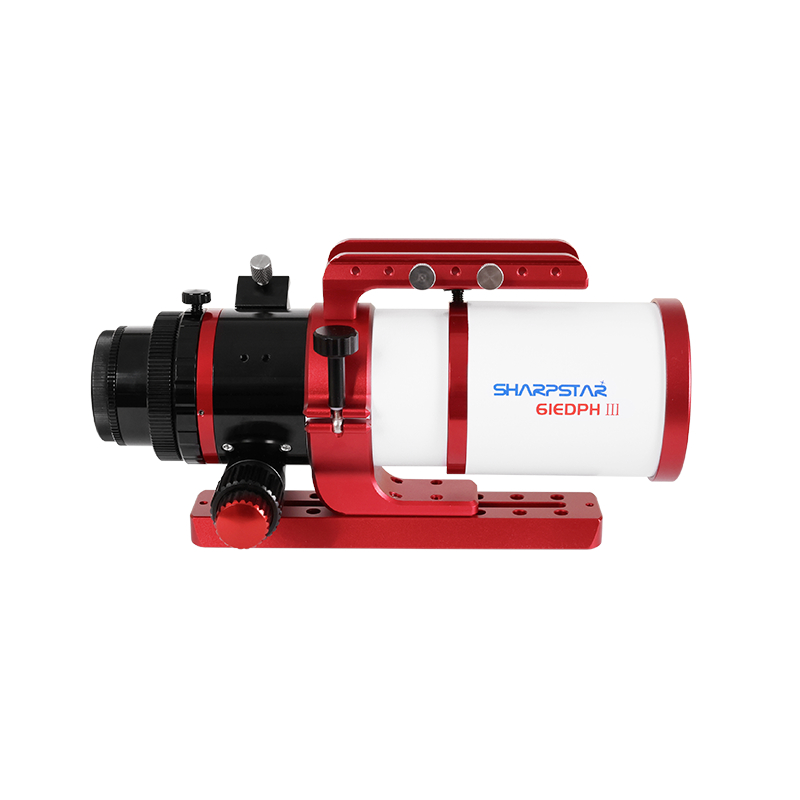
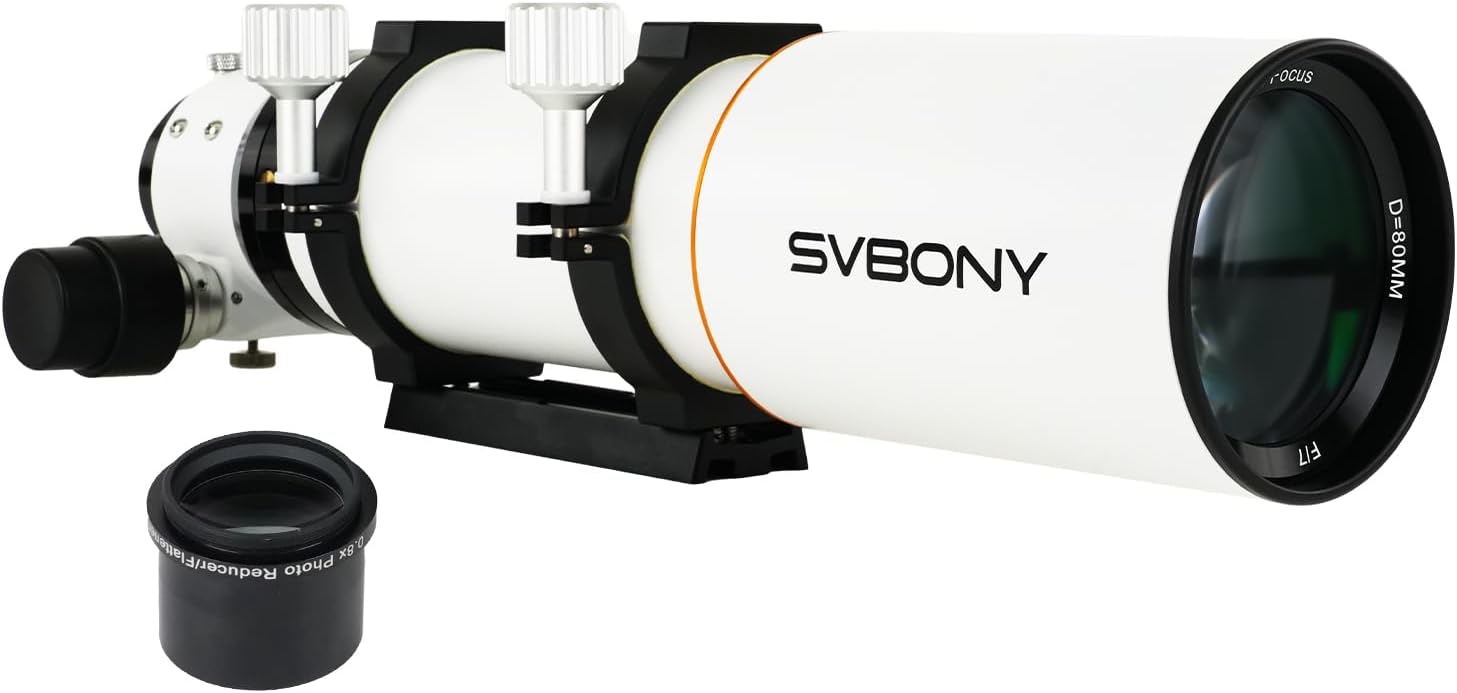
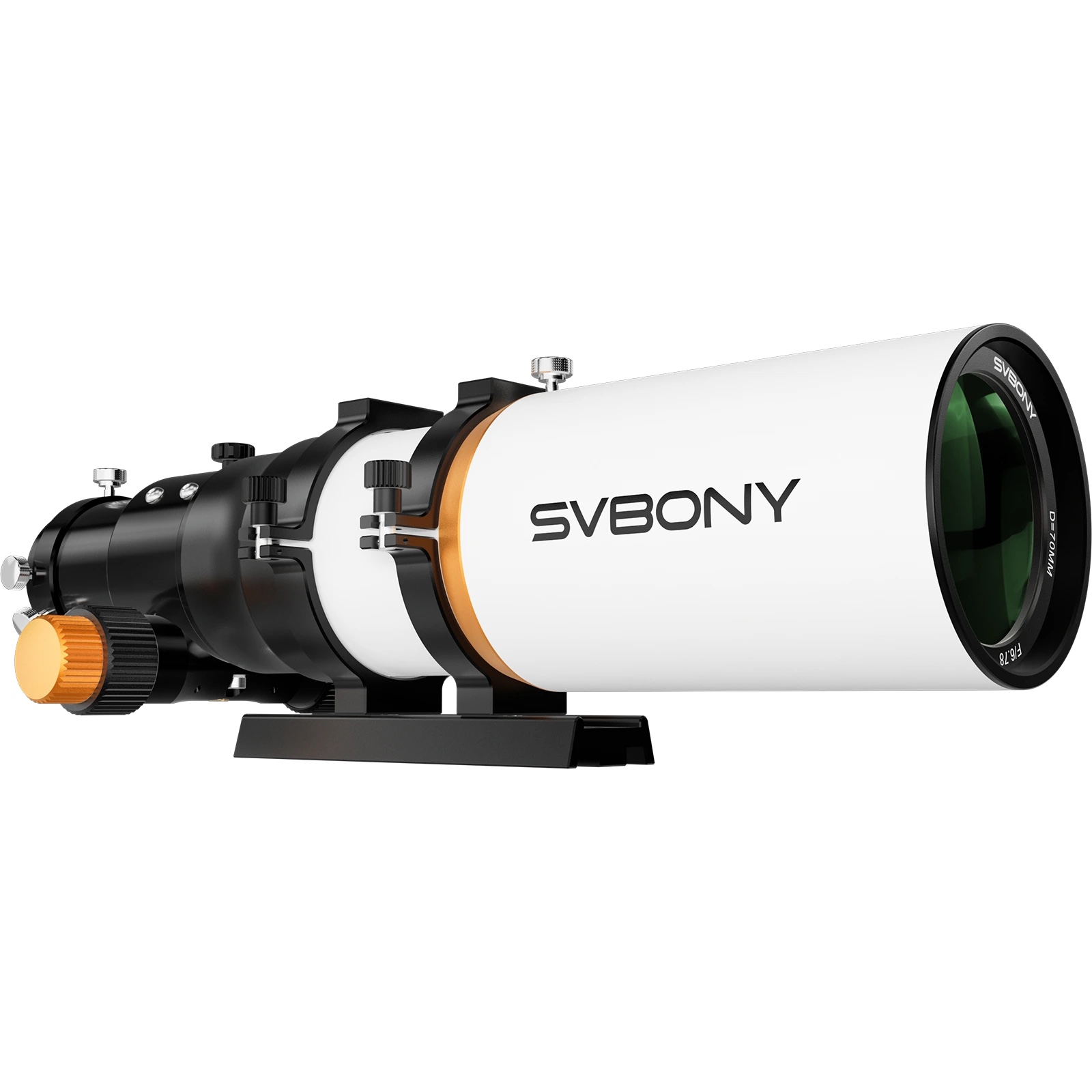
SVBony SV555 54mm f/4.5 APO

A five-element Petzval that covers a full-frame sensor at 243 mm and f/4.5, with a built-in 2 inch filter holder and an iris that stops it down to f/22 for daytime use. The closest thing to a RedCat for two thirds of the money.

82/ 100
Polaris Score
#2 of 5 compact wide-field astrographs
See the breakdown ↓
Aperture
54mm
Focal Length
243mm
Focal Ratio
f/4.5
Mount Type
None (OTA only)
Optical Design
Petzval Astrograph
Weight
2.45 kg
From$555

$45 above 90-day low

Price tracked by PolarisObserved 22 timesTracking since Aug 2026

Try in simulator →
Where to buy

Verified 8h ago · prices tracked daily
What it's built forOpen these in the simulator →

This telescope was built for the camera.

A fast f/4.5 astrograph designed to throw a wide, flat, well-corrected field onto a sensor. It is an optical tube first — give it a tracking mount and a camera and it rewards long exposures, not eyepieces.

f/4.5 — built to imageNeeds a tracking mount
The view people remember

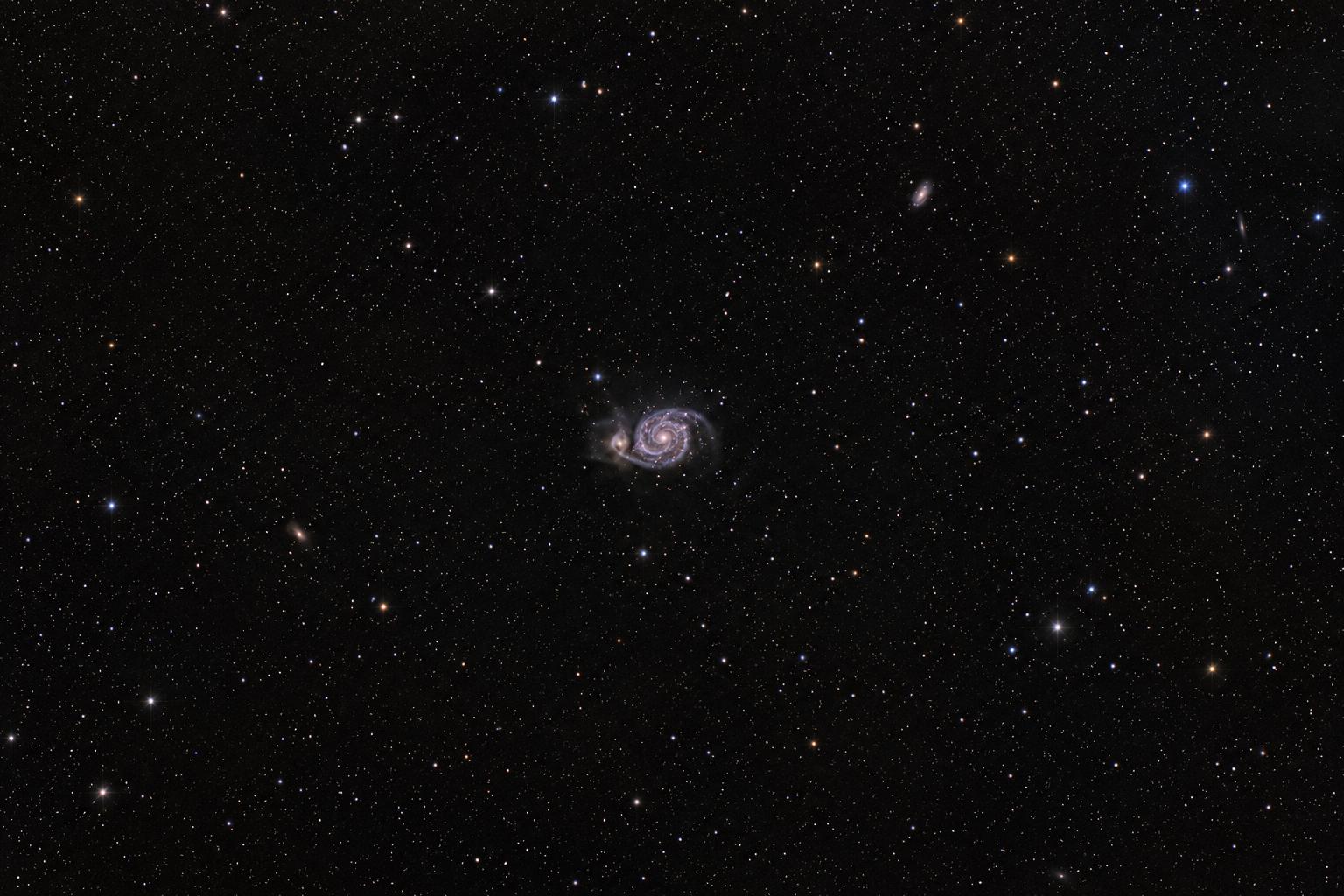
The Whirlpool, and its companion.

A face-on spiral with a smaller galaxy caught at the end of one arm — on a dark night the spiral structure lifts off the sky in a way photographs almost prepare you for.

See Whirlpool Galaxy through this telescope →
01What it's good at

What it's best at — and the trade-offs.

Five elements including two ED in a Petzval layout means the field is flat at the sensor with no separate flattener to buy, space or get wrong. On a fast…
Best at
✓Five elements including two ED in a Petzval layout means the field is flat at the sensor with no separate flattener to buy, space or get wrong. On a fast short tube that is where most beginners lose their corner stars.
✓A 44 mm image circle covers a full-frame sensor, so it will not be the limiting factor if you move up from an APS-C or 1-inch camera later.
✓The 2 inch filter holder is built into the tube rather than bolted on behind it, which keeps the back focus budget intact when you add a dual-band filter.
✓At 2.45 kg and 243 mm long it rides a star tracker, which puts a genuinely full-frame-capable astrograph on the lightest mount class there is.
Trade-offs
!Fifty four millimetres of aperture collects very little light in absolute terms. The fast focal ratio helps per-pixel, but total integration time still has to be long.
!The variable iris is a daytime feature. Stopping an astrograph down throws away aperture and adds diffraction spikes from the blades, so for astrophotography you leave it wide open and forget it exists.
!It is an OTA with no mount, no camera and no adapters. The tracker, the camera and the spacing rings are the real cost of this setup.
!At f/4.5 you are close to the angle limit where narrowband filters start shifting off band. Seven nanometre filters are fine here; three nanometre filters are marginal.
02In plain English

What These Numbers Mean

54mm · f/4.5 · 243mm FL
Aperture
54 mm
This is a small telescope by any measure, and it is not trying to reach faint things by brute force. What 54 mm buys is a light tube that a star tracker can carry all night. Expect to build images from hours of data rather than to see anything much in a single frame.
Focal length
243 mm
Short focal lengths frame the big things: the whole of the Veil, the North America Nebula with room around it, the Pleiades and their dust, Orion's belt and sword together. It also forgives tracking error, because a given arcsecond of drift covers far fewer pixels here than at 1000 mm.
Focal ratio
f/4.5
Fast optics record surface brightness quickly, so a nebula builds in a two-minute exposure that would need eight at f/9. The cost is precision: focus tolerance and sensor tilt both get tighter as the beam steepens, which is exactly why the flat Petzval field matters so much on a scope this fast.
Optical design
Five-element Petzval, two ED
A Petzval builds the field flattener into the optical design rather than selling it separately. There is no spacing to calculate, nothing to thread in and no way to get the distance wrong. On a fast short tube that removes the single most common cause of stretched corner stars.
Image circle
44 mm, full-frame
Forty four millimetres covers a full-frame sensor corner to corner. Practically this means the telescope will not be what limits you when you upgrade the camera, which is the opposite of the usual situation where a cheap tube caps you at APS-C.
Weight
2.45 kg OTA
Light enough that a star tracker carries it with the camera attached, which is the whole point of the format. It keeps the total rig inside a carry-on and inside the payload of the cheapest mount class that can track properly.
03The Polaris Score

How it scores, and why.

82/100 · #2 of 5 compact wide-field astrographs
82/ 100
SVBony SV555 54mm f/4.5 APO
#2 of 5 compact wide-field astrographs
Performance
83
Ease of use
78
Portability
94
Upgrade potential
74

Polaris weighs optical capability, how easy the scope is to live with, how portable it is, and how far it takes you before you outgrow it — not list price or brand.

04Who it's for

An honest fit check.

The imager who wants wide-field deep sky on the smallest possible mount, and would rather…
Buy it if you
✓The imager who wants wide-field deep sky on the smallest possible mount, and would rather not own a separate flattener.
✓Anyone already carrying a full-frame or APS-C camera body who wants a telescope that will not crop it.
✓Travellers, where 2.45 kg and a 243 mm tube fit in hand luggage alongside a tracker.
Look elsewhere if you
!Visual observers. This is a camera lens with a dovetail. There is no diagonal, no eyepiece and nothing to look through.
!Anyone chasing galaxies. At 243 mm even the Andromeda galaxy is a small object and everything else is smaller.
!Imagers who need a long focal length for planetary nebulae or small targets, where 54 mm of aperture and 243 mm of focal length give you neither scale nor resolution.
05Build your rig

What to buy next — and where it leads.

6 pieces of gear, ordered by what changes the view most
Recommended upgrades
Boost contrast on faint detail★ Top pickSVBony SV220 Dual-Band 7nm 2-inch
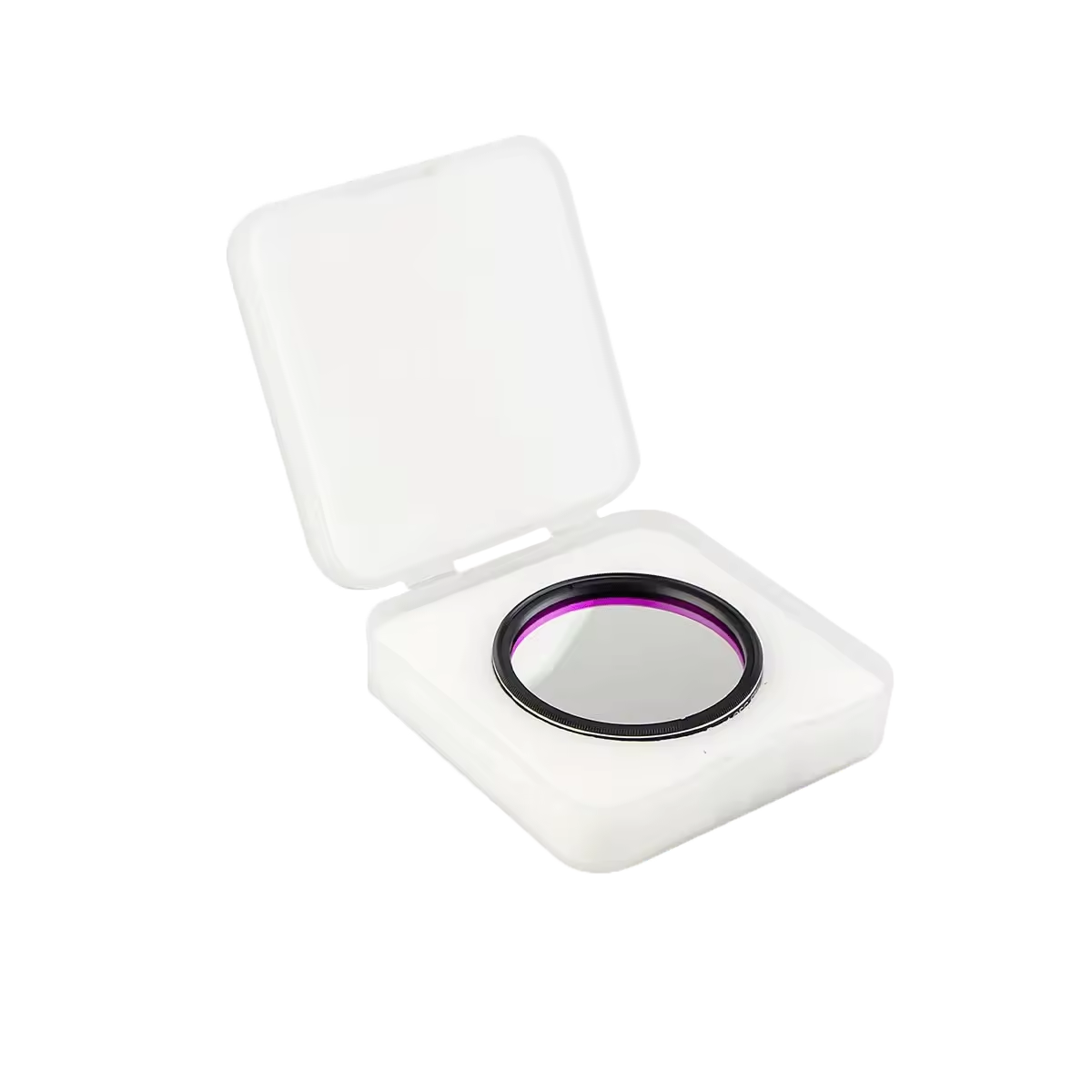
The tube has a 2 inch filter holder built in and f/4.5 is inside the filter's usable angle, so this is the one upgrade that changes what the scope can photograph from a city.

See wider, brighter deep-sky viewsSVBony SV165 30mm Guide Scope
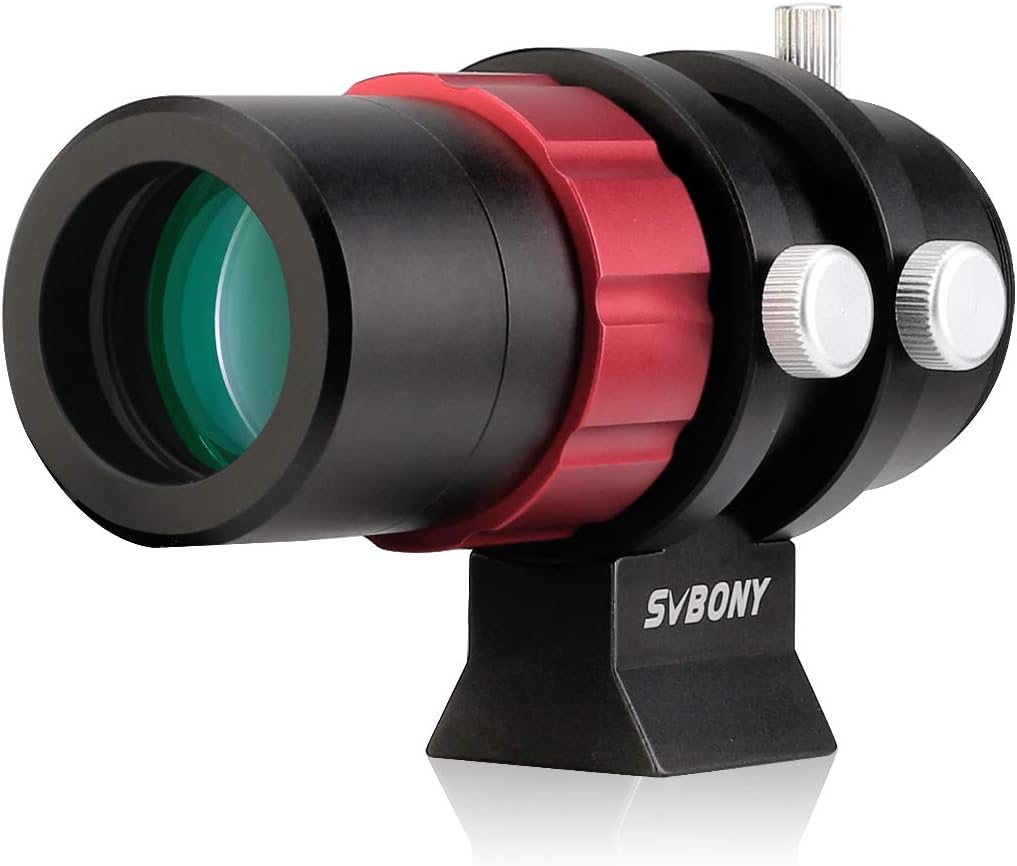
At 243 mm you can shoot unguided on a good tracker for a while, and guiding is what takes you past two-minute subframes.

Imaging path
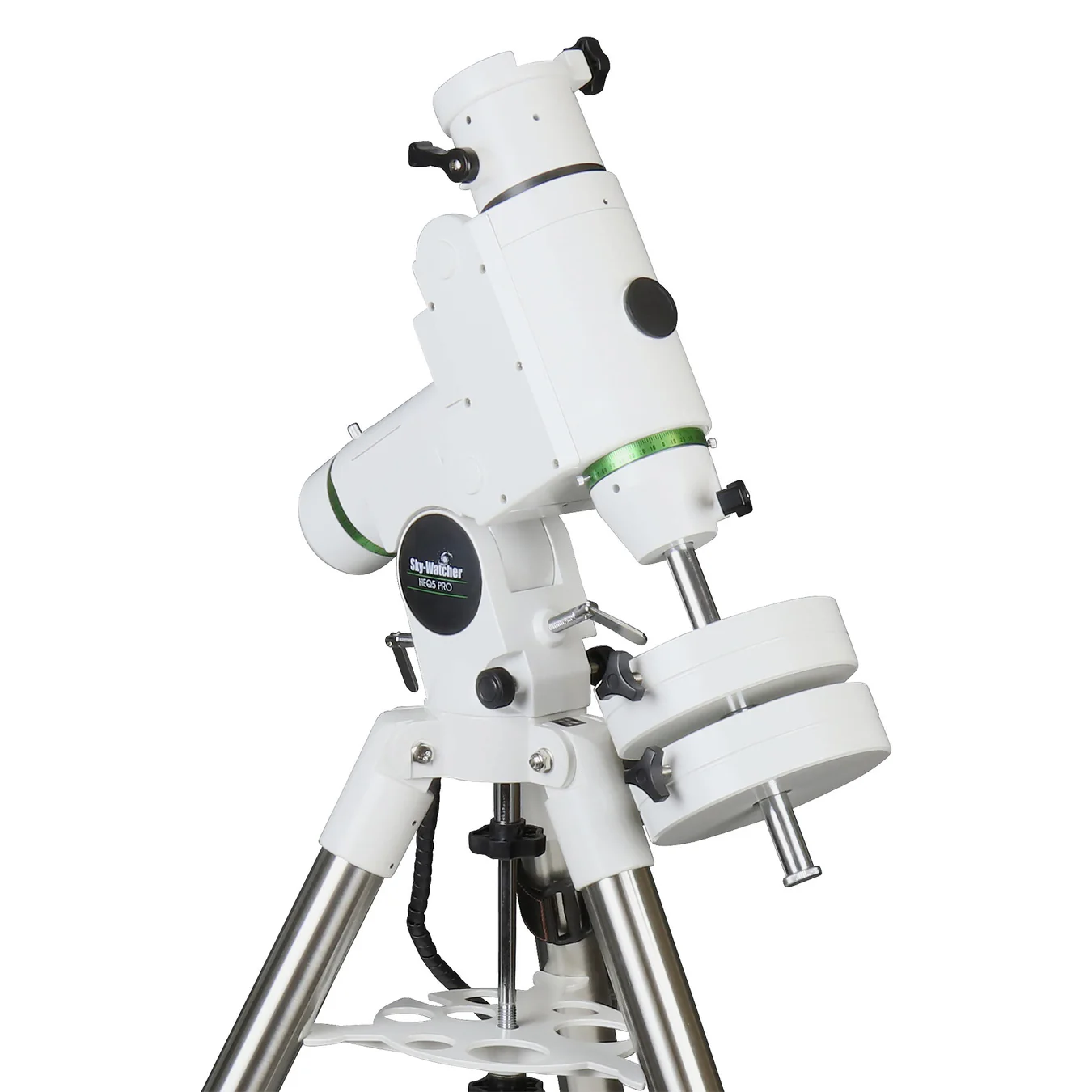
Better tracking & light imagingSky-Watcher HEQ5 Pro SynScan GoTo Mount✓ Compatible
Portable astrophotographyZWO AM5N Harmonic Equatorial Mount✓ Compatible

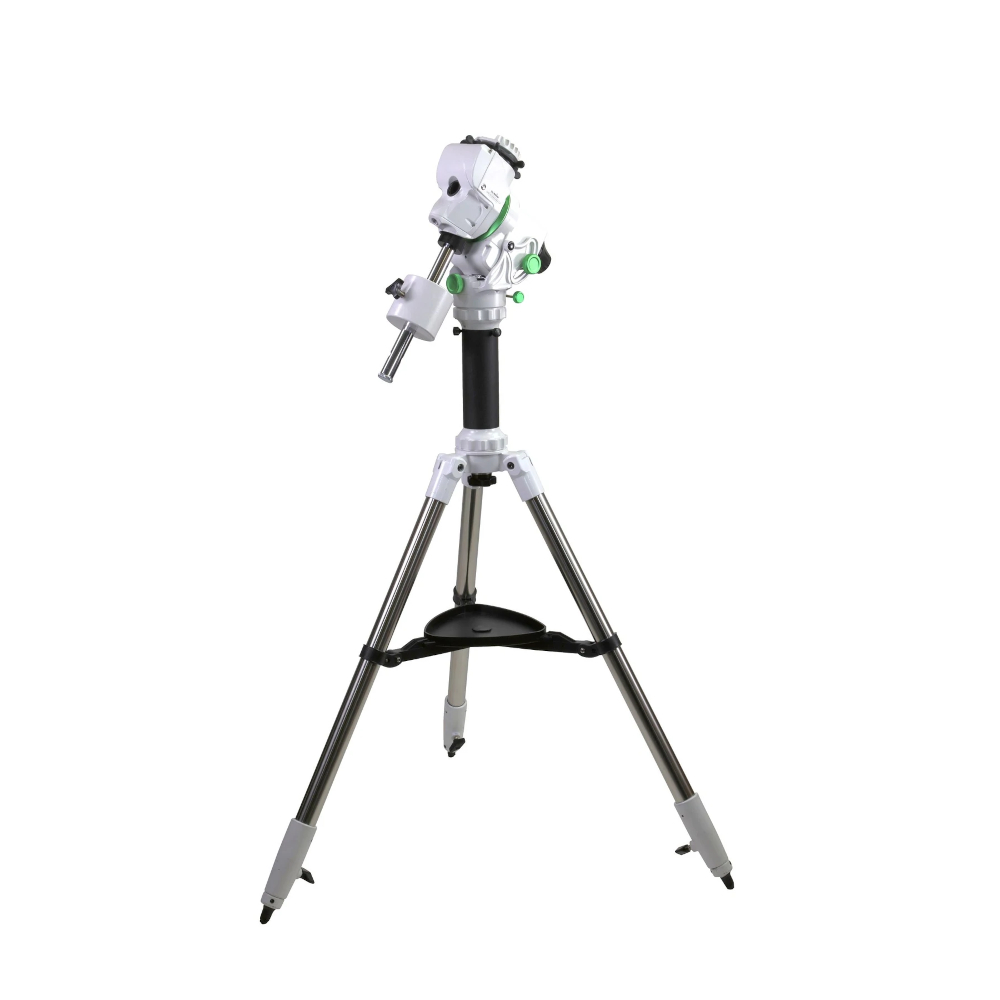
A versatile upgradeSky-Watcher Star Adventurer GTi GoTo EQ Mount Kit✓ Compatible
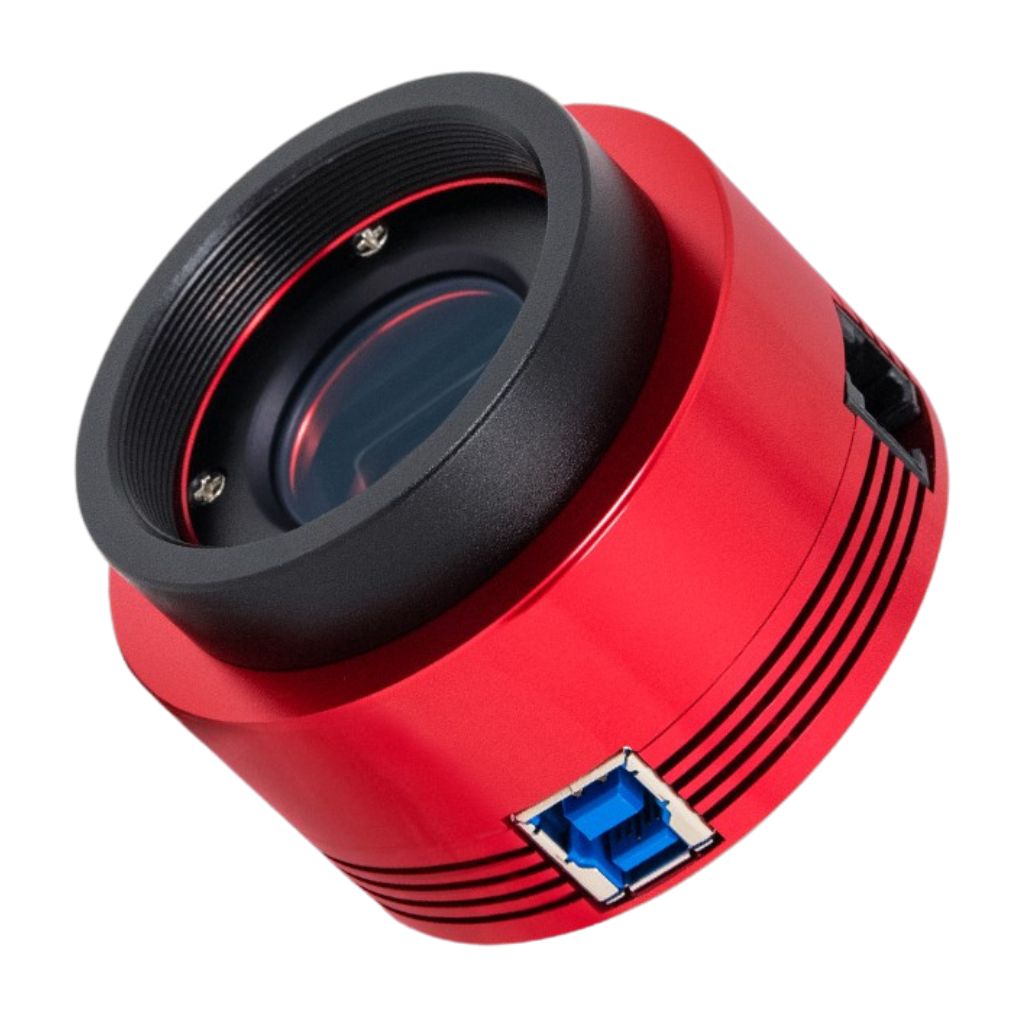
Start imagingZWO ASI533MC Pro
Wide-field deep-sky imaging
Excellent, flat field
Lunar & planetary
Small image scale
Visual use
Possible, but an imaging tube
06The numbers

Full specifications.

6 measured and stated values
Optics
Optical DesignPetzval Astrograph
Aperture54mm
Focal Length243mm
Focal Ratiof/4.5
Mount & drive
Mount TypeNone (OTA only)
Physical
Weight2.45 kg