SVBony
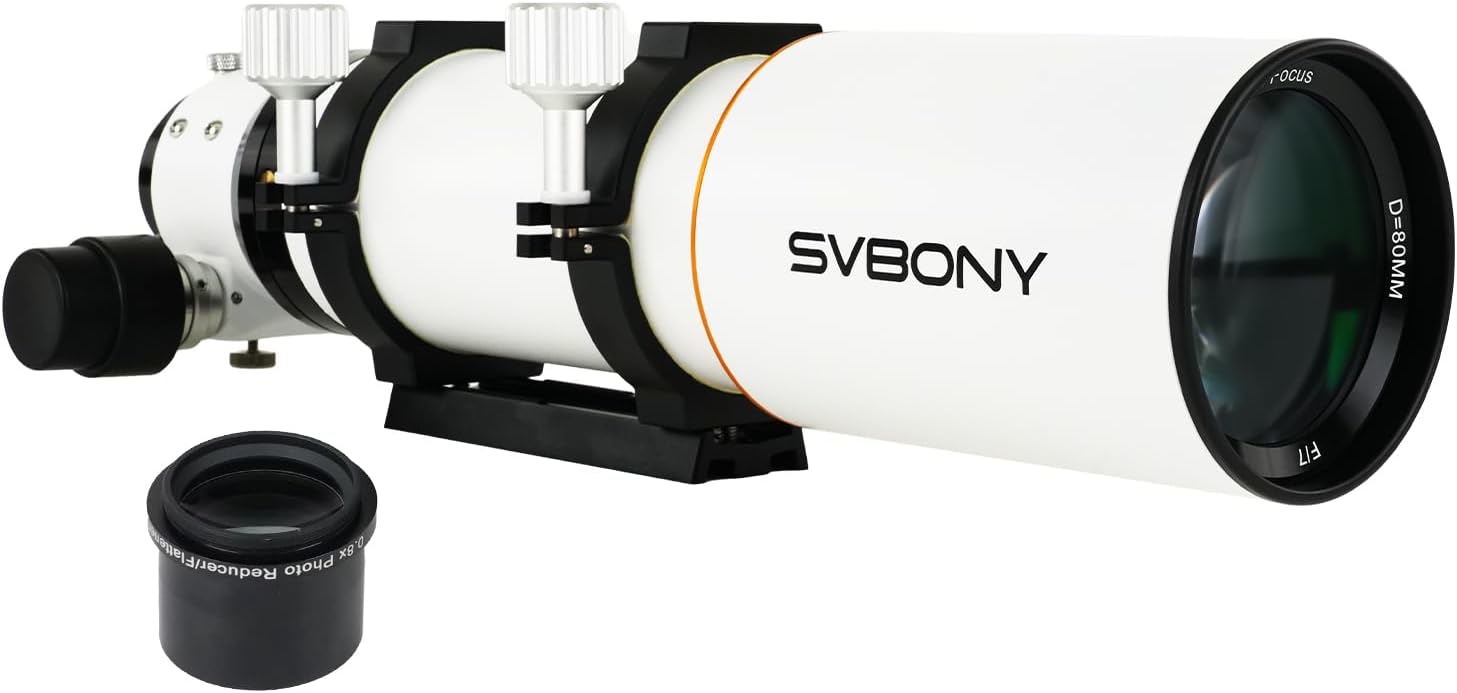
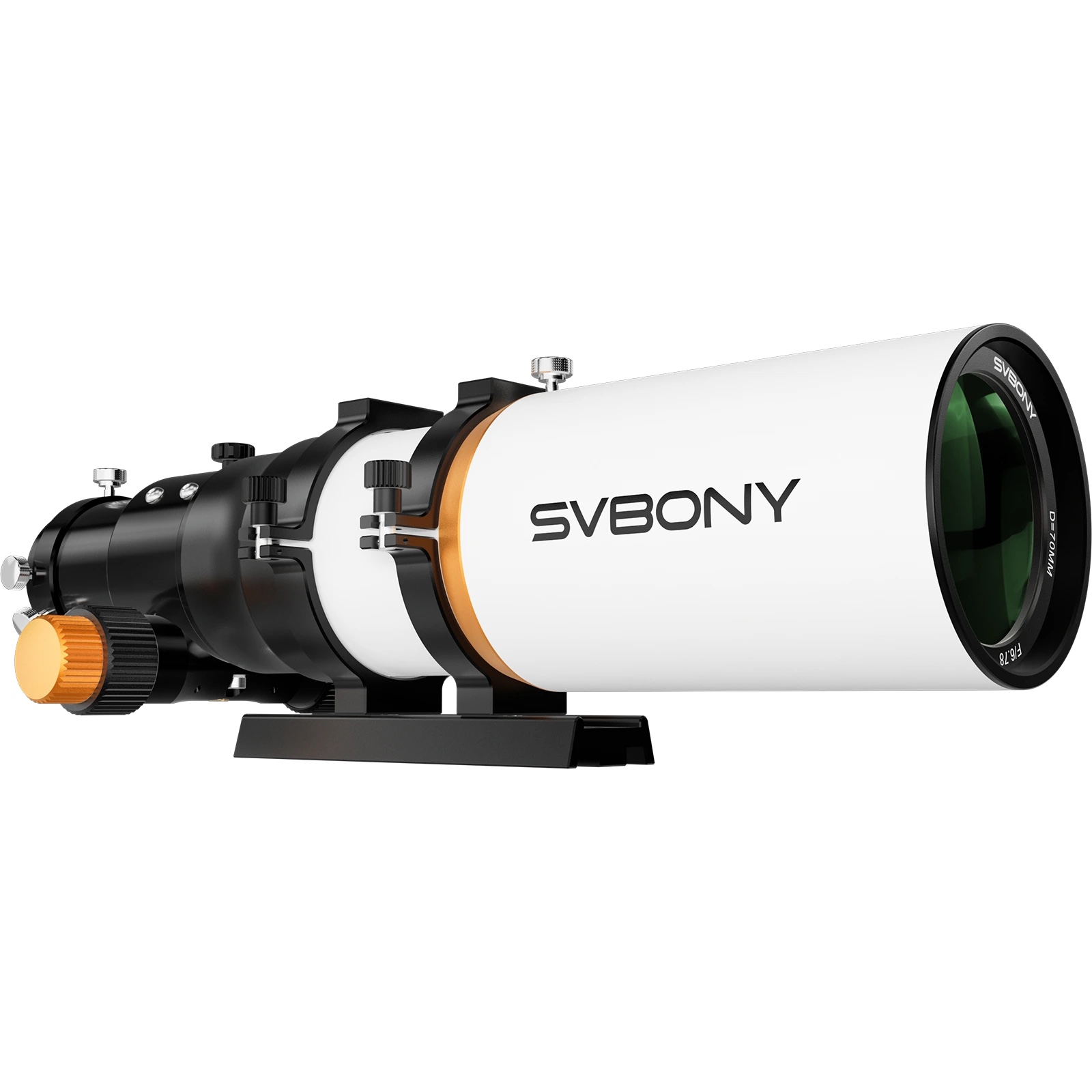
SVBony SV503 70ED Flat Field
An ED doublet with the field corrector built into the tube, so it is flat out of the box and needs no flattener. The smallest and most travel-friendly SV503, and the one that costs least to actually use.
83/ 100
Aperture
70mm
Focal Length
474mm
Focal Ratio
f/6.8
Mount Type
None (OTA only)
Optical Design
Petzval Astrograph
Weight
2.7 kg
From$524.99
$53 above 90-day low
Price tracked by PolarisObserved 45 timesTracking since Sep 2026

01What it's good atWhat it's best at — and the trade-offs.
The two element corrector is installed inside the tube, so the field is flat across 32 mm with no separate flattener to buy, space or match.
01What it's good at
What it's best at — and the trade-offs.
The two element corrector is installed inside the tube, so the field is flat across 32 mm with no separate flattener to buy, space or match.
Best at
✓The two element corrector is installed inside the tube, so the field is flat across 32 mm with no separate flattener to buy, space or match.
✓At 474 mm and f/6.8 it frames roughly two to three degrees on a typical cooled camera, which is the right scale for the large emission nebulae.
✓At 2.7 kilograms complete it sits happily on a star tracker or a small equatorial, so the mount does not have to cost more than the telescope.
✓A 2.5 inch rack and pinion focuser is the same class of hardware as the larger SV503 tubes, not a downgraded one.
Trade-offs
!Seventy millimetres is modest aperture. Faint galaxies and small planetary nebulae are beyond what it can usefully show.
!The built-in corrector fixes the working distance, so the imaging train has less flexibility than a tube with a separate flattener.
!S-FPL51 doublet glass means bright stars retain a faint violet halo, visible under a hard stretch.
!As an OTA it needs a mount, a camera or diagonal, and rings if you want to rotate it, none of which are included.
02In plain EnglishWhat These Numbers Mean
70mm · f/6.8 · 474mm FL
02In plain English
What These Numbers Mean
70mm · f/6.8 · 474mm FL
Optical design
ED doublet with built-in corrector
This is the specification that defines the telescope. Most refractors need a separate field flattener screwed into the back at an exact distance, and getting that distance wrong is the single most common reason a beginner's corner stars look like seagulls. Here the correction happens inside the tube, so the field is flat as delivered and there is nothing to space.
Focal length
474 mm
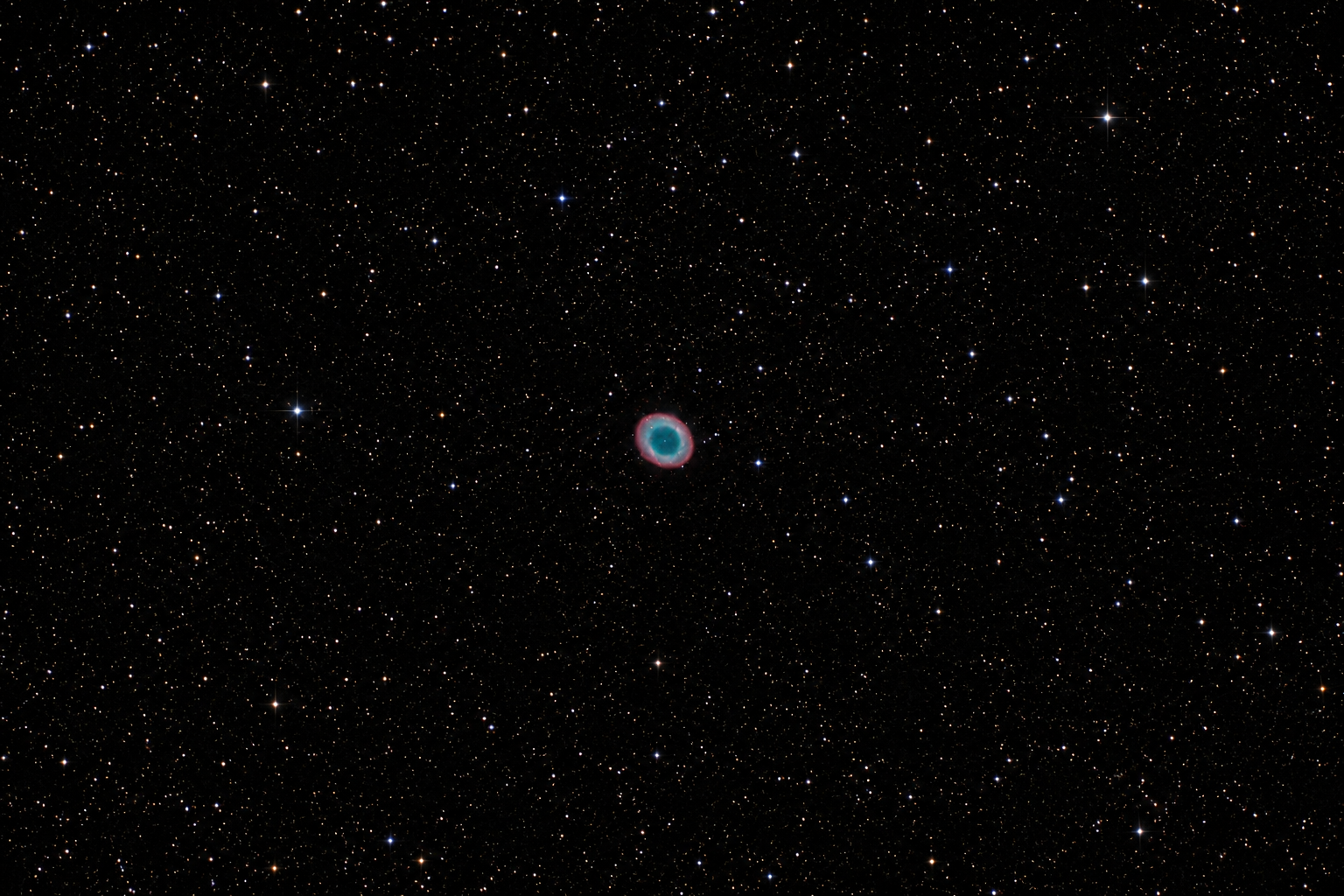
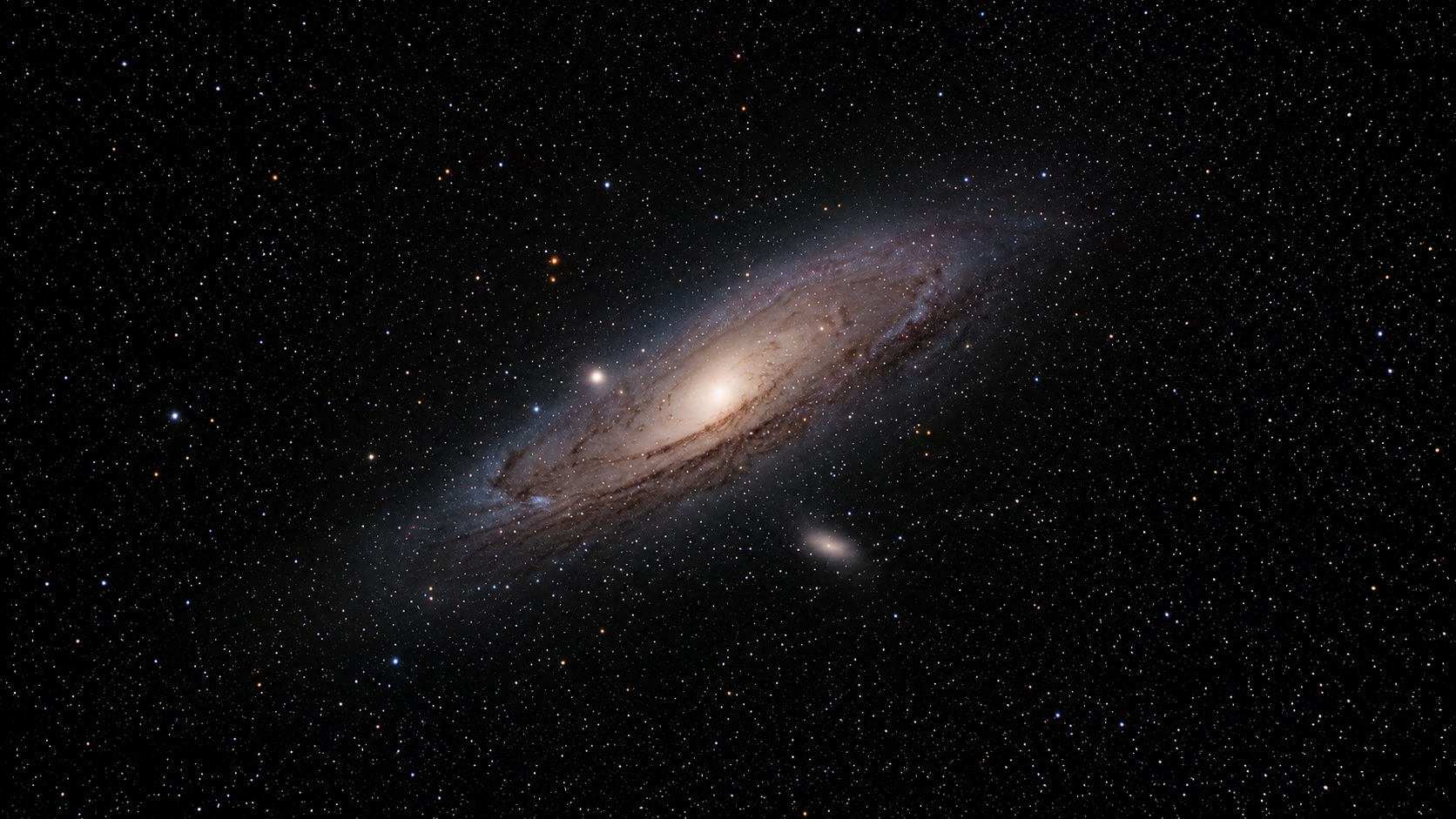
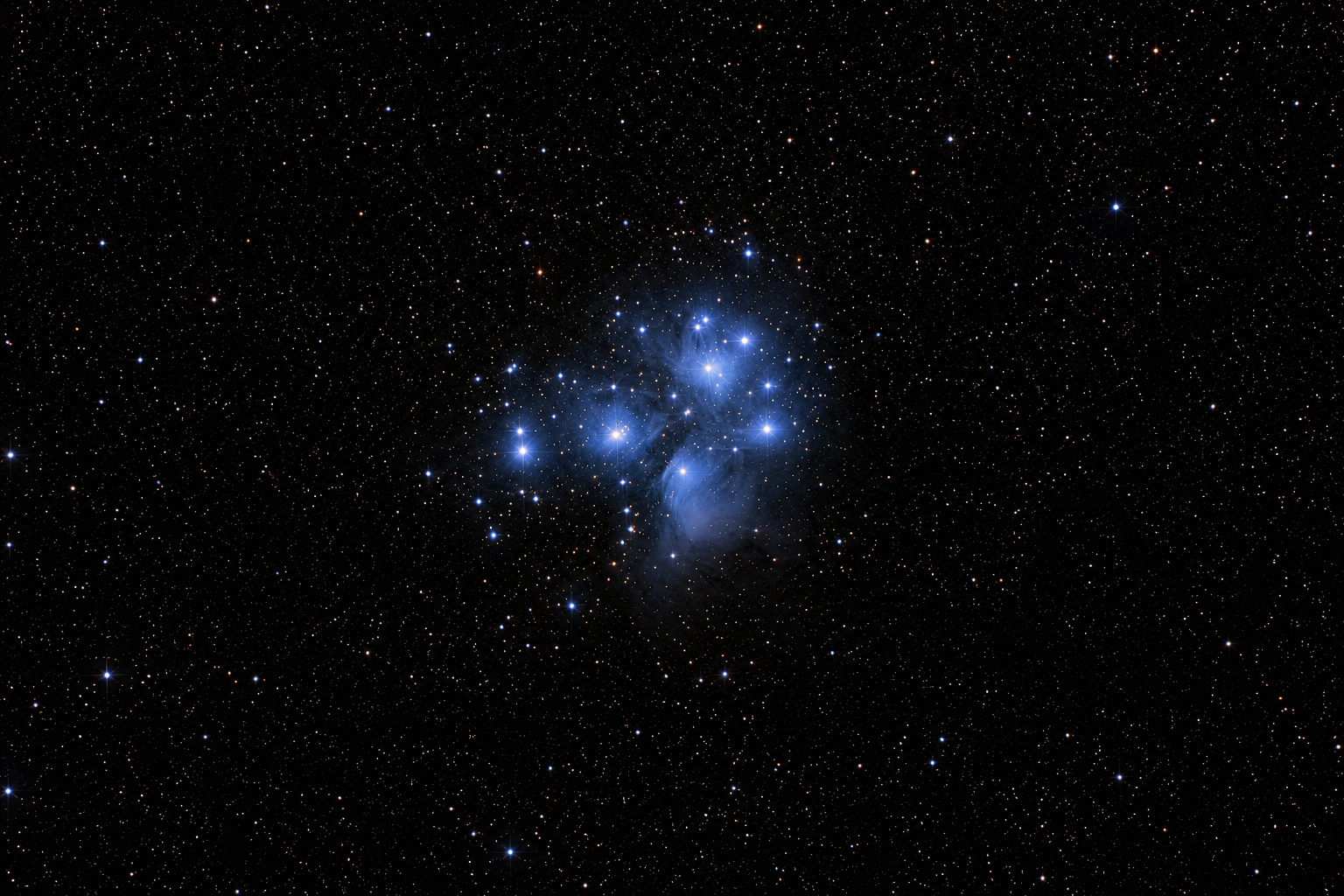
This is a wide-field focal length, and it decides your target list more than the aperture does. On a typical cooled camera it frames two to three degrees, which holds the North America Nebula, the Heart Nebula and the Veil complex whole. Galaxies at this scale are small, bright dots.
Aperture
70 mm
Seventy millimetres is small, and in imaging that matters less than beginners expect: exposure time substitutes for aperture in a way it cannot for visual observing. What it does limit is resolution. Fine detail in a galaxy or a small planetary nebula needs more aperture no matter how long you expose.
Focal ratio
f/6.8
Focal ratio governs how fast an extended object builds up signal. At f/6.8 this is moderately fast, so nebulae accumulate at a reasonable rate while the tube stays forgiving of small focus errors, unlike the f/4 astrographs that punish a few microns of drift.
Weight
2.7 kg
Weight is what decides your total spend, because the mount must carry the tube plus camera plus guiding with margin. Under three kilograms complete, this rides on a star tracker or an entry equatorial rather than requiring the HEQ5 class mount a larger tube would. That difference is worth more than the price of the telescope.
Corrected field
32 mm
The corrected circle is how much of the focal plane stays sharp, and it sets the largest sensor you can use. Thirty two millimetres comfortably covers any 1 inch or 4/3 inch astronomy camera with room to spare, and reaches the corners of an APS-C sensor. Beyond that the stars will begin to distort.
03The Polaris ScoreHow it scores, and why.
83/100 · #6 of 14 ED doublet imaging refractors
03The Polaris Score
How it scores, and why.
83/100 · #6 of 14 ED doublet imaging refractors
83/ 100
SVBony SV503 70ED Flat Field
#6 of 14 ED doublet imaging refractors
Performance79
Ease of use82
Portability90
Upgrade potential80
Polaris weighs optical capability, how easy the scope is to live with, how portable it is, and how far it takes you before you outgrow it — not list price or brand.
04Who it's forAn honest fit check.
A first dedicated imaging telescope, where getting a flat field without a spacing puzzle is…
04Who it's for
An honest fit check.
A first dedicated imaging telescope, where getting a flat field without a spacing puzzle is…
Buy it if you
✓A first dedicated imaging telescope, where getting a flat field without a spacing puzzle is worth more than aperture.
✓Travel and grab-and-go imagers, since the whole tube weighs less than most camera lenses of equivalent focal length.
✓Anyone photographing the large nebulae, which are exactly the targets a 474 mm flat field frames well.
Look elsewhere if you
!Galaxy imagers, since 70 mm and 474 mm together will not resolve much structure in anything but the largest galaxies.
!Visual observers wanting maximum aperture per pound, who are far better served by a Dobsonian or a Maksutov.
!Anyone expecting a complete telescope, since this is an optical tube with no mount, no diagonal and no eyepieces.
05Build your rigWhat to buy next — and where it leads.
7 pieces of gear, ordered by what changes the view most
05Build your rig
What to buy next — and where it leads.
7 pieces of gear, ordered by what changes the view most
Recommended upgrades
Boost contrast on faint detail★ Top pickSVBony SV220 Dual-Band 7nm 2-inch
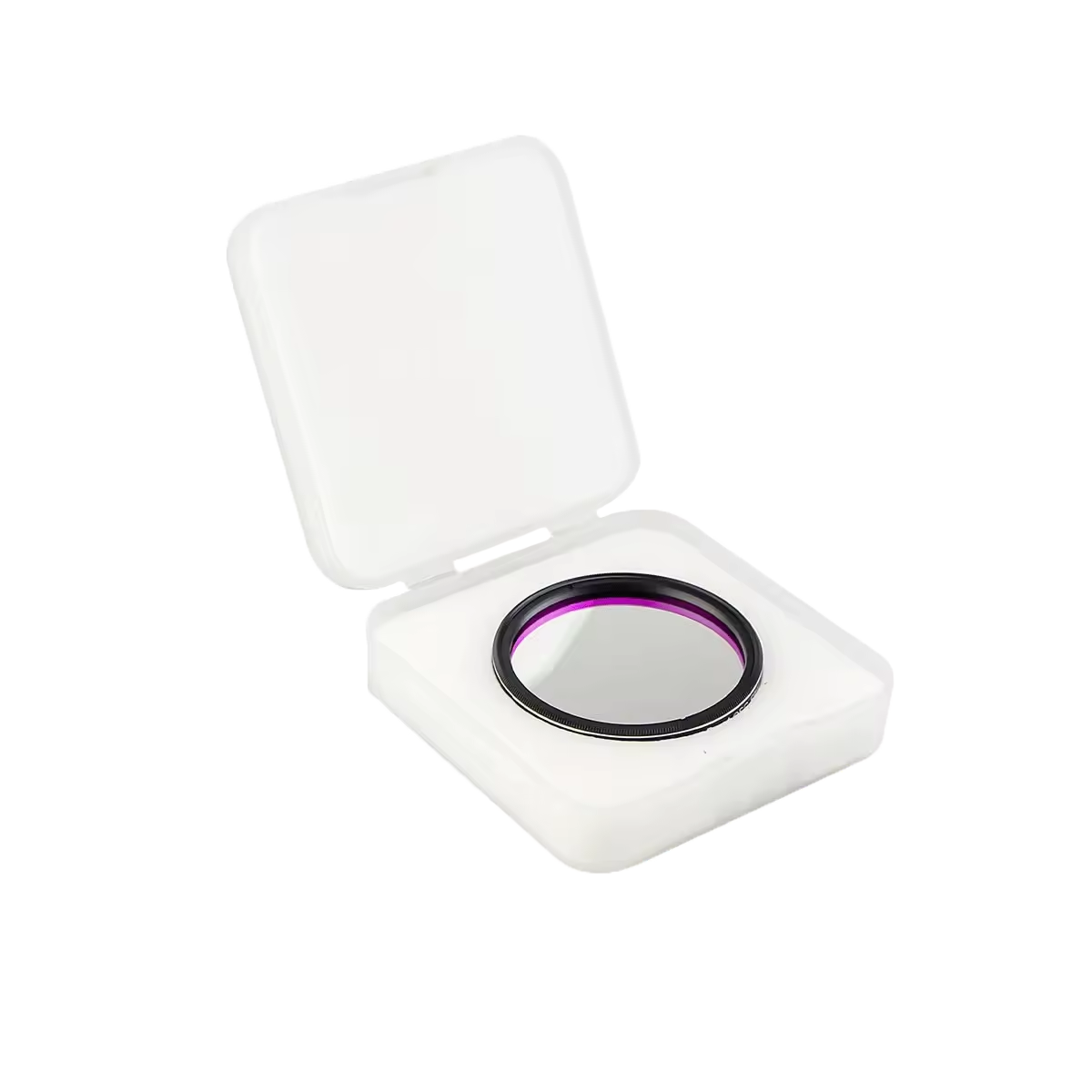
At 474mm your targets are large emission nebulae, which is exactly what a dual-band filter is built for.
$130.99View details →
Start imaging planets & the MoonSVBony SV905C Guide Camera
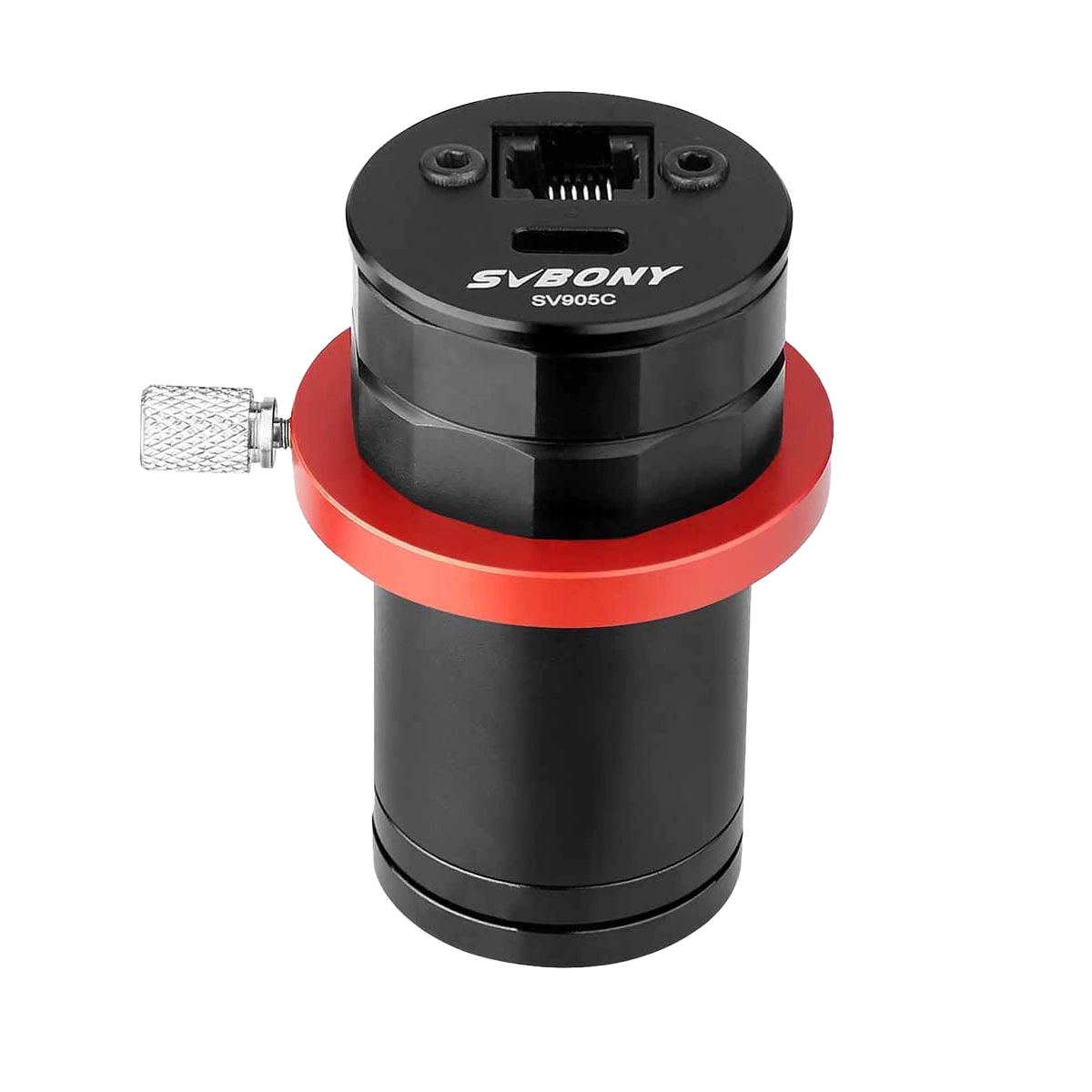
A tracker holds a minute or two unguided. Guiding is what takes this tube past that.
$116.99View details →
Observe all night, no AA batteriesCelestron PowerTank Lithium
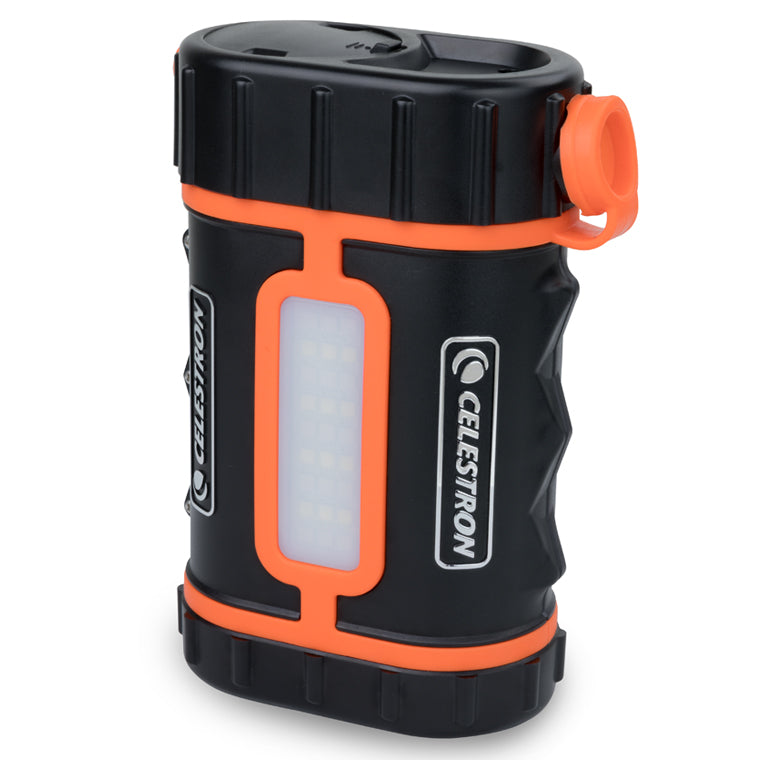
A light travel rig is only portable if the power is too. Runs a camera and mount for a full night.
$99.95View details →
Imaging path
Better tracking & light imagingSky-Watcher HEQ5 Pro SynScan GoTo Mount✓ Compatible
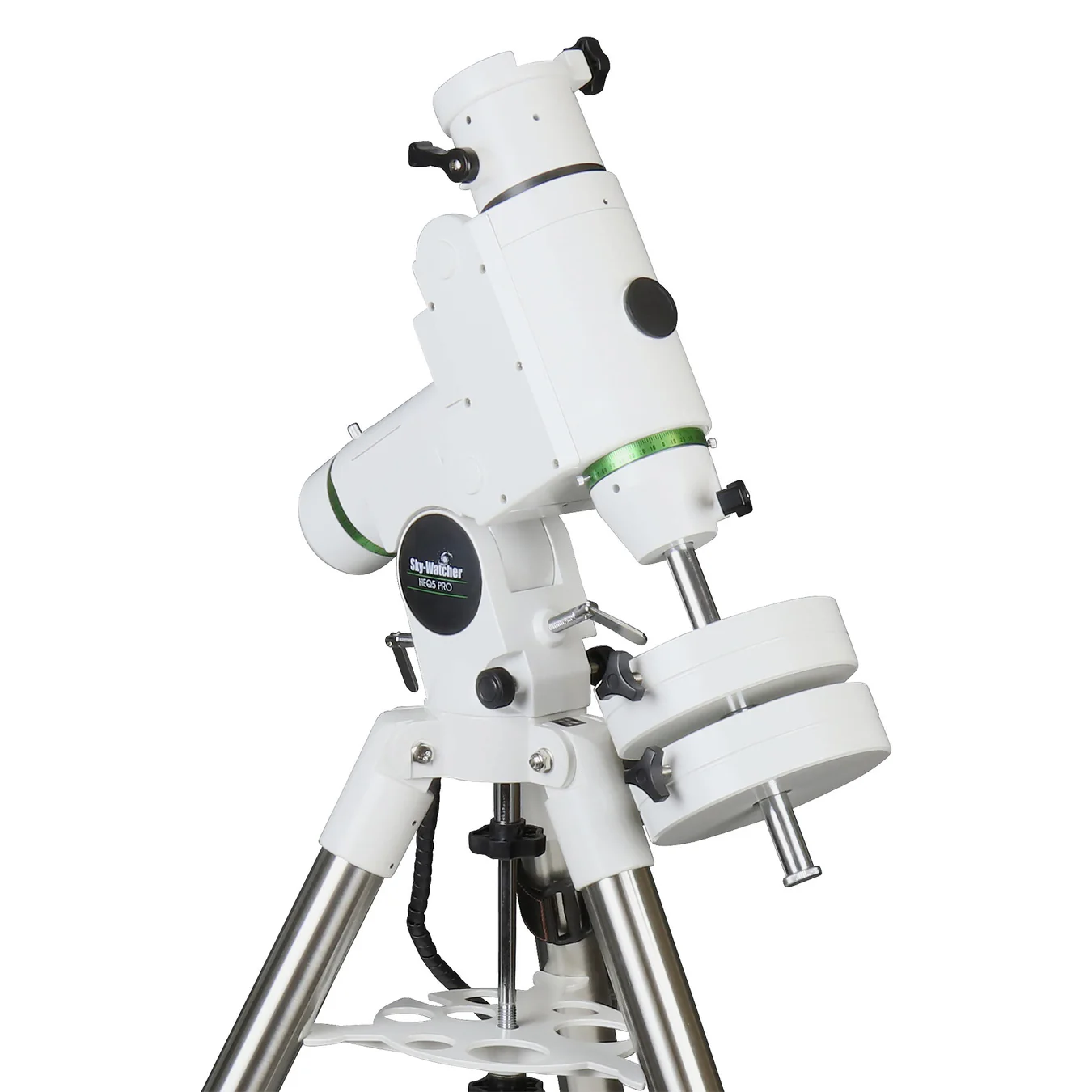
$1,625View details →
Portable astrophotographyZWO AM5N Harmonic Equatorial Mount✓ Compatible
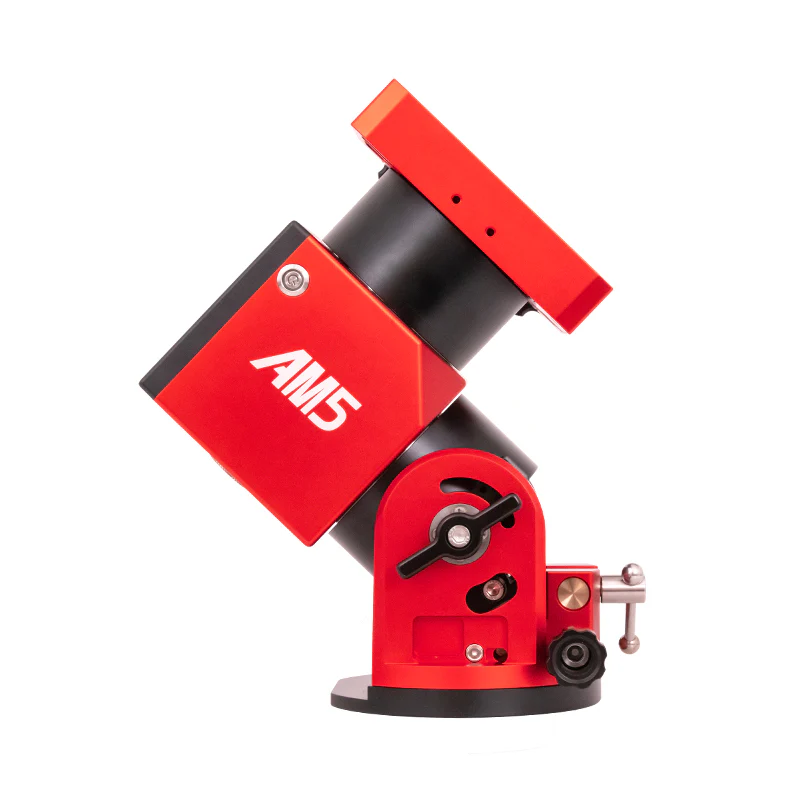
$2,299View details →
A versatile upgradeSky-Watcher Star Adventurer GTi GoTo EQ Mount Kit✓ Compatible
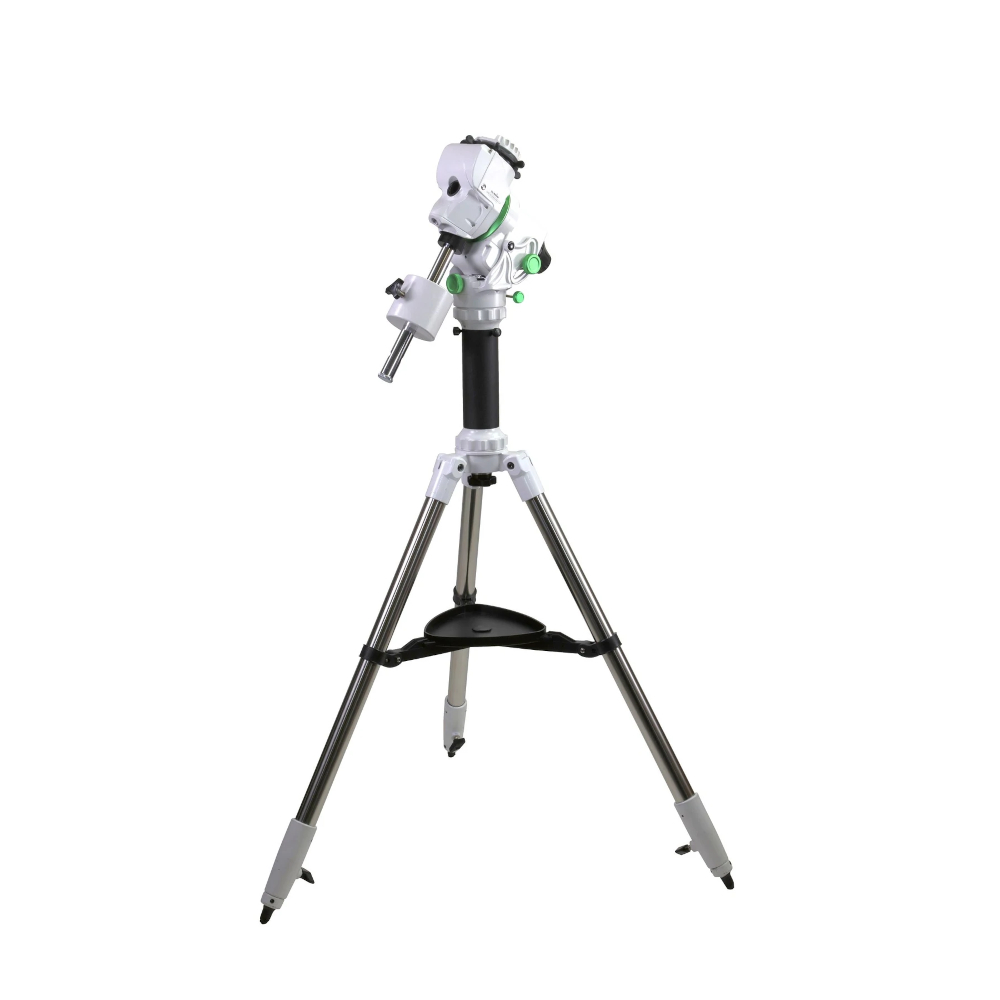
$830View details →
Start imagingZWO ASI533MC Pro
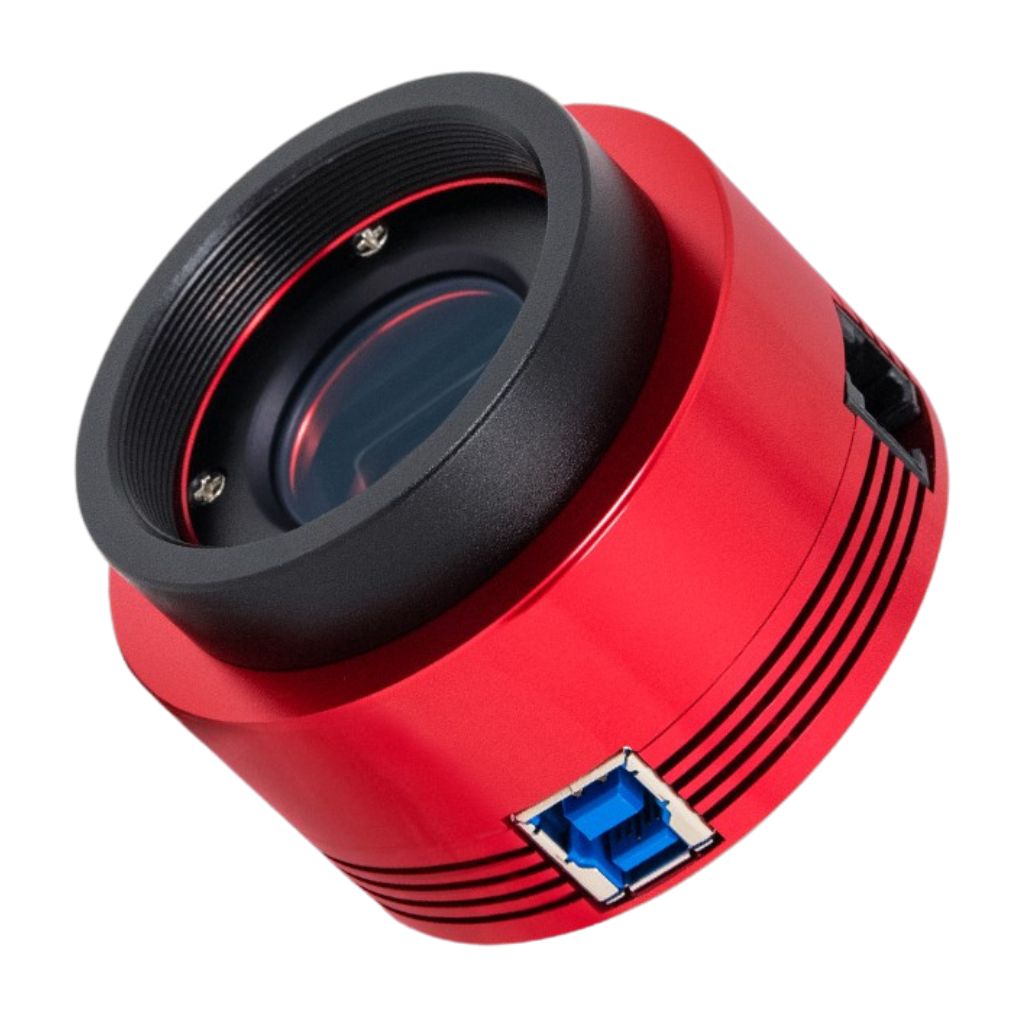
$799View details →
06The numbersFull specifications.
6 measured and stated values
06The numbers
Full specifications.
6 measured and stated values
Optics
Optical DesignPetzval Astrograph
Aperture70mm
Focal Length474mm
Focal Ratiof/6.8
Mount & drive
Mount TypeNone (OTA only)
Physical
Weight2.7 kg
07AlternativesFor a different goal, start here.
2 alternatives, each mapped to the goal it wins at
07Alternatives
For a different goal, start here.
2 alternatives, each mapped to the goal it wins at