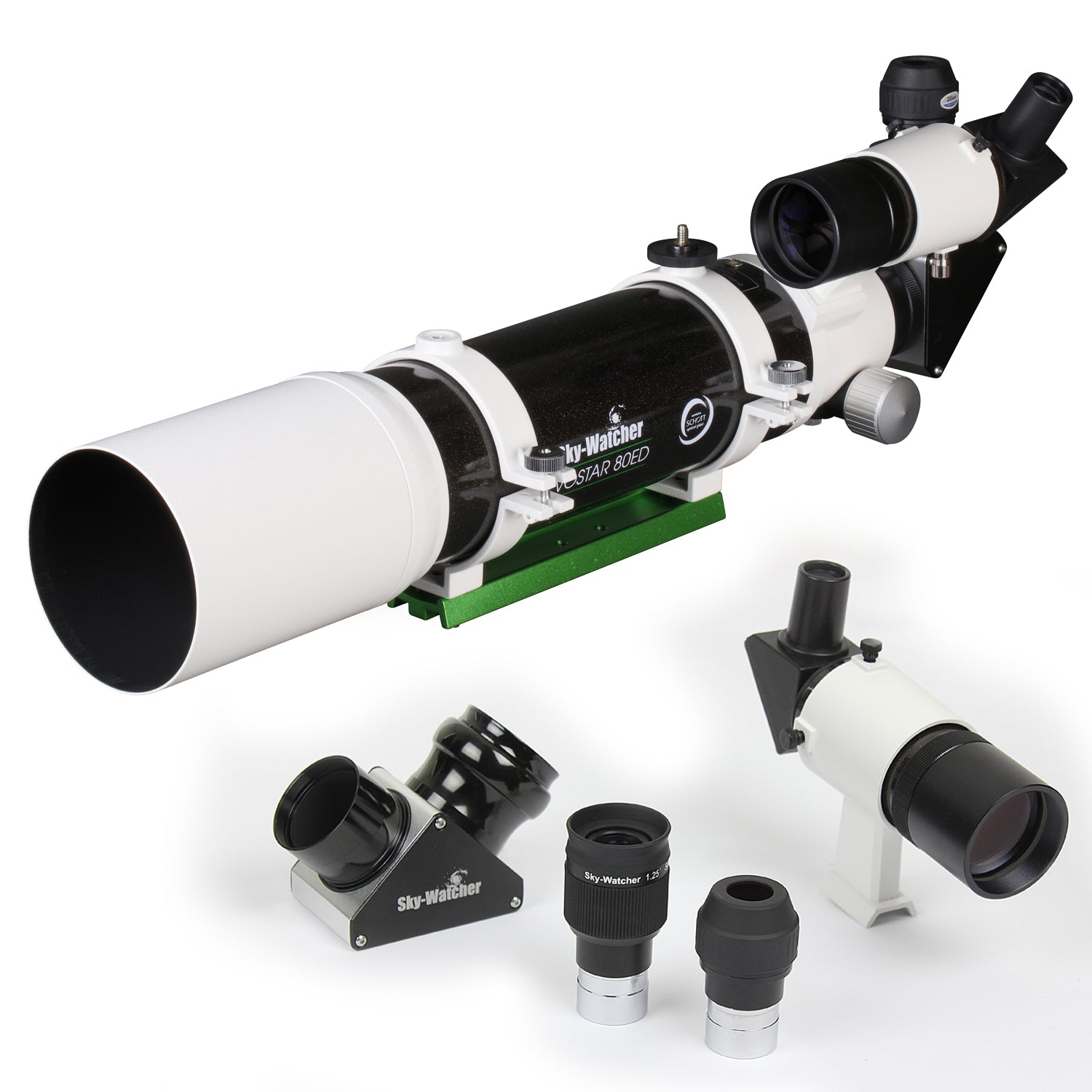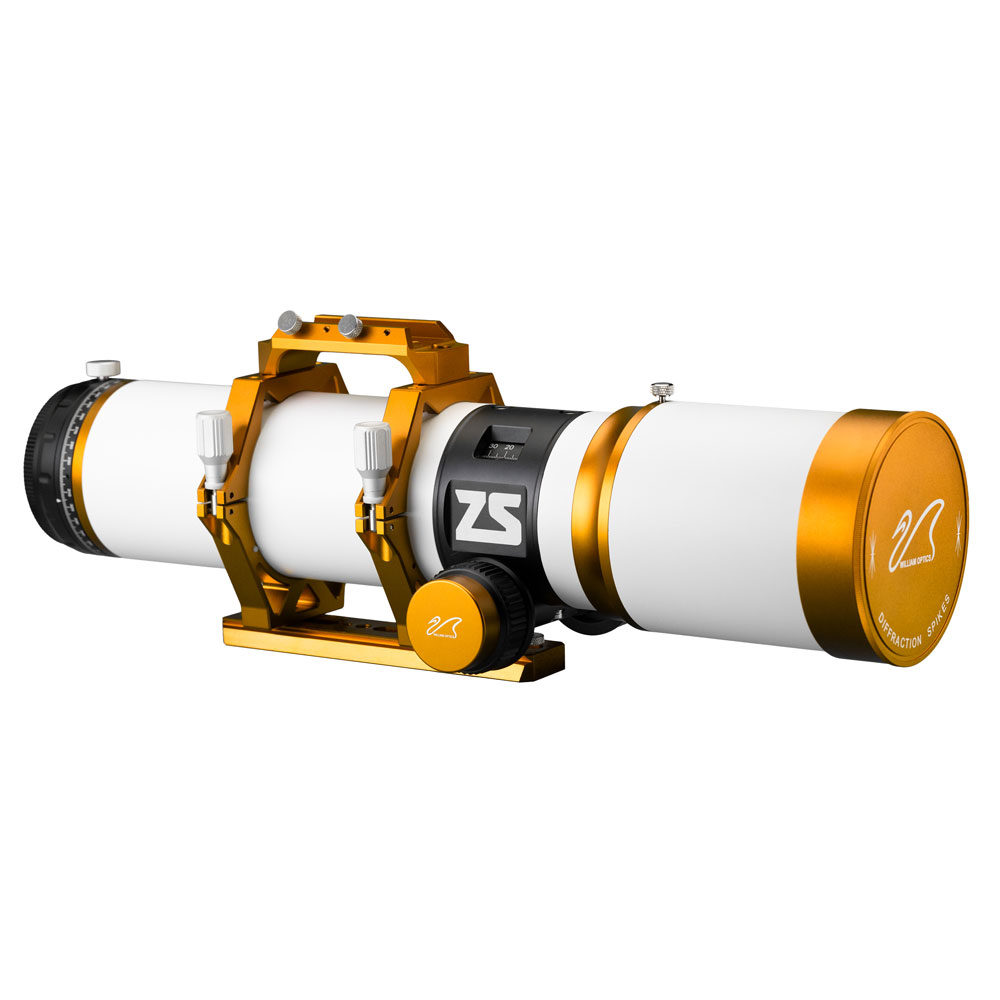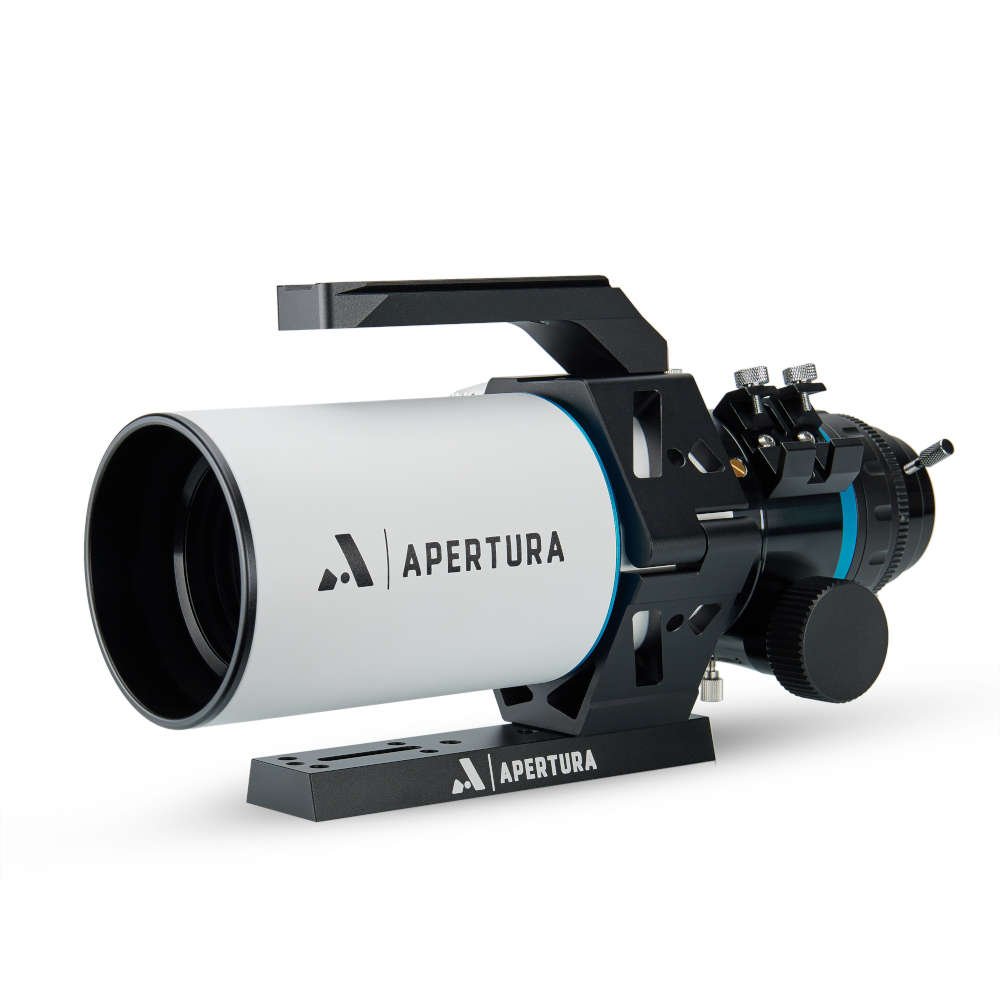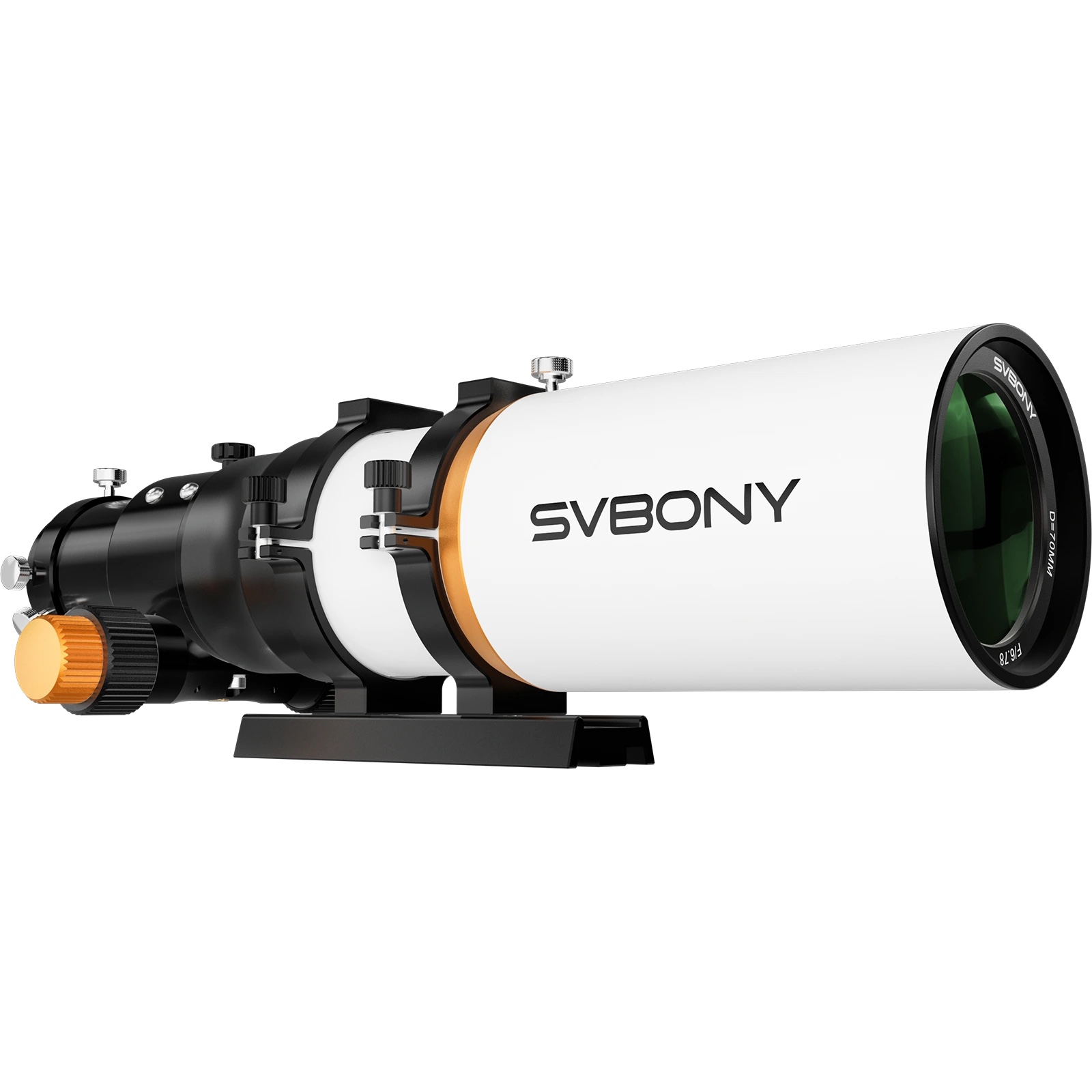
SVBony SV503 80ED — image 1
SVBony

SVBony SV503 80ED

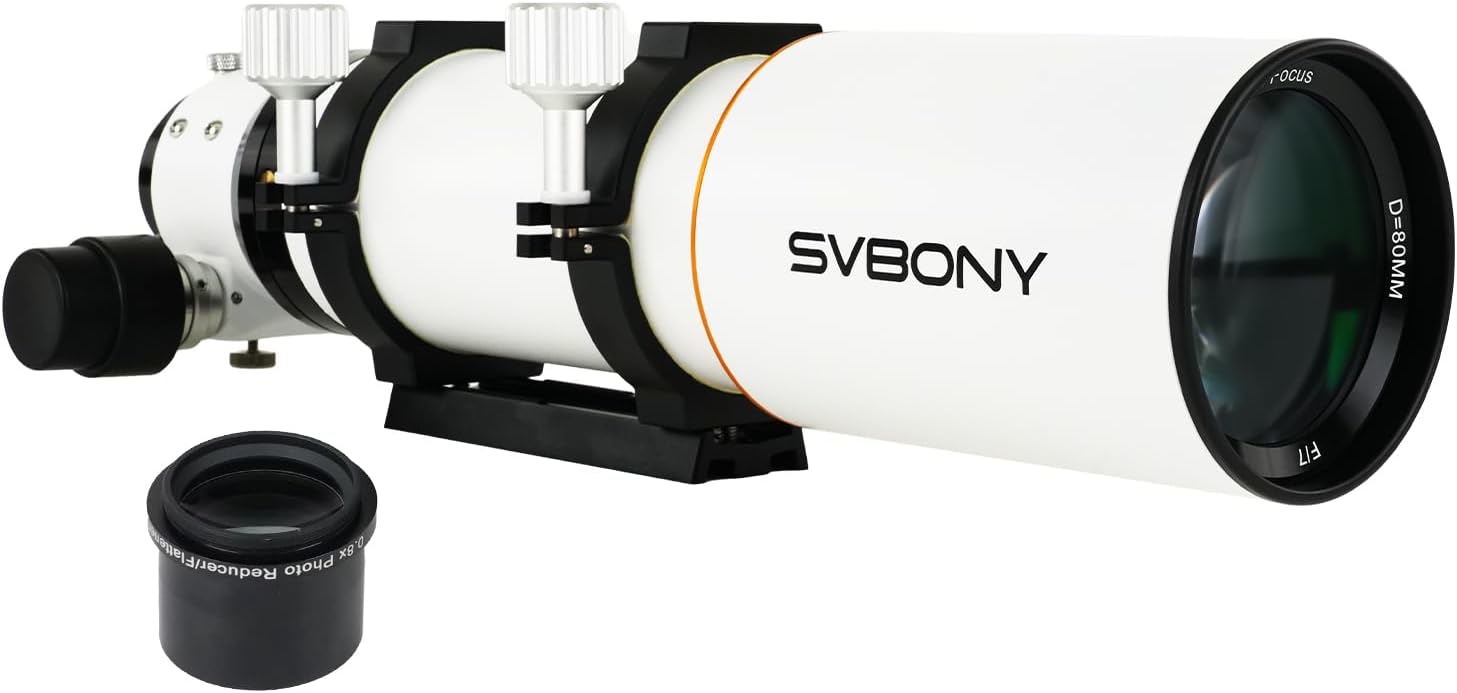
An 80 mm S-FPL51 ED doublet with a 2 inch dual-speed focuser for under half what the established names charge. If your budget has to cover a mount as well as a telescope, this is the tube that leaves the most money for the mount.

84/ 100
Polaris Score
#1 of 7 budget ED imaging refractors
See the breakdown ↓
Aperture
80mm
Focal Length
560mm
Focal Ratio
f/7
Mount Type
None (OTA only)
Optical Design
ED Doublet Refractor
Weight
2.5 kg
From$449.99

$85 above 90-day low

Price tracked by PolarisObserved 22 timesTracking since Aug 2026

Try in simulator →
What it's built forOpen these in the simulator →

This telescope was built for sweeping wide.

A short, fast refractor with a generous true field — the whole sword of Orion in one view, star fields that spill past the field stop. It rewards low power and dark skies far more than chasing magnification.

Widest true fieldsTack-sharp to the edge
The view people remember

The Pleiades, blue and blazing.

A knot of hot young stars wrapped in the faintest haze of reflected light — best at the lowest power, where the whole cluster drops into a single glittering field.

See The Pleiades through this telescope →
01What it's good at

What it's best at — and the trade-offs.

S-FPL51 extra-low dispersion glass in a doublet is the specification that separates a real imaging refractor from a bright achromat, and here it costs…
Best at
✓S-FPL51 extra-low dispersion glass in a doublet is the specification that separates a real imaging refractor from a bright achromat, and here it costs roughly $430 instead of the $700 to $900 the same specification usually commands.
✓The 2 inch rack and pinion focuser has a 1:10 fine gear, which is not a given at this price. Focusing a camera at f/7 needs finer control than a single-speed focuser gives, and retrofitting one costs more than the difference between this scope and a cheaper tube.
✓At 2.5 kg the OTA sits comfortably on a modest strain-wave or EQ mount rather than forcing you into a heavier and more expensive one, which is where most of a first imaging budget actually goes.
✓SVBony sell a matched SV193 0.8x reducer and flattener for it, which turns the scope into a 448 mm f/5.6 astrograph with flat stars into the corners of an APS-C sensor. The current Amazon listing bundles that reducer with the tube.
Trade-offs
!S-FPL51 is the entry grade of ED glass. Bright stars show a faint violet halo that FPL-53 and fluorite doublets do not, which is invisible on most targets and visible on Vega and Sirius.
!It is an OTA. Budget for a mount, a finder or guide scope, a diagonal and eyepieces for visual use, or a flattener and camera adapters for imaging. Realistically that doubles the outlay.
!Eighty millimetres of aperture is a wide-field instrument. Galaxies stay small and faint, and no amount of magnification changes that.
!The tube rings and dovetail supplied are adequate rather than good. Imagers commonly replace the dovetail with a longer one to balance a camera train.
02In plain English

What These Numbers Mean

80mm · f/7 · 560mm FL
Aperture
80 mm
Eighty millimetres gathers about a hundred and thirty times more light than your eye, which is enough for the bright Messier objects, the Moon in detail and the discs of Jupiter and Saturn. It is not enough to resolve much structure in a galaxy. Choose this aperture because you want a wide, sharp, portable field, not because you want to reach faint things.
Focal length
560 mm
A 560 mm focal length frames the objects most first imagers actually want: the Andromeda galaxy, the North America Nebula, the Pleiades and the whole of Orion's sword all fit an APS-C sensor. Add the 0.8x reducer and 448 mm widens that further. Small targets like the Ring Nebula stay very small, which is the honest trade for the wide field.
Focal ratio
f/7
Seven is a forgiving number. It is fast enough that a five-minute exposure records real signal, and slow enough that focus tolerance, tilt and star colour are all easier to manage than at f/4. Beginners lose fewer nights to spacing errors at f/7 than at any faster ratio, which matters more early on than raw speed.
Optical design
S-FPL51 ED doublet
Two elements, one of them extra-low dispersion glass, bring red and blue close enough to a common focus that stars stay tight and white. A triplet does it better and costs two to three times more. What you will actually see is a faint violet fringe on the brightest stars, which processing removes and which no one notices on a nebula.
Weight
2.5 kg OTA
This is the number that decides your total spend. A 2.5 kg tube plus a camera and guide scope lands near 5 kg loaded, which a small strain-wave mount or a used HEQ5 handles with margin. A heavier tube pushes you a mount class up, and that class costs more than this telescope does.
Mount
None, OTA only
The box contains a tube, rings and a dovetail bar. For visual use you still need a mount, a diagonal and eyepieces. For imaging you need a tracking equatorial mount, a flattener, camera spacers and something to guide with. Plan the whole rig before buying the tube, because the tube is the cheap part.
03The Polaris Score

How it scores, and why.

84/100 · #1 of 7 budget ED imaging refractors
84/ 100
SVBony SV503 80ED
#1 of 7 budget ED imaging refractors
Performance
82
Ease of use
70
Portability
93
Upgrade potential
86

Polaris weighs optical capability, how easy the scope is to live with, how portable it is, and how far it takes you before you outgrow it — not list price or brand.

04Who it's for

An honest fit check.

The first-time deep sky imager who has decided the mount matters more than the optics and…
Buy it if you
✓The first-time deep sky imager who has decided the mount matters more than the optics and wants to spend accordingly.
✓A visual observer with a larger scope who wants a light, sharp travel refractor for wide star fields and lunar work.
✓Anyone building a portable rig where 2.5 kg of tube leaves headroom on a small tracking mount.
Look elsewhere if you
!Anyone who wants to point at something and look tonight. This is a tube with no mount, no finder and no eyepieces, and it needs all three before it does anything.
!Planetary observers, who will get far more detail per dollar from an 8 inch SCT or a Maksutov than from 80 mm of aperture.
!Imagers already committed to a full-frame camera, where a doublet and a 0.8x flattener will not hold stars round into the extreme corners.
05Build your rig

What to buy next — and where it leads.

7 pieces of gear, ordered by what changes the view most
Recommended upgrades
See wider, brighter deep-sky views★ Top pickSVBony SV165 30mm Guide Scope
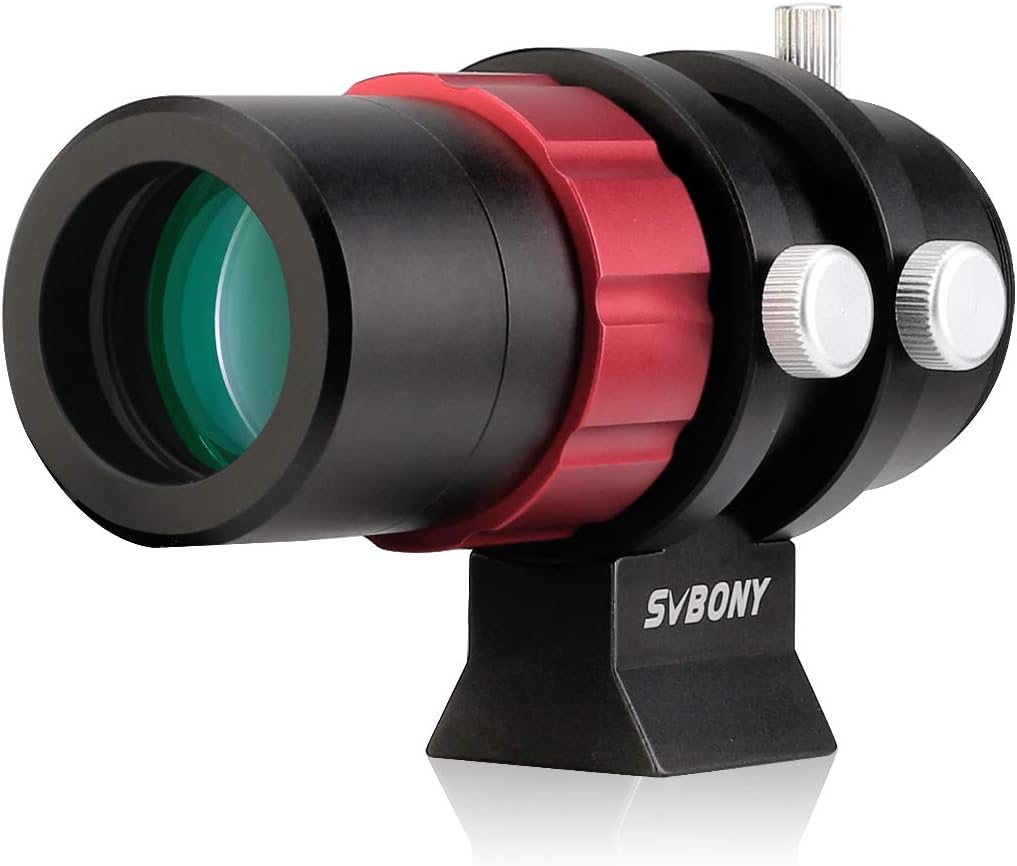
Guiding is what turns sixty second subframes into five minute ones, and 120 mm of guide focal length is well matched to 560 mm of imaging focal length.

Boost contrast on faint detailSVBony SV220 Dual-Band 7nm 2-inch
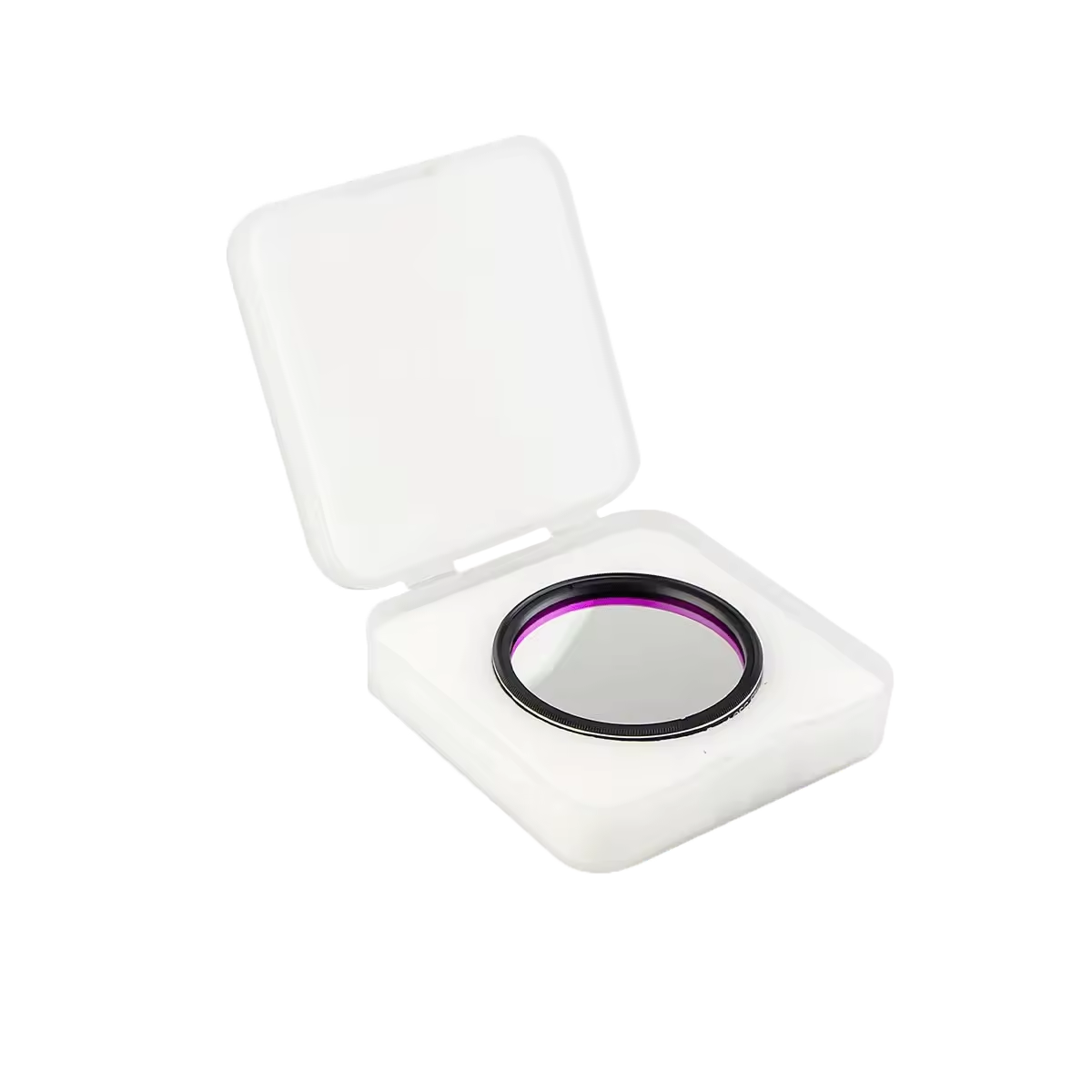
At f/7 this filter is comfortably inside its usable range, and it is what makes emission nebulae recordable from a suburban garden.

No fogging on long sessionsPegasus Astro Multi-Channel Dew Controller
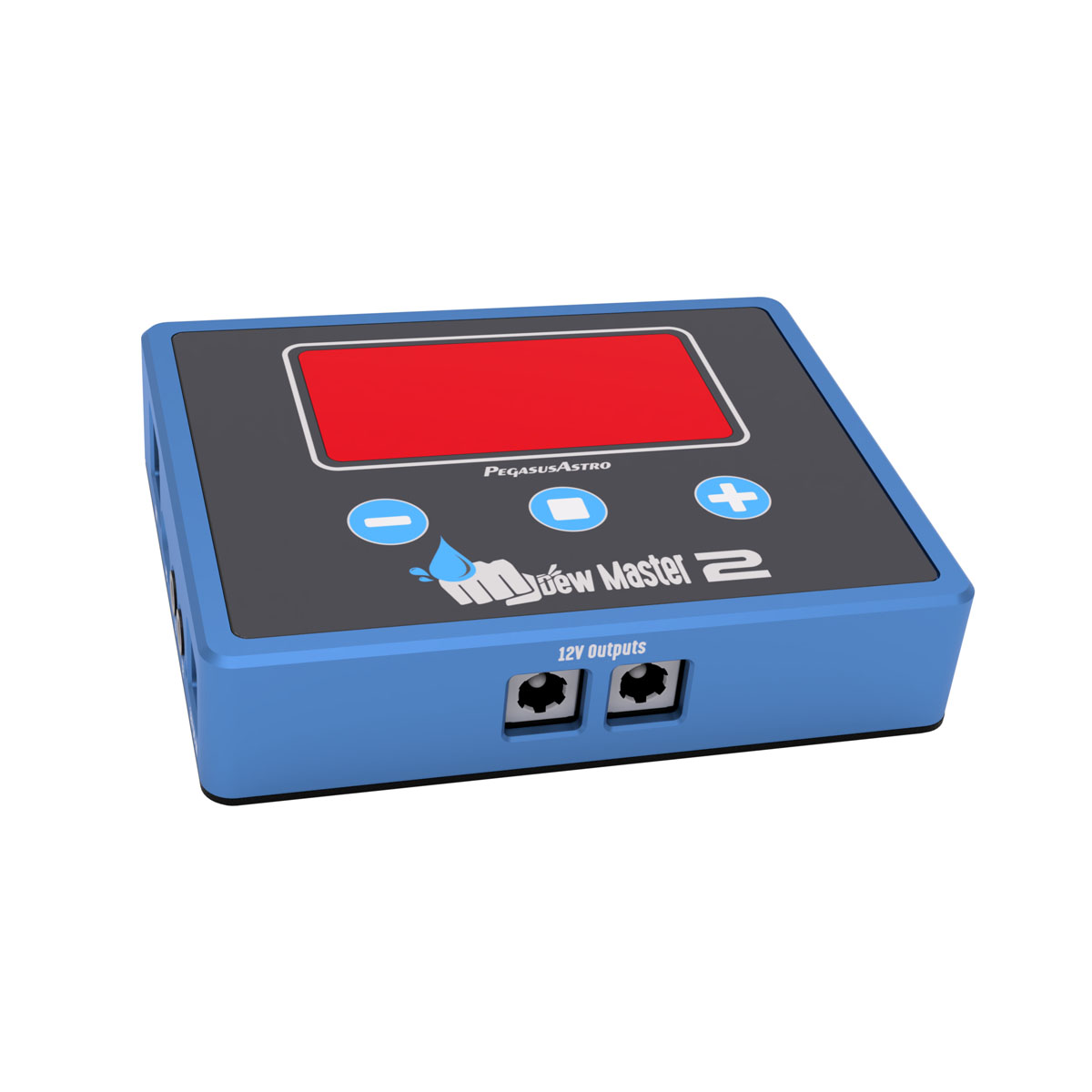
An 80 mm objective dews over within an hour on a damp night. A heated strip is the difference between a four hour session and a one hour one.

Growth path
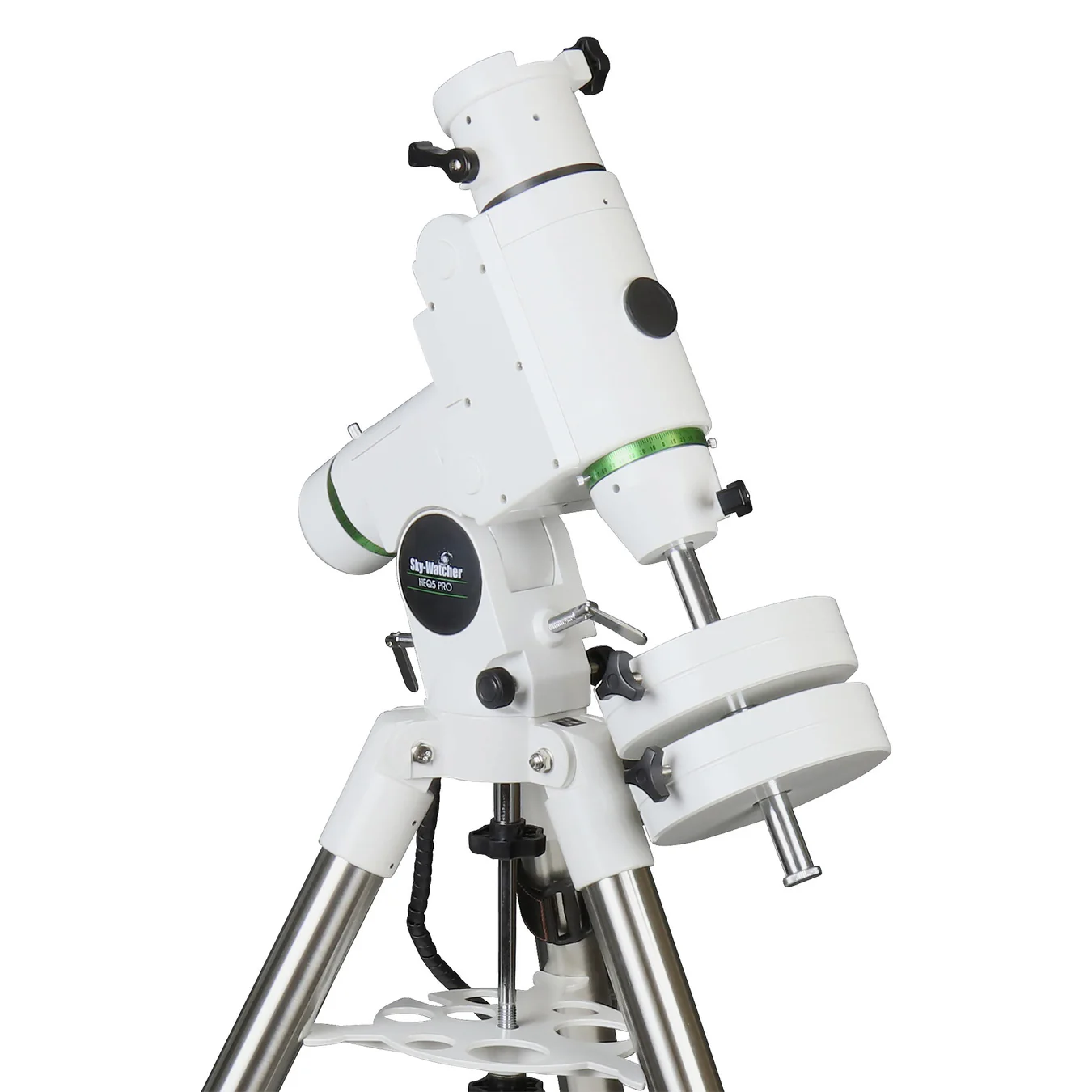
Better tracking & light imagingSky-Watcher HEQ5 Pro SynScan GoTo Mount✓ Compatible
Portable astrophotographyZWO AM5N Harmonic Equatorial Mount✓ Compatible

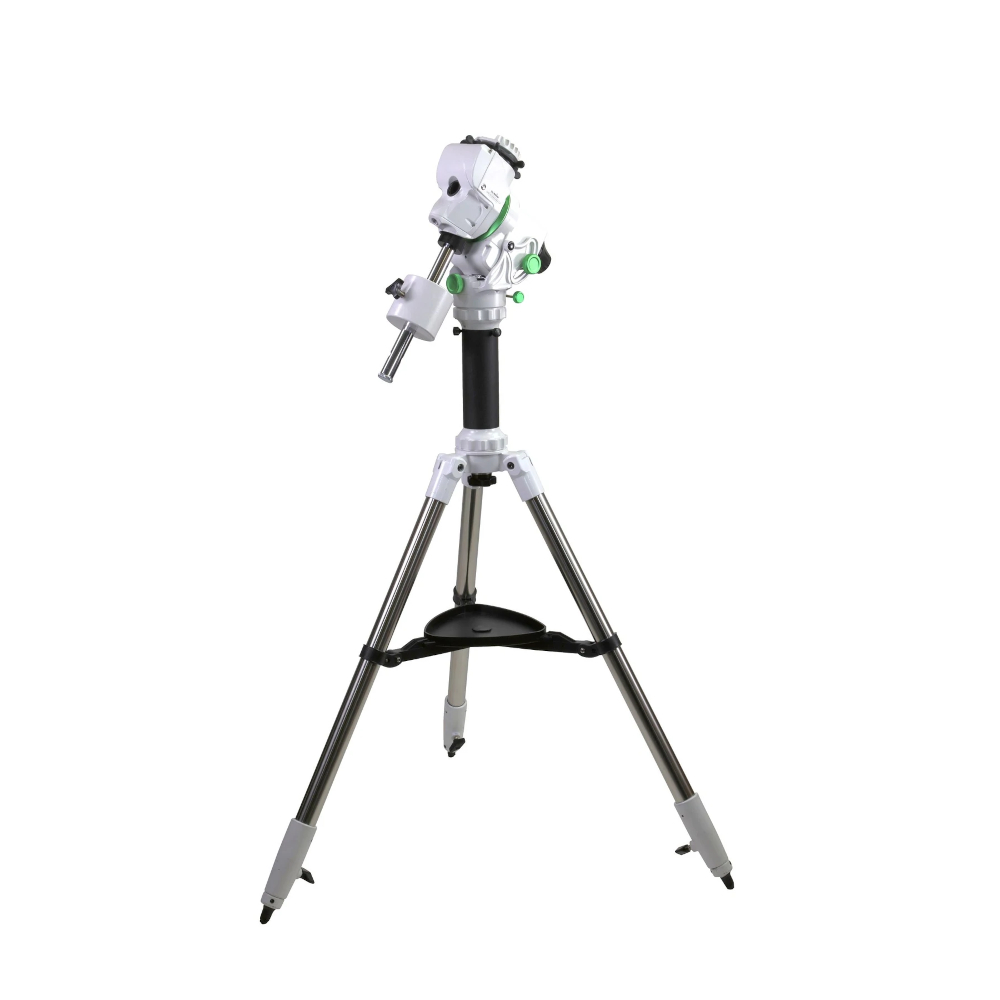
A versatile upgradeSky-Watcher Star Adventurer GTi GoTo EQ Mount Kit✓ Compatible
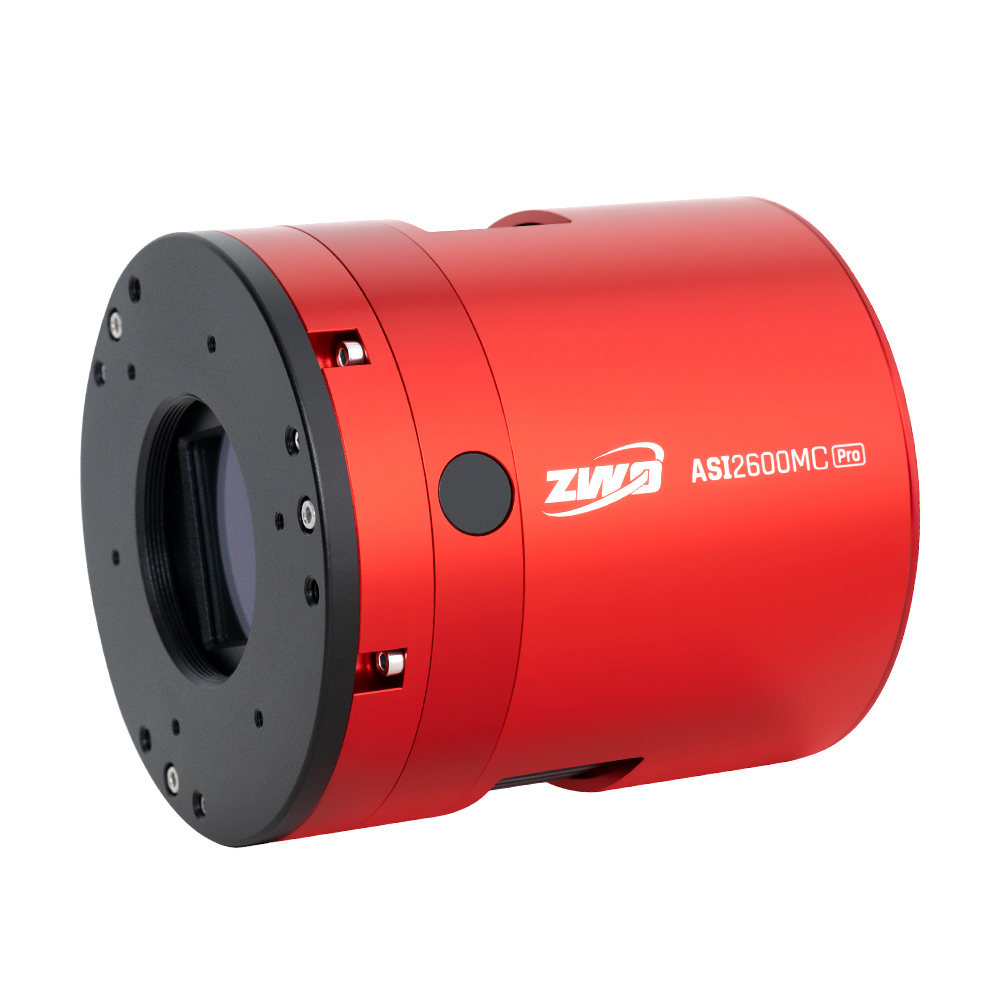
Start imagingZWO ASI2600MC Pro
Lunar & planetary
Excellent contrast
Deep-sky imaging
Strong with a flattener
Deep-sky visual
Wide, low-power views
06The numbers

Full specifications.

6 measured and stated values
Optics
Optical DesignED Doublet Refractor
Aperture80mm
Focal Length560mm
Focal Ratiof/7
Mount & drive
Mount TypeNone (OTA only)
Physical
Weight2.5 kg