Apertura
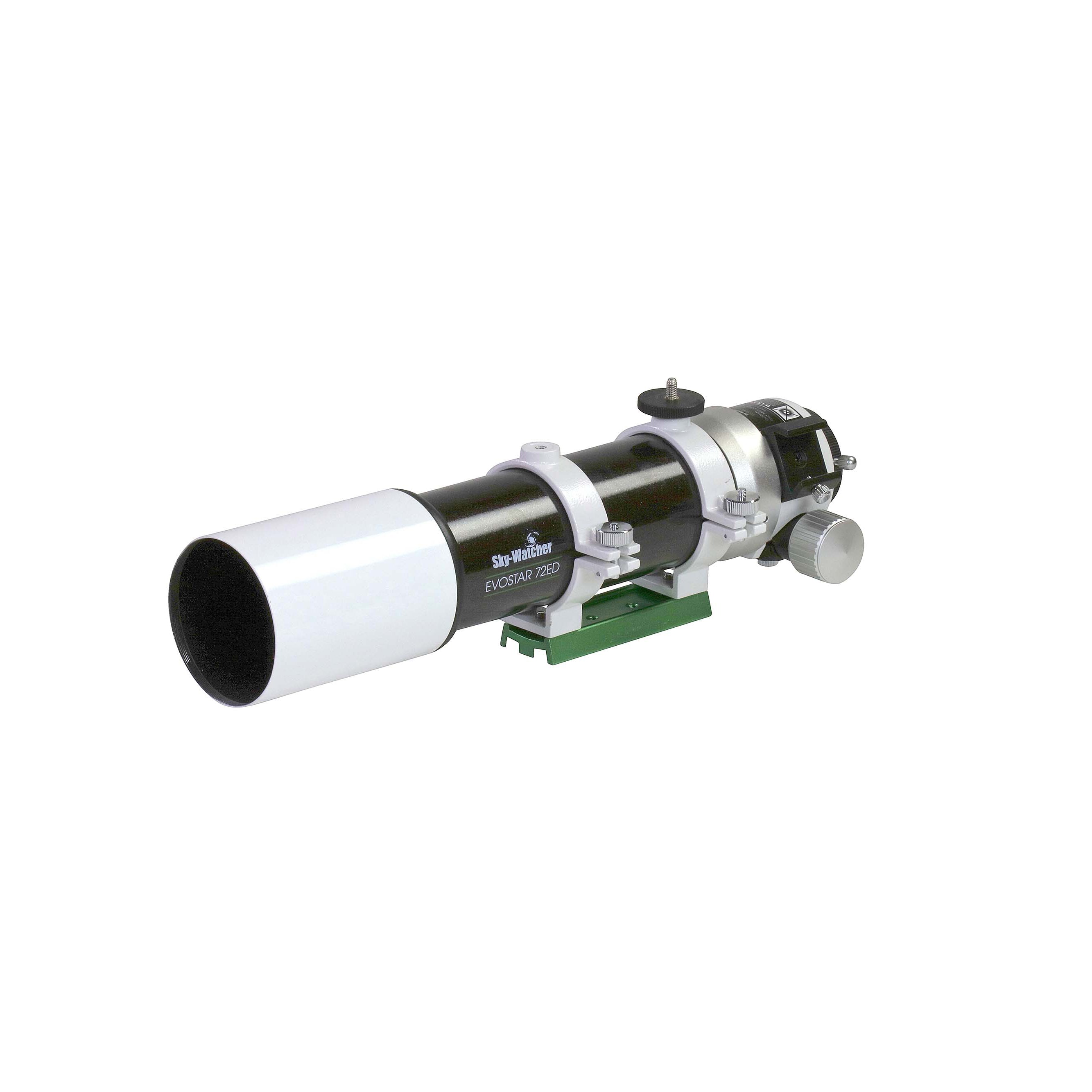
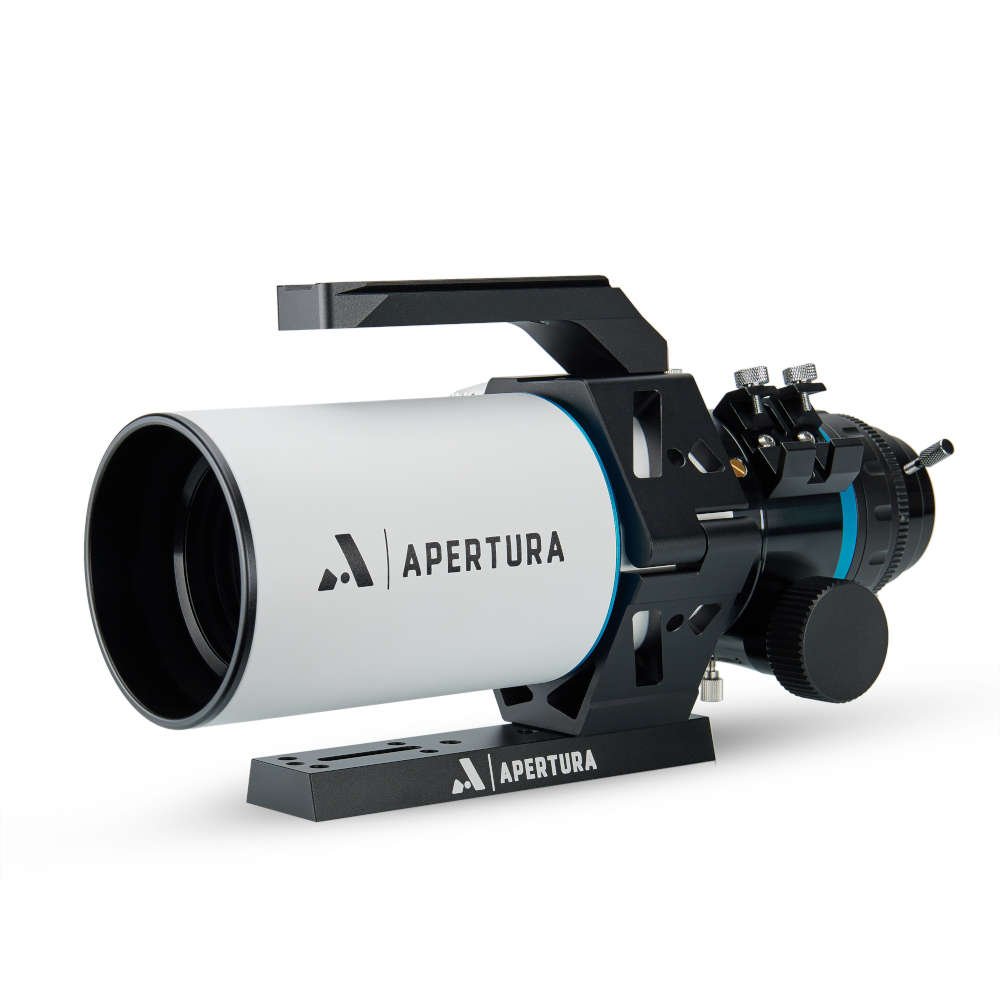
Apertura 72mm ED Doublet APO Refractor
A 72mm FPL-53 ED doublet at a fast f/6, clean, wide, colour-controlled fields at a price that undercuts the triplets. A superb value first imaging refractor.
84/ 100
Aperture
72mm
Focal Length
430mm
Focal Ratio
f/6
Mount Type
None (OTA only)
Optical Design
ED Doublet Refractor
Weight
2.4 kg
From$649.95
Lowest in 90 daysLowest ever tracked
Price tracked by PolarisObserved 52 timesTracking since Mar 2026




01What it's good atWhat it's best at — and the trade-offs.
An FPL-53 ED element controls most false colour for clean, largely colour-free stars.
01What it's good at
What it's best at — and the trade-offs.
An FPL-53 ED element controls most false colour for clean, largely colour-free stars.
Best at
✓An FPL-53 ED element controls most false colour for clean, largely colour-free stars.
✓Fast f/6 and a wide 430mm field frame large nebulae and gather light quickly.
✓Light (2.4kg) and compact, an ideal first apo on a modest tracker.
✓Priced below the triplets, leaving budget for the mount and camera that matter.
Trade-offs
!Needs a field flattener for corner-sharp stars on a camera (sold separately).
!A doublet leaves a faint colour trace on the very brightest stars.
!OTA only; a tracking mount and camera are extra.
!72mm is a wide-field aperture, not a light bucket.
02In plain EnglishWhat These Numbers Mean
72mm · f/6 · 430mm FL
02In plain English
What These Numbers Mean
72mm · f/6 · 430mm FL
Aperture
72 mm
Small aperture, chosen on purpose. It shows the Moon, the brighter planets as small sharp discs, and rich wide star fields, and it collects enough light for real deep-sky imaging on long exposures. For visual hunting of faint galaxies, a Dobsonian several times its price will show far more.
Focal length
430 mm
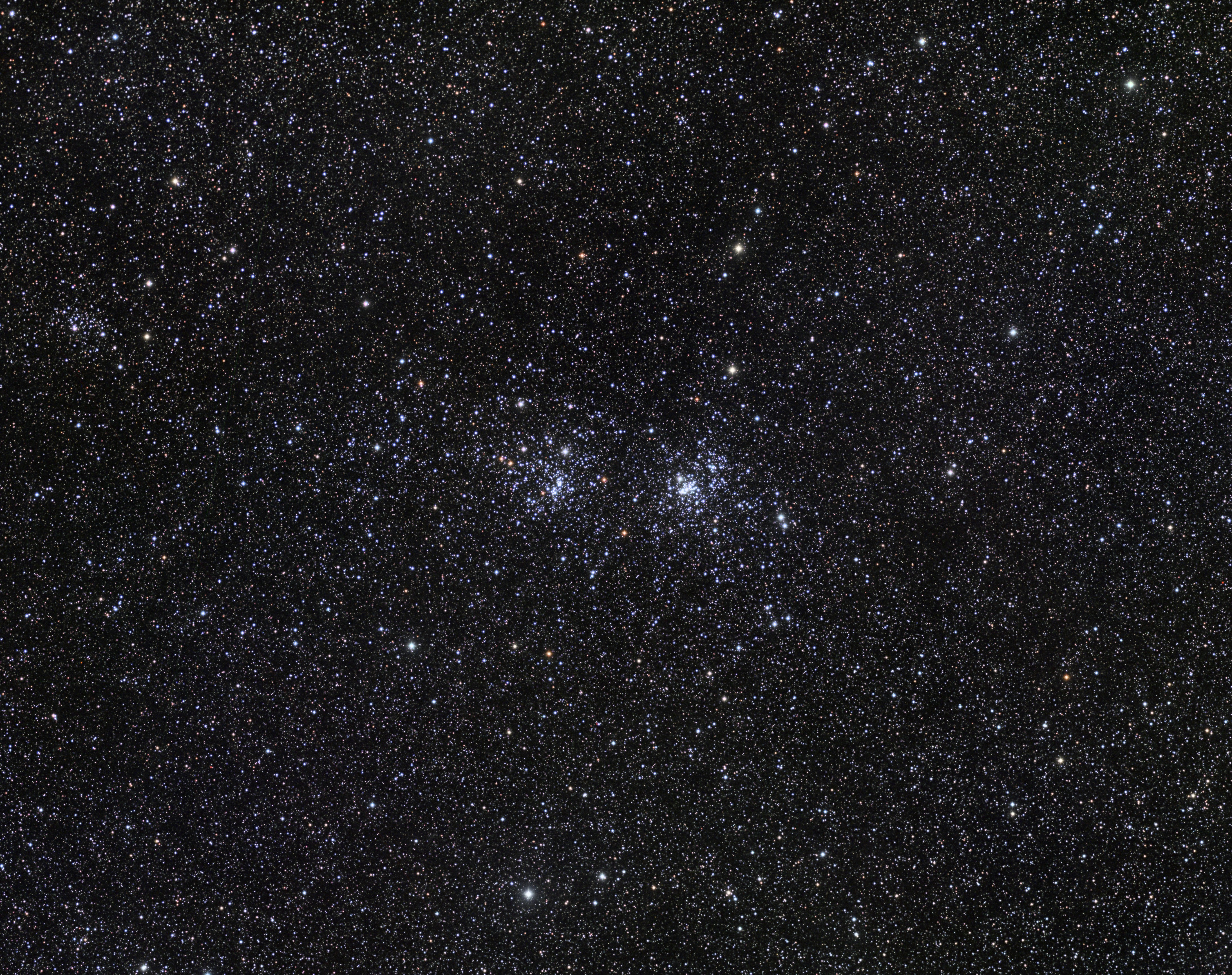
Short and wide. On an APS-C camera this frames the whole Andromeda Galaxy, the North America Nebula or the Pleiades in one shot, which is the classic beginner astrophotography field. Visually it is a low-power rich-field scope rather than a planetary one.
Focal ratio
f/6
Fast enough that deep-sky exposures build signal quickly and short enough that small tracking errors stay hidden. That combination is why a 72 mm f/6 is the standard first imaging telescope. Add the matching flattener to keep stars round in the corners.
Optical design
ED doublet
Two elements, one of them ED glass, which controls the violet fringing that plagues cheap achromats. At f/6 a doublet leaves a trace of colour on the brightest stars where a triplet would not. In exchange it cools fast, holds collimation, and costs a fraction of a triplet.
Weight
2.4 kg tube
Around 5 lb. It fits in a backpack with a camera and rides comfortably on a star tracker, so this is the scope that actually travels to dark skies instead of staying in the garage.
Mount
OTA only
You supply the mount. Its light weight means a star tracker or a small equatorial is enough, which keeps the total cost of an imaging setup unusually low for this class.
03The Polaris ScoreHow it scores, and why.
84/100 · #6 of 8 imaging APO refractors
03The Polaris Score
How it scores, and why.
84/100 · #6 of 8 imaging APO refractors
84/ 100
Apertura 72mm ED Doublet APO Refractor
#6 of 8 imaging APO refractors
Performance83
Ease of use82
Portability88
Upgrade potential79
Polaris weighs optical capability, how easy the scope is to live with, how portable it is, and how far it takes you before you outgrow it — not list price or brand.
04Who it's forAn honest fit check.
Beginners taking a first real step into deep-sky imaging.
04Who it's for
An honest fit check.
Beginners taking a first real step into deep-sky imaging.
Buy it if you
✓Beginners taking a first real step into deep-sky imaging.
✓Travellers after a small, light wide-field apo.
✓Anyone prioritising mount and camera budget over the optical tube.
Look elsewhere if you
!Imagers chasing the last few percent of star colour, a triplet edges it.
!Small-target shooters who need long focal length.
!Deep-sky visual observers after faint galaxies.
05Build your rigWhat to buy next — and where it leads.
7 pieces of gear, ordered by what changes the view most
05Build your rig
What to buy next — and where it leads.
7 pieces of gear, ordered by what changes the view most
Recommended upgrades
No fogging on long sessions★ Top pickPegasus Astro Multi-Channel Dew Controller
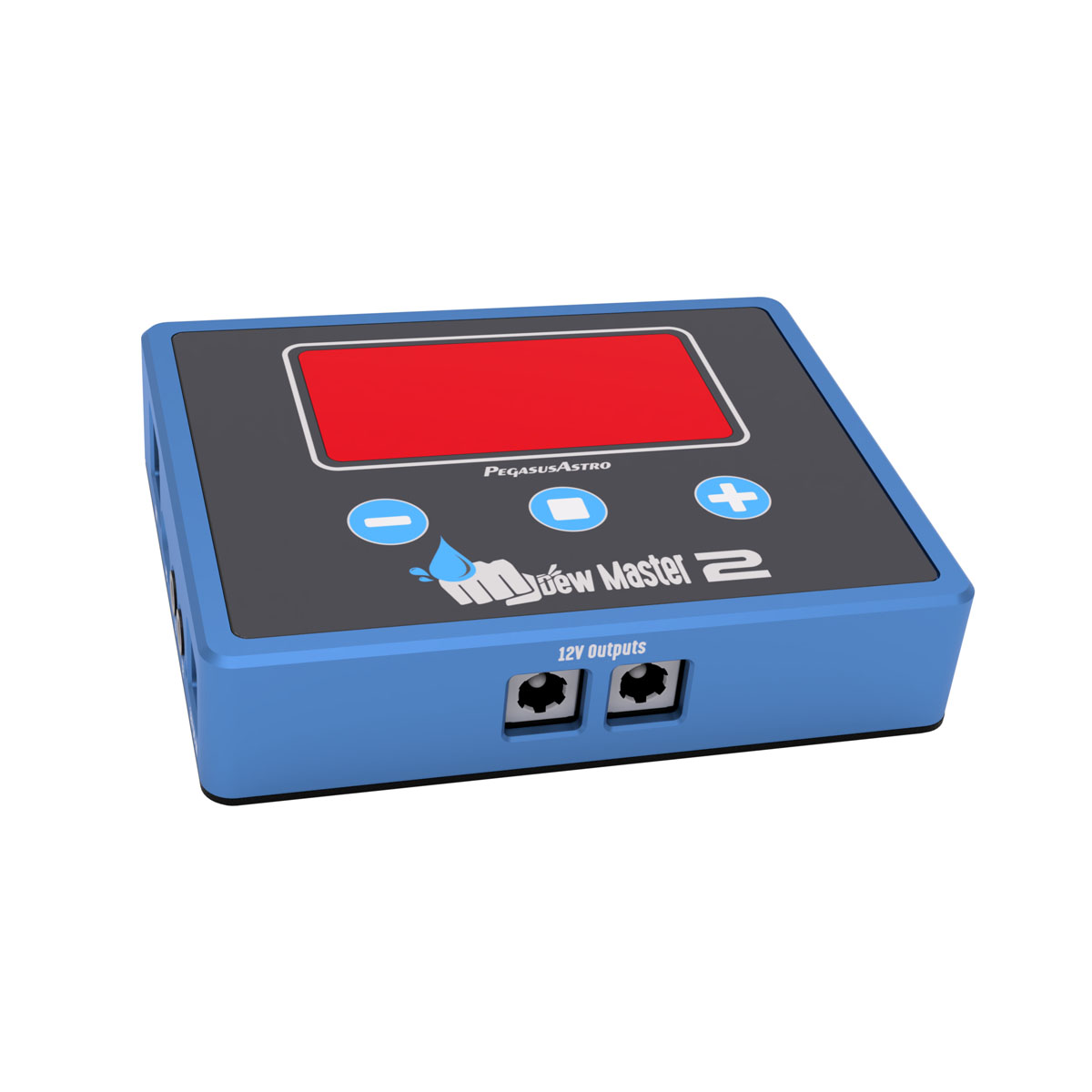
Stops dew from ending an imaging night.
$259.90View details →
Make nebulae popOptolong UHC Filter 2″
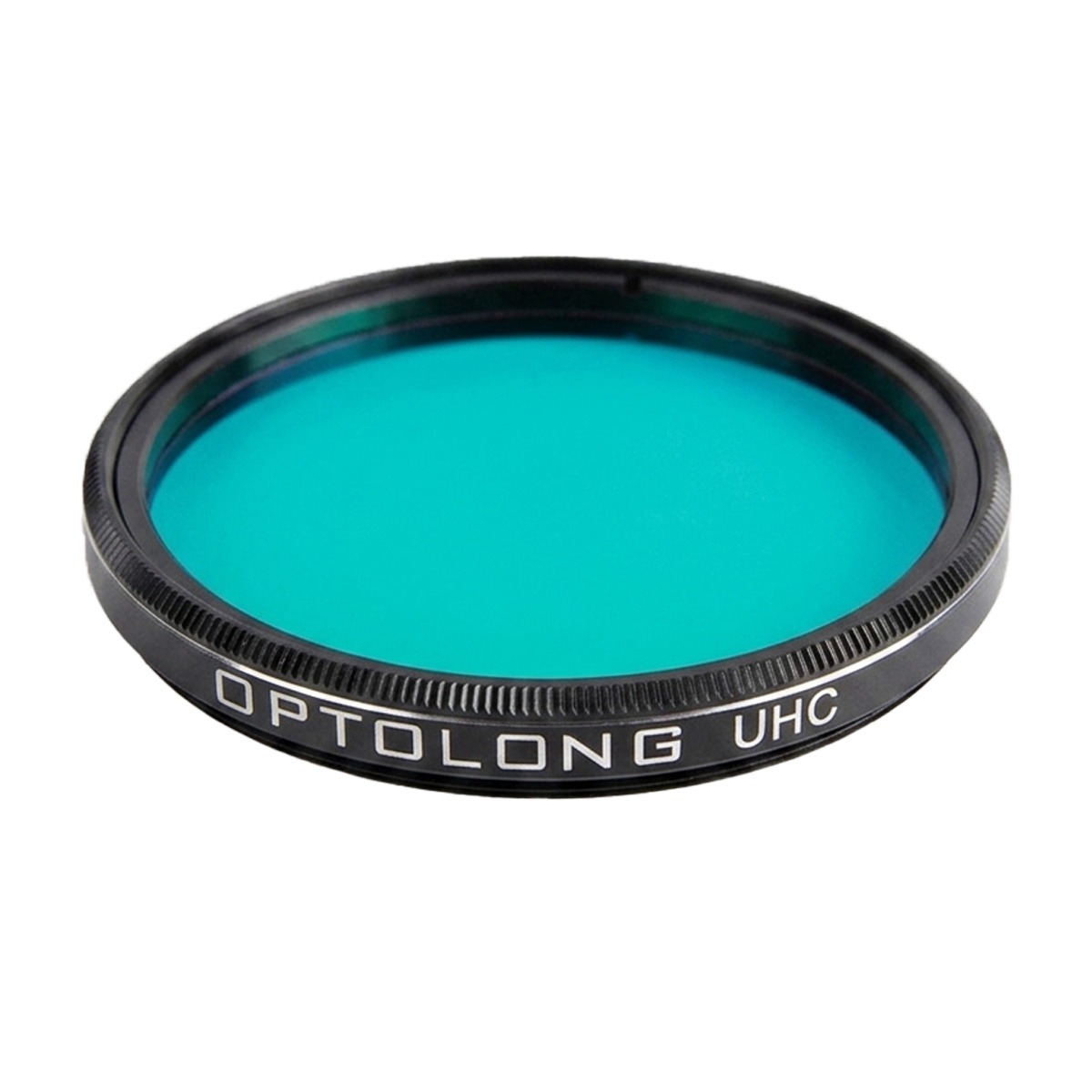
Lifts nebula contrast out of light-polluted skies.
Observe all night, no AA batteriesCelestron PowerTank Lithium
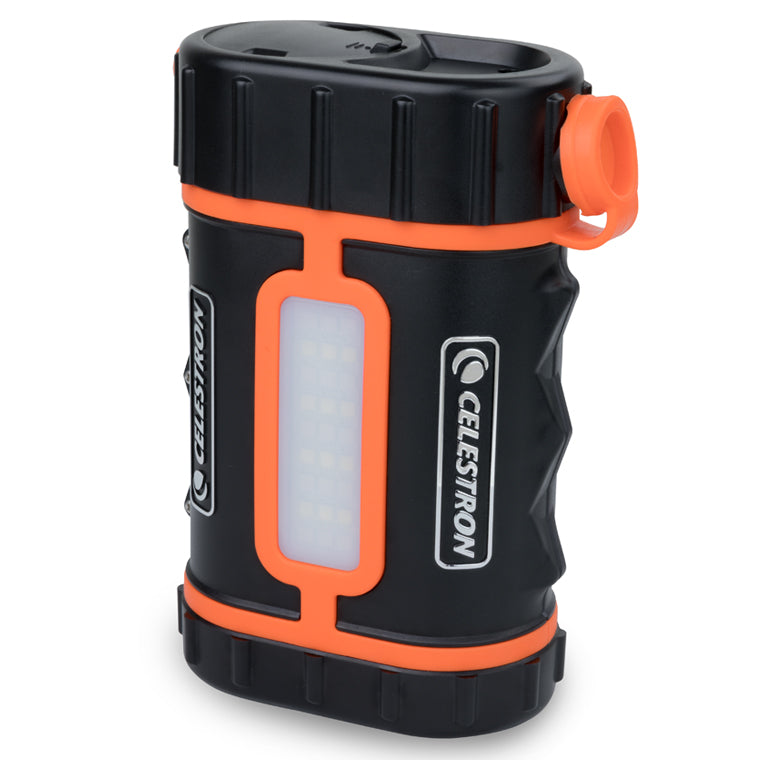
Runs the mount and heaters all night off one pack.
$99.95View details →
Growth path
Better tracking & light imagingSky-Watcher HEQ5 Pro SynScan GoTo Mount✓ Compatible
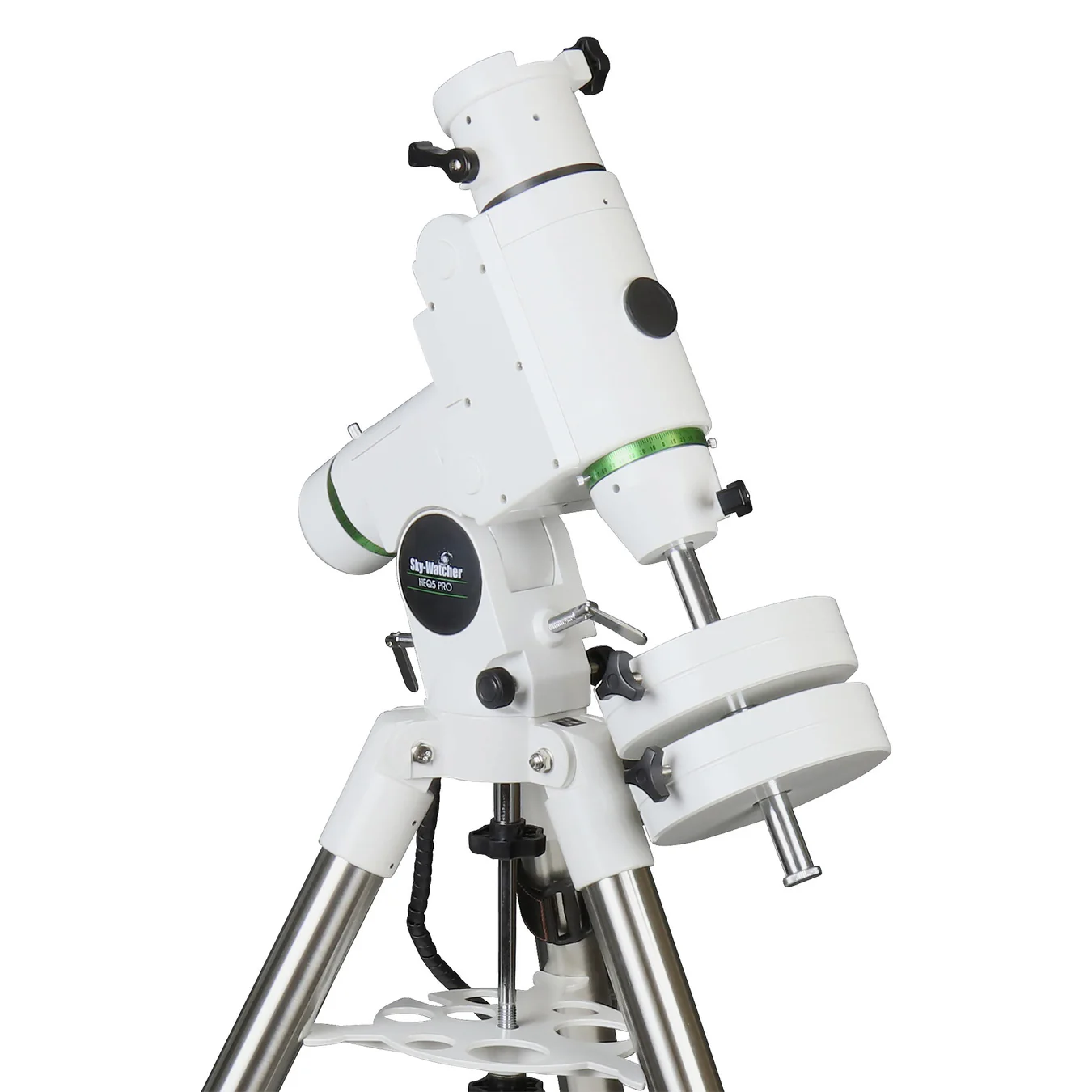
Commonly paired with this telescope
$1,625View details →
Portable astrophotographyZWO AM5N Harmonic Equatorial Mount✓ Compatible

Start capturing images of the Moon and planets
$2,299View details →
A versatile upgradeSky-Watcher Star Adventurer GTi GoTo EQ Mount Kit✓ Compatible
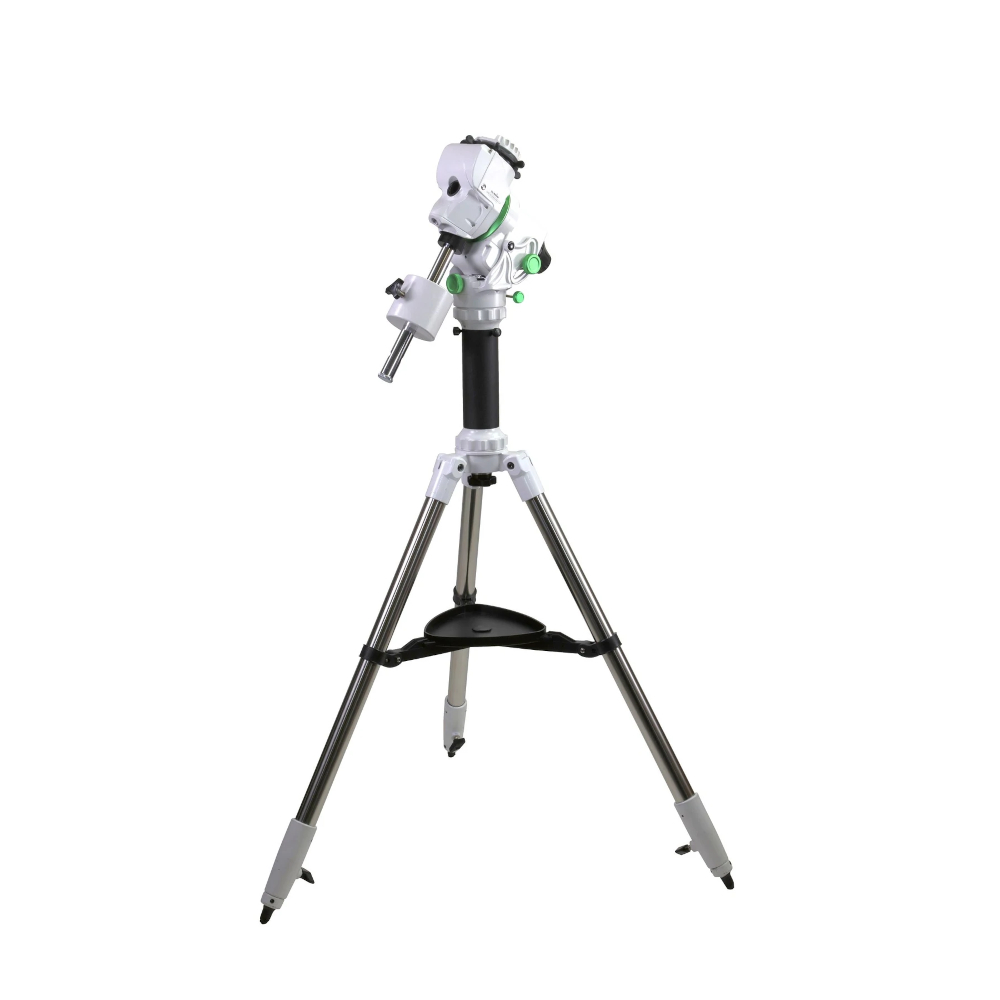
Commonly paired with this telescope
$830View details →
Start imagingZWO ASI533MC Pro
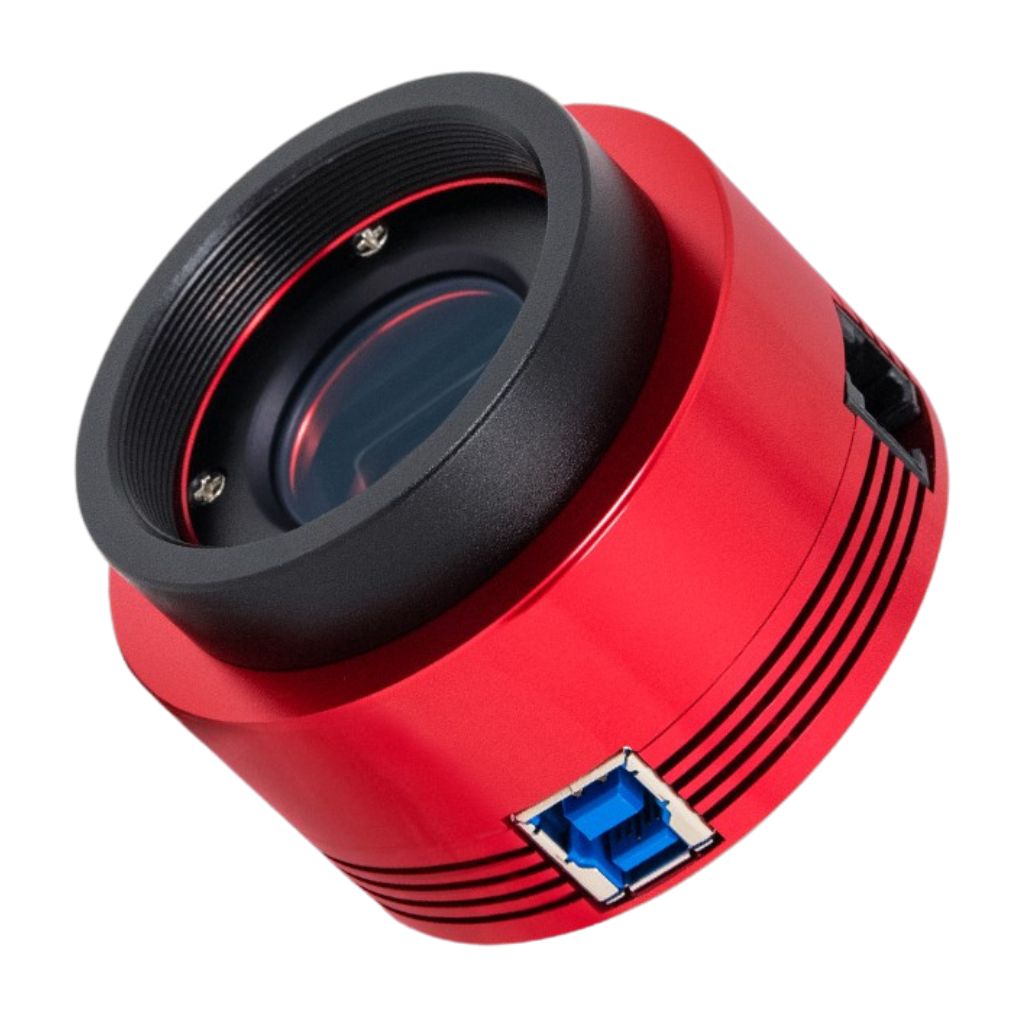
Start capturing images of the Moon and planets
$799View details →
06The numbersFull specifications.
6 measured and stated values
06The numbers
Full specifications.
6 measured and stated values
Optics
Optical DesignED Doublet Refractor
Aperture72mm
Focal Length430mm
Focal Ratiof/6
Mount & drive
Mount TypeNone (OTA only)
Physical
Weight2.4 kg
07AlternativesFor a different goal, start here.
2 alternatives, each mapped to the goal it wins at
07Alternatives
For a different goal, start here.
2 alternatives, each mapped to the goal it wins at