Sky-Watcher Skymax 127 — image 1
Sky-Watcher

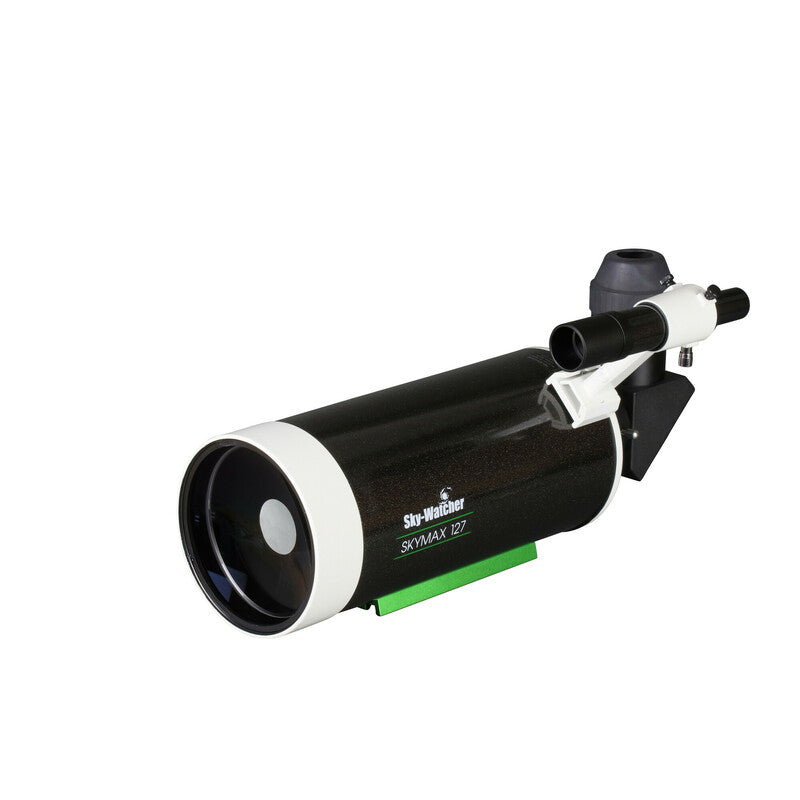
Sky-Watcher Skymax 127

A 127 mm Maksutov-Cassegrain built for one thing and doing it beautifully: long focal length, high contrast, and pin-sharp detail on the Moon, planets and tight double stars. A compact planetary specialist, not an all-rounder.

88/ 100
Polaris Score
Performance · ease · portability · upgrade path
See the breakdown ↓
Aperture
127mm
Focal Length
1500mm
Focal Ratio
f/11.8
Mount Type
None (OTA only)
Optical Design
Maksutov-Cassegrain
Weight
4.4 kg
From$610

$101 above 90-day lowLast $509 in Jul 2026

Price tracked by PolarisObserved 97 timesTracking since Jul 2026

Try in simulator →
What it's built forOpen these in the simulator →

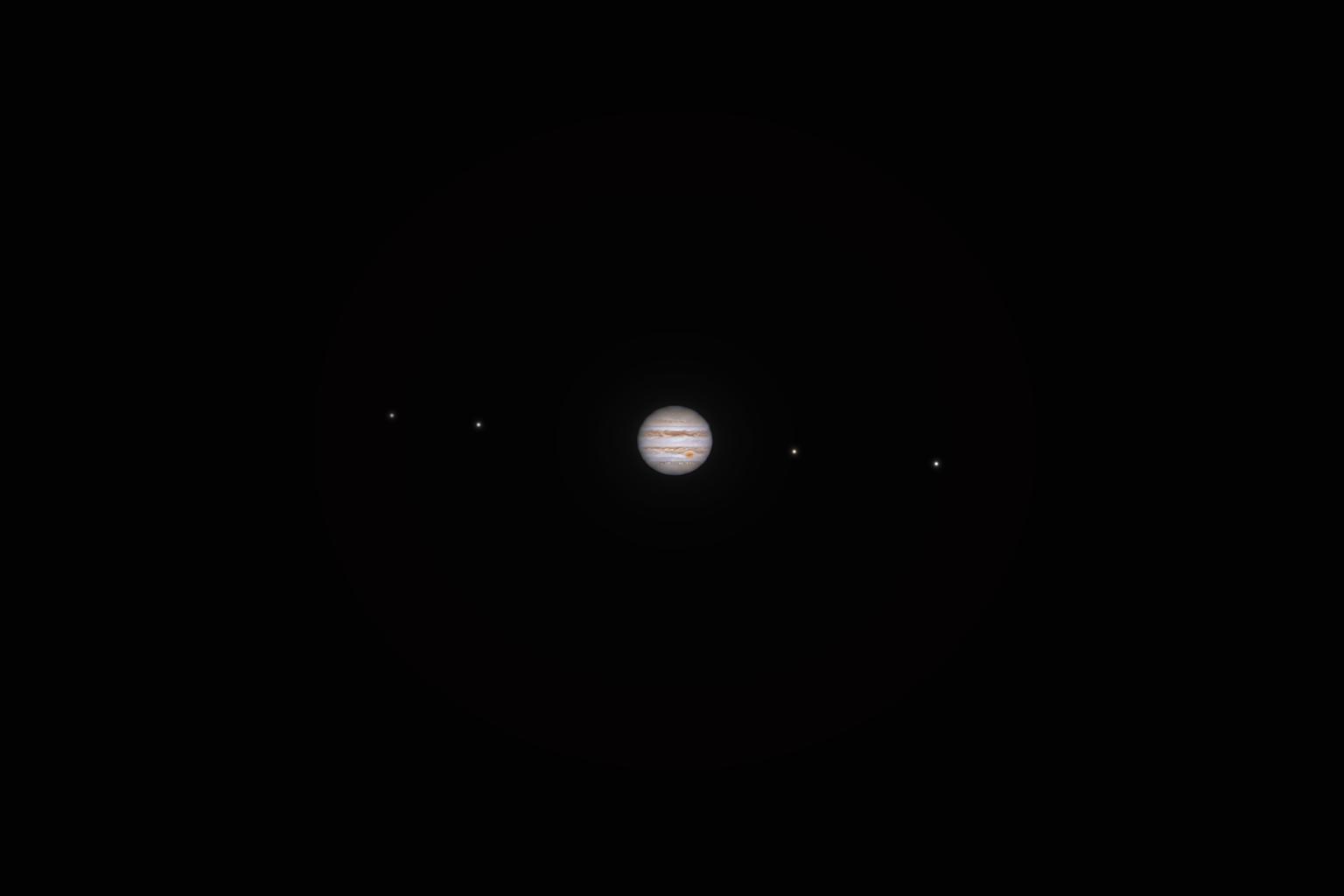
This telescope lives for the planets.

An f/11.8 focal length built to magnify. Where fast scopes sweep wide, this one holds a single planet rock-steady at high power — a telescope for the patient observer on a steady night.

Sweet spot 100–160×Loves steady seeing
The view people remember

Saturn, with its rings tilted wide.

The one you call people outside to see — the rings standing clear of the planet, the Cassini Division a clean black line drawn around them.

See Saturn through this telescope →
01What it's good at

What it's best at — and the trade-offs.

127 mm at f/11.8 (1500 mm) delivers high magnification with excellent contrast on planets and lunar detail.
Best at
✓127 mm at f/11.8 (1500 mm) delivers high magnification with excellent contrast on planets and lunar detail.
✓The sealed Maksutov design needs no collimation and holds its optics stable for years.
✓A short, dense tube packs serious focal length into something easy to carry and mount.
✓Tight double stars split cleanly, a classic strength of long-focal Maks.
Trade-offs
!The long focal length gives a narrow field, so large objects like the Pleiades or Andromeda won't fit.
!The closed tube needs a real cool-down period before high-power views sharpen up.
!At f/11.8 it is slow, ruling out practical deep-sky imaging.
!Sold as an optical tube, so you need a mount and a diagonal to use it.
02In plain English

What These Numbers Mean

127mm · f/11.8 · 1500mm FL
Aperture
127 mm (5 inch)
Five inches gathers around 330 times the light of your eye, about 55 percent more than the 102 mm. It is enough for detailed planetary work, lunar study at high power and the brighter clusters, while faint galaxies remain out of reach.
Focal length
1500 mm
A metre and a half of focal length in a very short tube. That gives 150x with a 10 mm eyepiece and makes high magnification effortless, which is exactly what planetary observing needs.
Focal ratio
f/11.8
Slow optics: easy magnification and forgiving eyepieces, but a narrow field and dim deep-sky views. Wide nebulae and large clusters are not what this telescope is for.
Optical design
Maksutov-Cassegrain
A sealed corrector-and-mirror system that holds collimation indefinitely and needs essentially no maintenance. Sharpness on planets is its calling card; the price is a long cooldown and a narrow field.
Weight
~3.5 kg tube
Around 8 lb of tube, so the whole package including a GoTo alt-azimuth mount remains a comfortable one-trip carry. Portability is the main argument for a Maksutov.
Cooldown
45 minutes
The thick meniscus corrector takes time to reach outdoor temperature, and warm air inside the tube blurs fine detail until it does. Set up early and the second half of the session will be noticeably sharper.
03The Polaris Score

How it scores, and why.

88/100
88/ 100
Sky-Watcher Skymax 127
Performance
85
Ease of use
85
Portability
90
Upgrade potential
80

Polaris weighs optical capability, how easy the scope is to live with, how portable it is, and how far it takes you before you outgrow it — not list price or brand.

04Who it's for

An honest fit check.

Planetary and lunar observers
Buy it if you
✓Planetary and lunar observers
✓Double-star enthusiasts
✓Anyone wanting a compact, low-maintenance high-power scope
Look elsewhere if you
!Deep-sky observers who want wide fields (the narrow f/11.8 field can't frame large nebulae or clusters)
!Beginners wanting one do-everything scope (a Dob is more versatile)
!Astrophotographers of faint deep sky (the slow f-ratio means very long exposures)
05Build your rig

What to buy next — and where it leads.

12 pieces of gear, ordered by what changes the view most
Recommended upgrades
A sharper everyday view★ Top pickCelestron X-Cel LX 12mm
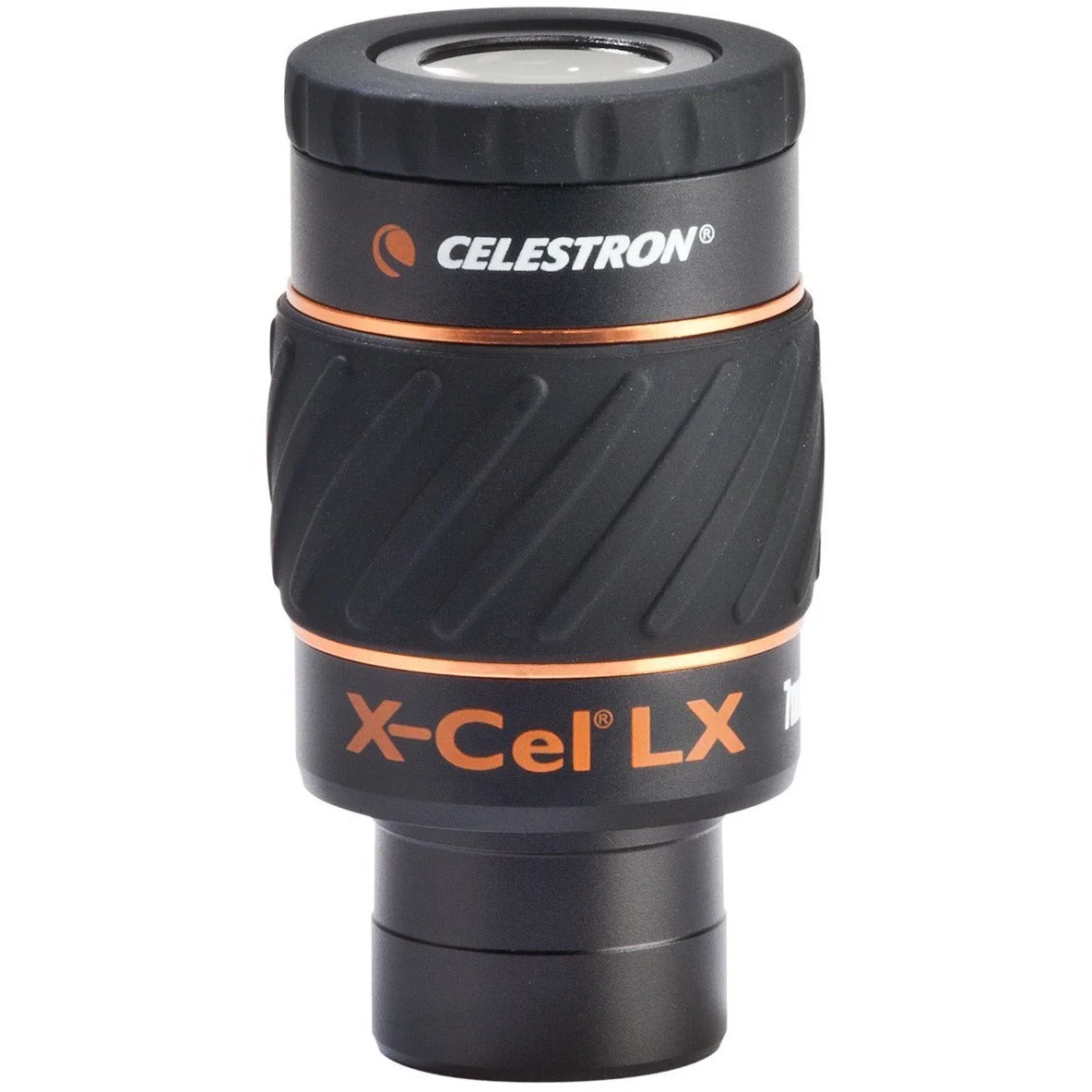
Sharp mid-power workhorse eyepiece.

Double your magnificationGSO 2x ED Barlow 1.25-inch
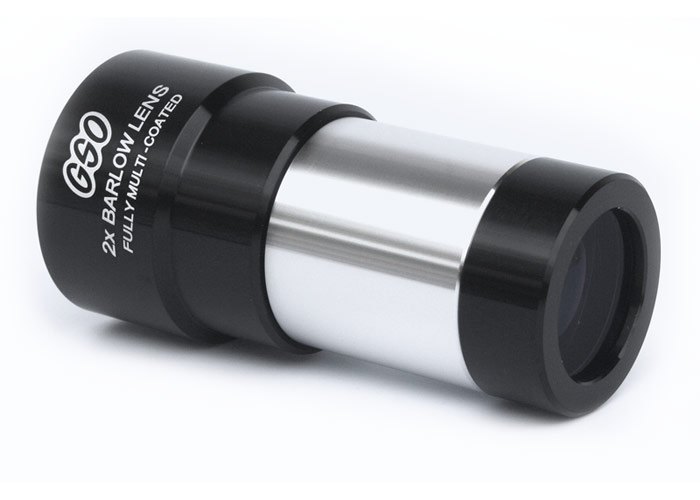
Doubles magnification without buying another eyepiece.

Tame lunar glareGSO Moon Filter 13pct 1.25-inch

Tames glare on the bright Moon.

Imaging path
Better tracking & light imagingSky-Watcher HEQ5 Pro SynScan GoTo Mount✓ Compatible
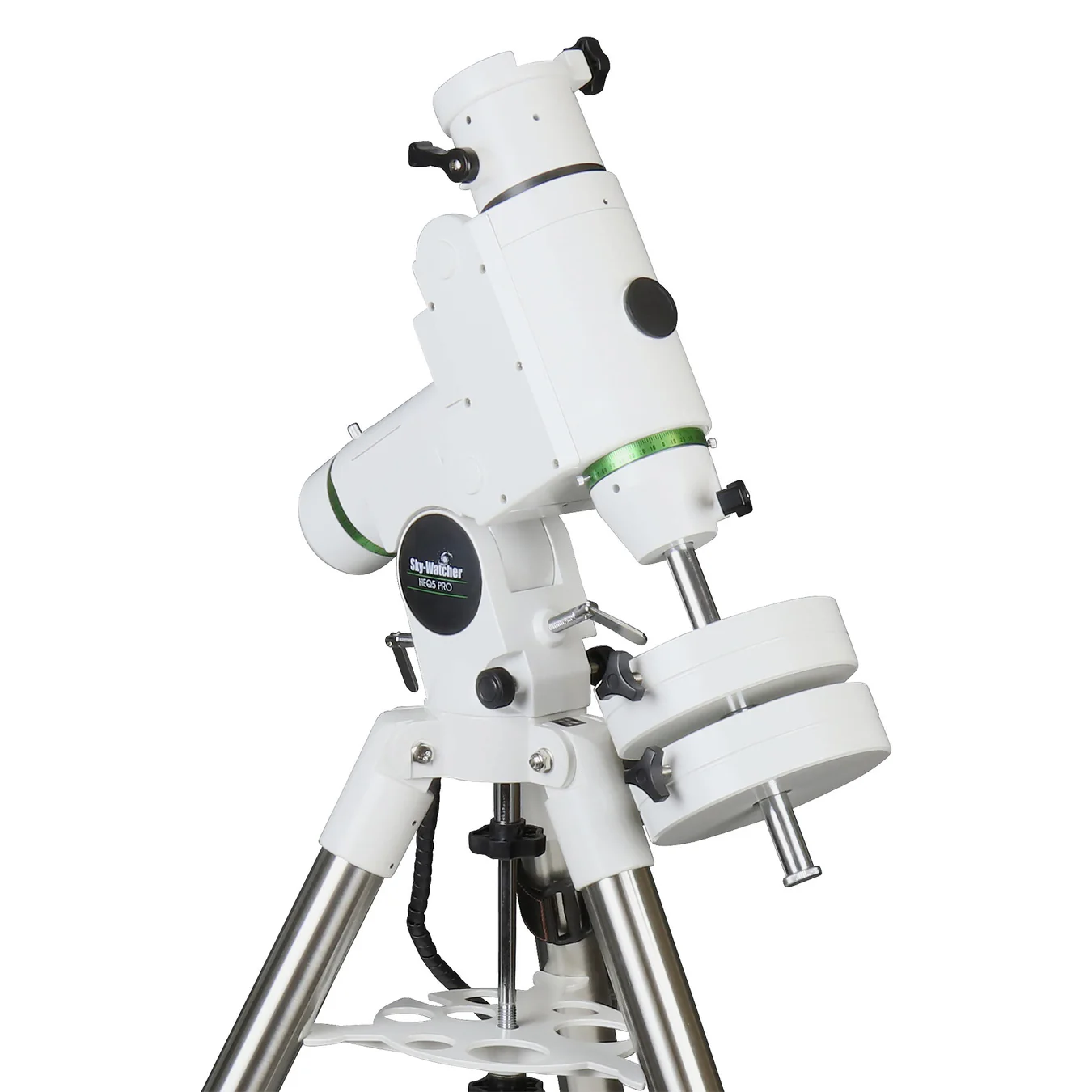
Good match for planetary imaging

Portable astrophotographyZWO AM5N Harmonic Equatorial Mount✓ Compatible

Compact and well-matched

Permanent-setup astrophotographySky-Watcher EQ6-R Pro✓ Compatible
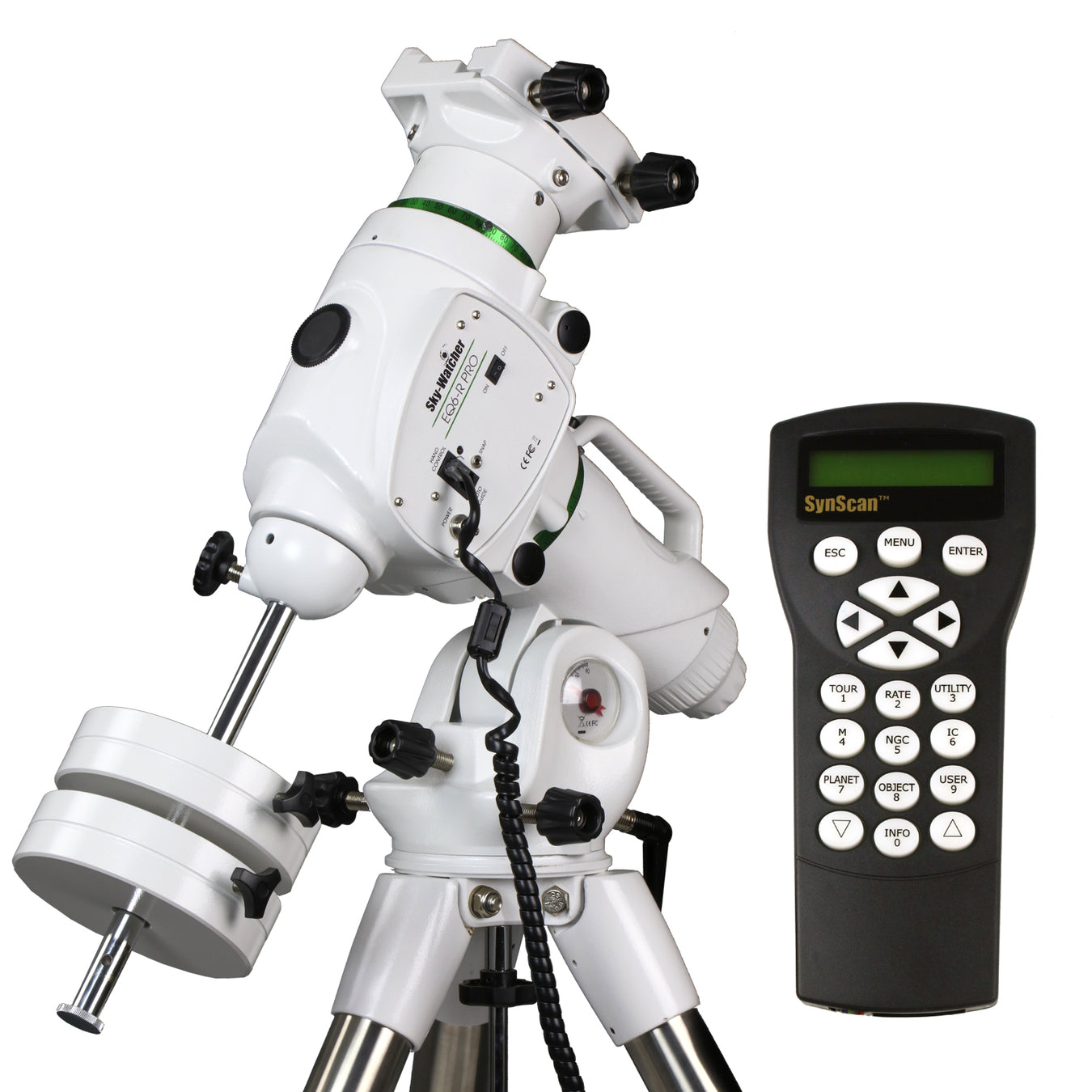
Plenty of headroom

Start imagingZWO ASI662MC
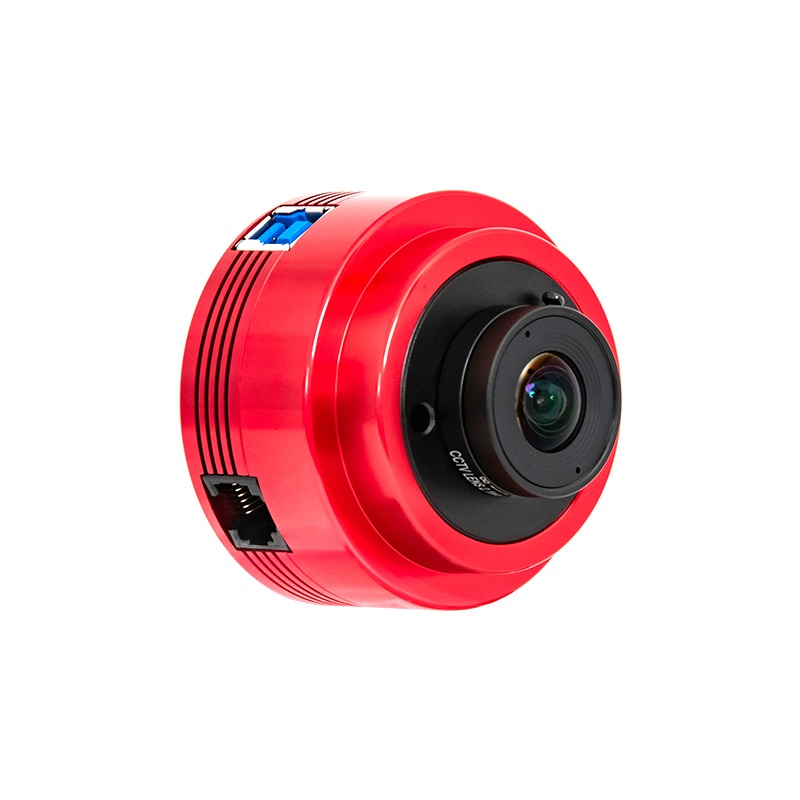
Start capturing images of the Moon and planets

Accessories
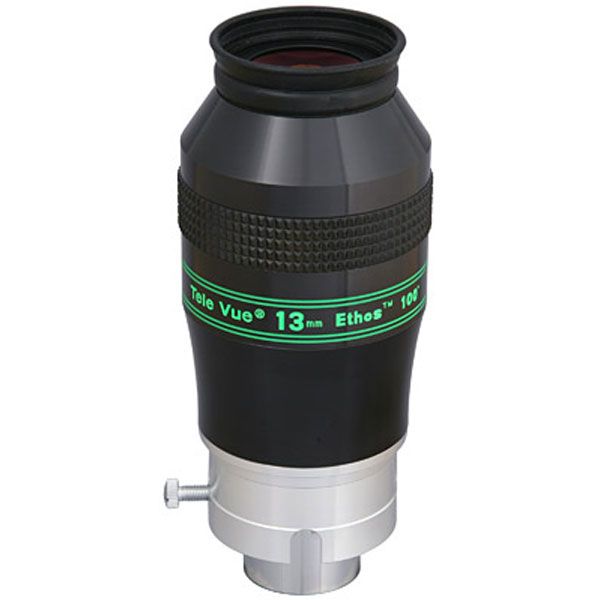
A sharper everyday viewEthos 13mm

Balanced magnification, great for general observing

Sharper planets & lunar detailDelos 8mm
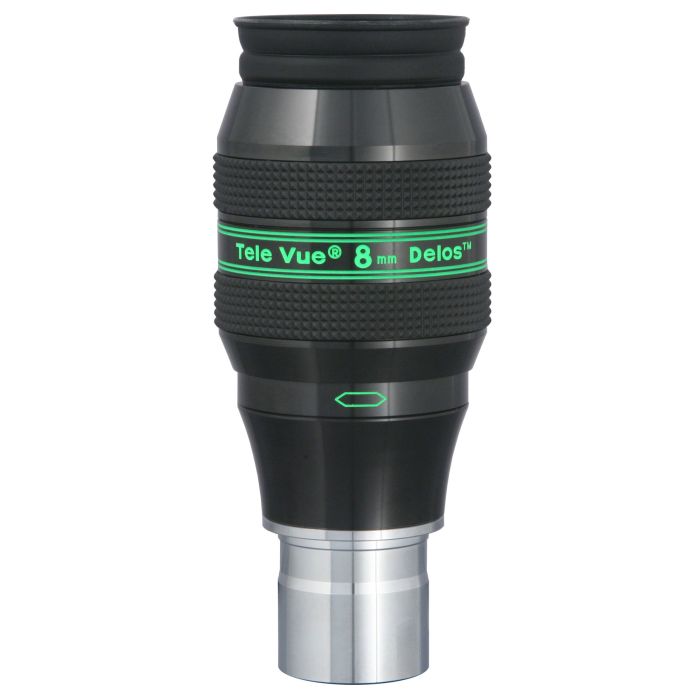
High magnification, best for planets and lunar detail

Tame lunar glareMoon Filter

Reduces glare for comfortable lunar observing, essential first filter

Lunar & planetary
Excellent
Deep-sky visual
Narrow field
Astrophotography
Lunar and planetary only
06The numbers

Full specifications.

6 measured and stated values
Optics
Optical DesignMaksutov-Cassegrain
Aperture127mm
Focal Length1500mm
Focal Ratiof/11.8
Mount & drive
Mount TypeNone (OTA only)
Physical
Weight4.4 kg
Editor’s Take

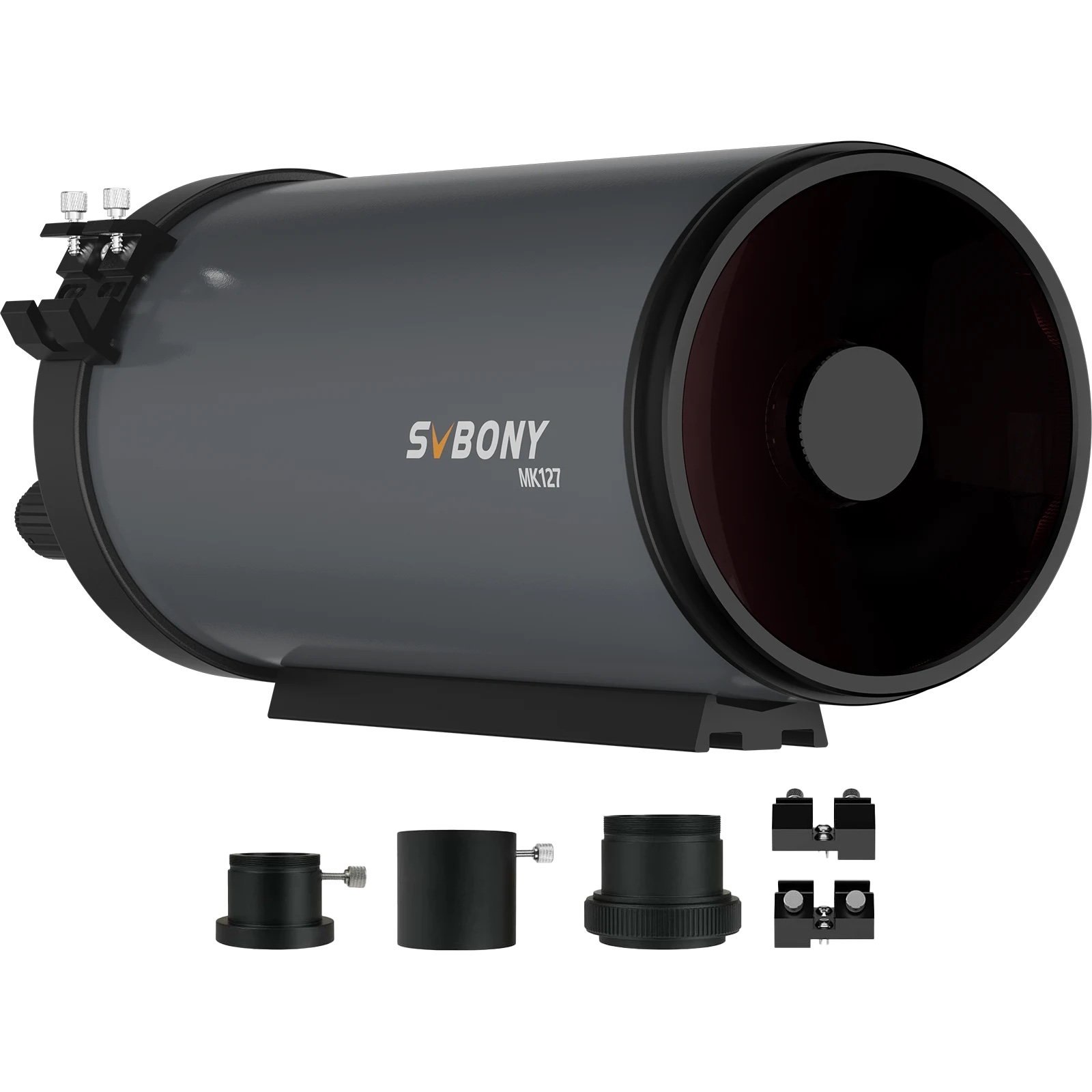
The Skymax 127 is a Maksutov-Cassegrain ("Mak"), a compact sealed design that folds a long focal length into a short tube, which makes it a specialist at high-magnification Moon, planets and double stars. At 127 mm with a long 1500 mm focal length it delivers crisp, contrasty planetary detail from a tube barely a foot long, with no collimation and little maintenance. The trade-off is a narrow, "slow" field, so sweeping big nebulae is not its game. Sold as an OTA (tube only, no mount), it makes a superb grab-and-go planetary scope.

— The Skynocular verdict