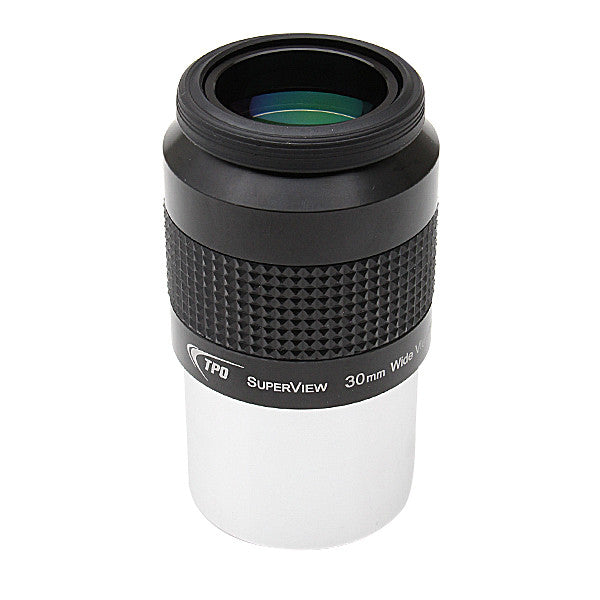
GSO SuperView 30mm 2-inch — image 1
GSO

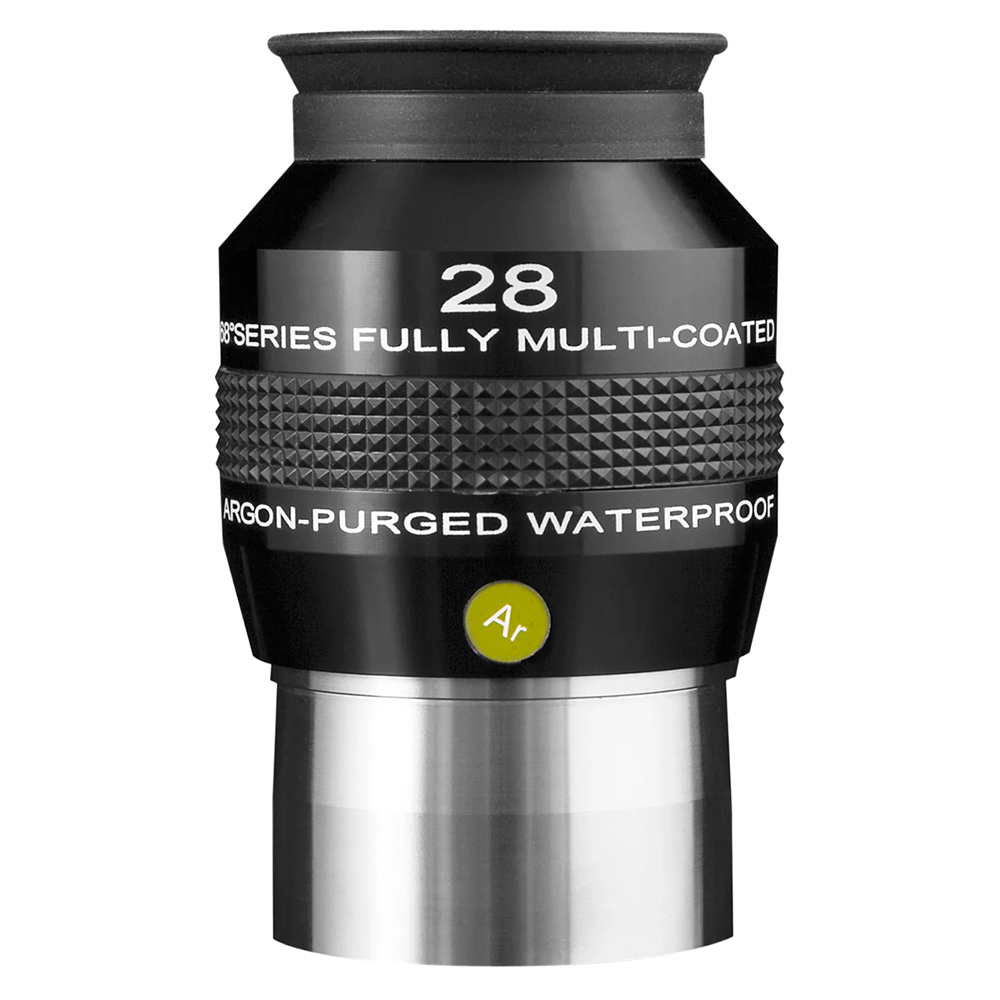
GSO SuperView 30mm 2-inch

The cheapest honest way into a wide 2-inch field. For under a hundred dollars, a big fast Dob suddenly frames whole nebulae, and no other eyepiece at this price gets close.

72/ 100
Polaris Score
Optical quality · Immersion · Comfort · Value
See the breakdown ↓
What it's for
Low power · wide fieldHigh power · narrow field

A low-power, wide-field eyepiece for finding and framing big deep-sky objects. It is not a high-magnification planetary eyepiece, and its edge softens in very fast scopes, so it is a rich-field tool, not a sharpshooter.

Apparent Field
68°
Barrel Size
2"
Eye Relief
20mm
Focal Length
30mm
From$74.95

Out of stock at Agena AstroProducts, its only retailer — this is the last price we saw. We keep checking daily.

Price tracked by PolarisObserved 121 timesTracking since Jun 2026

Try in simulator →
Where to buy

Verified 14h ago · prices tracked daily

The spacewalk

You don’t look at a field.
You look into the sky.

Every number on the spec sheet matters less than one feeling: how much sky wraps around your eye. Widen the apparent field and watch the black edge of the eyepiece slip away.

68° apparent field

At 68°, the black rim sits out at the corner of your attention rather than in front of you.
Try this eyepiece on your own scope in the Simulator →
01What it's good at

What it's best at — and the trade-offs.

A true 68-degree field in a 2-inch barrel for well under $100, which nothing else really matches.
Best at
✓A true 68-degree field in a 2-inch barrel for well under $100, which nothing else really matches.
✓Roughly 20 mm of eye relief makes it relaxed and glasses-friendly, unusual at this price.
✓In an 8-inch Dob it frames big open clusters and the largest nebulae in a genuinely immersive low-power view.
Trade-offs
!Stars soften noticeably in the outer field of fast scopes; slower f/6 and up scopes hide it well.
!Some observers see edge blackout or kidney-beaning if the eye isn't centred.
!Contrast and light scatter are a step below premium glass, most visible on the Moon and planets.
02In your telescope

One eyepiece. A different job in every scope.

16× in a small refractor, 68× in a long SCT

An eyepiece has no magnification of its own — the telescope decides. The same eyepiece becomes 16× and 4.3° of sky in a little refractor, or 68× and a tight frame in a long SCT. Here’s what it does across common scopes.

Small apo refractor
480 mm · f/5.5
Magnification
16×
True field
4.3°
Exit pupil
5.5 mm
Ultra-wide at 16x and over four degrees of sky, though this fast little refractor is exactly where the edges soften most.
8-inch Dobsonian
1200 mm · f/6
Magnification
40×
True field
1.7°
Exit pupil
5.0 mm
The sweet spot: 40x and a 1.7-degree field with a bright 5 mm exit pupil, framing big clusters and the largest nebulae beautifully.
12-inch Dobsonian
1500 mm · f/5
Magnification
50×
True field
1.4°
Exit pupil
6.0 mm
Rich, low-power views at 50x, though the 6 mm exit pupil is about as large as usefully worthwhile under most skies.
8-inch SCT
2032 mm · f/10
Magnification
68×
True field
1.0°
Exit pupil
3.0 mm
Tames the long SCT into a genuinely wide 1-degree field at 68x, one of the few ways to get low power out of an f/10.
Exit pupil is how wide the beam of light leaving the eyepiece is. Around 5–6 mm is bright and immersive under dark skies; push much past 6 mm and you waste light, and under light pollution a smaller exit pupil shows more contrast.
03In plain English

The numbers, in plain English.

30mm FL · 68° AFOV · 2"
68° apparent fieldThe reason to buy it
Genuinely wide
Wide enough that big nebulae and clusters float in a dark surround rather than pressing against the edge.
2-inch barrelNeeds a 2" focuser
Full-size field
The larger barrel is what lets it show more true sky than any 1.25-inch eyepiece can at this focal length.
~20 mm eye reliefGlasses OK
Relaxed
Comfortable to look into for long stretches, and usable with glasses on, which is rare under $100.
Fast-scope edgesIts one real weakness
Softens
Below about f/6 the outer field loses sharpness; in slower scopes you'll rarely notice.
04What comes alive

The targets this eyepiece was born for.

The Pleiades, The Double Cluster, Orion Nebula, Andromeda Galaxy, Beehive Cluster, North…
The PleiadesComes alive
The Pleiades
The whole cluster with room to spare, hundreds of blue stars set in a wide black frame.
The Double ClusterComes alive
The Double Cluster
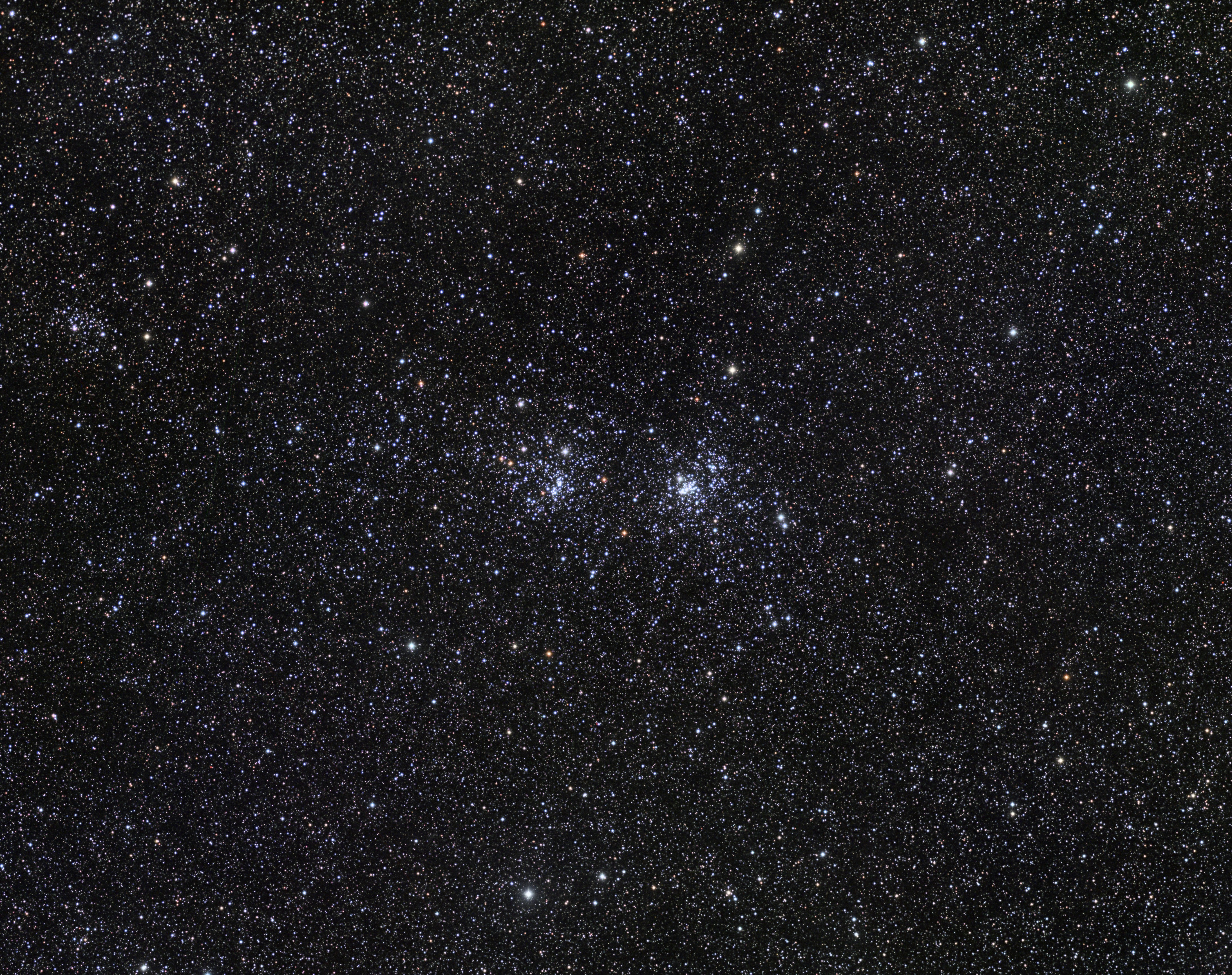
Two open clusters side by side, a classic low-power target a narrow field simply cannot hold.
Orion NebulaComes alive
Orion Nebula
The full Sword region in one view, with the nebula's wings spreading into the surrounding star clouds.
Andromeda GalaxyExcellent
Andromeda Galaxy
Big and bright at low power, with both companion galaxies riding along in the same field.
Beehive ClusterExcellent
Beehive Cluster
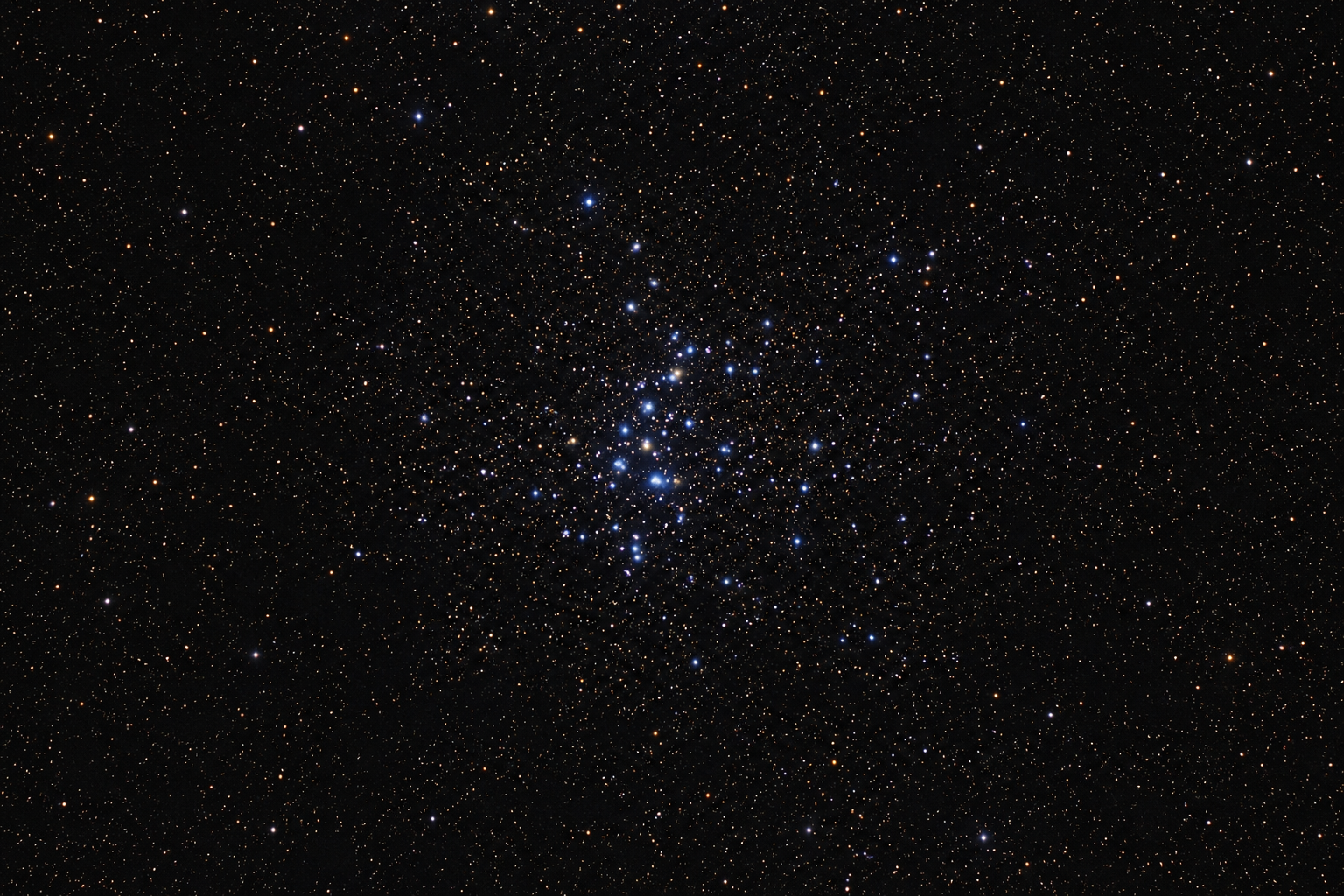
A sprawling naked-eye cluster that only a wide field frames as the loose swarm it really is.
North America NebulaExcellent
North America Nebula
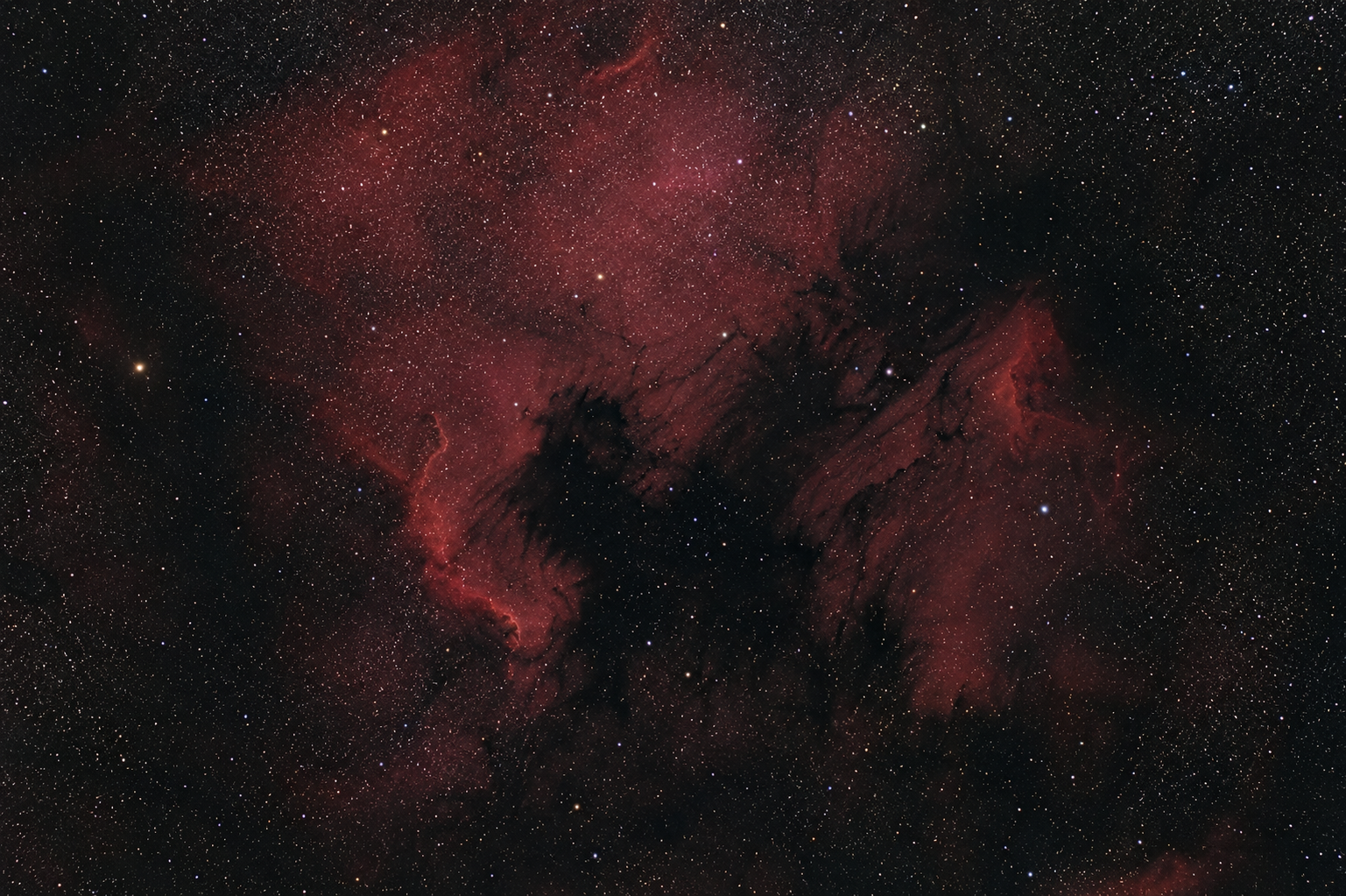
Enormous and faint; low power plus a UHC filter is the only way to trace the whole continent.
05Role in a collection

Where it sits in your eyepiece case.

Where it sits across 3 focal lengths

A good eyepiece collection isn’t a pile of glass — it’s two or three focal lengths that hand off from wide to tight. This is the anchor at the bottom of the ladder: the one you find and frame with. You buy it once, and it stays your low-power eyepiece for life.

30 mmThis one
Low power · wide field
Find, frame and sweep. Your widest true field and the lowest useful magnification, the eyepiece you reach for first.
Veil Nebula · Pleiades · Milky Way star clouds
13 mm
Medium power · the workhorse
Where most deep-sky objects look their best, galaxies, globulars and planetary nebulae at a comfortable scale.
M13 · Ring Nebula · most galaxies
7 mm
High power · detail
Planets, the Moon at the terminator, tight double stars and the smallest planetary nebulae. Steady-air nights only.
Jupiter · Saturn · lunar craters
06Build around it

What it pairs with.

The telescope · Pair it · Filter it
The telescope
What it goes into
8-inch Dobsonian · f/6
Its natural home; slow enough to keep the edges tidy, big enough to feed the wide field
6-inch to 10-inch Newtonian
Low-power, wide-field sweeping under a dark sky
Any scope with a 2" focuser
The larger barrel is required; a 1.25-inch focuser can't take it
Pair it
What extends its range
A 10-13mm mid-power eyepiece
The workhorse partner for when you want to zoom into what you just found
2" star diagonal
For SCTs and refractors, to bring the eyepiece to a comfortable angle
Filter it
What transforms the view
2" UHC filter
Broad nebula boost that keeps stars natural; ideal at this low power
2" OIII filter
Makes the Veil and other supernova remnants leap out of the background
07The Polaris Score

How it scores, and why.

72/100
72/ 100
GSO SuperView 30mm 2-inch

Judged as a budget wide-field, not against $400 glass, it is genuinely excellent: a real 68-degree field in a 2-inch barrel for the price of a decent Plossl. It loses points only where it must, at the very edge of a fast scope.

Optical quality
68
Immersion
80
Comfort
70
Value
98

Polaris weighs how well the eyepiece does the job it was designed for — optics, immersion, comfort and value — never list price or brand.

08Who it's for

An honest fit check.

You just bought an 8-inch or larger Dobsonian and want your first proper wide-field view…
Buy it if you
✓You just bought an 8-inch or larger Dobsonian and want your first proper wide-field view without spending more than the scope's accessories cost.
✓You observe big targets under dark skies and care more about framing the whole thing than pin-sharp corners.
✓You want to understand what a 2-inch eyepiece does before committing to premium glass.
✓You wear glasses and appreciate the roughly 20 mm of eye relief.
Look elsewhere if you
!You own a fast f/4 to f/5 scope and are fussy about edge-of-field sharpness, where stars will visibly soften.
!You mainly observe planets and the Moon, which want a short focal length, not this.
!You already own premium wide-fields and would notice the drop in contrast and edge correction immediately.
!You only have a 1.25-inch focuser, since this is a 2-inch-only eyepiece.
09The numbers

Full specifications.

4 measured and stated values
Optical
Focal Length30mm
Apparent Field68°
Comfort & handling
Eye Relief20mm
Fit & build
Barrel Size2"
Editor’s Take

It is the eyepiece that shows a new Dob owner what a wide field is actually for, and quietly keeps its spot in the case long after pricier glass has arrived. Nobody's dream eyepiece, everybody's first great one.

— The Skynocular verdict
10Alternatives

For a different goal, start here.

3 alternatives, each mapped to the goal it wins at