What do you want to do?
Pick the path that matches your interest — each one leads to a different kind of telescope.
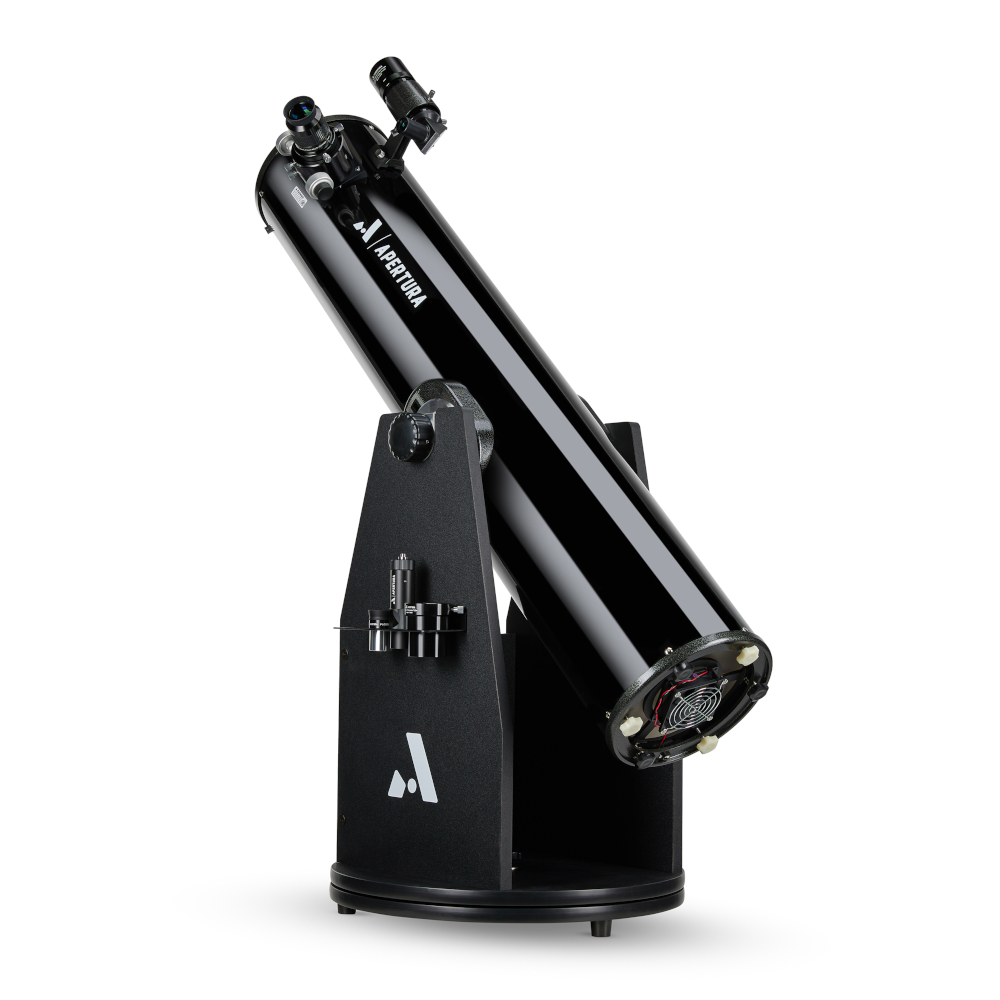
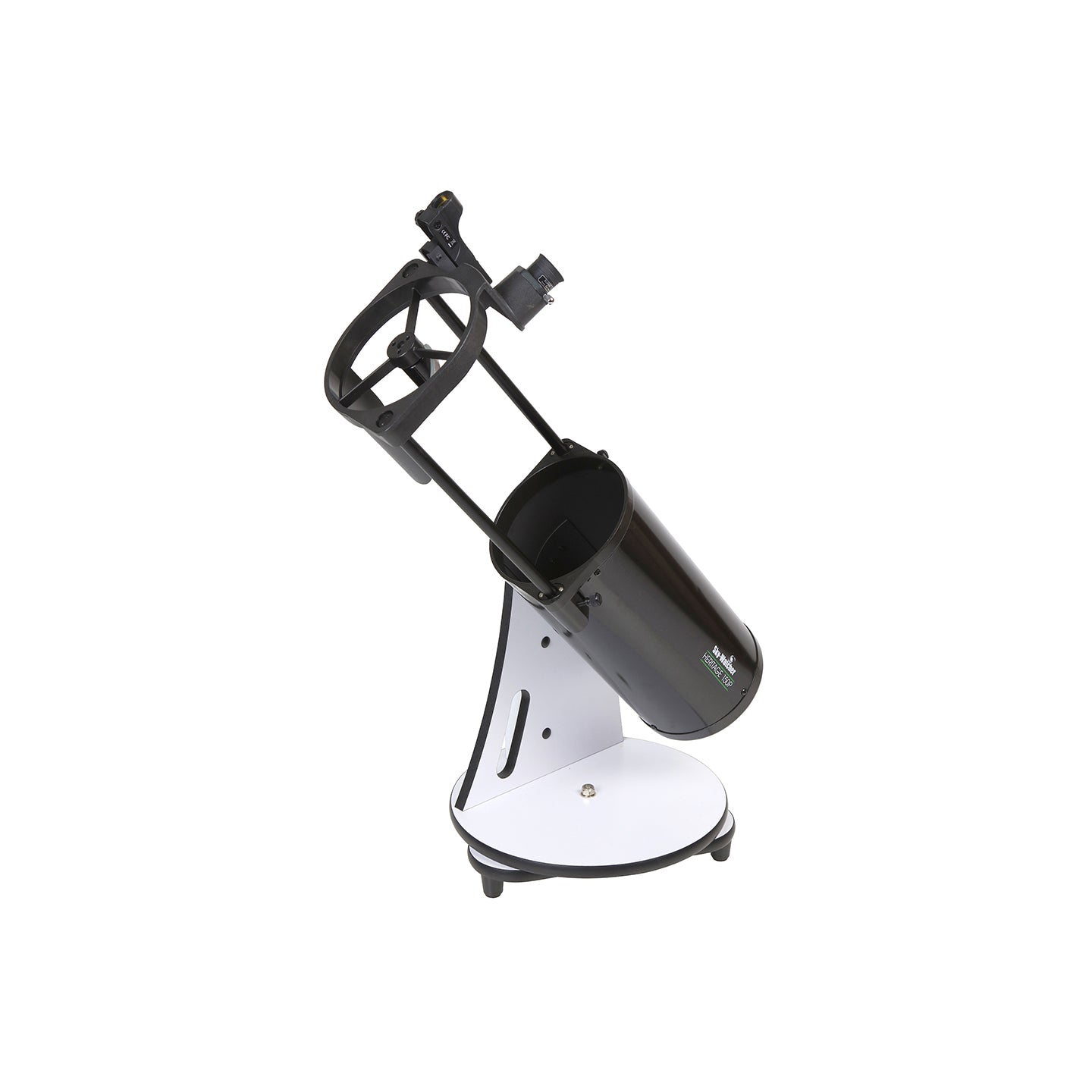
I want the easiest possible setup
Dobsonian and tabletop telescopes are the easiest to use. No alignment, no batteries, no software — set it down, point it up, and start observing. You get the most aperture (light-gathering power) for your budget.
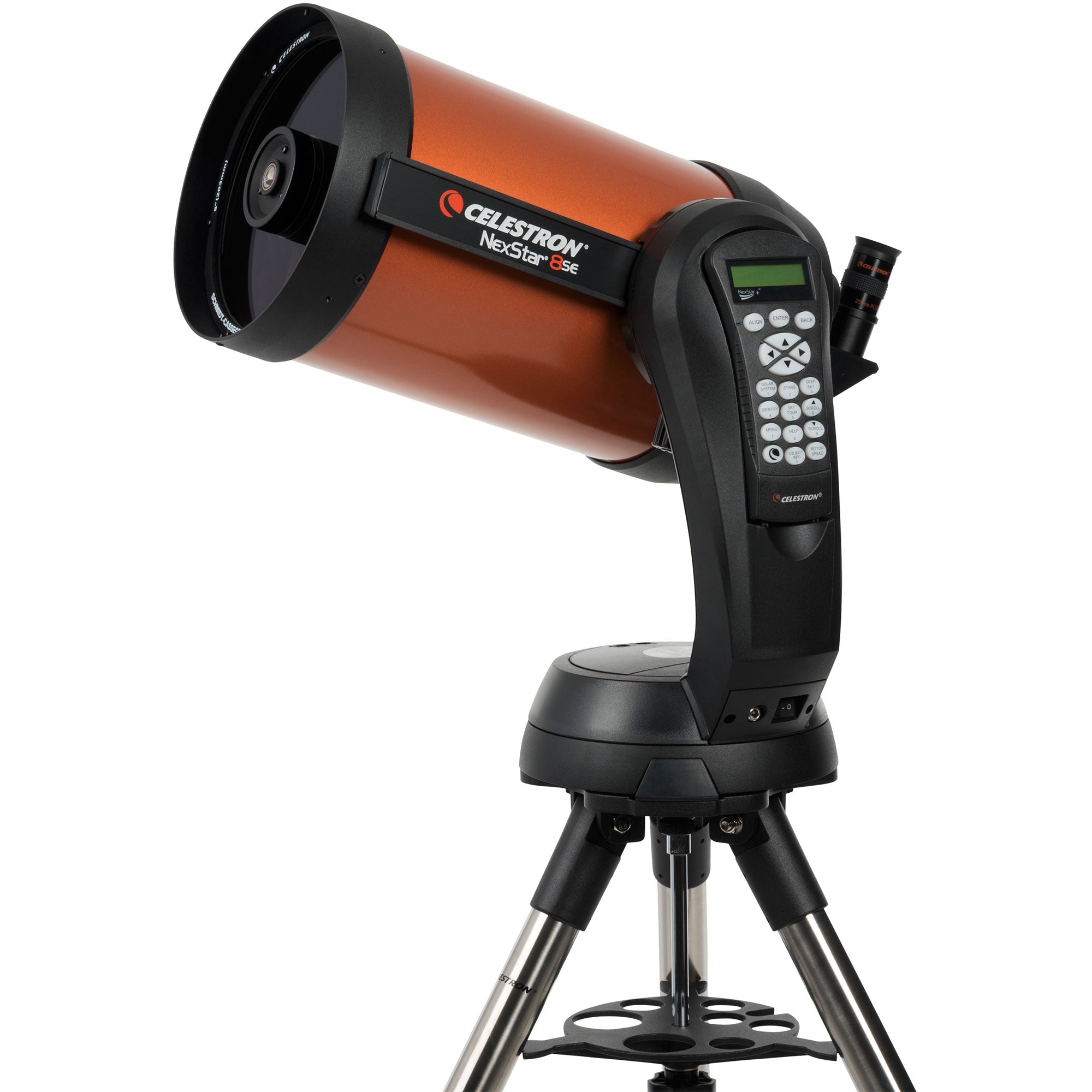
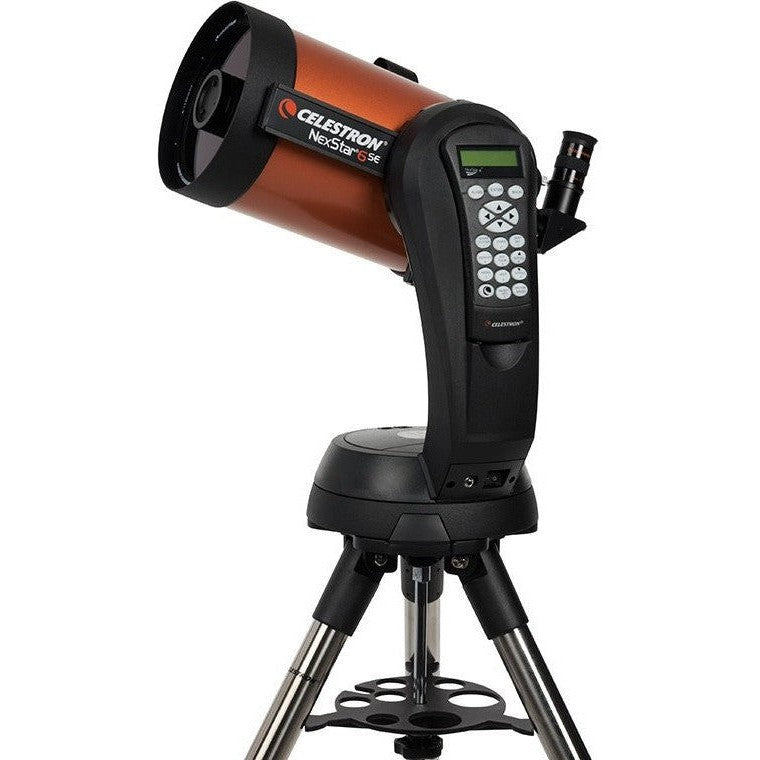
I want the telescope to find things for me
Computerized GoTo mounts locate and track objects automatically. Press a button and the telescope slews to Saturn, the Orion Nebula, or any of 40,000+ targets. Best if you want minimal effort during observing and maximum sky coverage per session.
I want to do astrophotography
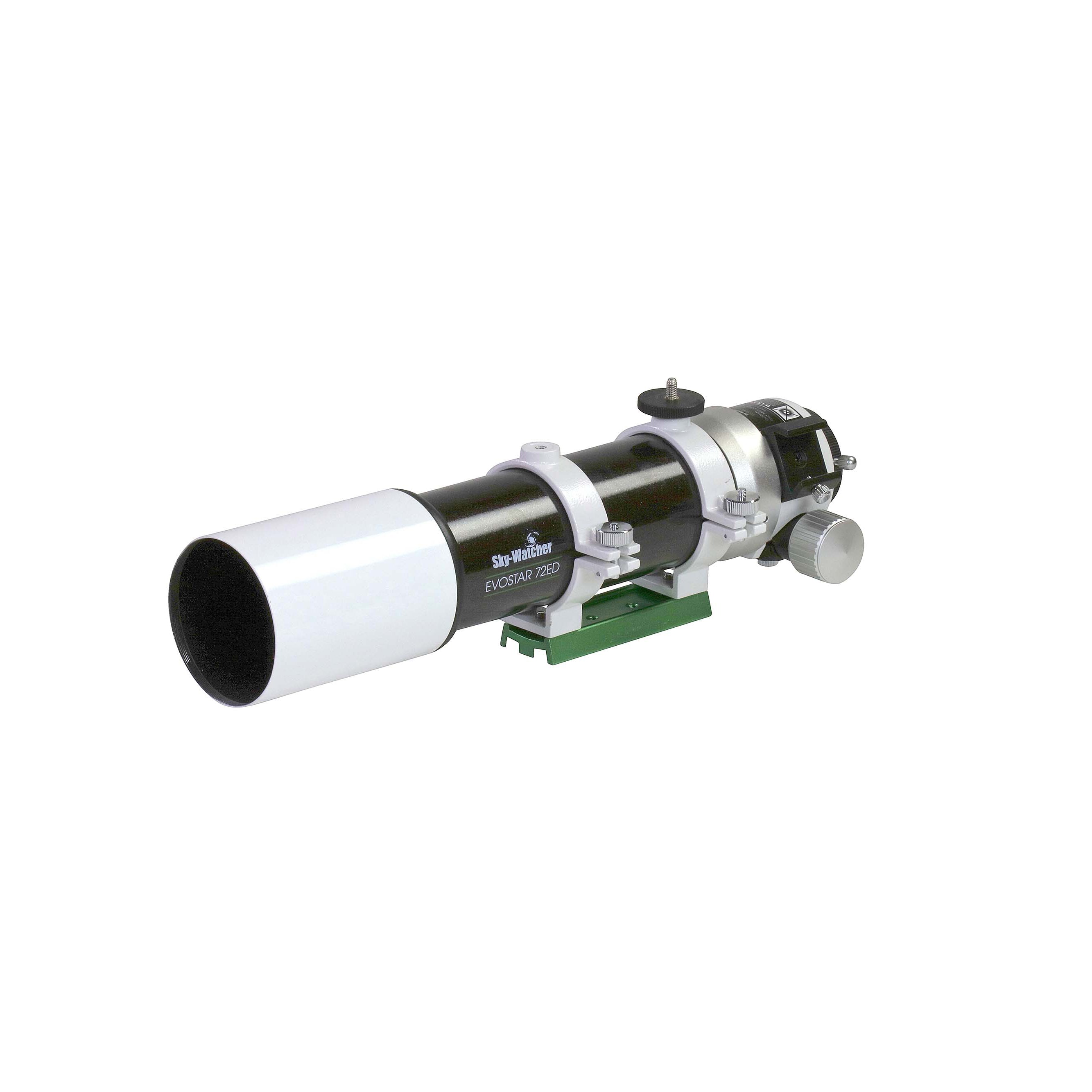
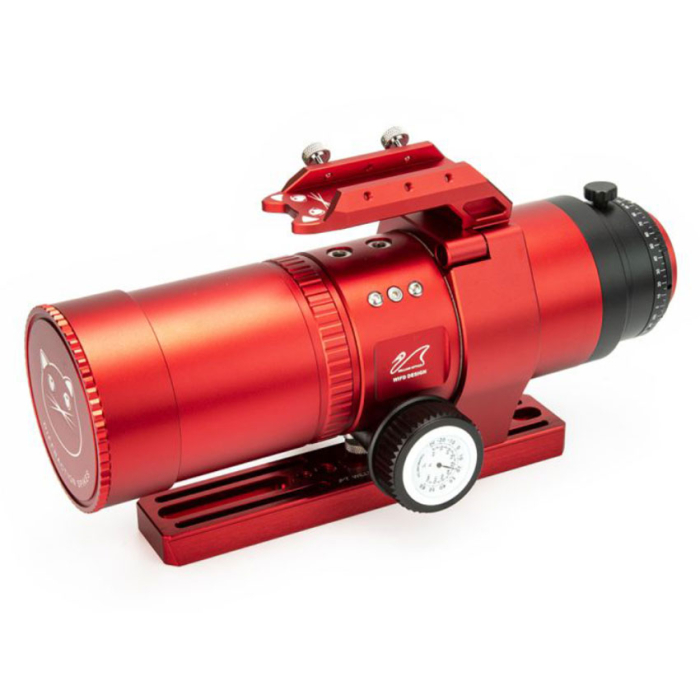
Astrophotography needs sharp, color-corrected optics and a tracking mount (sold separately). These compact refractors are designed specifically for long-exposure imaging. The results are stunning once you learn the workflow.
Common mistakes to avoid.
Buying too cheap
Sub-$100 department-store telescopes have tiny apertures, flimsy mounts, and poor optics. They frustrate beginners and end up in closets. $200+ gets you something real.
Overcomplicating the mount
A wobbly equatorial mount is worse than no mount at all. Unless you need tracking for astrophotography, start with a Dobsonian or a sturdy alt-az.
Expecting Hubble-like images
Visual astronomy shows faint, small objects — not the vivid colors of NASA photos. Adjust your expectations and you will be amazed by what you actually see.
Where to go next.
See the telescopes that fit these paths.
Every pick has a simulator preview and tracked pricing — so you can see what it shows before you buy.