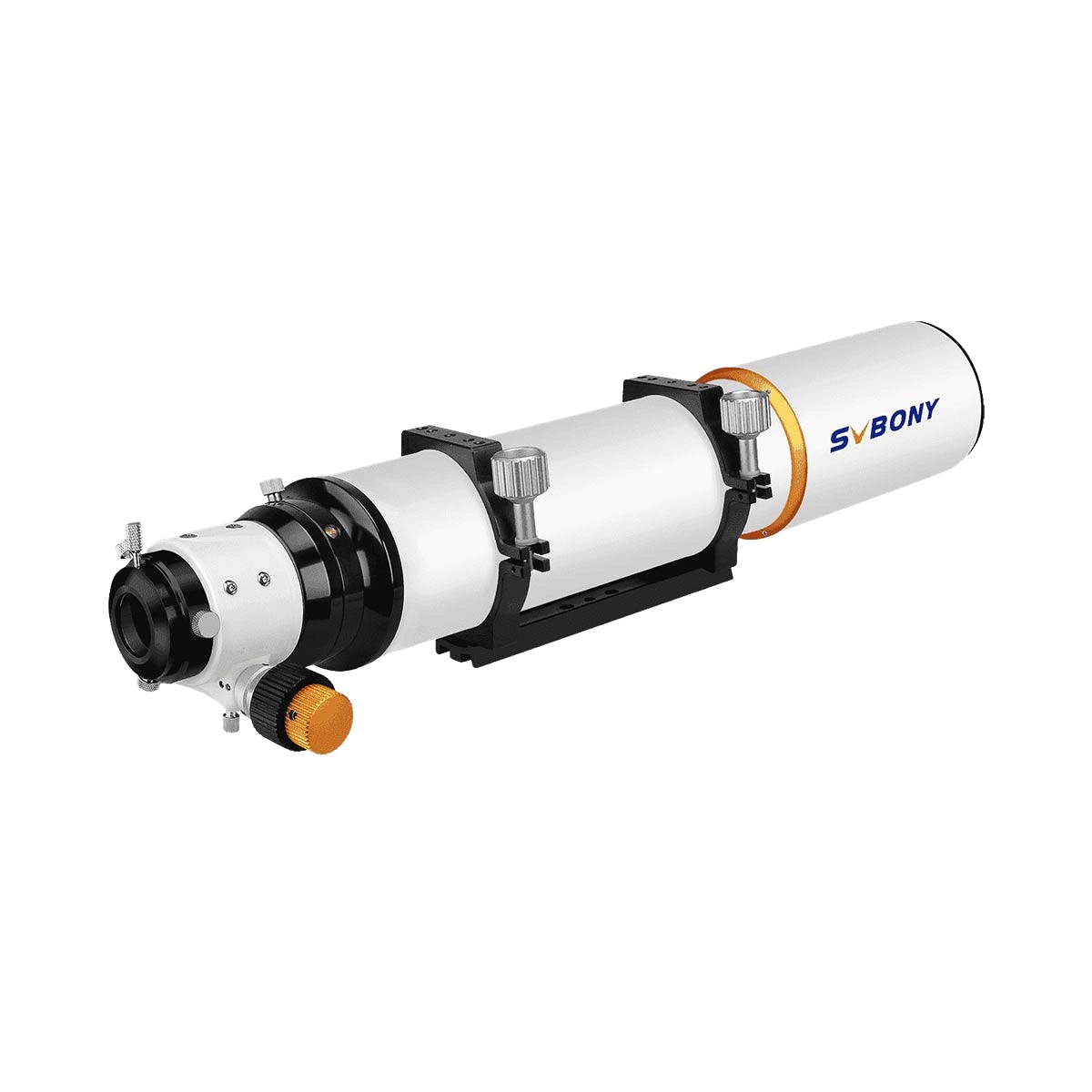
SVBony SV503 102ED — image 1
SVBony

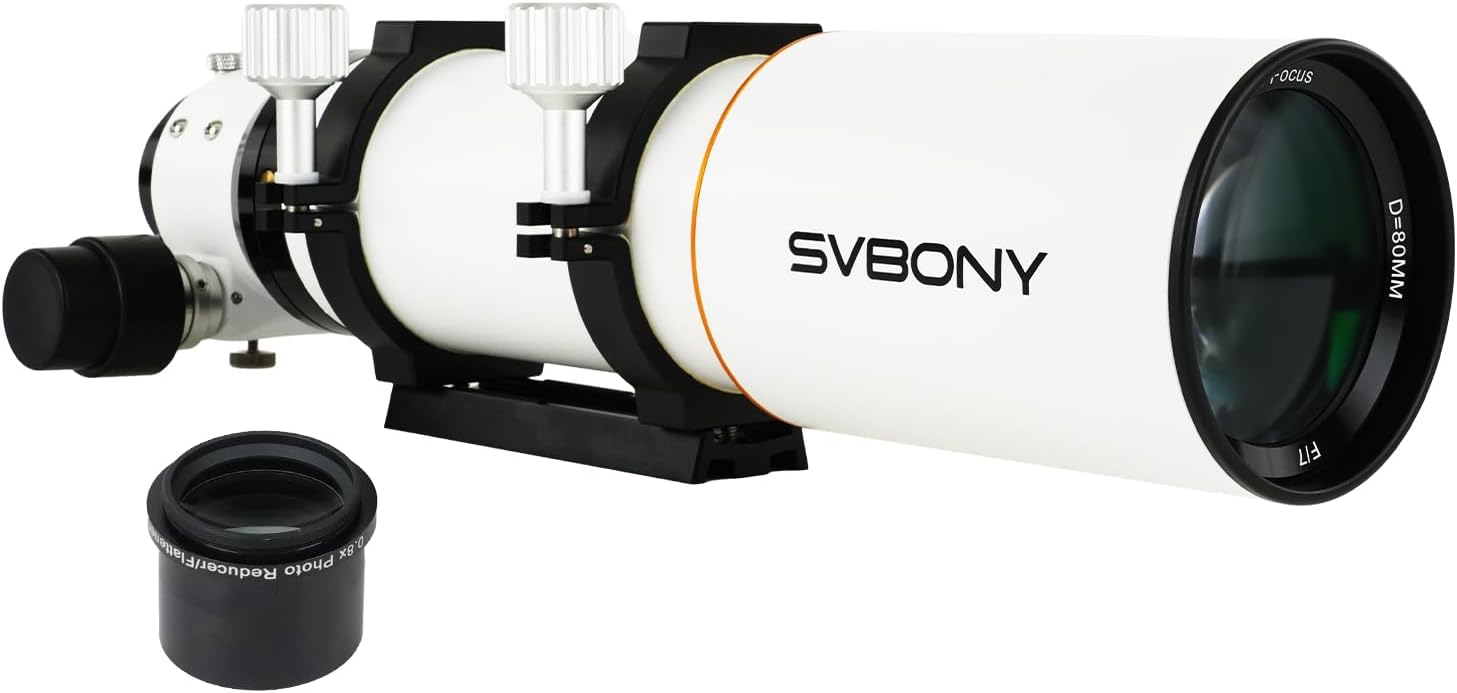
SVBony SV503 102ED

The largest of the SV503 doublets, and the one that starts to resolve galaxy structure rather than just frame nebulae. An imaging tube that needs a mount, a flattener and patience, and rewards all three.

81/ 100
Polaris Score
#5 of 14 ED doublet imaging refractors
See the breakdown ↓
Aperture
102mm
Focal Length
714mm
Focal Ratio
f/7
Mount Type
None (OTA only)
Optical Design
ED Doublet Refractor
Weight
5.7 kg
From$713.99

$71 above 90-day low

Price tracked by PolarisObserved 43 timesTracking since Sep 2026
Try in simulator →
Where to buy

Verified 8h ago · prices tracked daily

What it's built forOpen these in the simulator →

This telescope was built for sweeping wide.

A short, fast refractor with a generous true field — the whole sword of Orion in one view, star fields that spill past the field stop. It rewards low power and dark skies far more than chasing magnification.

Widest true fieldsTack-sharp to the edge
The view people remember

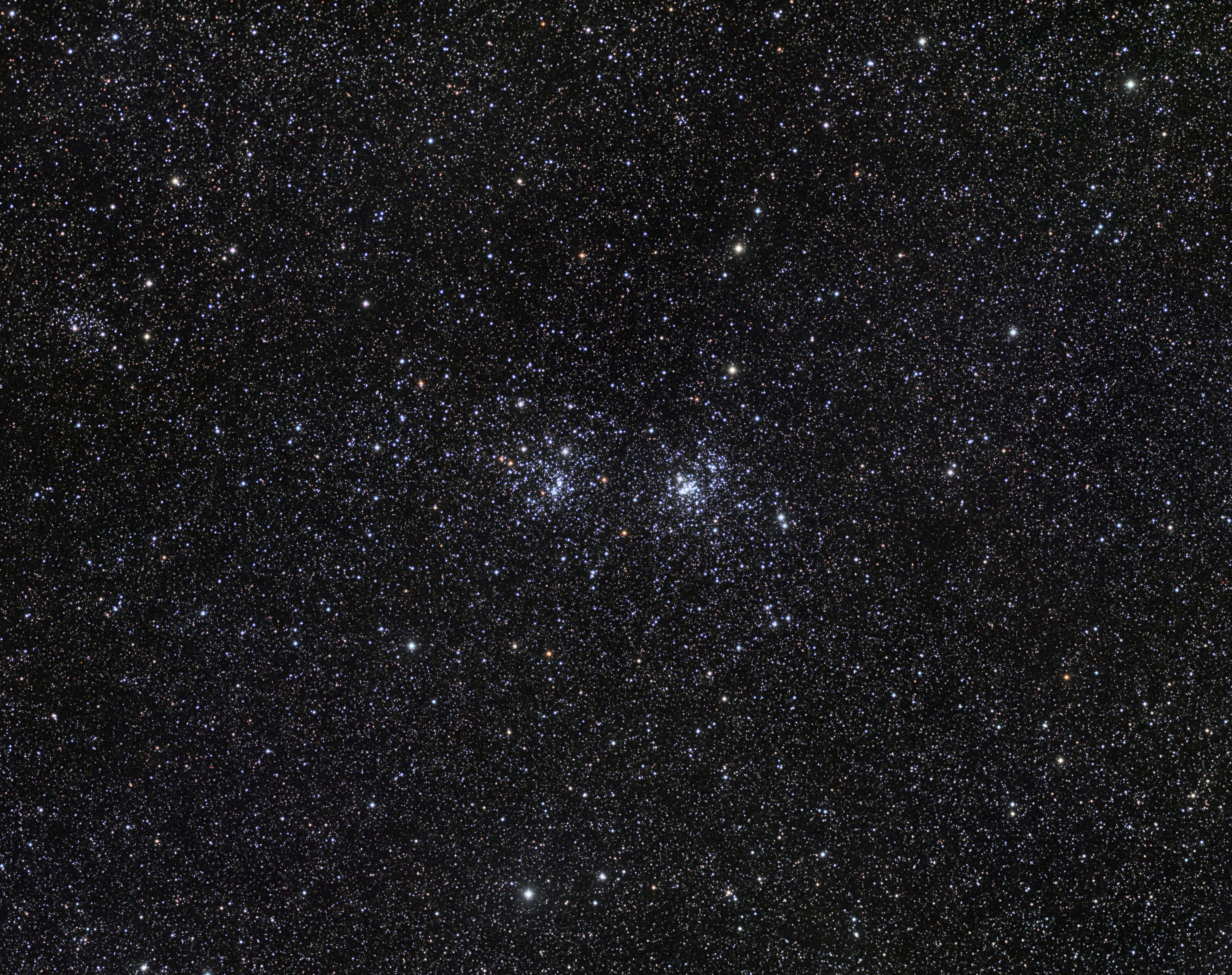
The Double Cluster, side by side.

Two glittering knots of stars sharing one low-power field — a wide, effortless showpiece that rewards the biggest true field you can throw at it.

See Double Cluster through this telescope →
01What it's good at

What it's best at — and the trade-offs.

102 mm of aperture at f/7 gives 714 mm of focal length, which is the range where galaxies and planetary nebulae start to show structure rather than…
Best at
✓102 mm of aperture at f/7 gives 714 mm of focal length, which is the range where galaxies and planetary nebulae start to show structure rather than sitting as smudges.
✓S-FPL51 ED glass in a doublet controls the violet fringing that makes an ordinary achromat unusable for photography, at a fraction of what a triplet costs.
✓A 2.5 inch rack and pinion focuser with 1:10 fine movement holds a heavy imaging train without slipping, which is where cheaper refractors fail first.
✓Tube rings and a 200 mm dovetail are in the box, so the tube is ready to bolt to a mount without a further purchase.
Trade-offs
!S-FPL51 is the entry grade of ED glass. Bright stars still show a faint violet halo that FPL-53 triplets do not.
!A field flattener is effectively mandatory for imaging and is sold separately, which adds meaningfully to the real cost.
!At 5.7 kilograms with rings, plus camera and guiding, this needs a mount in the HEQ5 class or better, not a starter equatorial.
!630 mm of tube with a dew shield catches wind, so a marginal mount will show it in the stars.
02In plain English

What These Numbers Mean

102mm · f/7 · 714mm FL
Aperture
102 mm (4 inch)
Four inches of aperture collects about 60 percent more light than an 80 mm tube and resolves detail about a quarter finer. In practice that is the step where the brighter galaxies stop being featureless ovals and begin to show a core and an outline, and where globular clusters start to grain rather than glow.
Focal length
714 mm
This is the number that decides what you can frame. At 714 mm a typical cooled camera sees roughly one to one and a half degrees, which suits galaxies, globular clusters and the medium nebulae well. The large emission complexes such as the North America Nebula will not fit, and want a 400 mm tube instead.
Focal ratio
f/7
Focal ratio sets how quickly a camera accumulates signal on an extended object. At f/7 this is a moderate speed telescope: slower than the f/5 astrographs, so exposures need to run longer, and correspondingly more forgiving of focus error and tilt than a fast tube would be.
Optical design
ED doublet, S-FPL51
A doublet uses two elements, one of them low dispersion glass, to bring most colours to a common focus. It is what makes this usable for photography where a plain achromat is not. It is also one element short of a triplet, so on very bright stars a faint violet halo remains, which is the honest reason a triplet of this aperture costs two to three times as much.
Weight
5.7 kg with rings
This is the specification most likely to cost you money after the purchase. Add a camera, a flattener and a guide scope and the payload approaches 8 kilograms, which is past what a starter equatorial mount will track accurately. Budget for an HEQ5 class mount or better before deciding this tube is affordable.
Focuser
2.5 inch rack and pinion, 1:10
The focuser is the part of a budget refractor that usually disappoints, because a heavy camera hanging off a Crayford will slip or sag and ruin a night. A rack and pinion of this size holds an imaging train reliably, and the 1:10 reduction makes the final focus adjustment fine enough to nail on a bright star.
03The Polaris Score

How it scores, and why.

81/100 · #5 of 14 ED doublet imaging refractors
81/ 100
SVBony SV503 102ED
#5 of 14 ED doublet imaging refractors
Performance
85
Ease of use
68
Portability
65
Upgrade potential
86

Polaris weighs optical capability, how easy the scope is to live with, how portable it is, and how far it takes you before you outgrow it — not list price or brand.

04Who it's for

An honest fit check.

An imager who has outgrown a 70 or 80 mm refractor and wants enough focal length for…
Buy it if you
✓An imager who has outgrown a 70 or 80 mm refractor and wants enough focal length for galaxies and globular clusters.
✓Someone with a mount already rated well past 6 kilograms, since this tube plus camera plus guider is a real payload.
✓Visual observers who want a large refractor for the Moon and planets and accept that a doublet shows some colour on the brightest targets.
Look elsewhere if you
!Beginners without a mount. This is an optical tube only, and a mount capable of carrying it costs more than the tube does.
!Wide-field imagers, who will find 714 mm too long for the large nebulae and should look at the 70 or 80 mm instead.
!Anyone wanting a portable grab-and-go scope, since at 5.7 kilograms with rings this is a two-handed setup every session.
05Build your rig

What to buy next — and where it leads.

7 pieces of gear, ordered by what changes the view most
Recommended upgrades
A sharper everyday view★ Top pickSVBony SV190 Ultra Flat Field 18mm
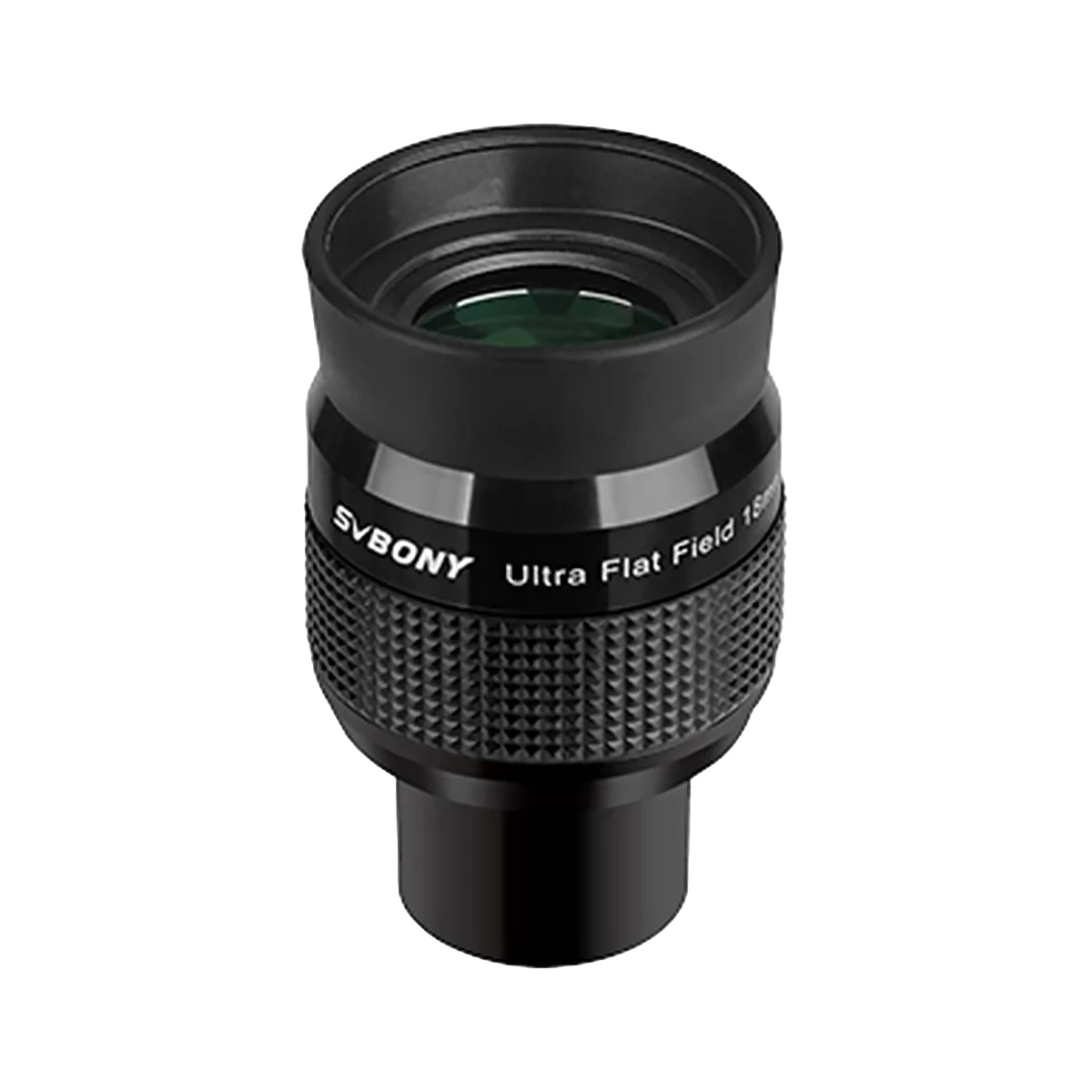
A flat 65 degree field at 67x in this tube, and a comfortable 20mm of eye relief for long visual sessions.

Start imaging planets & the MoonSVBony SV905C Guide Camera
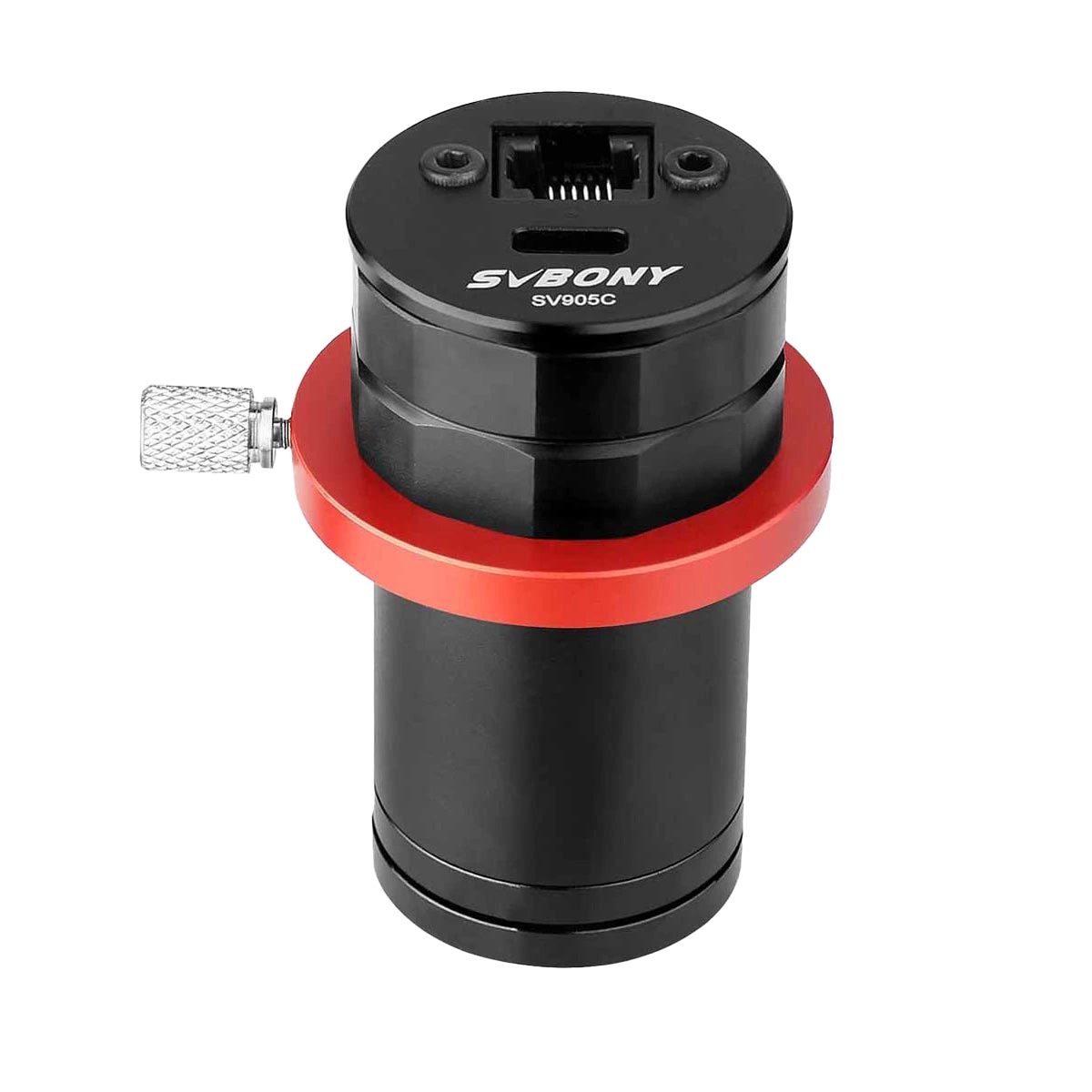
At 714mm, guiding is what sets your usable exposure length. This is the cheapest component that does it.

No fogging on long sessionsPegasus Astro Multi-Channel Dew Controller
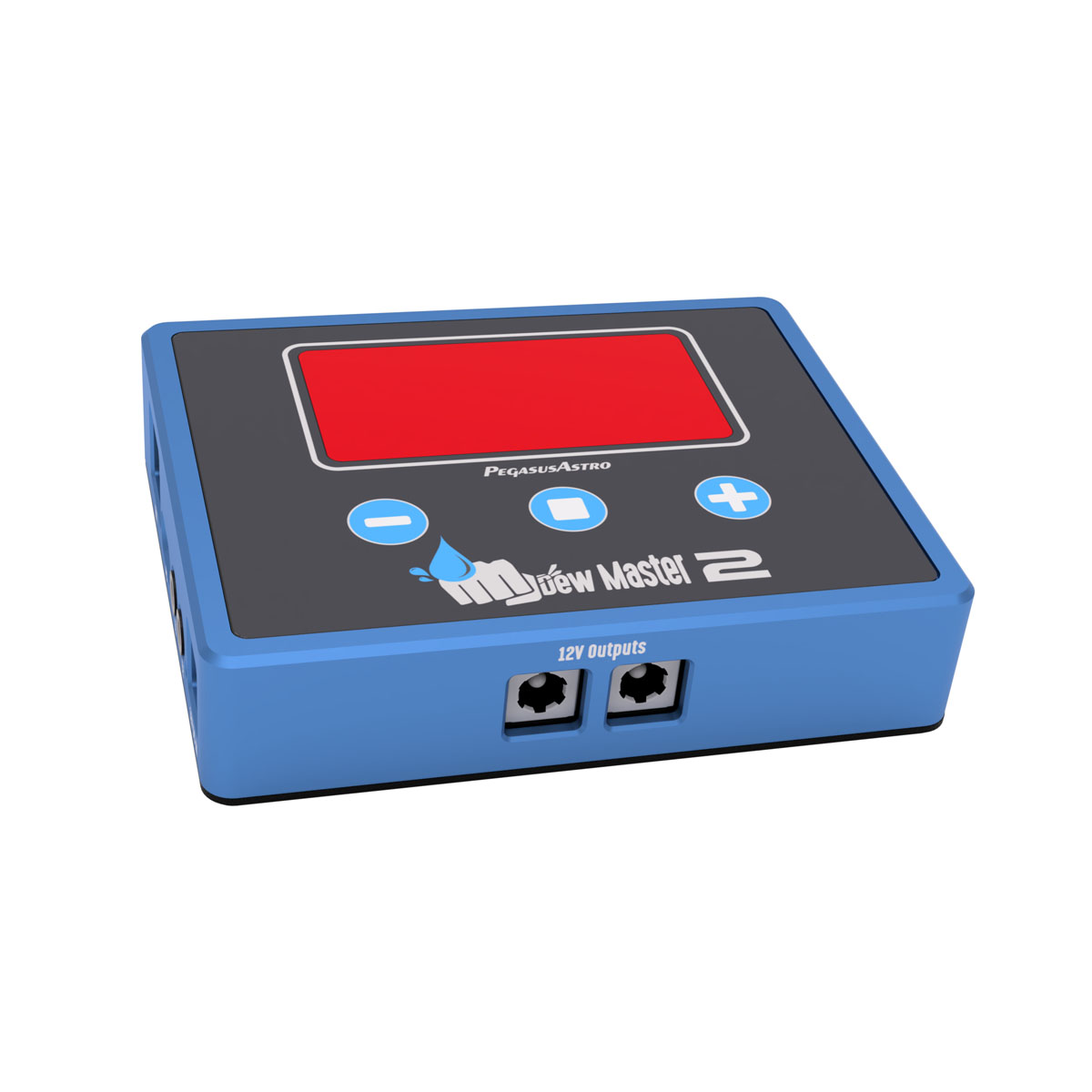
A 121mm tube with a dew shield collects dew readily. A controller ends the session-killing fog.
Growth path
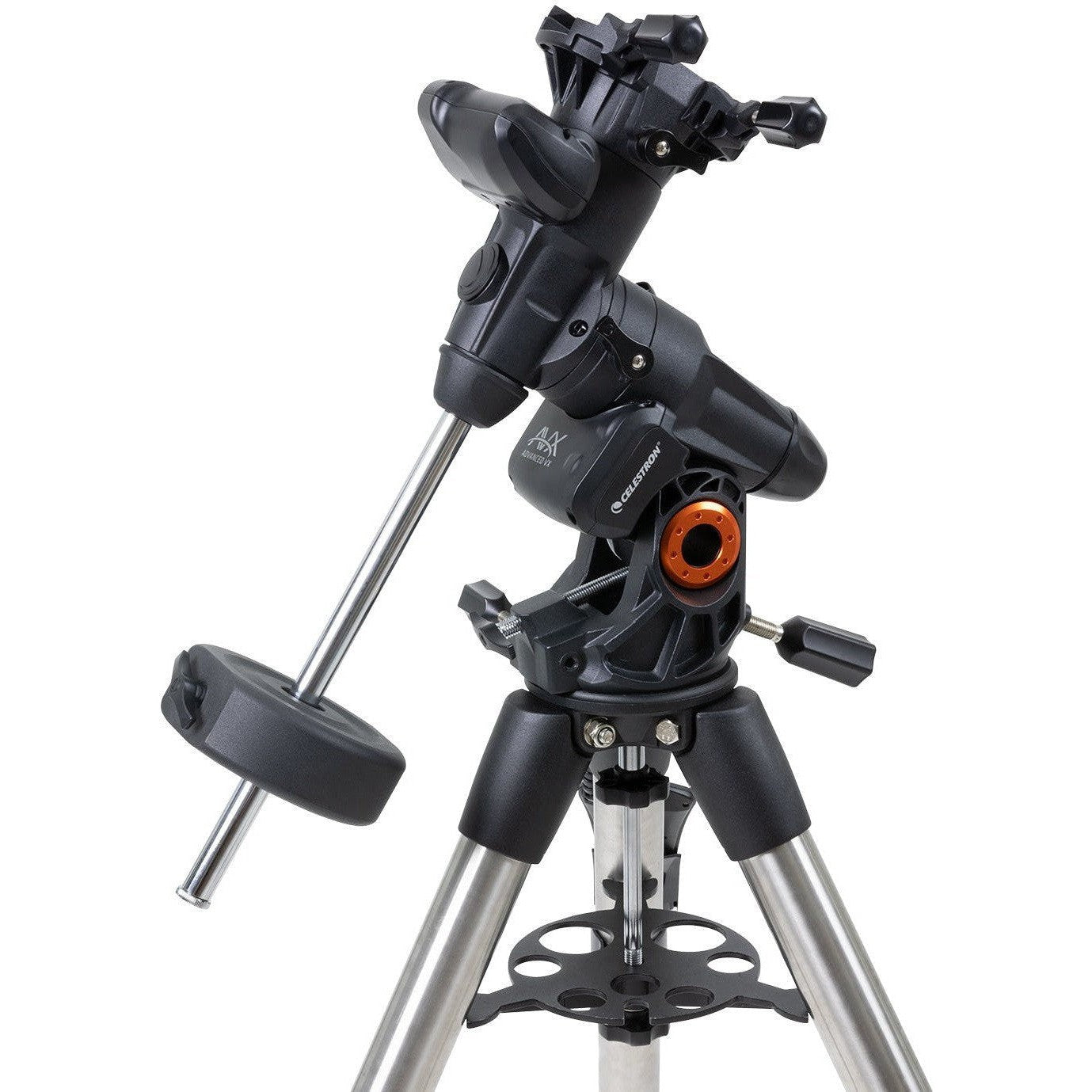
Better tracking & light imagingCelestron Advanced VX (AVX) Equatorial Mount✓ Compatible
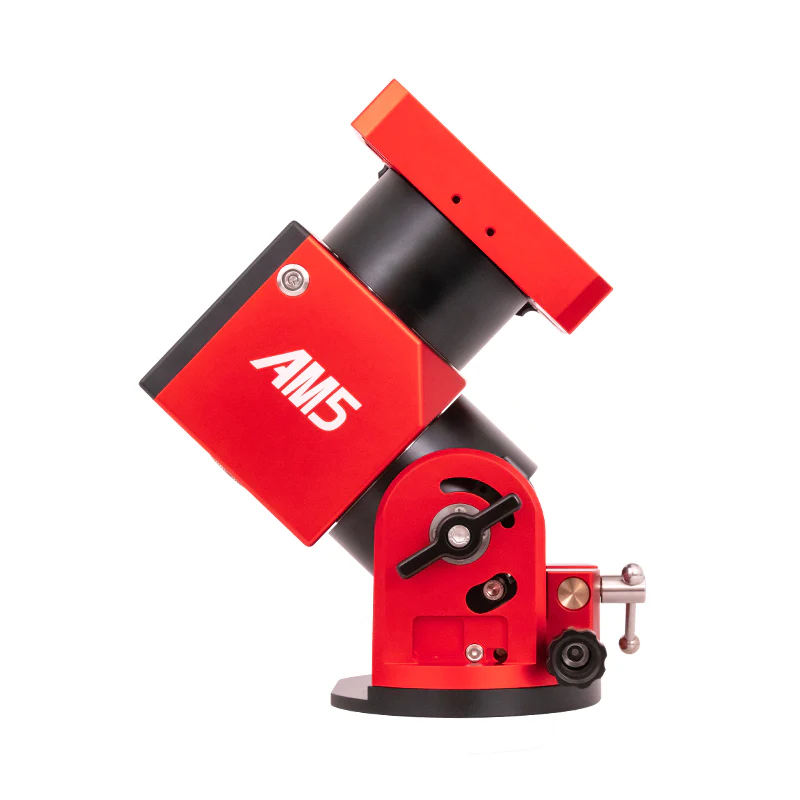
Portable astrophotographyZWO AM5N Harmonic Equatorial Mount✓ Compatible
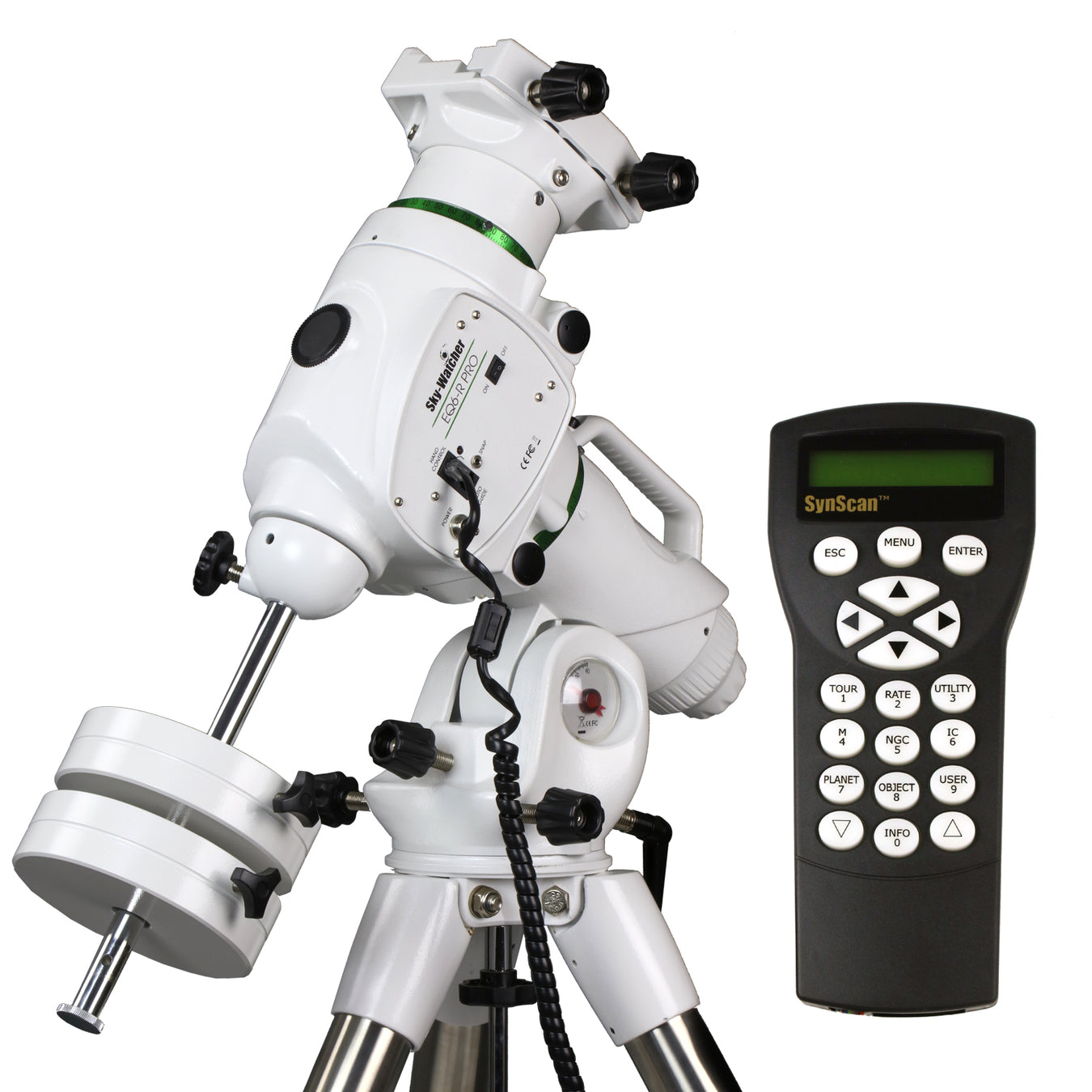
Permanent-setup astrophotographySky-Watcher EQ6-R Pro✓ Compatible
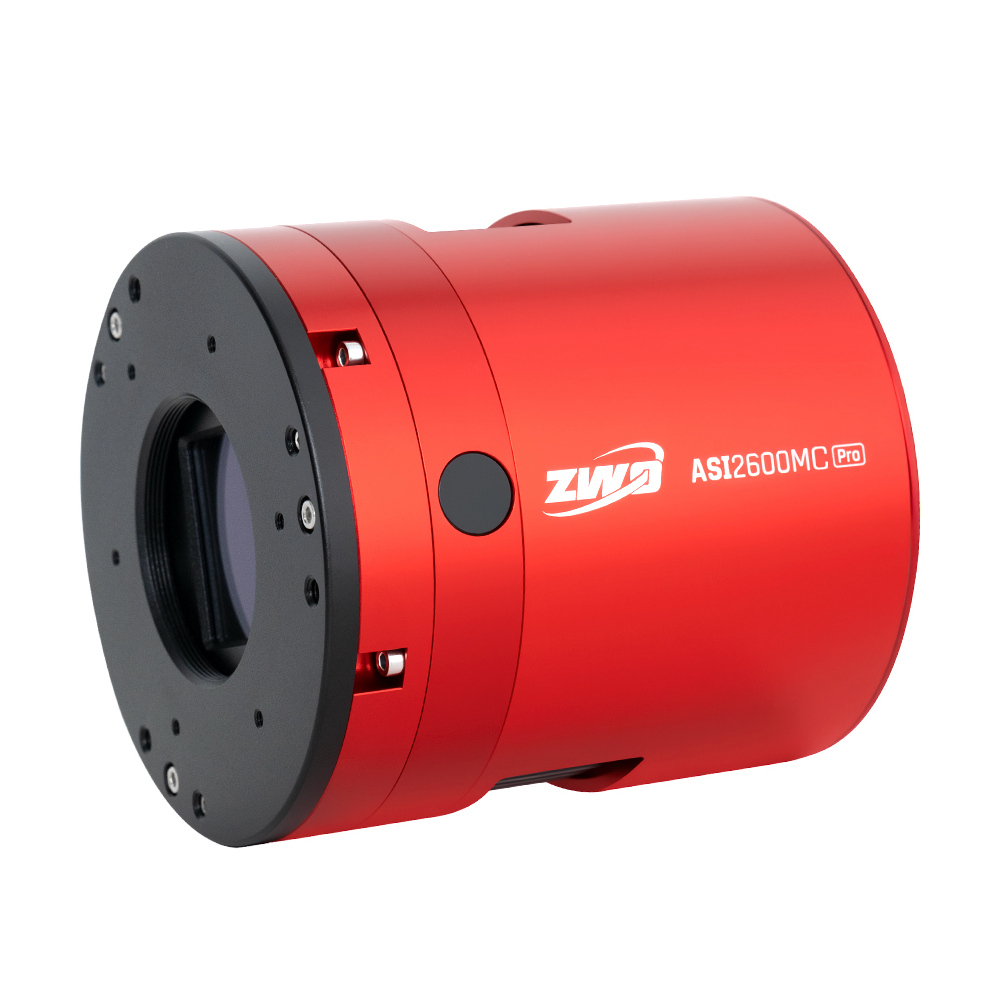
Start imagingZWO ASI2600MC Pro
Lunar & planetary
Excellent contrast
Deep-sky imaging
Strong with a flattener
Deep-sky visual
Strong
06The numbers

Full specifications.

6 measured and stated values
Optics
Optical DesignED Doublet Refractor
Aperture102mm
Focal Length714mm
Focal Ratiof/7
Mount & drive
Mount TypeNone (OTA only)
Physical
Weight5.7 kg