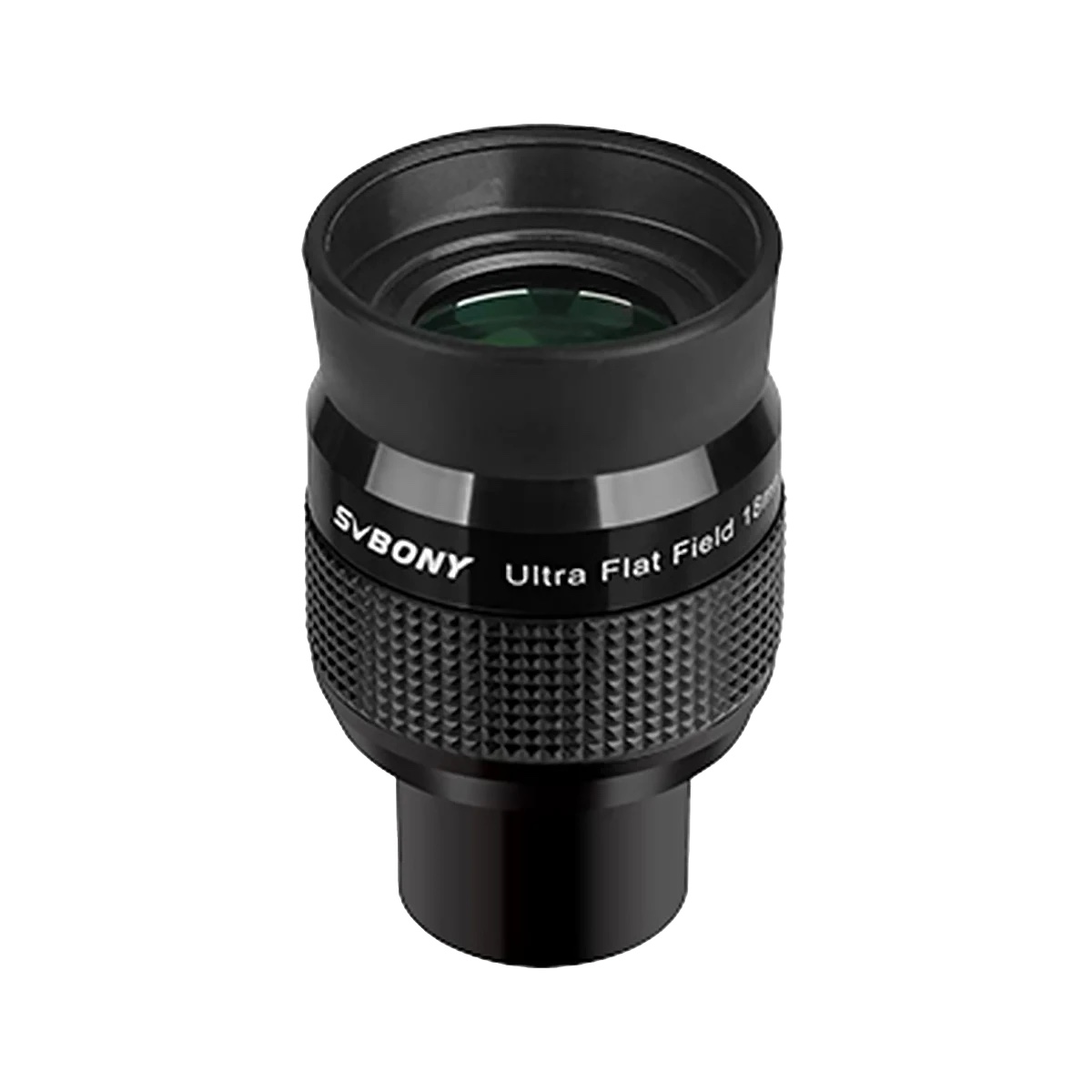
SVBony SV190 Ultra Flat Field 18mm
Sixty five degrees of flat field with 20 millimetres of eye relief, which is the specification people pay two to three times as much for. The best single deep sky eyepiece in this catalogue under a hundred dollars.
A low to medium power eyepiece, which in most telescopes lands between 27x and 113x. That is the range where galaxies, nebulae and globular clusters look their best: enough magnification to show structure, enough field to hold the whole object.
Lowest in 90 days
Price tracked by PolarisObserved 43 timesTracking since Sep 2026

01What it's good atWhat it's best at — and the trade-offs.
Twenty millimetres of eye relief across a 65 degree field is a genuinely glasses-friendly combination, and it is rare below three figures.
What it's best at — and the trade-offs.
02In your telescopeOne eyepiece. A different job in every scope.
27× in a small refractor, 113× in a long SCT
One eyepiece. A different job in every scope.
An eyepiece has no magnification of its own — the telescope decides. The same eyepiece becomes 27× and 2.4° of sky in a little refractor, or 113× and a tight frame in a long SCT. Here’s what it does across common scopes.
03In plain EnglishThe numbers, in plain English.
18mm FL · 65° AFOV · 1.25"
The numbers, in plain English.
04What comes aliveThe targets this eyepiece was born for.
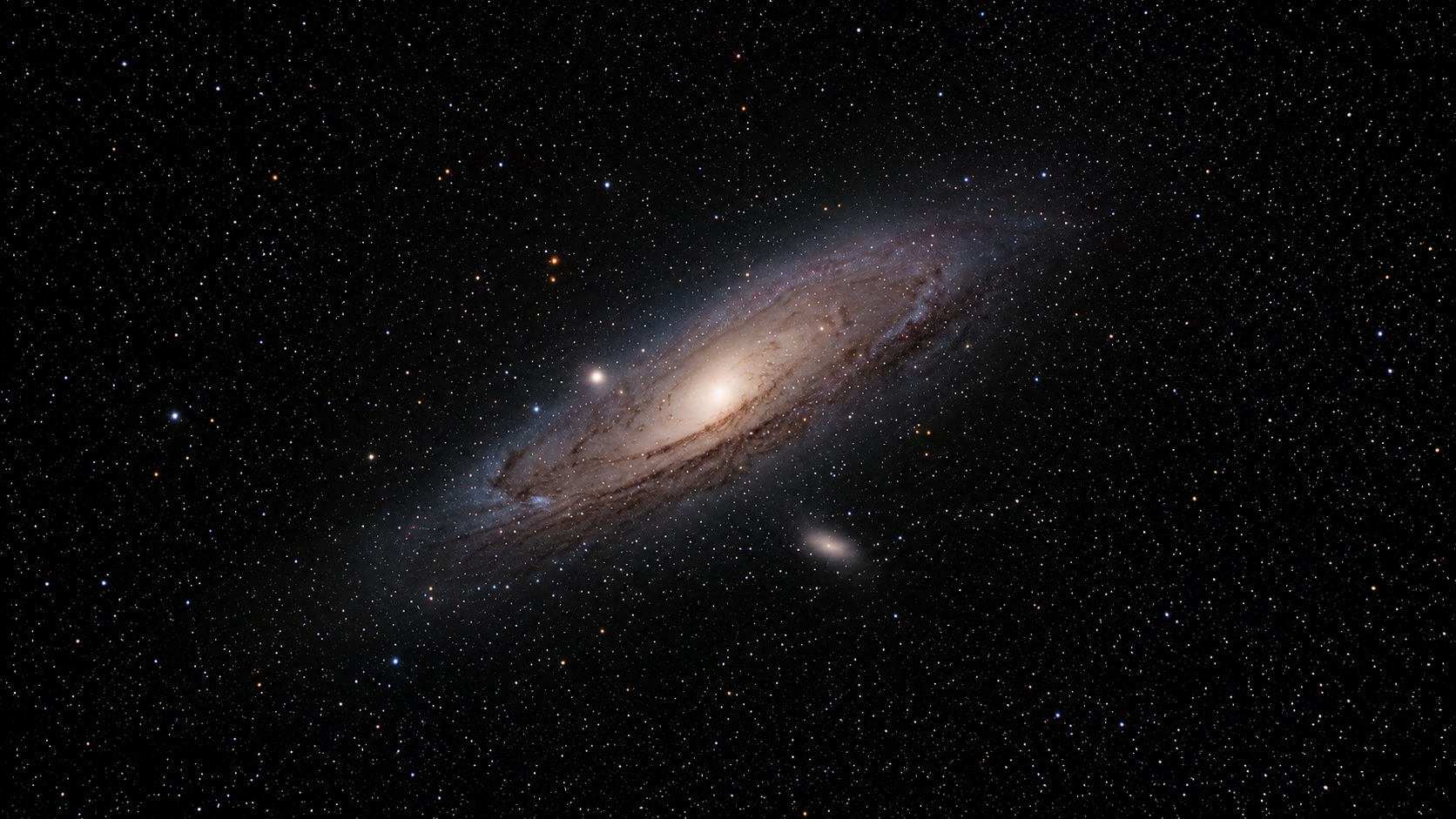
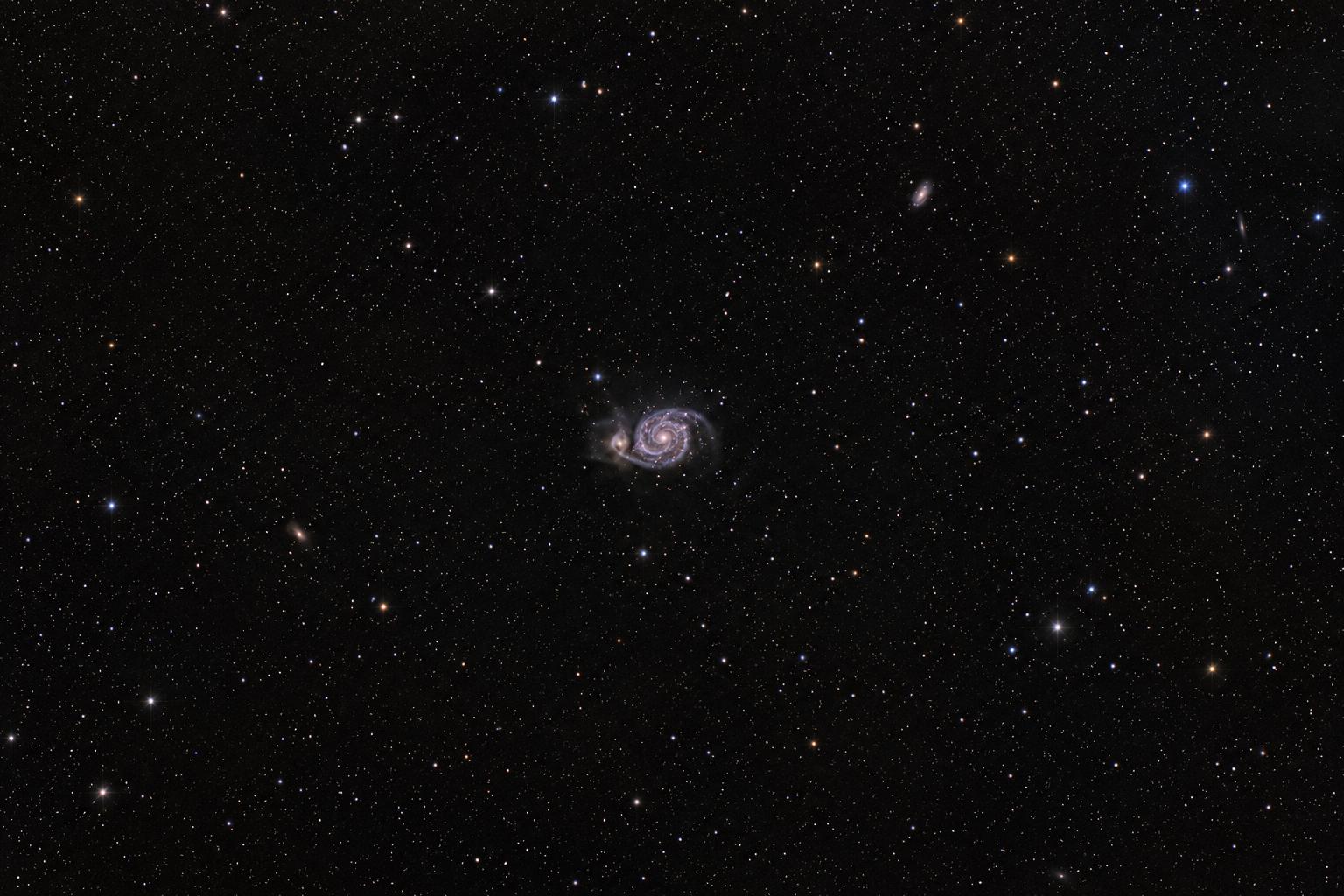
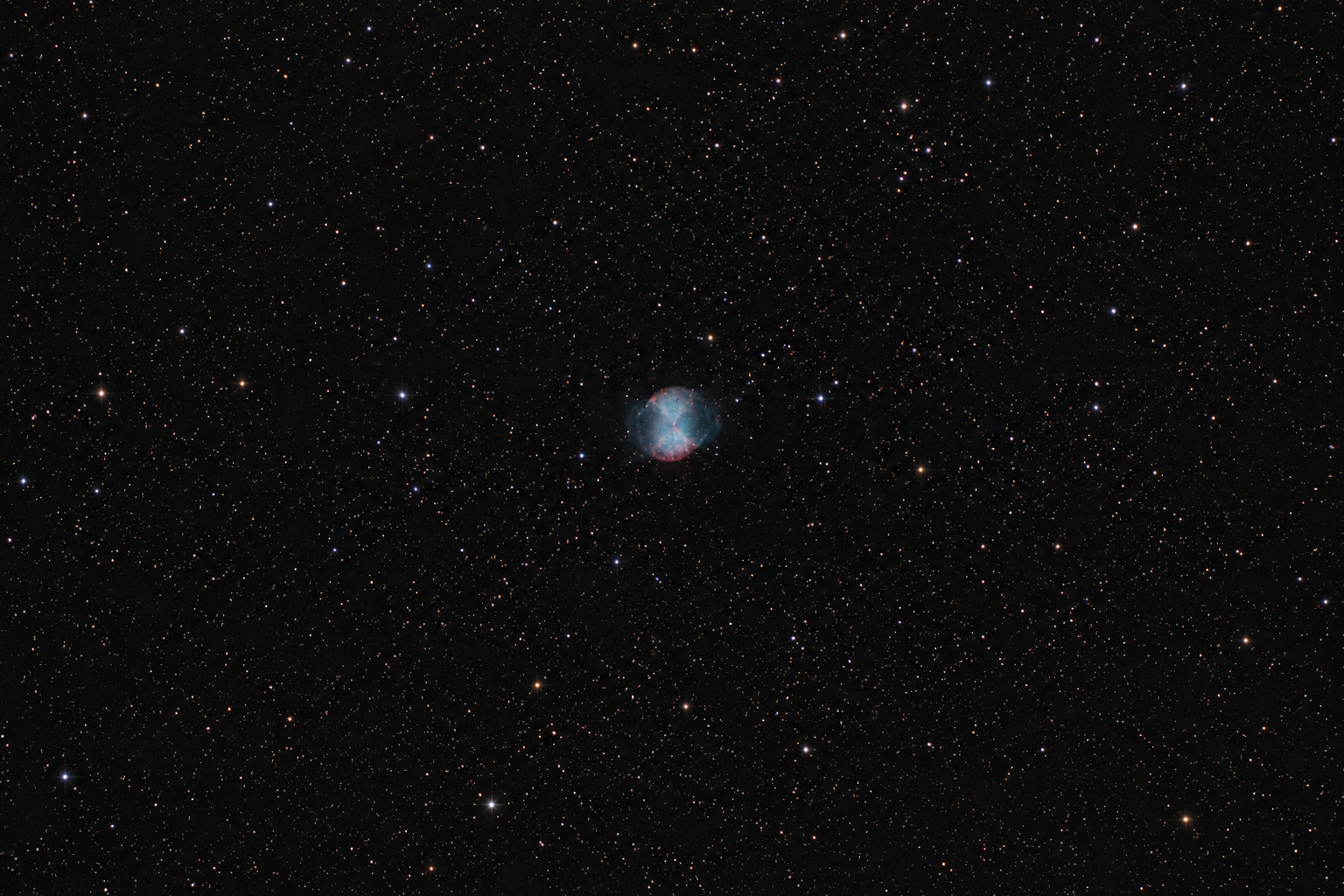
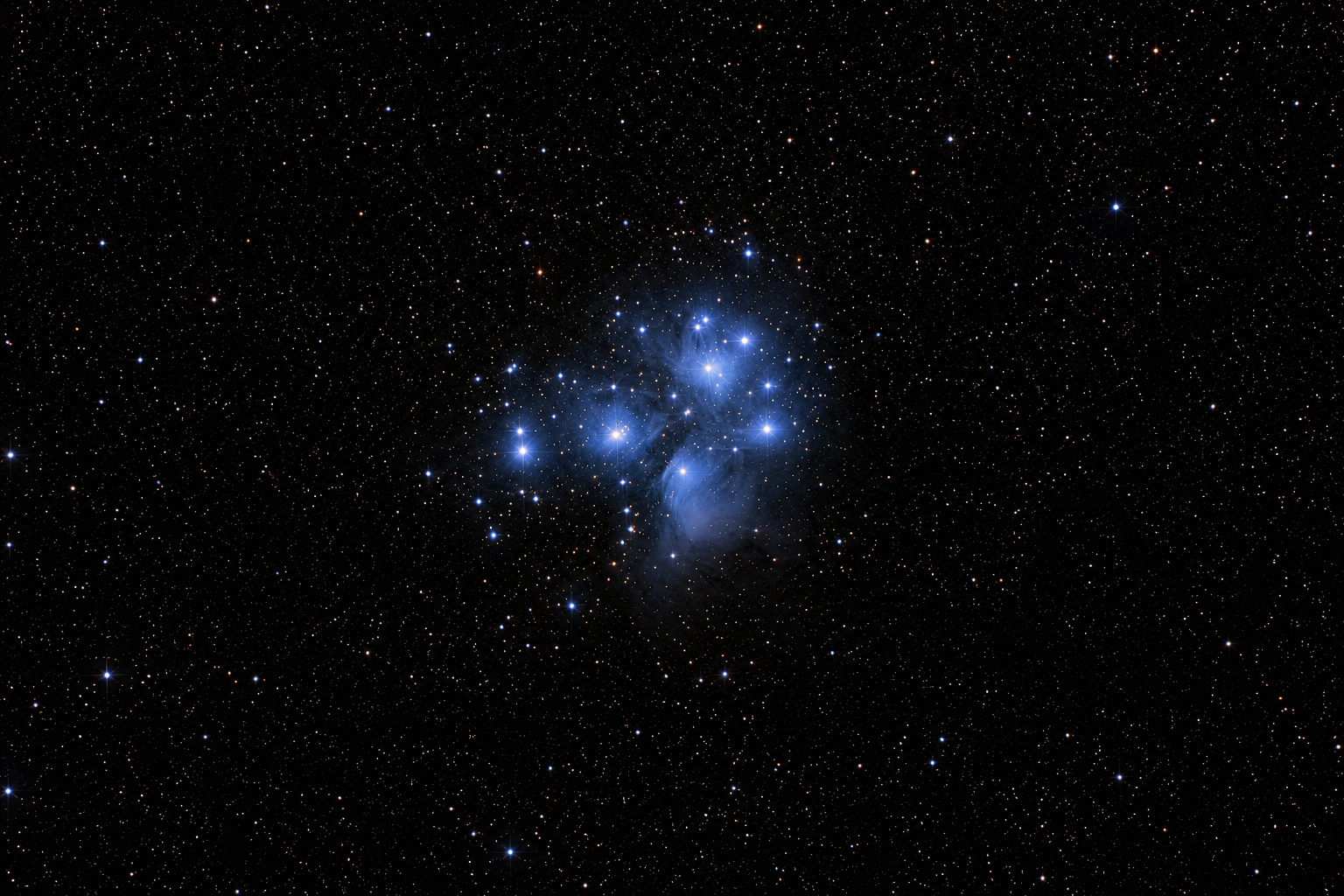
The Orion Nebula (M42), The Hercules Cluster (M13), The Andromeda Galaxy (M31), The…
The targets this eyepiece was born for.


05Role in a collectionWhere it sits in your eyepiece case.
Where it sits across 3 focal lengths
Where it sits in your eyepiece case.
A good eyepiece collection isn’t a pile of glass — it’s two or three focal lengths that hand off from wide to tight. This is the anchor at the bottom of the ladder: the one you find and frame with. You buy it once, and it stays your low-power eyepiece for life.
06Build around itWhat it pairs with.
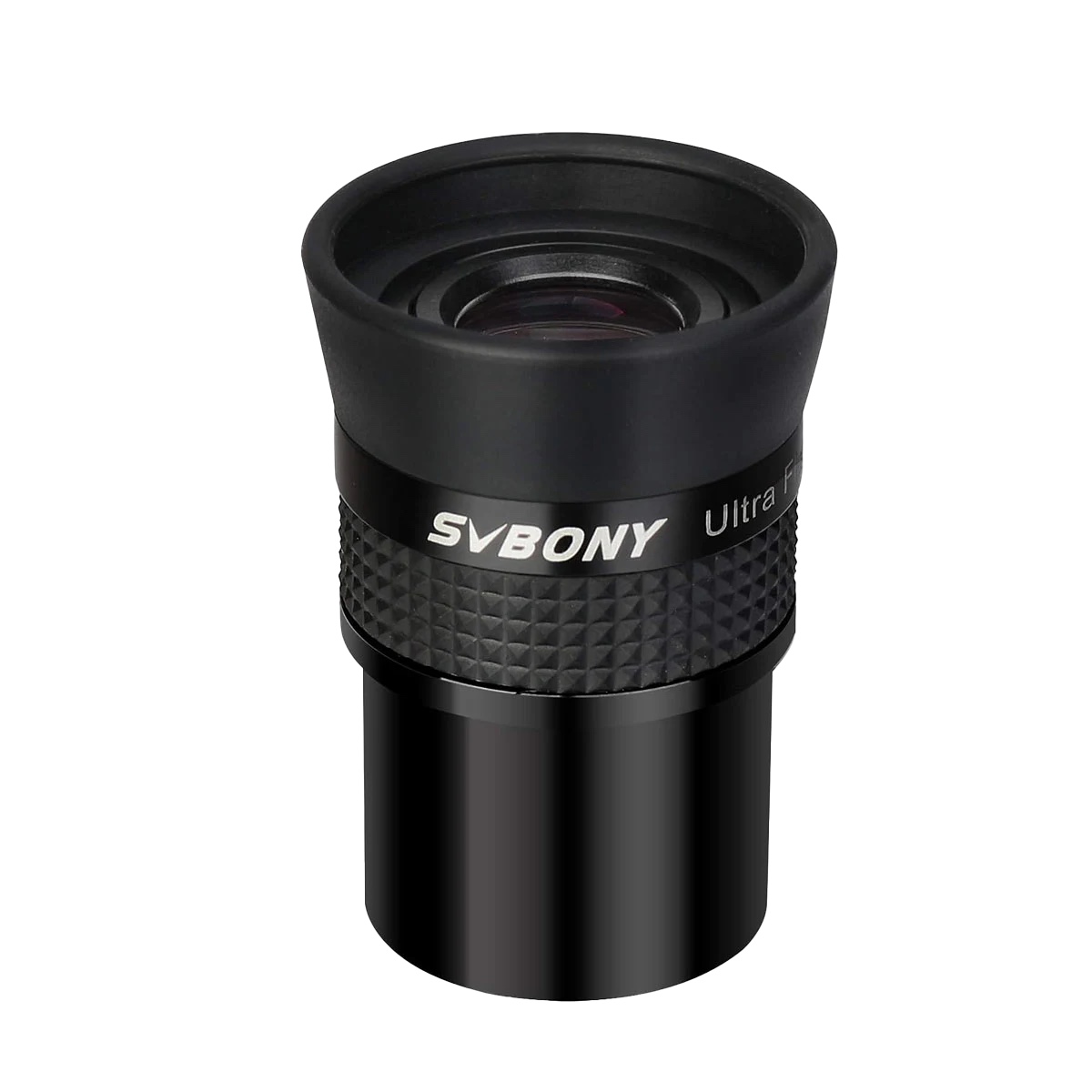
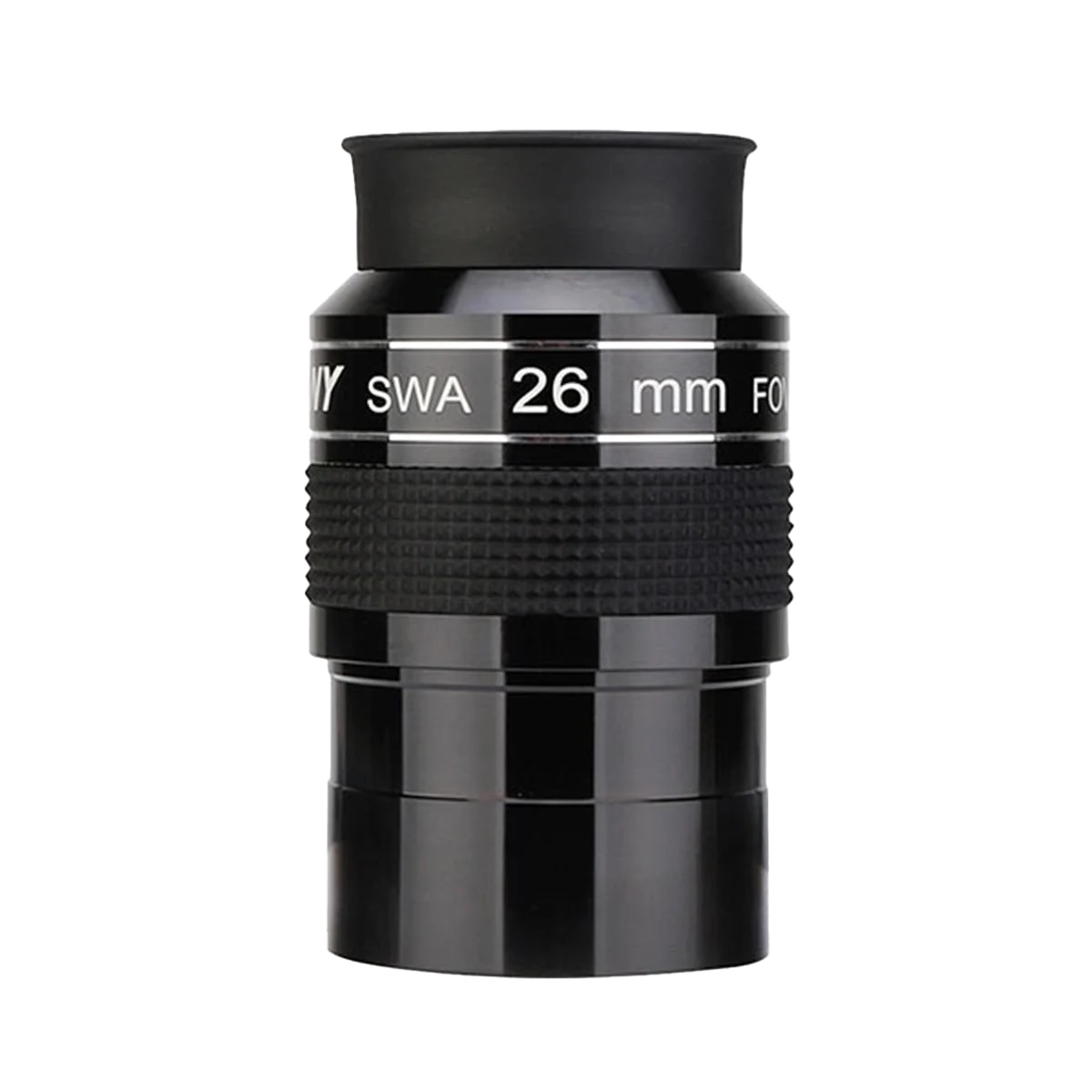
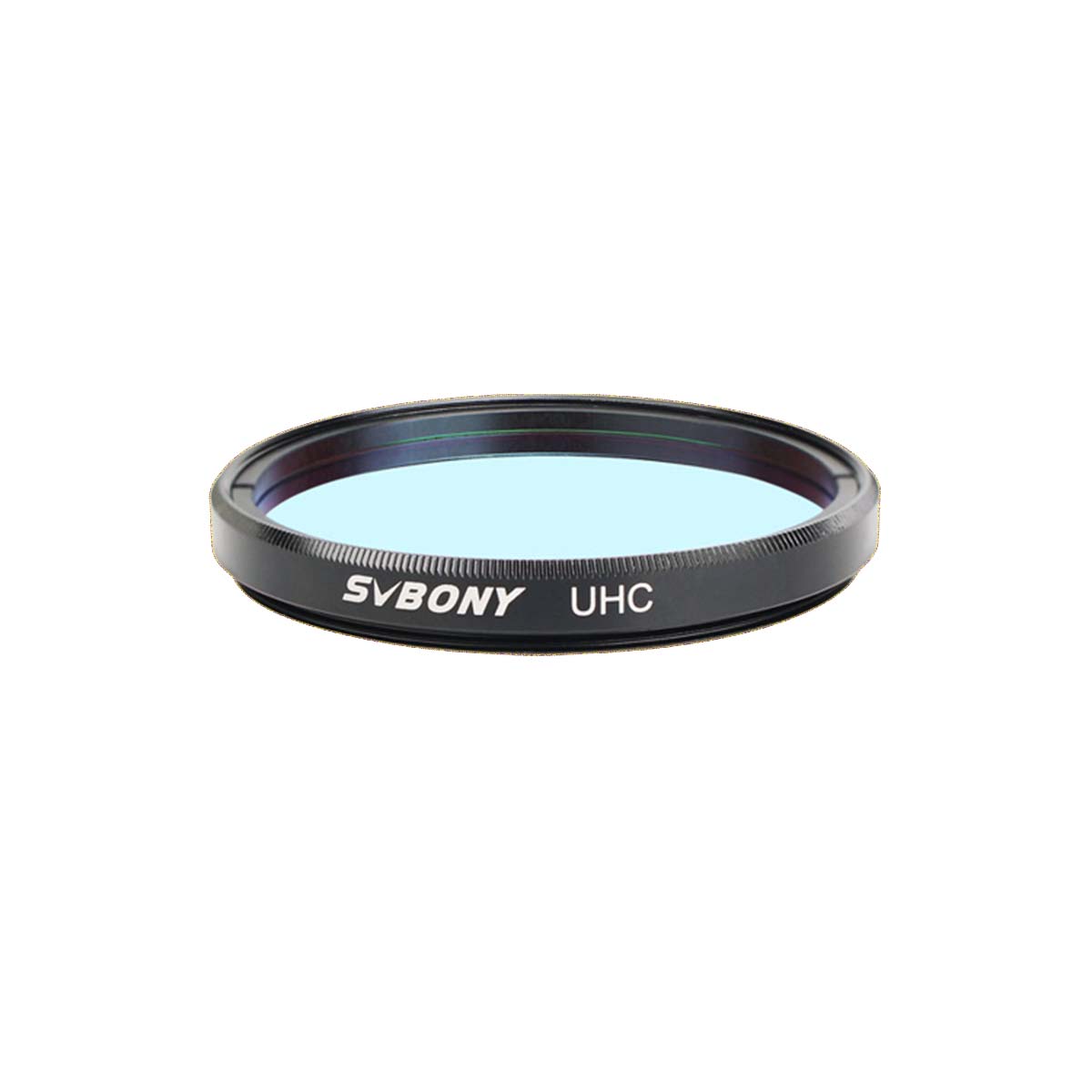
The telescope · Pair it · Filter it
What it pairs with.
07The Polaris ScoreHow it scores, and why.
83/100
How it scores, and why.
Sixty five degrees with 20mm of eye relief and a genuinely flat field is a combination that normally appears at three times this price. It earns a strong score on capability and value and stops short of the top of the range on finish, coatings and the last few percent of edge correction that the premium lines still hold.
Polaris weighs how well the eyepiece does the job it was designed for — optics, immersion, comfort and value — never list price or brand.
08Who it's forAn honest fit check.
Someone building a small set of good eyepieces who wants the one that will get used most…
An honest fit check.
09The numbersFull specifications.
6 measured and stated values
Full specifications.
There is a particular class of eyepiece that quietly ends the upgrade itch: wide enough that you stop noticing the edge, comfortable enough that you stop noticing your eye, and corrected well enough that you stop noticing the optics. It usually costs three hundred dollars. This one is eighty nine, and while it is not the equal of the premium glass in coatings or finish, the thing it does for your observing is the same thing. If you buy one eyepiece to live in your focuser, buy this focal length.
10AlternativesFor a different goal, start here.
3 alternatives, each mapped to the goal it wins at
For a different goal, start here.
SVBony SV190 Ultra Flat Field 10mm
The planetary half of the pair. Same flat field, 60 degrees, and roughly double the magnification.
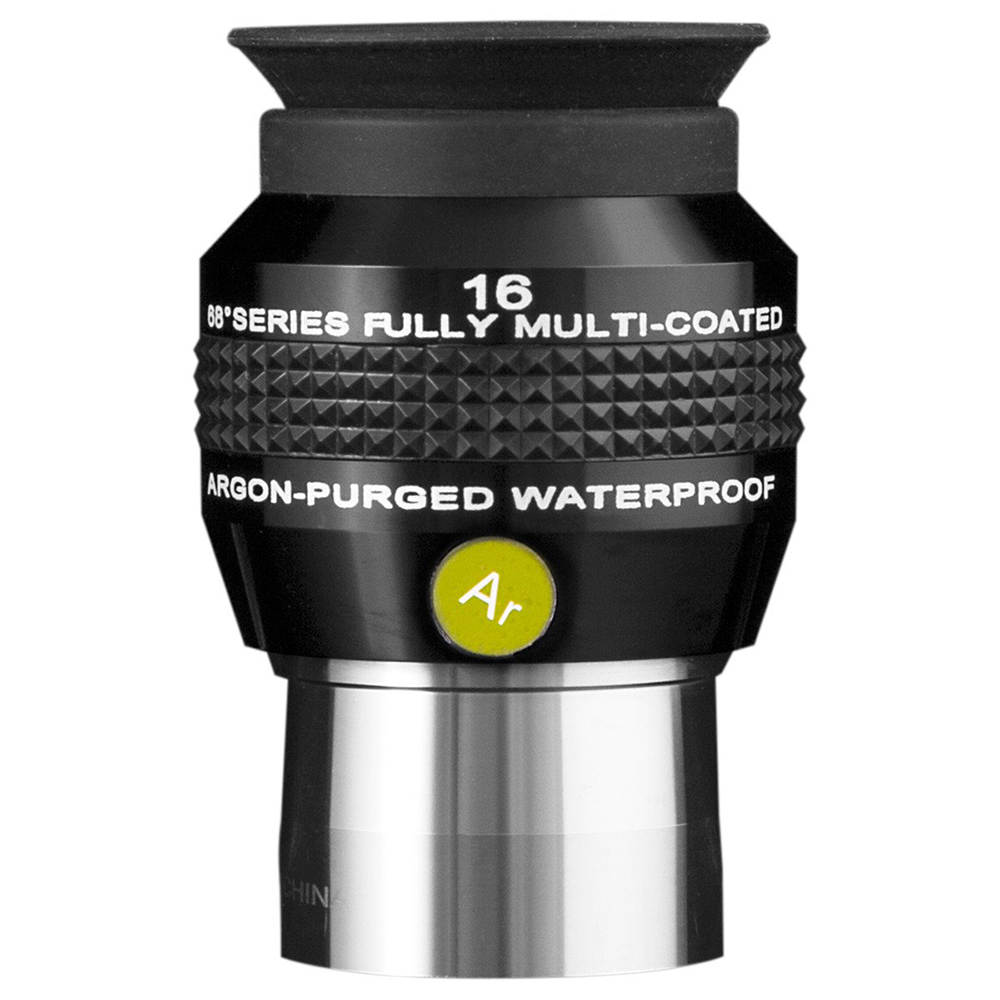
Explore Scientific 68deg 16mm
A slightly wider field with better coatings and finish, at around double the price.
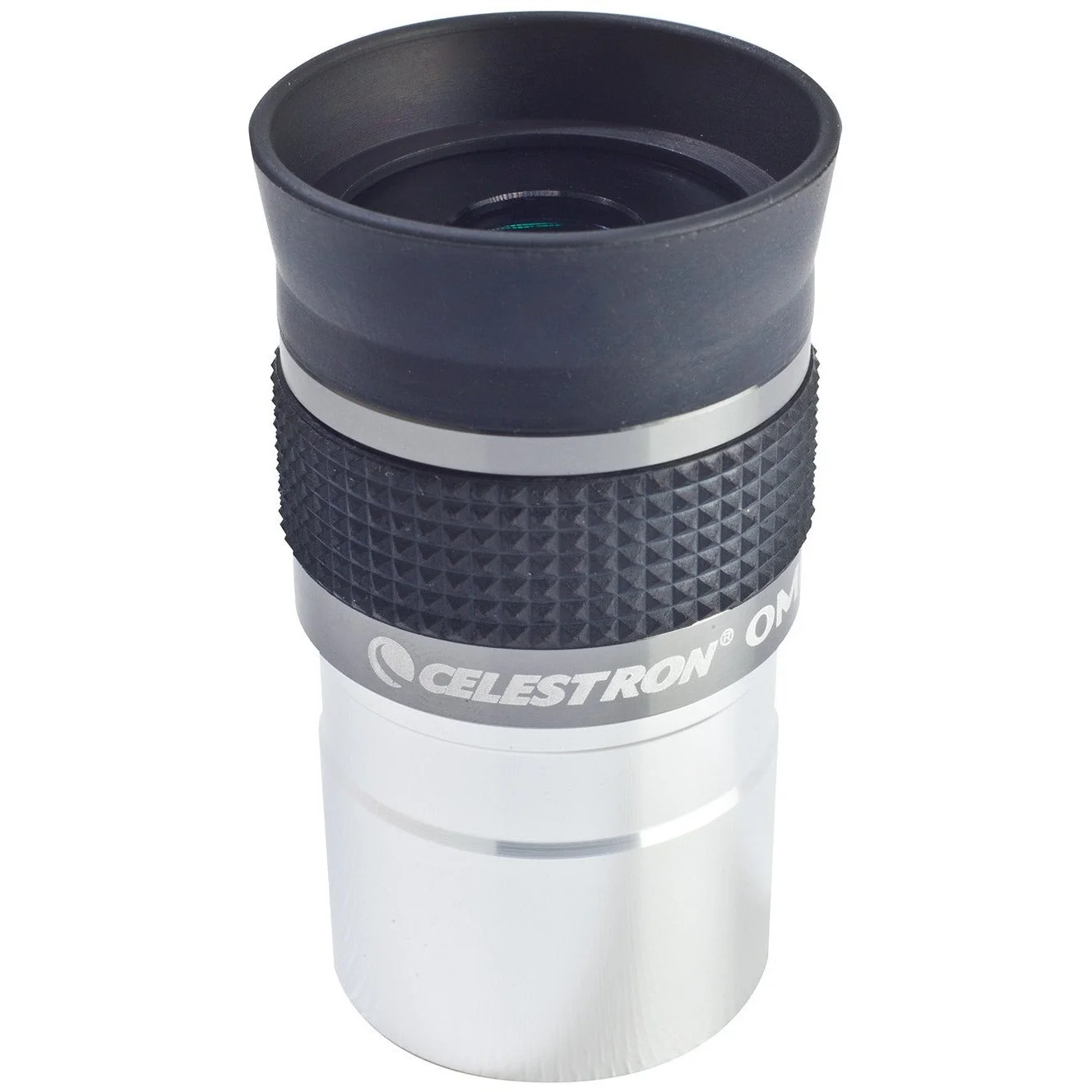
Celestron Omni 15mm
A third of the price and a competent Plossl, but 52 degrees and short eye relief make it a different experience entirely.