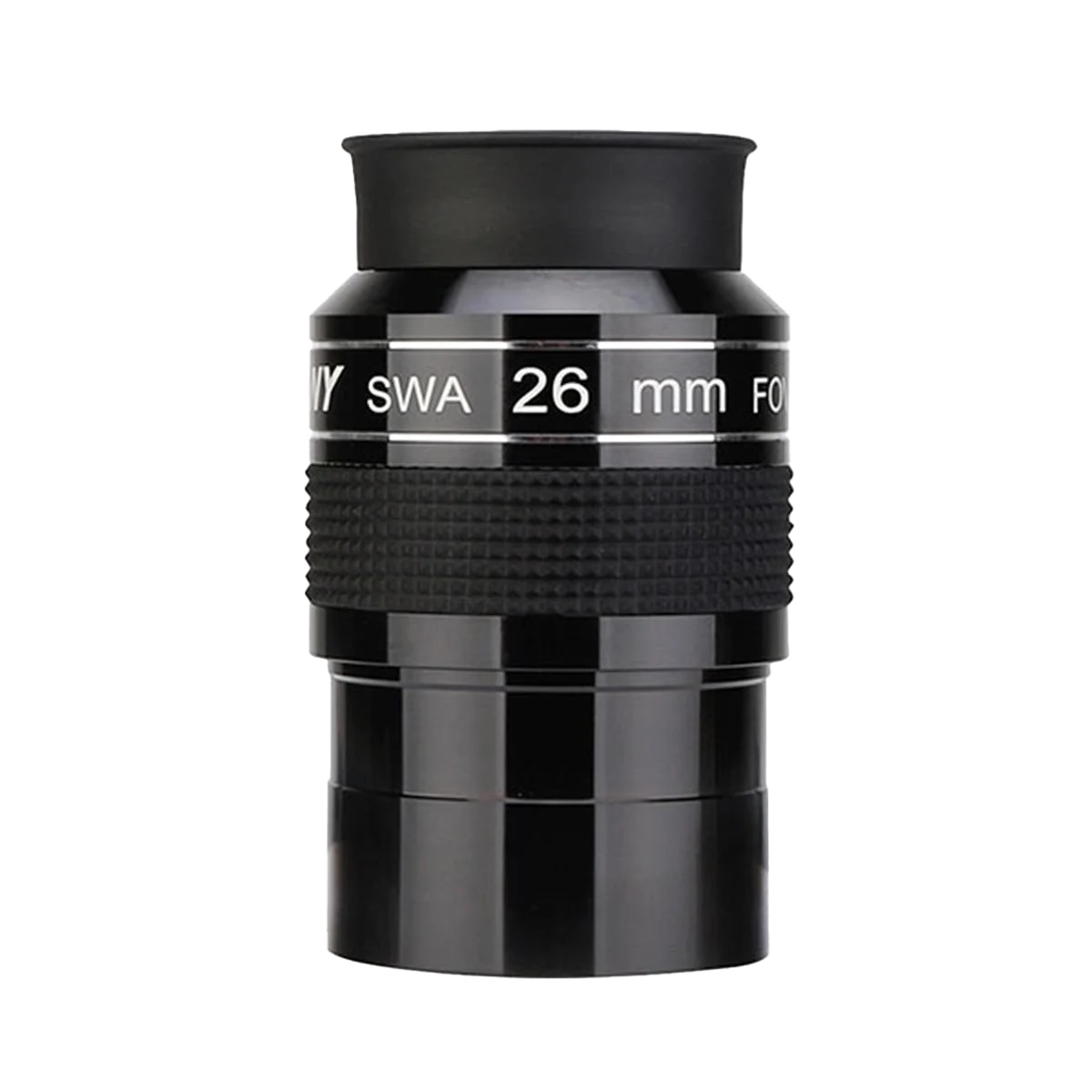
SVBony SV154 Super Wide Angle 26mm
A 2 inch 70 degree wide field for seventy dollars, where the equivalent from the house brands costs a hundred and ten. The low power eyepiece that turns a Dobsonian into a sweeping instrument.
An ultra low power eyepiece, landing between 18x and 78x depending on the telescope. This is the finding and sweeping end of the range, for large nebulae, open clusters and the objects that will not fit in anything shorter. It is the wrong tool for planets entirely.
$7 above 90-day low
Price tracked by PolarisObserved 43 timesTracking since Sep 2026

01What it's good atWhat it's best at — and the trade-offs.
Seventy degrees in a 2 inch barrel for seventy dollars, against a hundred and ten for the closest house brand equivalent in this catalogue at the same…
What it's best at — and the trade-offs.
02In your telescopeOne eyepiece. A different job in every scope.
18× in a small refractor, 78× in a long SCT
One eyepiece. A different job in every scope.
An eyepiece has no magnification of its own — the telescope decides. The same eyepiece becomes 18× and 3.9° of sky in a little refractor, or 78× and a tight frame in a long SCT. Here’s what it does across common scopes.
03In plain EnglishThe numbers, in plain English.
26mm FL · 70° AFOV · 2"
The numbers, in plain English.
04What comes aliveThe targets this eyepiece was born for.
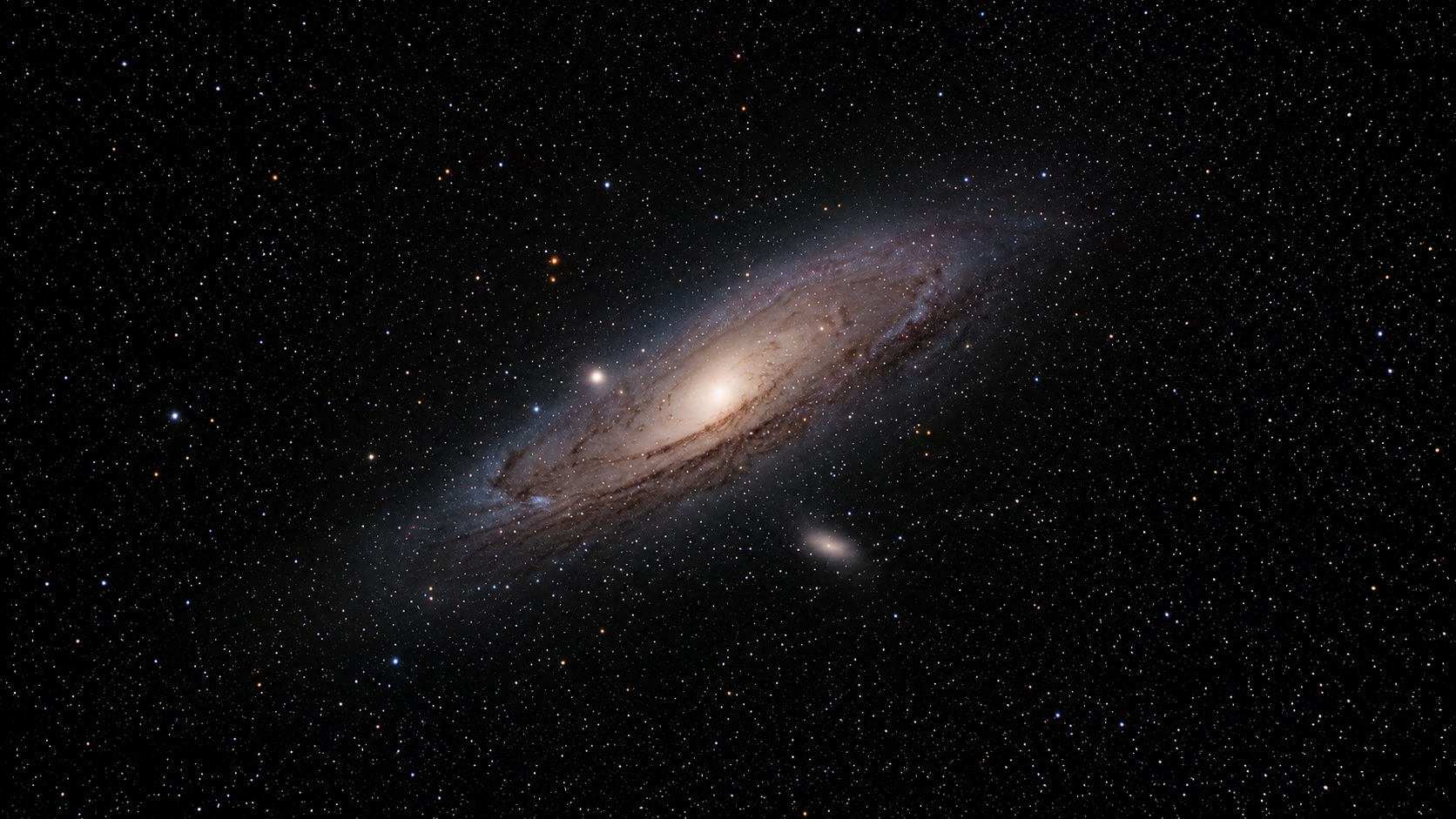
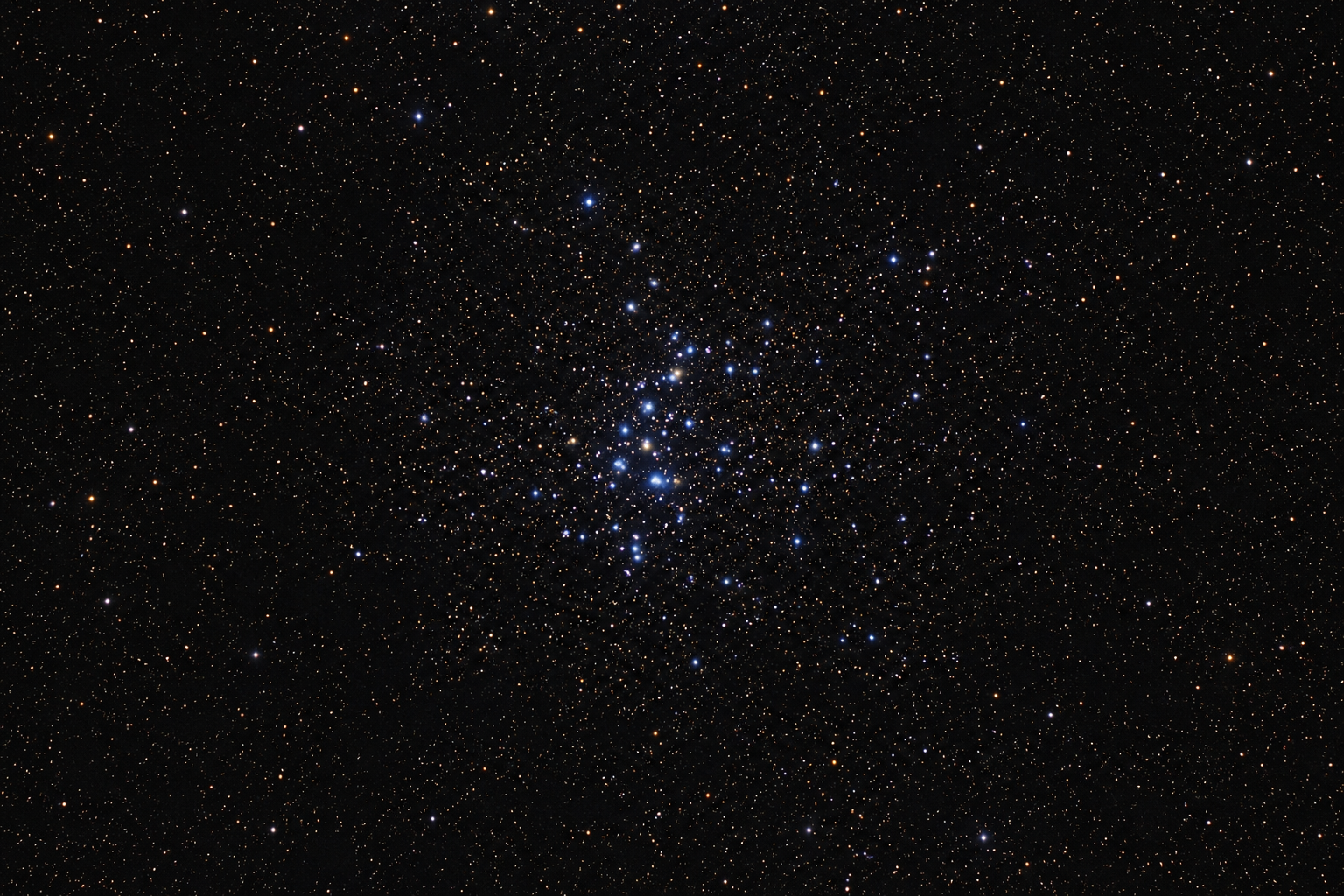
The Pleiades (M45), The Double Cluster, The Veil Nebula, The Andromeda Galaxy (M31), The…
The targets this eyepiece was born for.
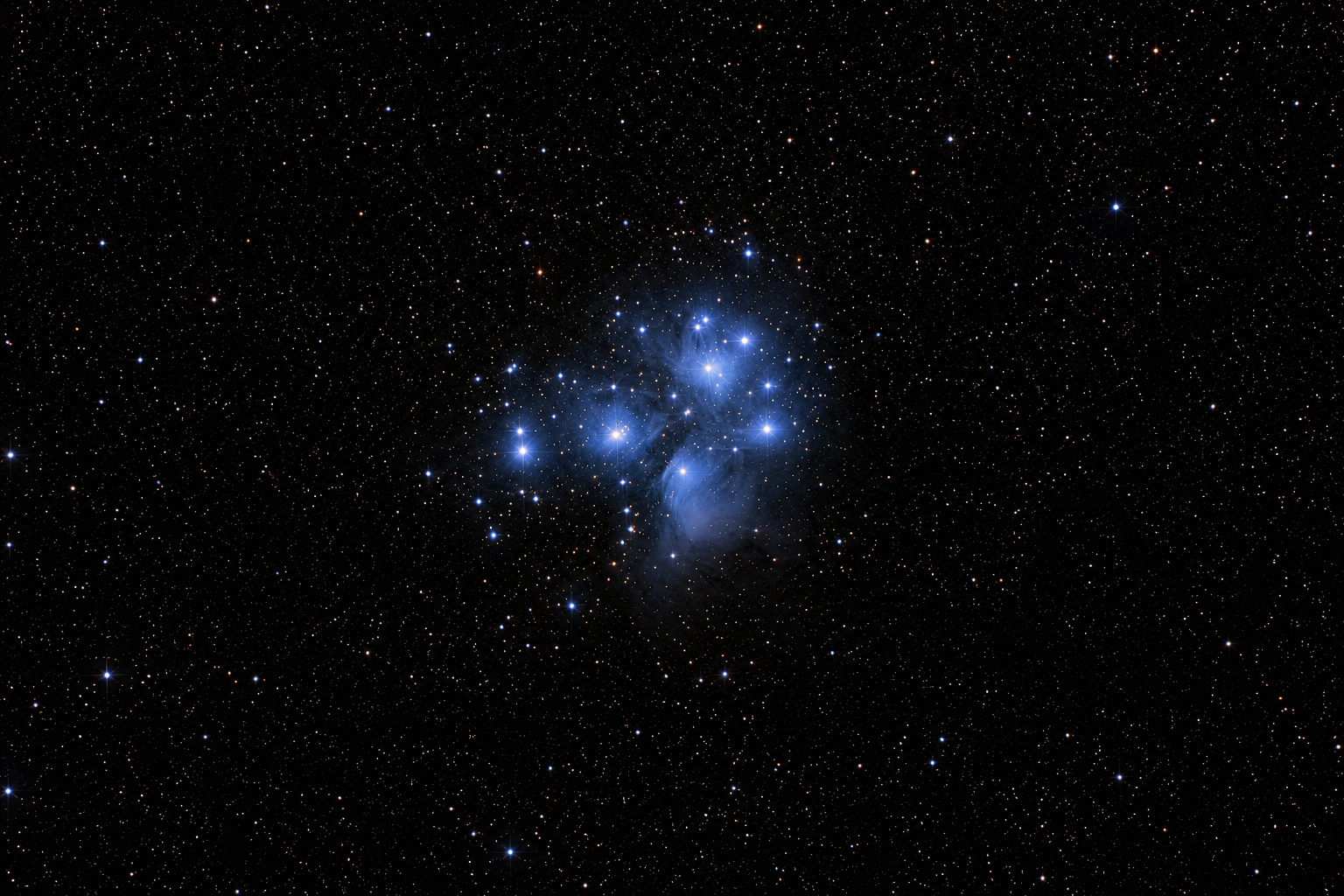
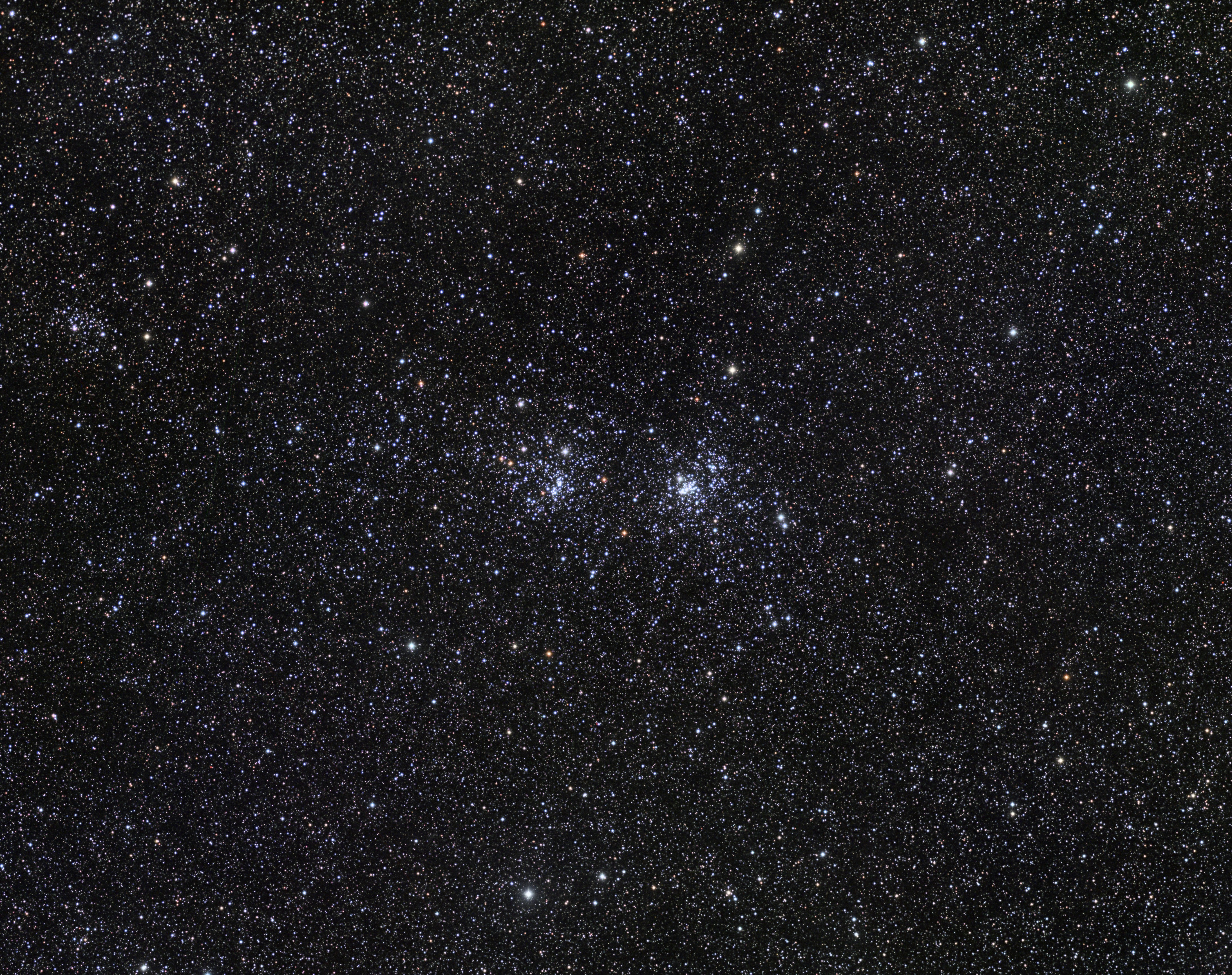
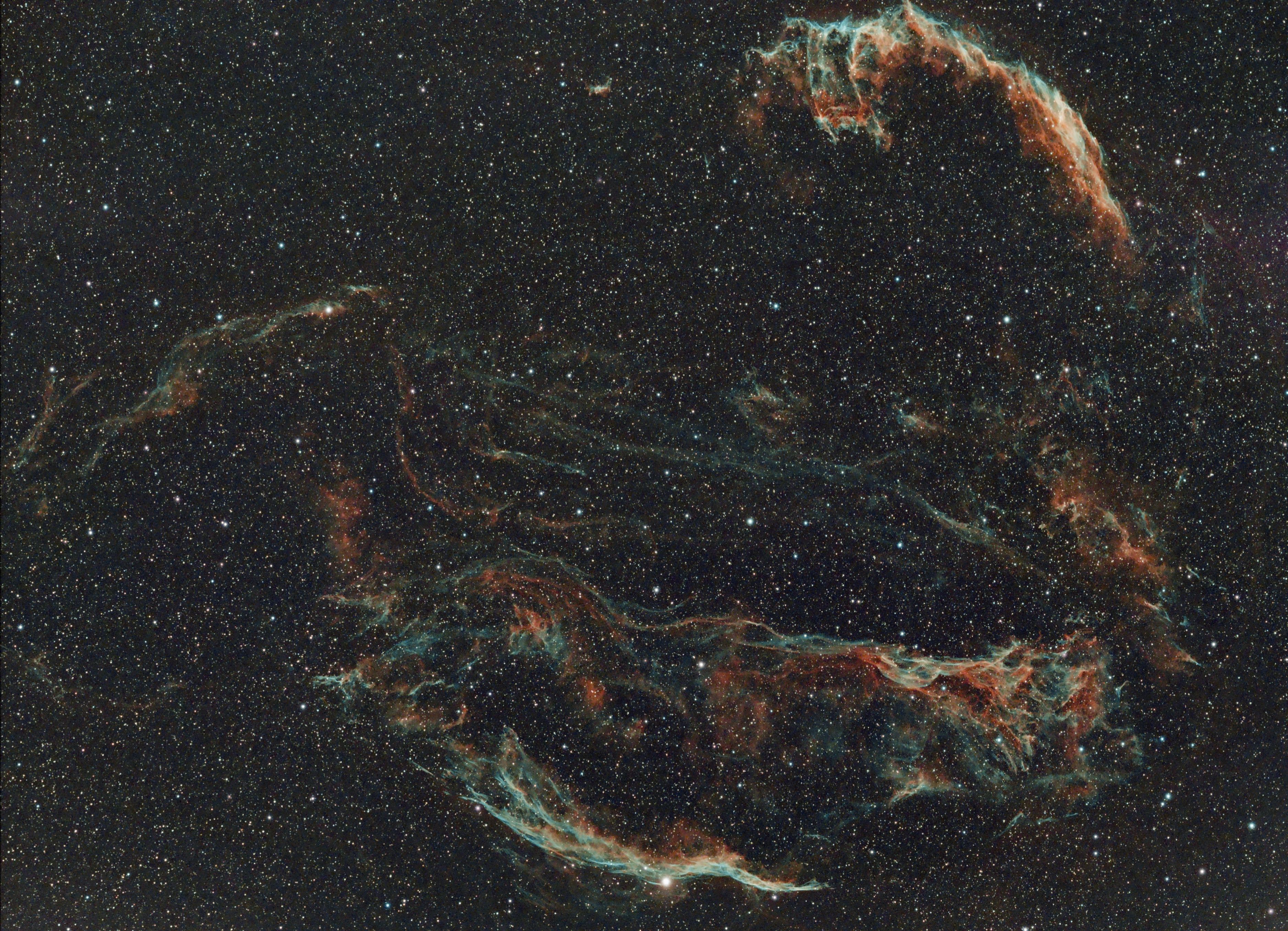

05Role in a collectionWhere it sits in your eyepiece case.
Where it sits across 3 focal lengths
Where it sits in your eyepiece case.
A good eyepiece collection isn’t a pile of glass — it’s two or three focal lengths that hand off from wide to tight. This is the anchor at the bottom of the ladder: the one you find and frame with. You buy it once, and it stays your low-power eyepiece for life.
06Build around itWhat it pairs with.
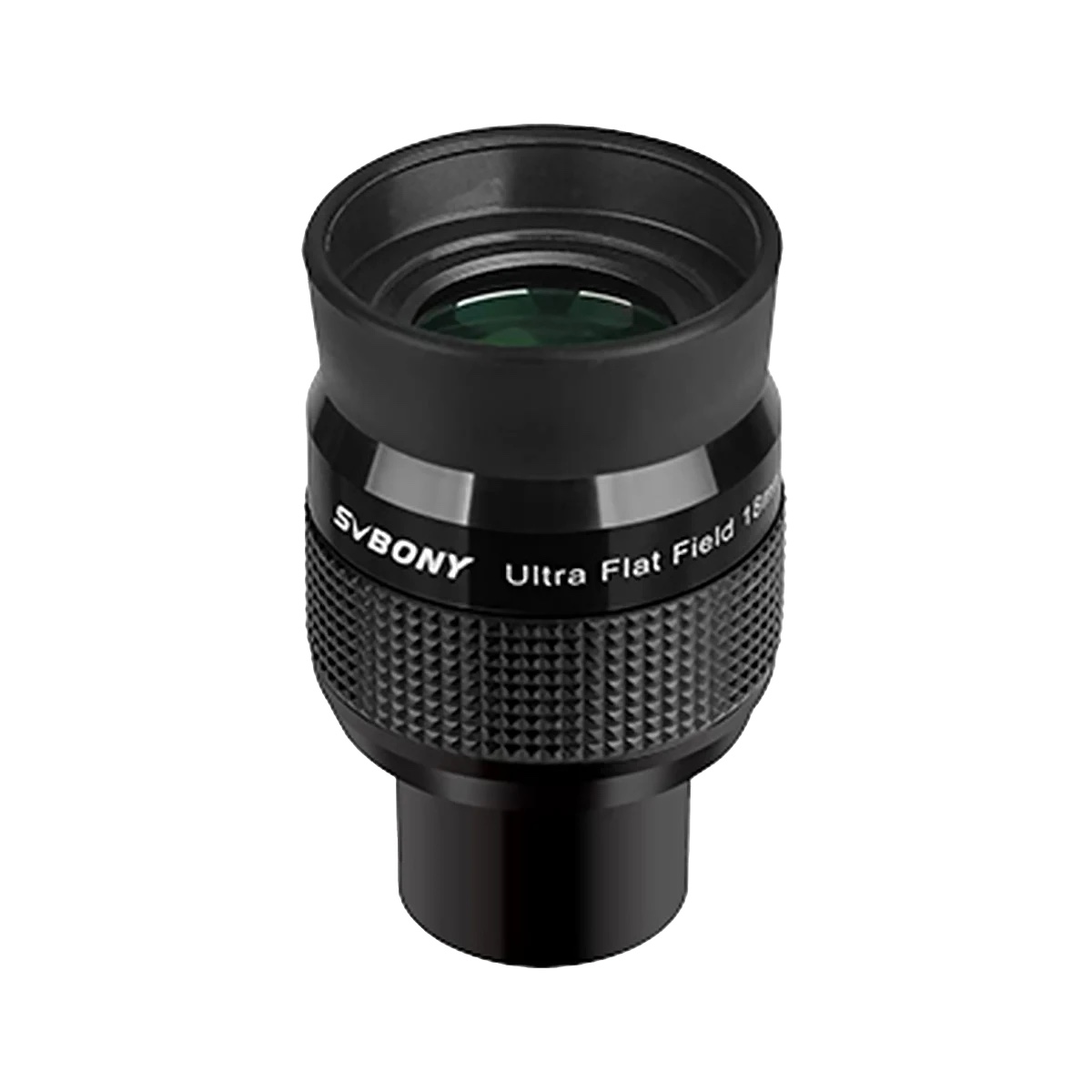
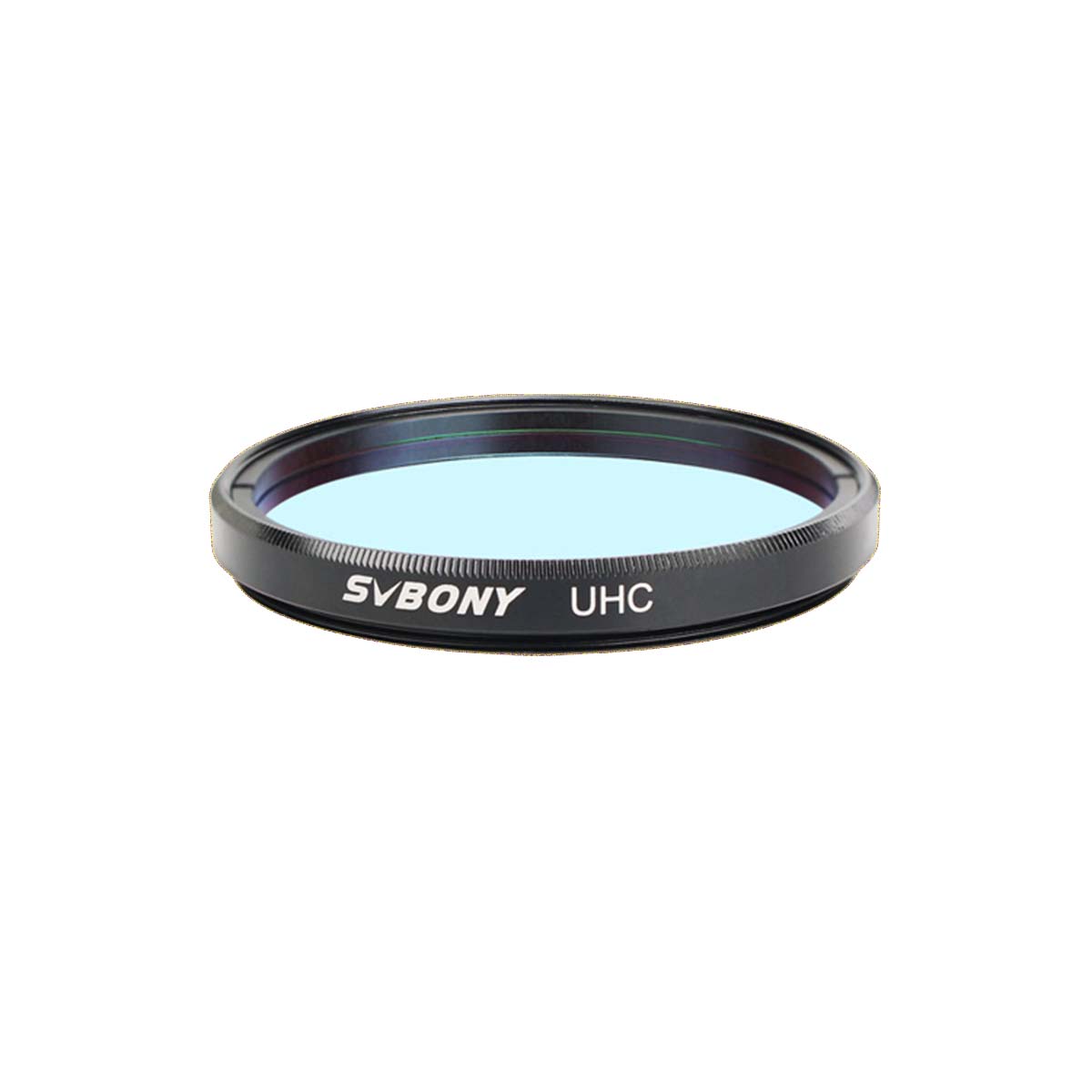
The telescope · Pair it · Filter it
What it pairs with.
07The Polaris ScoreHow it scores, and why.
76/100
How it scores, and why.
As a low power wide field it does the job it exists for and undercuts the equivalent house brand by a meaningful margin. It loses ground on edge correction in genuinely fast telescopes, which is the known weakness of five element super wide designs and the reason the premium wide fields still command their price.
Polaris weighs how well the eyepiece does the job it was designed for — optics, immersion, comfort and value — never list price or brand.
08Who it's forAn honest fit check.
Dobsonian owners who want a genuine low power sweeping eyepiece and have a 2 inch focuser…
An honest fit check.
09The numbersFull specifications.
8 measured and stated values
Full specifications.
Low power is the setting people underrate and then use most. Very few objects in the sky reward maximum magnification, and a great many of them are too large to fit in anything but a 2 inch eyepiece. What this focal length buys is not detail, it is context: the Veil draped across the field with room to spare, the Double Cluster sitting in the same view, a Dobsonian that suddenly sweeps instead of hunting. That it costs seventy dollars rather than the hundred and ten its direct equivalent asks is the sort of thing worth knowing before you buy the other one.
10AlternativesFor a different goal, start here.
3 alternatives, each mapped to the goal it wins at
For a different goal, start here.
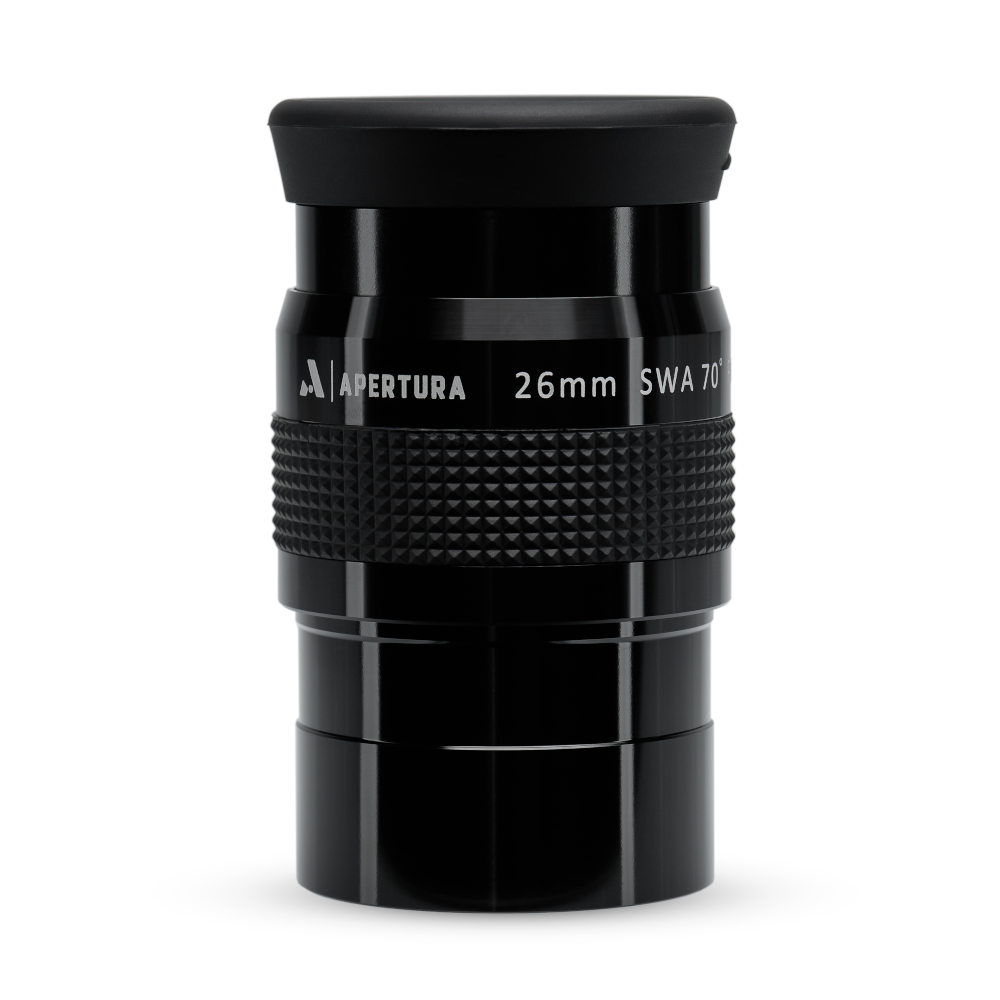
Apertura Super Wide Angle 26mm
The same 26mm and 70 degrees in a 2 inch barrel at around a hundred and ten dollars, better finished and optically very close.
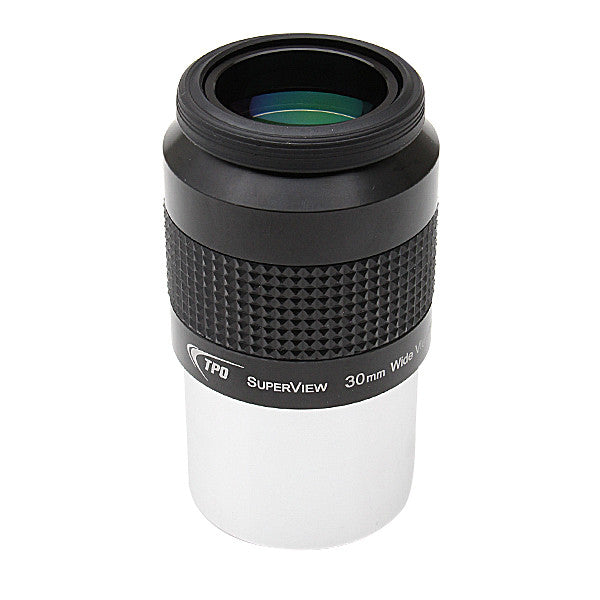
GSO SuperView 30mm 2-inch
Longer focal length and 68 degrees for a wider true field, at a similar price with the same fast scope caveats.
SVBony SV190 Ultra Flat Field 18mm
Less field and less magnification, but a genuinely flat field that holds together in fast telescopes where this one does not.