Celestron NexStar 4SE — image 1
Celestron

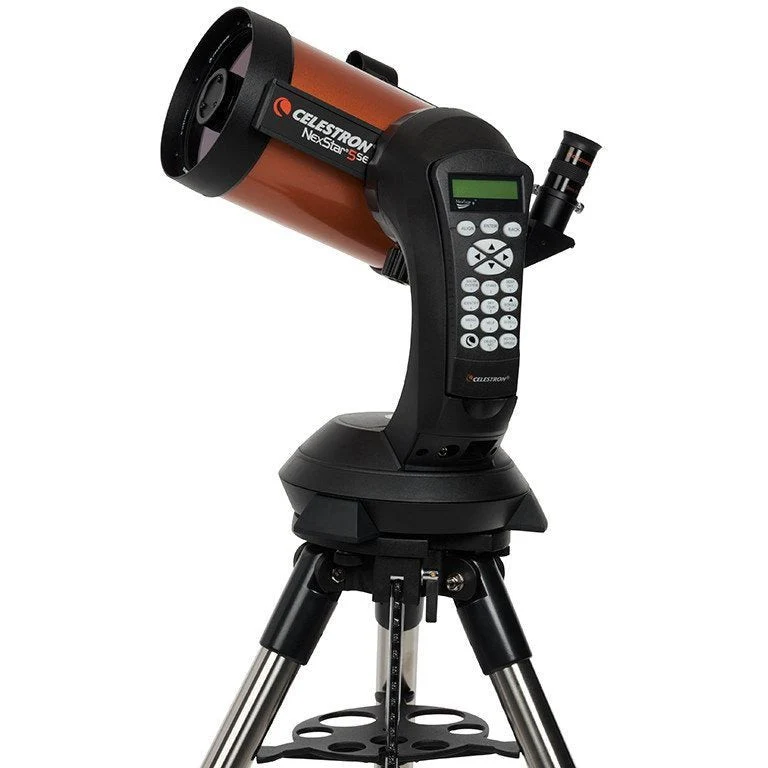
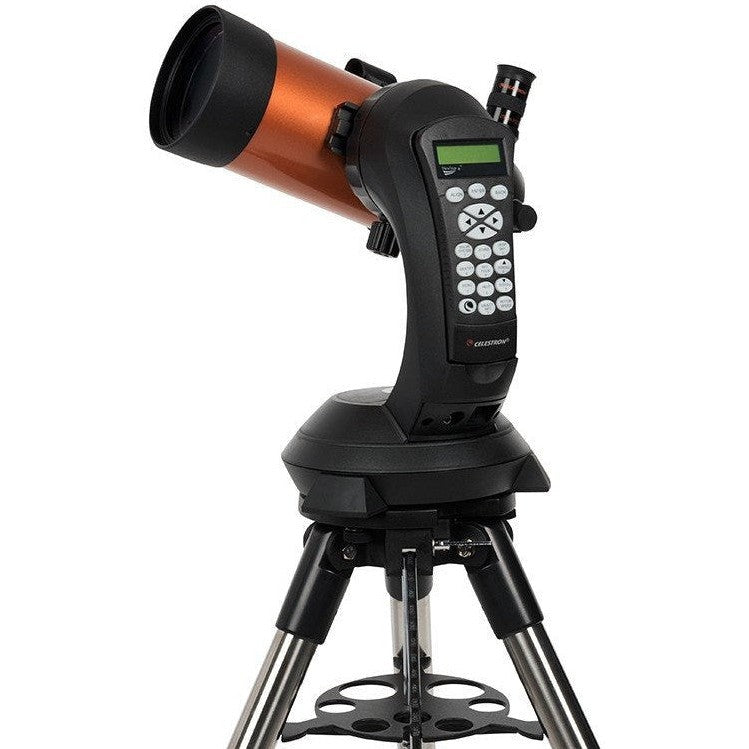
Celestron NexStar 4SE

The most affordable scope in Celestron's iconic orange SE line: a 4-inch Maksutov that finds and tracks objects for you, built for tidy lunar and planetary views from a small package.

80/ 100
Polaris Score
#1 of 5 entry computerized Maksutov
See the breakdown ↓
Aperture
102mm
Focal Length
1325mm
Focal Ratio
f/13
Mount Type
Motorized Alt-Azimuth GoTo
Optical Design
Maksutov-Cassegrain
Weight
10.4 kg
From$649

Lowest in 90 daysLast $519 in Apr 2026

Price tracked by PolarisObserved 60 timesTracking since Apr 2026

Try in simulator →
What it's built forOpen these in the simulator →

This telescope lives for the planets.

An f/13 focal length built to magnify. Where fast scopes sweep wide, this one holds a single planet rock-steady at high power — a telescope for the patient observer on a steady night.

Sweet spot 80–130×Loves steady seeing
The view people remember

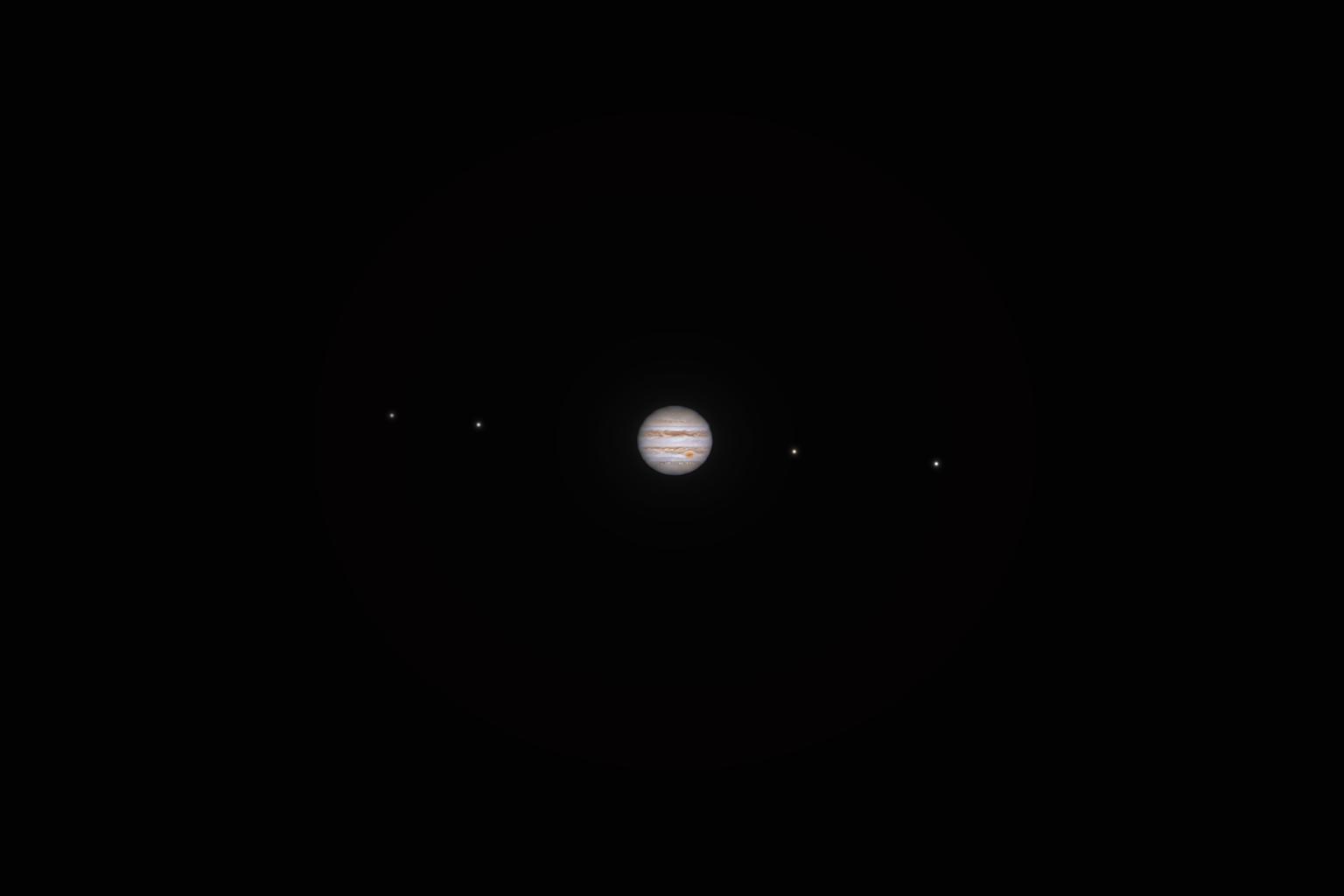
Jupiter and its four moons.

Cloud belts stripe the disk and the Galilean moons shift positions night to night — on a steady evening the Great Red Spot rotates into view.

See Jupiter through this telescope →
01What it's good at

What it's best at — and the trade-offs.

The GoTo mount points to and tracks any of 40,000+ objects, which matters most at this scope's high magnification where things drift quickly
Best at
✓The GoTo mount points to and tracks any of 40,000+ objects, which matters most at this scope's high magnification where things drift quickly
✓The Maksutov optics deliver high-contrast, color-free views of the Moon, planets and double stars from a compact sealed tube
✓SkyAlign lets you align on any three bright objects without knowing their names, so setup is genuinely beginner-friendly
✓The single-fork arm folds up small and the whole kit is easy to carry out and set up in minutes
Trade-offs
!4 inches of aperture limits how faint and how wide you can go
!The long f/13 focal ratio gives a narrow field, so large objects will not fit
!The mount runs on AA batteries that drain fast, so a power supply is almost essential
!The single-fork arm can shake at the highest magnifications
02In plain English

What These Numbers Mean

102mm · f/13 · 1325mm FL · Motorized Alt-Azimuth GoTo
Aperture
102 mm
Four inches is modest light grasp, so faint galaxies stay dim. What this aperture does very well is the Moon, planets and double stars, where the Maksutov optics deliver sharp, high-contrast images out of proportion to the tube size.
Focal length
1325 mm
Long focal length in a very short tube. It reaches 130x with a 10 mm eyepiece with no Barlow, which is why it frames the Moon, Jupiter and Saturn so naturally. Wide-field deep-sky views are not its strength.
Focal ratio
f/13
Very slow. High magnification is effortless and eyepieces of any quality perform well, but the field of view is narrow and deep-sky objects appear dim. This is a planetary and lunar instrument by design.
Optical design
Maksutov-Cassegrain
A thick meniscus corrector and folded light path give a sealed, maintenance-free tube that holds collimation indefinitely and produces very sharp planetary images. The cost is slow cooling and a narrow field.
Weight
10.9 kg complete
About 24 lb for the entire telescope including mount and tripod, and it separates into pieces easily. This is the most travel-friendly member of the NexStar SE family.
Mount
Single-fork alt-azimuth GoTo
SkyAlign gets you aligned on three bright objects without knowing the constellations, then the mount finds and tracks 40,000 targets. Alt-azimuth tracking rules out long-exposure imaging, and the single arm carries some vibration.
03The Polaris Score

How it scores, and why.

80/100 · #1 of 5 entry computerized Maksutov
80/ 100
Celestron NexStar 4SE
#1 of 5 entry computerized Maksutov
Performance
75
Ease of use
85
Portability
75
Upgrade potential
55

Polaris weighs optical capability, how easy the scope is to live with, how portable it is, and how far it takes you before you outgrow it — not list price or brand.

04Who it's for

An honest fit check.

Beginners who want the scope to do the finding for them
Buy it if you
✓Beginners who want the scope to do the finding for them
✓Lunar and planetary observers who value a compact, low-maintenance tube
✓People short on space who want GoTo convenience
Look elsewhere if you
!Deep-sky hunters, since 4 inches and f/13 give dim, narrow views of faint objects
!Astrophotographers, since the alt-az fork cannot do long exposures
!Anyone who would rather have more aperture for the money in a Dobsonian
05Build your rig

What to buy next — and where it leads.

7 pieces of gear, ordered by what changes the view most
Recommended upgrades
Observe all night, no AA batteries★ Top pickCelestron PowerTank Lithium
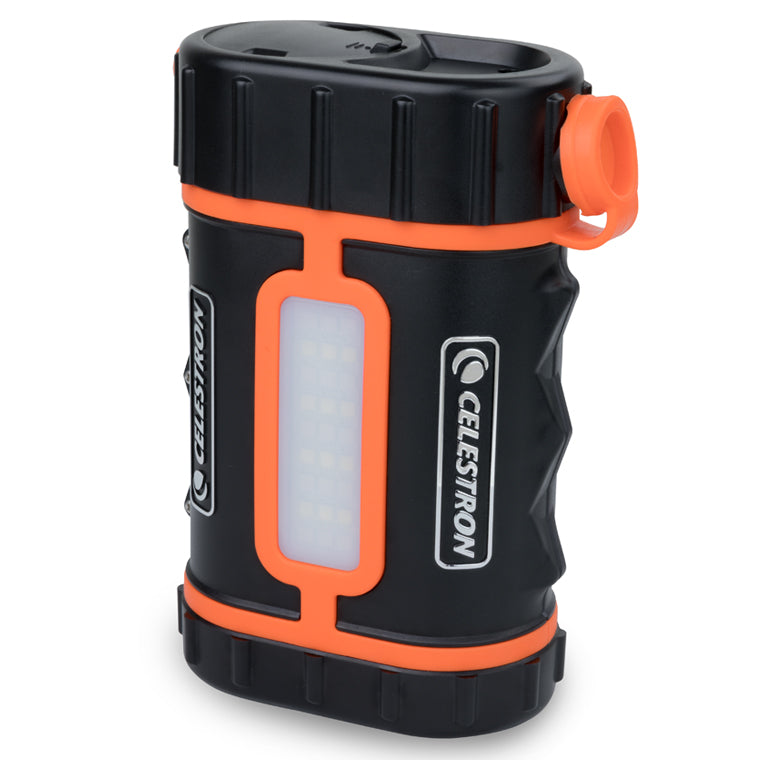
Runs the GoTo drive all night so it never dies mid-session

A sharper everyday viewCelestron X-Cel LX 12mm
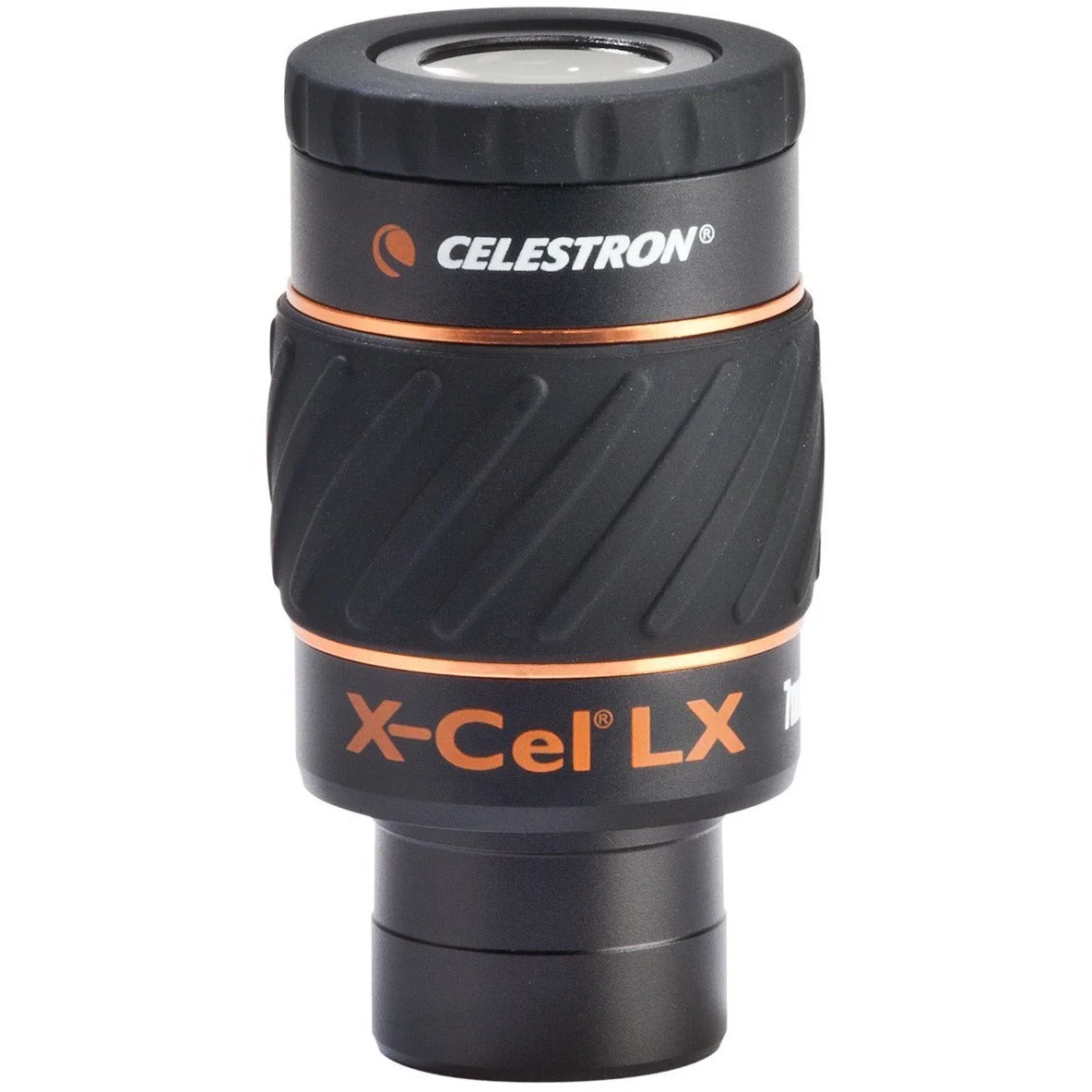
A sharp mid-power eyepiece that lifts planetary detail past the stock kit

Double your magnificationTele Vue 2x Barlow 1.25-inch
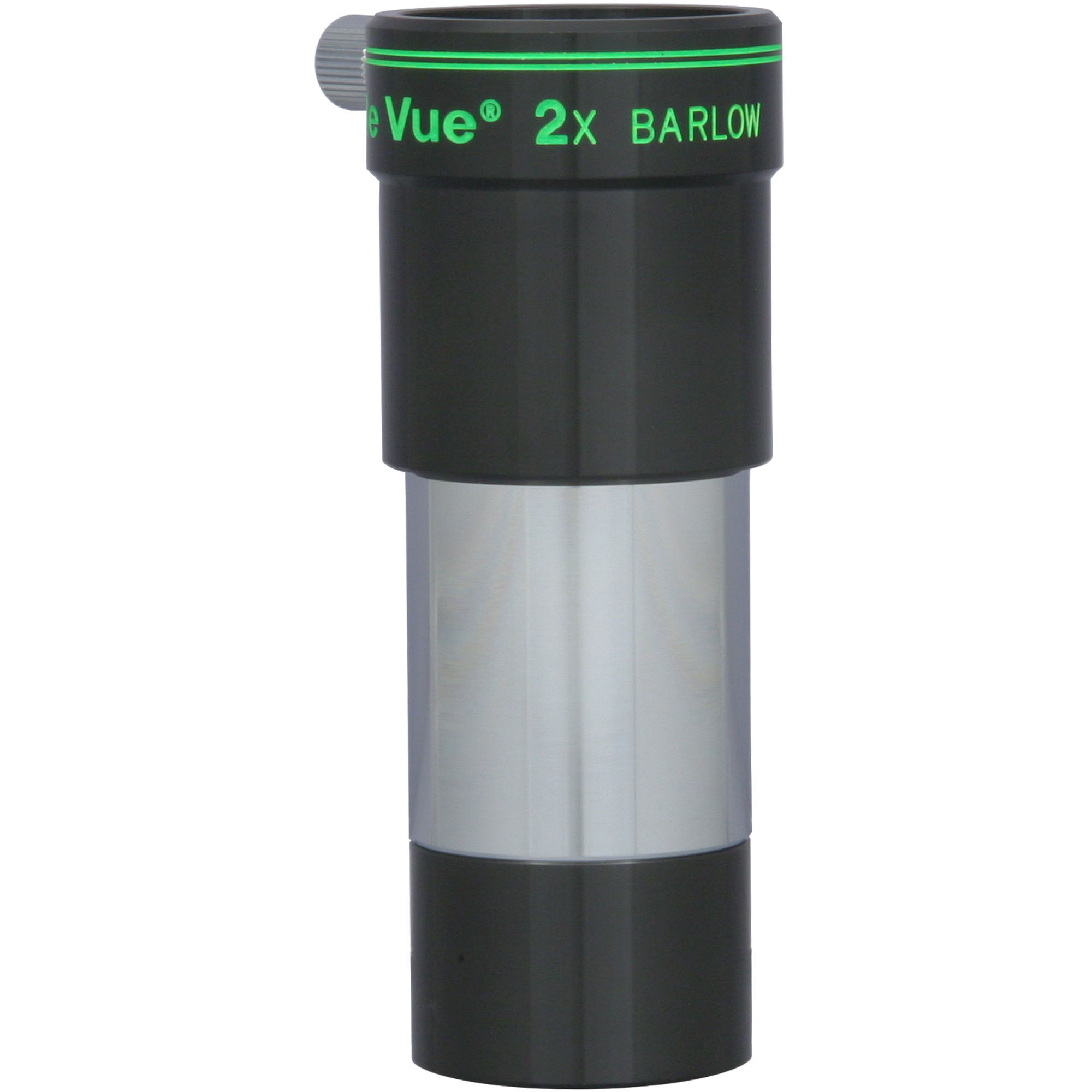
Doubles reach on the Moon and planets with no softening

Imaging path
Visual observing tonightMotorized Alt-Azimuth GoTo✓ Included

Ships with this telescope — point-and-track for visual sessions, no extra setup.

Better tracking & light imagingCelestron Advanced VX (AVX) Equatorial Mount✓ Compatible
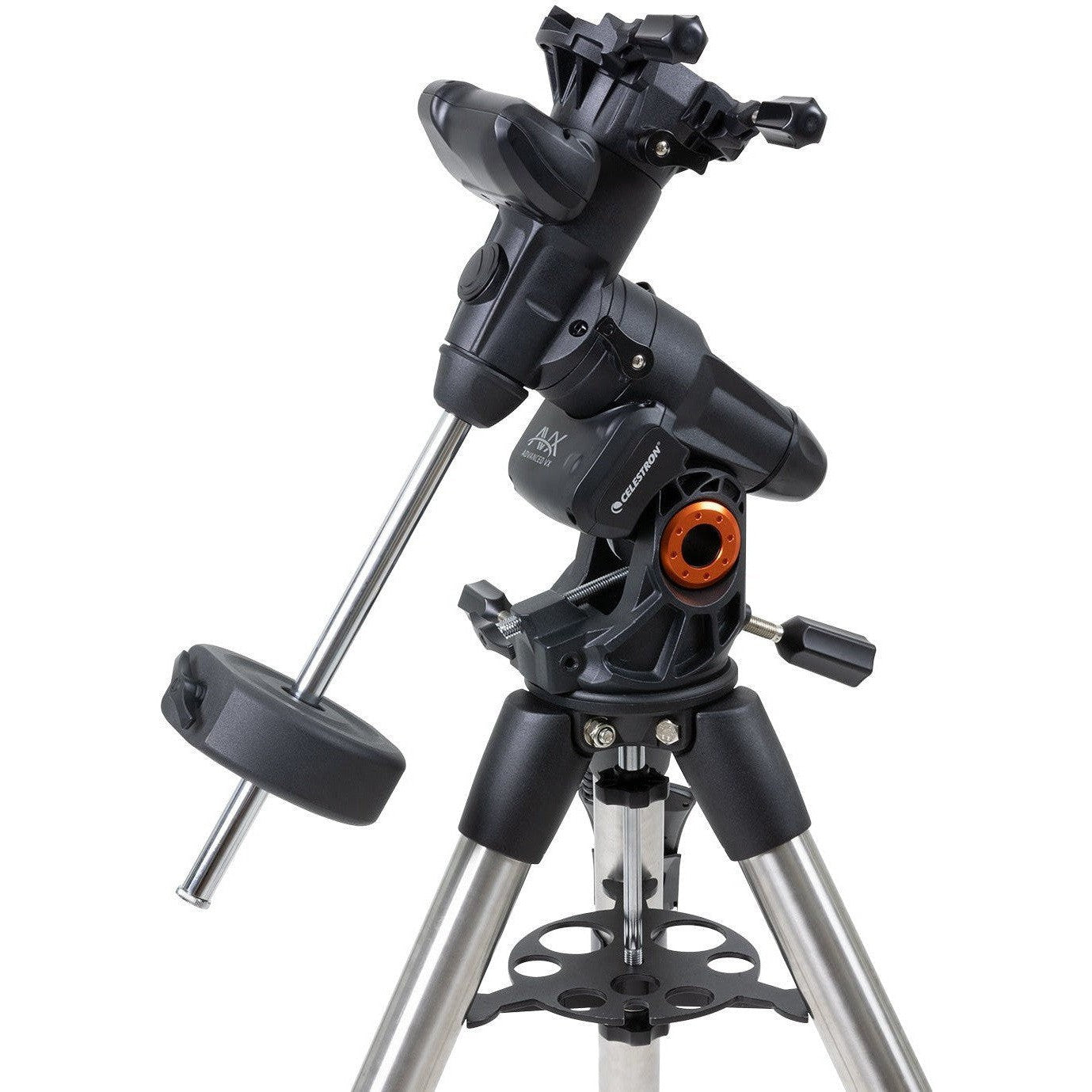
Commonly paired with this telescope

Portable astrophotographyZWO AM5N Harmonic Equatorial Mount✓ Compatible

Start capturing images of the Moon and planets

Start imagingZWO ASI662MC
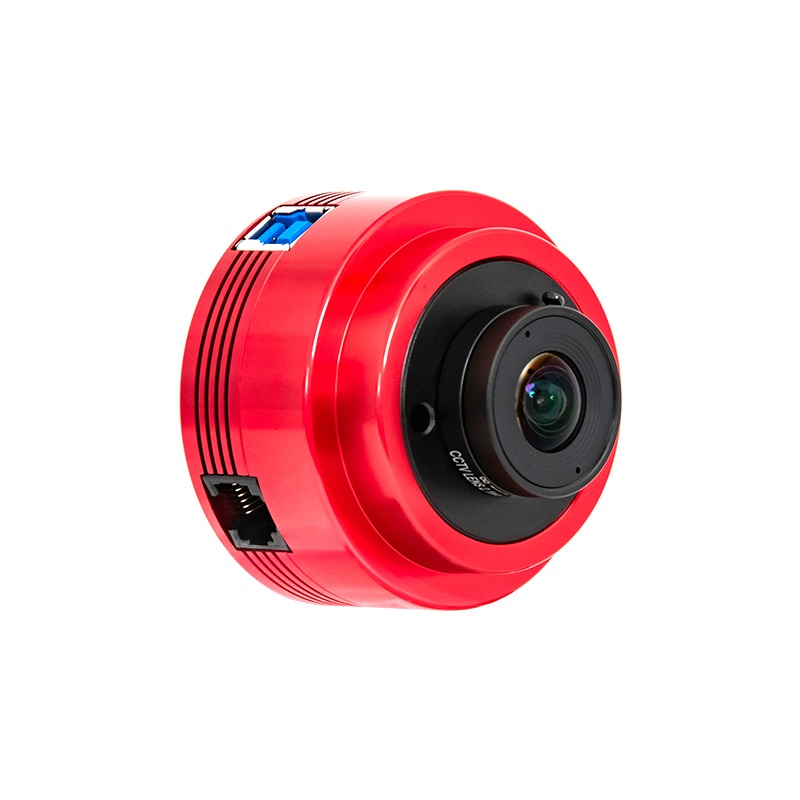
Start capturing images of the Moon and planets

Lunar & planetary
Excellent
Deep-sky visual
Narrow field
Astrophotography
Lunar and planetary only
06The numbers

Full specifications.

7 measured and stated values
Optics
Optical DesignMaksutov-Cassegrain
Aperture102mm
Focal Length1325mm
Focal Ratiof/13
Mount & drive
Mount TypeMotorized Alt-Azimuth GoTo
Physical
Weight10.4 kg
More
weight lbs7.5lbs
Editor’s Take

The 4SE is a computerised GoTo scope: after a short star-alignment you pick an object and its motors slew there and track it, so the mount finds things for you. The optics are a Maksutov-Cassegrain ("Mak"), a compact sealed design that folds a long focal length into a short tube, sharp on the Moon and planets and almost maintenance-free (no mirror collimation). At 4 inches it is aperture-limited on faint deep-sky, so treat it as a lunar-and-planetary scope, but it is genuinely grab-and-go and makes GoTo approachable for a first computerised scope.

— The Skynocular verdict