Celestron
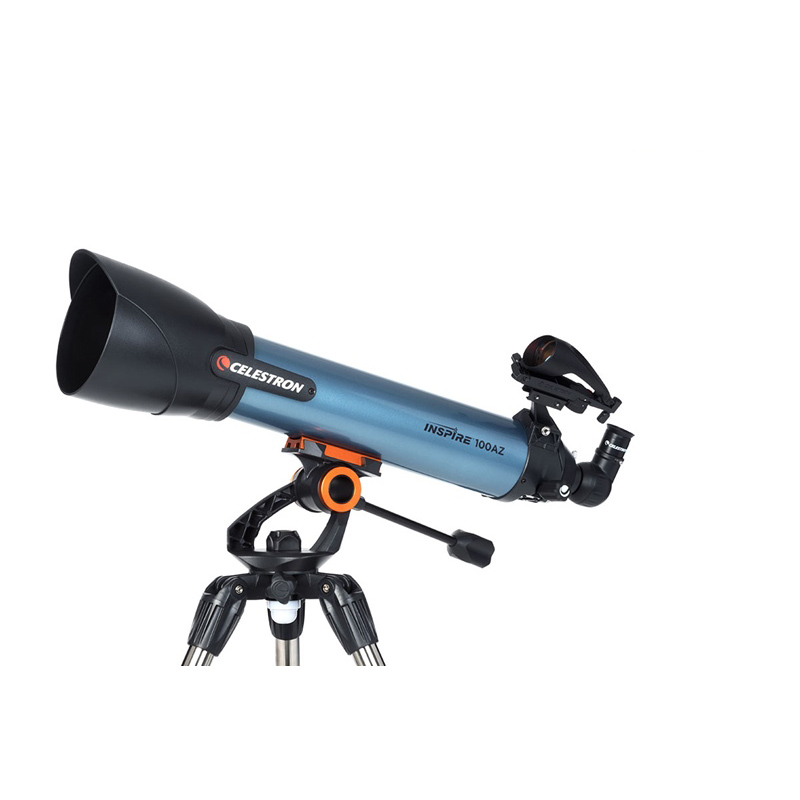
Celestron Inspire 100AZ
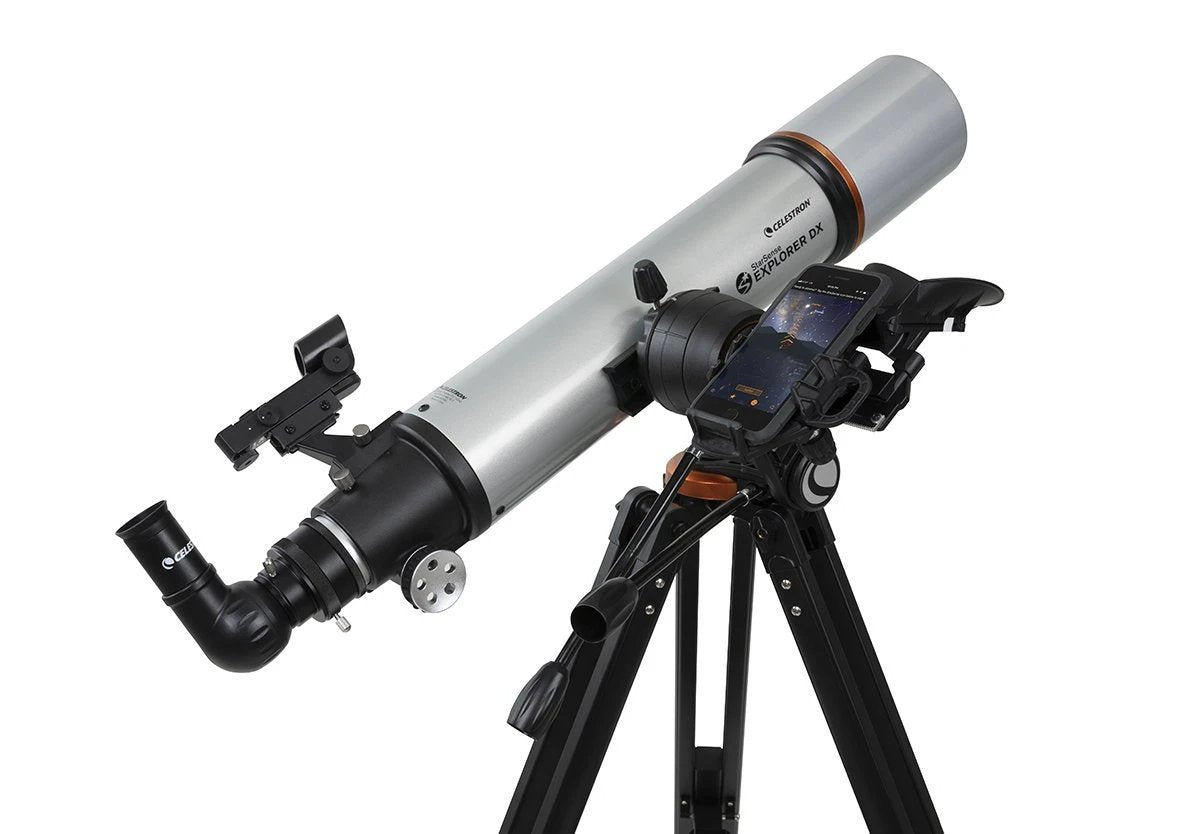
A thoughtfully-designed 100mm beginner refractor, built-in phone adapter, red LED light and a smart accessory tray make a first night genuinely easy and shareable.
75/ 100
Aperture
100mm
Focal Length
660mm
Focal Ratio
f/6.6
Mount Type
Alt-Az
Optical Design
Refractor
Weight
5.6 kg
From$379.95
Lowest in 90 daysLowest ever tracked
Price tracked by PolarisObserved 48 timesTracking since Mar 2026




01What it's good atWhat it's best at — and the trade-offs.
100mm of aperture shows the Moon, planets and brighter clusters with real clarity.
01What it's good at
What it's best at — and the trade-offs.
100mm of aperture shows the Moon, planets and brighter clusters with real clarity.
Best at
✓100mm of aperture shows the Moon, planets and brighter clusters with real clarity.
✓A built-in smartphone adapter lets you snap the Moon on your first night.
✓The mount includes a red flashlight, a phone dock and a tool tray, beginner-friendly touches that matter.
✓A refractor is maintenance-free: no collimation, quick cooldown.
Trade-offs
!An achromat leaves faint colour fringing on bright objects.
!No tracking, objects drift at high power.
!The included eyepieces are entry-level.
!The dew shield doubles as the lens cap, which some find fiddly.
02In plain EnglishWhat These Numbers Mean
100mm · f/6.6 · 660mm FL · Alt-Az
02In plain English
What These Numbers Mean
100mm · f/6.6 · 660mm FL · Alt-Az
Aperture
100 mm
Four inches of aperture, enough for detailed lunar work, Jupiter's belts and moons, Saturn's rings and the brighter clusters and nebulae. Faint galaxies remain out of reach, which is normal at this size and price.
Focal length
660 mm
Short and wide, so low-power views cover a generous patch of sky and finding objects by hand is easier. High magnification comes from short eyepieces rather than the telescope itself.
Focal ratio
f/6.6
Fast for an achromat, which makes wide, low-power views easy but shows violet fringing around the Moon and bright planets. It is a visible compromise rather than a defect at this price point.
Optical design
Achromatic refractor
A sealed two-element lens means no collimation, no mirror to cool and essentially no maintenance, so it works within minutes of being carried outside. The trade-off is the colour fringing that ED glass exists to remove.
Weight
5.5 kg complete
About 12 lb for the whole telescope including mount and tripod. That is light enough to carry outside fully assembled with one hand, which is the single strongest predictor of how often a first telescope gets used.
Mount
Manual alt-azimuth with smartphone dock
Intuitive up-down, left-right movement with a panning handle, plus a built-in phone holder for casual lunar photos and a red flashlight in the accessory tray. There is no tracking, so objects drift and need nudging at high power.
03The Polaris ScoreHow it scores, and why.
75/100 · #3 of 6 beginner refractors
03The Polaris Score
How it scores, and why.
75/100 · #3 of 6 beginner refractors
75/ 100
Celestron Inspire 100AZ
#3 of 6 beginner refractors
Performance70
Ease of use89
Portability78
Upgrade potential60
Polaris weighs optical capability, how easy the scope is to live with, how portable it is, and how far it takes you before you outgrow it — not list price or brand.
04Who it's forAn honest fit check.
Beginners and families who want an easy, shareable first scope.
04Who it's for
An honest fit check.
Beginners and families who want an easy, shareable first scope.
Buy it if you
✓Beginners and families who want an easy, shareable first scope.
✓People who like the idea of snapping the Moon with their phone.
✓Casual observers who value convenience over aperture.
Look elsewhere if you
!Deep-sky observers who want maximum light grasp.
!Astrophotographers beyond casual Moon snaps.
!Anyone wanting GoTo target-finding.
05Build your rigWhat to buy next — and where it leads.
7 pieces of gear, ordered by what changes the view most
05Build your rig
What to buy next — and where it leads.
7 pieces of gear, ordered by what changes the view most
Recommended upgrades
See wider, brighter deep-sky views★ Top pickGSO SuperView 30mm 2-inch
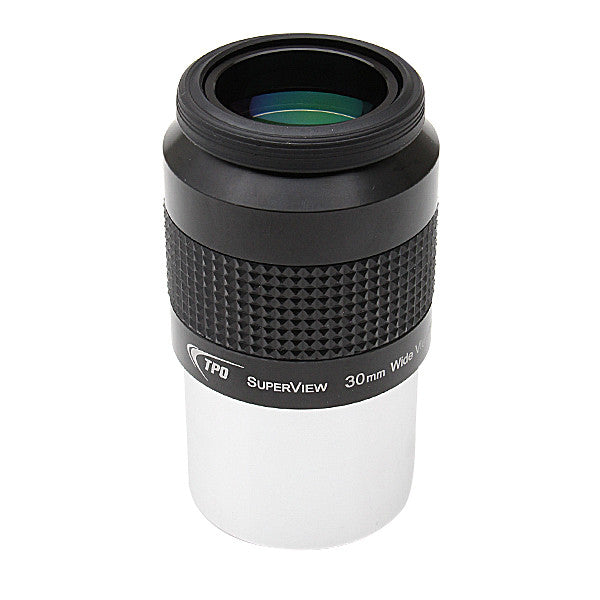
Wide, bright low-power views.
$74.95View details →
Double your magnificationGSO 2x ED Barlow 1.25-inch
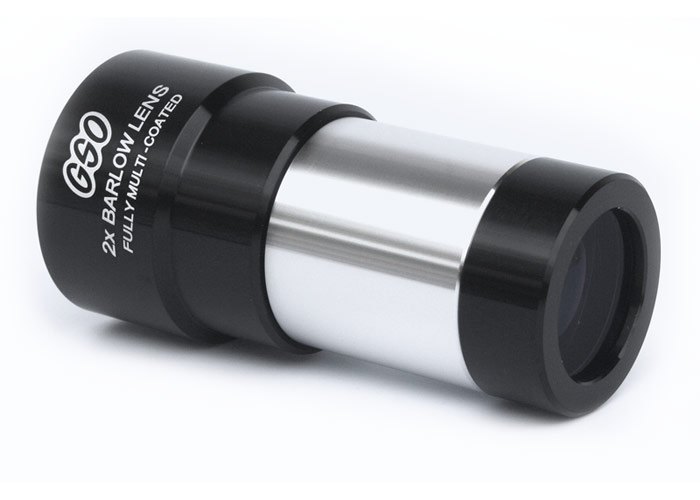
Doubles magnification for the planets.
$79.95View details →
Tame lunar glareGSO Moon Filter 13pct 1.25-inch

Tames glare on the bright Moon.
$11.95View details →
Grow your kit
Sharper planets & lunar detailCelestron X-Cel LX 7mm
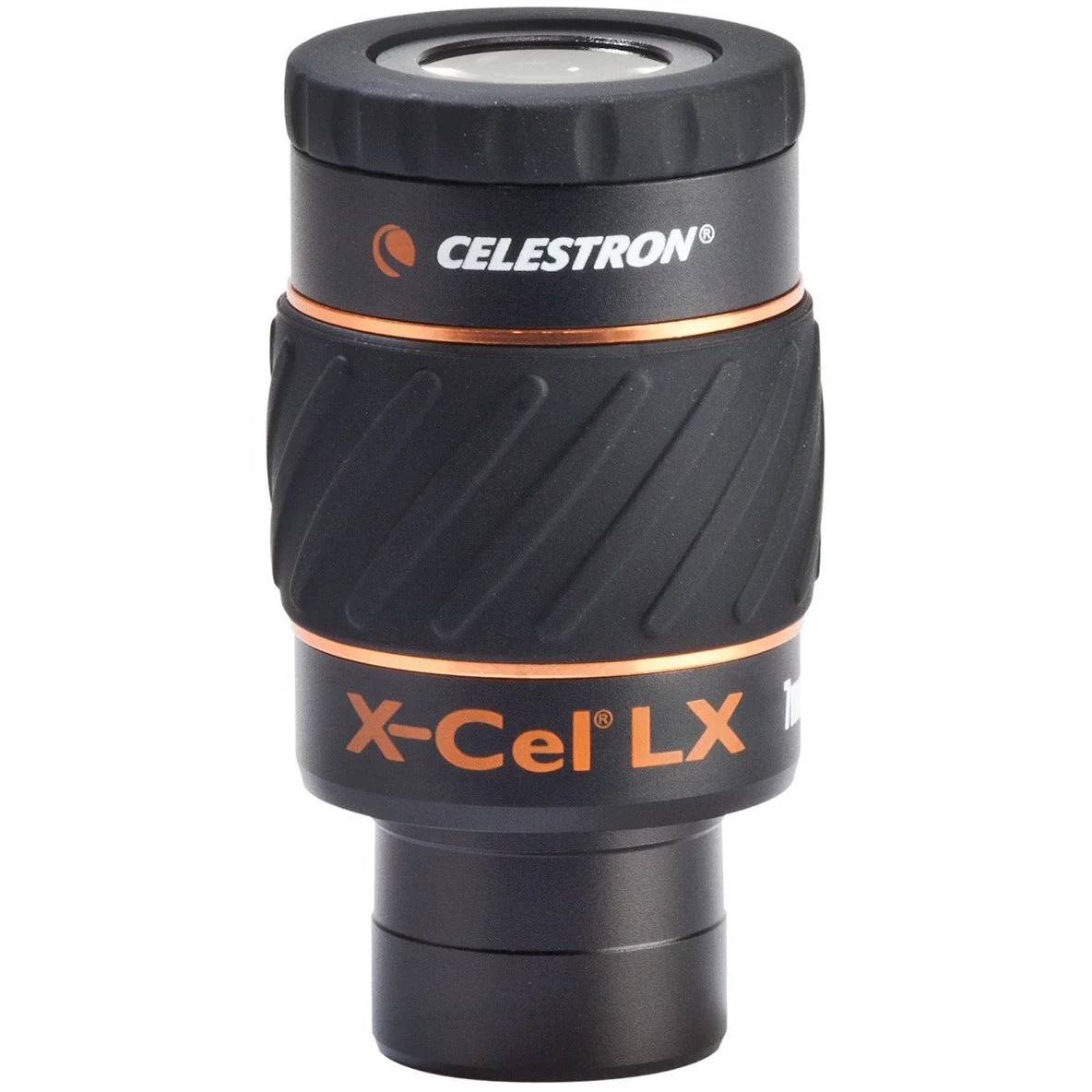
Commonly paired with this telescope
$109.95View details →
A sharper everyday viewCelestron X-Cel LX 18mm
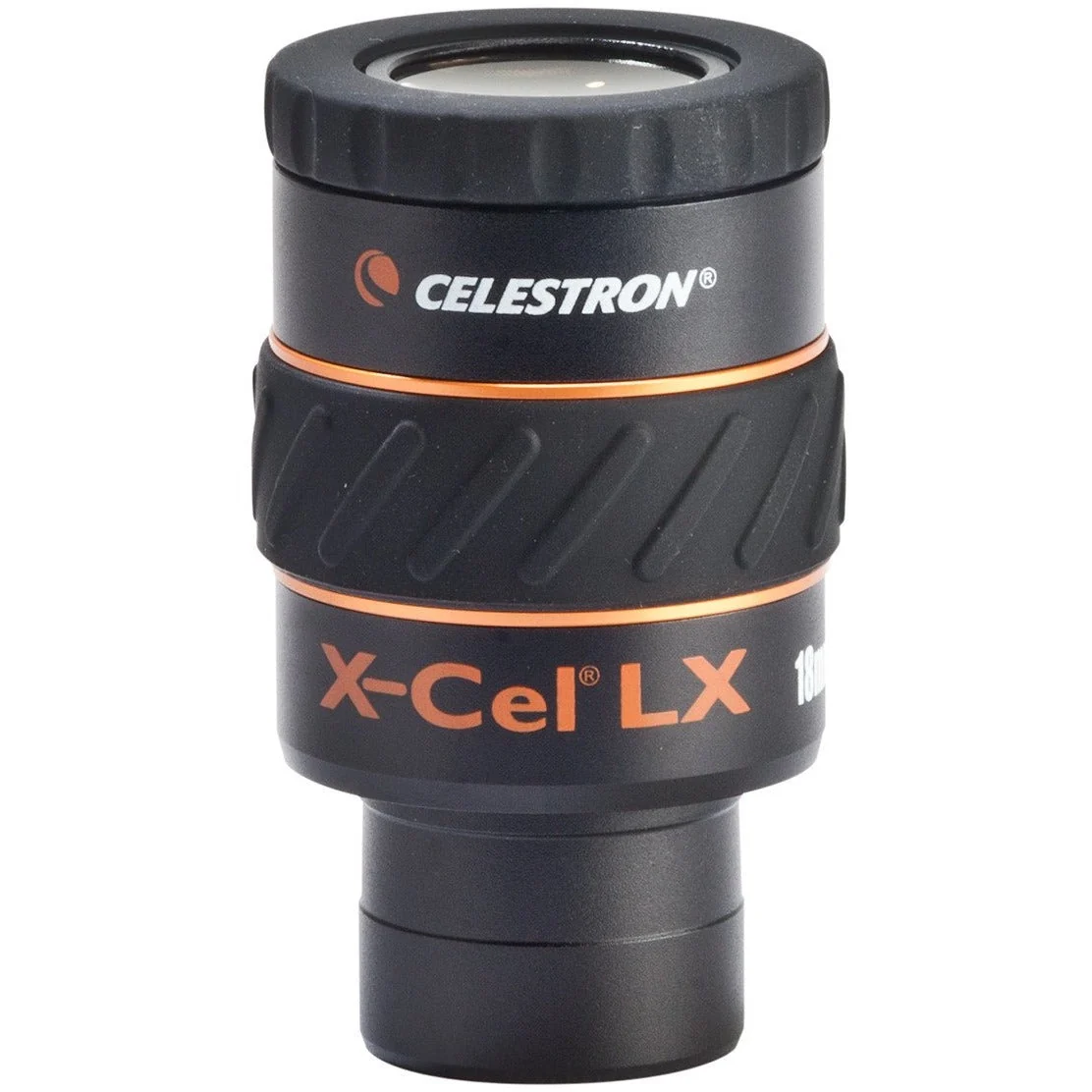
Commonly paired with this telescope
$109.95View details →
Make nebulae popSVBony UHC 1.25-inch

Commonly paired with this telescope
$28.99View details →
Double your magnificationTele Vue 2x Barlow 1.25-inch
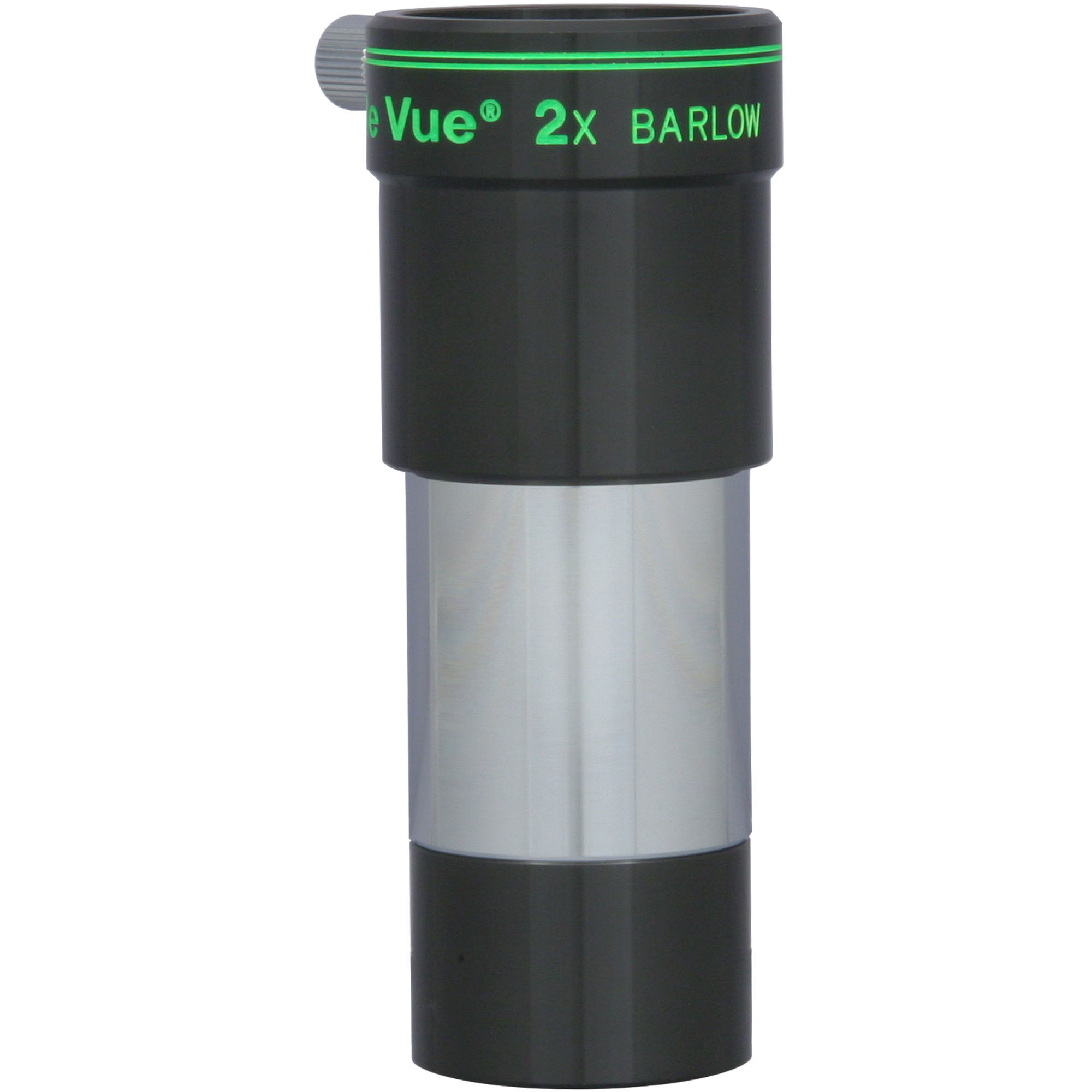
Doubles magnification for closer planetary detail with this telescope
$153View details →
06The numbersFull specifications.
6 measured and stated values
06The numbers
Full specifications.
6 measured and stated values
Optics
Optical DesignRefractor
Aperture100mm
Focal Length660mm
Focal Ratiof/6.6
Mount & drive
Mount TypeAlt-Az
Physical
Weight5.6 kg
07AlternativesFor a different goal, start here.
2 alternatives, each mapped to the goal it wins at
07Alternatives
For a different goal, start here.
2 alternatives, each mapped to the goal it wins at