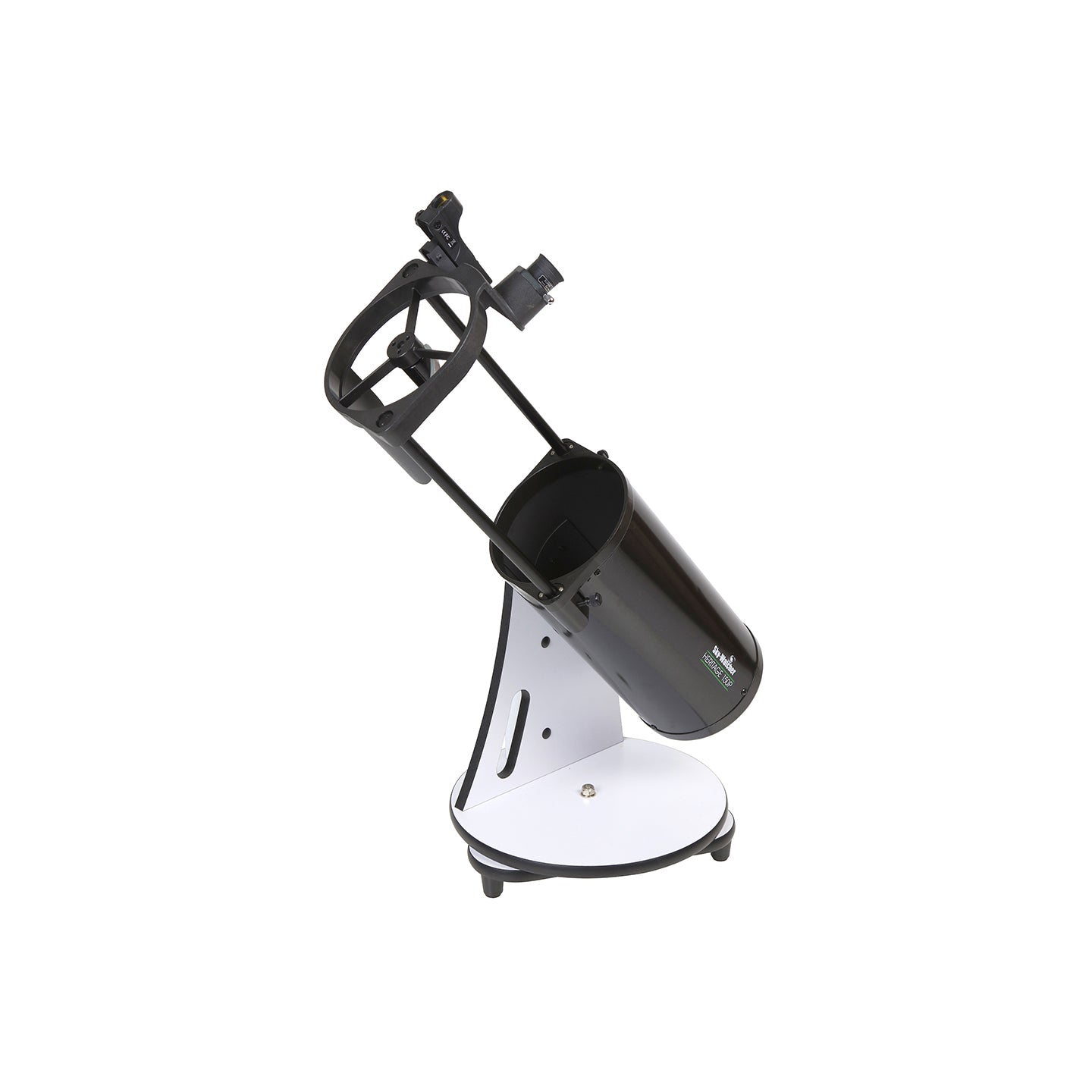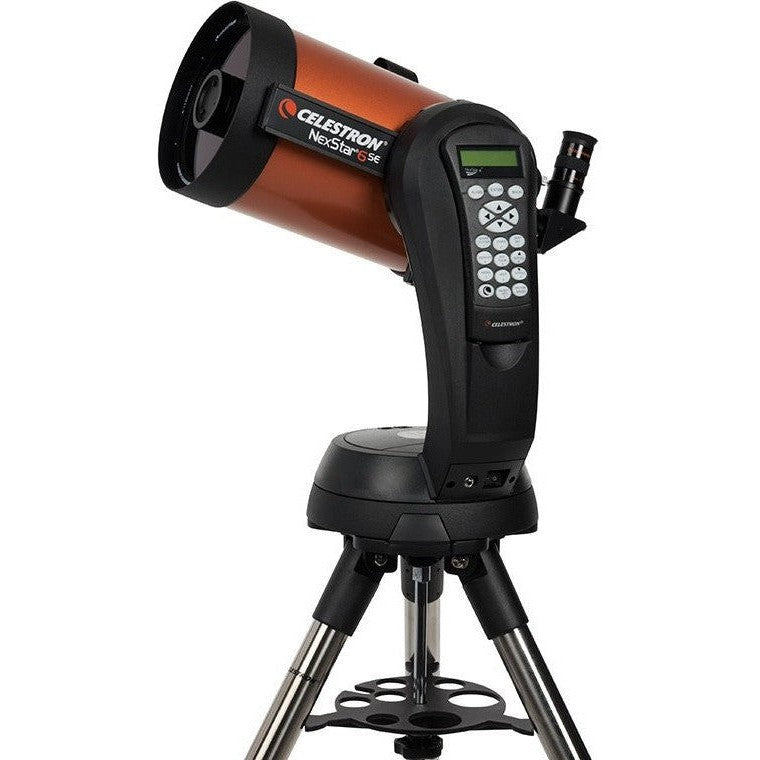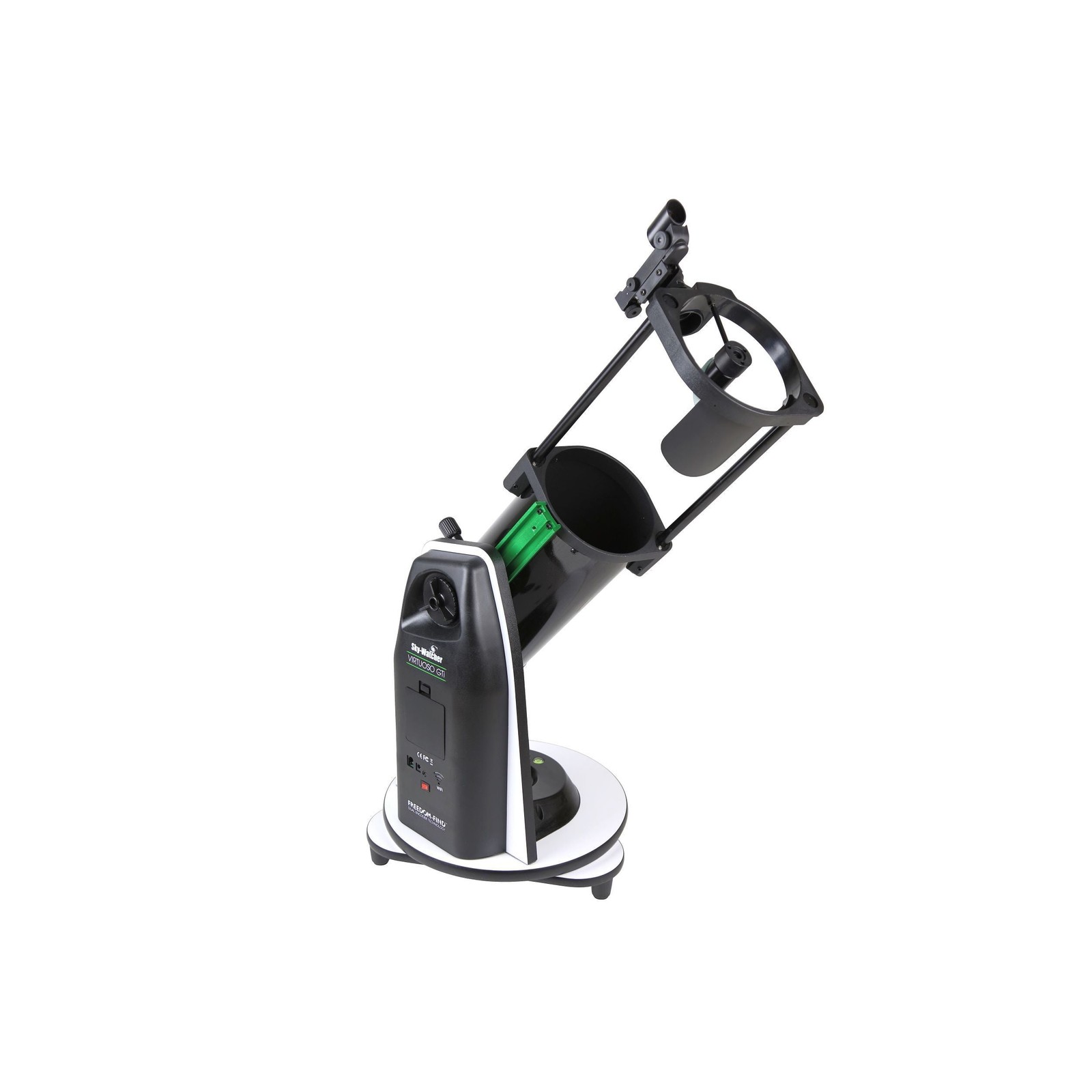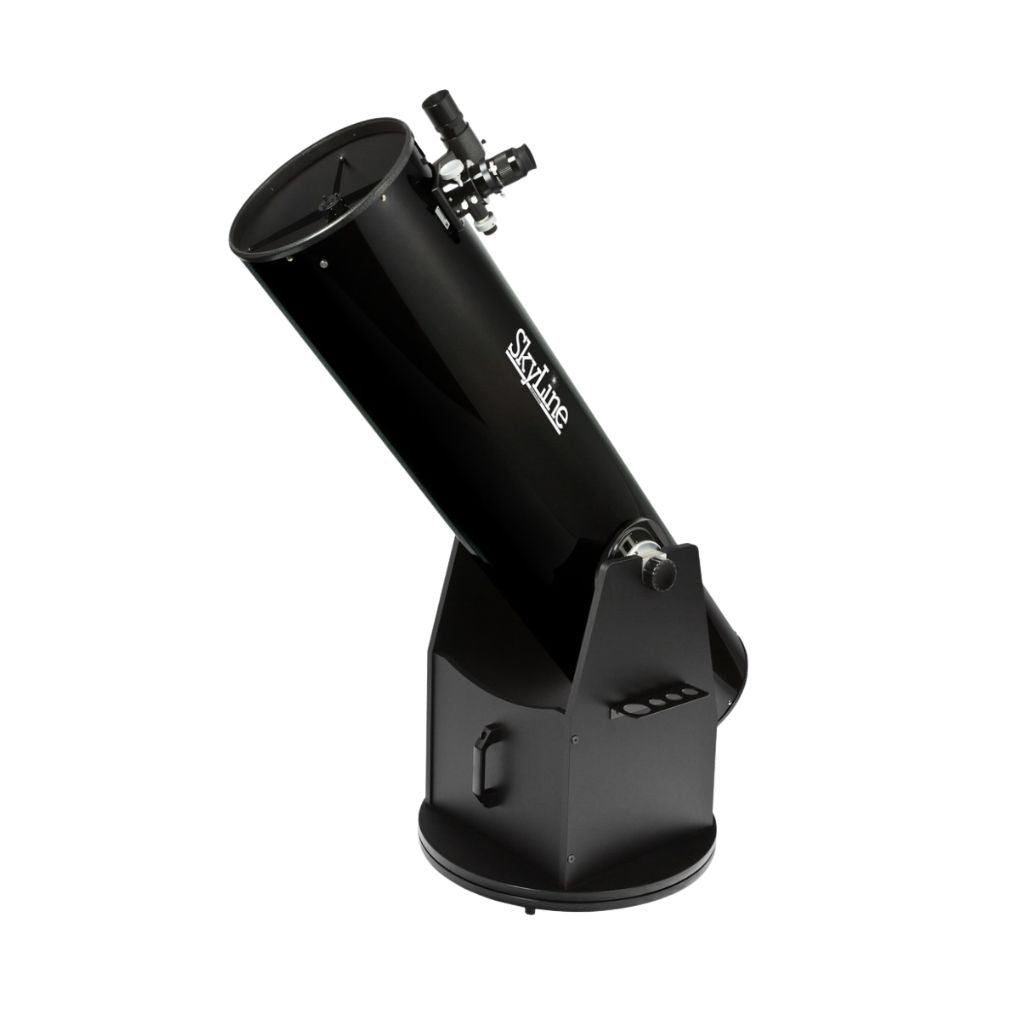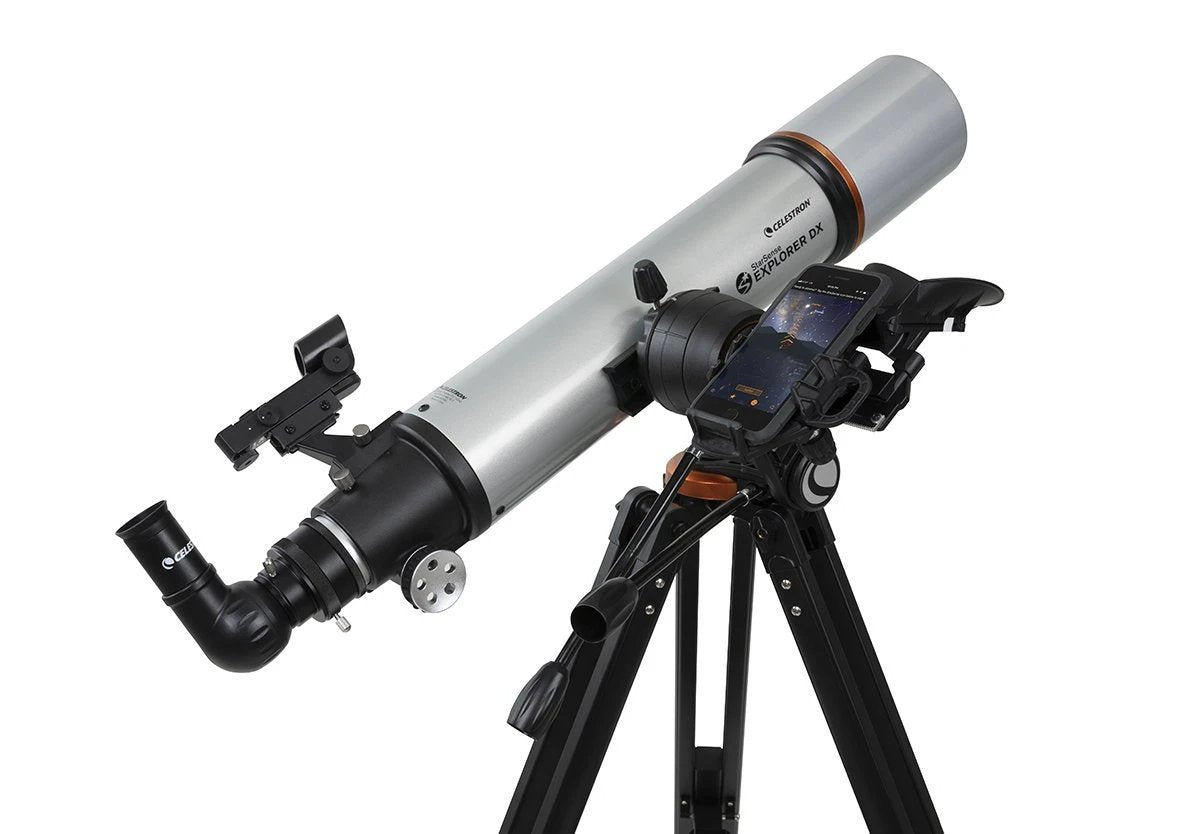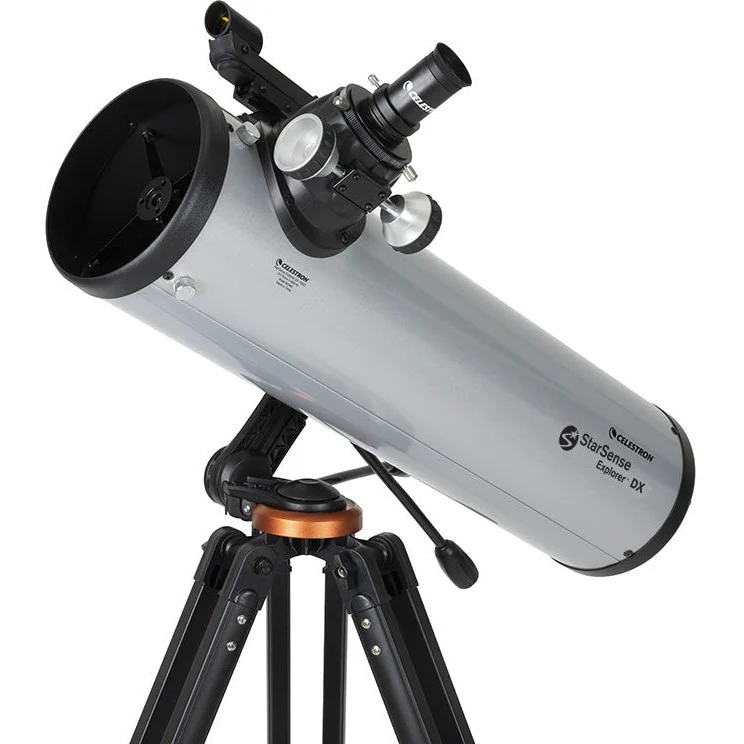
Celestron StarSense Explorer DX 130AZ
A 130 mm reflector on a simple alt-az mount with StarSense phone-guided finding. A friendly first real telescope: enough aperture for the Moon, planets and bright deep sky, with an app that removes the where-do-I-point hurdle beginners hit hardest.
$35 above 90-day lowLast $414.99 in Sep 2026
Price tracked by PolarisObserved 83 timesTracking since Apr 2026
Verified 10h ago · prices tracked daily
01What it's good atWhat it's best at — and the trade-offs.
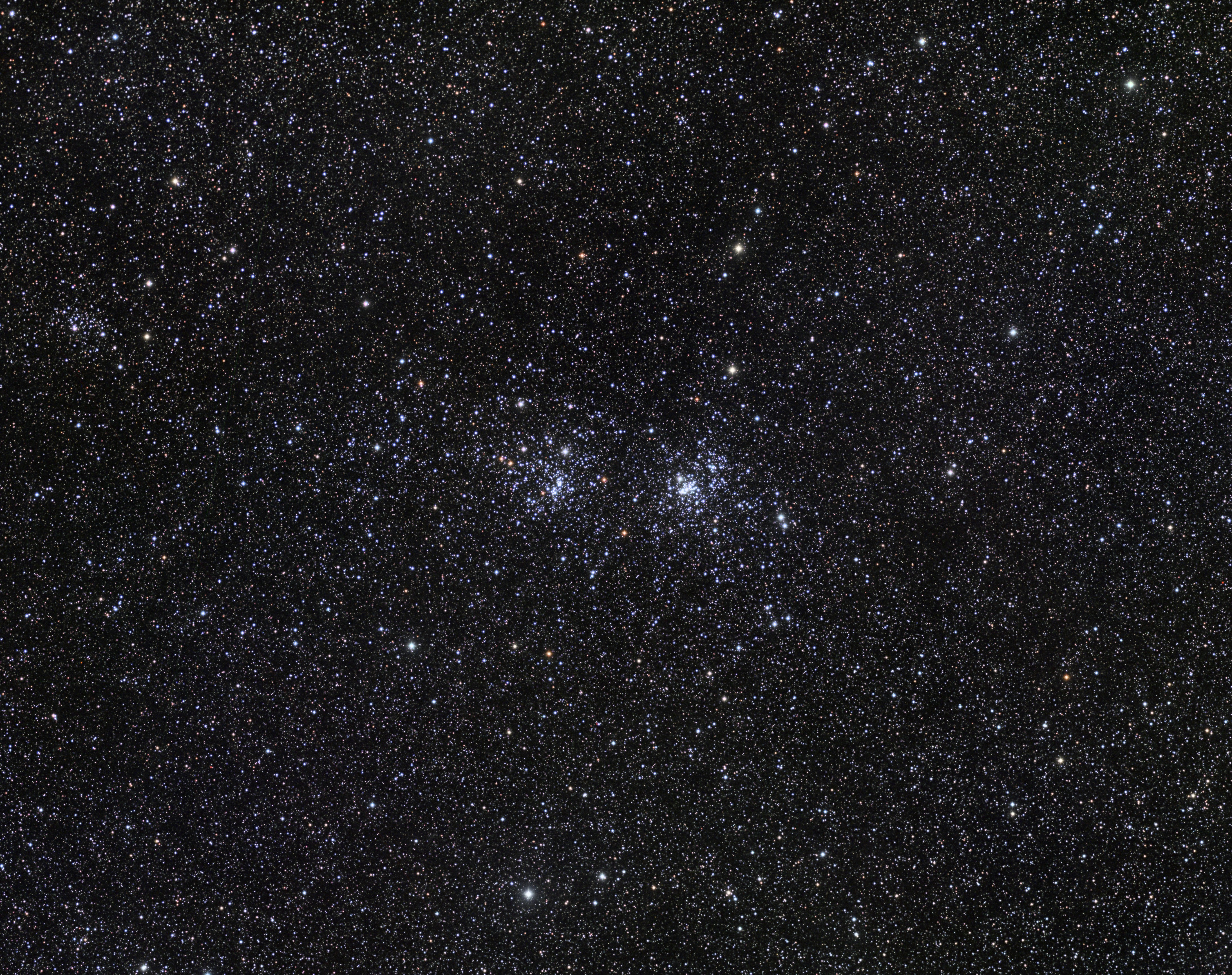
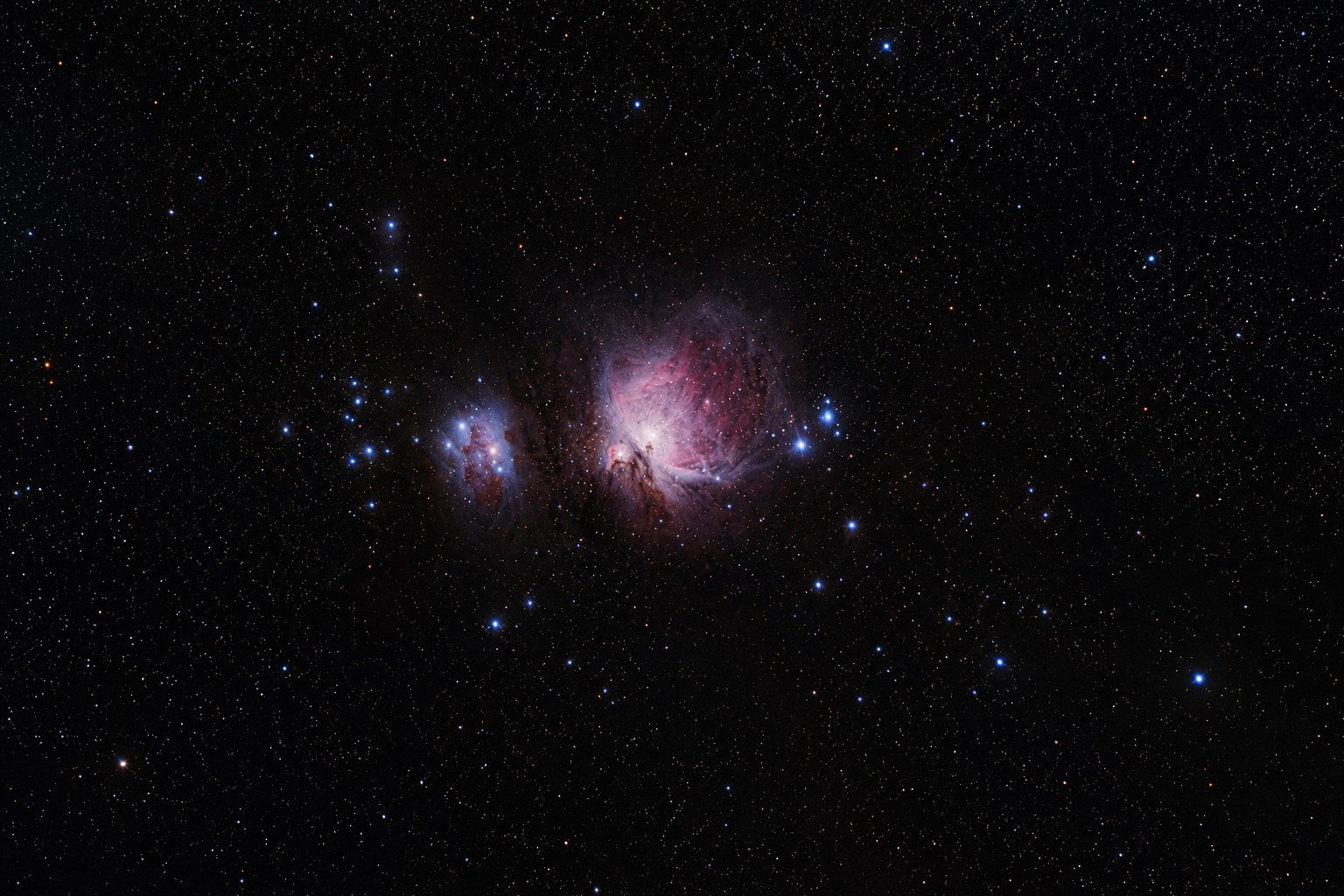
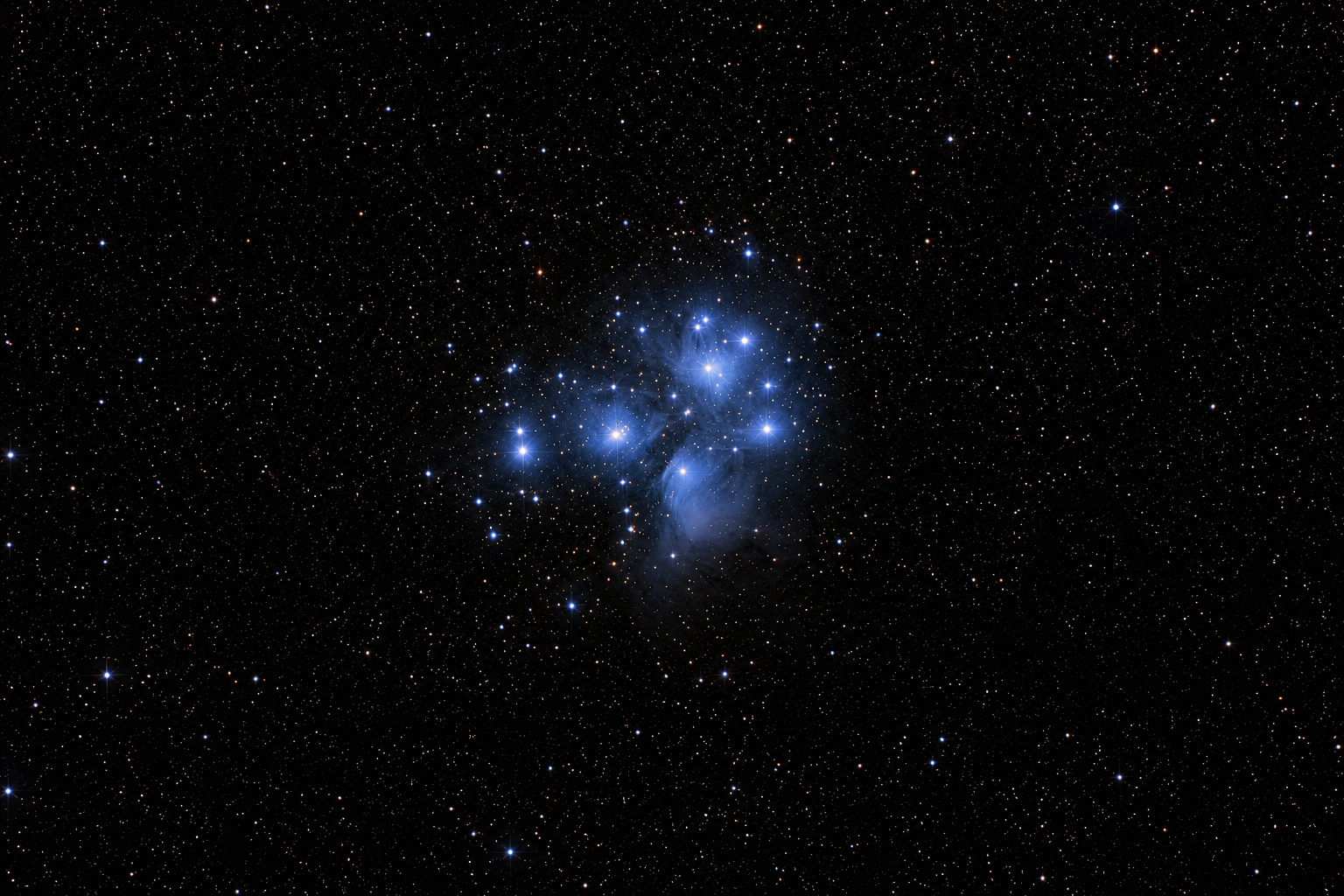
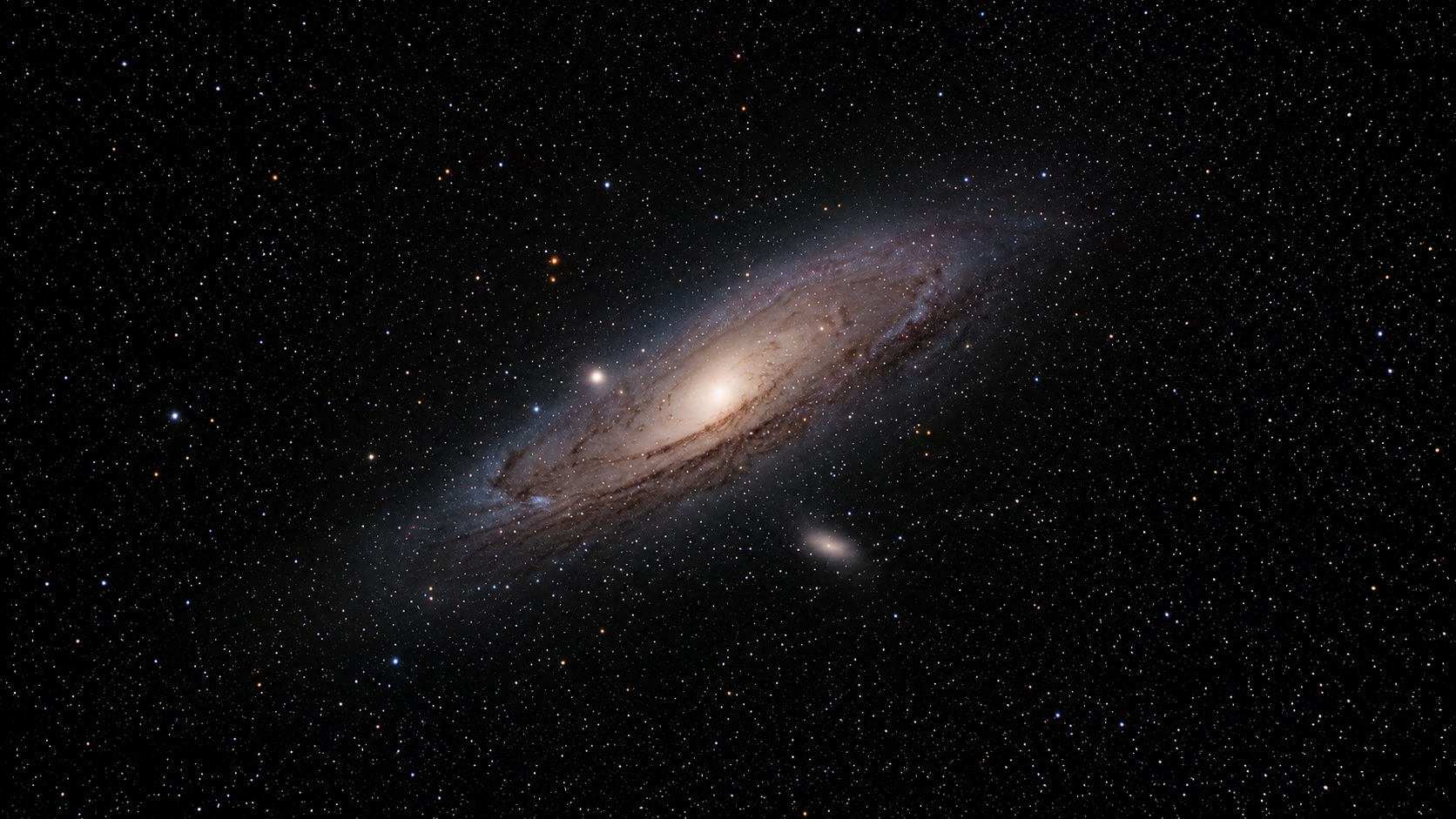
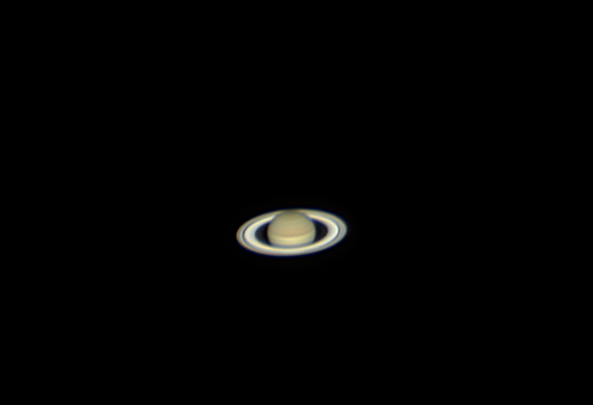
130 mm at f/5 (650 mm) shows lunar detail, Saturn's rings, Jupiter's moons and brighter deep-sky objects.
What it's best at — and the trade-offs.
02In plain EnglishWhat These Numbers Mean
130mm · f/5 · 650mm FL · Alt-Az
What These Numbers Mean
03The Polaris ScoreHow it scores, and why.
85/100
How it scores, and why.
Polaris weighs optical capability, how easy the scope is to live with, how portable it is, and how far it takes you before you outgrow it — not list price or brand.
04Who it's forAn honest fit check.
First-time buyers who want guided finding without GoTo prices
An honest fit check.
05Build your rigWhat to buy next — and where it leads.
15 pieces of gear, ordered by what changes the view most
What to buy next — and where it leads.
See wider, brighter deep-sky views★ Top pickGSO SuperView 30mm 2-inch
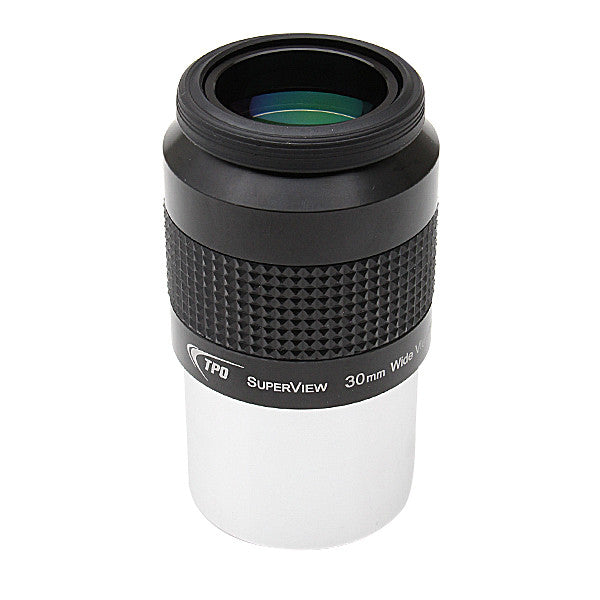
Big, bright low-power field on a budget.
Make nebulae popOptolong UHC Filter 2″
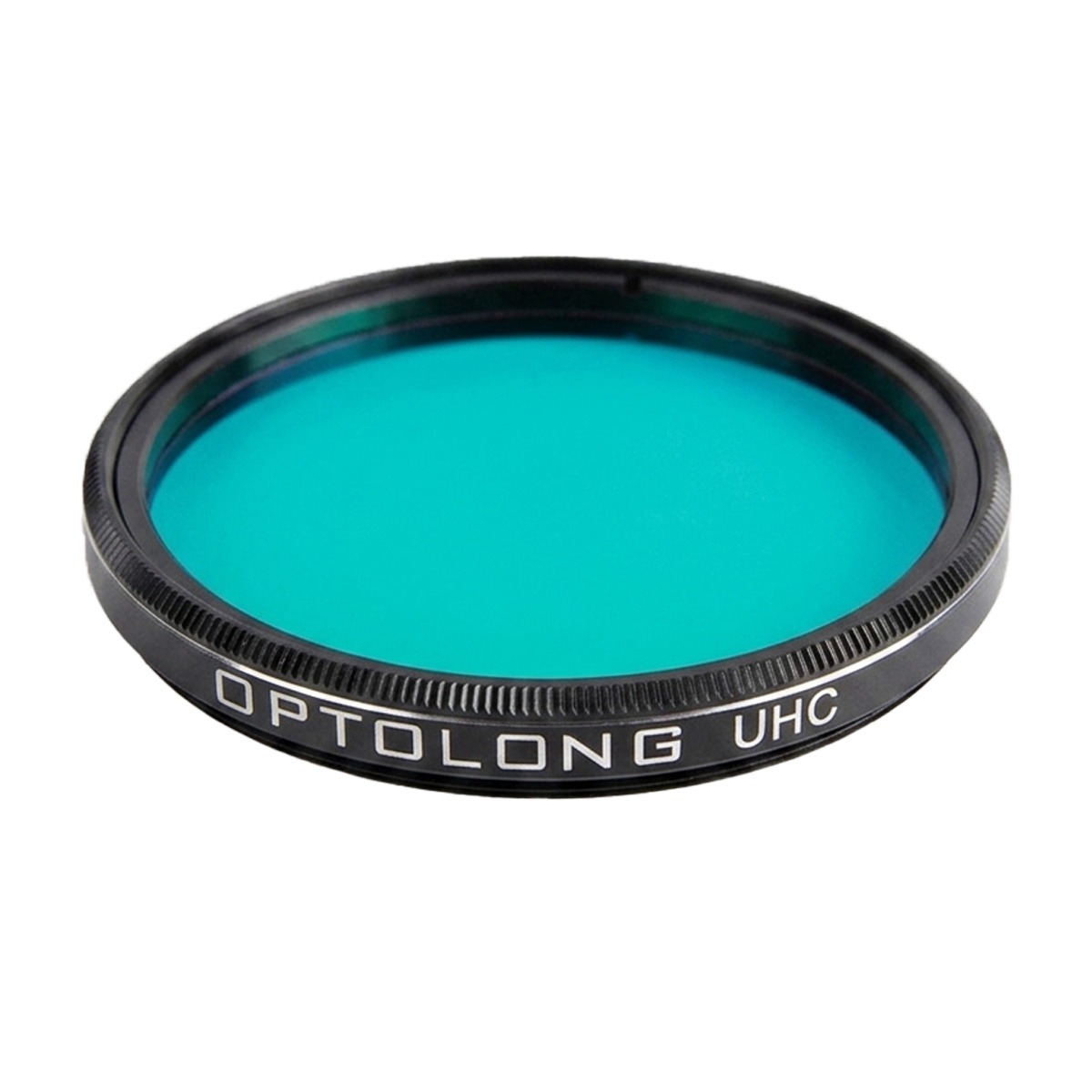
Improves contrast on emission nebulae.
Double your magnificationGSO 2x ED Barlow 1.25-inch
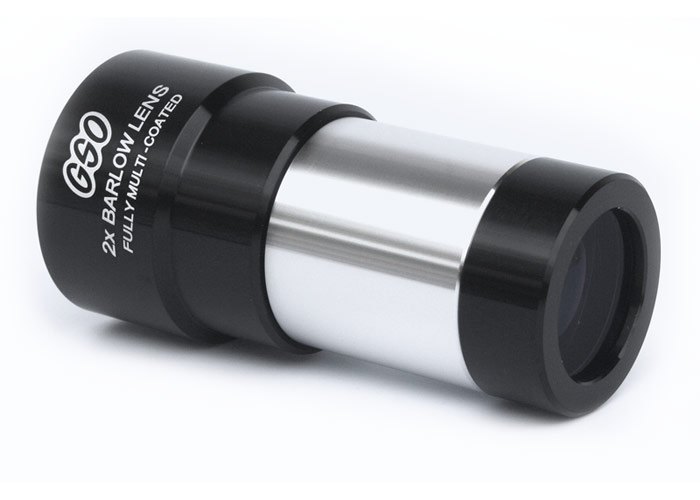
Doubles magnification without buying another eyepiece.
A sharper everyday viewEthos 13mm
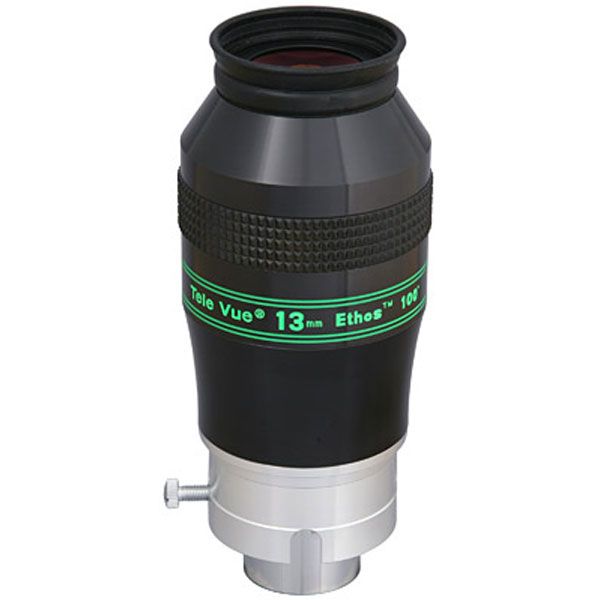
Sharper detail on planets at 50x
Sharper planets & lunar detailDelos 8mm
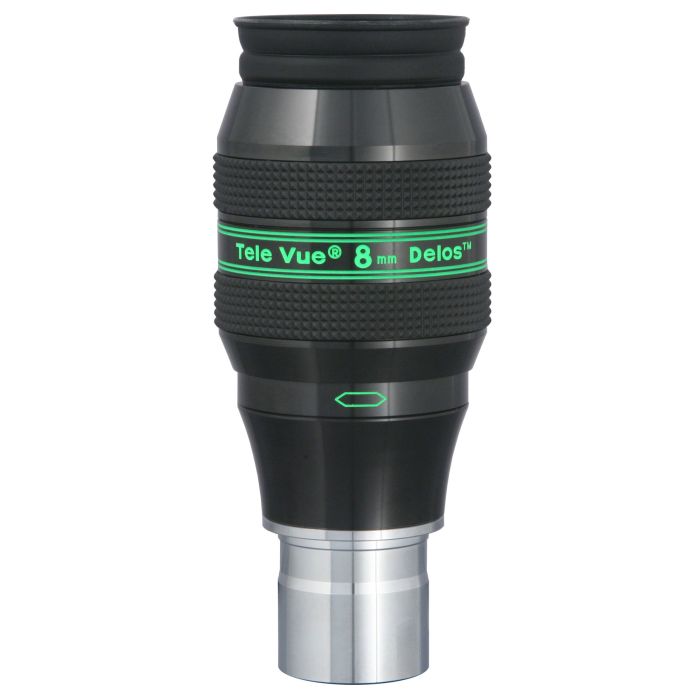
High power for lunar craters and planetary detail
A sharper everyday viewCelestron X-Cel LX 18mm
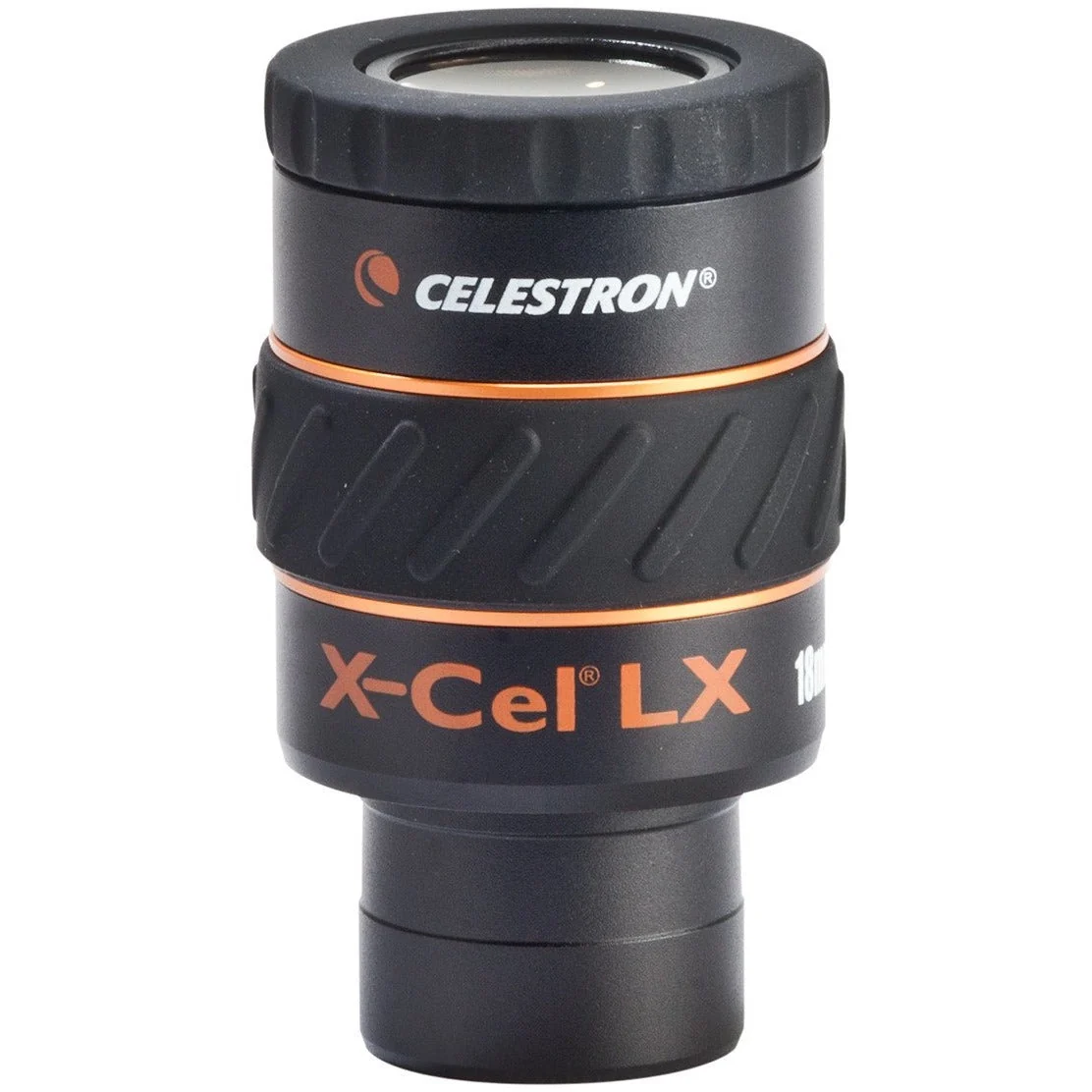
Commonly paired with this telescope
Sharper planets & lunar detailCelestron X-Cel LX 7mm
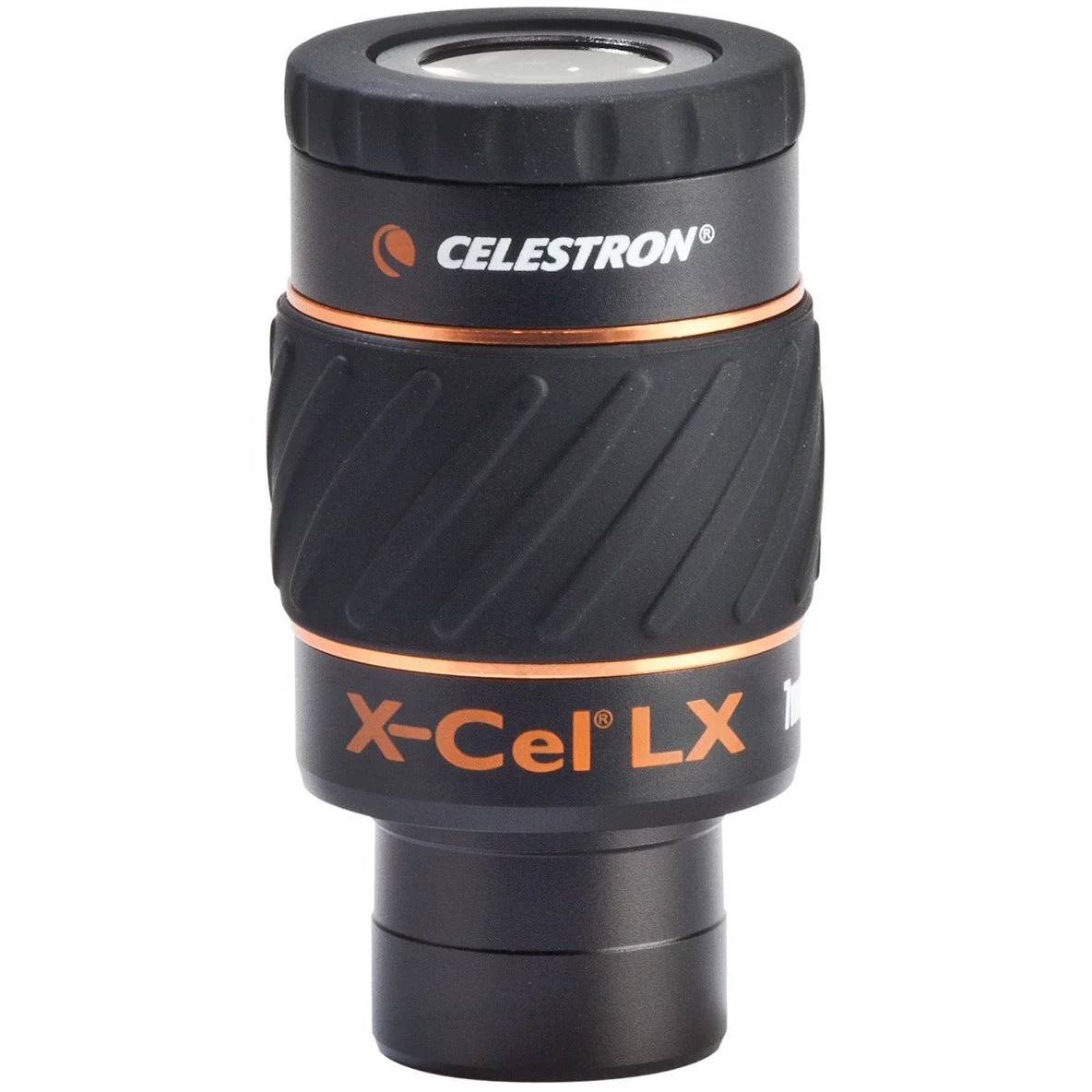
Commonly paired with this telescope
Make nebulae popSVBony UHC 1.25-inch
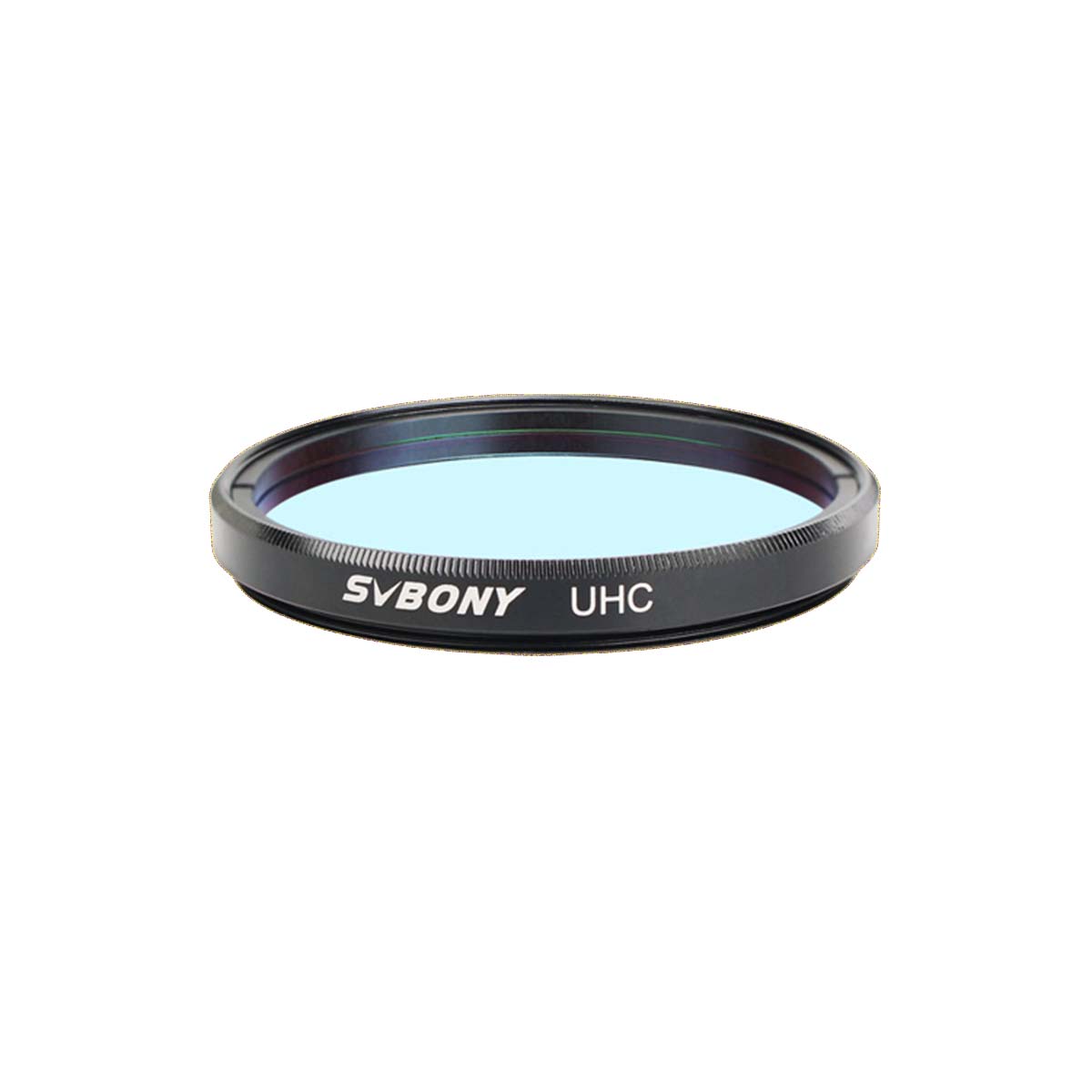
Commonly paired with this telescope
Double your magnificationTele Vue 2x Barlow 1.25-inch
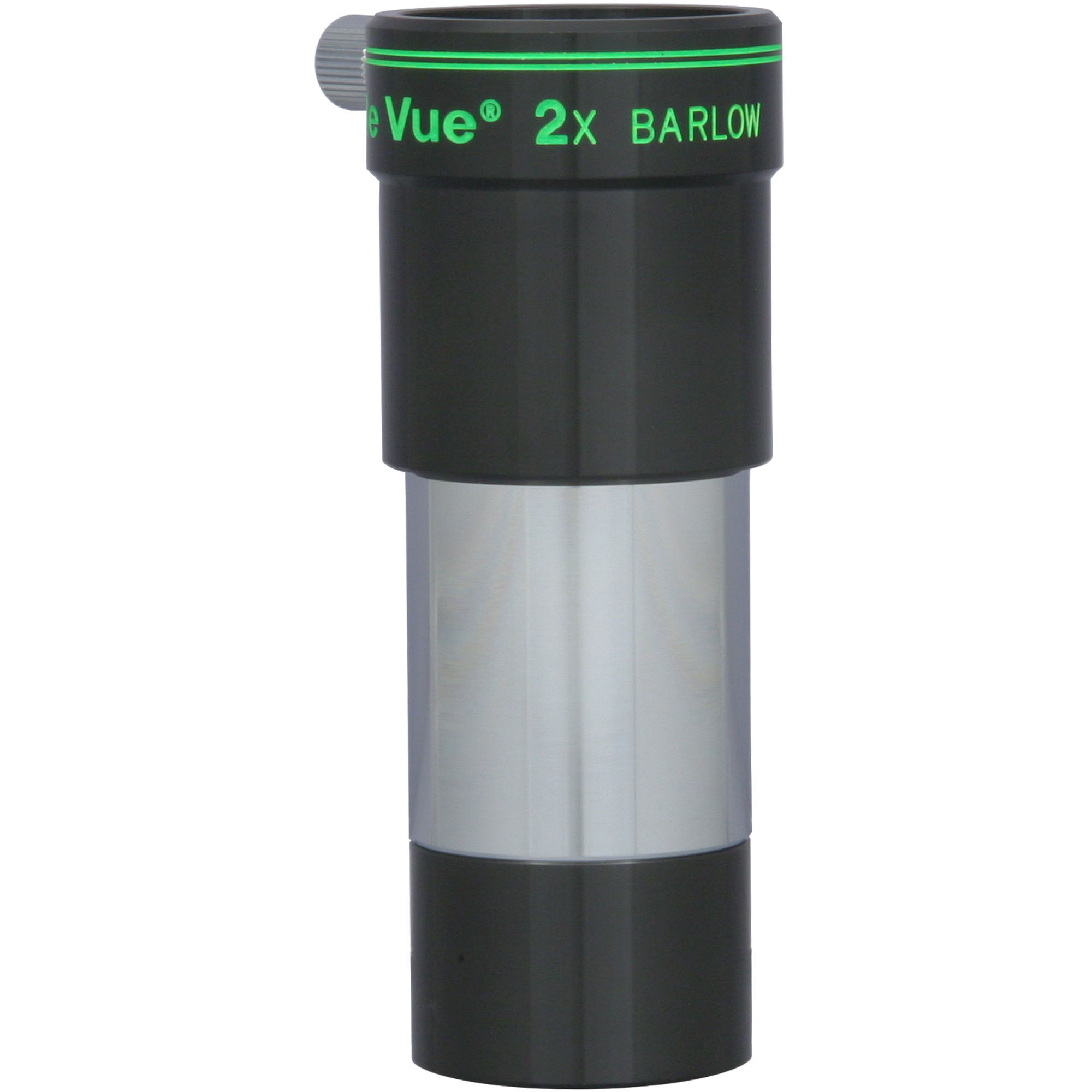
Doubles magnification for closer planetary detail with this telescope
Tame lunar glareGSO Moon Filter 13pct 1.25-inch
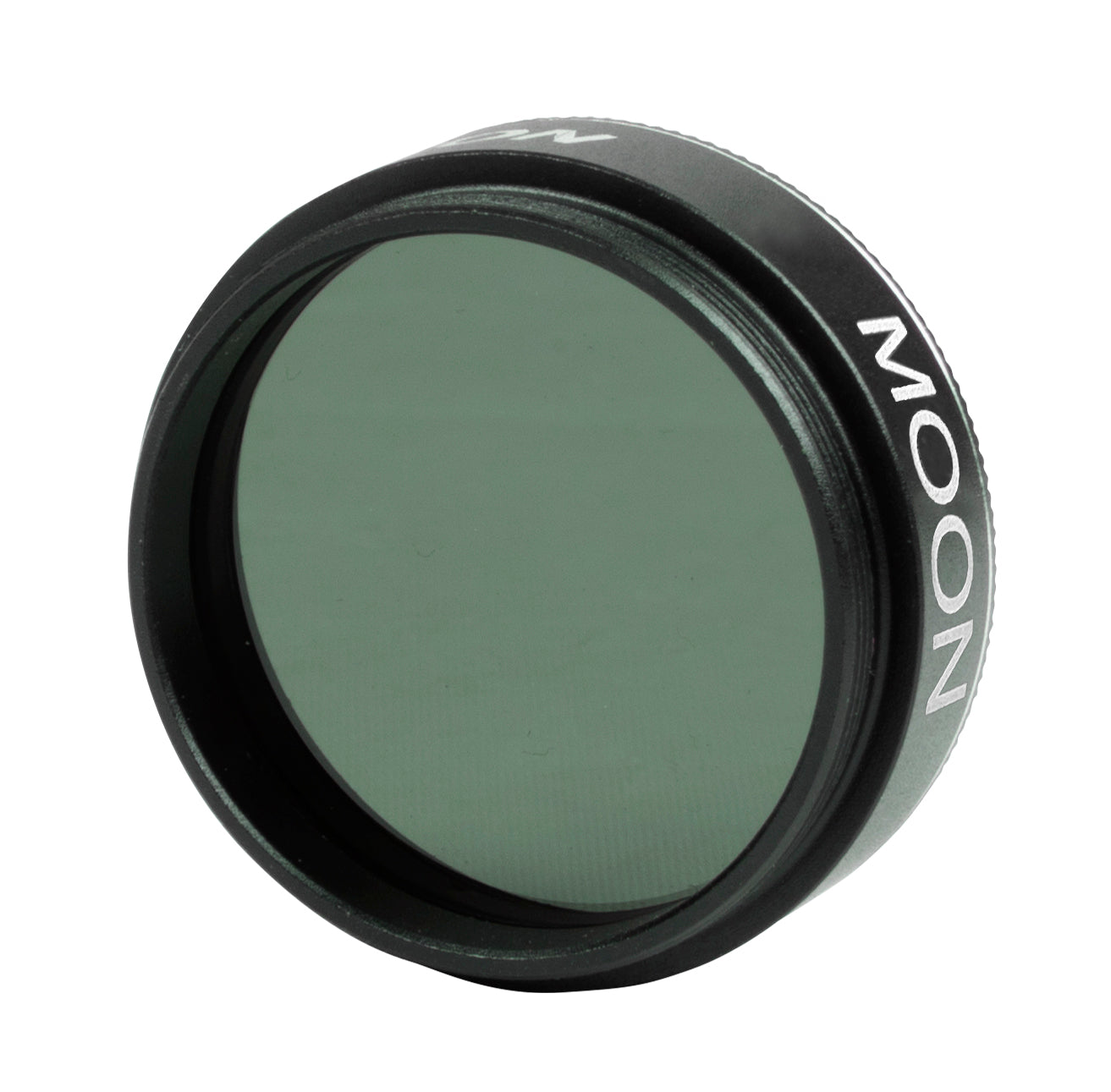
Improves contrast on nebulae and planets with this setup
06The numbersFull specifications.
6 measured and stated values
Full specifications.
The DX 130AZ pairs a 130 mm (5-inch) reflector with Celestron's StarSense phone-finder on a simple alt-az mount (it swings up-down and left-right like a camera tripod, no equatorial setup to learn). StarSense is the headline: clamp your phone on, its camera reads the star pattern to know where you are aimed, and on-screen arrows walk you to any target, no motorised GoTo needed. 130 mm is a real beginner aperture: sharp Moon and planets plus the brighter nebulae and clusters. App-guided finding on an approachable mount.