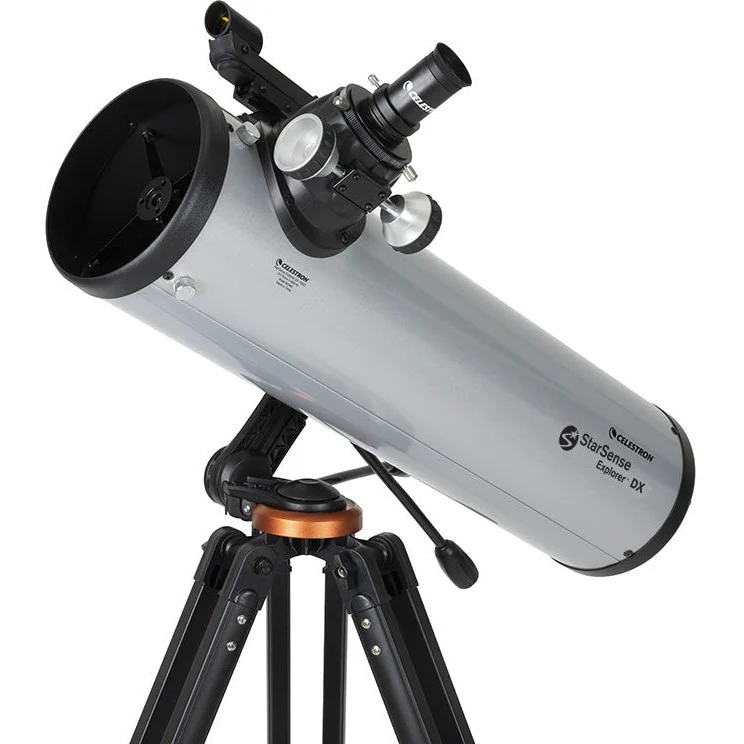
Celestron StarSense Explorer DX 102AZ — image 1
Celestron

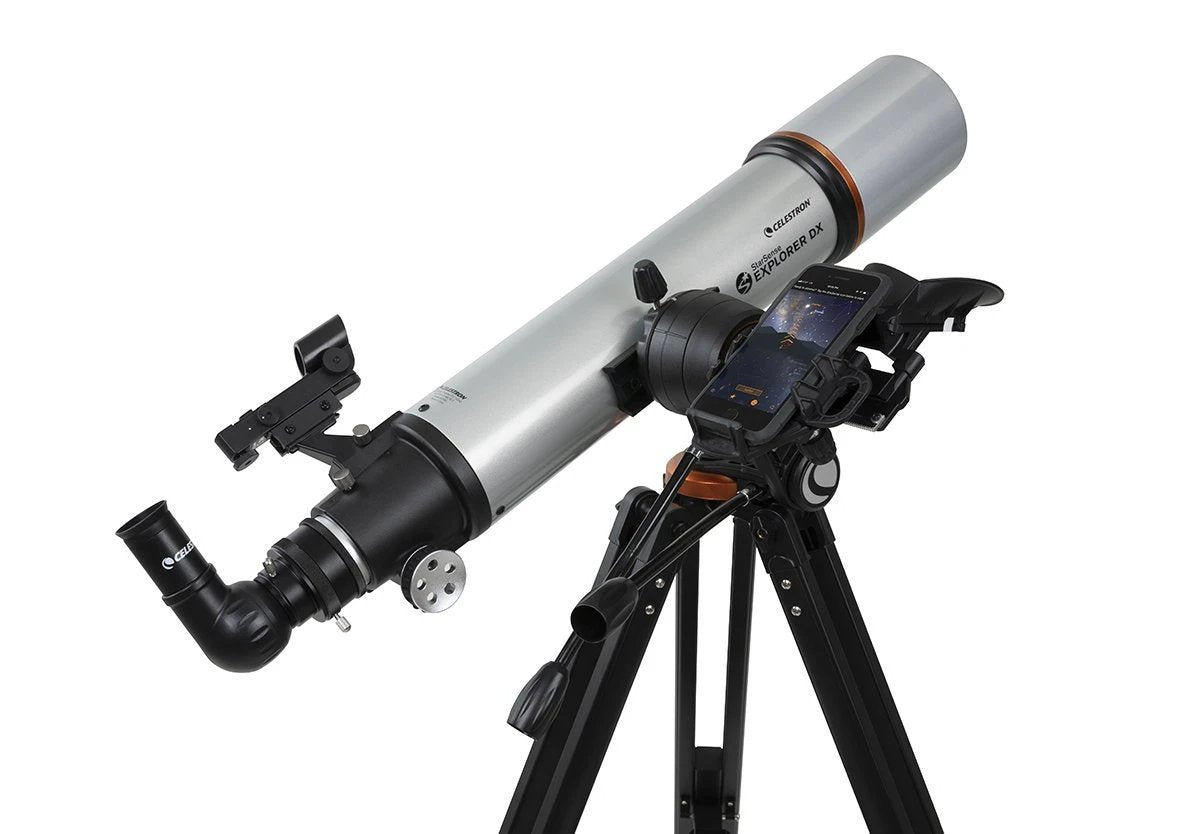
Celestron StarSense Explorer DX 102AZ

A 102mm refractor whose real trick is the StarSense app: your phone plate-solves the sky and walks you to targets with arrows, turning finding objects from the hardest part into the easy part.

82/ 100
Polaris Score
#1 of 7 app-guided beginner refractor
See the breakdown ↓
Aperture
102mm
Focal Length
660mm
Focal Ratio
f/6.5
Mount Type
Alt-Azimuth
Optical Design
Refractor
Weight
6.4 kg
From$429

Lowest in 90 daysLowest ever tracked

Price tracked by PolarisObserved 48 timesTracking since Mar 2026

Try in simulator →
What it's built forOpen these in the simulator →

This telescope was built for sweeping wide.

A short, fast refractor with a generous true field — the whole sword of Orion in one view, star fields that spill past the field stop. It rewards low power and dark skies far more than chasing magnification.

Widest true fieldsTack-sharp to the edge
The view people remember

The Orion Nebula, wings unfolded.

The four stars of the Trapezium sit inside folded sheets of glowing gas — the closest stellar nursery to us, bright enough to show real structure even from the suburbs.

See Orion Nebula through this telescope →
01What it's good at

What it's best at — and the trade-offs.

The StarSense app plate-solves what your phone camera sees and shows live arrows to each target, so beginners actually find things
Best at
✓The StarSense app plate-solves what your phone camera sees and shows live arrows to each target, so beginners actually find things
✓102mm of refractor aperture is enough for sharp Moon, planet and bright deep-sky views with no collimation ever
✓The alt-az mount with slow-motion control is intuitive: no equatorial setup, no polar alignment, no power for the optics
✓It bridges the gap between a manual scope you cannot aim and an expensive motorized GoTo
Trade-offs
!The app guides you but you still move the scope yourself, so it is assisted rather than automatic
!As an achromatic refractor it shows a little color fringing on the brightest objects
!The single-arm alt-az mount can be a touch shaky at the highest magnifications
!The bundled eyepieces are basic and are the first worthwhile upgrade
02In plain English

What These Numbers Mean

102mm · f/6.5 · 660mm FL · Alt-Azimuth
Aperture
102 mm
Four inches of unobstructed lens, enough for sharp lunar detail, Jupiter's belts and moons, Saturn's rings, and the brighter clusters and nebulae. Faint galaxies are beyond it, which is normal at this aperture.
Focal length
660 mm
Short, so low-power views are wide and forgiving, which pairs well with a phone-guided finding system. High magnification needs a short eyepiece or a Barlow.
Focal ratio
f/6.5
Fast for an achromatic refractor, which makes wide, low-power framing easy but leaves visible violet fringing on the Moon and bright planets. It is the expected compromise at this price.
Optical design
Achromatic refractor
A sealed two-element lens with no collimation, no mirror cooling and effectively no maintenance, so it is usable minutes after going outside. ED glass would remove the colour fringing but costs considerably more.
Weight
6.4 kg complete
About 14 lb for the whole telescope, mount and tripod. That is a genuine one-hand carry, which matters more for how often you observe than most other specifications.
Finding system
StarSense smartphone dock
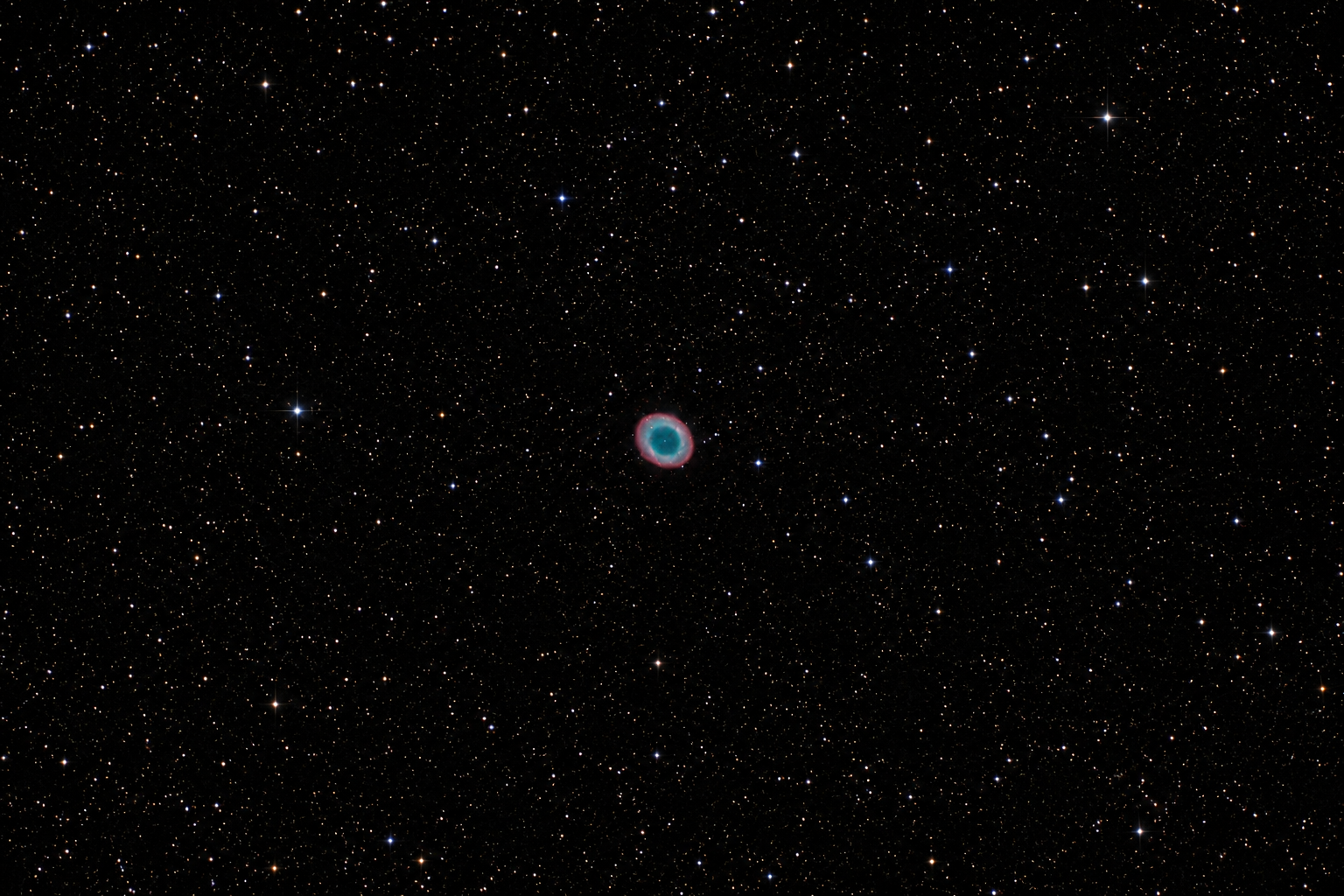
The phone plate-solves the real sky and arrows you onto the target, so a beginner finds the Ring Nebula on the first night rather than the tenth. There is no tracking, so you nudge the scope to keep objects centred.
03The Polaris Score

How it scores, and why.

82/100 · #1 of 7 app-guided beginner refractor
82/ 100
Celestron StarSense Explorer DX 102AZ
#1 of 7 app-guided beginner refractor
Performance
75
Ease of use
90
Portability
75
Upgrade potential
65

Polaris weighs optical capability, how easy the scope is to live with, how portable it is, and how far it takes you before you outgrow it — not list price or brand.

04Who it's for

An honest fit check.

Beginners who were frustrated trying to star-hop and want help aiming
Buy it if you
✓Beginners who were frustrated trying to star-hop and want help aiming
✓Families and casual observers who want the Moon, planets and bright objects with minimal fuss
✓People who want guided finding without the price of a full GoTo mount
Look elsewhere if you
!Deep-sky imagers, since the alt-az mount does not track for long exposures
!Observers who want maximum aperture per dollar, which a Dobsonian gives
!Anyone expecting motorized slewing, since you still push the scope by hand
05Build your rig

What to buy next — and where it leads.

7 pieces of gear, ordered by what changes the view most
Recommended upgrades
Sharper planets & lunar detail★ Top pickCelestron X-Cel LX 9mm
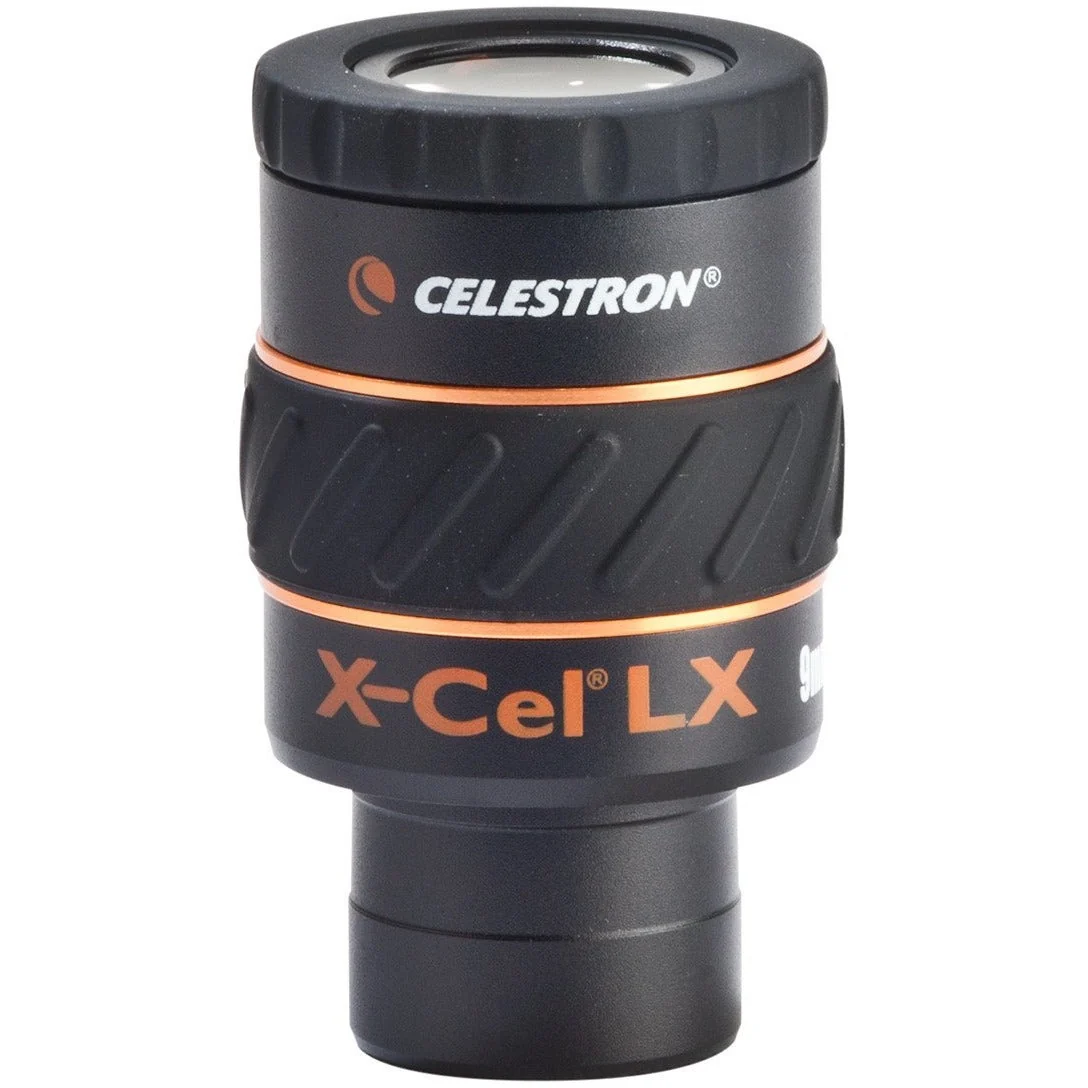
A sharp mid-power eyepiece that lifts planetary views past the stock kit

Tame lunar glareGSO Moon Filter 13pct 1.25-inch

Tames Moon glare in a 102mm refractor

A sharper everyday viewExplore Scientific 68deg 24mm
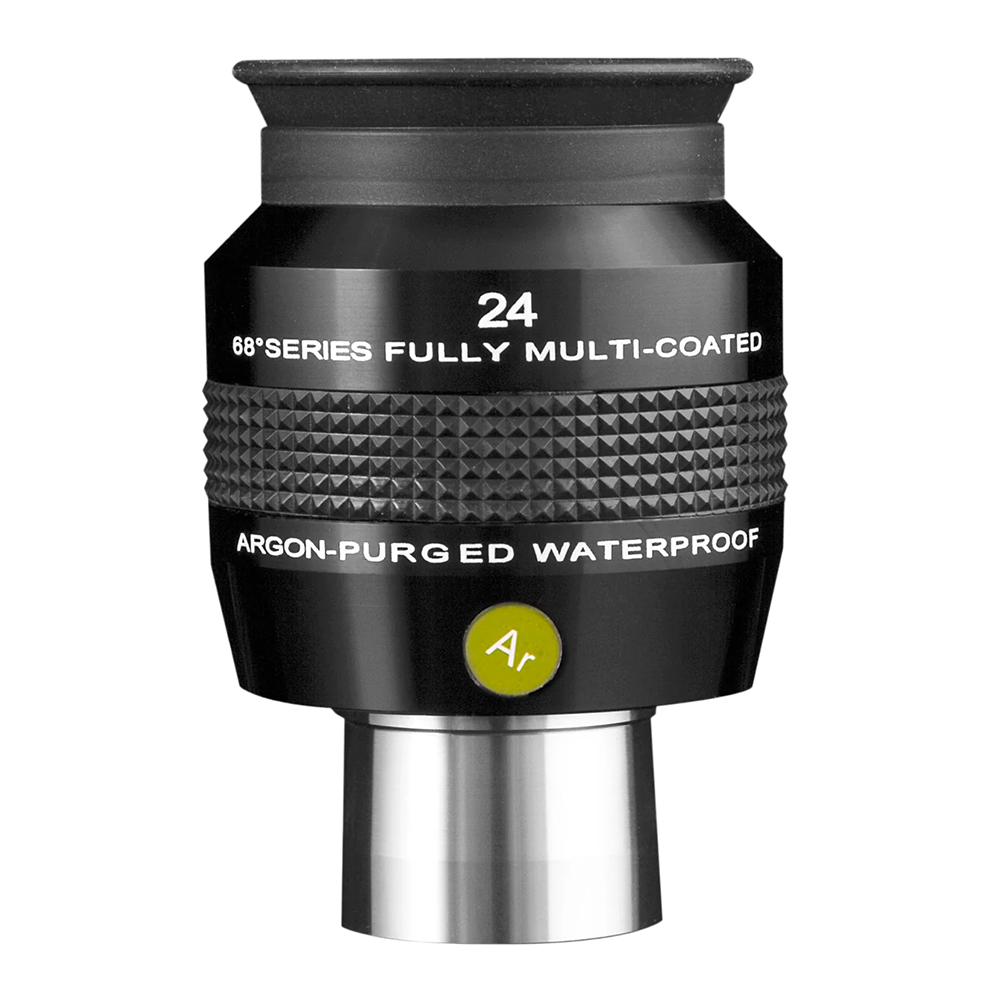
A wide, comfortable low-power view for sweeping and framing

Grow your kit
Sharper planets & lunar detailCelestron X-Cel LX 7mm
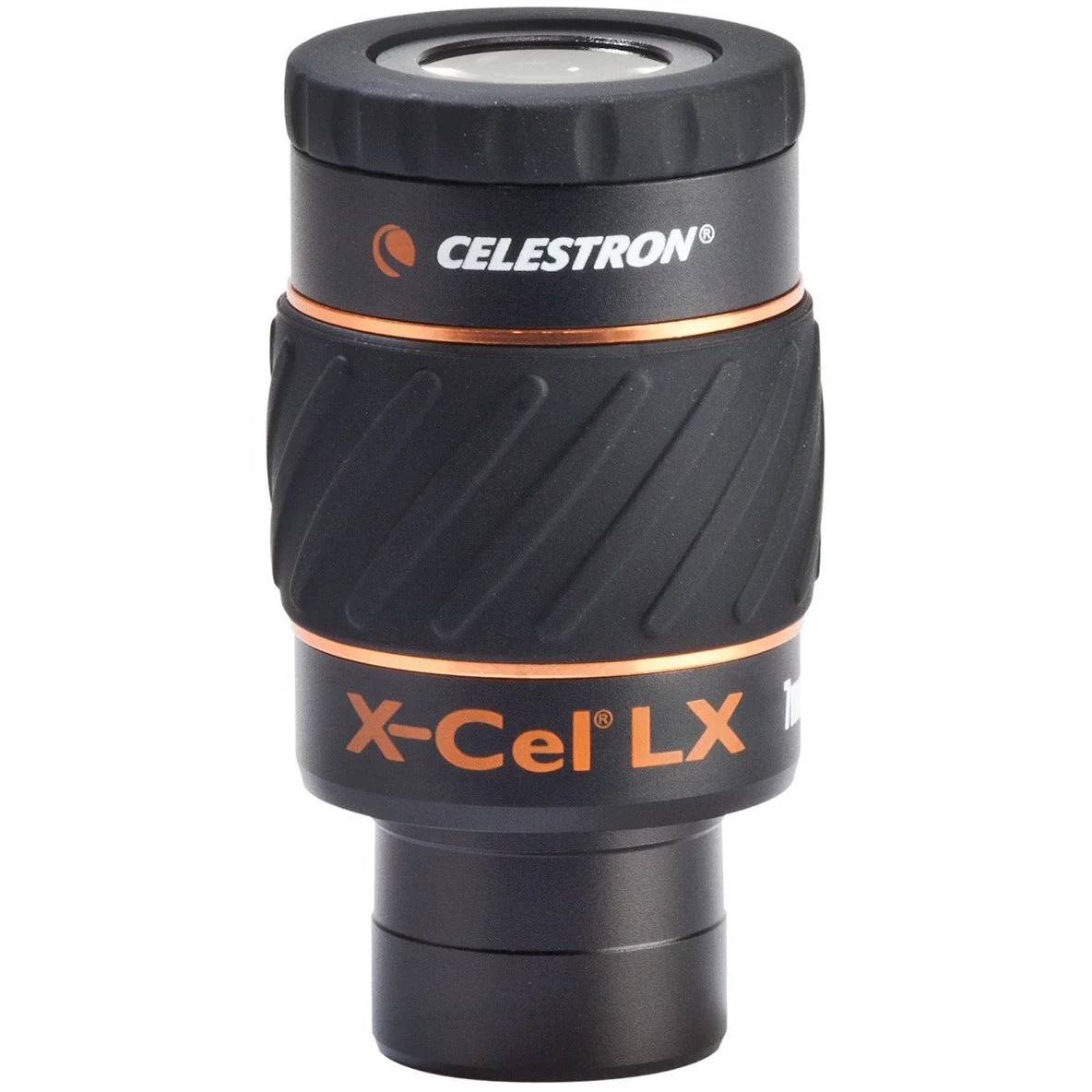
Commonly paired with this telescope

A sharper everyday viewCelestron X-Cel LX 18mm
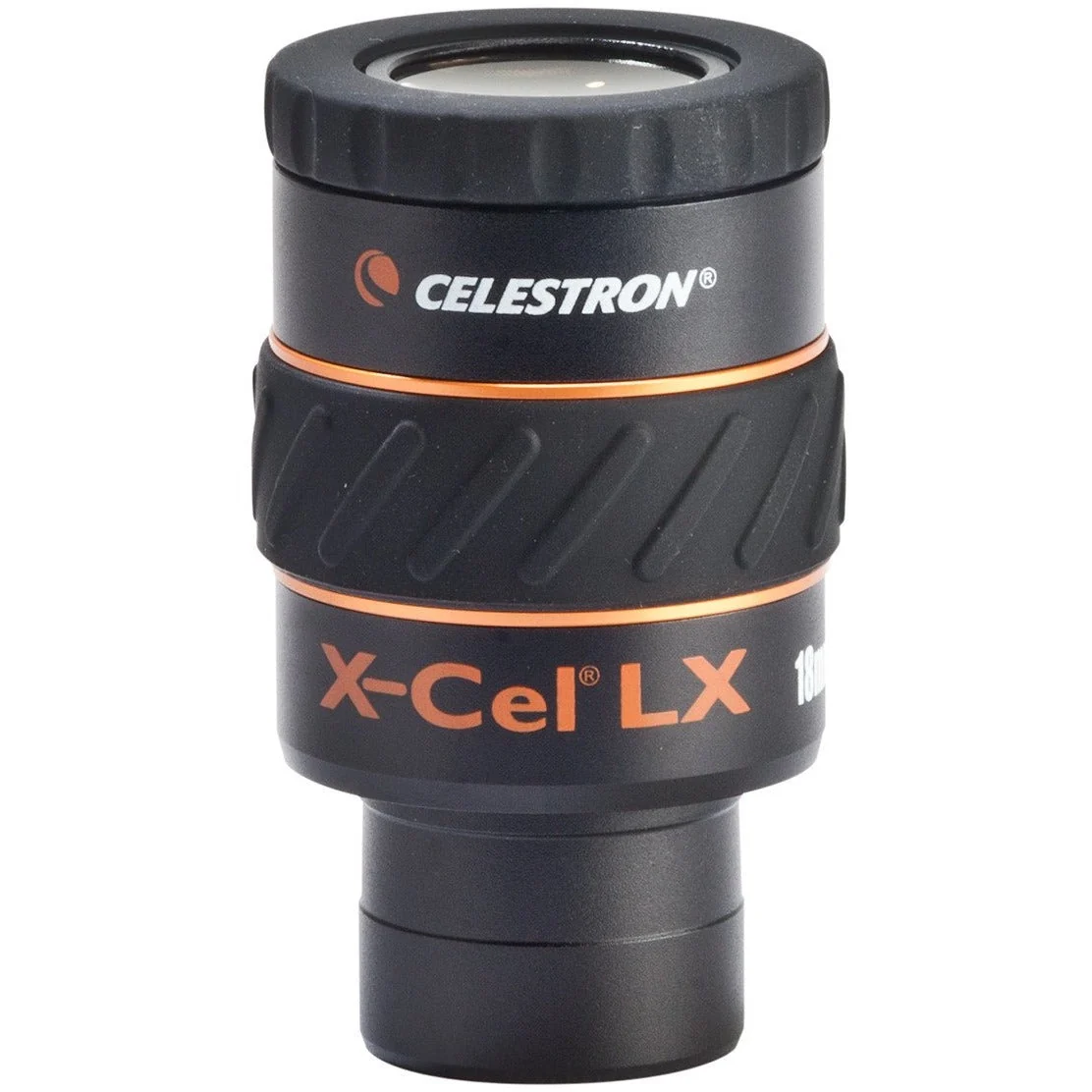
Commonly paired with this telescope

Make nebulae popSVBony UHC 1.25-inch

Commonly paired with this telescope

Double your magnificationTele Vue 2x Barlow 1.25-inch
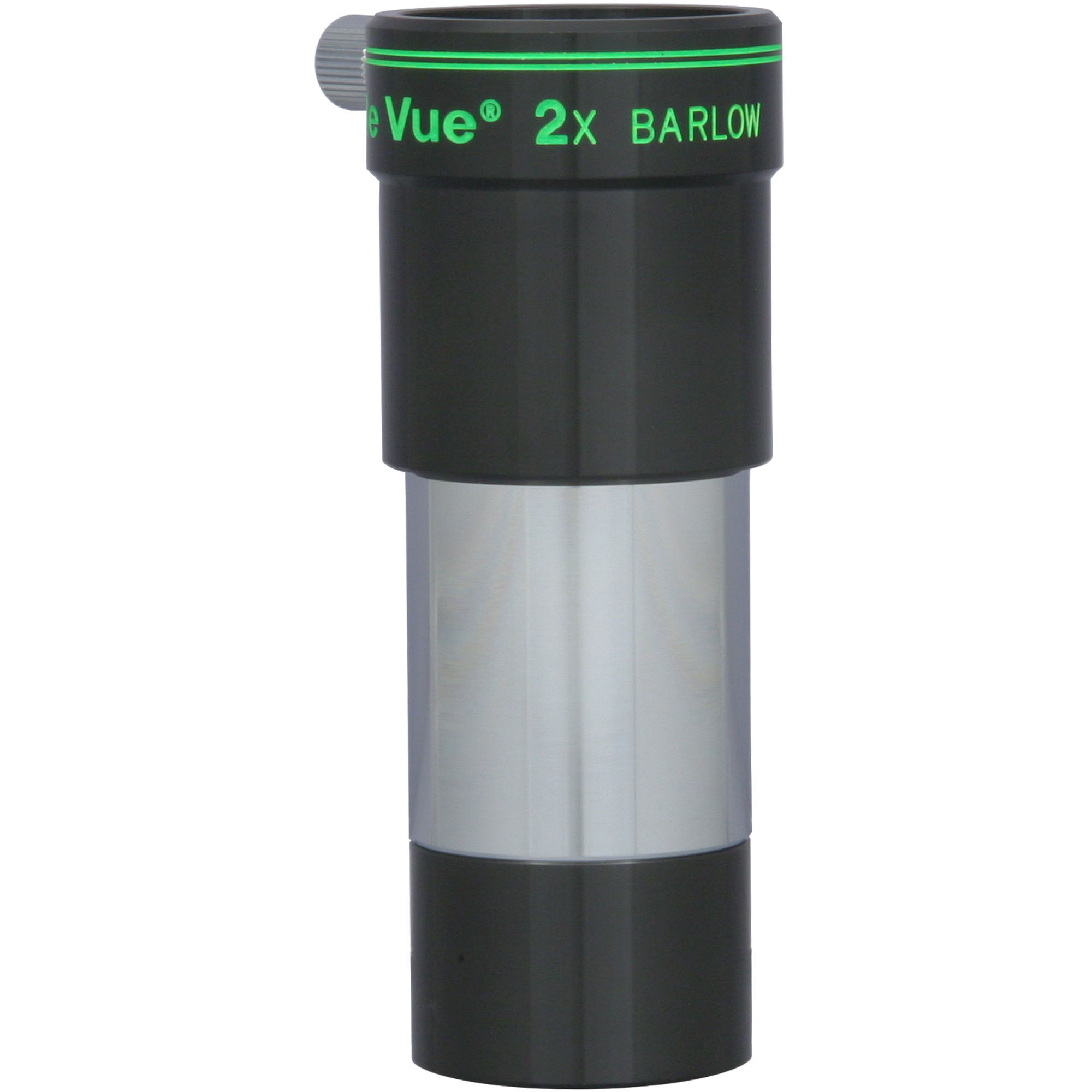
Doubles magnification for closer planetary detail with this telescope

Lunar & planetary
Good
Deep-sky visual
Brighter objects
Astrophotography
Short exposures, no tracking
06The numbers

Full specifications.

6 measured and stated values
Optics
Optical DesignRefractor
Aperture102mm
Focal Length660mm
Focal Ratiof/6.5
Mount & drive
Mount TypeAlt-Azimuth
Physical
Weight6.4 kg