Celestron
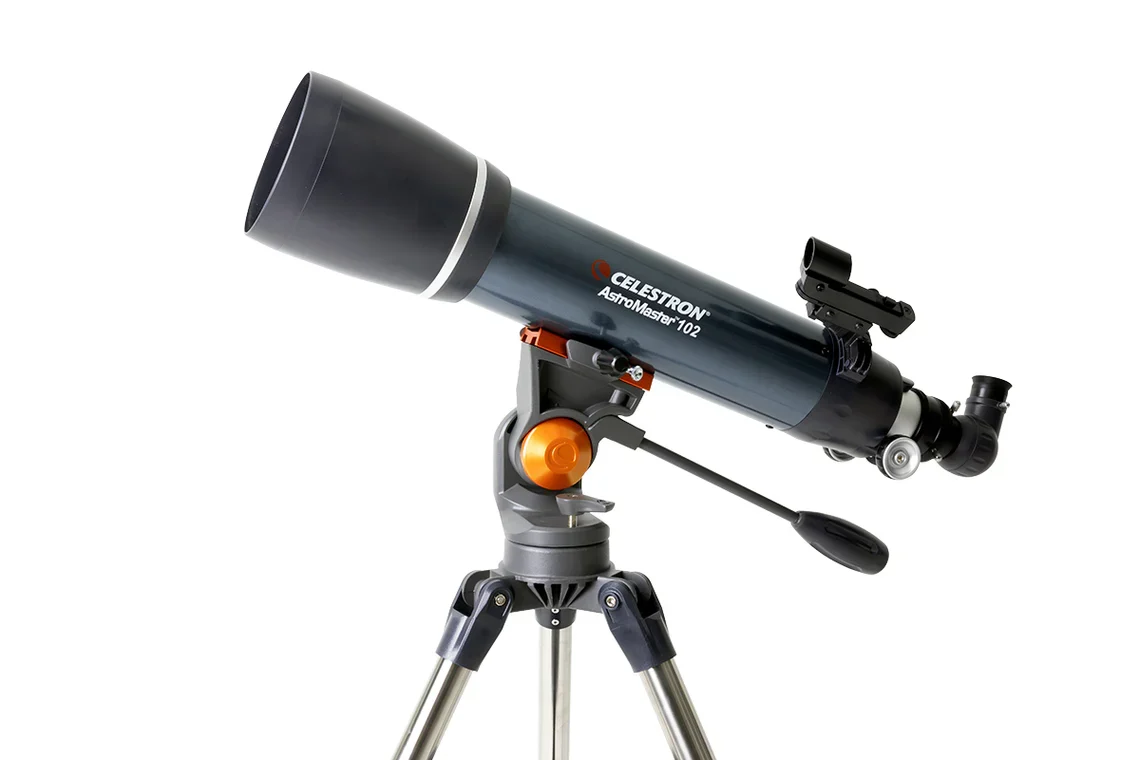
Celestron AstroMaster 102AZ Refractor
A 4-inch beginner refractor on a simple alt-az mount, bright, sharp views of the Moon, planets and brighter deep-sky with nothing to collimate and almost nothing to learn.
76/ 100
Aperture
102mm
Focal Length
660mm
Focal Ratio
f/6.5
Mount Type
Alt-Az
Optical Design
Refractor
Weight
5.9 kg
From$359.95
Lowest in 90 days
Price tracked by PolarisObserved 55 timesTracking since Aug 2026
Where to buy
Verified 10h ago · prices tracked daily




01What it's good atWhat it's best at — and the trade-offs.
102mm of aperture gathers real light, lunar detail, Jupiter's moons and Saturn's rings all show clearly.
01What it's good at
What it's best at — and the trade-offs.
102mm of aperture gathers real light, lunar detail, Jupiter's moons and Saturn's rings all show clearly.
Best at
✓102mm of aperture gathers real light, lunar detail, Jupiter's moons and Saturn's rings all show clearly.
✓A refractor needs no collimation and cools fast, so it is genuinely point-and-look.
✓The alt-az mount moves up-down / left-right like a photo tripod, the most intuitive way to start.
✓Ships with two eyepieces and a finder, so it works out of the box.
Trade-offs
!An achromat shows a little false colour on the brightest objects.
!No tracking, so objects drift and need nudging at high power.
!The bundled eyepieces are basic, an early upgrade helps a lot.
!The mount is light; high magnification shows some shake.
02In plain EnglishWhat These Numbers Mean
102mm · f/6.5 · 660mm FL · Alt-Az
02In plain English
What These Numbers Mean
102mm · f/6.5 · 660mm FL · Alt-Az
Aperture
102 mm
Four inches of light grasp, which is a real telescope rather than a toy. Craters along the lunar terminator, Jupiter's two main cloud belts with its four bright moons, Saturn's rings and the brighter clusters are all within reach. Faint galaxies will stay faint grey patches.
Focal length
660 mm
Short for a refractor, which keeps the tube compact and gives wide, easy low-power views of clusters and the Milky Way. Reaching high planetary magnification takes a short eyepiece or a Barlow rather than the focal length alone.
Focal ratio
f/6.5
Fast for an achromatic refractor, which makes wide, low-power views easy to reach but brings visible violet fringing around the Moon, Venus and Jupiter. It is a fair trade at this price, and most people stop noticing it after a few sessions.
Optical design
Achromatic refractor
A simple two-element lens with no mirror to collimate and nothing to cool down, so it is ready minutes after you carry it outside. The compromise is chromatic aberration on bright objects, which is what ED and apochromatic designs cost more to eliminate.
Weight
8.2 kg complete
About 18 lb including mount and tripod, so one person carries the whole telescope outside assembled in a single trip. That convenience is a bigger factor in how often a first telescope gets used than most specifications.
Mount
Manual alt-azimuth
Up, down, left and right with a slow-motion control, which is the most intuitive way to learn the sky. It is also the least steady part of the package: expect some vibration when you touch the focuser, and no tracking at high power.
03The Polaris ScoreHow it scores, and why.
76/100 · #2 of 6 beginner refractors
03The Polaris Score
How it scores, and why.
76/100 · #2 of 6 beginner refractors
76/ 100
Celestron AstroMaster 102AZ Refractor
#2 of 6 beginner refractors
Performance72
Ease of use88
Portability74
Upgrade potential62
Polaris weighs optical capability, how easy the scope is to live with, how portable it is, and how far it takes you before you outgrow it — not list price or brand.
04Who it's forAn honest fit check.
First-time buyers who want a fuss-free scope for the Moon and planets.
04Who it's for
An honest fit check.
First-time buyers who want a fuss-free scope for the Moon and planets.
Buy it if you
✓First-time buyers who want a fuss-free scope for the Moon and planets.
✓Families and casual observers who value simplicity over aperture.
✓People who want a grab-and-go refractor with no maintenance.
Look elsewhere if you
!Deep-sky hunters chasing faint galaxies, a Dobsonian gives far more light for the money.
!Astrophotographers; this is a visual scope on a non-tracking mount.
!Observers who want GoTo to find objects for them.
05Build your rigWhat to buy next — and where it leads.
7 pieces of gear, ordered by what changes the view most
05Build your rig
What to buy next — and where it leads.
7 pieces of gear, ordered by what changes the view most
Recommended upgrades
See wider, brighter deep-sky views★ Top pickGSO SuperView 30mm 2-inch
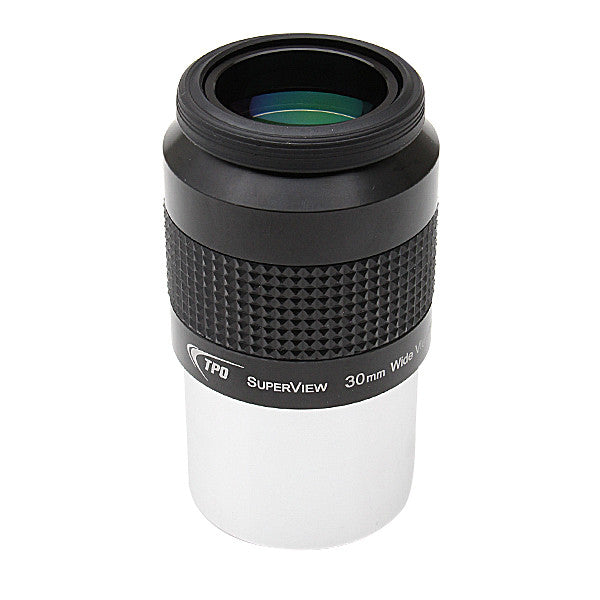
Big, bright low-power field on a budget.
$74.95View details →
Double your magnificationGSO 2x ED Barlow 1.25-inch
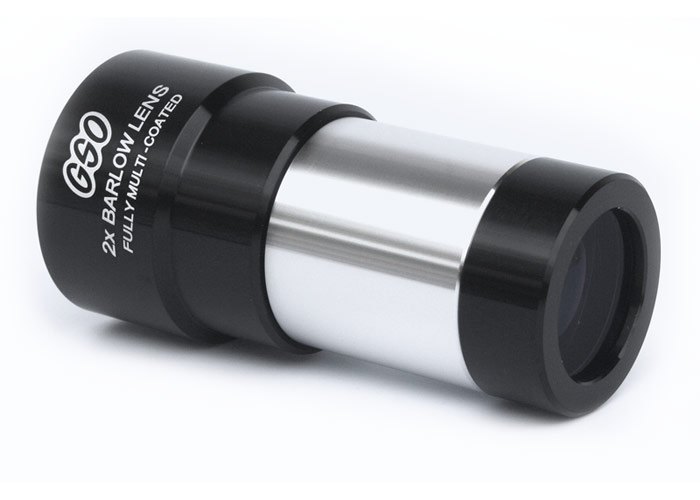
Doubles magnification for the planets.
$79.95View details →
Tame lunar glareGSO Moon Filter 13pct 1.25-inch

Tames glare on the bright Moon.
$11.95View details →
Grow your kit
Sharper planets & lunar detailCelestron X-Cel LX 7mm
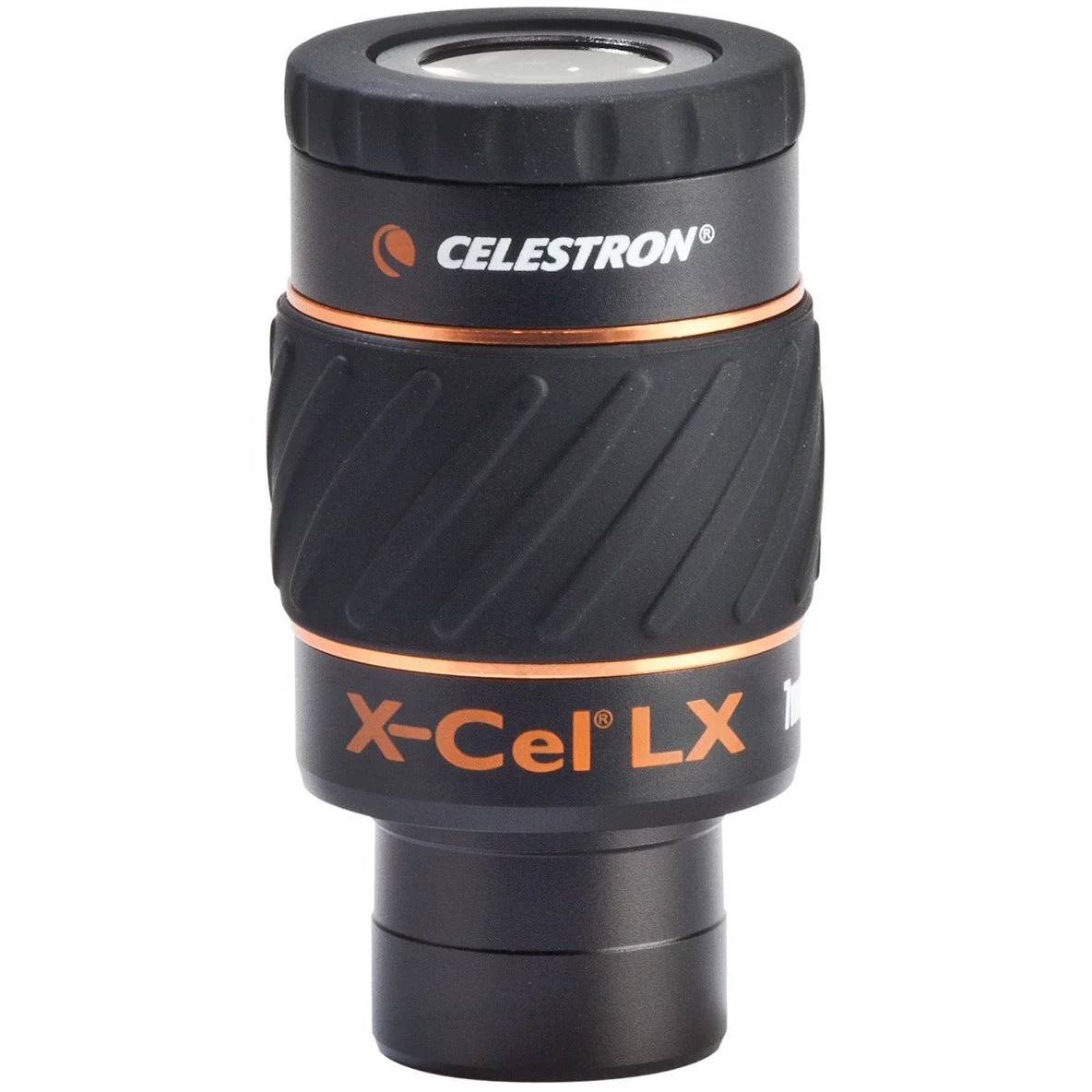
Commonly paired with this telescope
$109.95View details →
A sharper everyday viewCelestron X-Cel LX 18mm
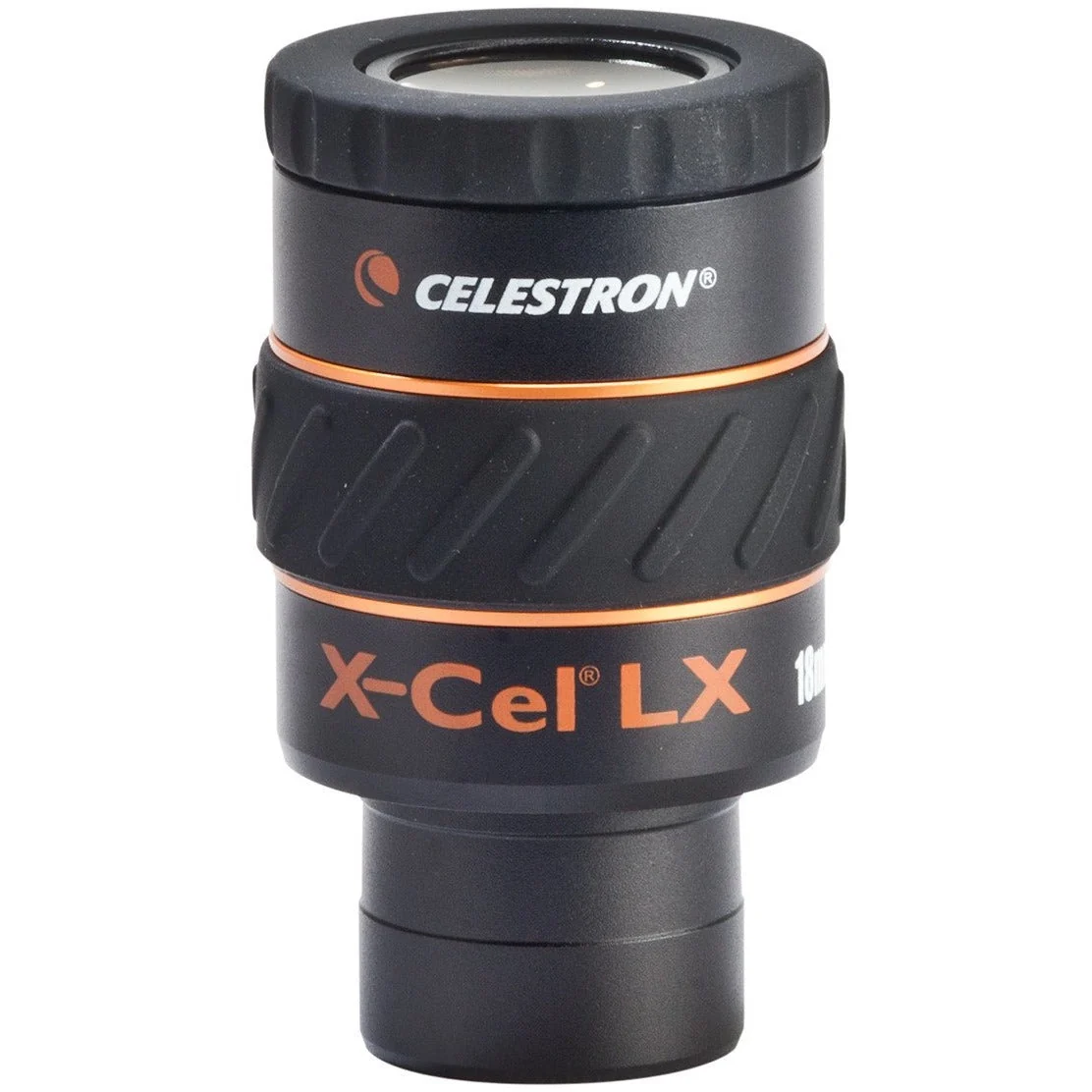
Commonly paired with this telescope
$109.95View details →
Make nebulae popSVBony UHC 1.25-inch

Commonly paired with this telescope
$28.99View details →
Double your magnificationTele Vue 2x Barlow 1.25-inch
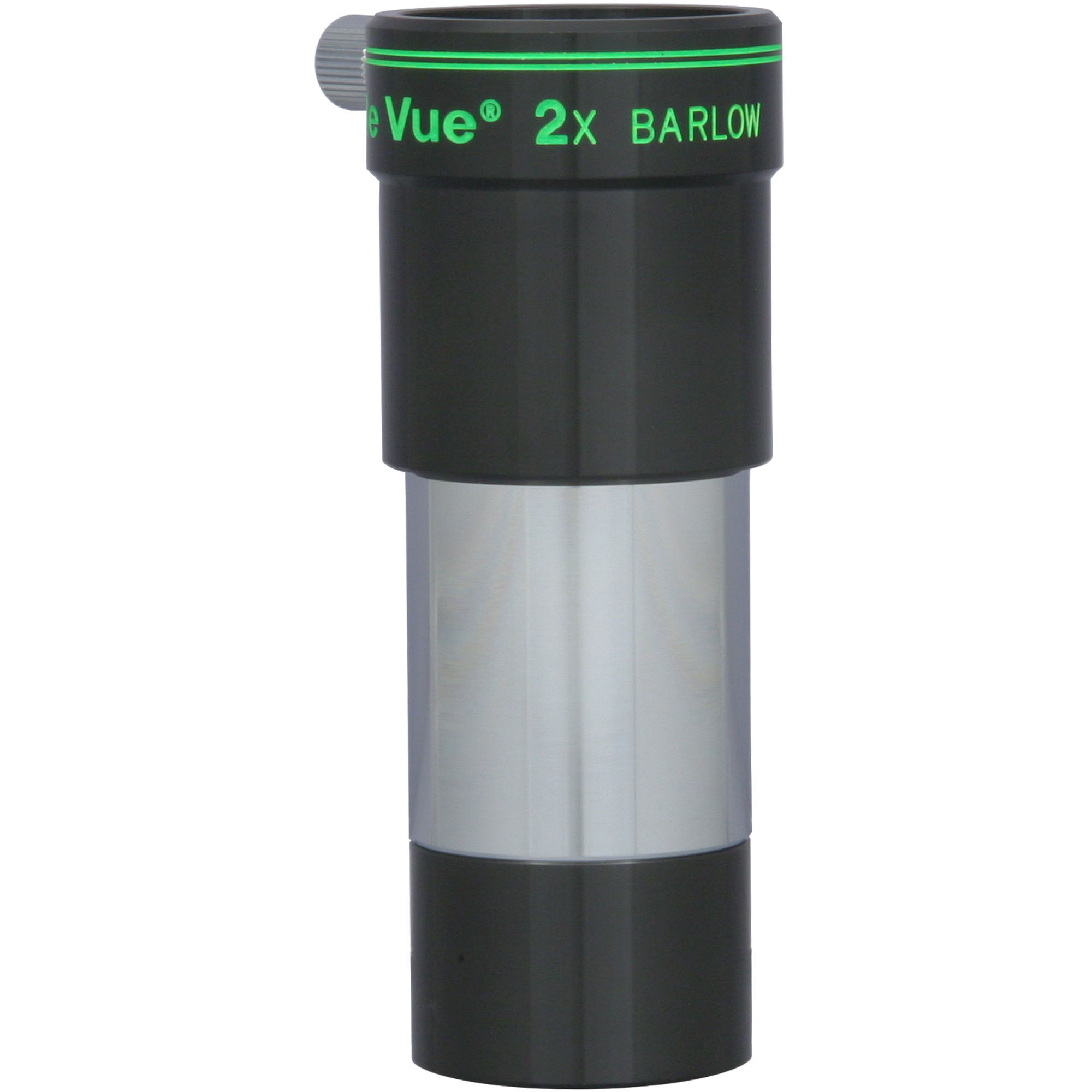
Doubles magnification for closer planetary detail with this telescope
$153View details →
06The numbersFull specifications.
6 measured and stated values
06The numbers
Full specifications.
6 measured and stated values
Optics
Optical DesignRefractor
Aperture102mm
Focal Length660mm
Focal Ratiof/6.5
Mount & drive
Mount TypeAlt-Az
Physical
Weight5.9 kg
07AlternativesFor a different goal, start here.
2 alternatives, each mapped to the goal it wins at
07Alternatives
For a different goal, start here.
2 alternatives, each mapped to the goal it wins at