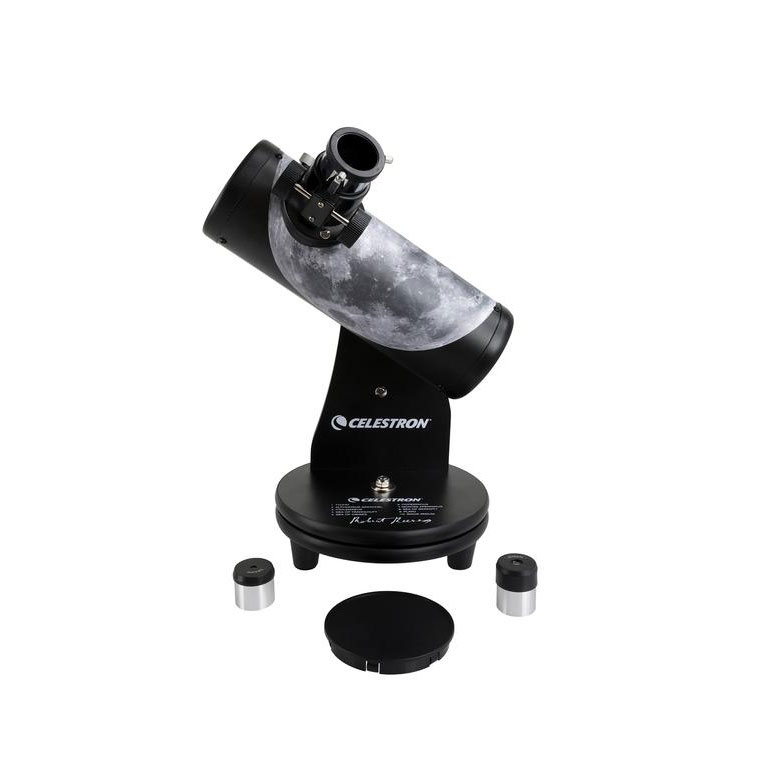
Celestron FirstScope 76mm Tabletop Dobsonian Telescope
A genuine telescope at a toy price, and the cheapest honest way to find out whether you like standing outside in the dark. Its 300mm focal length makes it a wide-field Moon and cluster instrument, not a planetary one.
Lowest in 90 daysLowest ever tracked
Price tracked by PolarisObserved 45 timesTracking since Mar 2026




01What it's good atWhat it's best at — and the trade-offs.
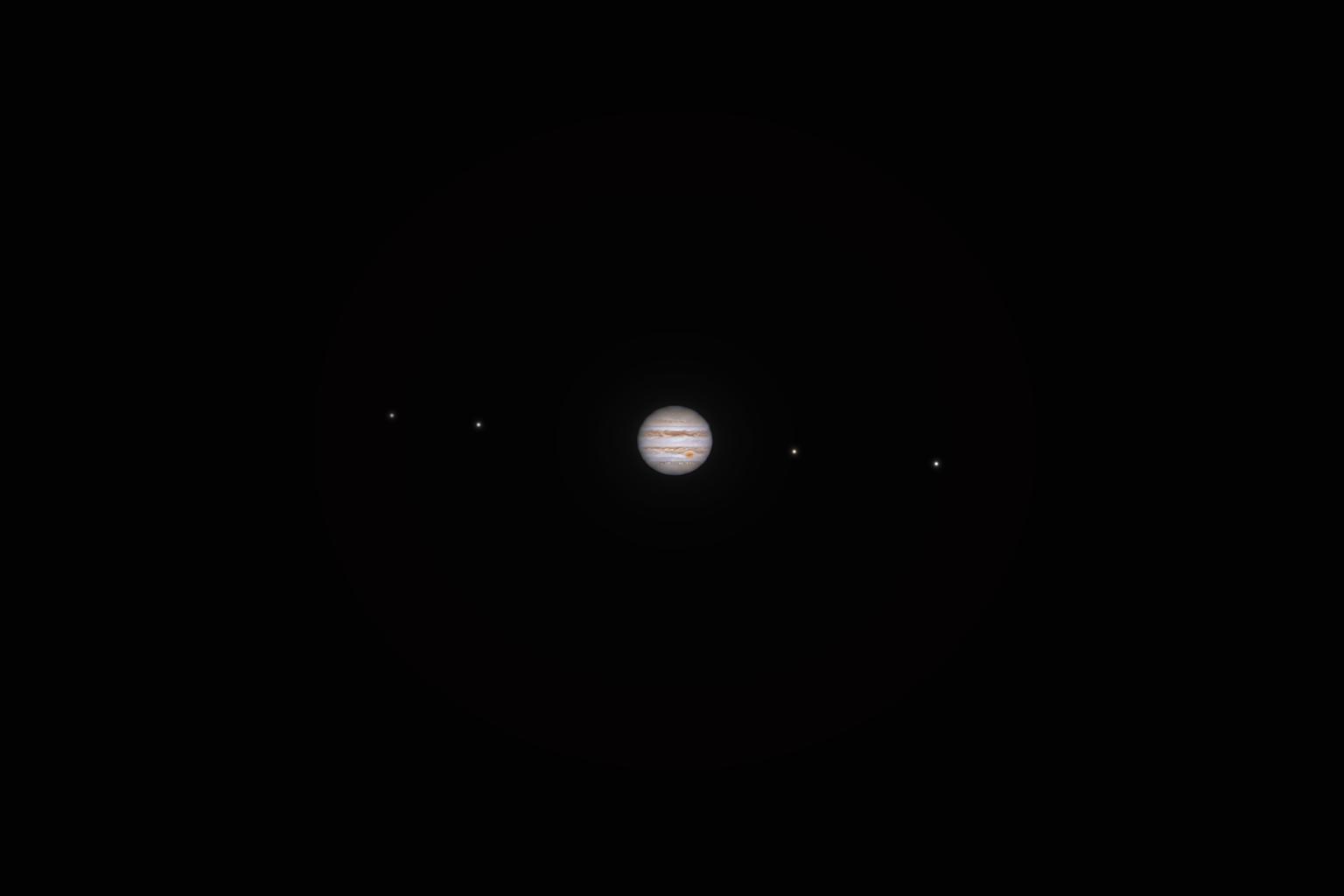
76mm of real aperture gathers about 118 times more light than your eye, which is enough for lunar detail, the brighter open clusters and the Orion Nebula
What it's best at — and the trade-offs.
02In plain EnglishWhat These Numbers Mean
76mm · f/3.9 · 300mm FL · Dobsonian
What These Numbers Mean
03The Polaris ScoreHow it scores, and why.
62/100
How it scores, and why.
Polaris weighs optical capability, how easy the scope is to live with, how portable it is, and how far it takes you before you outgrow it — not list price or brand.
04Who it's forAn honest fit check.
A curious beginner who wants to see the Moon properly before spending real money
An honest fit check.
05Build your rigWhat to buy next — and where it leads.
2 pieces of gear, ordered by what changes the view most
What to buy next — and where it leads.
Tame lunar glareGSO Moon Filter 13pct 1.25-inch

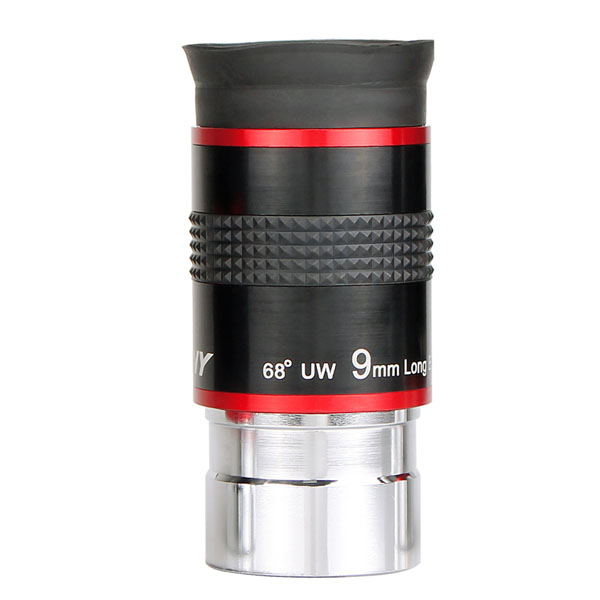
Sharper planets & lunar detailSVBony Redline 9mm Ultra Wide Angle
06The numbersFull specifications.
6 measured and stated values
Full specifications.
07AlternativesFor a different goal, start here.
3 alternatives, each mapped to the goal it wins at
For a different goal, start here.
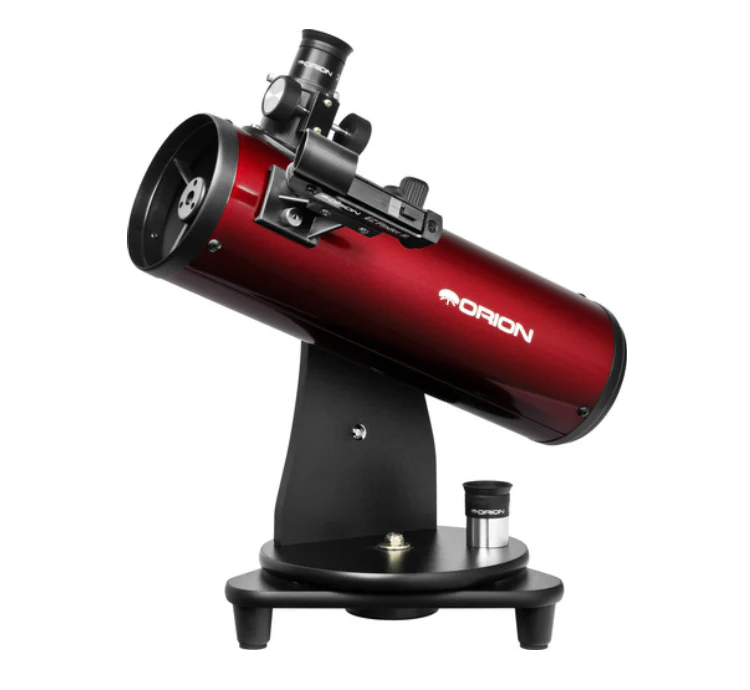
Orion SkyScanner 100
About $50 more for 76 percent more light and a 400mm focal length that reaches usable power more easily.
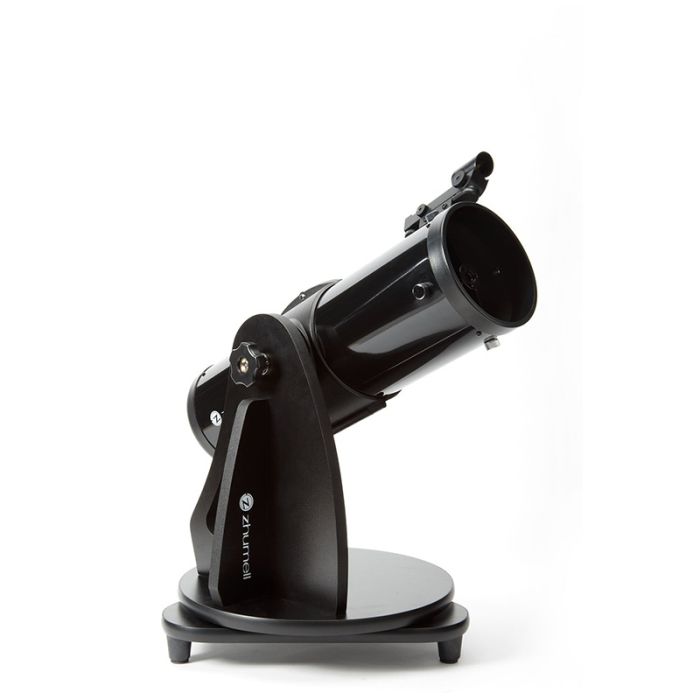
Zhumell Z114 Tabletop Reflector
114mm and a 450mm focal length in the same tabletop form, with a proper finder included.
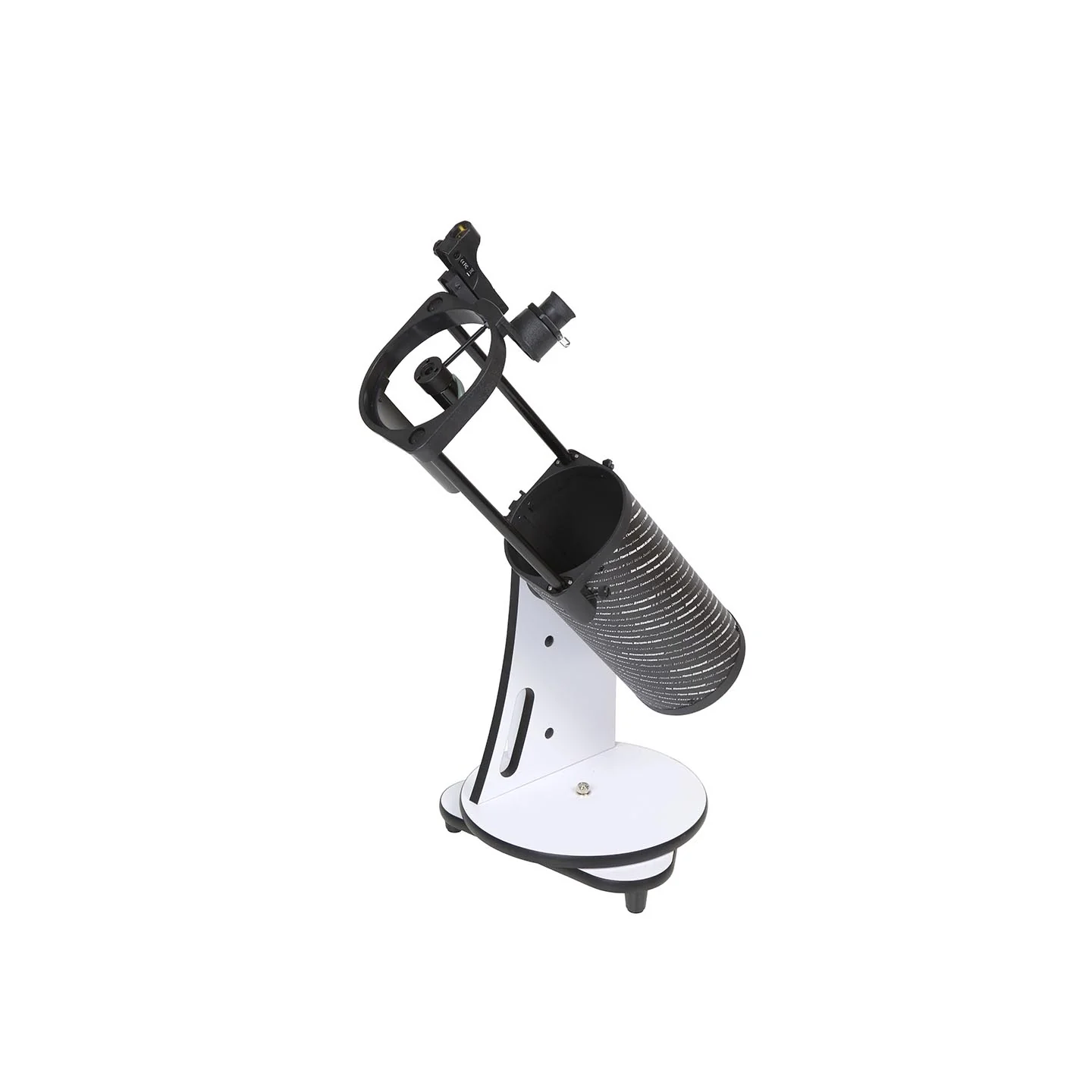
Sky-Watcher Heritage 130P
The point where a tabletop Dobsonian stops being a starter instrument and becomes a telescope you keep.