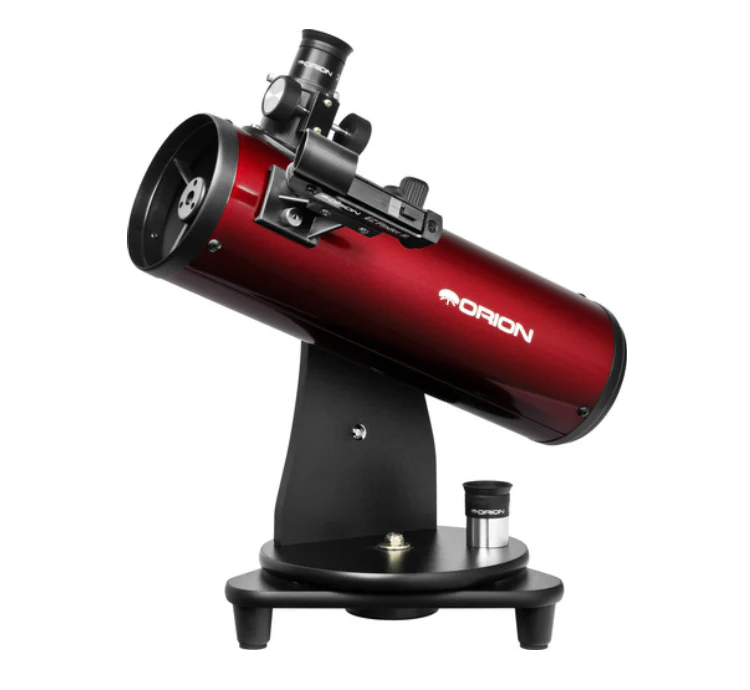
Orion SkyScanner 100 — image 1
Orion

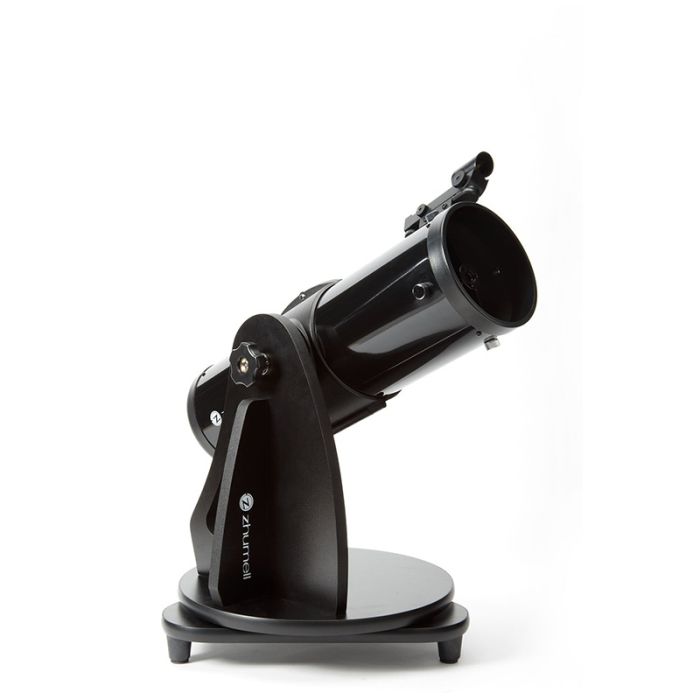
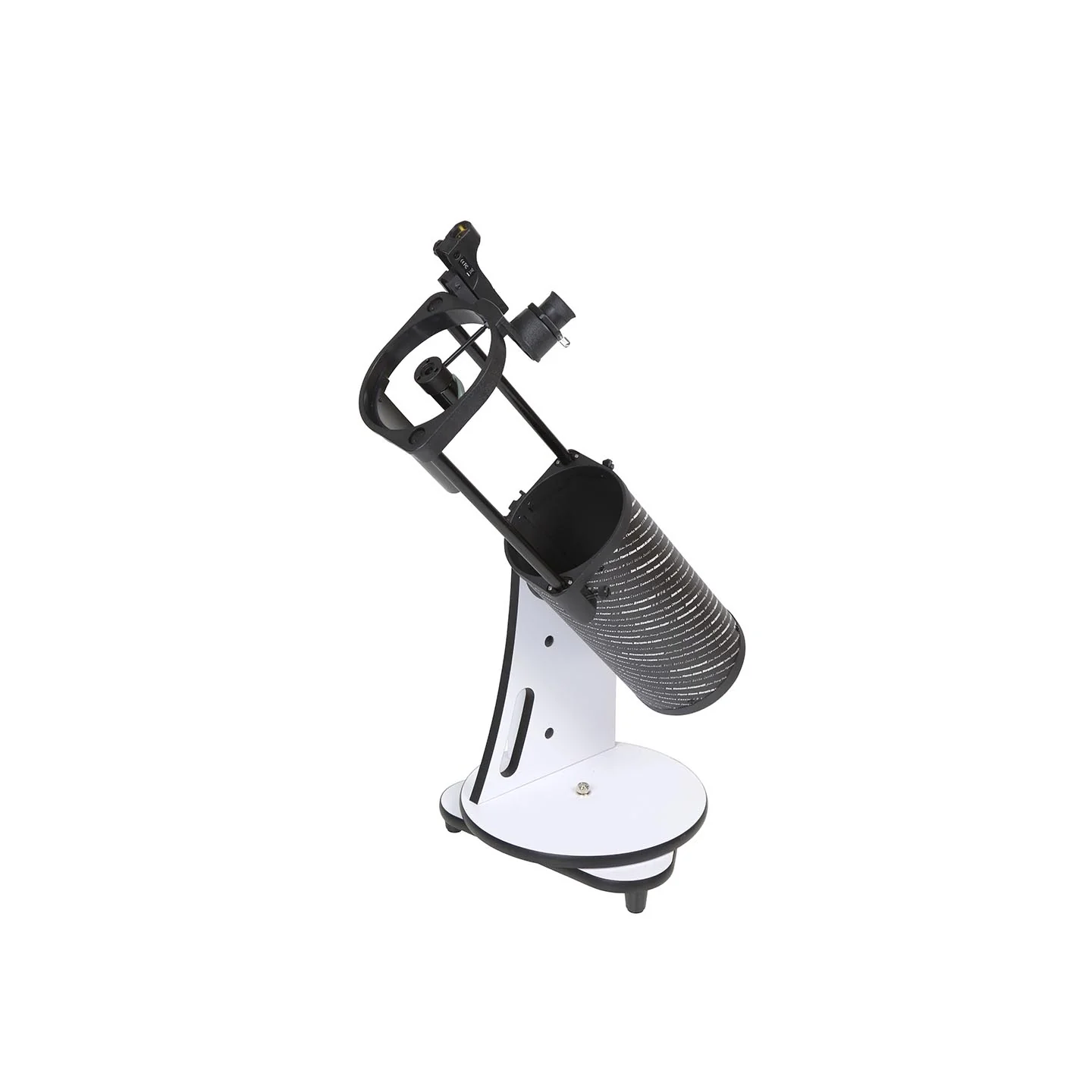
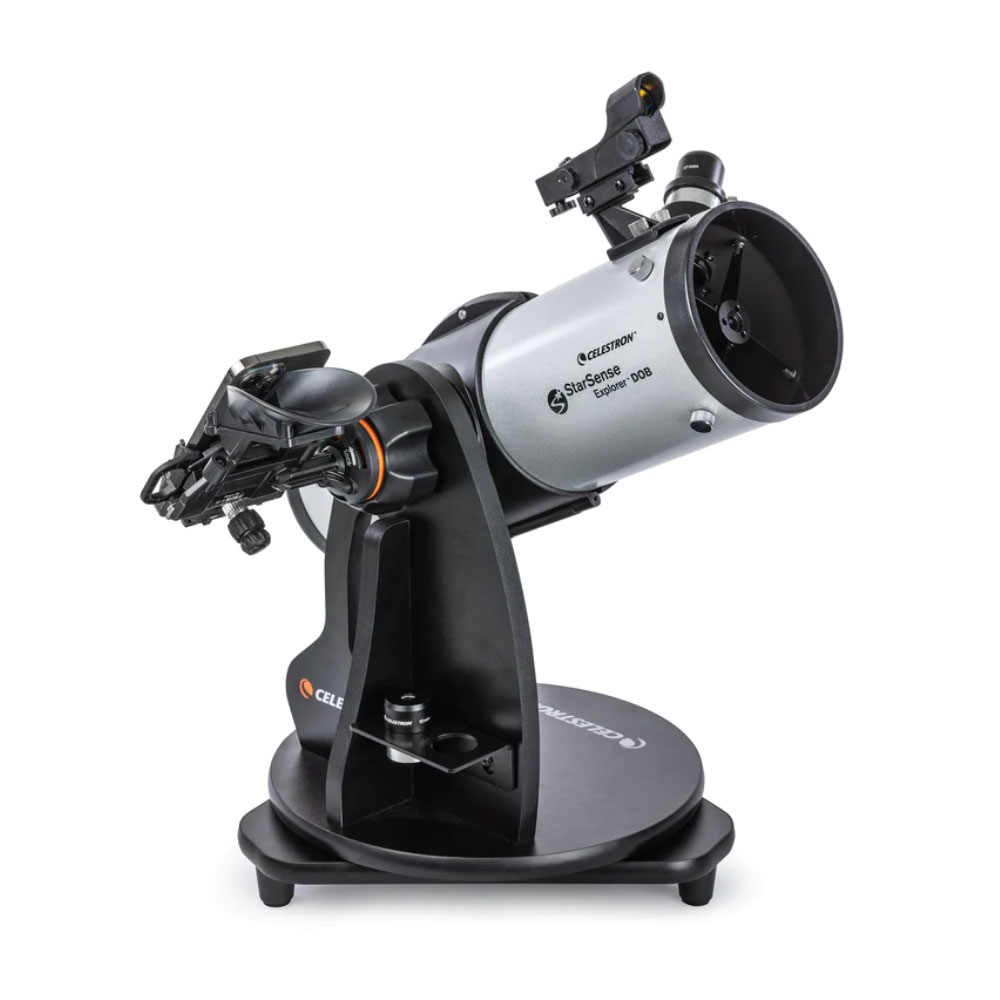
Orion SkyScanner 100

For over a decade the standard answer to "what is a good first telescope under $150", and still a good one. Orion itself shut down in 2024, so what is on the shelf is the last of it: High Point still has stock at $129.95, with no warranty or spare parts behind it once it is gone.

74/ 100
Polaris Score
Performance · ease · portability · upgrade path
See the breakdown ↓
Aperture
100mm
Focal Length
400mm
Focal Ratio
f/4
Mount Type
Dobsonian
Optical Design
Newtonian
Weight
2.8 kg
From$129.95

$10 above 90-day lowLast $119.95 in Aug 2026

Price tracked by PolarisObserved 37 timesTracking since Jun 2026

Try in simulator →
Where to buy

Verified yesterday · prices tracked daily

What it's built forOpen these in the simulator →

This telescope was built for sweeping wide.

A short, fast reflector with a generous true field — the whole sword of Orion in one view, star fields that spill past the field stop. It rewards low power and dark skies far more than chasing magnification.

Widest true fieldsBright at low power
The view people remember

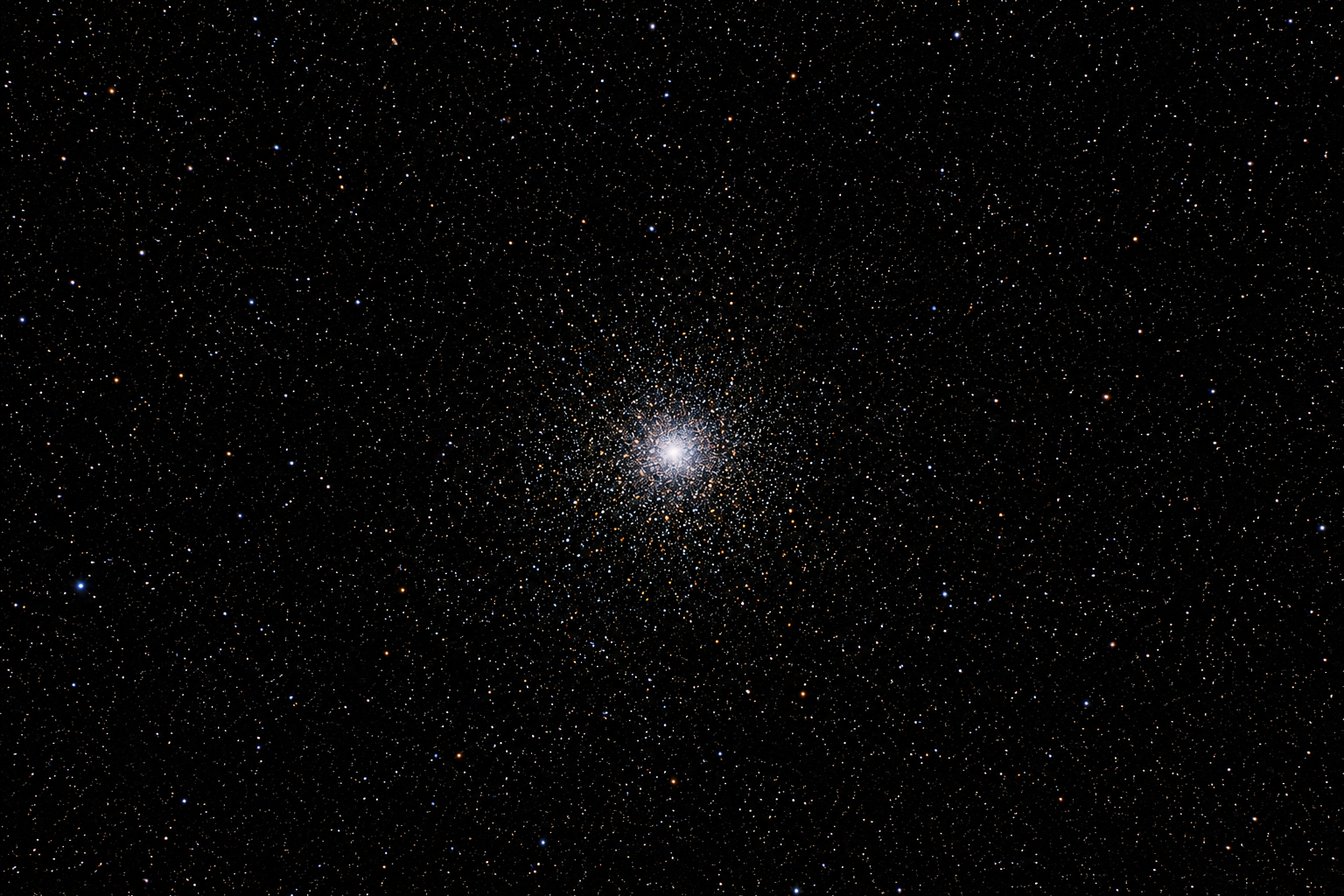
The Pleiades, blue and blazing.

A knot of hot young stars wrapped in the faintest haze of reflected light — best at the lowest power, where the whole cluster drops into a single glittering field.

See The Pleiades through this telescope →
01What it's good at

What it's best at — and the trade-offs.

100 mm of aperture at 400 mm focal length shows lunar craters in relief, Jupiter's belts and four moons, Saturn's rings as a separate ring, and the…
Best at
✓100 mm of aperture at 400 mm focal length shows lunar craters in relief, Jupiter's belts and four moons, Saturn's rings as a separate ring, and the brighter Messier clusters and nebulae
✓The whole telescope weighs 2.8 kg and sits on any table, so it gets carried outside for twenty minutes in a way that a tripod-mounted scope does not
✓There is nothing to assemble, align, power or level: you put it down, point it, and look
✓Still $129.95 new at High Point while remaining stock lasts, and the thin used market is asking about $105, so there is little reason to buy someone else's
Trade-offs
!Orion ceased trading in 2024, so once current retail stock sells through there is no warranty, no spare focuser, no replacement mirror cell and no customer support
!f/4 is very fast, which softens stars at the edge of the field with cheap eyepieces and makes collimation errors obvious
!400 mm of focal length puts a practical magnification ceiling around 100x to 120x, so planets stay small
!The base needs a table or stool at roughly waist height, and a wobbly surface ruins the view more than the optics do
02In plain English

What These Numbers Mean

100mm · f/4 · 400mm FL · Dobsonian
Aperture
100 mm (4 inch)
Four inches of mirror gathers roughly 200 times the light your eye does, which is the point where the Moon stops being a bright disc and becomes a landscape. Expect Jupiter's cloud belts and its four bright moons, Saturn's rings clearly separated from the planet, the Orion Nebula with visible structure, and a few dozen of the brighter Messier objects from a dark site.
Focal length
400 mm
This is a short telescope, which is why it frames wide: the Pleiades, the double cluster and the Andromeda galaxy all fit comfortably in the field. The trade-off is magnification. With the 10 mm eyepiece it supplied you get 40x, and reaching 100x needs a 4 mm eyepiece, so planets stay small even when they are sharp.
Focal ratio
f/4
Very fast, and this is the specification that decides how happy you are with it. Fast optics give bright wide fields, but they demand well-corrected eyepieces; cheap ones show stars smearing into commas at the field edge. They also show collimation errors immediately, so a used example may need the mirrors aligned before it performs.
Optical design
Newtonian reflector
A mirror rather than a lens, so there is no colour fringing around bright objects at any price, which is exactly what a cheap refractor of this size cannot promise. The cost is an open tube that collects dust and dew, and a secondary mirror on a spider that needs occasional alignment.
Weight
2.8 kg
About 6 lb complete, carried in one hand by a child. This number matters more than any optical specification, because the telescope that gets used is the one you can pick up without deciding to. It is also why it survives as a second scope for people who already own something far better.
Mount
Tabletop Dobsonian base
You aim it by pushing it, with no motors, no alignment and nothing to power. It needs a solid surface at about waist height to be comfortable, and a garden table that flexes will shake the image far more than the optics ever limit it. There is no tracking, so at higher powers objects drift out of the field within a minute.
03The Polaris Score

How it scores, and why.

74/100
74/ 100
Orion SkyScanner 100
Performance
65
Ease of use
90
Portability
95
Upgrade potential
40

Polaris weighs optical capability, how easy the scope is to live with, how portable it is, and how far it takes you before you outgrow it — not list price or brand.

04Who it's for

An honest fit check.

Beginners who want a real telescope for the price of a nice dinner
Buy it if you
✓Beginners who want a real telescope for the price of a nice dinner
✓Families and kids, where the scope needs to survive being carried by someone small
✓Experienced observers who want a throwaway grab-and-go to sit beside a larger scope
Look elsewhere if you
!Anyone who wants a warranty, a support line or replaceable parts, because Orion no longer exists
!Observers chasing high-power planetary detail, which 100 mm at 400 mm focal length cannot deliver
!Astrophotographers, since a manual tabletop base cannot track anything
05Build your rig

What to buy next — and where it leads.

4 pieces of gear, ordered by what changes the view most
Observe better
Tame lunar glareGSO Moon Filter 13pct 1.25-inch

Make nebulae popSVBony UHC 1.25-inch

Sharper planets & lunar detailSVBony Redline 9mm Ultra Wide Angle
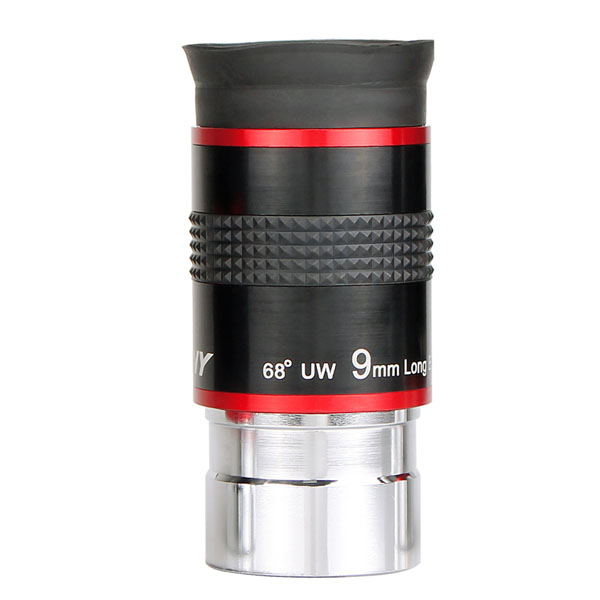
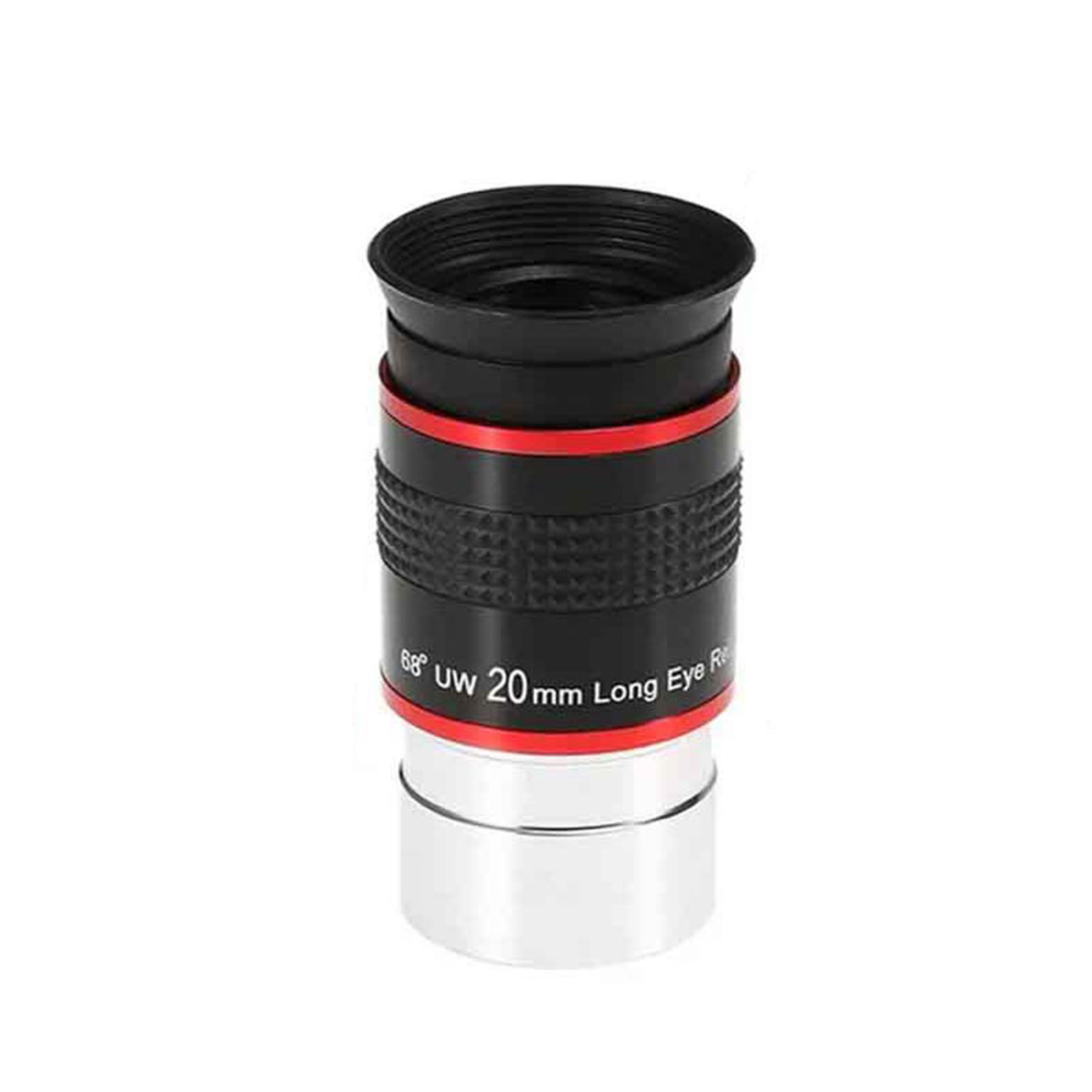
A sharper everyday viewSVBony Redline 20mm Ultra Wide Angle
Lunar & planetary
Excellent
Deep-sky visual
Strong
Astrophotography
Not its purpose, a visual scope
06The numbers

Full specifications.

6 measured and stated values
Optics
Optical DesignNewtonian
Aperture100mm
Focal Length400mm
Focal Ratiof/4
Mount & drive
Mount TypeDobsonian
Physical
Weight2.8 kg