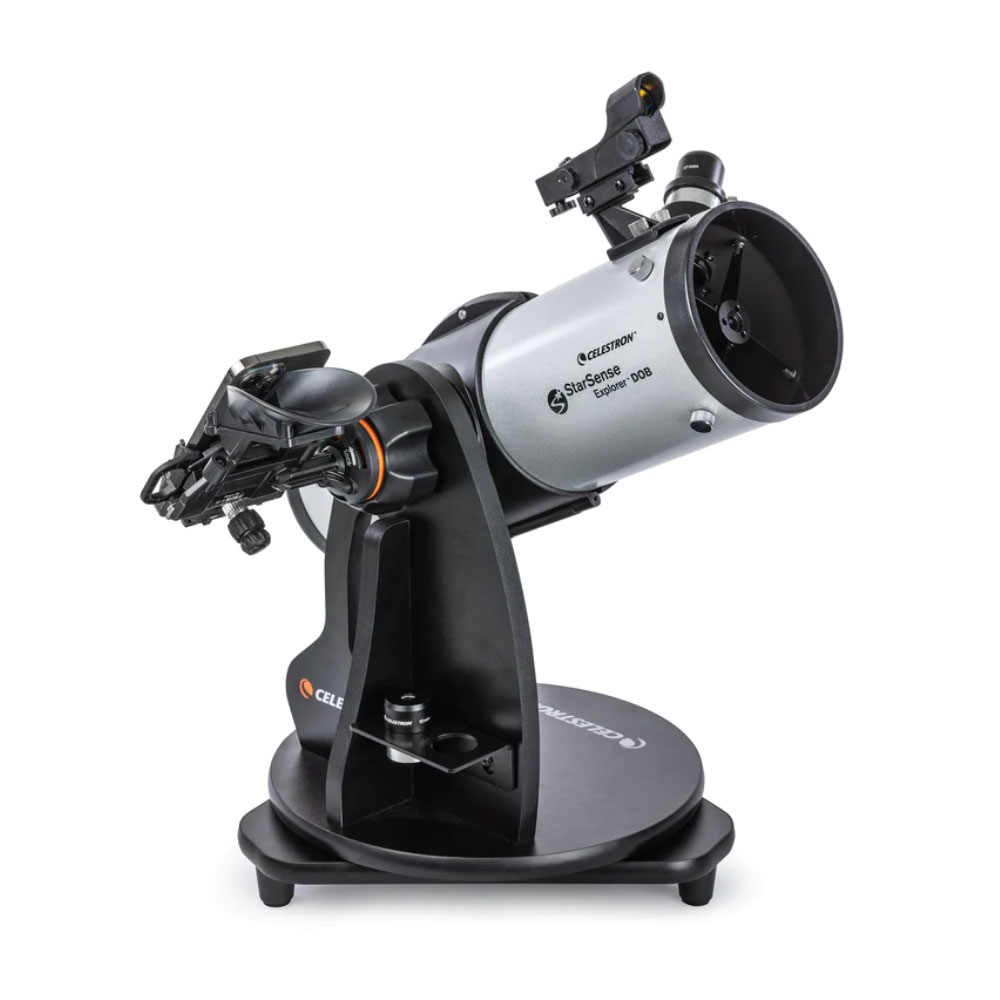
Celestron StarSense Explorer 114mm Tabletop Dobsonian
The StarSense app on a proper parabolic mirror and a stable Dobsonian base: an easy telescope to recommend on its merits and a hard one to recommend on its price, because the same money buys noticeably more aperture without the phone dock.
Lowest in 90 daysLowest ever tracked
Price tracked by PolarisObserved 44 timesTracking since Mar 2026
01What it's good atWhat it's best at — and the trade-offs.
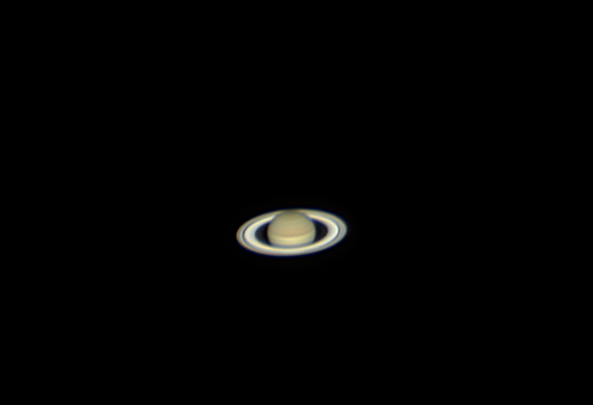
A genuinely parabolic 114 mm mirror, so stars focus to points and the aperture delivers what it should, unlike the Bird-Jones tube in the LT 114AZ
What it's best at — and the trade-offs.
02In plain EnglishWhat These Numbers Mean
114mm · f/4 · 450mm FL · Tabletop Dobsonian (manual)
What These Numbers Mean
03The Polaris ScoreHow it scores, and why.
79/100 · #5 of 5 tabletop Dobsonians
How it scores, and why.
Polaris weighs optical capability, how easy the scope is to live with, how portable it is, and how far it takes you before you outgrow it — not list price or brand.
04Who it's forAn honest fit check.
A first telescope buyer who wants to be shown where things are rather than taught to find…
An honest fit check.
05Build your rigWhat to buy next — and where it leads.
7 pieces of gear, ordered by what changes the view most
What to buy next — and where it leads.
A sharper everyday view★ Top pickApertura Super Wide Angle 15mm
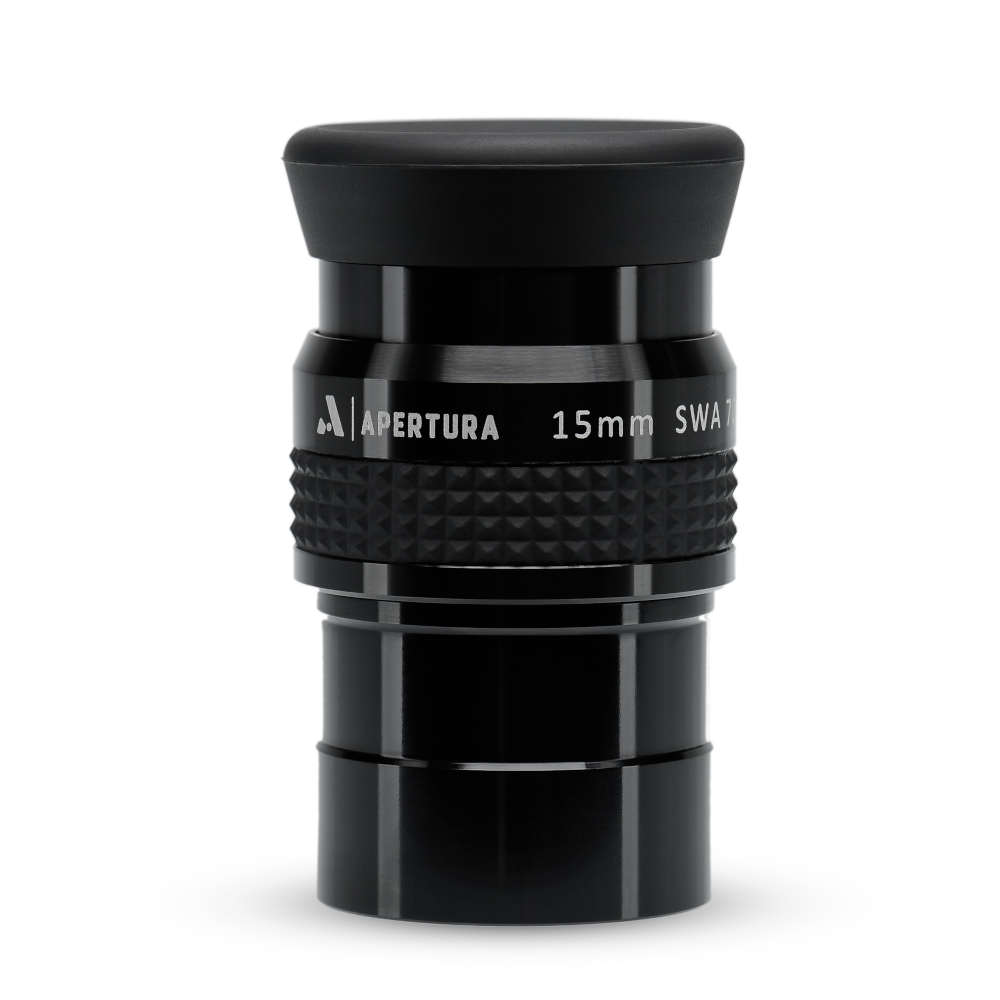
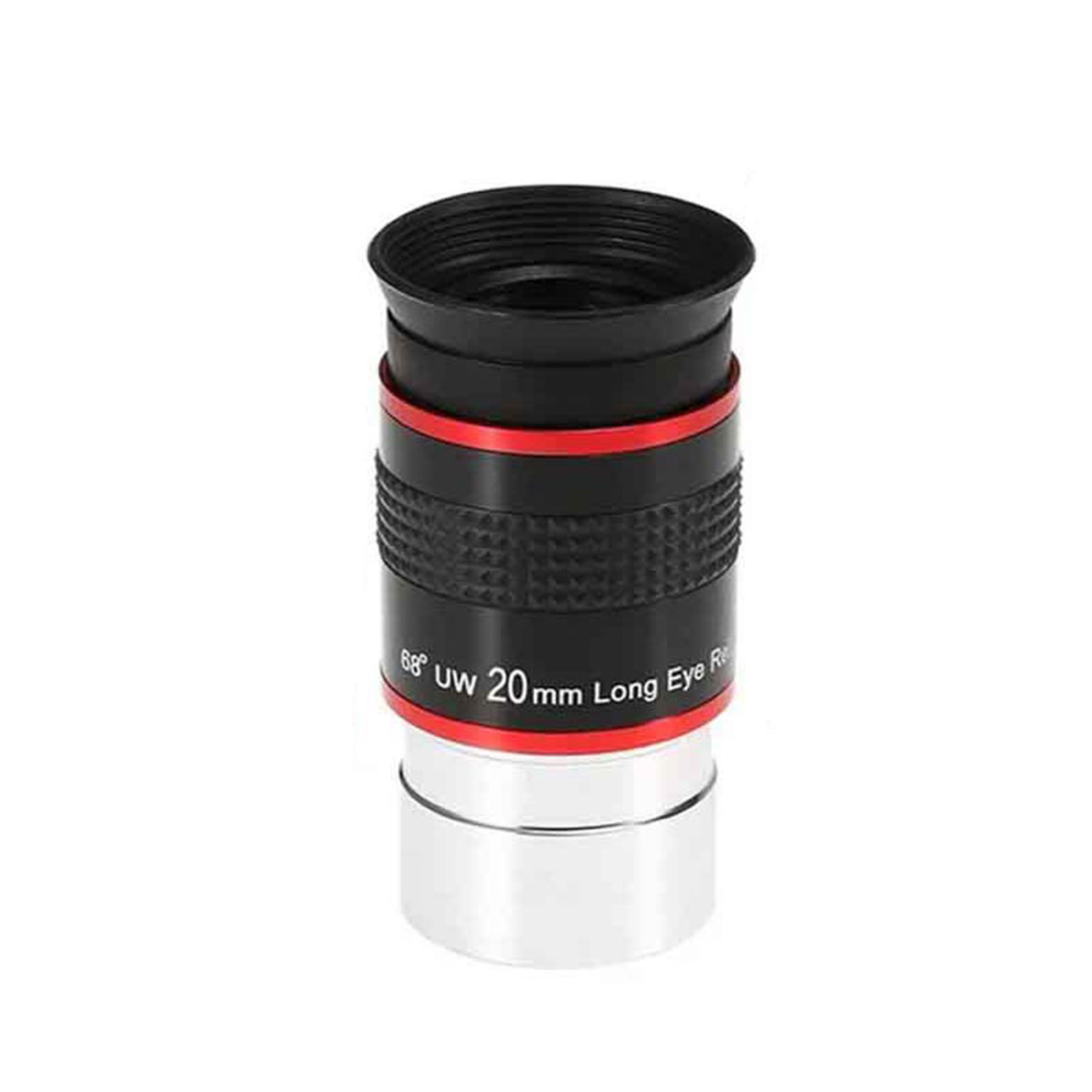
30x with a real field of view, a clear step up from the stock 17 mm Kellner this scope deserves
Sharper planets & lunar detailCelestron X-Cel LX 5mm
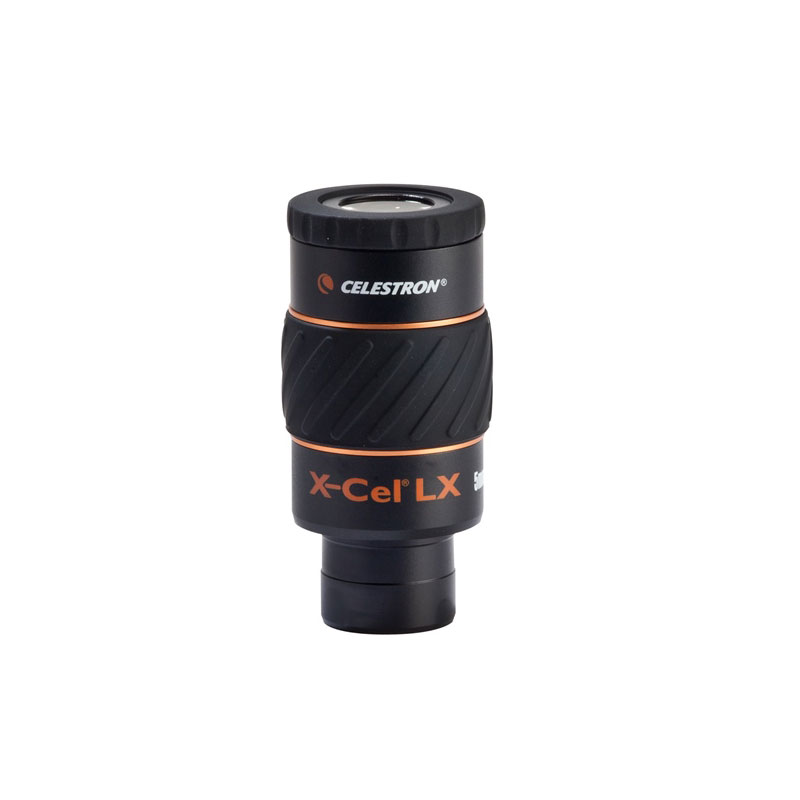
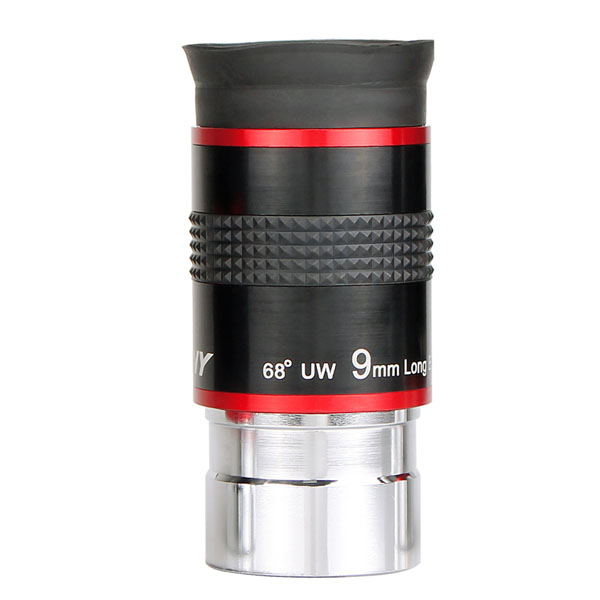
90x for the Moon and planets, where 450 mm of focal length otherwise leaves you short
Tame lunar glareGSO Moon Filter 13pct 1.25-inch
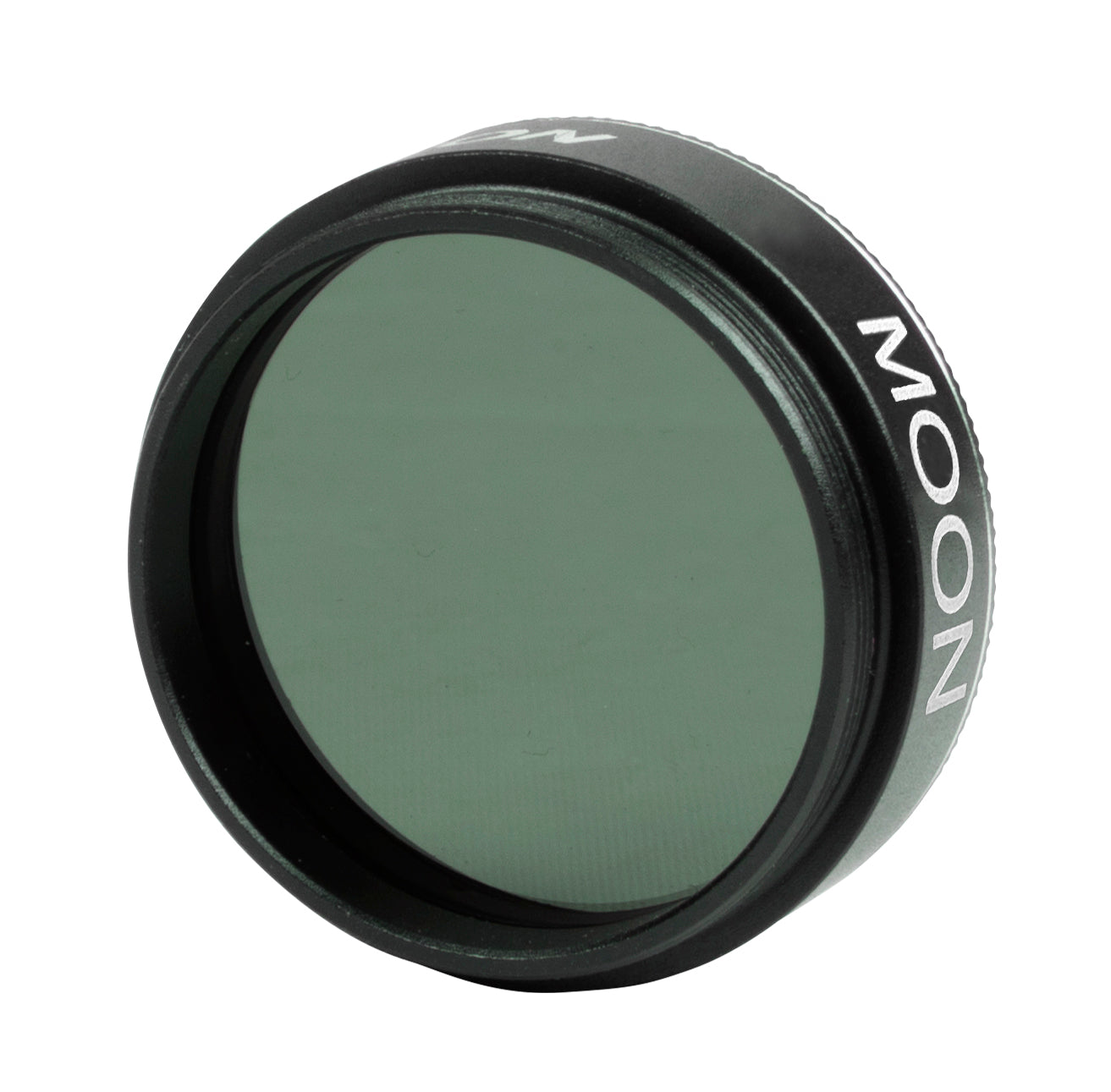
A fast 114 mm mirror makes the Moon dazzling at low power; this tames it without colour
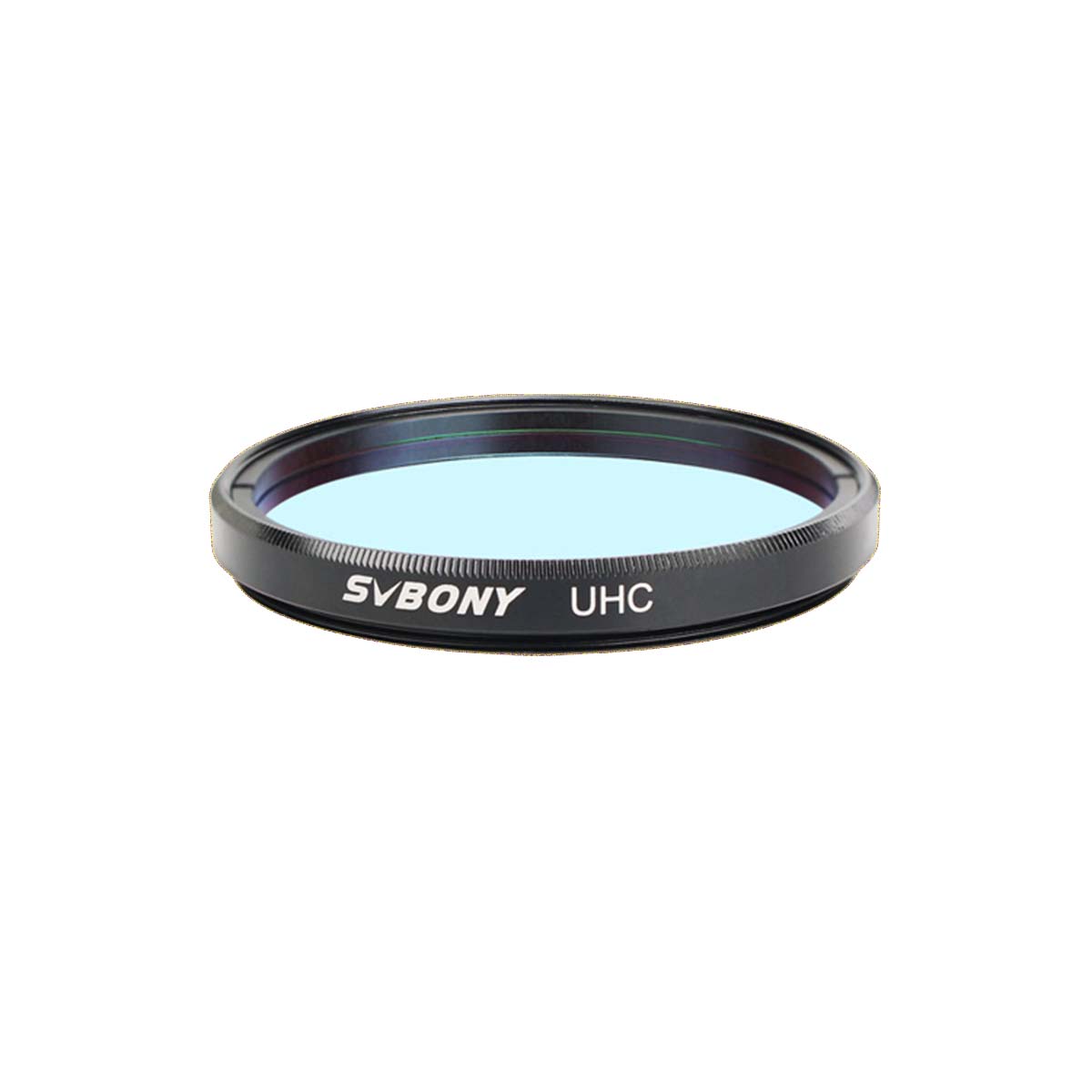
Make nebulae popSVBony UHC 1.25-inch
Sharper planets & lunar detailSVBony Redline 9mm Ultra Wide Angle
A sharper everyday viewSVBony Redline 20mm Ultra Wide Angle
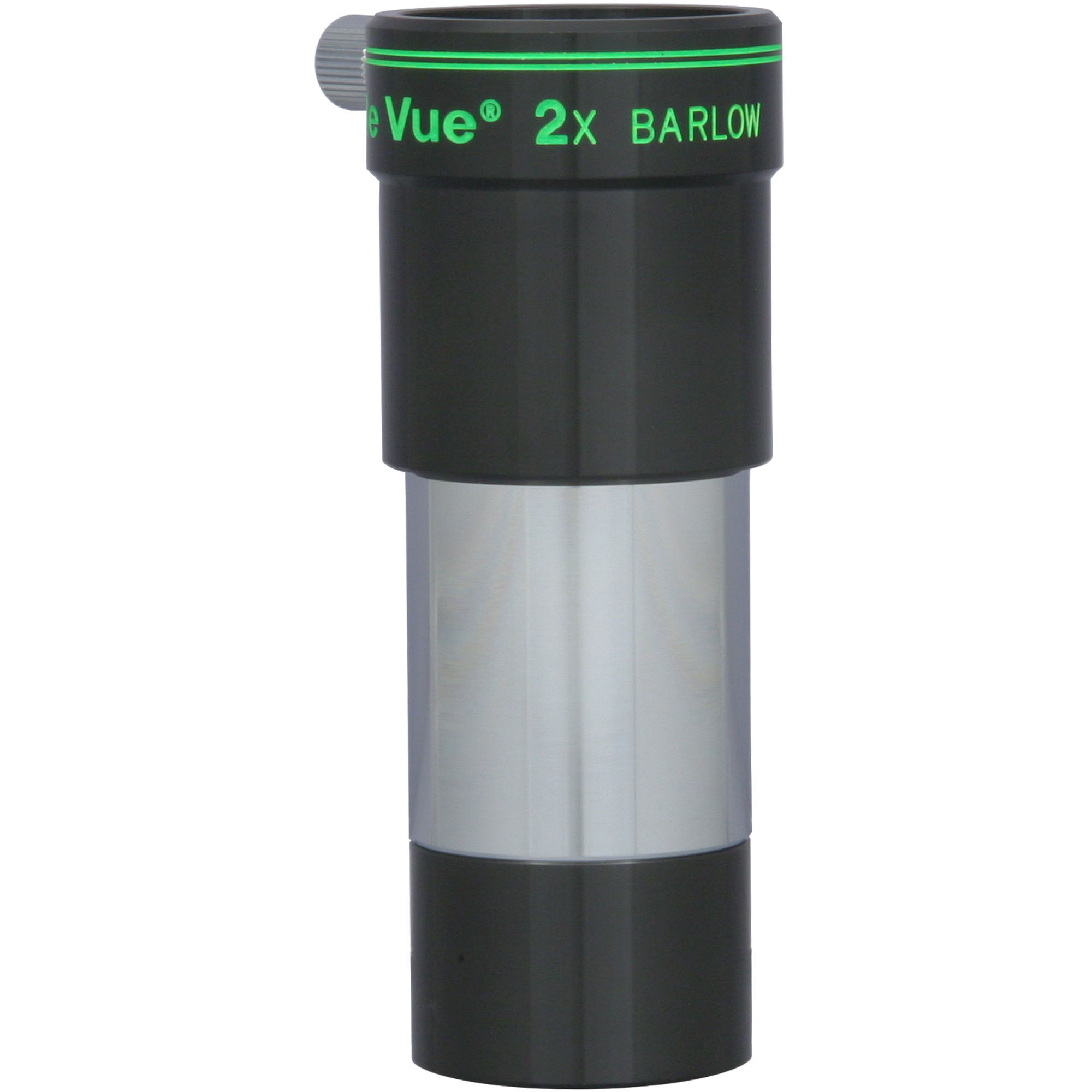
Double your magnificationTele Vue 2x Barlow 1.25-inch
06The numbersFull specifications.
6 measured and stated values
Full specifications.
This is what the StarSense idea looks like when it is attached to a telescope worth using. The mirror is a genuine parabola at f/4, the base is a proper Dobsonian that stays where you point it, a collimation cap is included, and the whole thing weighs less than six kilos. Point your phone at the sky, dock it, and the app walks you to targets with on-screen arrows, which removes the single most common reason first telescopes end up in cupboards. The only real argument against it is arithmetic. At around $340 you are paying roughly a hundred dollars for the StarSense dock over an equivalent plain 114 mm tabletop, and about the same money buys a 150 mm tabletop Dobsonian that will show you meaningfully more, or a 200 mm floor Dobsonian that will show you a great deal more. Whether that trade is worth it depends on an honest answer to one question: will you actually learn to find things yourself, or will the telescope sit unused while you try? If it is the latter, this is money well spent. If it is the former, buy aperture.
07AlternativesFor a different goal, start here.
3 alternatives, each mapped to the goal it wins at
For a different goal, start here.
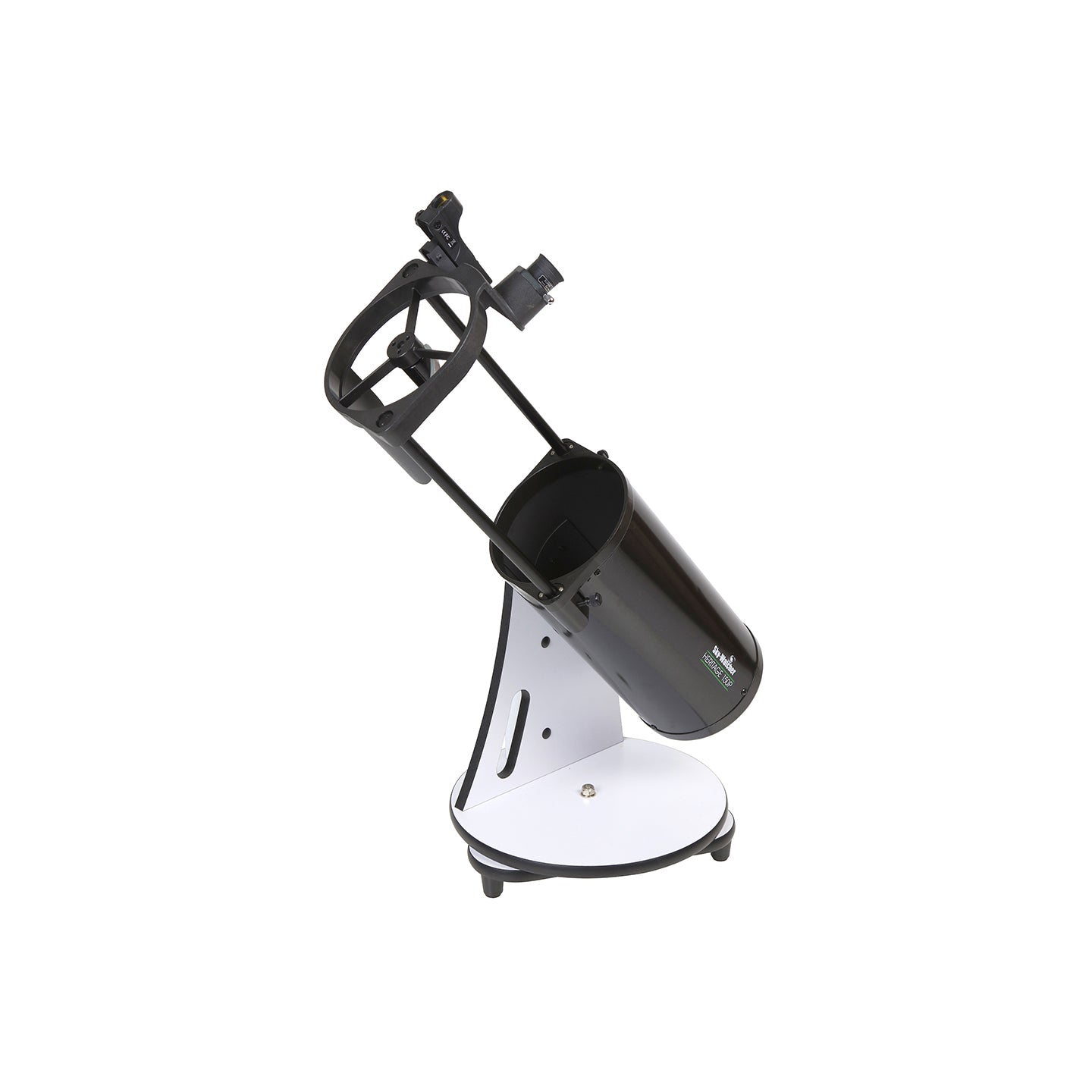
Sky-Watcher Heritage 150P
150 mm on the same tabletop format for a similar price, if you would rather have light grasp than a phone dock
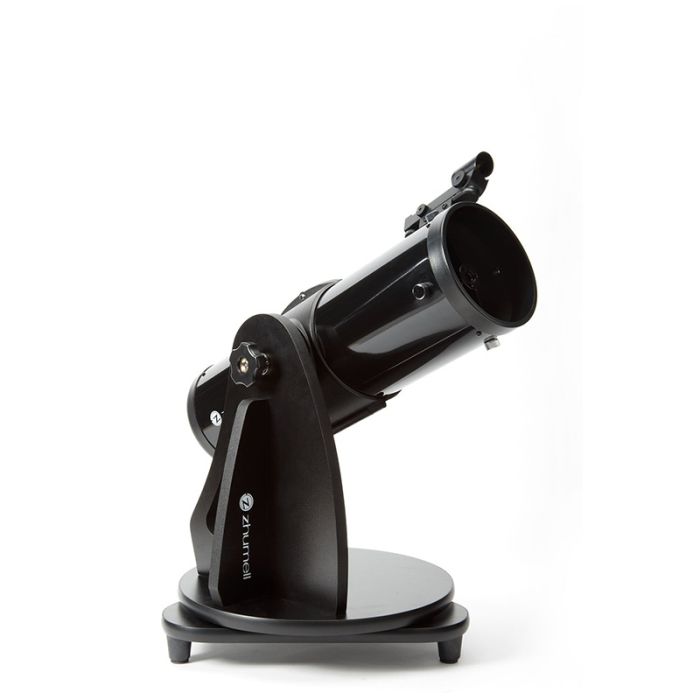
Zhumell Z114 Tabletop Reflector
Essentially this telescope without StarSense, at around $100 less, if you are happy learning to star-hop
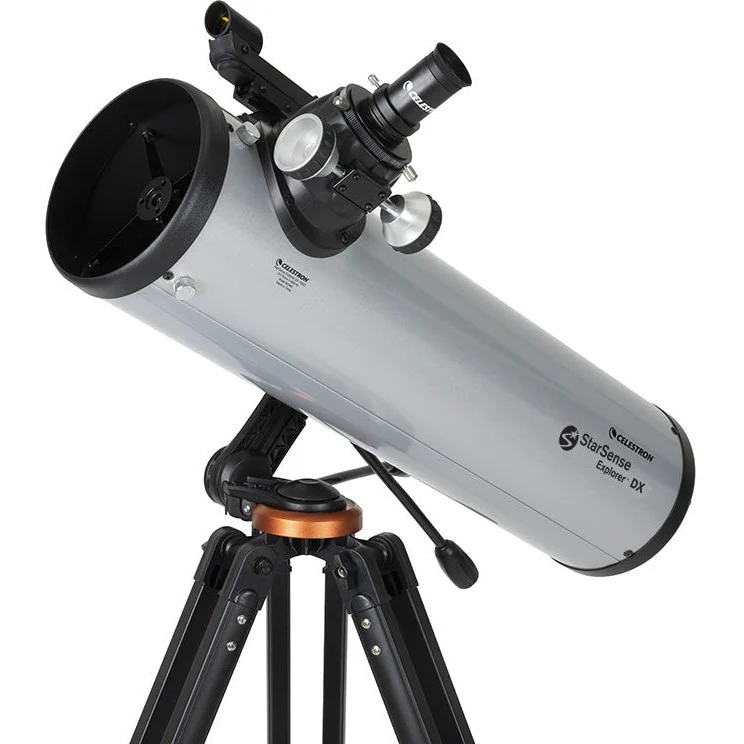
Celestron StarSense Explorer DX 130AZ
130 mm f/5 with slow-motion controls if you need a full-height tripod rather than a tabletop base