Celestron NexStar 127SLT — image 1
Celestron

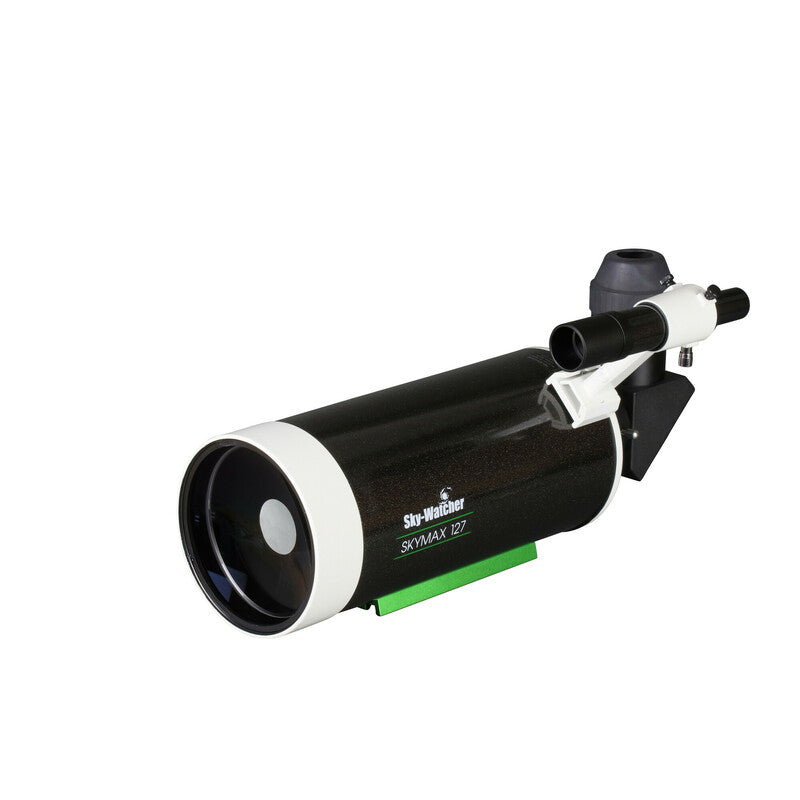
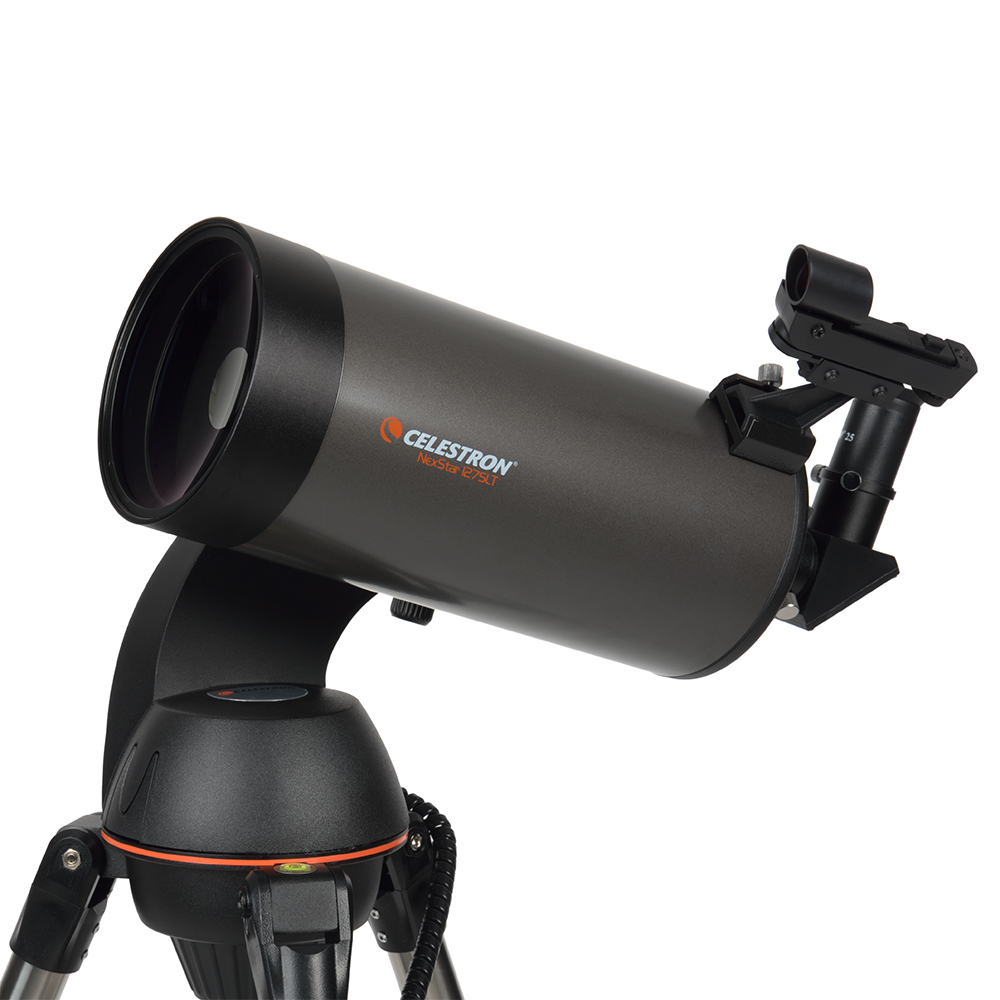
Celestron NexStar 127SLT

A 5-inch Maksutov on Celestron's lightweight SLT GoTo mount: the most planetary aperture you can get in a computerized Celestron at this price, as long as you accept a mount that is working near its limit.

78/ 100
Polaris Score
Performance · ease · portability · upgrade path
See the breakdown ↓
Aperture
127mm
Focal Length
1500mm
Focal Ratio
f/12
Mount Type
Motorized Alt-Azimuth GoTo
Optical Design
Maksutov-Cassegrain
Weight
8.5 kg
From$749.95

Price tracked by PolarisObserved 3 timesTracking since Mar 2026

Try in simulator →
What it's built forOpen these in the simulator →

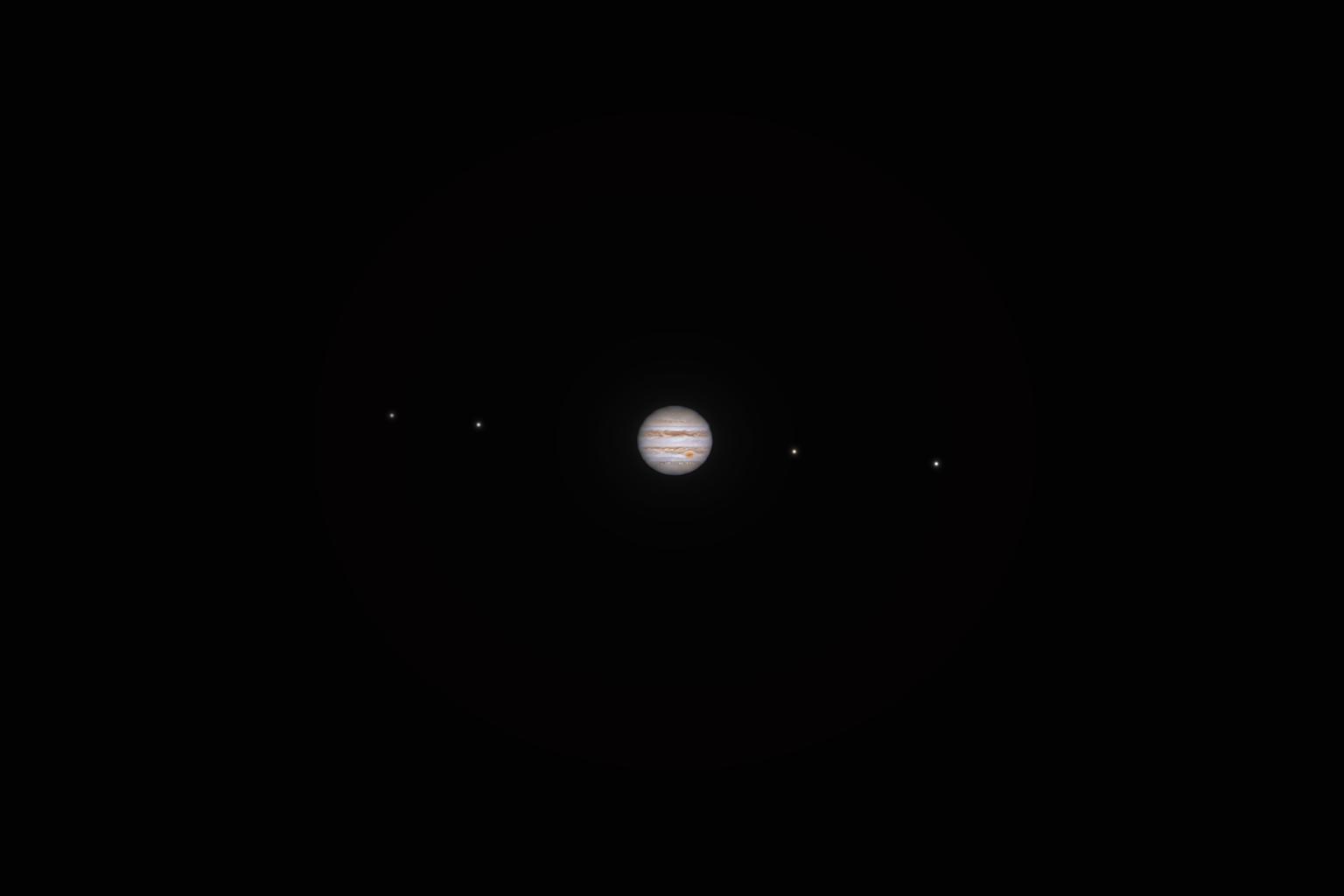
This telescope lives for the planets.

An f/12 focal length built to magnify. Where fast scopes sweep wide, this one holds a single planet rock-steady at high power — a telescope for the patient observer on a steady night.

Sweet spot 100–160×Loves steady seeing
The view people remember

Saturn, with its rings tilted wide.

The one you call people outside to see — the rings standing clear of the planet, the Cassini Division a clean black line drawn around them.

See Saturn through this telescope →
01What it's good at

What it's best at — and the trade-offs.

127 mm of Maksutov aperture at 1500 mm shows Jupiter's cloud belts, Saturn's Cassini Division and lunar craterlets at magnifications a short tube rarely…
Best at
✓127 mm of Maksutov aperture at 1500 mm shows Jupiter's cloud belts, Saturn's Cassini Division and lunar craterlets at magnifications a short tube rarely reaches.
✓The GoTo mount keeps targets centered at 150x and above, where an untracked view drifts out of the field in under a minute.
✓The sealed Maksutov tube holds collimation indefinitely, so there is no mirror alignment to learn before the first night.
✓The whole kit weighs about 8.5 kg and carries out in one trip, which makes short weeknight planetary sessions realistic.
Trade-offs
!The 8.7 lb tube is just over the mount's rated 8 lb load, so expect a second or two of shake after focusing at high power.
!The narrow f/12 field means large objects such as the Andromeda Galaxy and the Pleiades will not fit in the eyepiece.
!The mount runs on eight AA batteries that drain quickly in the cold, so a power supply is close to essential.
!The closed tube needs 30 to 45 minutes to cool before planets look their sharpest.
02In plain English

What These Numbers Mean

127mm · f/12 · 1500mm FL · Motorized Alt-Azimuth GoTo
Aperture
127 mm (5 inch)
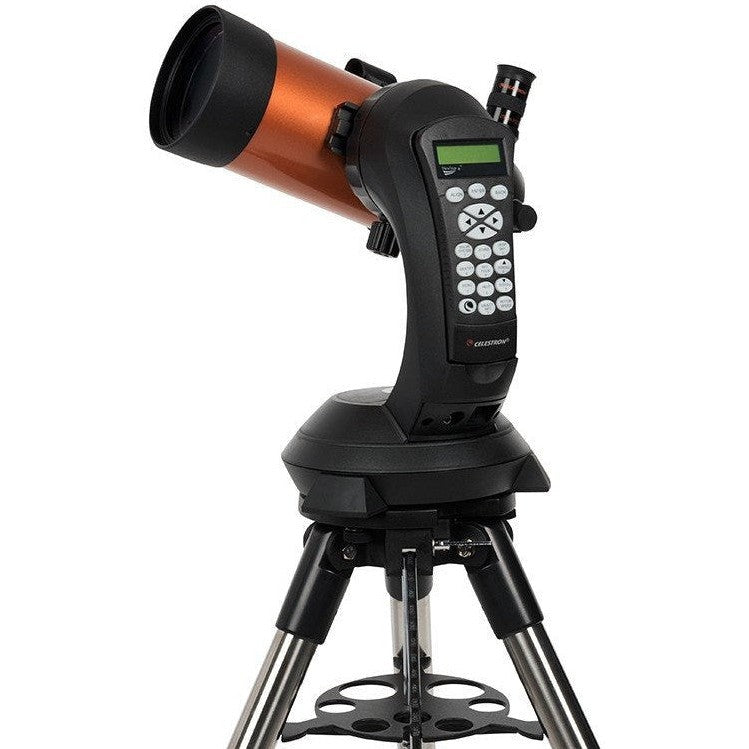
Five inches gathers about 55 percent more light than the 102 mm Maksutov in the NexStar 4SE, which shows as finer planetary detail and tighter double-star splits. It brings the brighter globular clusters and the Ring Nebula into range, while faint galaxies stay dim.
Focal length
1500 mm
A 10 mm eyepiece gives 150x with no Barlow, so planetary magnification comes easily. The same long focal length frames Jupiter, Saturn and individual lunar craters naturally, but anything wider than about half a degree overflows the view.
Focal ratio
f/12
Slow optics are forgiving: inexpensive eyepieces stay sharp to the edge and focus is easy to find. The cost is a narrow, dim view of extended deep-sky objects, which is why this is a Moon, planets and doubles telescope first.
Optical design
Maksutov-Cassegrain
A thick meniscus corrector seals the tube and holds the optics permanently aligned, so there is no collimation and almost no maintenance. Its trade-off against a Newtonian of similar size is a much narrower field and a longer wait for the glass to cool.
Mount
SLT single-arm alt-azimuth GoTo
The mount finds and tracks over 40,000 objects, but it is rated for 8 lb and this tube weighs 8.7. Views settle after a moment, and a touch on the focuser at 150x makes the image wobble briefly. The tube's CG-5 dovetail lets it move to a sturdier mount later.
Cooldown
30–45 minutes
Until the corrector and mirror reach outdoor temperature, warm air inside the sealed tube softens planetary detail. Carry it out when you start dinner, not when you want to observe, and the planets will be noticeably sharper.
03The Polaris Score

How it scores, and why.

78/100
78/ 100
Celestron NexStar 127SLT
Performance
80
Ease of use
82
Portability
80
Upgrade potential
60

Polaris weighs optical capability, how easy the scope is to live with, how portable it is, and how far it takes you before you outgrow it — not list price or brand.

04Who it's for

An honest fit check.

Lunar and planetary observers who want GoTo and tracking in a compact package
Buy it if you
✓Lunar and planetary observers who want GoTo and tracking in a compact package
✓Beginners who would rather the telescope find things than learn star-hopping first
✓Apartment or balcony observers who need a short tube and a light, one-trip kit
Look elsewhere if you
!Deep-sky observers who want wide fields, since f/12 cannot frame large nebulae or the Pleiades
!Anyone who wants a rock-steady view at high power, since the light mount shakes after every touch
!Long-exposure astrophotographers, since the alt-azimuth mount cannot track without field rotation
05Build your rig

What to buy next — and where it leads.

7 pieces of gear, ordered by what changes the view most
Recommended upgrades
Observe all night, no AA batteries★ Top pickCelestron PowerTank Lithium
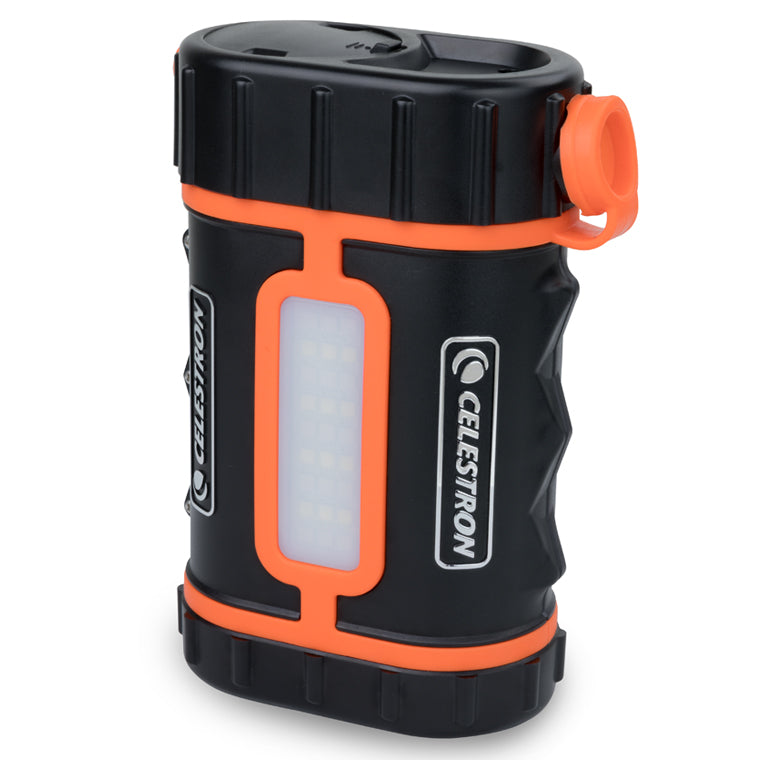
Runs the GoTo mount all night instead of draining eight AA batteries

A sharper everyday viewCelestron X-Cel LX 12mm
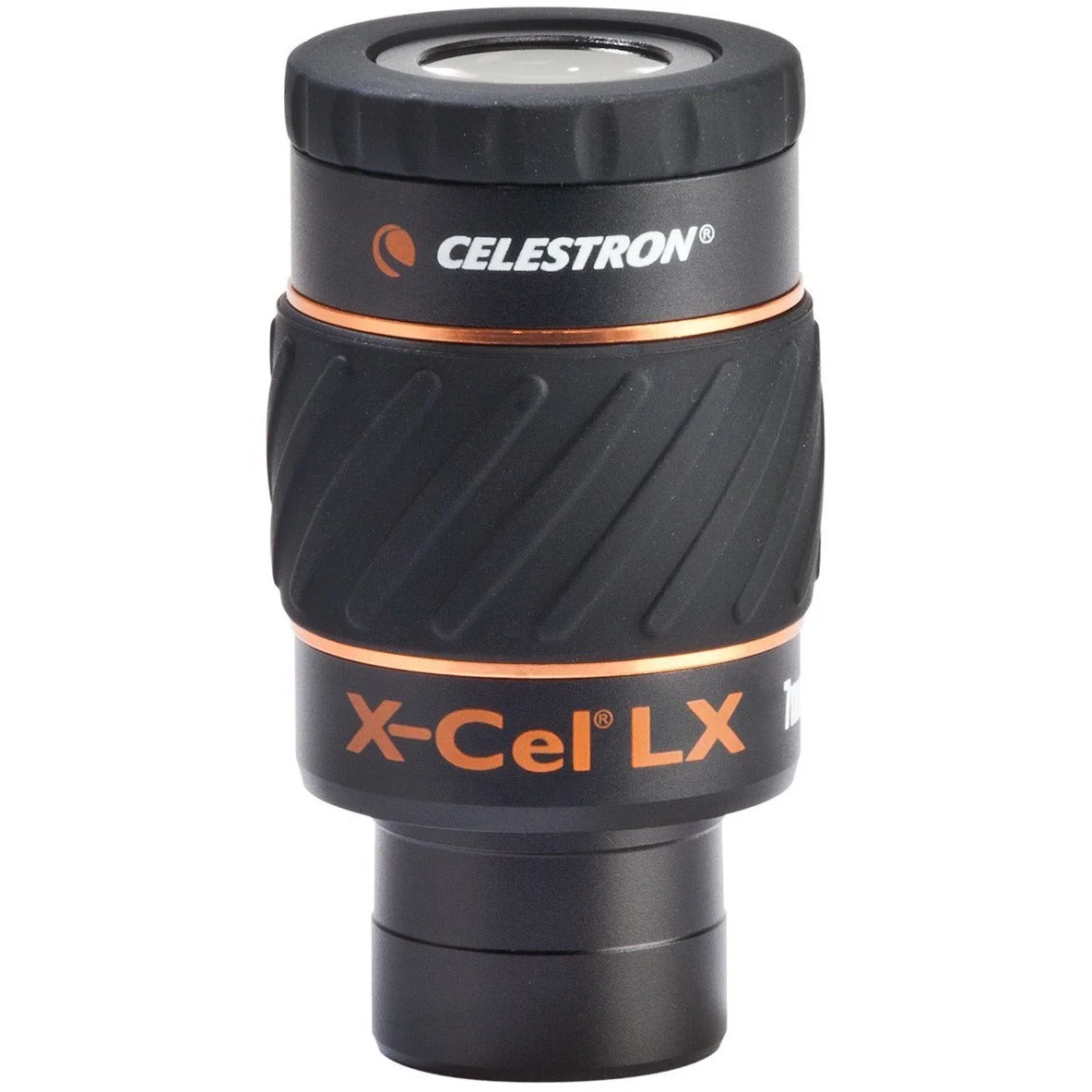
125x on this tube, the magnification you will use most on the planets

Tame lunar glareGSO Moon Filter 13pct 1.25-inch

Cuts the glare of a full Moon through five inches of aperture

Imaging path
Visual observing tonightMotorized Alt-Azimuth GoTo✓ Included

Ships with this telescope — point-and-track for visual sessions, no extra setup.

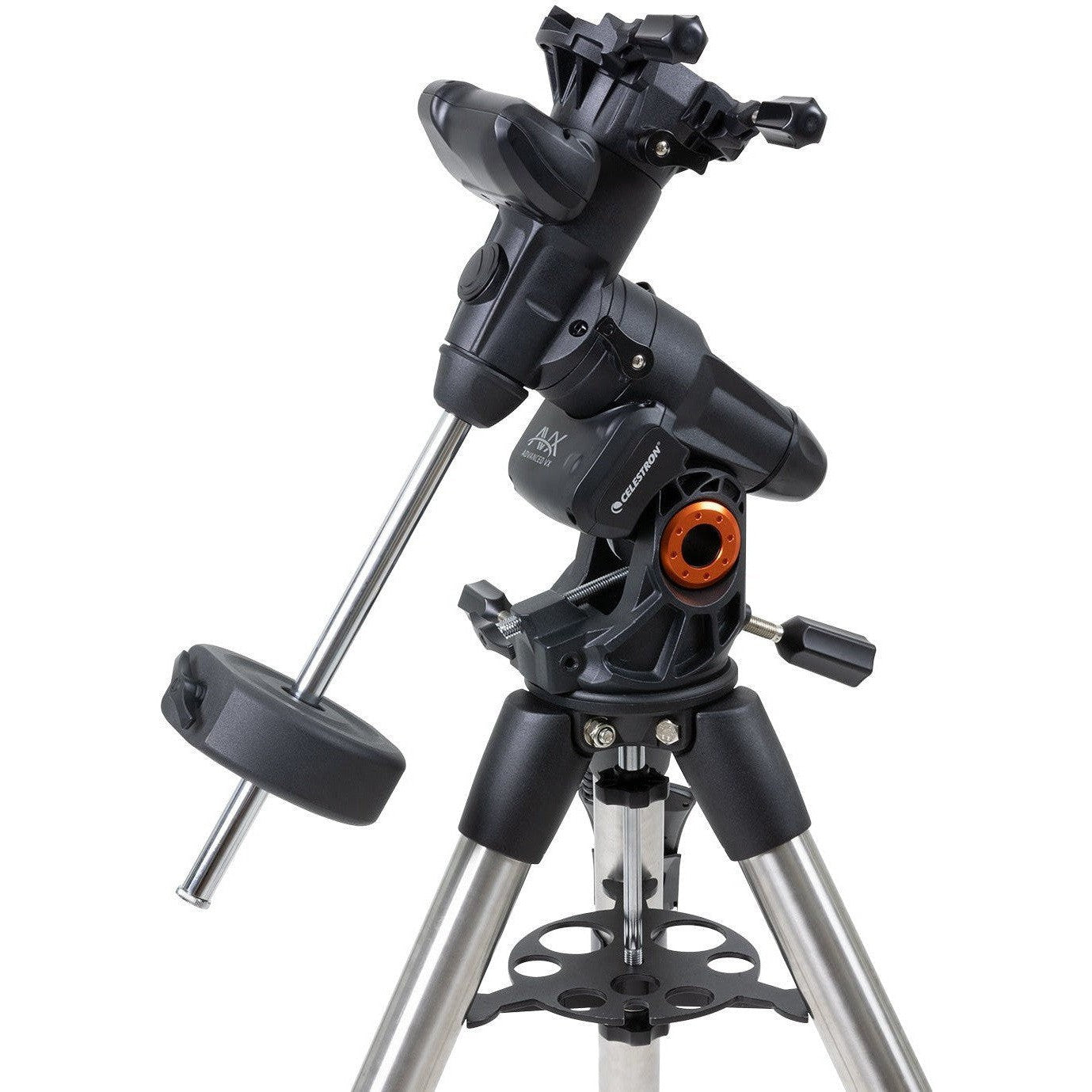
Better tracking & light imagingCelestron Advanced VX (AVX) Equatorial Mount✓ Compatible
Portable astrophotographyZWO AM5N Harmonic Equatorial Mount✓ Compatible

Start imagingZWO ASI662MC
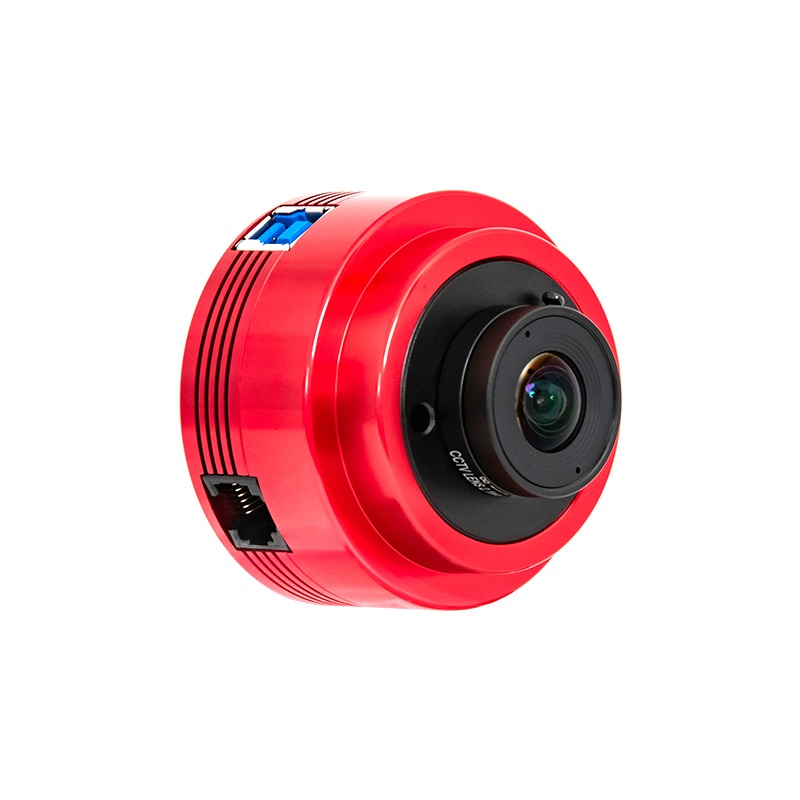
Lunar & planetary
Excellent
Deep-sky visual
Narrow field
Astrophotography
Lunar and planetary only
06The numbers

Full specifications.

6 measured and stated values
Optics
Optical DesignMaksutov-Cassegrain
Aperture127mm
Focal Length1500mm
Focal Ratiof/12
Mount & drive
Mount TypeMotorized Alt-Azimuth GoTo
Physical
Weight8.5 kg
Editor’s Take

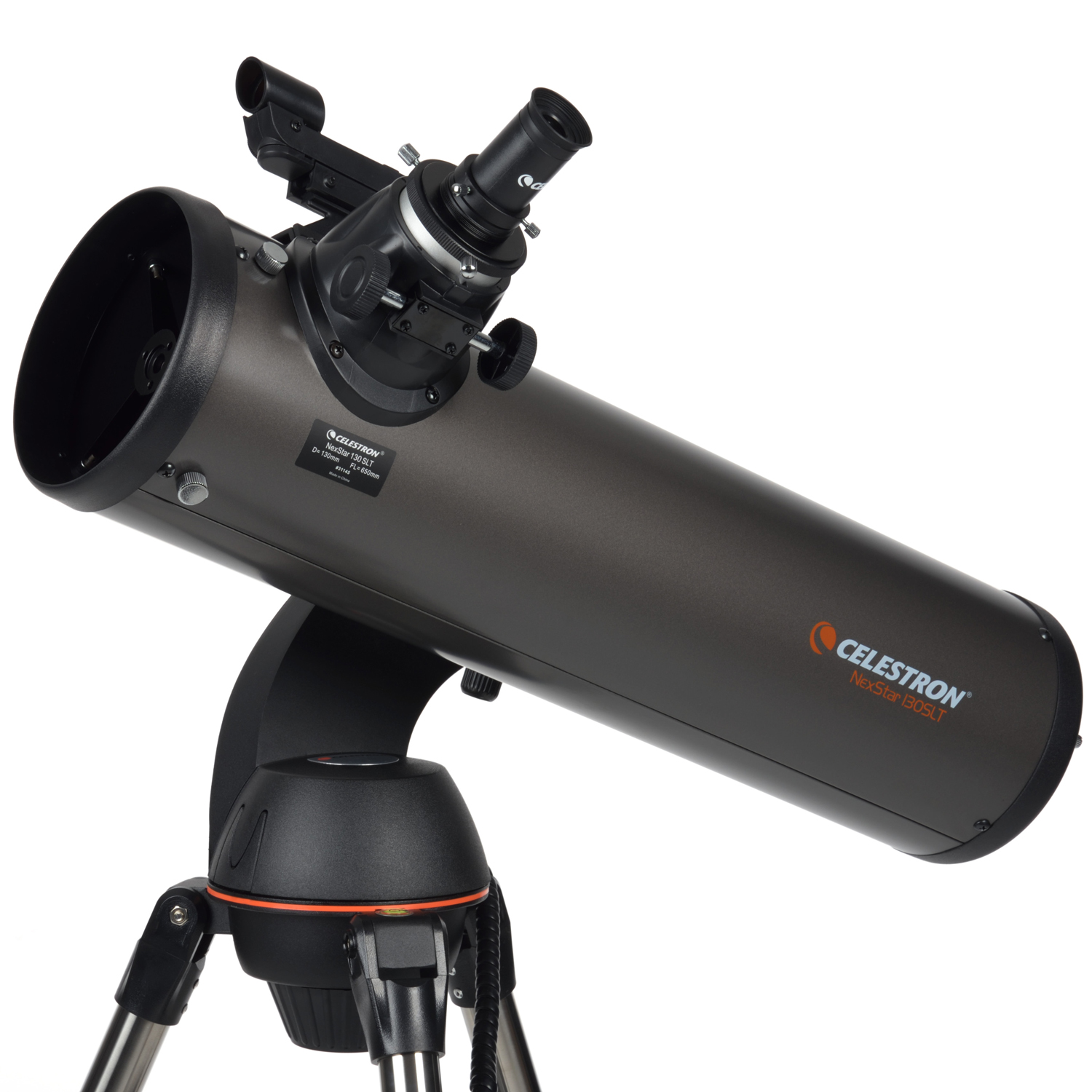
The 127SLT pairs a 127 mm Maksutov-Cassegrain ("Mak"), a sealed design that folds 1500 mm of focal length into a 15-inch tube, with the same single-arm GoTo mount Celestron uses on the 130SLT. After a short SkyAlign the mount finds and tracks the Moon, planets and double stars for you, and the Mak's long focal length gives sharp, high-contrast views of them with almost no maintenance. The catch is the pairing: the tube weighs slightly more than the mount's rated load, so the image shakes for a moment after every focus touch. It costs the same as the NexStar 4SE, which has a steadier mount and a smaller tube; the 127SLT is the choice when the extra inch of aperture matters more to you than the steadiness.

— The Skynocular verdict