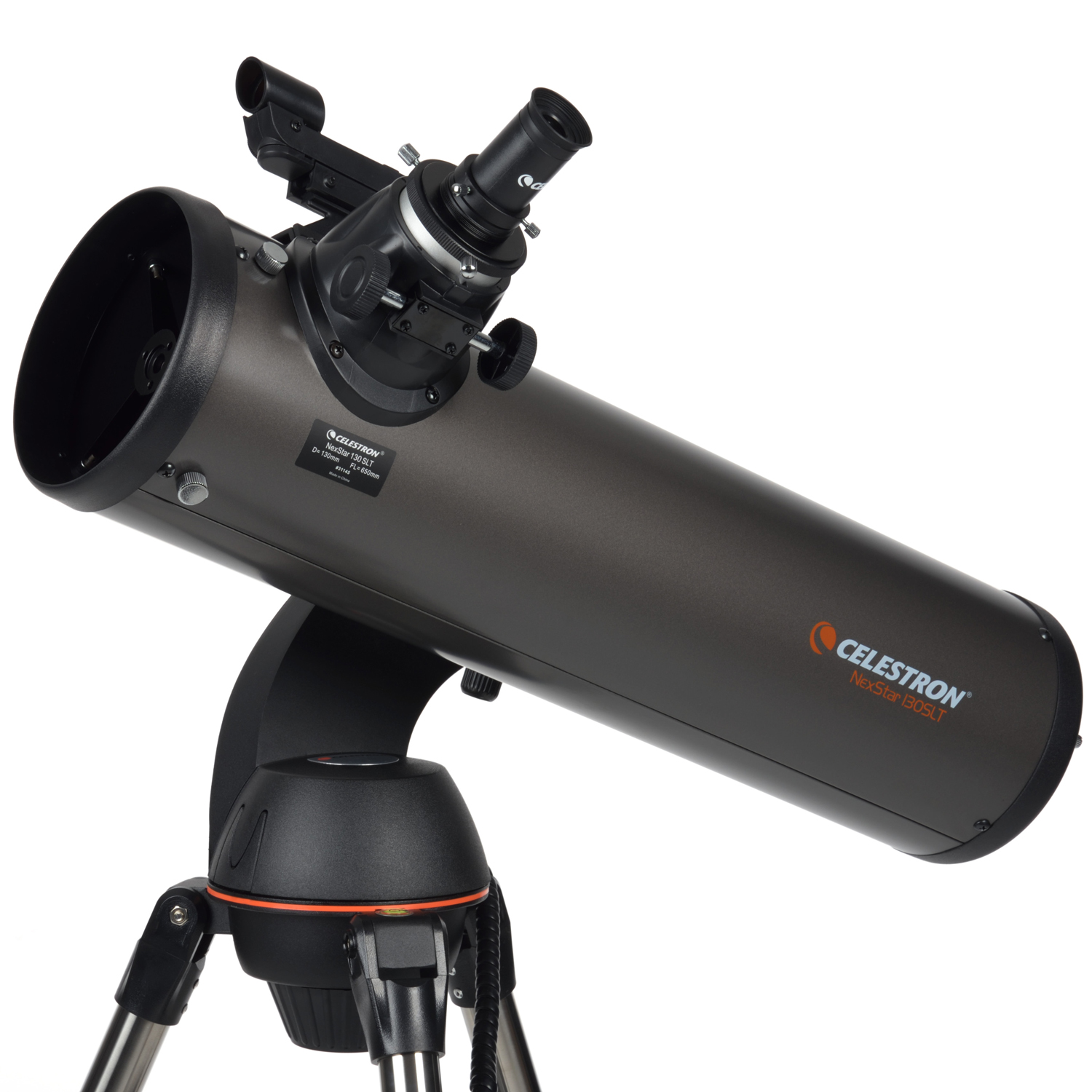
Celestron NexStar 130 SLT Computerized Telescope
A 130 mm f/5 reflector on Celestron's entry GoTo mount: the cheapest way to get real light grasp and a motorised object finder in the same box, as long as you accept a tripod that is working near its limit.
Lowest in 90 daysLast $619.95 in Mar 2026
Price tracked by PolarisObserved 29 timesTracking since Mar 2026




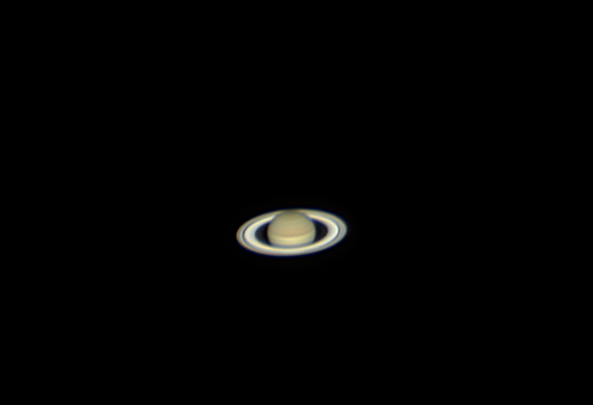
01What it's good atWhat it's best at — and the trade-offs.
130 mm of aperture gathers roughly 62 percent more light than the 102 mm NexStar 4SE at a similar price, which is the difference between seeing a galaxy…
What it's best at — and the trade-offs.
02In plain EnglishWhat These Numbers Mean
130mm · f/5 · 650mm FL · Motorized Alt-Azimuth GoTo
What These Numbers Mean
03The Polaris ScoreHow it scores, and why.
76/100 · #4 of 6 entry computerized telescopes
How it scores, and why.
Polaris weighs optical capability, how easy the scope is to live with, how portable it is, and how far it takes you before you outgrow it — not list price or brand.
04Who it's forAn honest fit check.
Beginners who want the telescope to do the finding and would rather learn the sky slowly
An honest fit check.
05Build your rigWhat to buy next — and where it leads.
7 pieces of gear, ordered by what changes the view most
What to buy next — and where it leads.
Observe all night, no AA batteries★ Top pickCelestron PowerTank Lithium
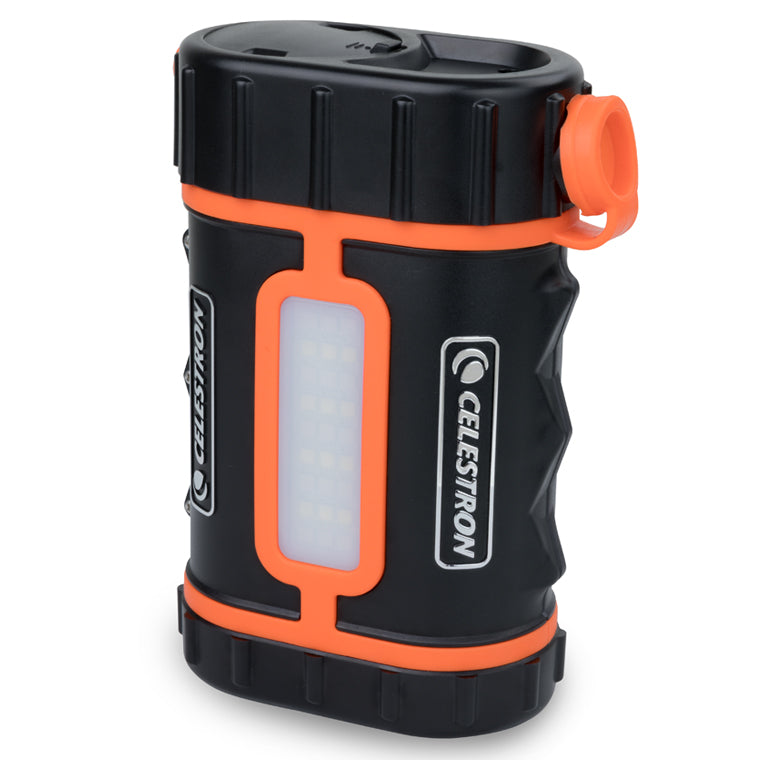
The mount runs on eight AA batteries that die in a couple of hours; a lithium pack runs the GoTo all night
A sharper everyday viewExplore Scientific 68deg 24mm
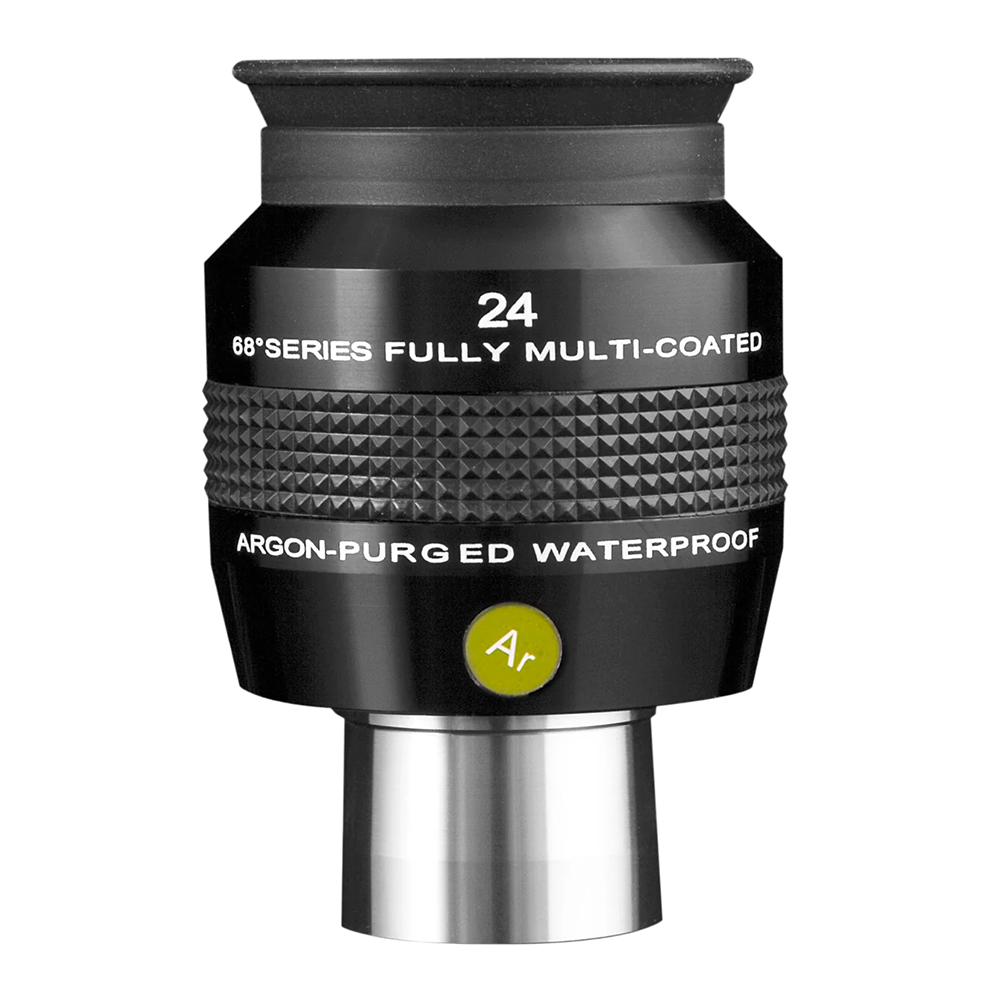
At 27x it gives the widest true field this f/5 tube can produce, which is where the 130SLT looks its best
Sharper planets & lunar detailCelestron X-Cel LX 7mm
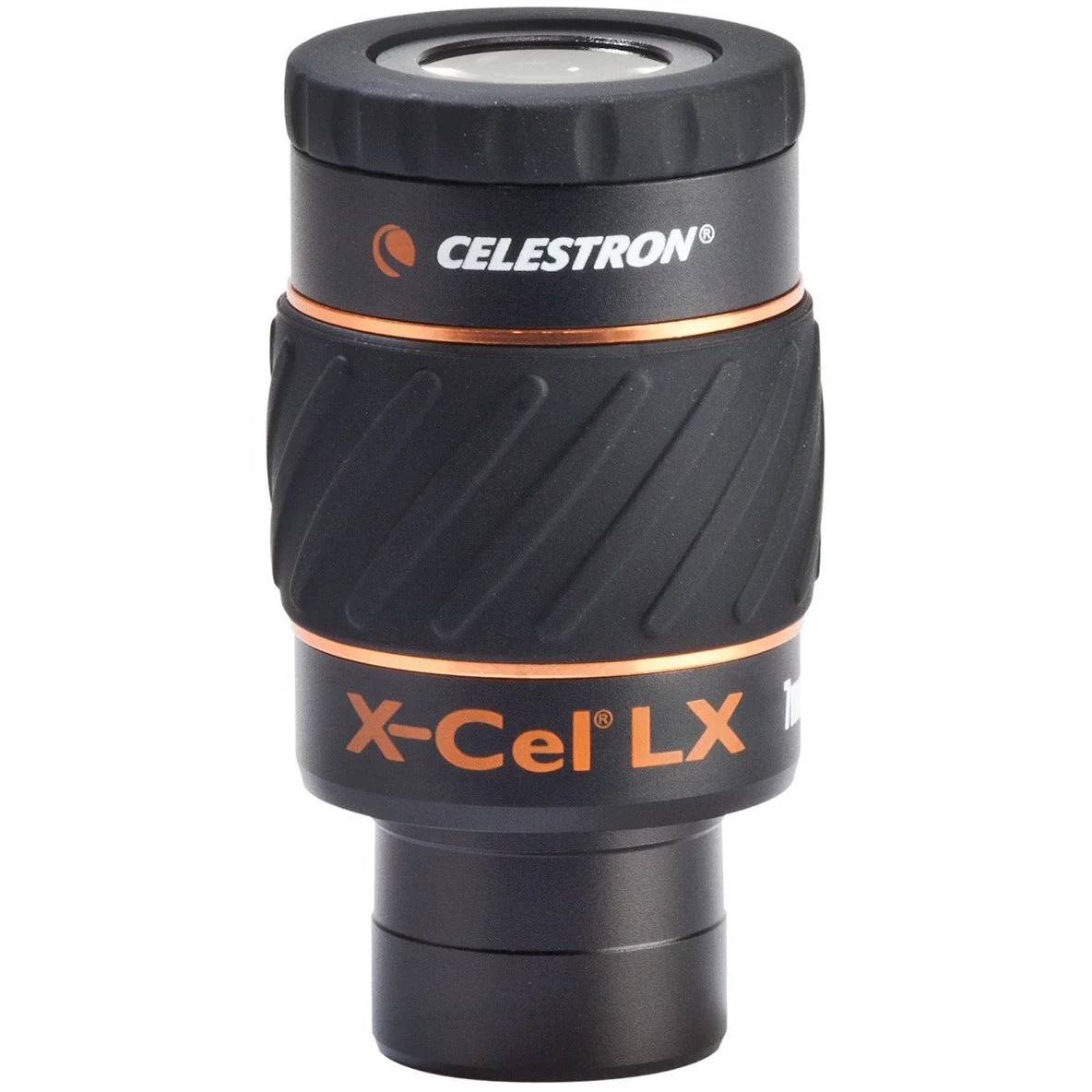
93x with real eye relief, a large step up from the bundled 9mm for the Moon and planets
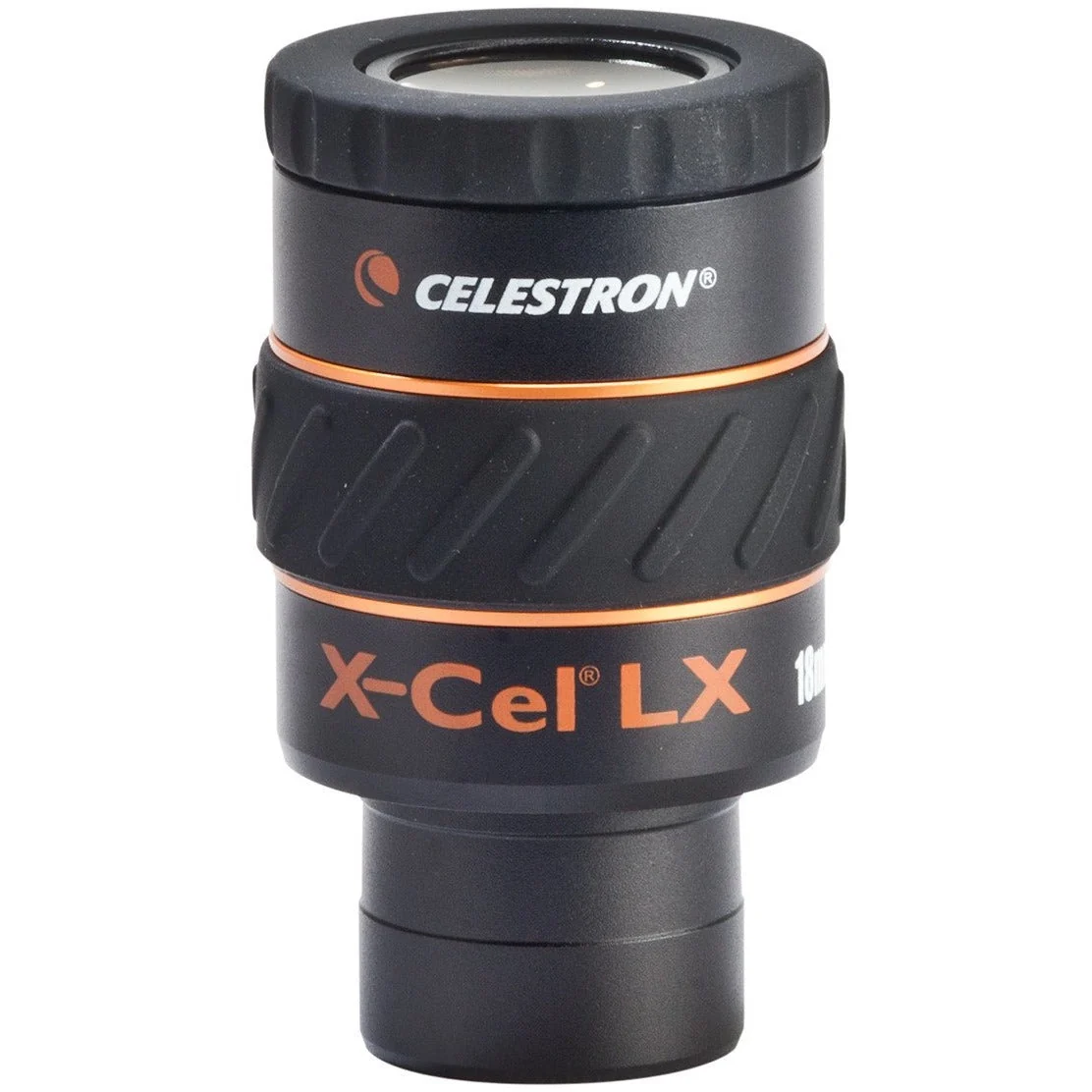
A sharper everyday viewCelestron X-Cel LX 18mm
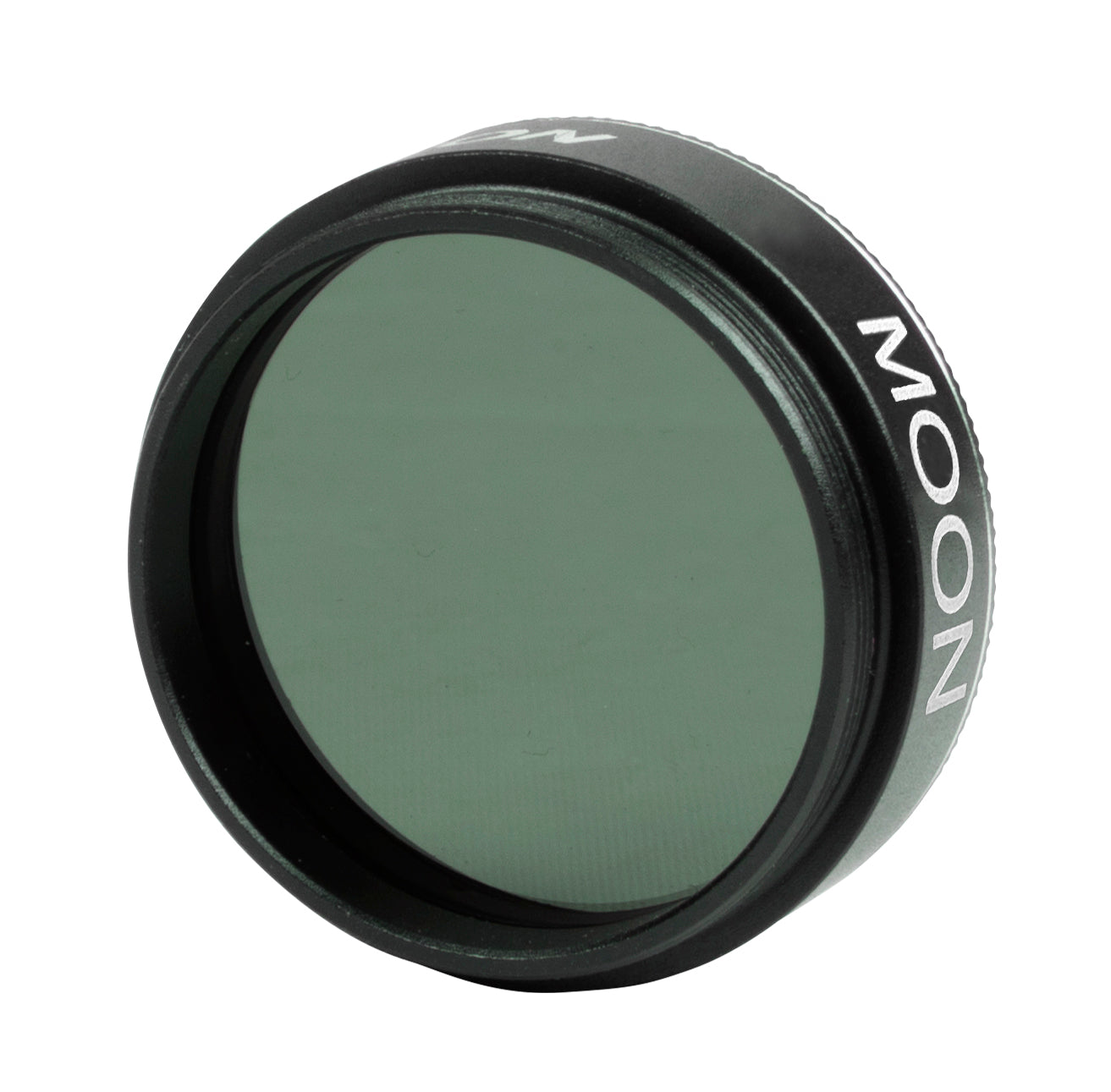
Tame lunar glareGSO Moon Filter 13pct 1.25-inch
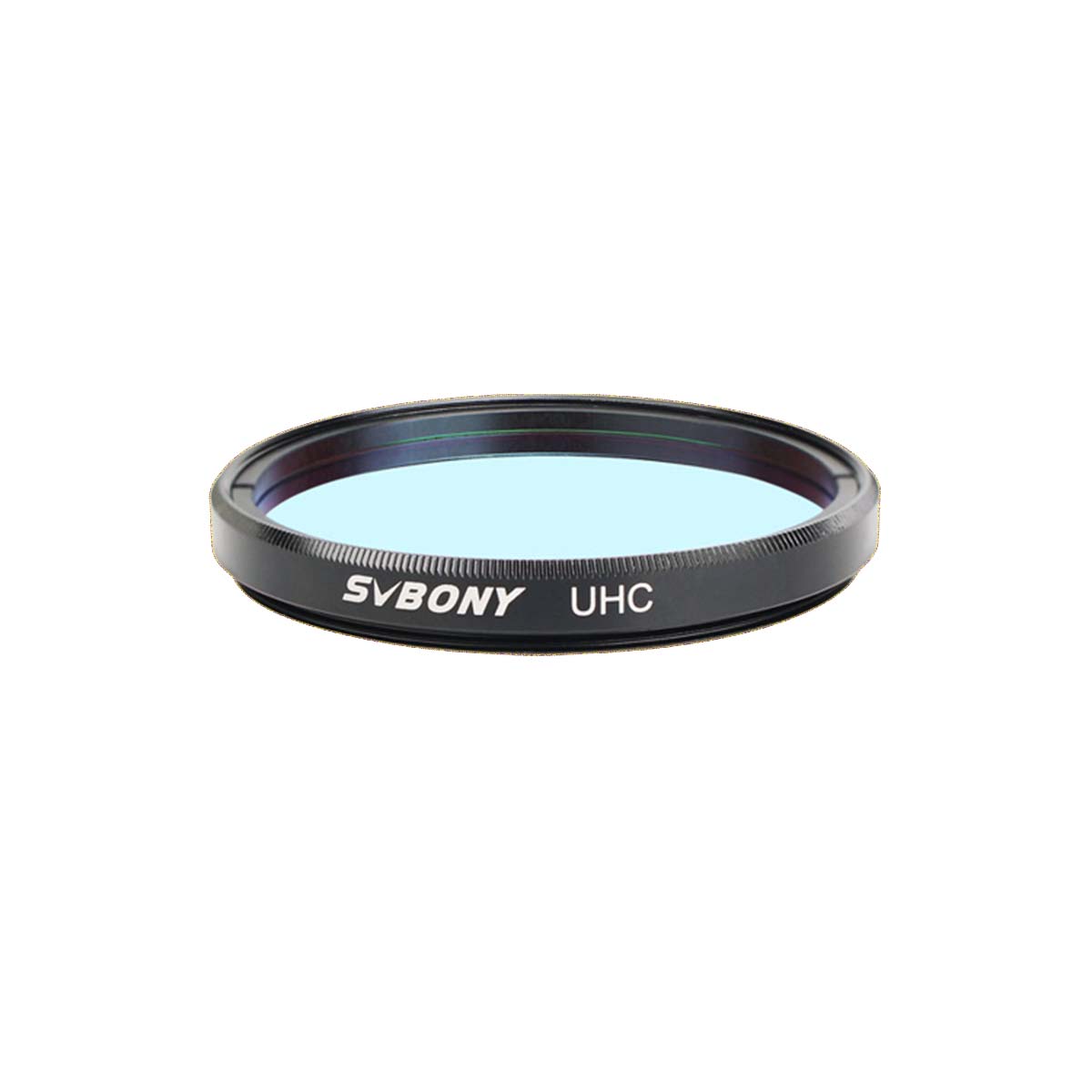
Make nebulae popSVBony UHC 1.25-inch
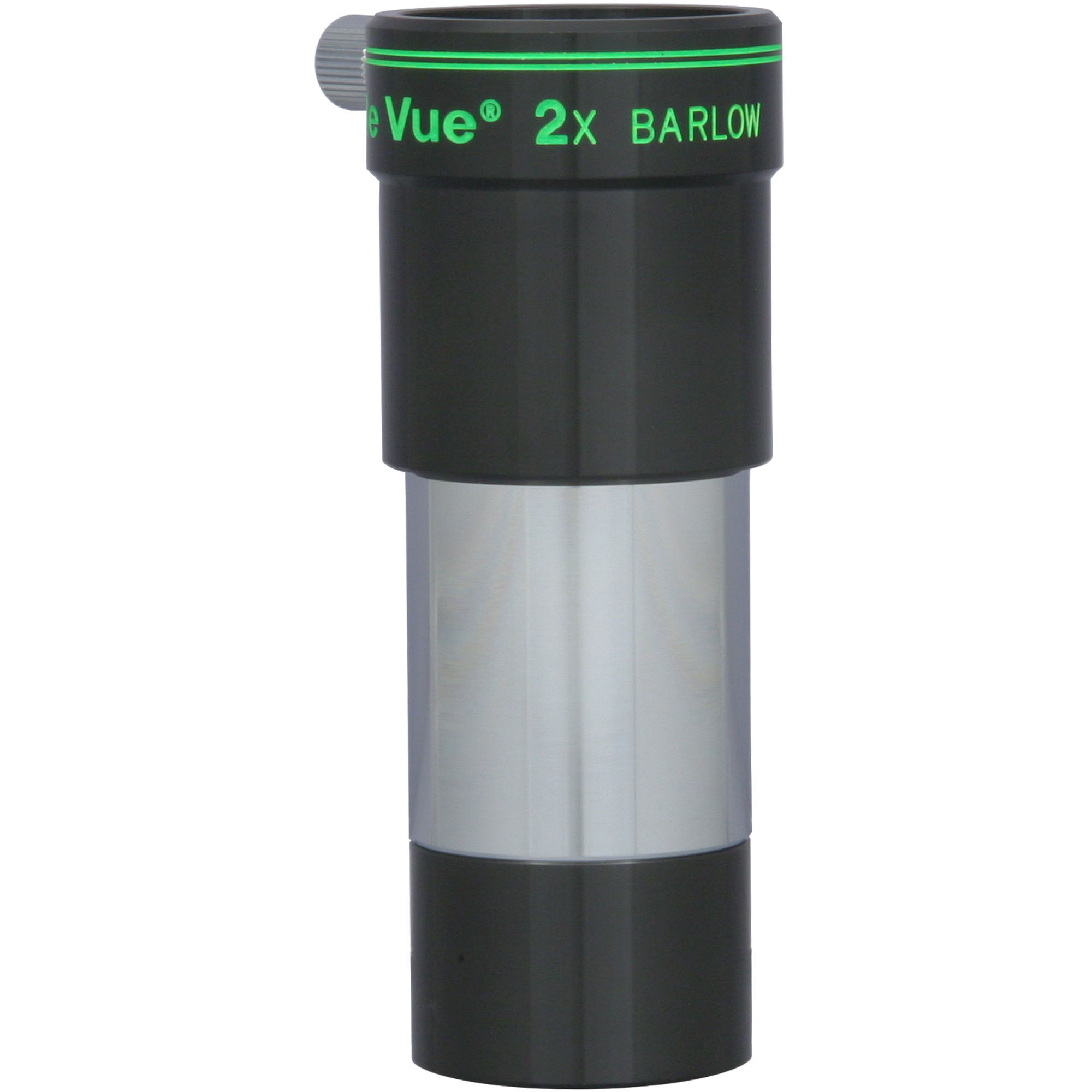
Double your magnificationTele Vue 2x Barlow 1.25-inch
06The numbersFull specifications.
6 measured and stated values
Full specifications.
The 130SLT is a computerised GoTo telescope: you align on three bright objects, pick a target, and the motors slew there and keep it centred. What separates it from the rest of the entry NexStar range is the optics. Instead of a small sealed Maksutov it uses a 130 mm f/5 Newtonian, which means substantially more light and a much wider field for the same money, and that combination is genuinely good on clusters, the brighter nebulae and the Moon. The compromise sits underneath: this is Celestron's lightest GoTo mount carrying its largest SLT tube, so the setup damps vibration slowly and does not enjoy very high magnification. Buy it understanding that the mirror is better than the tripod, feed it a power pack and one decent eyepiece, and it is a lot of telescope for the price. Buy it expecting rock-steady 250x planetary views or any astrophotography and it will disappoint.
07AlternativesFor a different goal, start here.
3 alternatives, each mapped to the goal it wins at
For a different goal, start here.
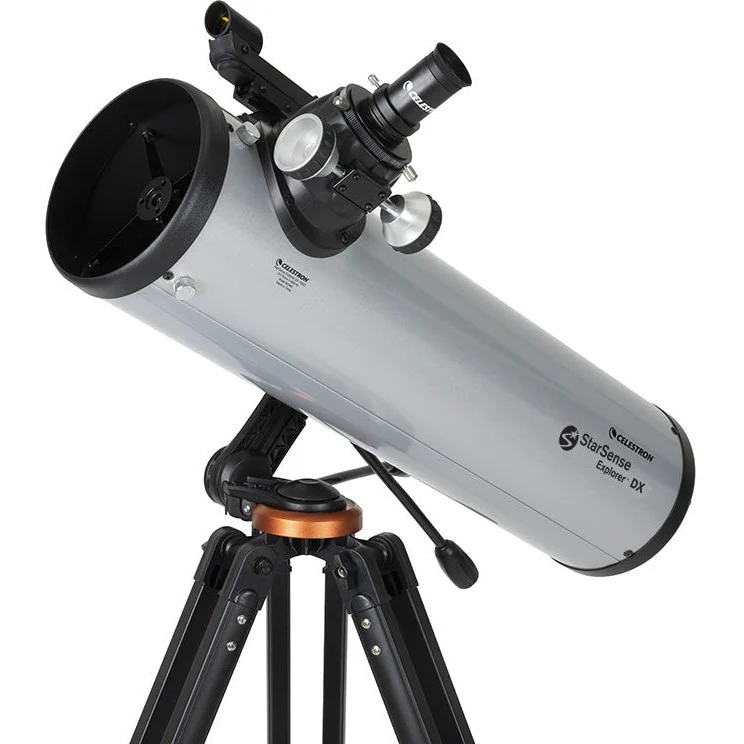
Celestron StarSense Explorer DX 130AZ
Identical 130 mm f/5 tube guided by your phone instead of a GoTo drive, cheaper and with nothing to run flat
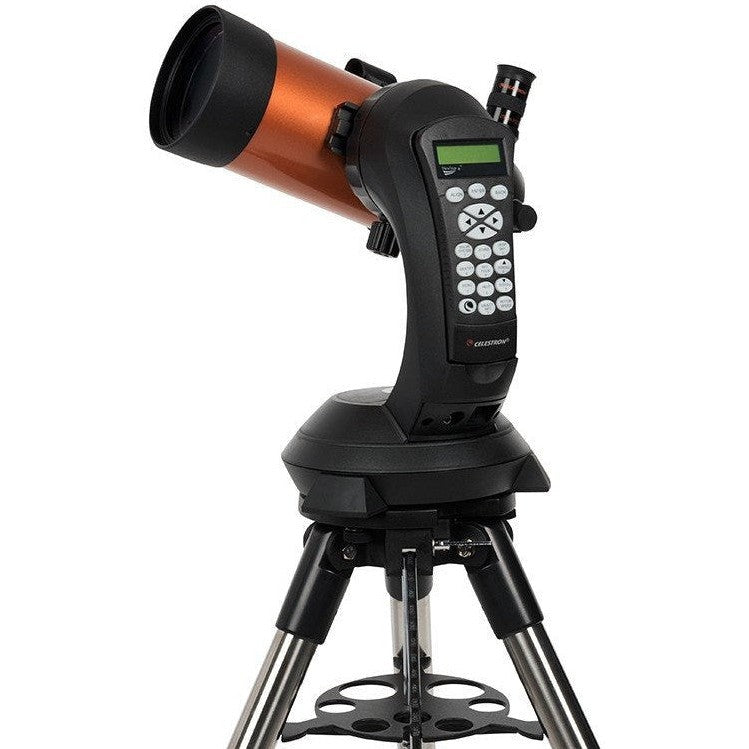
Celestron NexStar 4SE
Less aperture but a sealed Maksutov that holds collimation and is sharper on the Moon and planets
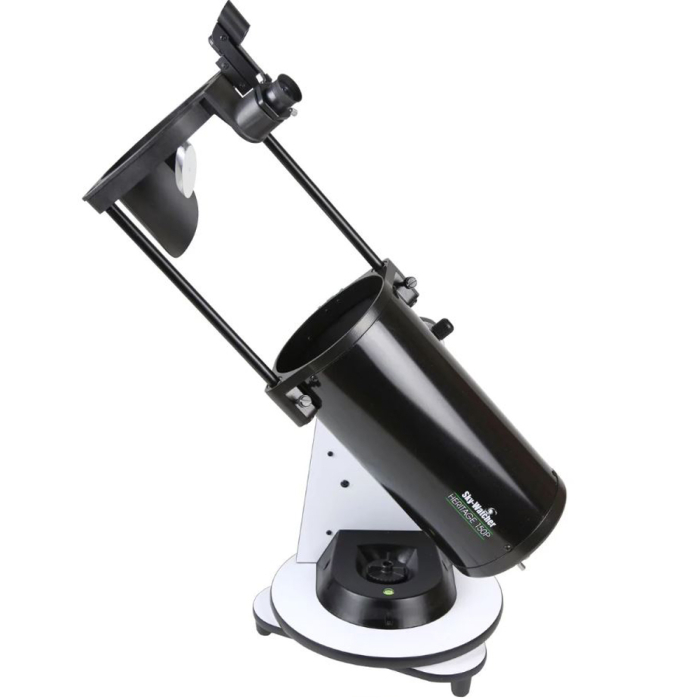
Sky-Watcher Virtuoso GTi 150P
150 mm with app-driven GoTo on a tabletop base, if you have a solid surface to put it on