Apertura
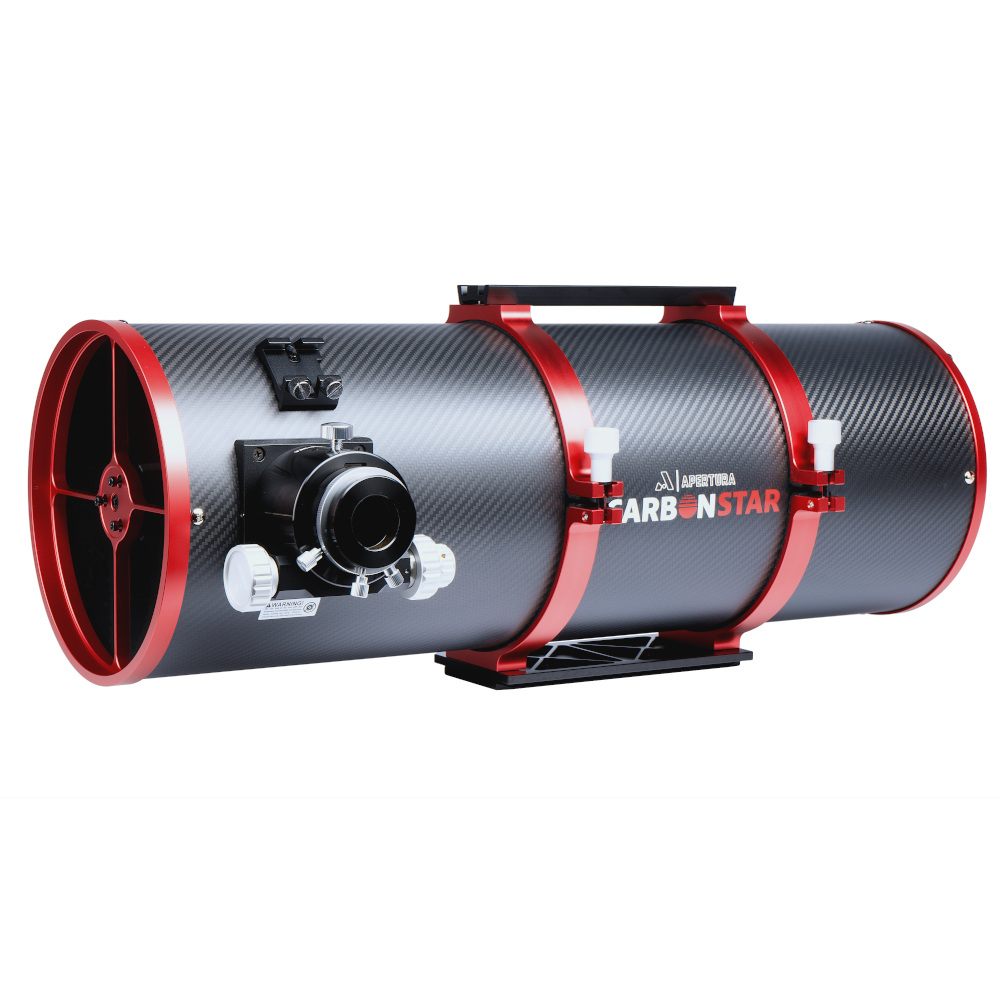
Apertura CarbonStar 200 Imaging Newtonian
A fast f/4 8-inch astrograph on a stiff carbon-fibre tube, a huge amount of aperture and speed for deep-sky imaging at a price that undercuts every comparable astrograph.
89/ 100
Aperture
203mm
Focal Length
800mm
Focal Ratio
f/4
Mount Type
None (OTA only)
Optical Design
Newtonian
Weight
8.6 kg
From$1,199.95
Lowest in 90 daysLowest ever tracked
Price tracked by PolarisObserved 52 timesTracking since Mar 2026




01What it's good atWhat it's best at — and the trade-offs.
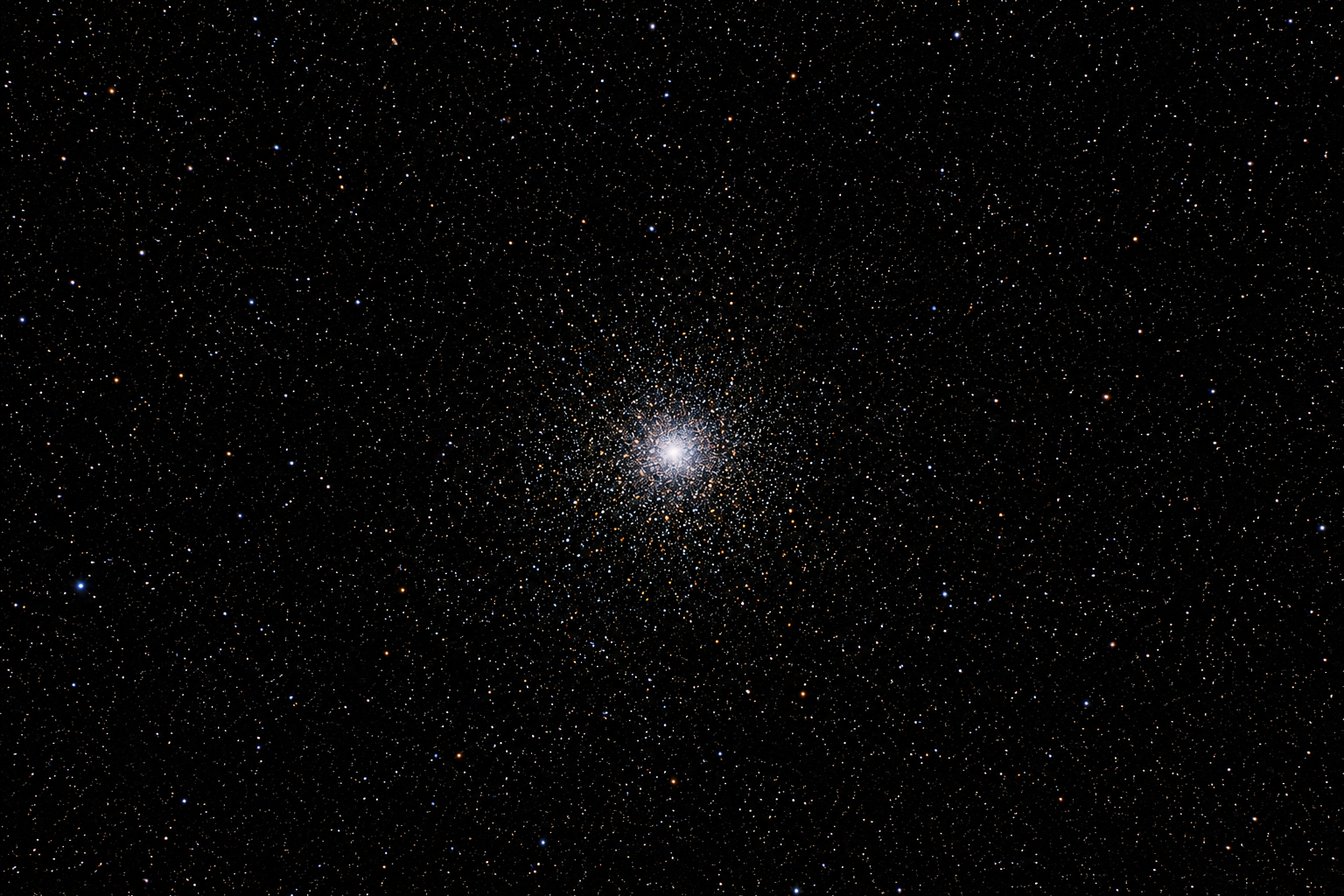
203mm of aperture at f/4 collects light fast, short sub-exposures reach faint nebulae and galaxies that slower scopes need hours for.
01What it's good at
What it's best at — and the trade-offs.
203mm of aperture at f/4 collects light fast, short sub-exposures reach faint nebulae and galaxies that slower scopes need hours for.
Best at
✓203mm of aperture at f/4 collects light fast, short sub-exposures reach faint nebulae and galaxies that slower scopes need hours for.
✓The carbon-fibre tube barely shifts focus as the night cools, so stars stay sharp across a long imaging session.
✓Ships with tube rings, a dovetail and a dual-speed focuser stout enough to carry a camera train, less to buy before first light.
✓Dramatically cheaper than a comparable dedicated astrograph, which is why it shows up on so many first-serious-imaging lists.
Trade-offs
!OTA only, budget for a capable equatorial mount, it is not included.
!f/4 is demanding: it needs a coma corrector and accurate collimation for round stars to the corners.
!Newtonian layout means the camera hangs off the side near the front, which needs balancing.
!No tracking, guiding or camera, this is the optical tube, nothing more.
02In plain EnglishWhat These Numbers Mean
203mm · f/4 · 800mm FL
02In plain English
What These Numbers Mean
203mm · f/4 · 800mm FL
Aperture
203 mm
Eight inches of light grasp aimed at a camera rather than an eyepiece. Combined with the fast focal ratio it records faint galaxies and nebulae in a fraction of the exposure time a small refractor needs from the same sky.
Focal length
800 mm
A middle focal length that suits galaxies, globular clusters and mid-size nebulae on APS-C and four thirds sensors. It is long enough for real detail but short enough that guiding tolerances stay reasonable.
Focal ratio
f/4
Very fast. An f/4 system collects about six times the light per pixel per unit time of an f/10 scope, so an hour here does what most of a night would elsewhere. The trade is that focus, tilt and collimation all become critical, and a coma corrector is mandatory.
Optical design
Carbon fibre imaging Newtonian
A Newtonian built for a camera: carbon tube to hold focus as temperature drops, a large secondary for full illumination, and a focuser stiff enough for imaging trains. It rewards careful setup and punishes a casual one, which is why it is not the beginner's choice.
Weight
8.6 kg tube
About 19 lb before camera, guiding and corrector. Carbon fibre keeps it lighter than a steel tube of the same size, but a mount in the 20 kg payload class is still the sensible pairing.
Mount
OTA only
No mount included, and this is not a tube to under-mount. At f/4 the mount and guiding quality set your image quality, so plan the mount budget alongside the tube rather than after it.
03The Polaris ScoreHow it scores, and why.
89/100 · #1 of 6 8-inch imaging Newtonians
03The Polaris Score
How it scores, and why.
89/100 · #1 of 6 8-inch imaging Newtonians
89/ 100
Apertura CarbonStar 200 Imaging Newtonian
#1 of 6 8-inch imaging Newtonians
Performance94
Ease of use62
Portability65
Upgrade potential90
Polaris weighs optical capability, how easy the scope is to live with, how portable it is, and how far it takes you before you outgrow it — not list price or brand.
04Who it's forAn honest fit check.
Imagers who want maximum aperture and speed per dollar.
04Who it's for
An honest fit check.
Imagers who want maximum aperture and speed per dollar.
Buy it if you
✓Imagers who want maximum aperture and speed per dollar.
✓People ready to add a coma corrector and dial in collimation for pinpoint stars.
✓Deep-sky shooters chasing faint nebulae and galaxies in reasonable exposure times.
Look elsewhere if you
!Total beginners, this is an OTA that assumes you already have (or are buying) a solid equatorial mount and camera.
!Visual-only observers; a Dobsonian gives more aperture for the eye at less cost.
!Anyone who wants plug-and-play; a fast Newtonian rewards careful collimation.
05Build your rigWhat to buy next — and where it leads.
7 pieces of gear, ordered by what changes the view most
05Build your rig
What to buy next — and where it leads.
7 pieces of gear, ordered by what changes the view most
Recommended upgrades
Pinpoint stars across the whole field★ Top pickApertura 1x Photographic Coma Corrector
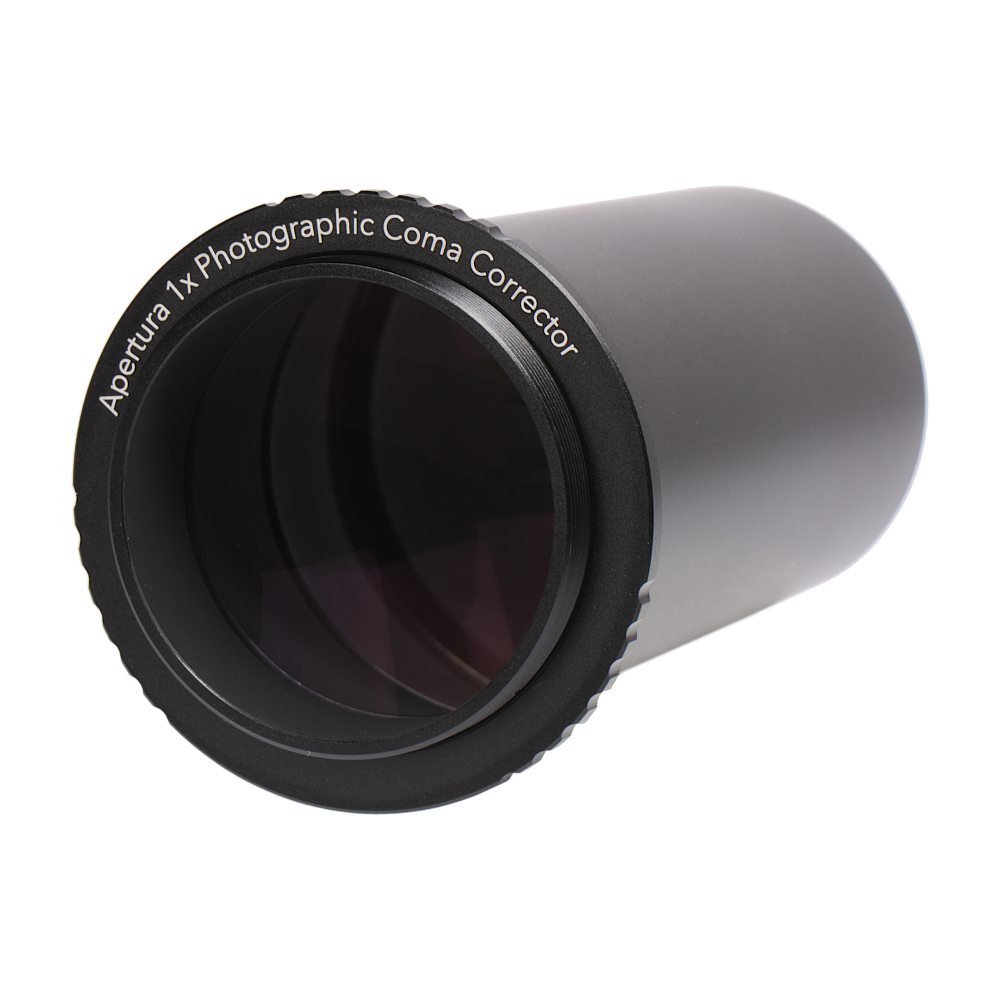
Sharpens stars to the frame edge on a fast Newtonian.
$269.95View details →
No fogging on long sessionsPegasus Astro Multi-Channel Dew Controller
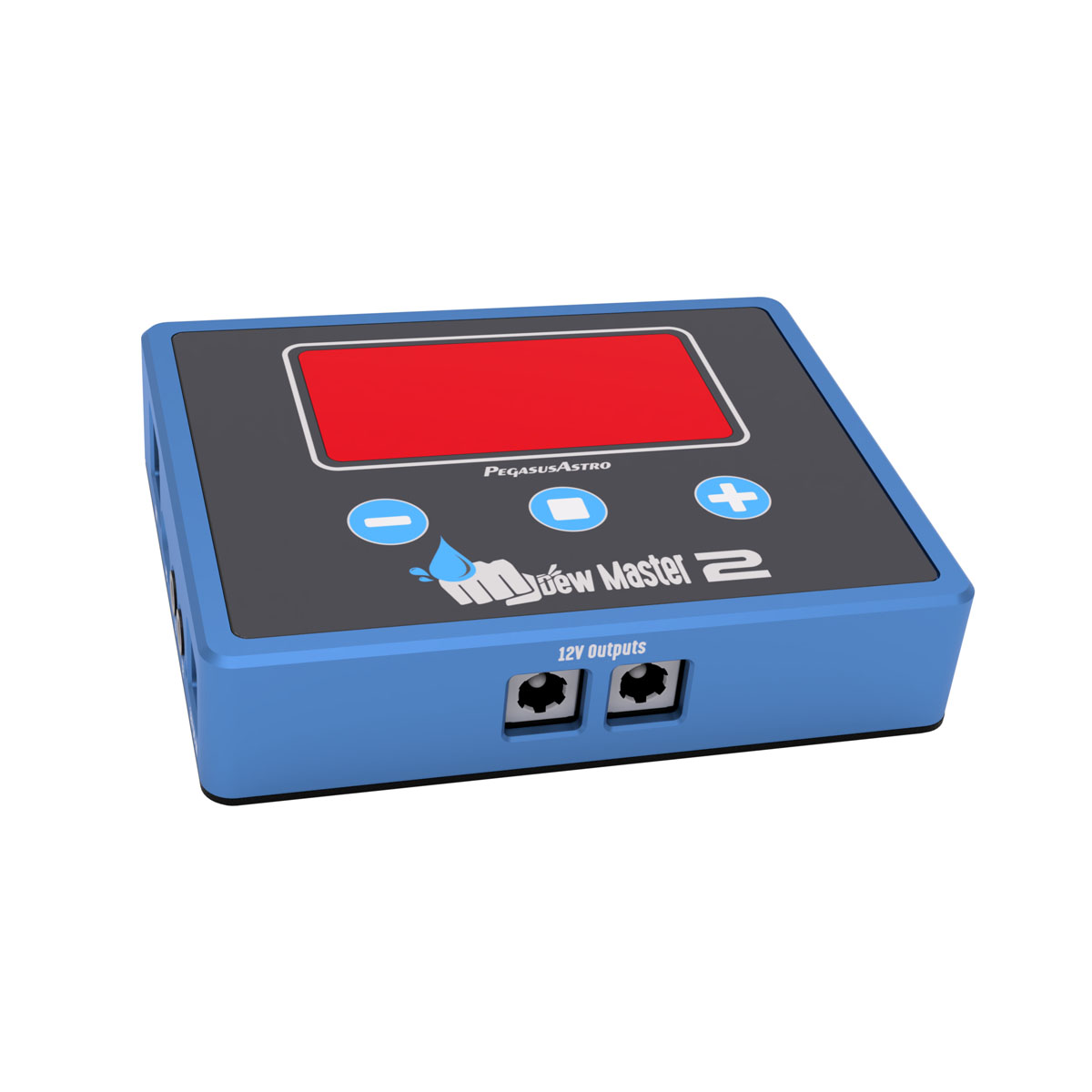
Stops dew from ending an imaging night.
$259.90View details →
Observe all night, no AA batteriesCelestron PowerTank Lithium
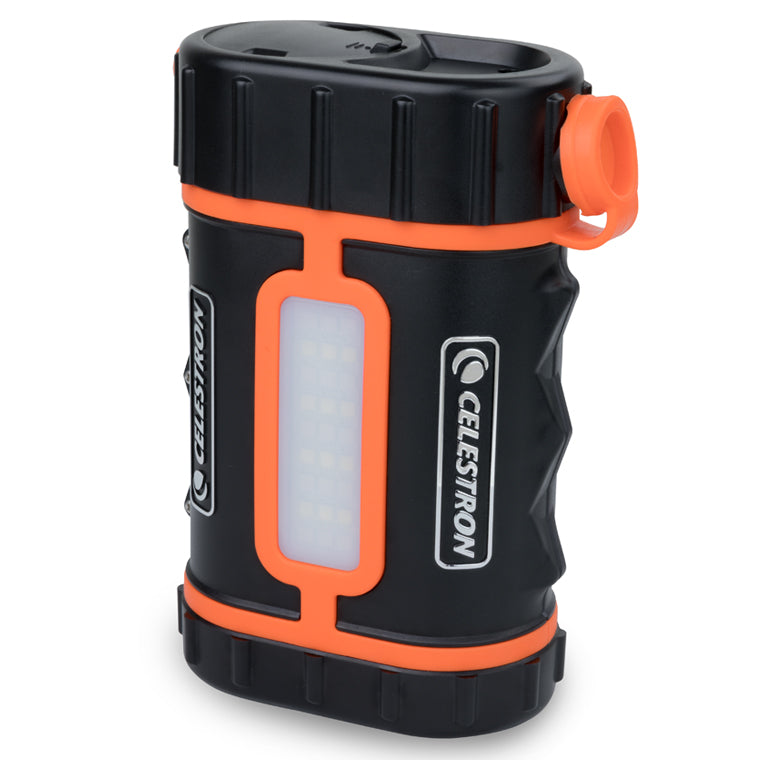
Runs the mount (and heaters) all night off one pack.
$99.95View details →
Imaging path
Better tracking & light imagingCelestron Advanced VX (AVX) Equatorial Mount✓ Compatible
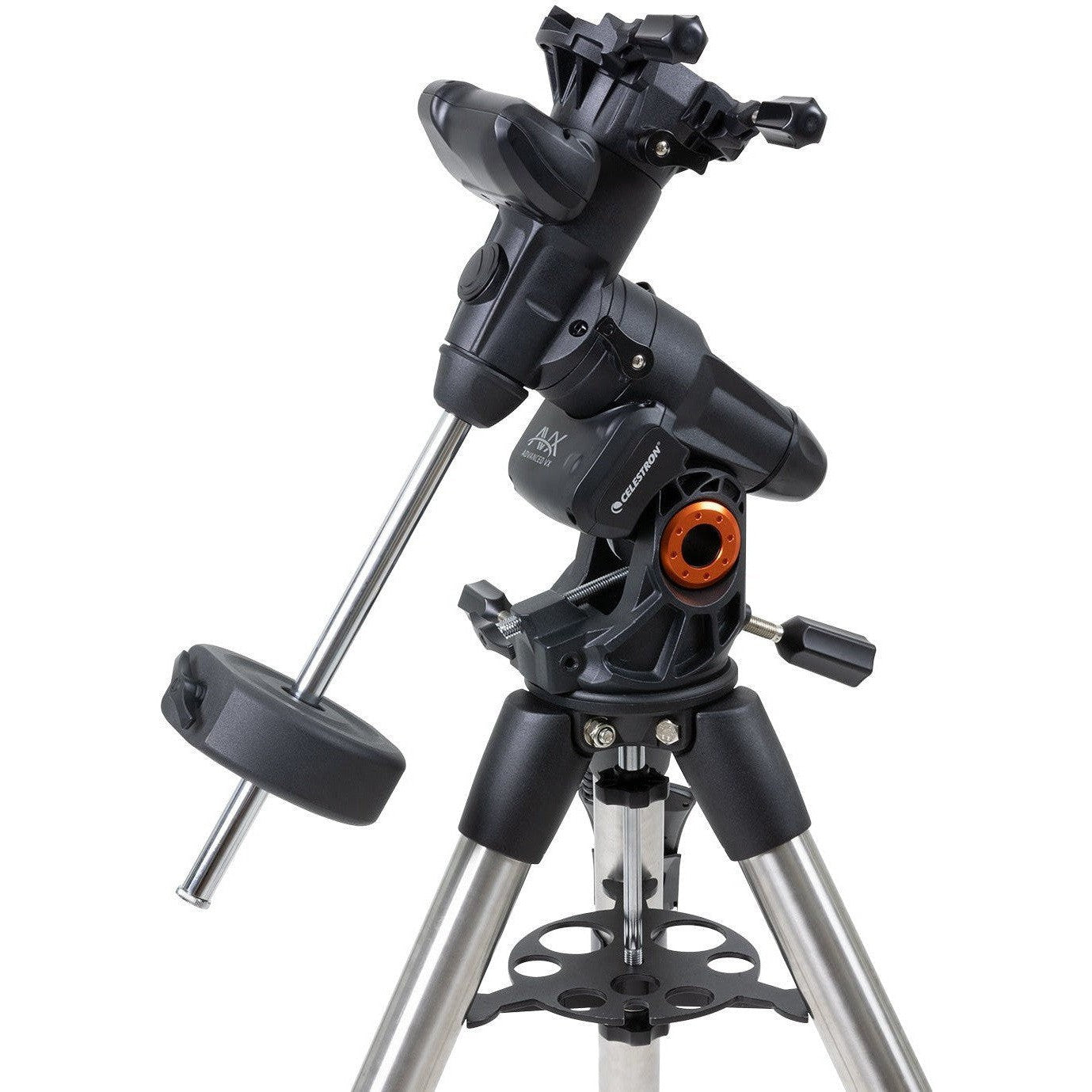
Commonly paired with this telescope
$1,099View details →
Portable astrophotographyZWO AM5N Harmonic Equatorial Mount✓ Compatible

Start capturing images of the Moon and planets
$2,299View details →
Permanent-setup astrophotographySky-Watcher EQ6-R Pro✓ Compatible
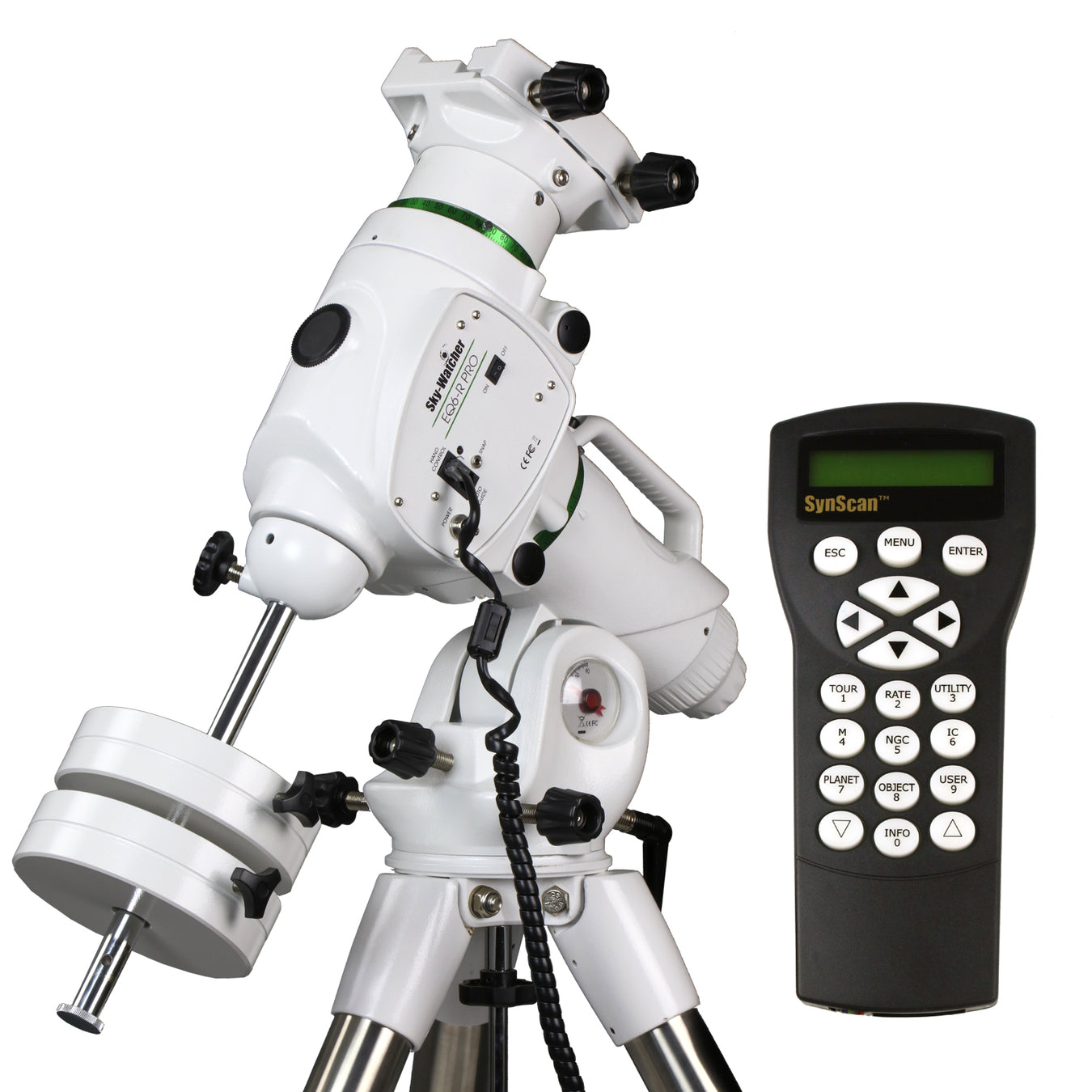
Commonly paired with this telescope
$2,250View details →
Start imagingZWO ASI2600MC Pro
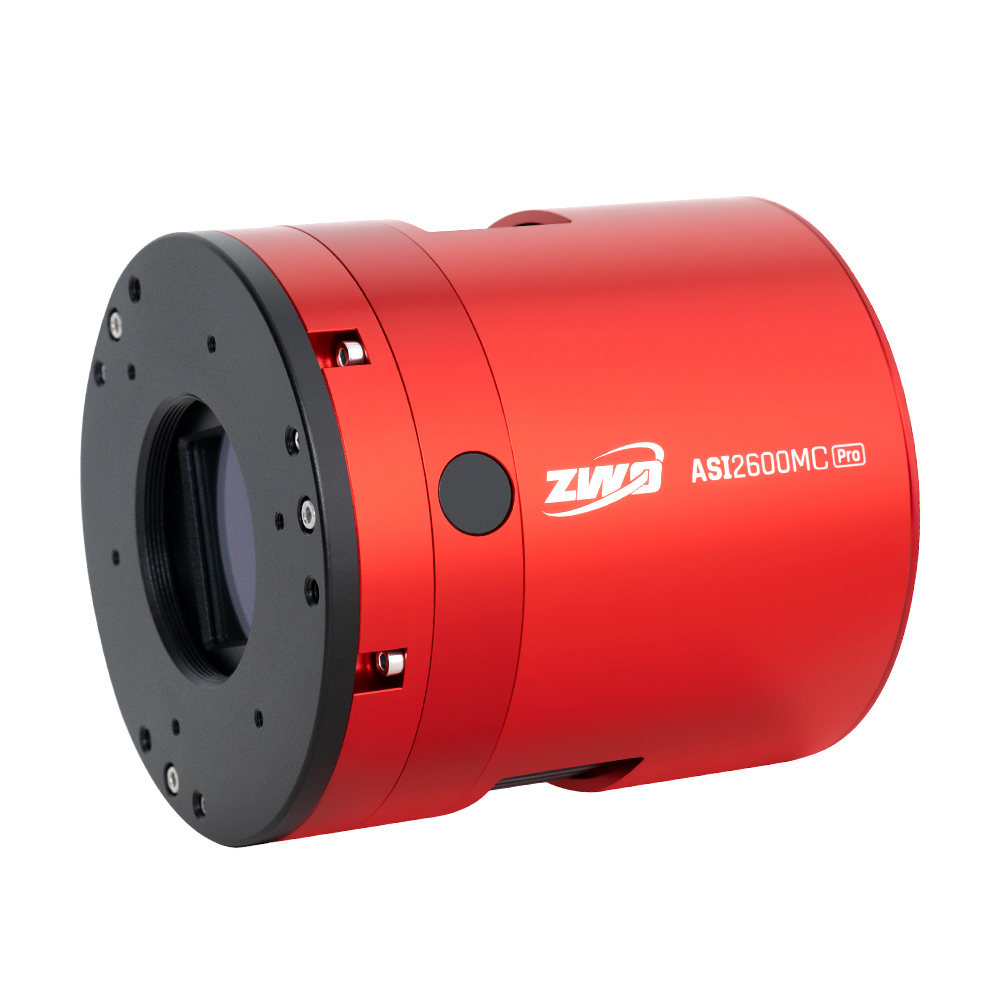
Start capturing images of the Moon and planets
$1,499View details →
06The numbersFull specifications.
6 measured and stated values
06The numbers
Full specifications.
6 measured and stated values
Optics
Optical DesignNewtonian
Aperture203mm
Focal Length800mm
Focal Ratiof/4
Mount & drive
Mount TypeNone (OTA only)
Physical
Weight8.6 kg
07AlternativesFor a different goal, start here.
2 alternatives, each mapped to the goal it wins at
07Alternatives
For a different goal, start here.
2 alternatives, each mapped to the goal it wins at