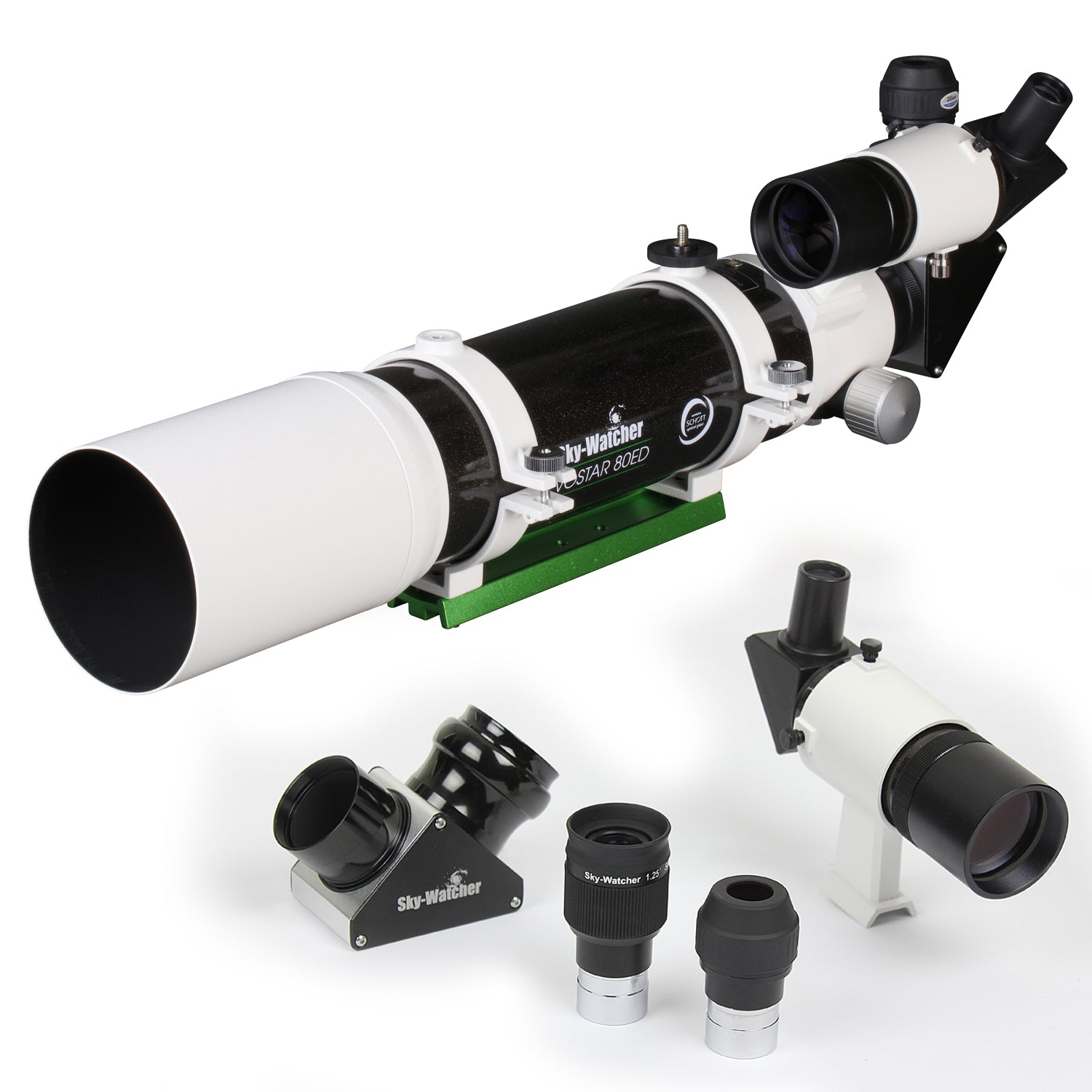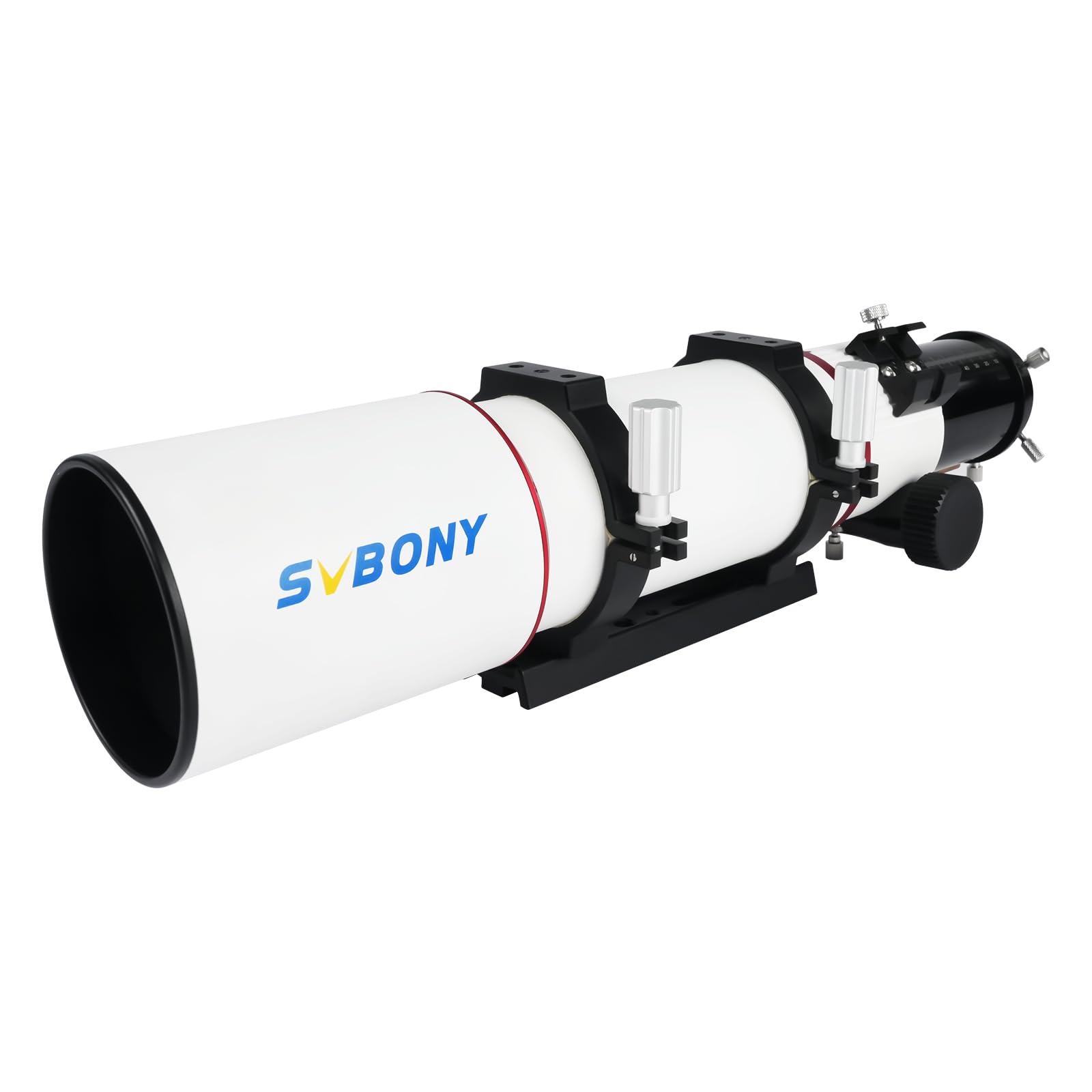
SVBony SV550 80 APO — image 1
SVBony

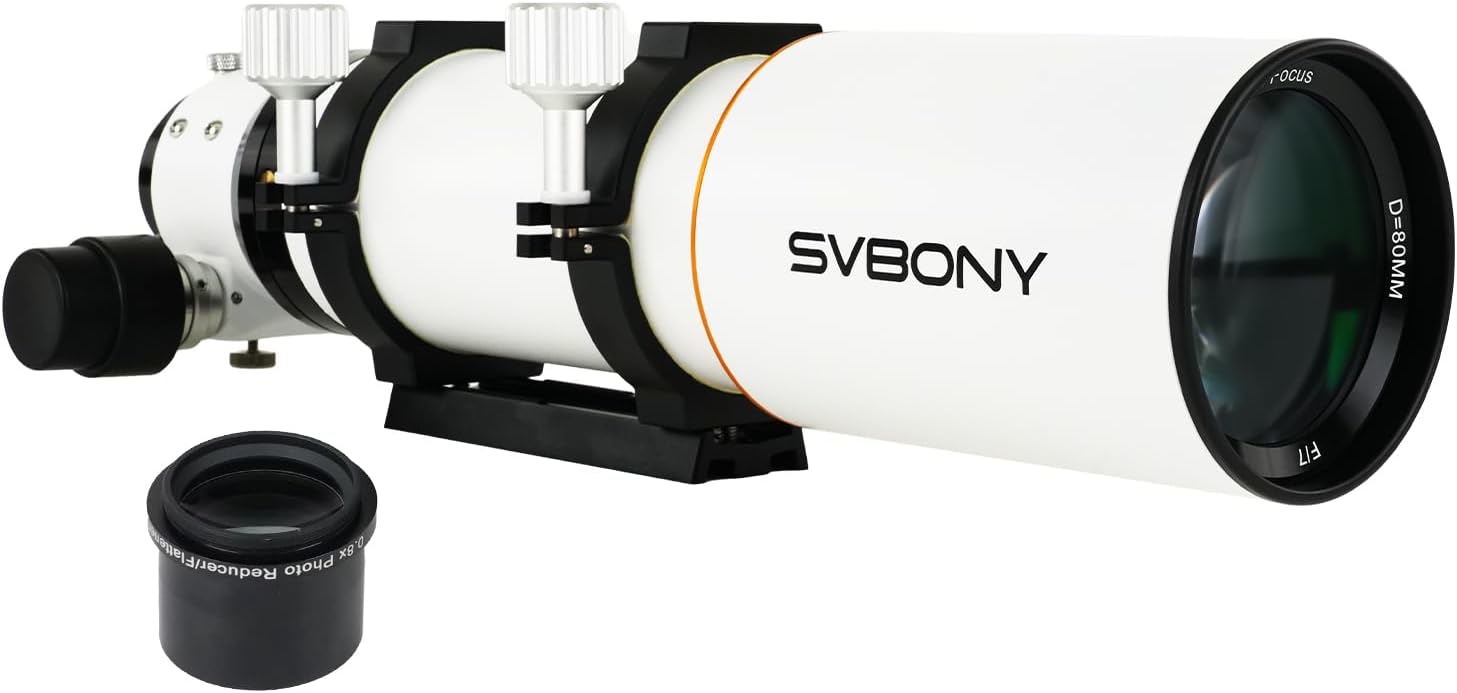
SVBony SV550 80 APO

The cheapest way into a genuine air-spaced triplet with a focuser you will not immediately replace, provided you accept S-FPL51 glass rather than the FPL53 its pricier rivals use.

81/ 100
Polaris Score
#5 of 9 imaging APO refractors
See the breakdown ↓
Aperture
80mm
Focal Length
480mm
Focal Ratio
f/6
Mount Type
None (OTA only)
Optical Design
Triplet APO
Weight
3.75 kg
From$649.99

$80 above 90-day low

Price tracked by PolarisObserved 9 timesTracking since Sep 2026

Try in simulator →
Where to buy

Verified 8h ago · prices tracked daily

What it's built forOpen these in the simulator →

This telescope was built for sweeping wide.

A short, fast refractor with a generous true field — the whole sword of Orion in one view, star fields that spill past the field stop. It rewards low power and dark skies far more than chasing magnification.

Widest true fieldsTack-sharp to the edge
The view people remember

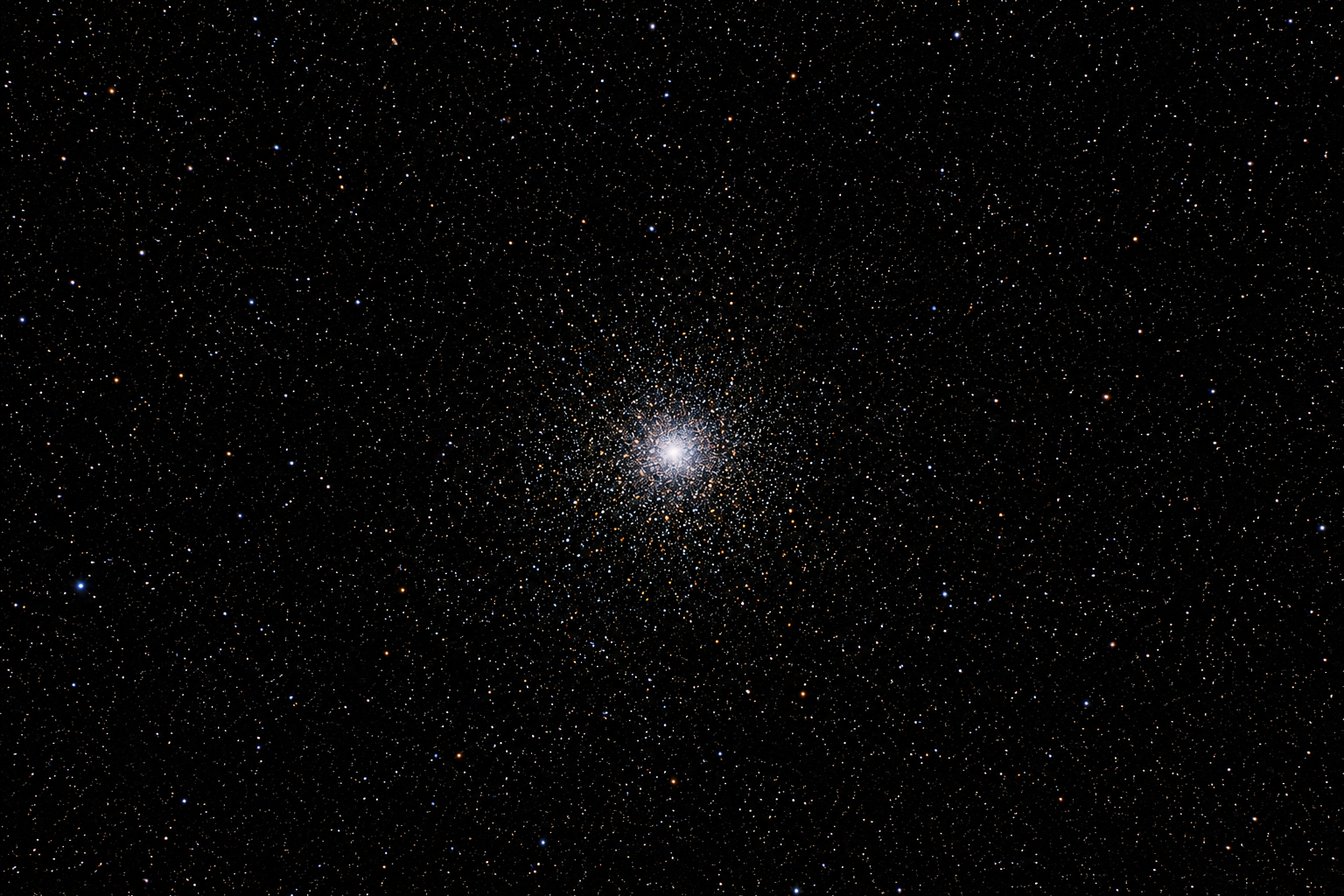
The Pleiades, blue and blazing.

A knot of hot young stars wrapped in the faintest haze of reflected light — best at the lowest power, where the whole cluster drops into a single glittering field.

See The Pleiades through this telescope →
01What it's good at

What it's best at — and the trade-offs.

A true three-element air-spaced triplet at a price where almost everything else is a doublet, so violet fringing on bright stars is controlled rather than…
Best at
✓A true three-element air-spaced triplet at a price where almost everything else is a doublet, so violet fringing on bright stars is controlled rather than merely reduced
✓The 2.5-inch dual-speed rack-and-pinion focuser with 10:1 fine control holds a camera without sag, which is the component budget refractors usually get wrong
✓480 mm at f/6 frames the large targets well: the whole Veil, the North America Nebula, the Andromeda core with room around it
✓3.75 kg means a modest star tracker or a small equatorial mount carries it, so the telescope does not force a mount upgrade with it
Trade-offs
!S-FPL51 is the entry grade of ED glass, so a bright blue-white star still shows some residual violet at full resolution
!It is an OTA only, with no flattener, no rings and no mount, and the flattener in particular is not optional for imaging
!Sample variation is a real risk at this price, and SVBony's return path is slower than a US dealer's
!The retractable dew shield is short for an f/6 refractor and a heater strap is still worth budgeting for
02In plain English

What These Numbers Mean

80mm · f/6 · 480mm FL
Optical design
Air-spaced triplet, S-FPL51 + 2 mates
Three elements rather than two gives the designer enough freedom to bring red, green and blue to nearly the same focus, which is what keeps bright stars white instead of haloed. The caveat is the glass grade: S-FPL51 is the entry rung of ED, below the FPL53 in a GT71 and well below fluorite. In practice you get most of the triplet benefit and a trace of residual violet on Vega-class stars.
Focal ratio
f/6
Fast enough that a given nebula reaches usable signal in roughly half the exposure an f/8 would need, and slow enough to stay forgiving of focus error and tilt. It also means a flattener is genuinely required rather than optional, because at f/6 the natural field curvature of a triplet will bloat stars in the corners of any APS-C sensor.
Focal length
480 mm
This is a framing decision more than a power one. At 480 mm on an APS-C sensor you get roughly a 3 by 2 degree field, which fits the North America Nebula, the whole Veil, or the Rosette with space to spare. Galaxies other than Andromeda and Triangulum will be small, so this is a nebula and wide-field instrument by nature.
Focuser
2.5-inch dual-speed rack and pinion, 10:1
The part that most often disqualifies a cheap refractor, and here it is oversized rather than adequate. A 2.5-inch drawtube with a 10:1 fine knob carries a camera, filter wheel and off-axis guider without the drawtube drooping under the weight, which is what produces one-sided elongated stars that people usually misdiagnose as collimation.
Weight
3.75 kg (OTA only)
Light enough that a star tracker rated around 5 kg will carry it with a camera attached, which keeps the total cost of entry down. Remember the figure is the bare tube: rings, dovetail, flattener, camera and guider realistically add two more kilograms before the mount sees the real load.
Back focus
87 mm
The distance from the focuser flange to where the image forms, and the number that decides whether your imaging train physically fits. 87 mm is generous: a typical flattener wants 55 mm behind it, leaving room for a filter drawer and an off-axis guider. Measure the whole stack before buying accessories, because being a few millimetres out shows up as stars that will not come to a point at the edges.
03The Polaris Score

How it scores, and why.

81/100 · #5 of 9 imaging APO refractors
81/ 100
SVBony SV550 80 APO
#5 of 9 imaging APO refractors
Performance
78
Ease of use
84
Portability
86
Upgrade potential
80

Polaris weighs optical capability, how easy the scope is to live with, how portable it is, and how far it takes you before you outgrow it — not list price or brand.

04Who it's for

An honest fit check.

A deep-sky imager moving off a doublet who wants better colour correction without paying…
Buy it if you
✓A deep-sky imager moving off a doublet who wants better colour correction without paying boutique prices
✓Anyone imaging large nebulae and galaxies at around 500 mm, which is the most forgiving focal length to learn on
✓A traveller who needs the whole imaging train to stay inside a carry-on
Look elsewhere if you
!Planetary imagers, since 480 mm is far too short and no amount of Barlow makes a small refractor a planetary instrument
!Anyone expecting FPL53 or fluorite performance, because S-FPL51 is a real step below both on the brightest stars
!Anyone who wants to image without buying more, since a flattener is effectively mandatory and is not included
05Build your rig

What to buy next — and where it leads.

7 pieces of gear, ordered by what changes the view most
Recommended upgrades
Widen the field for big targets★ Top pickSVBony SV193 0.8x Reducer Field Flattener
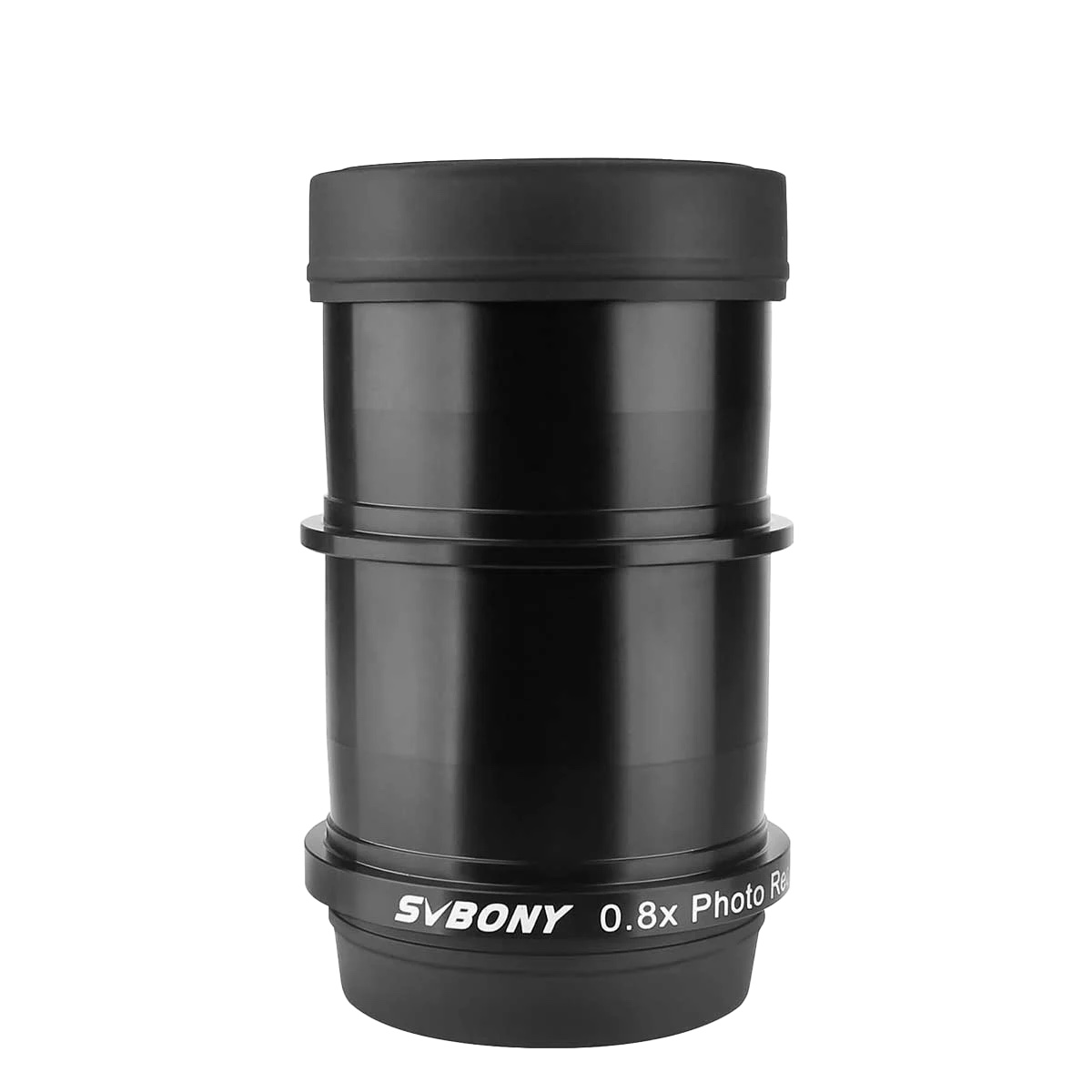
Flattens the field and speeds it to f/4.8, and it is the matching part rather than a generic one

Boost contrast on faint detailSVBony SV220 Dual-Band 7nm 2-inch
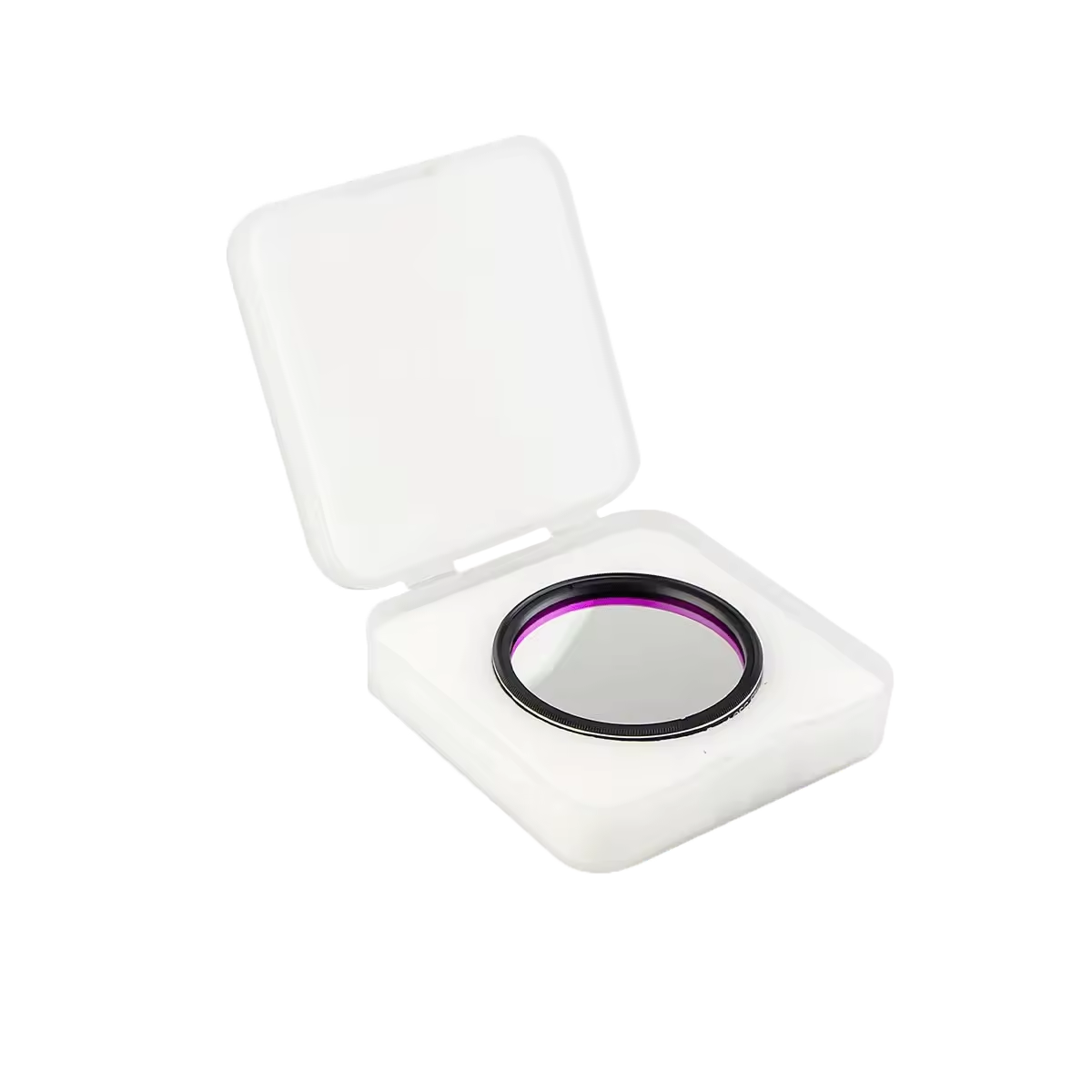
Turns a suburban sky into usable nebula data, which is the biggest single gain an 80 mm can get

No fogging on long sessionsPegasus Astro Multi-Channel Dew Controller
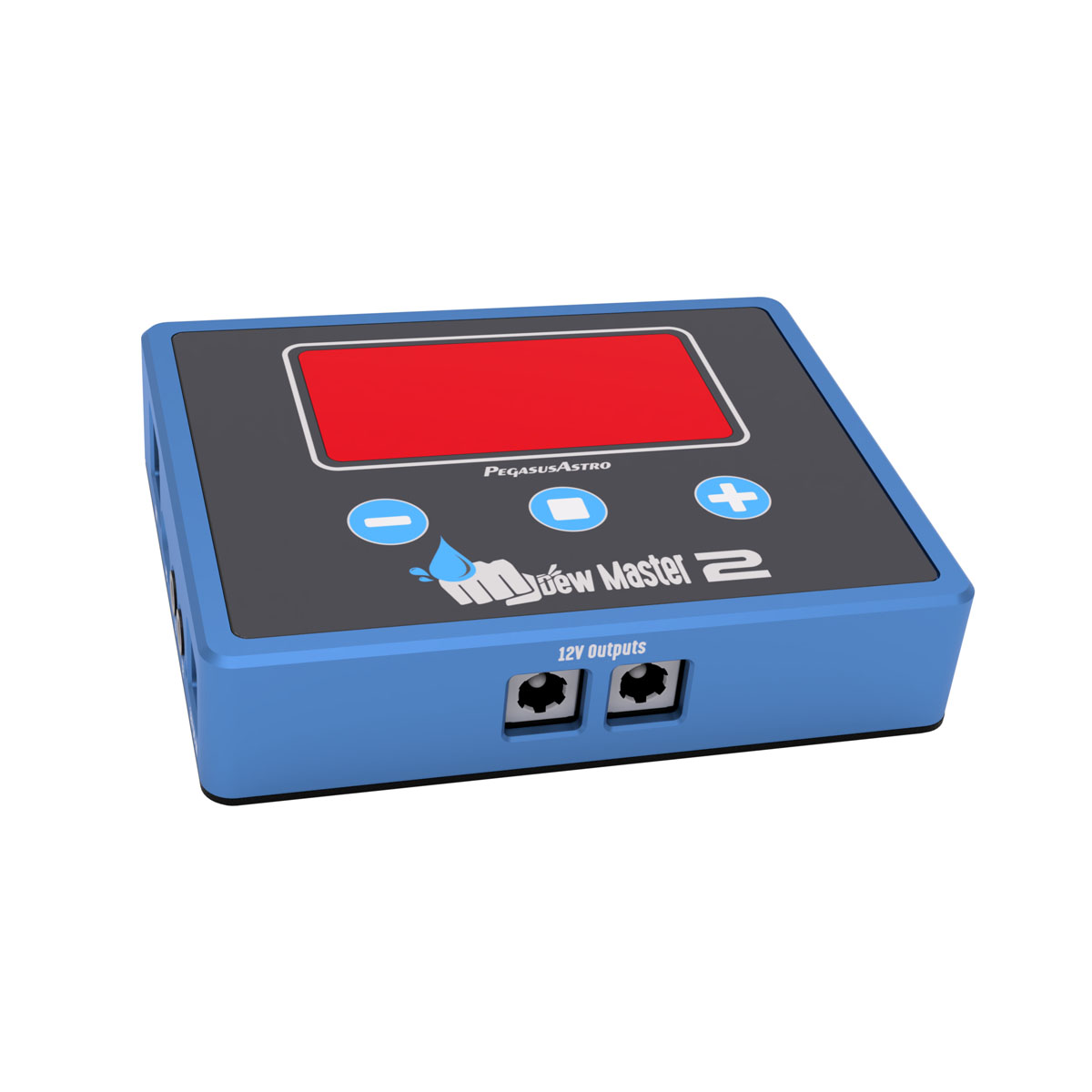
The retractable dew shield is short for f/6, and a dewed objective ends the night

Growth path
Better tracking & light imagingSky-Watcher HEQ5 Pro SynScan GoTo Mount✓ Compatible
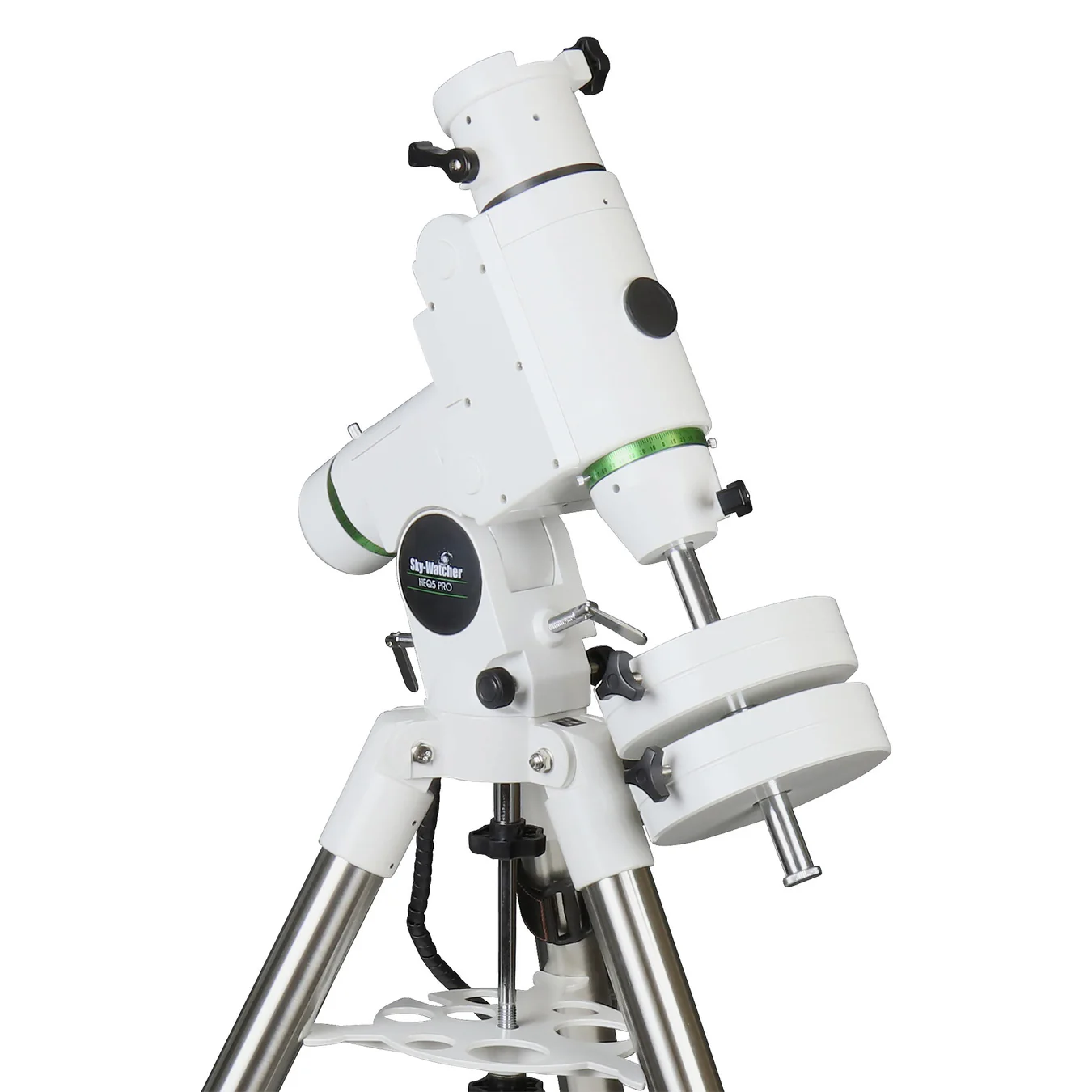
Portable astrophotographyZWO AM5N Harmonic Equatorial Mount✓ Compatible

A versatile upgradeSky-Watcher Star Adventurer GTi GoTo EQ Mount Kit✓ Compatible
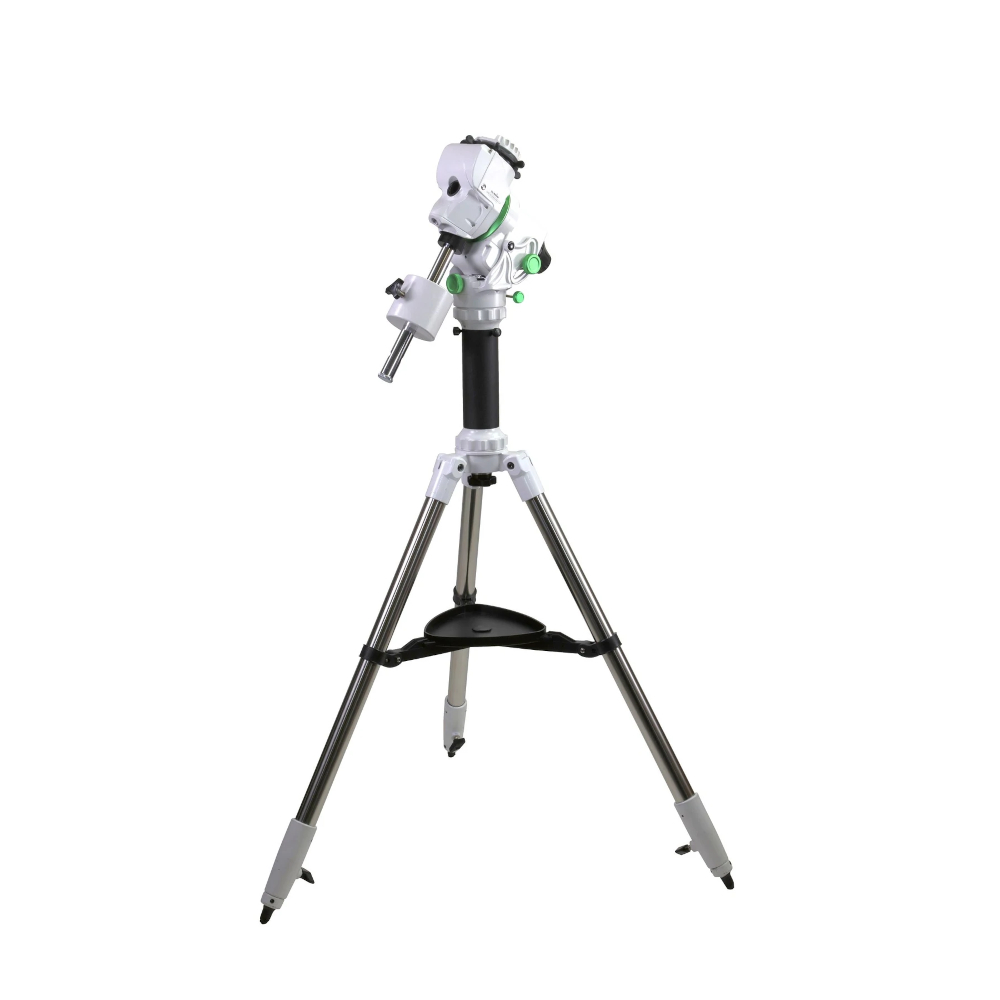
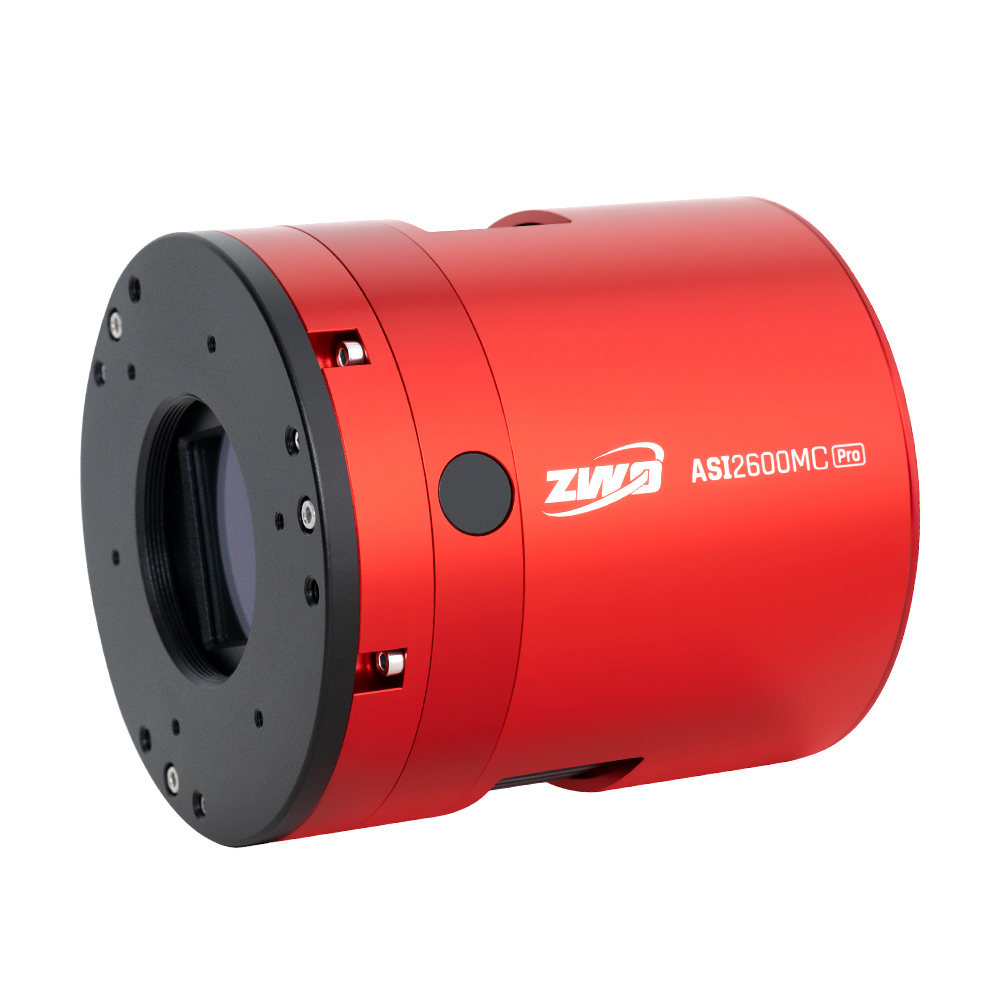
Start imagingZWO ASI2600MC Pro
Lunar & planetary
Excellent contrast
Deep-sky imaging
Strong with a flattener
Deep-sky visual
Wide, low-power views
06The numbers

Full specifications.

6 measured and stated values
Optics
Optical DesignTriplet APO
Aperture80mm
Focal Length480mm
Focal Ratiof/6
Mount & drive
Mount TypeNone (OTA only)
Physical
Weight3.75 kg