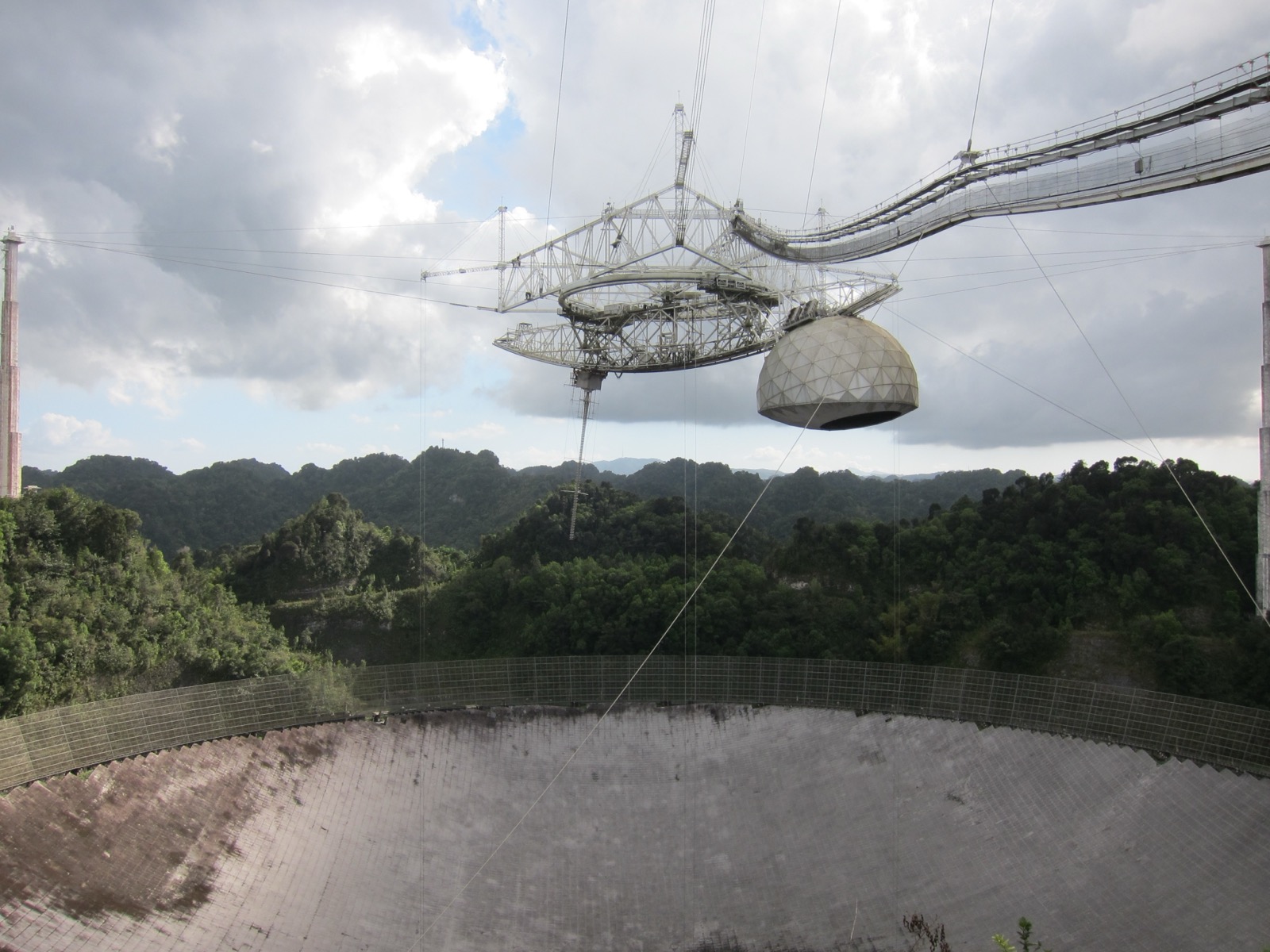
Arecibo Observatory
305000 mmA 305-metre dish built into a Puerto Rican sinkhole that could not point at anything — and, for fifty-seven years, heard more than anything else on Earth.
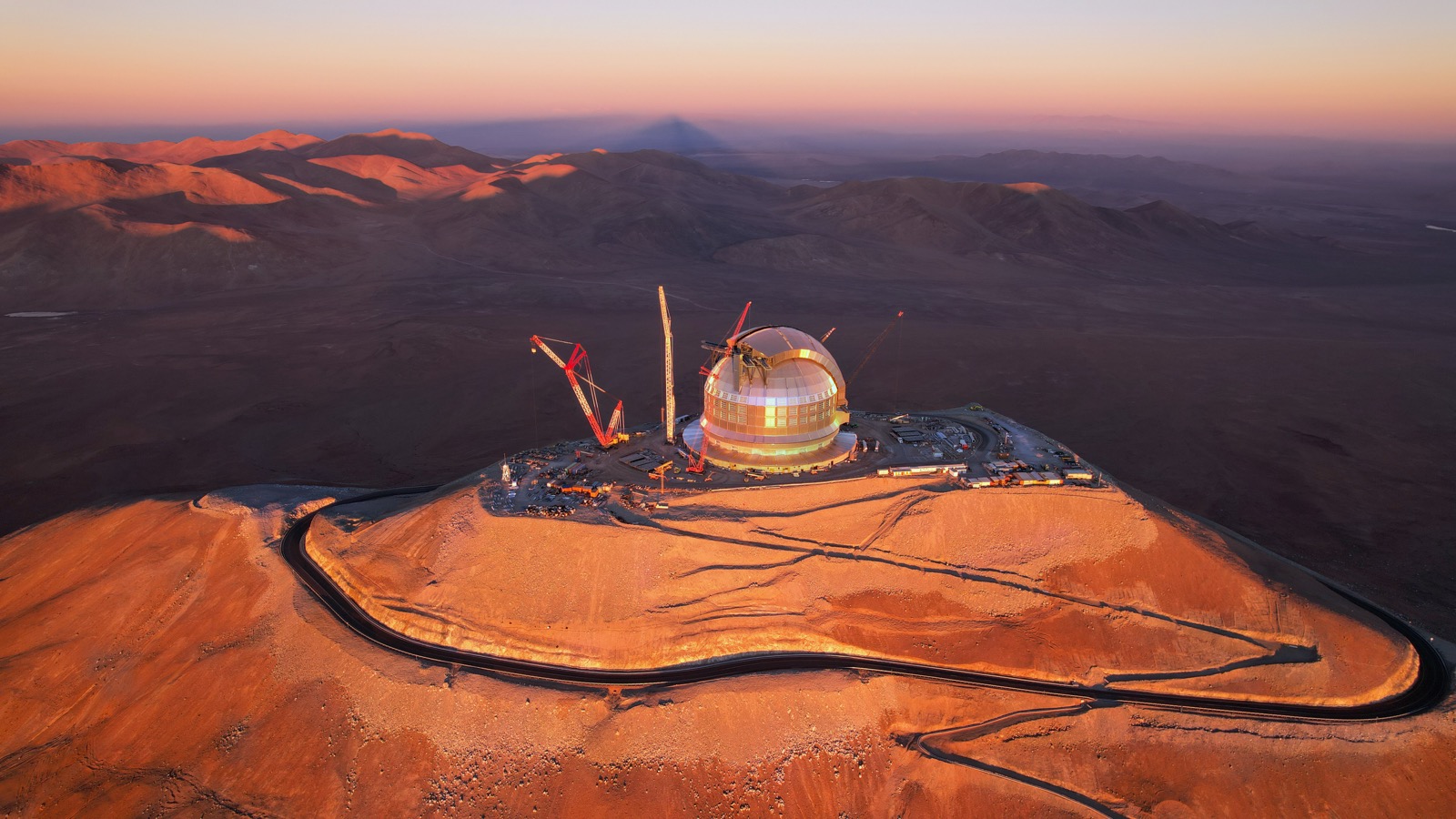
Extremely Large Telescope
39000 mmA 39-metre mirror being assembled on a Chilean mountaintop from 798 hexagons — larger than every other optical telescope on Earth combined.
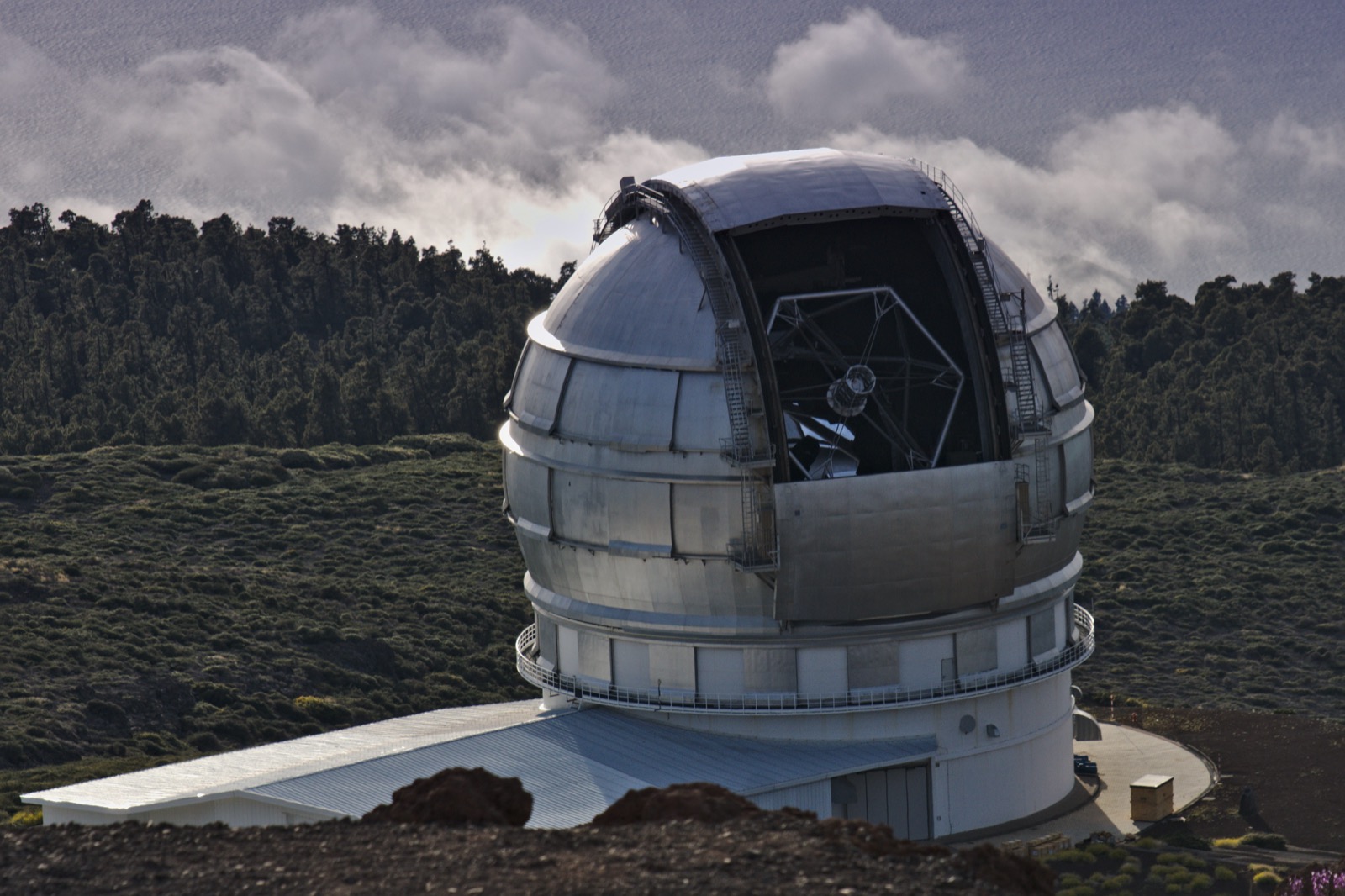
Gran Telescopio Canarias
10400 mmThe largest single optical aperture working anywhere on Earth — 10.4 metres of mirror on a volcanic ridge above the Atlantic.
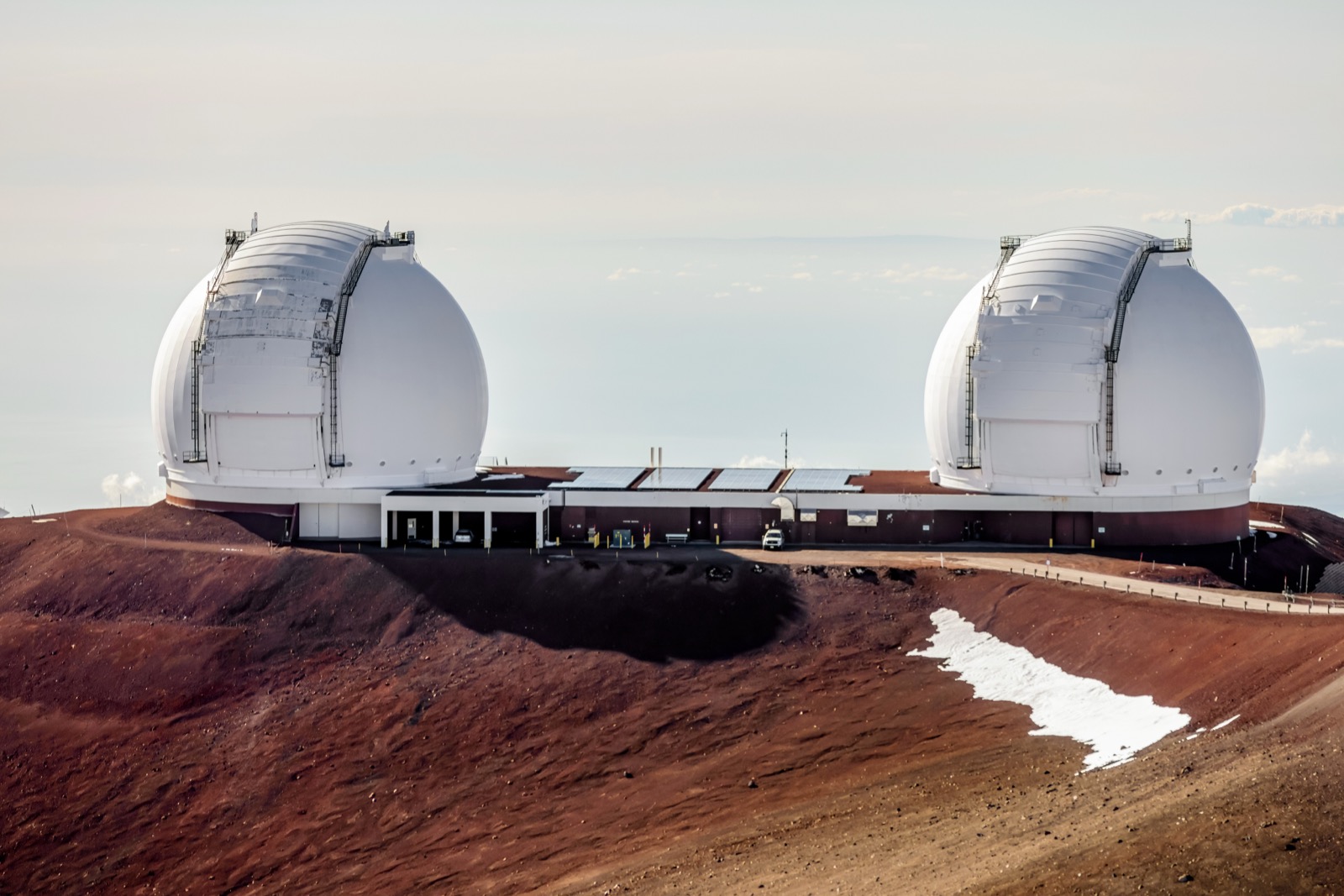
W. M. Keck Observatory
10000 mmTwo ten-metre telescopes whose mirrors are not mirrors at all, but thirty-six hexagons each, held in formation to a fraction of a wavelength.

Vera C. Rubin Observatory
8360 mmAn 8.4-metre survey telescope that photographs the entire southern sky every few nights, for ten years, to find what changed.
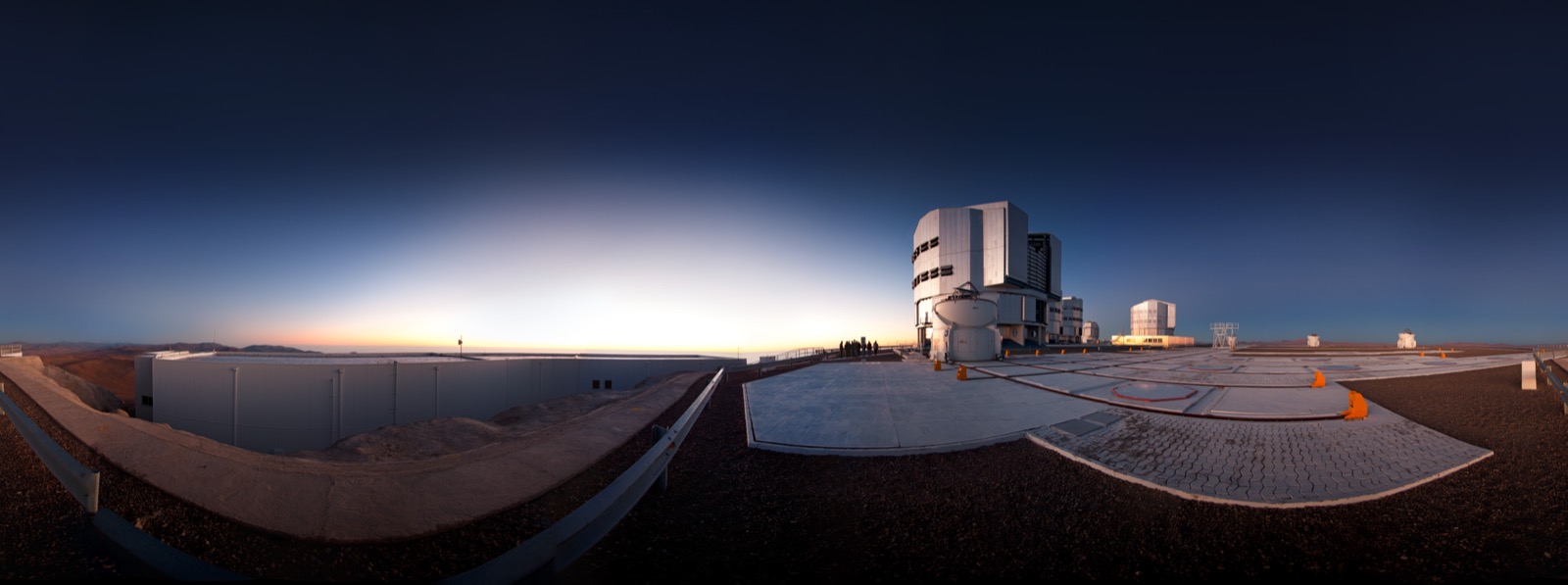
Very Large Telescope
8200 mmFour 8.2-metre telescopes on a Chilean ridge that can observe separately, or combine their light into one instrument no single mirror could be.
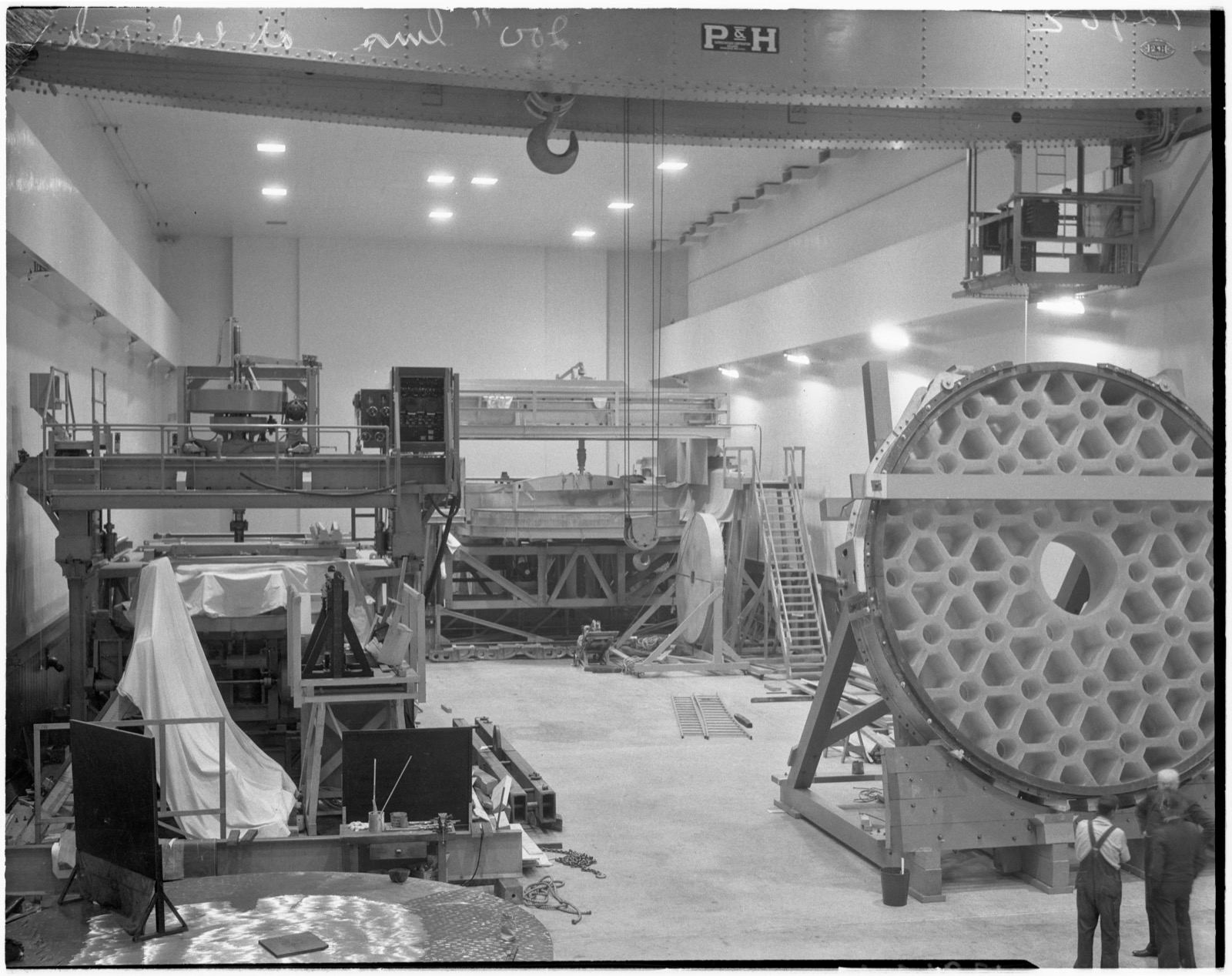
Hale Telescope
5100 mmThe 200-inch that held the record for forty-five years, still working on a California mountain, and still the telescope every larger one was measured against.
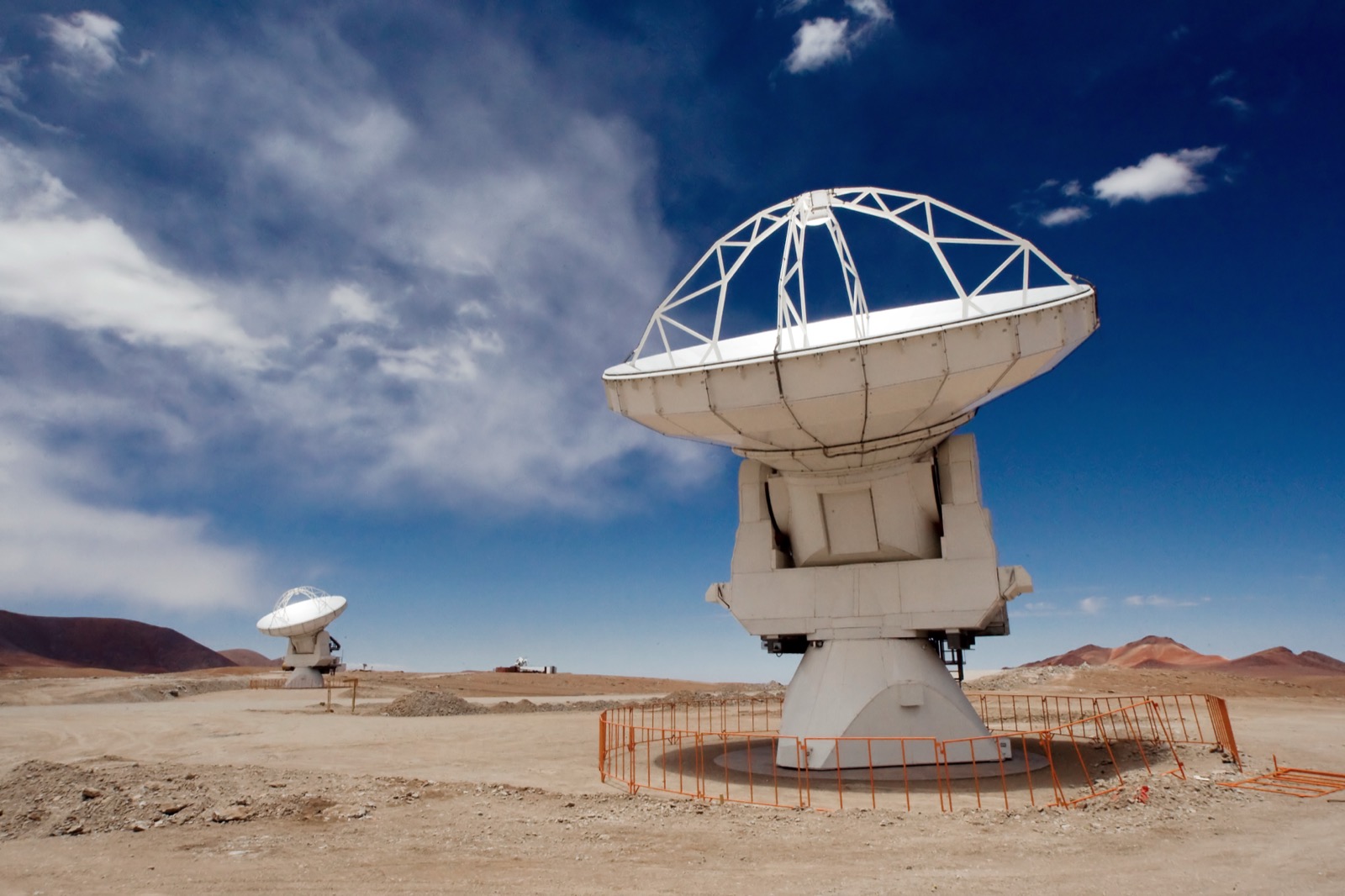
Atacama Large Millimeter/submillimeter Array
Sixty-six antennas on a plateau five kilometres above sea level, which together resolve detail as a single dish sixteen kilometres wide would.