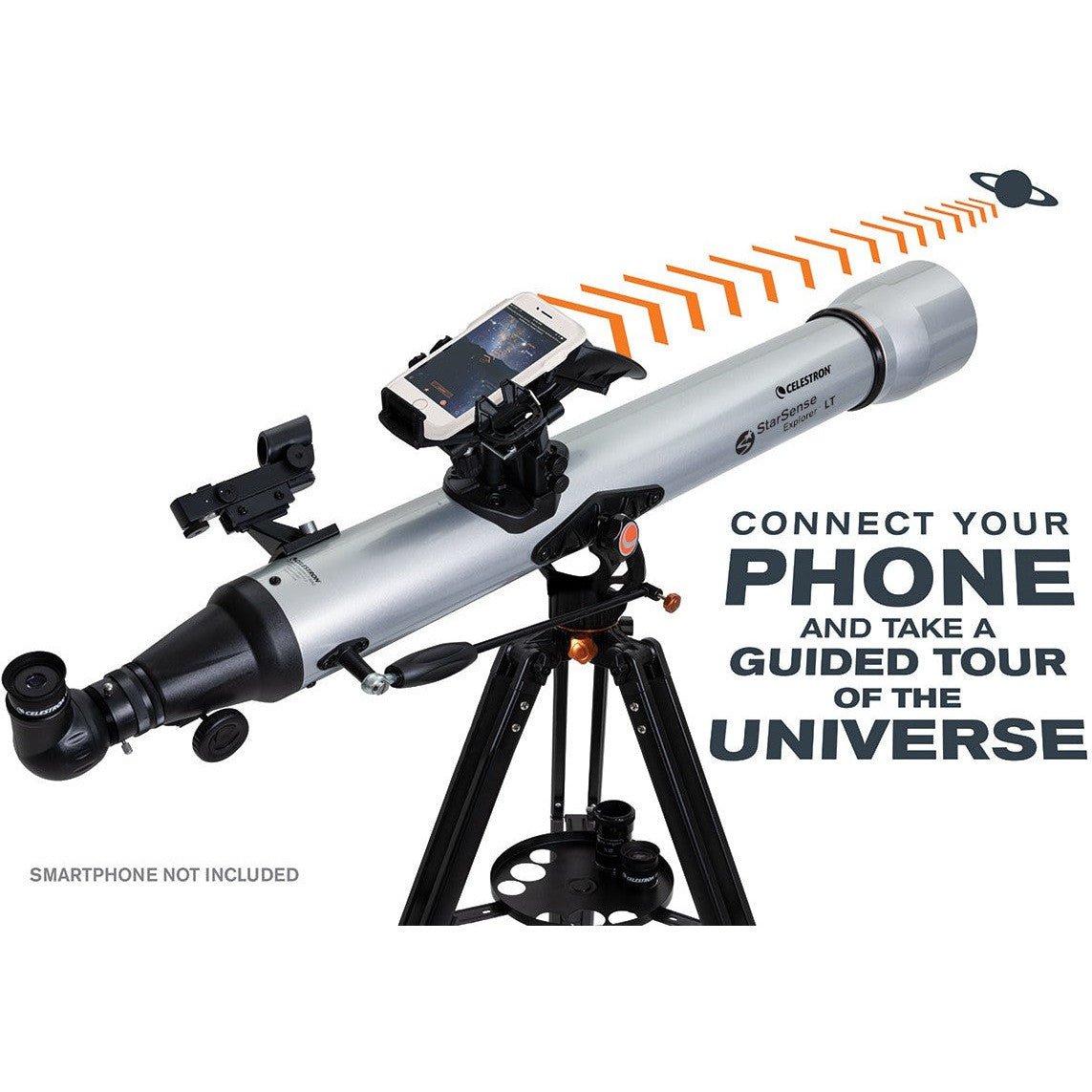
Celestron StarSense Explorer LT 80AZ Refractor Telescope
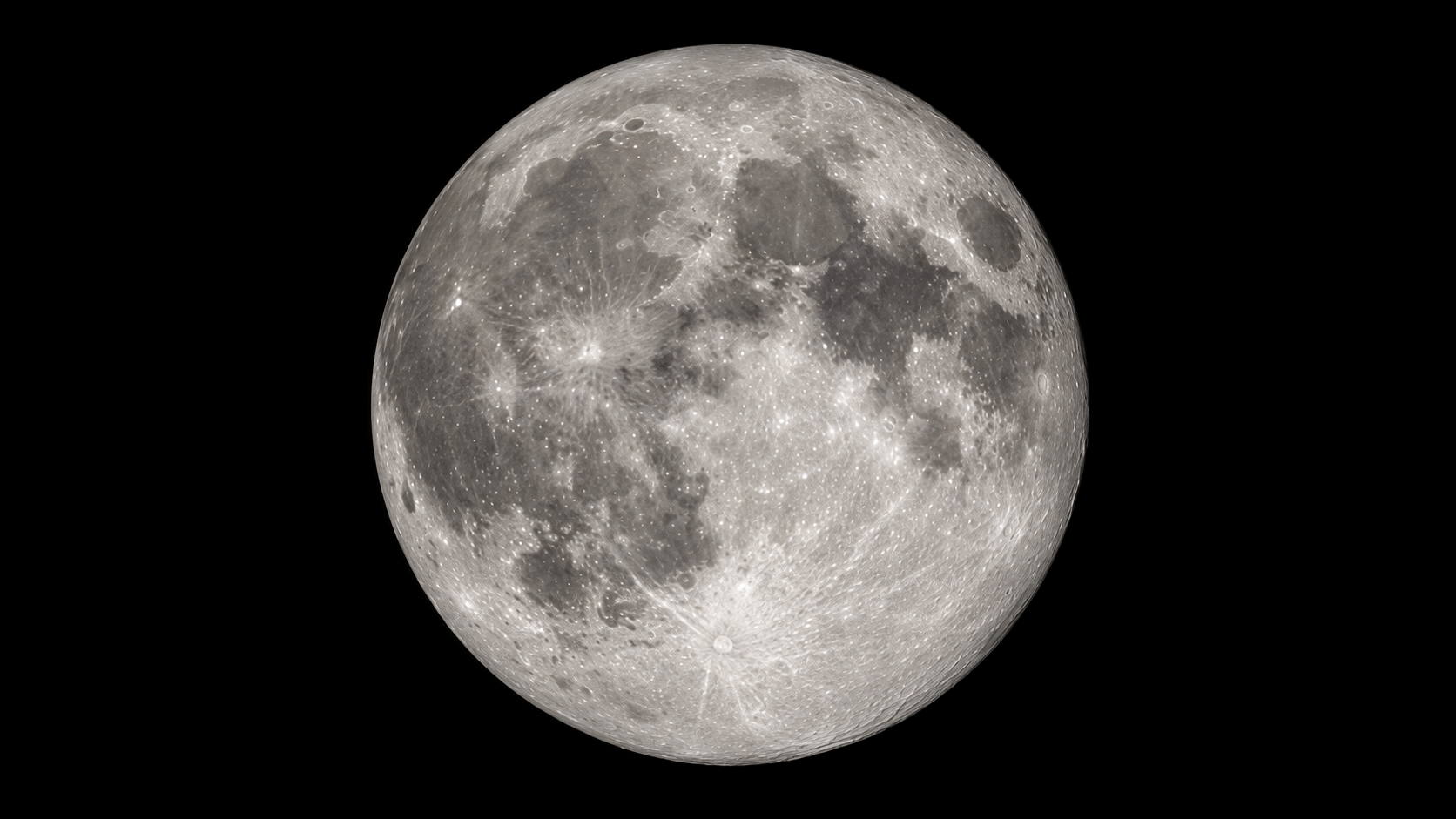
The cheapest way into StarSense: a long 80mm achromat on a light tripod, where your phone does the finding and the narrow f/11 optics keep the Moon and planets clean.
Lowest in 90 daysLowest ever tracked
Price tracked by PolarisObserved 50 timesTracking since Mar 2026


01What it's good atWhat it's best at — and the trade-offs.
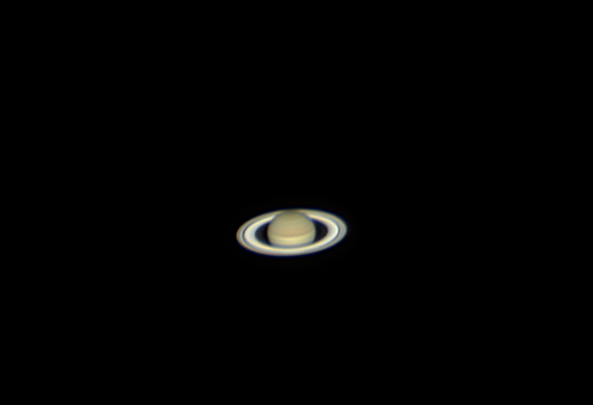
The StarSense app plate-solves your phone camera against the real sky and walks you to targets with arrows, so a first-timer finds Saturn on night one
What it's best at — and the trade-offs.
02In plain EnglishWhat These Numbers Mean
80mm · f/11 · 900mm FL · Alt-Azimuth
What These Numbers Mean
03The Polaris ScoreHow it scores, and why.
72/100 · #3 of 7 app-guided beginner refractor
How it scores, and why.
Polaris weighs optical capability, how easy the scope is to live with, how portable it is, and how far it takes you before you outgrow it — not list price or brand.
04Who it's forAn honest fit check.
A first telescope for a curious adult or a family, where giving up out of frustration is…
An honest fit check.
05Build your rigWhat to buy next — and where it leads.
6 pieces of gear, ordered by what changes the view most
What to buy next — and where it leads.
A sharper everyday view★ Top pickExplore Scientific 20mm 62°
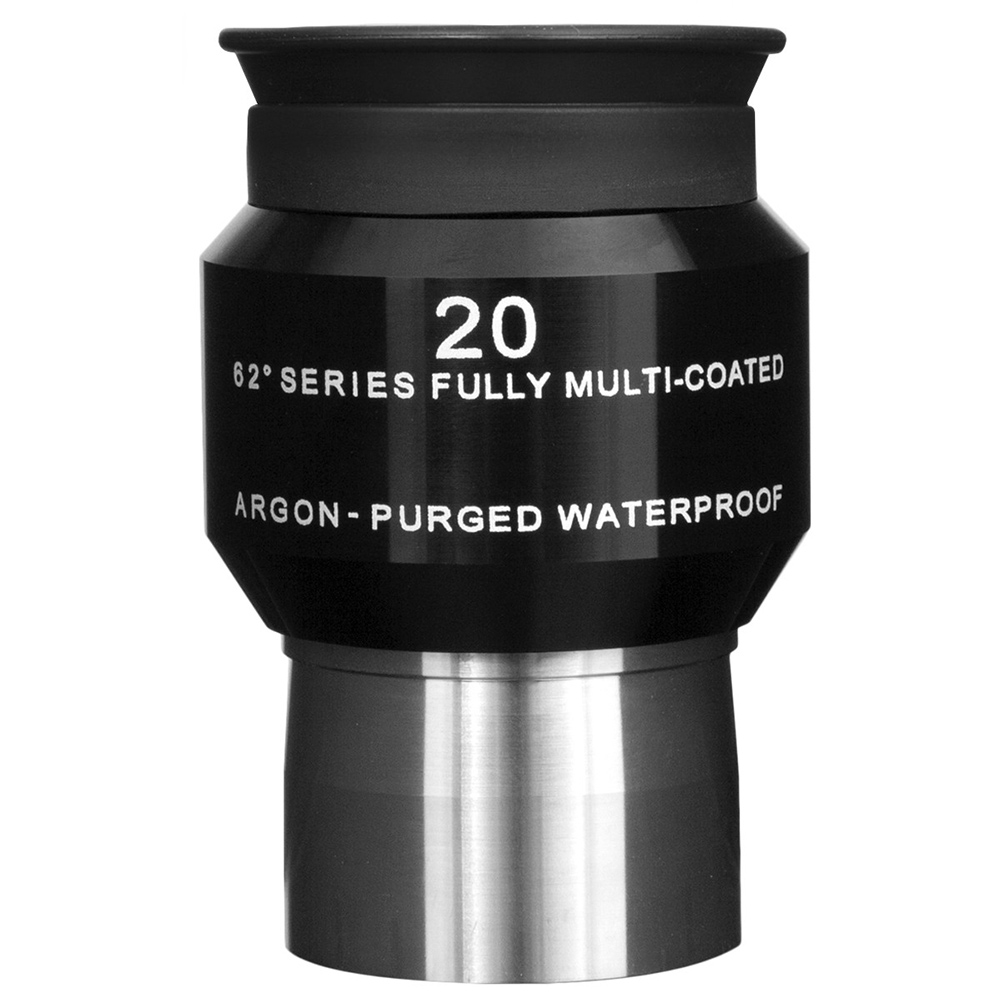
45x with a wider, more comfortable field than the bundled 25mm, and the eyepiece you will use most
Sharper planets & lunar detailExplore Scientific 9mm 62°
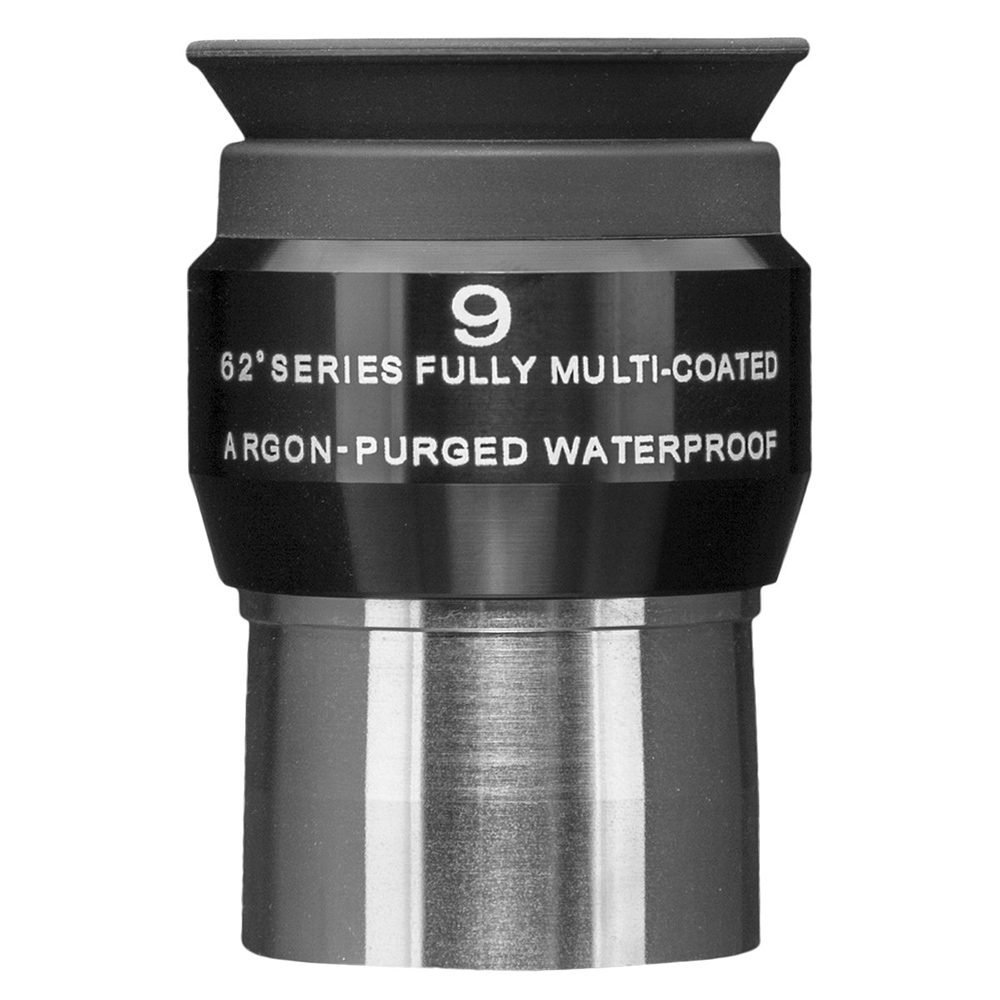
100x for Saturn's rings and Jupiter's belts, sharper and easier on the eye than the stock 10mm
Tame lunar glareGSO Moon Filter 13pct 1.25-inch
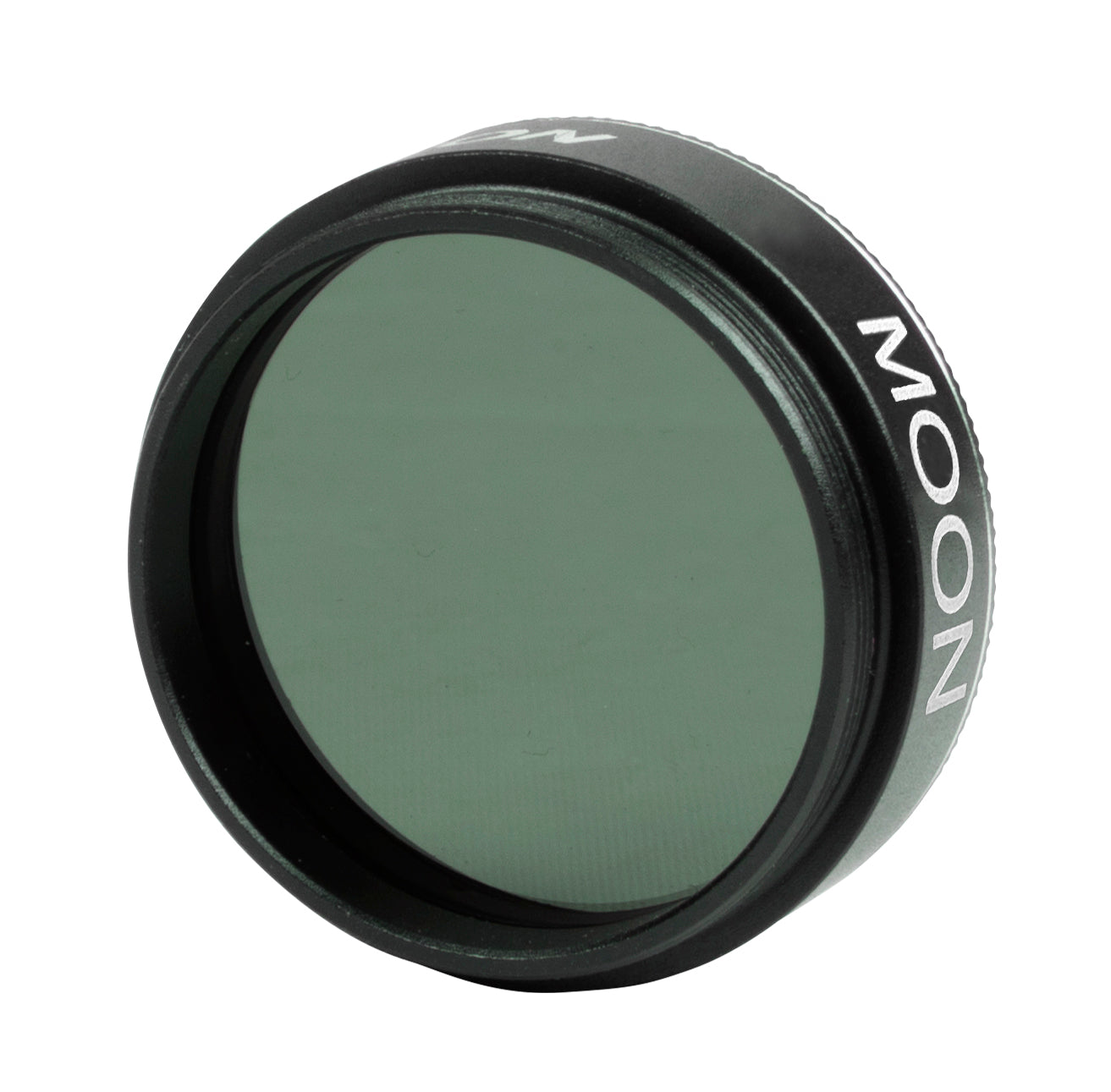
Twelve dollars that make the full Moon comfortable to look at for more than a few seconds
Sharper planets & lunar detailSVBony Redline 9mm Ultra Wide Angle
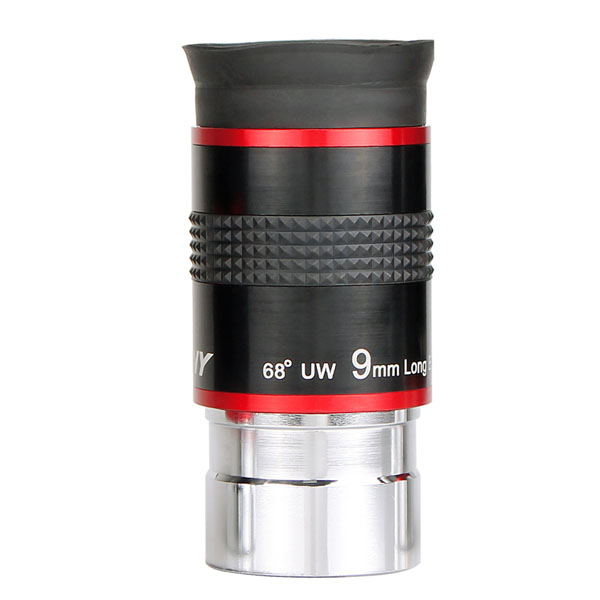
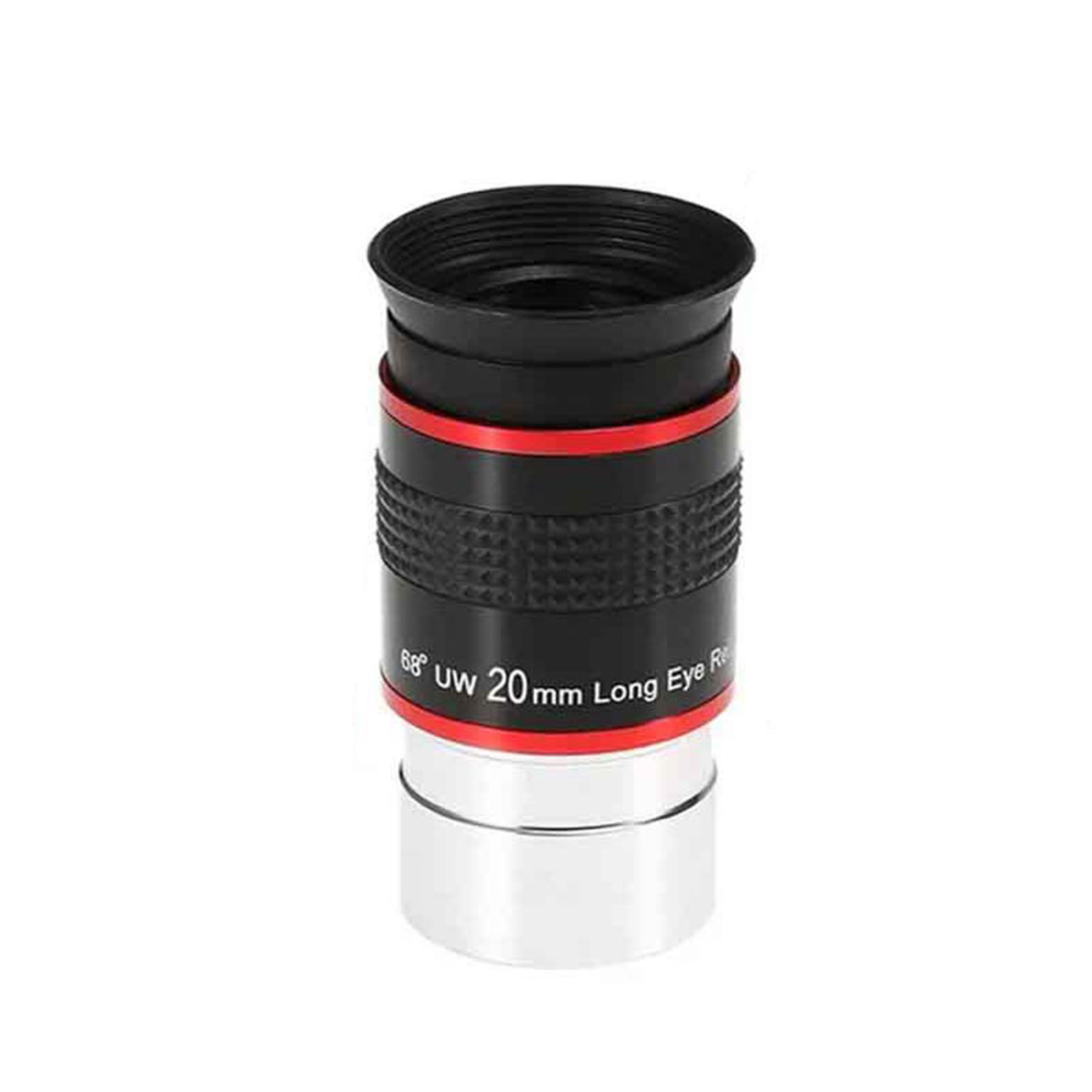
A sharper everyday viewSVBony Redline 20mm Ultra Wide Angle
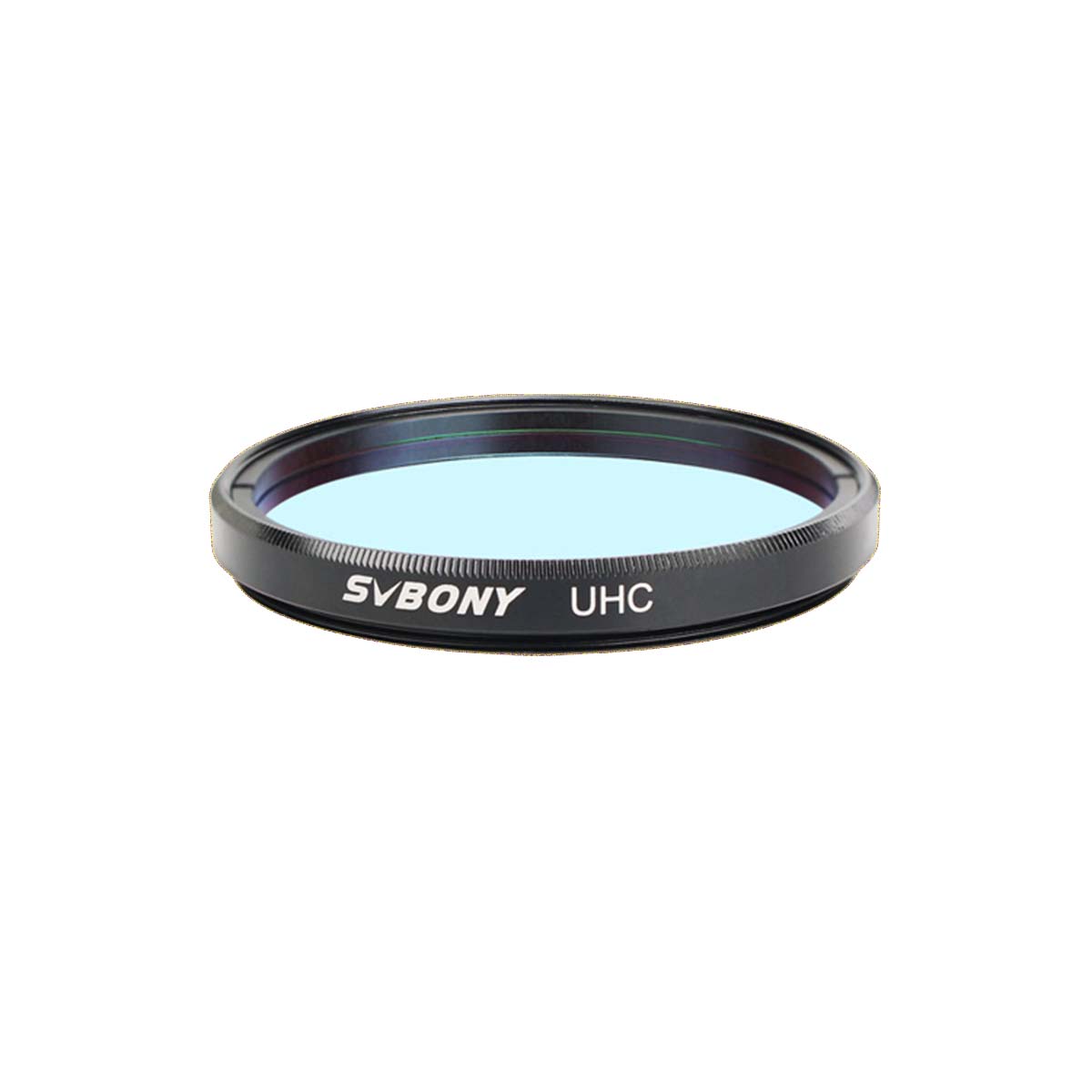
Make nebulae popSVBony UHC 1.25-inch
06The numbersFull specifications.
6 measured and stated values
Full specifications.
07AlternativesFor a different goal, start here.
3 alternatives, each mapped to the goal it wins at
For a different goal, start here.
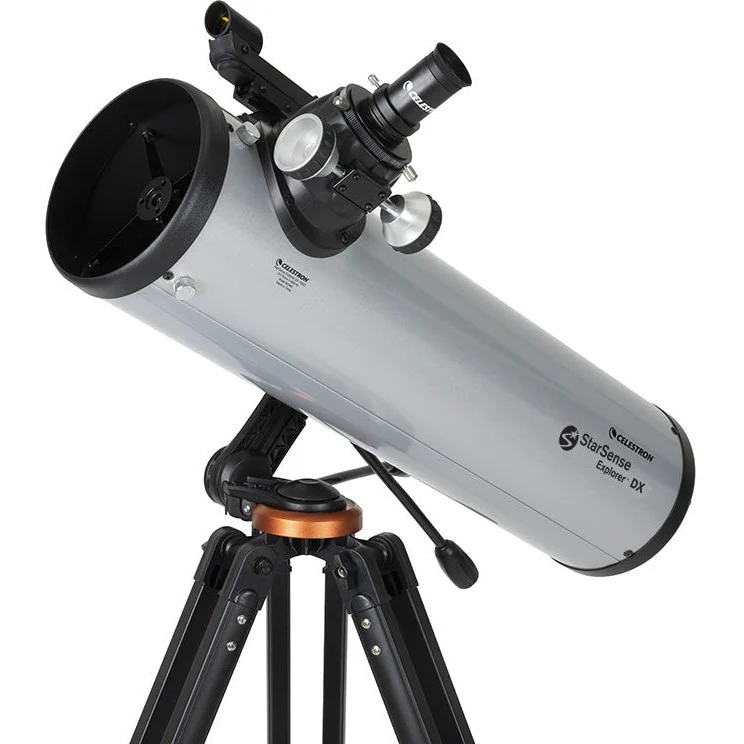
Celestron StarSense Explorer DX 130AZ
A 130mm reflector with the identical StarSense system, roughly double the light for about double the price
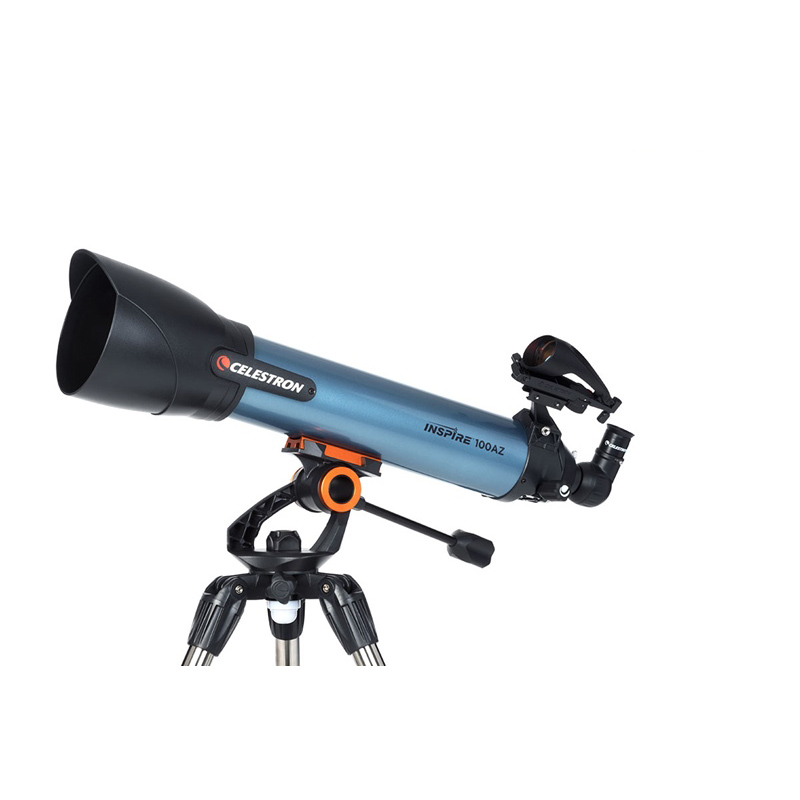
Celestron Inspire 100AZ
A 100mm f/6.6 refractor with a wider field if you would rather learn to star-hop than lean on a phone
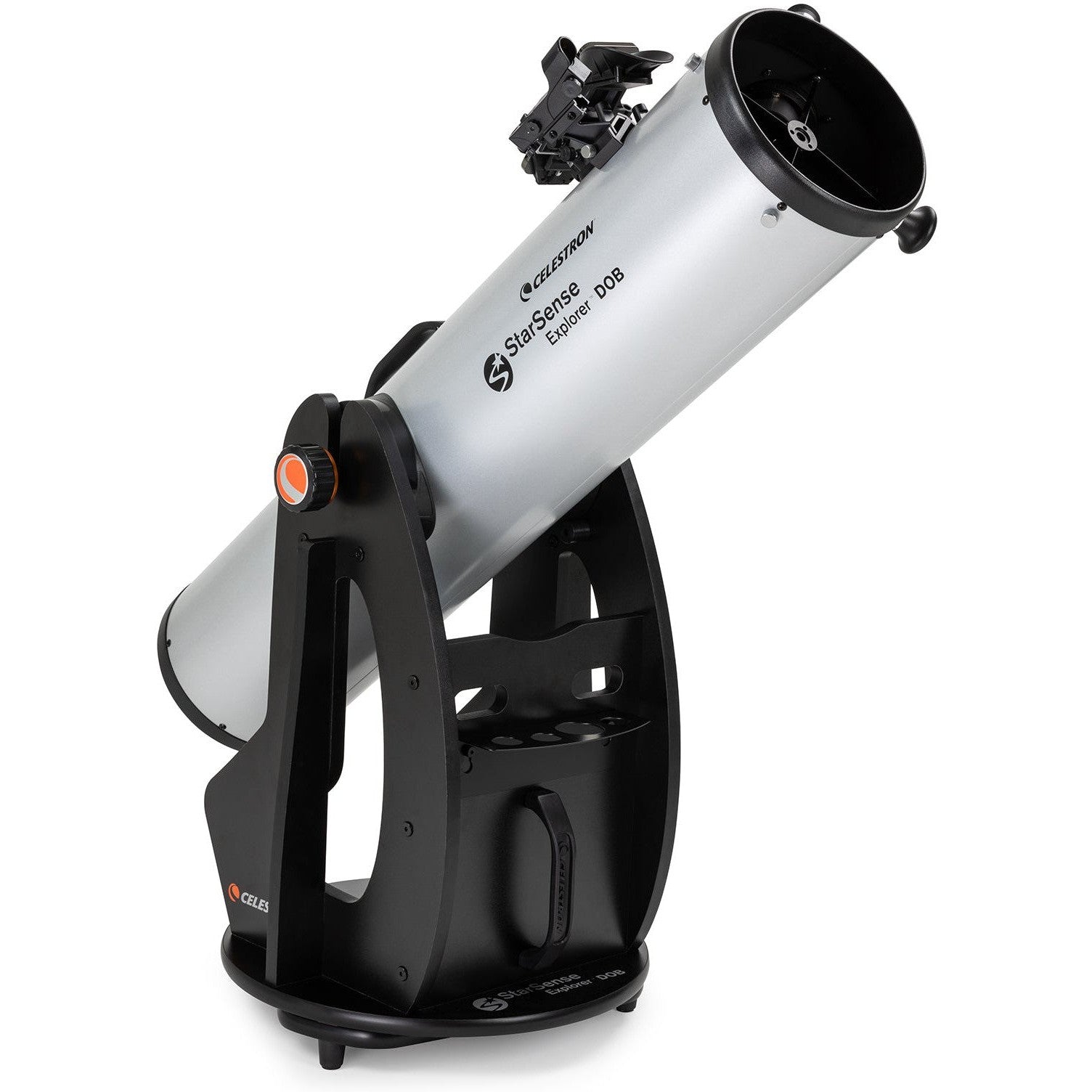
Celestron StarSense Explorer 8 Dobsonian
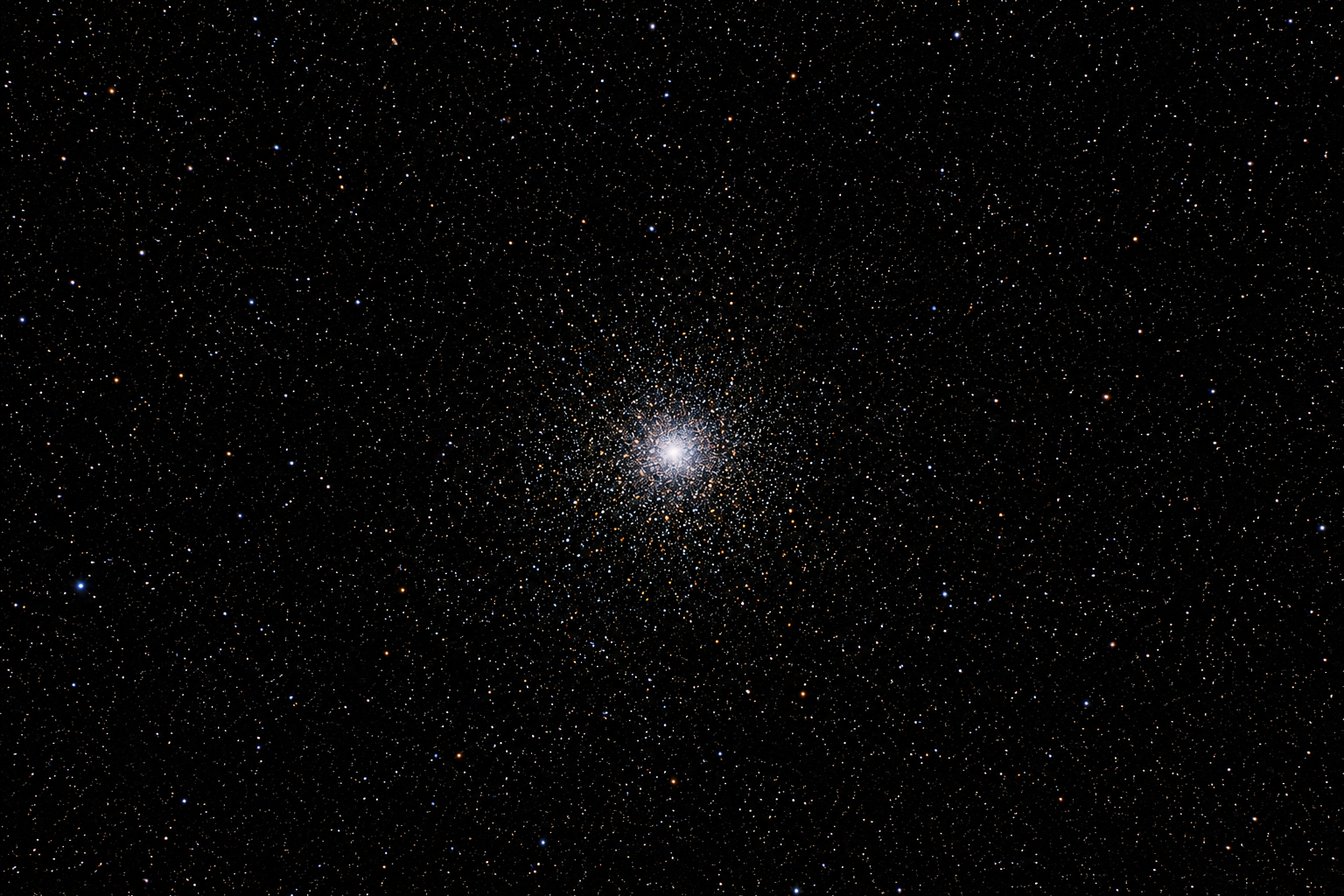
Same app on 203mm of aperture, which is where galaxies and nebulae stop being smudges