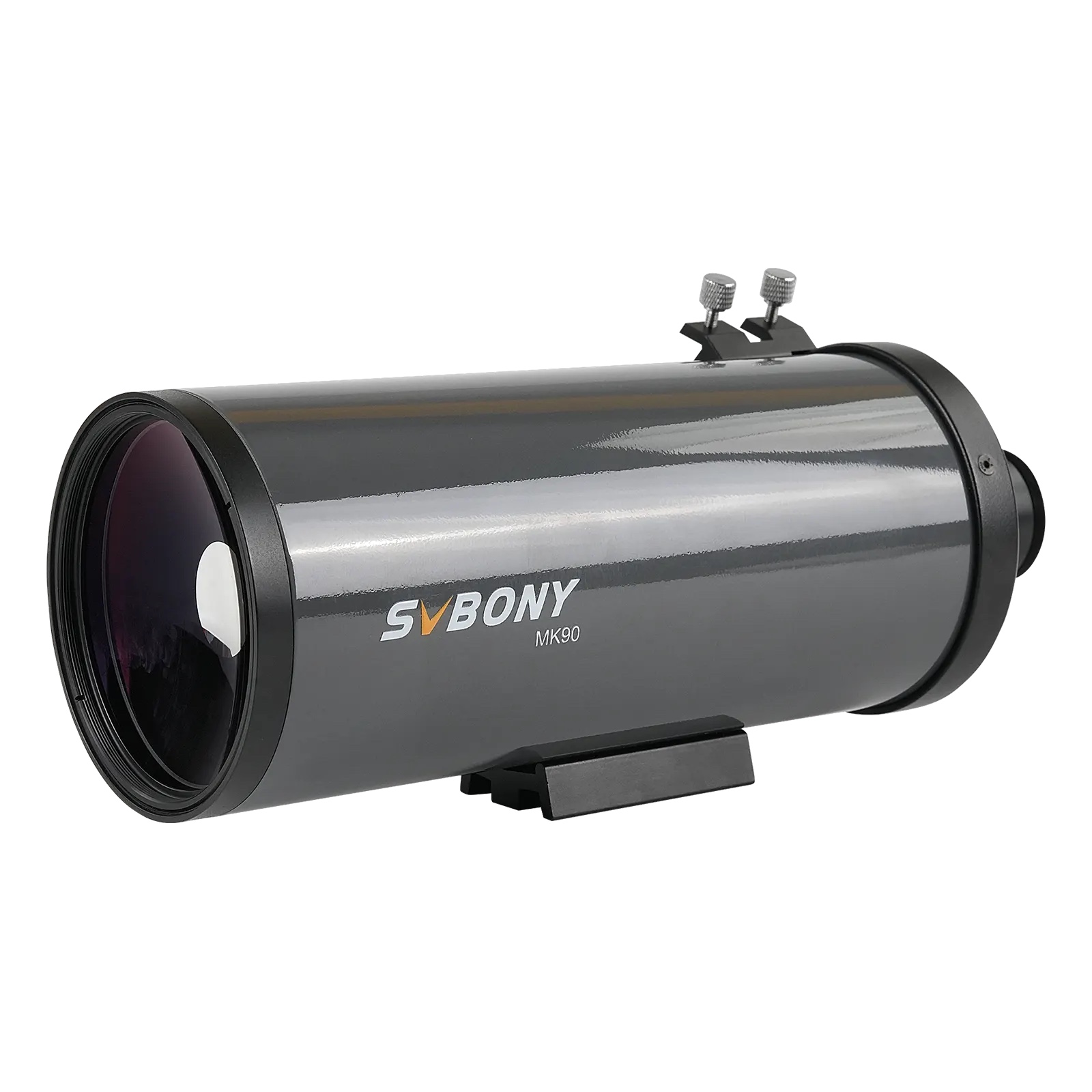
SVBony MK90 Maksutov-Cassegrain
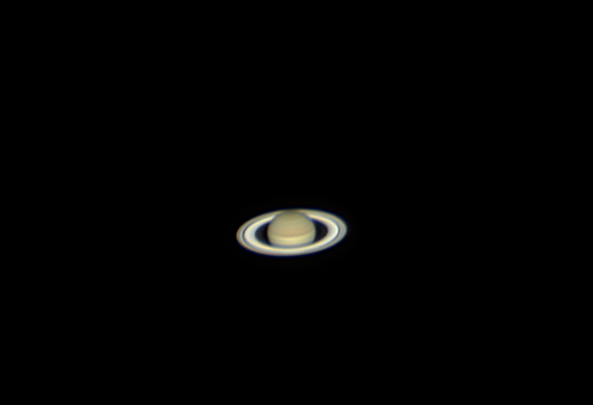
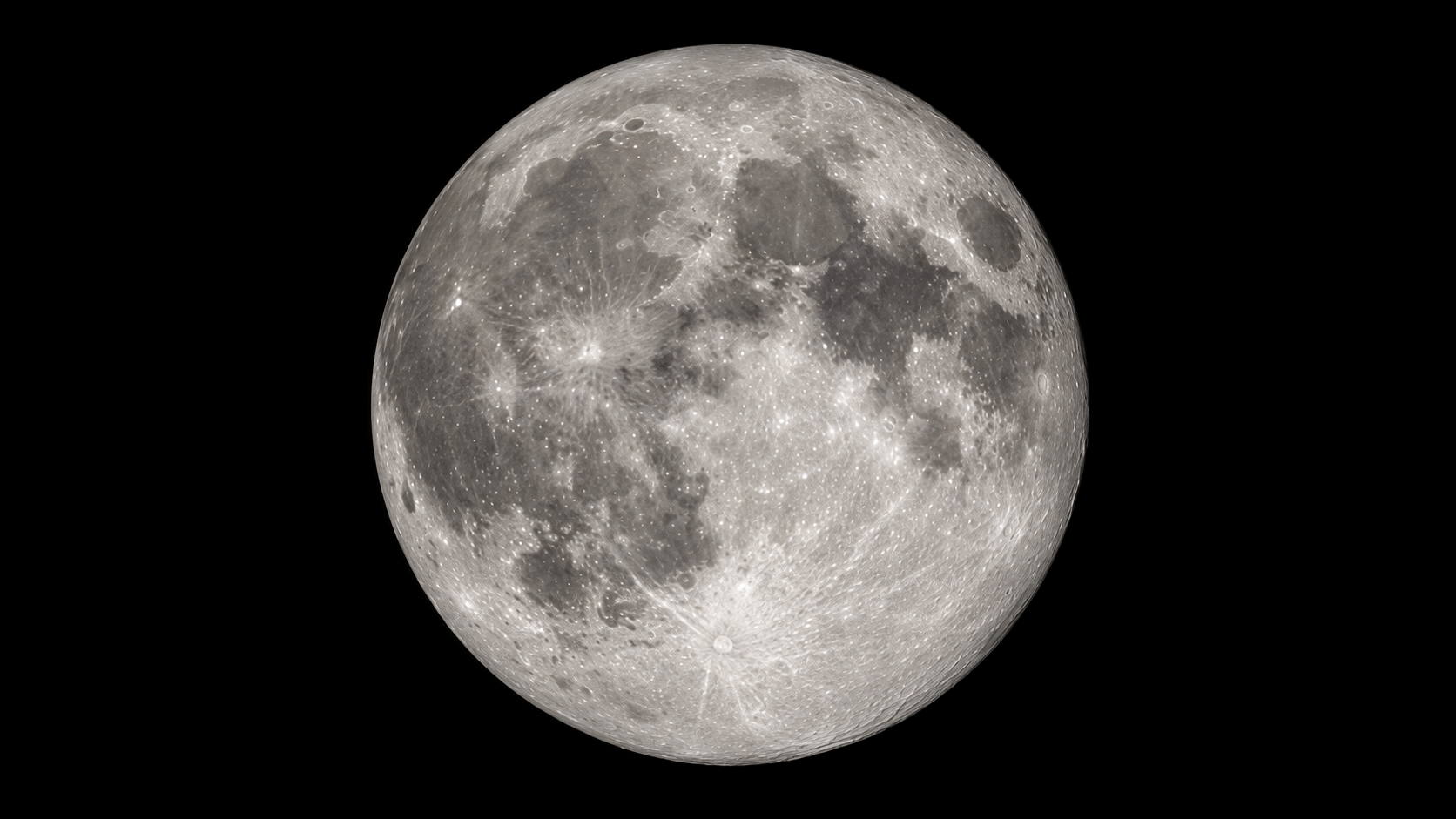
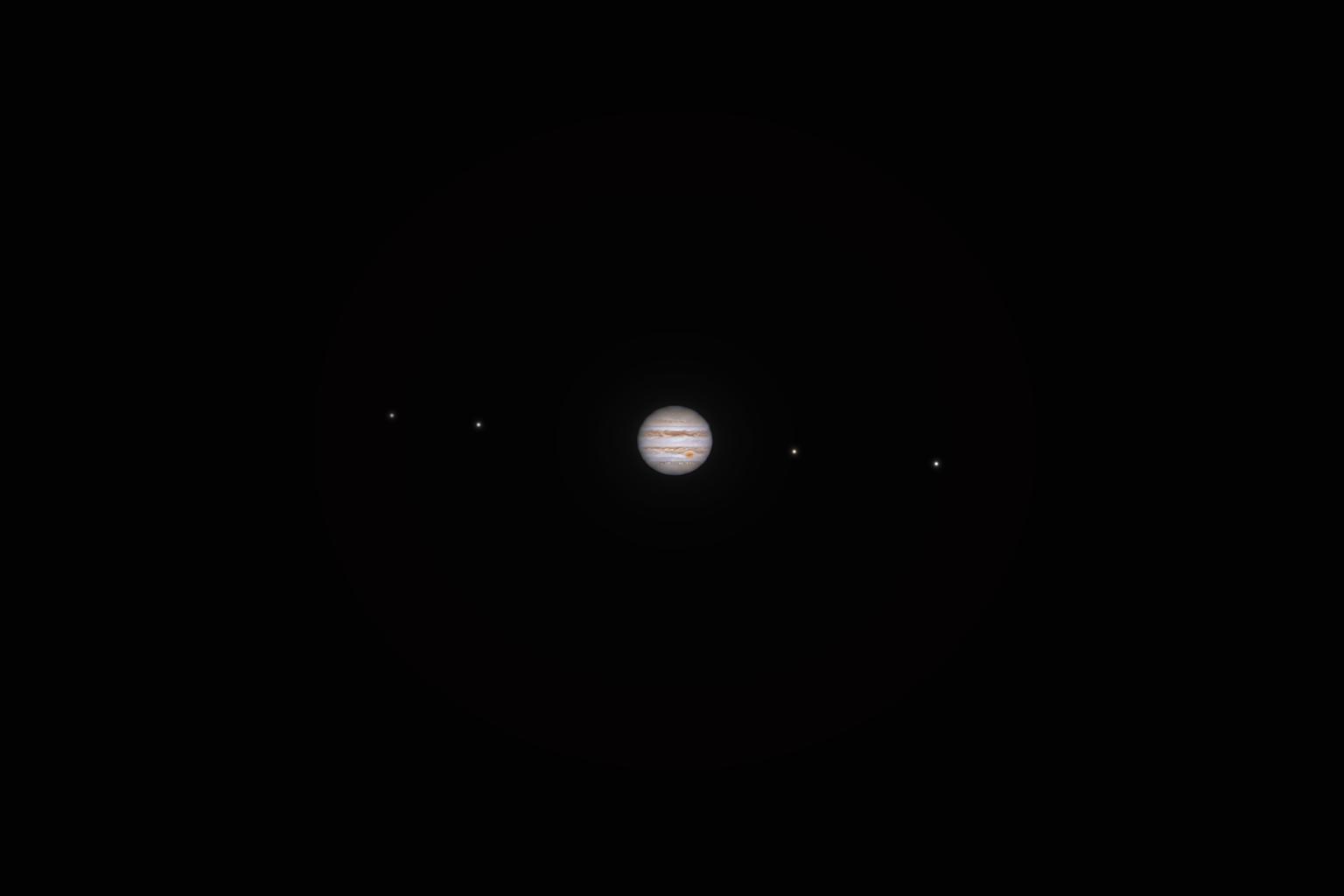
1250 mm of focal length in a tube that weighs less than a bag of sugar. A lunar and planetary specialist small enough to live in a rucksack, and a poor choice for anything faint.
$8 above 90-day low
Price tracked by PolarisObserved 45 timesTracking since Sep 2026
01What it's good atWhat it's best at — and the trade-offs.
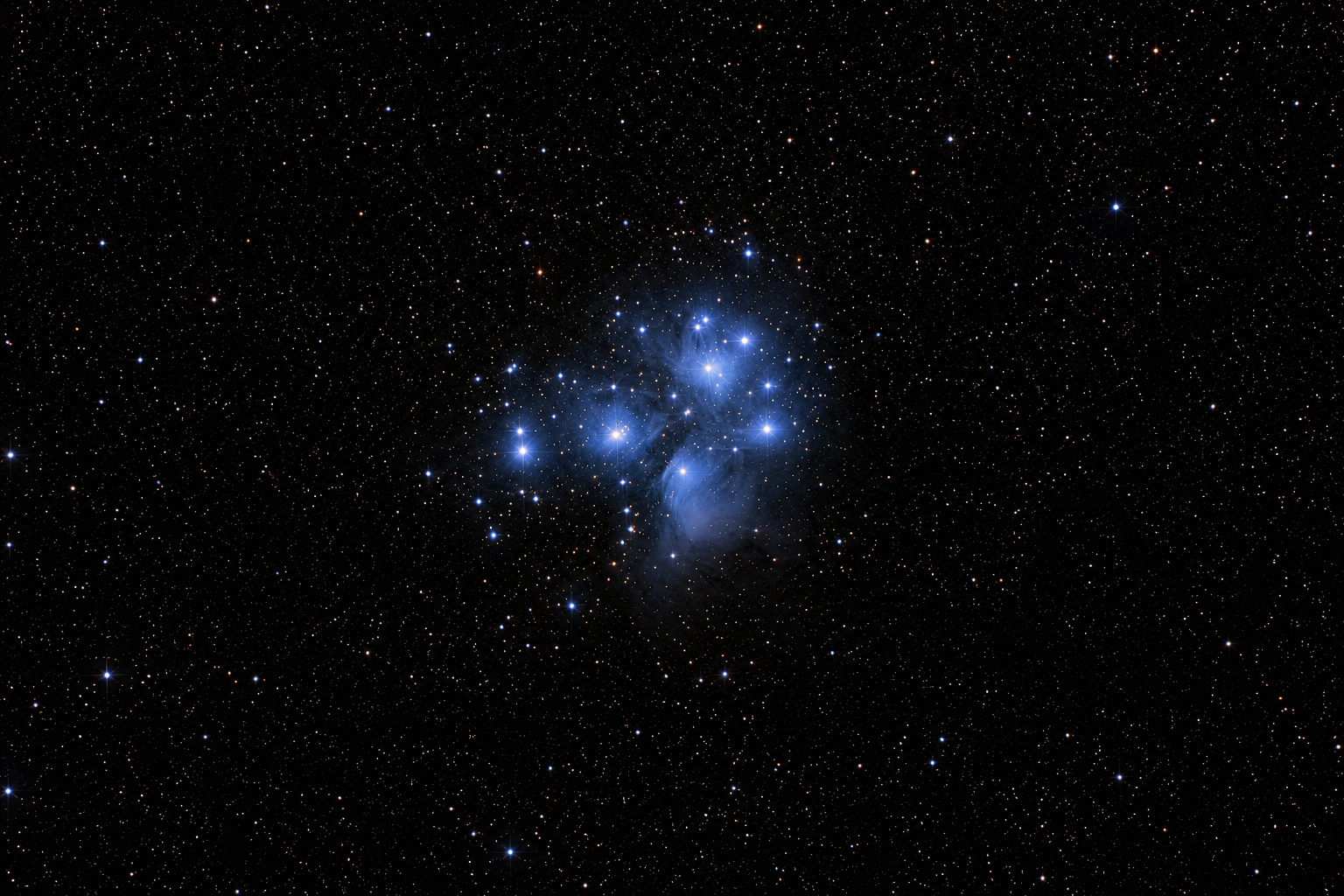
1250 mm of focal length from a 30 centimetre tube is what the Maksutov design exists for, and it means high magnification without a Barlow.
What it's best at — and the trade-offs.
02In plain EnglishWhat These Numbers Mean
90mm · f/13.9 · 1250mm FL
What These Numbers Mean
03The Polaris ScoreHow it scores, and why.
76/100 · #6 of 8 Maksutov-Cassegrain telescopes
How it scores, and why.
Polaris weighs optical capability, how easy the scope is to live with, how portable it is, and how far it takes you before you outgrow it — not list price or brand.
04Who it's forAn honest fit check.
Someone who wants the Moon and the planets to look sharp and does not care about faint…
An honest fit check.
05Build your rigWhat to buy next — and where it leads.
7 pieces of gear, ordered by what changes the view most
What to buy next — and where it leads.
A sharper everyday view★ Top pickSVBony SV190 Ultra Flat Field 10mm
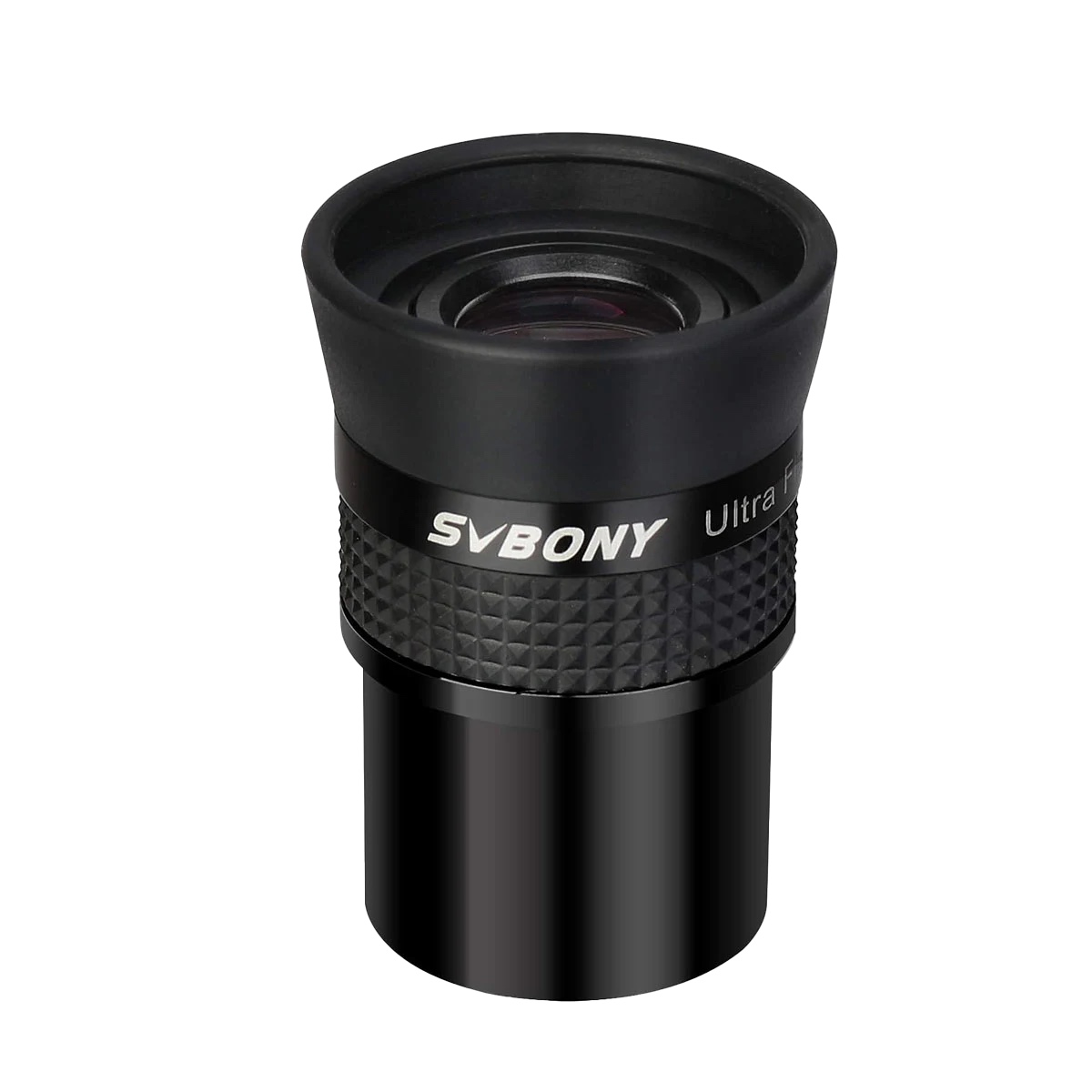
125x in this tube, which is the planetary sweet spot, with 16mm of eye relief instead of the usual cramped 7mm.
Tame lunar glareGSO Moon Filter 13pct 1.25-inch
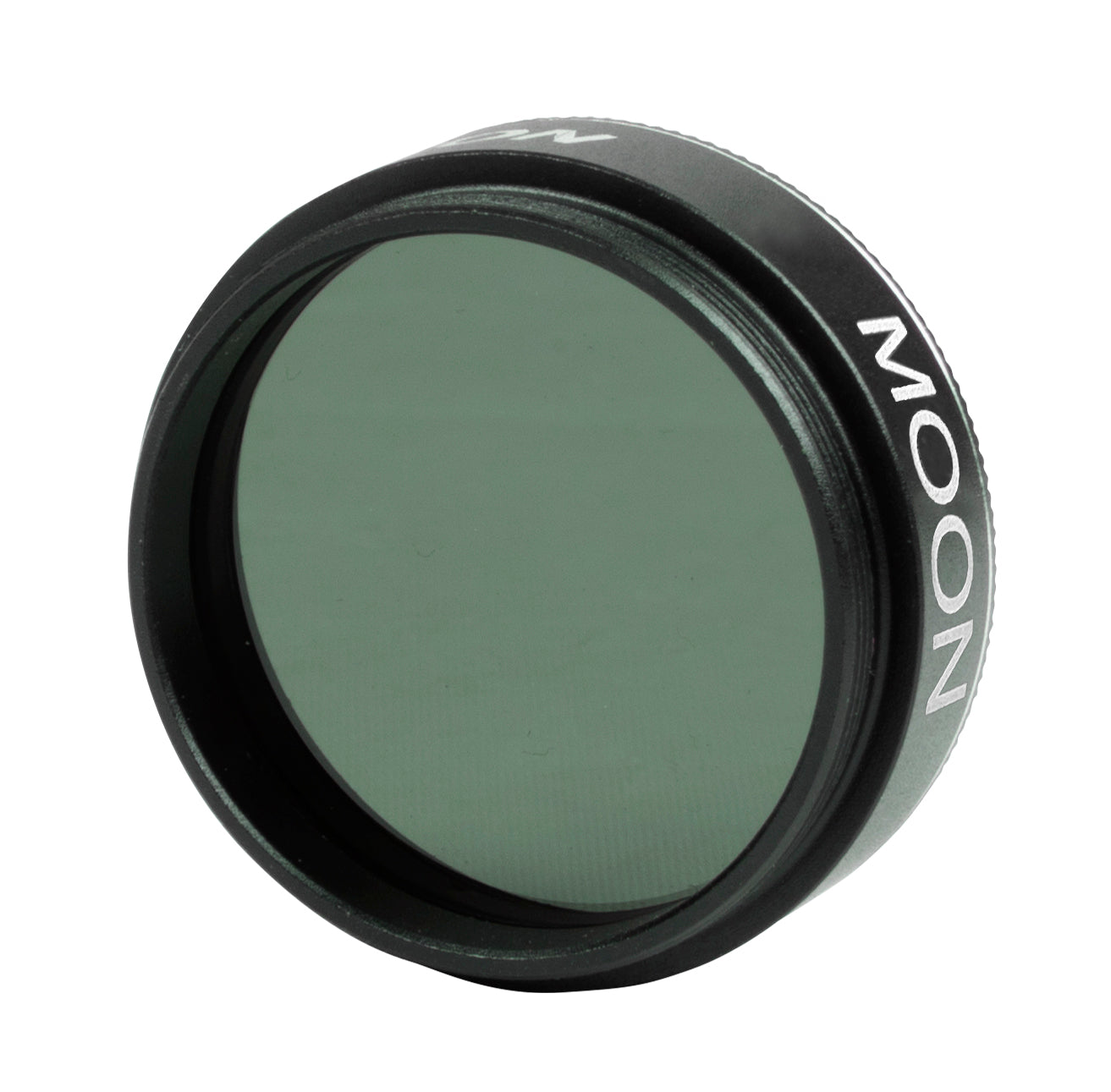
At 125x the Moon is bright enough to leave an afterimage. This makes long lunar sessions comfortable.
A sharper everyday viewExplore Scientific 68deg 24mm
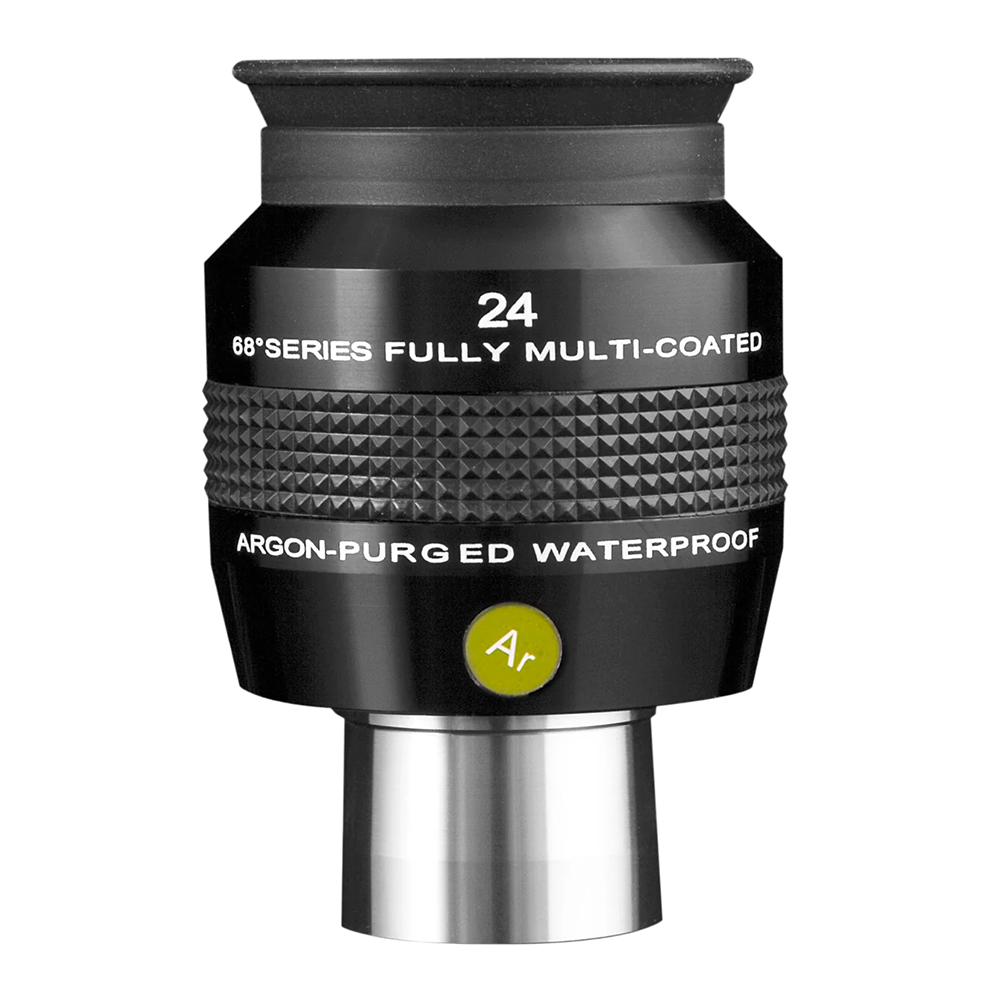
52x with a 1.3 degree field, the widest this tube can achieve. At f/13.9 that is what makes finding anything possible.
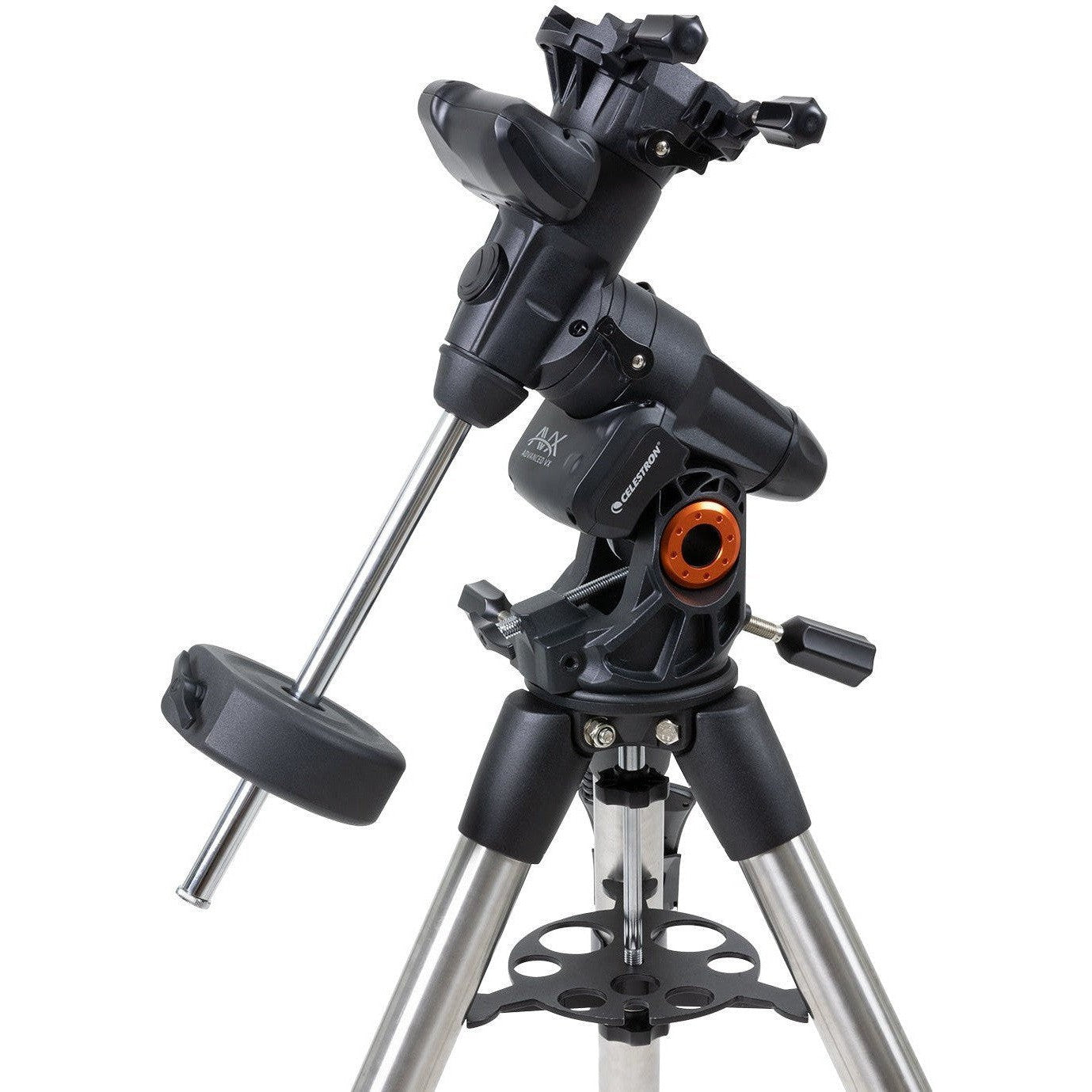
Better tracking & light imagingCelestron Advanced VX (AVX) Equatorial Mount✓ Compatible
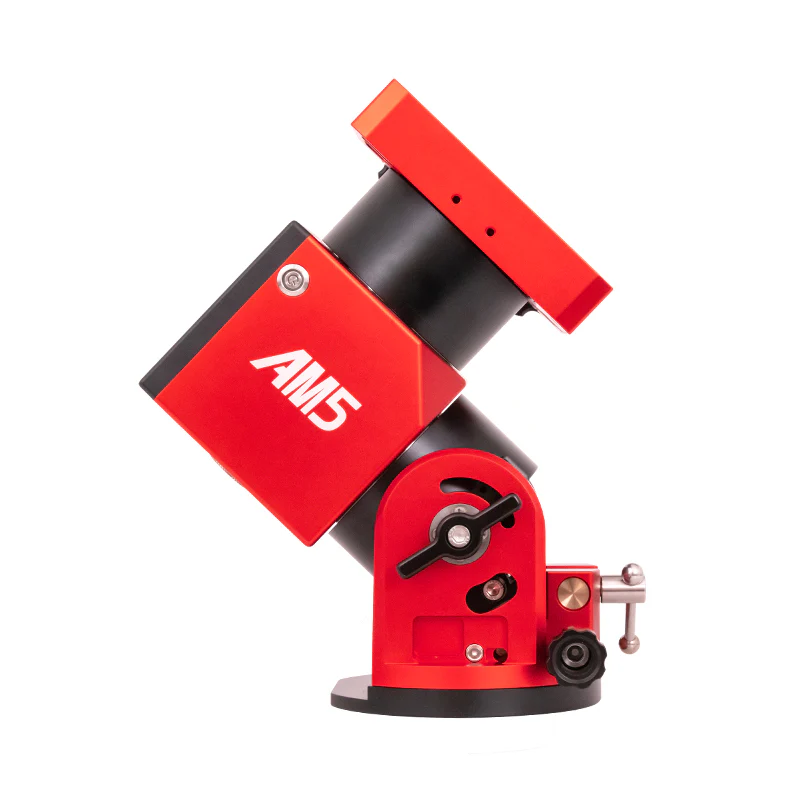
Portable astrophotographyZWO AM5N Harmonic Equatorial Mount✓ Compatible
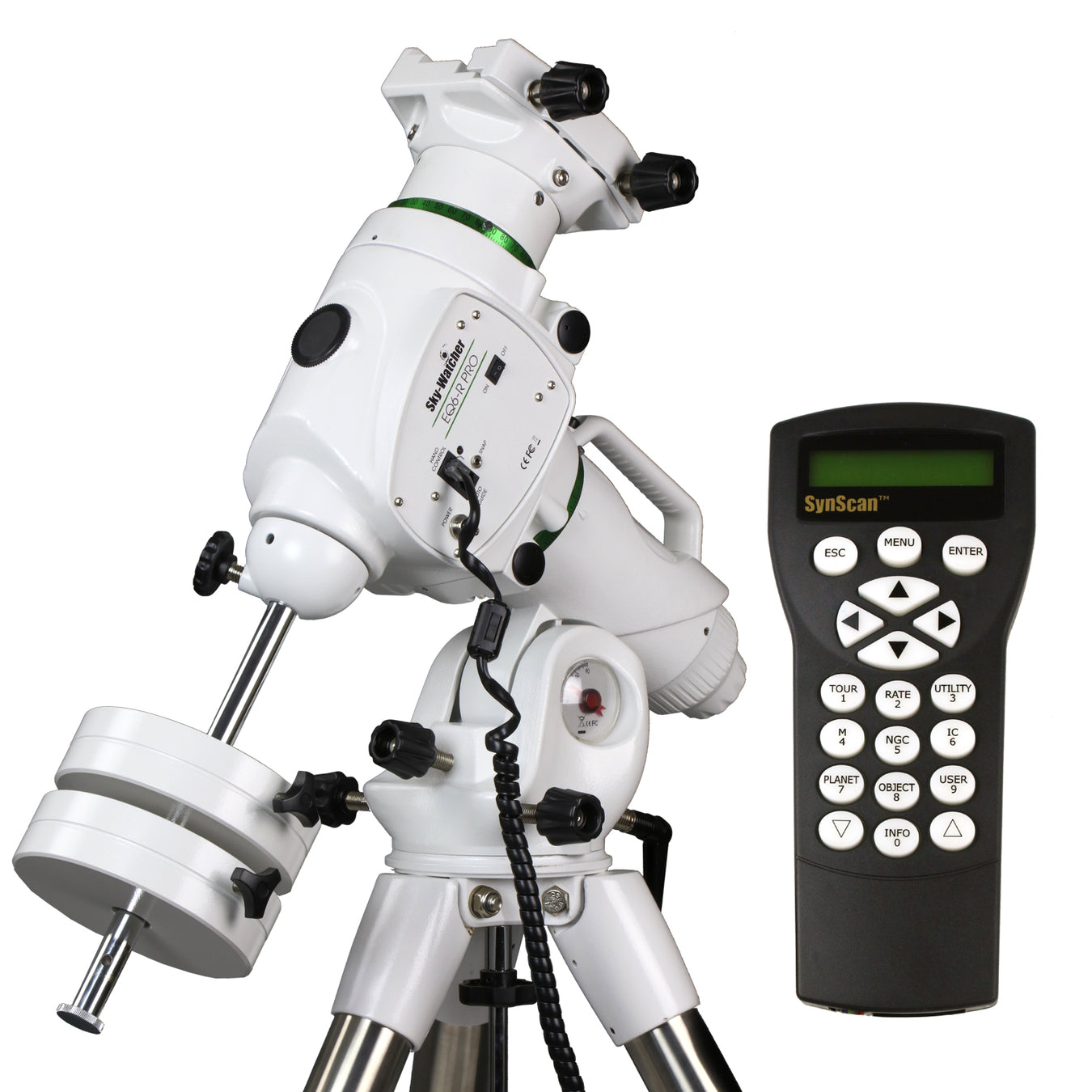
Permanent-setup astrophotographySky-Watcher EQ6-R Pro✓ Compatible
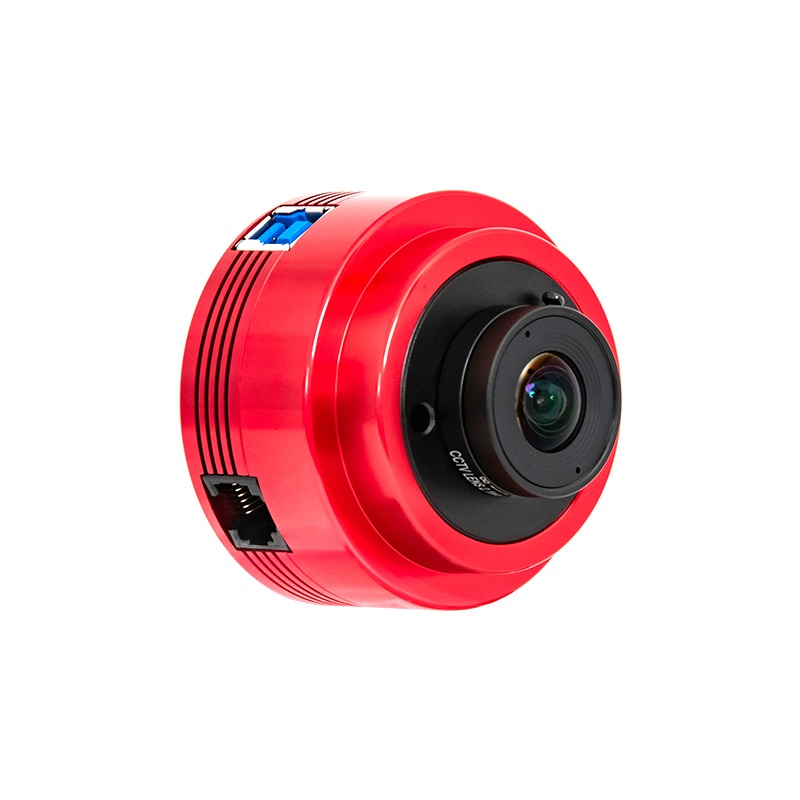
Start imagingZWO ASI662MC
06The numbersFull specifications.
6 measured and stated values
Full specifications.
07AlternativesFor a different goal, start here.
2 alternatives, each mapped to the goal it wins at
For a different goal, start here.
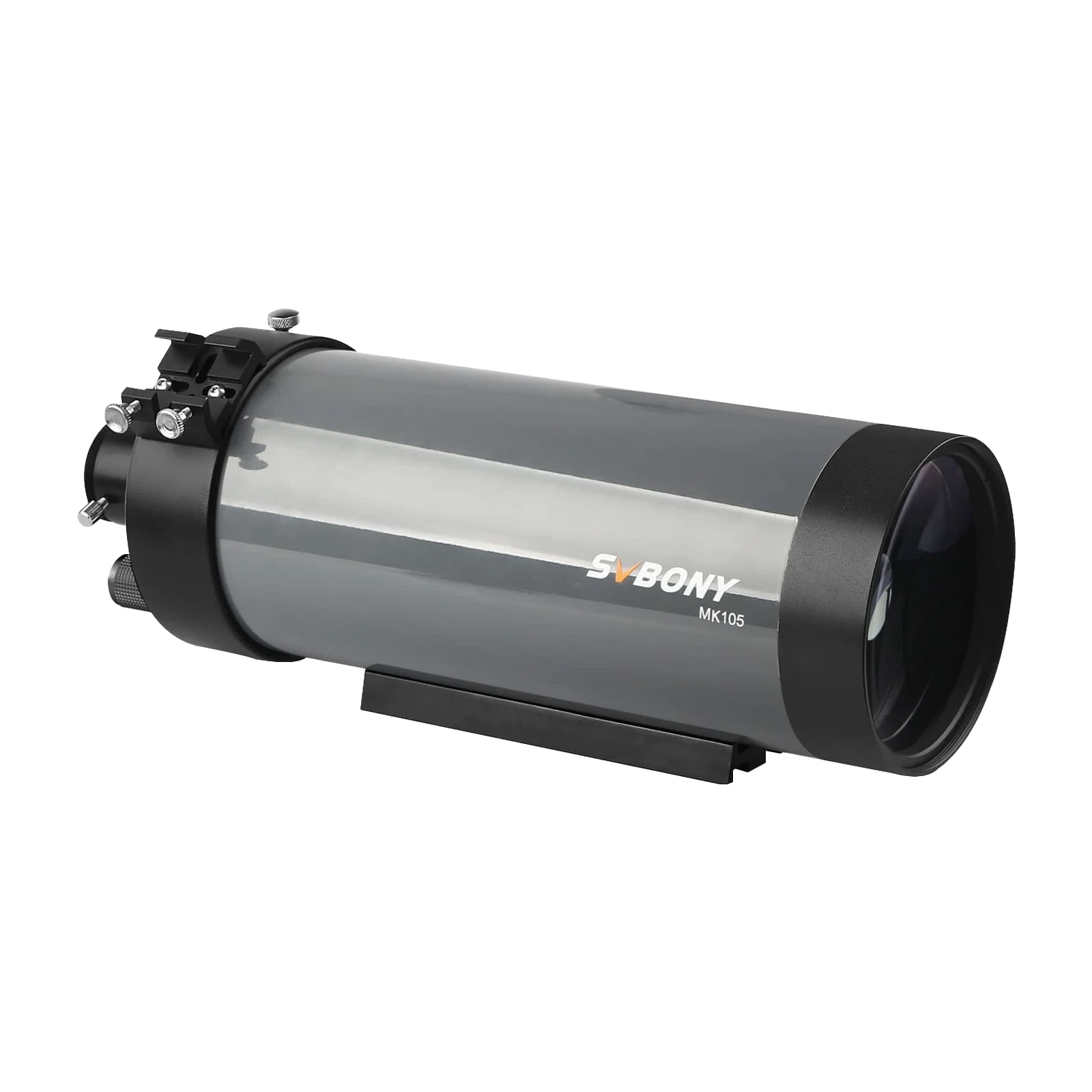
SVBony MK105 Maksutov-Cassegrain
105 mm and 1365 mm for meaningfully brighter planets, at 2.2 kilograms rather than 1.4.
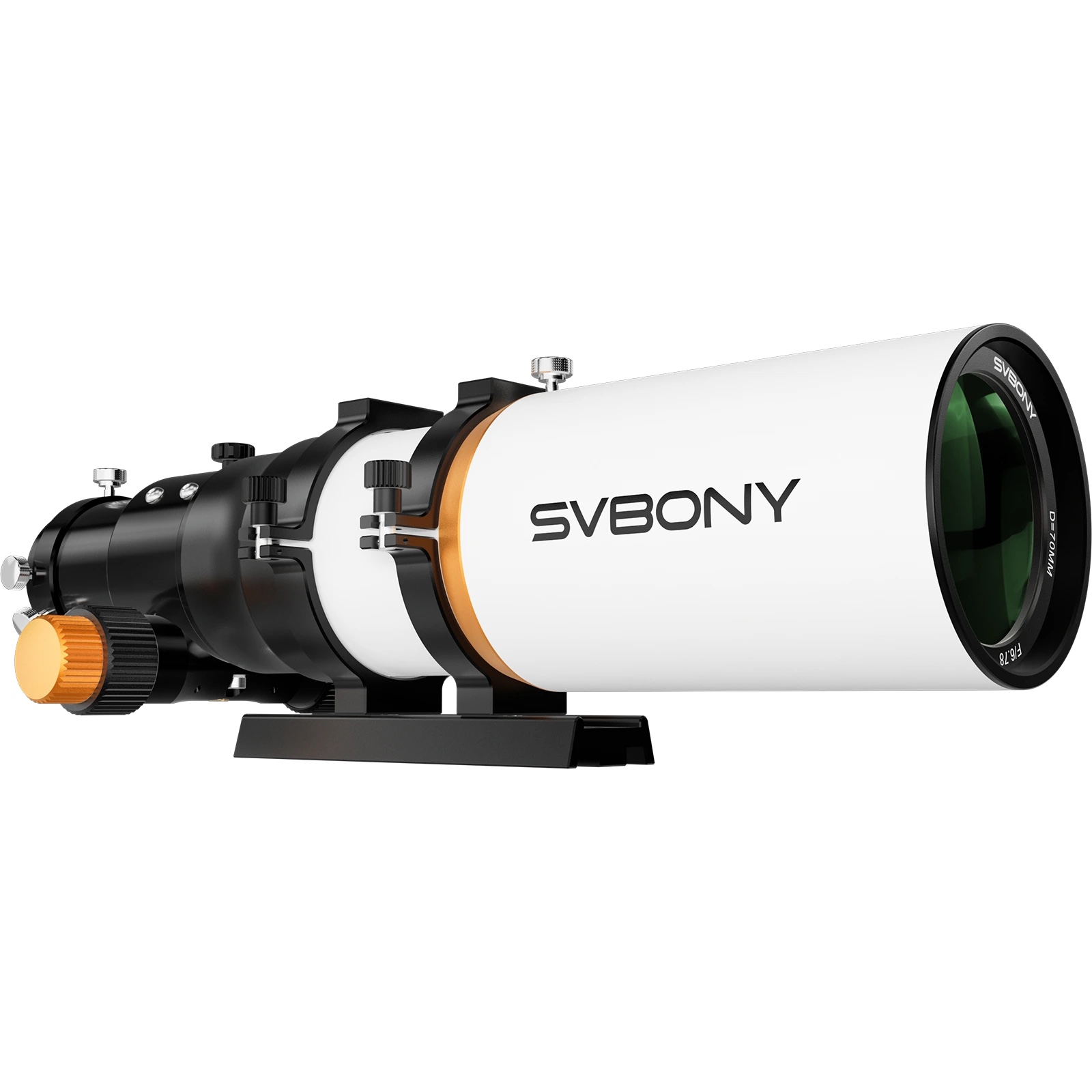
SVBony SV503 70ED Flat Field
Similar aperture, a third of the focal length, and built for wide-field photography rather than planets.