SVBony SV550 122 APO — image 1
SVBony

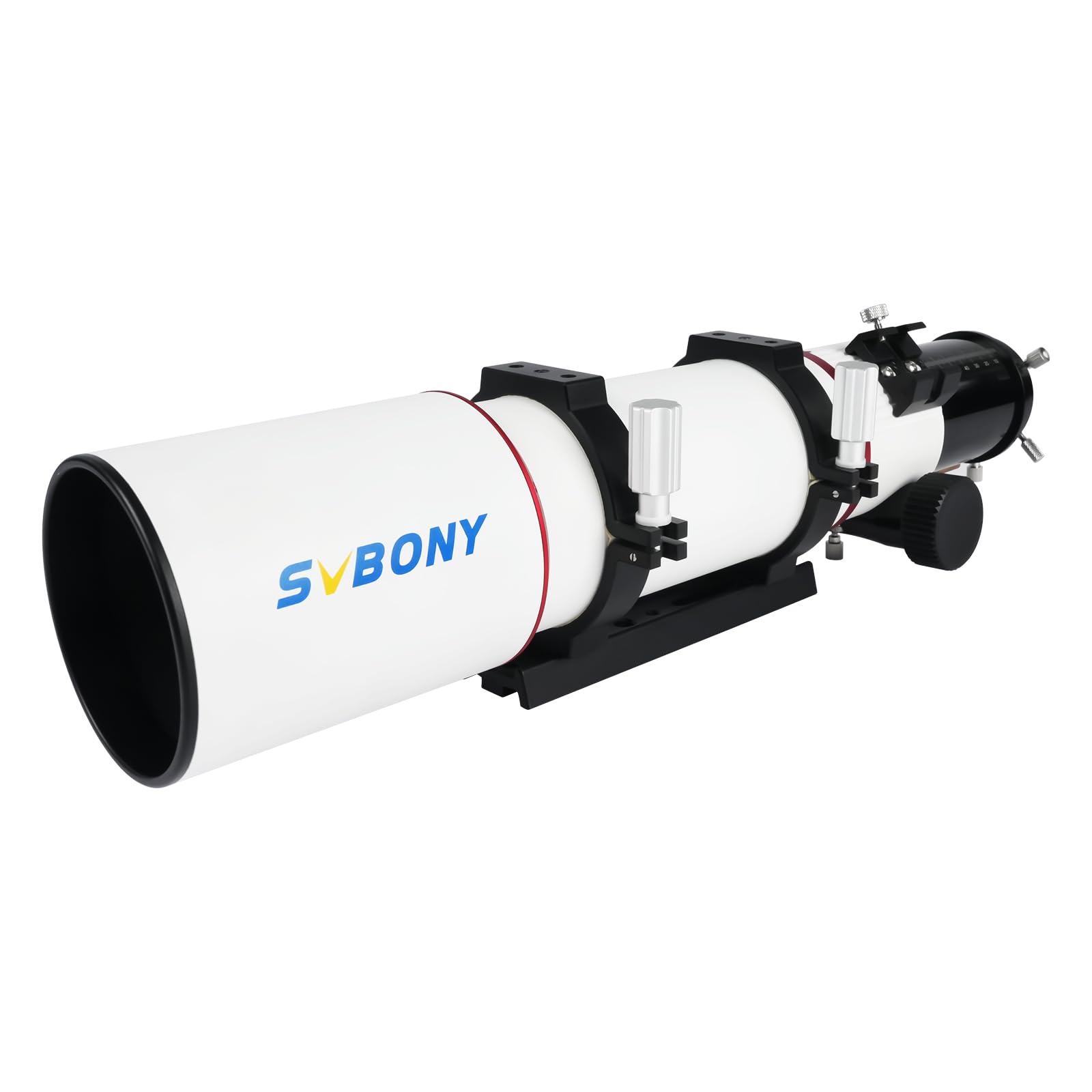
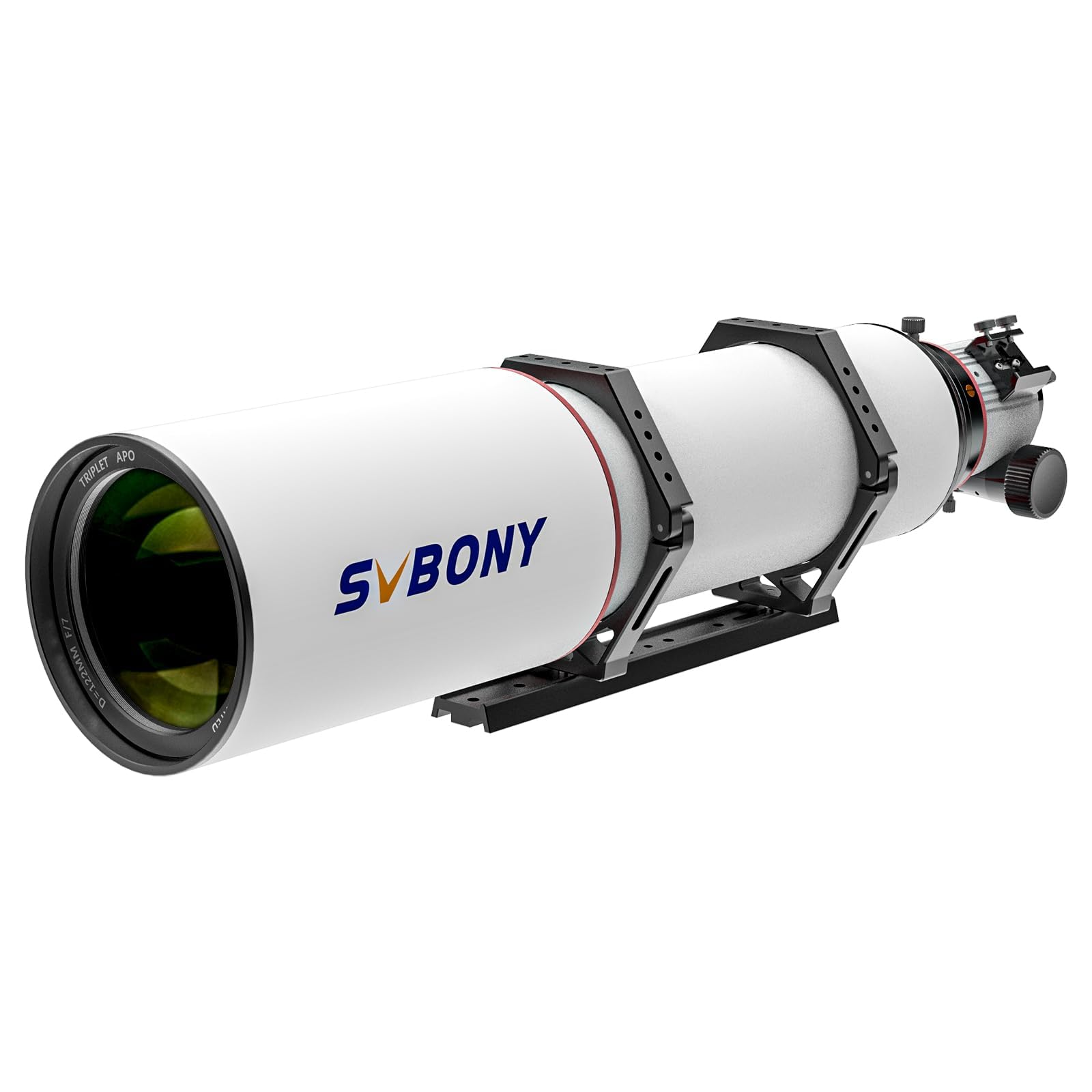
SVBony SV550 122 APO

An unusually large triplet for the money, and the aperture is real, but at 6.4 kg and 854 mm it demands a mount most buyers at this price do not already own.

79/ 100
Polaris Score
#3 of 7 large triplet apo
See the breakdown ↓
Aperture
122mm
Focal Length
854mm
Focal Ratio
f/7
Mount Type
None (OTA only)
Optical Design
Triplet APO
Weight
6.44 kg
From$1,599.99

$300 above 90-day low

Price tracked by PolarisObserved 9 timesTracking since Sep 2026

Try in simulator →
What it's built forOpen these in the simulator →

This telescope was built for sweeping wide.

A short, fast refractor with a generous true field — the whole sword of Orion in one view, star fields that spill past the field stop. It rewards low power and dark skies far more than chasing magnification.

Widest true fieldsTack-sharp to the edge
The view people remember

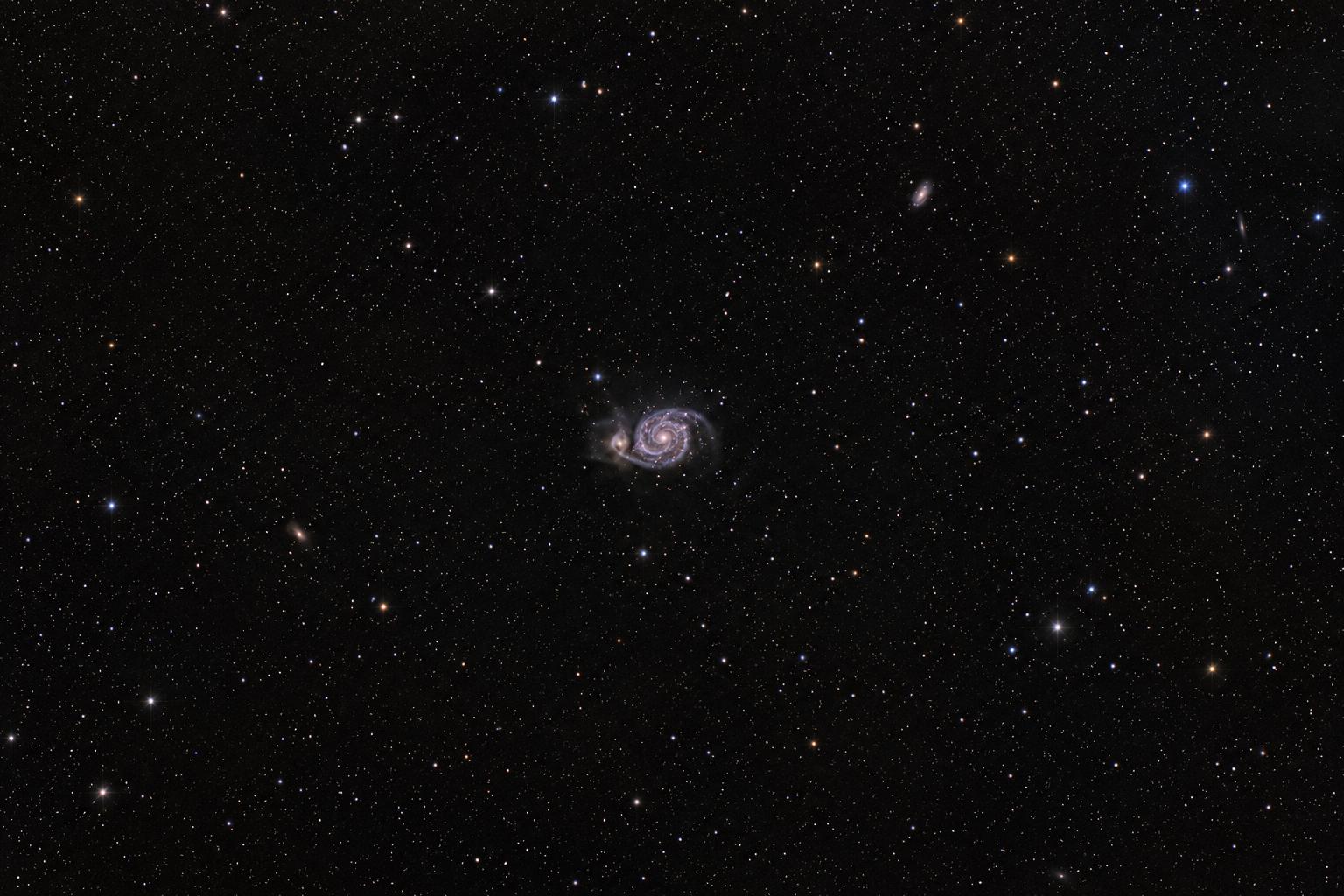
Andromeda, wider than the Moon.

A vast soft oval with a blazing core — two and a half million light-years of galaxy, spilling well past the field of view under a genuinely dark sky.

See Andromeda Galaxy through this telescope →
01What it's good at

What it's best at — and the trade-offs.

122 mm of triplet aperture for under $2000 is a combination the established brands do not currently offer at all
Best at
✓122 mm of triplet aperture for under $2000 is a combination the established brands do not currently offer at all
✓854 mm at f/7 reaches the smaller targets an 80 mm cannot resolve: globular clusters, planetary nebulae and the brighter galaxies with actual structure
✓The same 2.5-inch dual-speed focuser as the 80 mm, which is comfortably specified for the imaging trains this scope will carry
✓It doubles as a serious visual instrument, where 122 mm of well-corrected refractor shows lunar detail and double stars that a reflector of similar cost will not match for contrast
Trade-offs
!6.44 kg is the bare OTA, and a mount that genuinely handles it for imaging is often a larger purchase than the telescope
!S-FPL51 glass is working harder at 122 mm than at 80 mm, so residual colour on the brightest stars is more visible than on an FPL53 design
!854 mm magnifies mount error as well as the target, so guiding is mandatory rather than advisable
!A large refractor takes a long time to reach thermal equilibrium, and a tube that has not cooled will not show what the optics can do
02In plain English

What These Numbers Mean

122mm · f/7 · 854mm FL
Aperture
122 mm (4.8 inch)
This is the reason to consider it. Compared to an 80 mm it gathers roughly 2.3 times the light and resolves about half again as fine, which is the difference between a galaxy as a smudge and a galaxy with visible arms. Among refractors this is a large aperture, and at this price it is close to unique.
Weight
6.44 kg (OTA only)
The specification that quietly decides the total cost. A mount rated 10 kg for visual use is not a 10 kg imaging mount, because imaging wants roughly half the rated capacity to track well. Loaded with rings, flattener, camera and guider this tube sits near 9 kg, which points at an EQ6-class or harmonic mount. Budget that before the telescope.
Focal length
854 mm
Long enough to change what you can photograph and long enough to punish an imprecise mount. Small targets like the Ring Nebula or M51 finally fill a usable part of the frame, but every arcsecond of periodic error and every minute of polar misalignment is magnified too. Guiding stops being optional at this focal length.
Focal ratio
f/7
A moderate ratio that suits the scope's dual nature. It is slow enough to be forgiving of spacing and tilt and to keep the field reasonably flat, and it gives comfortable eyepiece performance for visual use. It also means longer exposures than an f/6 for the same signal, which is another argument for a mount that tracks well.
Optical design
Air-spaced triplet, S-FPL51
The same glass recipe as the 80 mm, asked to do more. Correcting colour gets harder as aperture grows at a fixed focal ratio, so the residual violet that is barely visible on the 80 mm is more apparent here on the brightest stars. It remains a genuine apochromat and far better corrected than any achromat, but this is where the price saving shows.
Cooldown
Expect 45 to 90 minutes
A large glass objective holds heat, and until the tube reaches ambient the air inside it moves and softens the view. On the Moon at high power the difference between a cooled and uncooled tube is obvious. Set it outside when you set up the mount rather than when you start observing.
03The Polaris Score

How it scores, and why.

79/100 · #3 of 7 large triplet apo
79/ 100
SVBony SV550 122 APO
#3 of 7 large triplet apo
Performance
83
Ease of use
70
Portability
62
Upgrade potential
75

Polaris weighs optical capability, how easy the scope is to live with, how portable it is, and how far it takes you before you outgrow it — not list price or brand.

04Who it's for

An honest fit check.

An imager who already owns a mount rated well above 10 kg and wants more reach than an 80…
Buy it if you
✓An imager who already owns a mount rated well above 10 kg and wants more reach than an 80 mm gives
✓A visual observer who wants a large refractor for the Moon, planets and double stars and will not fight collimation
✓Someone with a permanent or semi-permanent setup, where the weight is paid once rather than every session
Look elsewhere if you
!Anyone whose mount is a star tracker or a light equatorial, because this will overload both and no amount of care compensates
!A first imaging telescope, since 854 mm is an unforgiving focal length to learn guiding and polar alignment on
!Anyone who needs to carry gear far from the car, as 6.44 kg of bare tube plus rings, mount and counterweights is a two-trip setup
05Build your rig

What to buy next — and where it leads.

6 pieces of gear, ordered by what changes the view most
Recommended upgrades
Widen the field for big targets★ Top pickSVBony SV193 0.8x Reducer Field Flattener
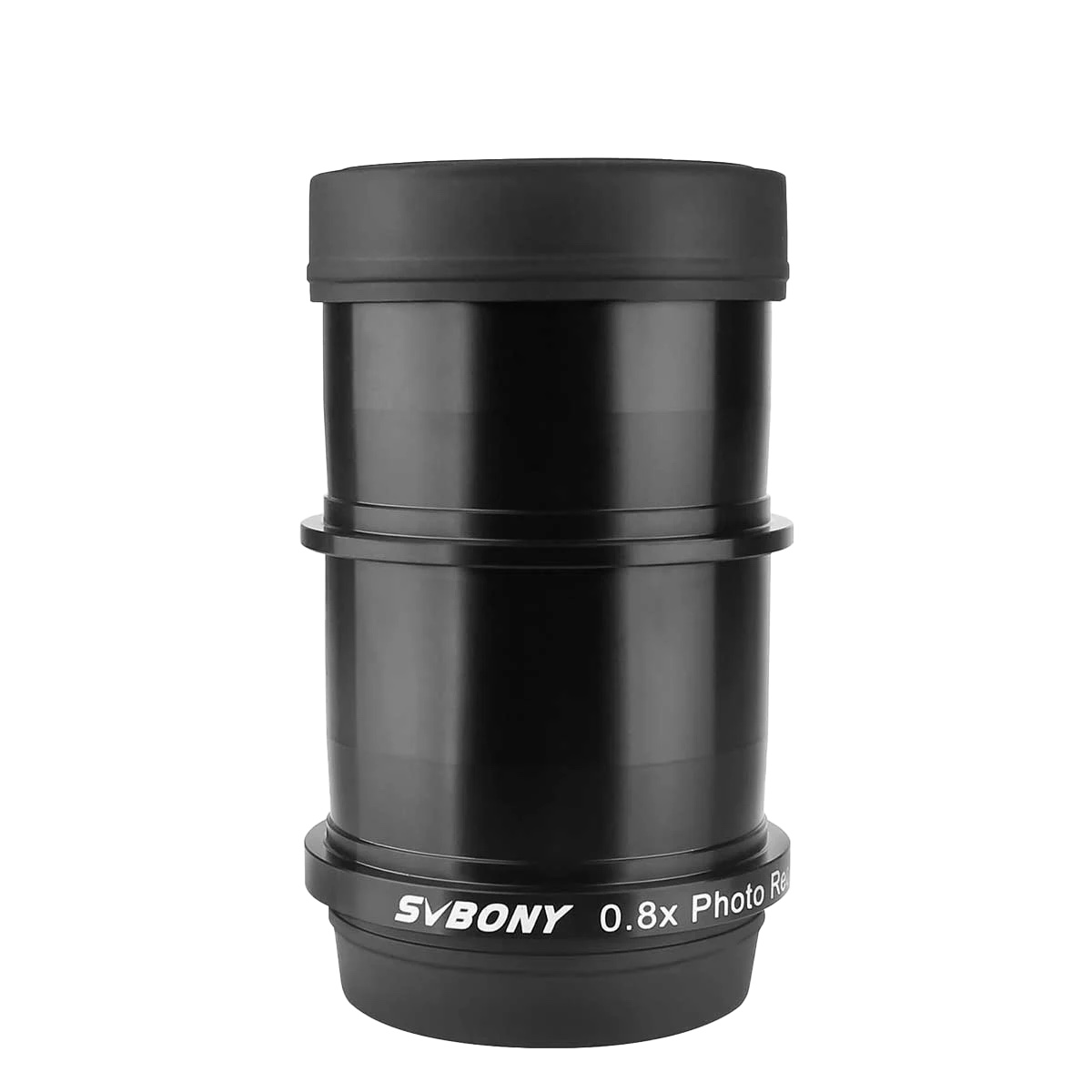
Flattens the field and shortens it to a more forgiving 683 mm at f/5.6

See wider, brighter deep-sky viewsSVBony SV106 60mm Guide Scope
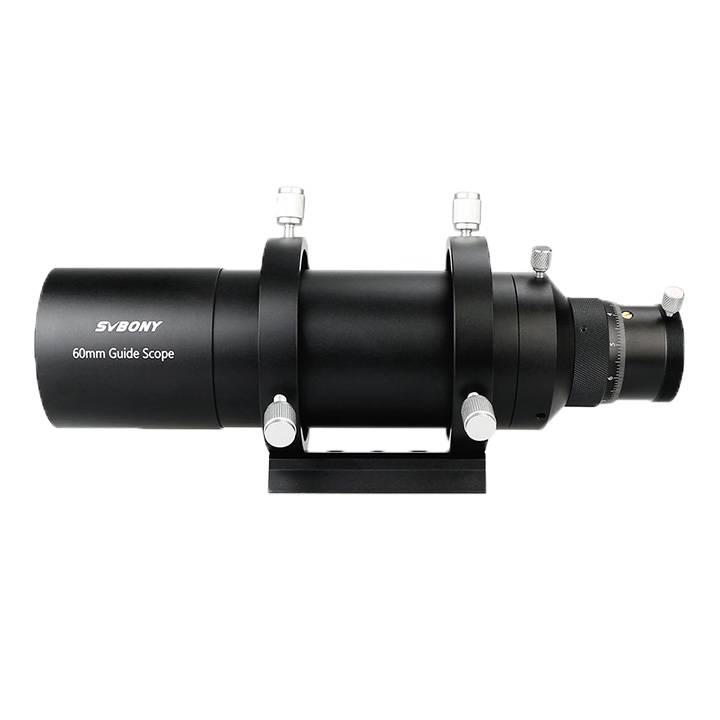
At 854 mm guiding is mandatory, and a 60 mm guide scope is the right scale for this focal length

Observe all night, no AA batteriesCelestron PowerTank Lithium
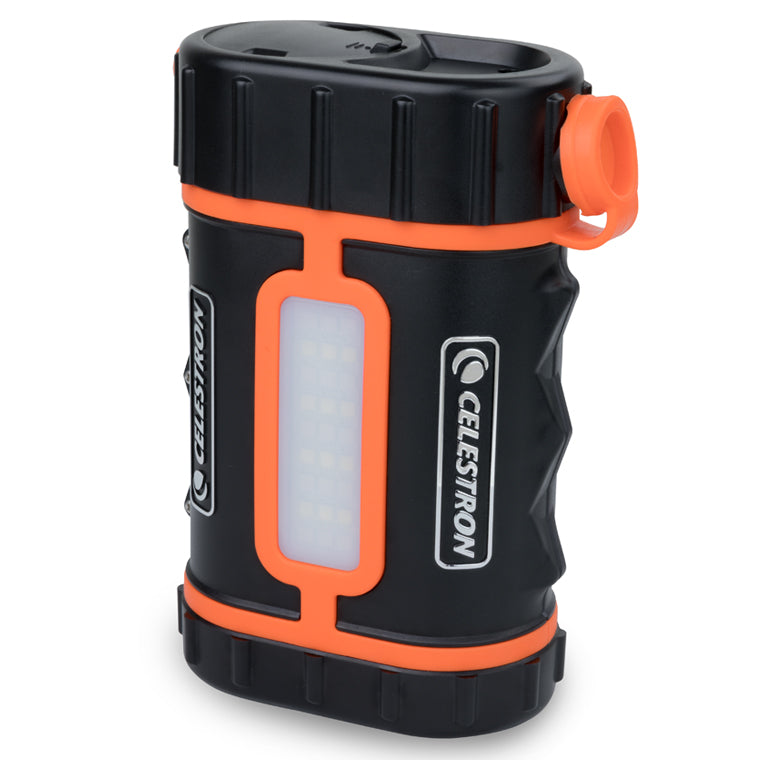
A mount big enough for this tube plus a cooled camera and dew heaters needs real power all night

Growth path
Portable astrophotographyZWO AM5N Harmonic Equatorial Mount✓ Compatible

Permanent-setup astrophotographySky-Watcher EQ6-R Pro✓ Compatible
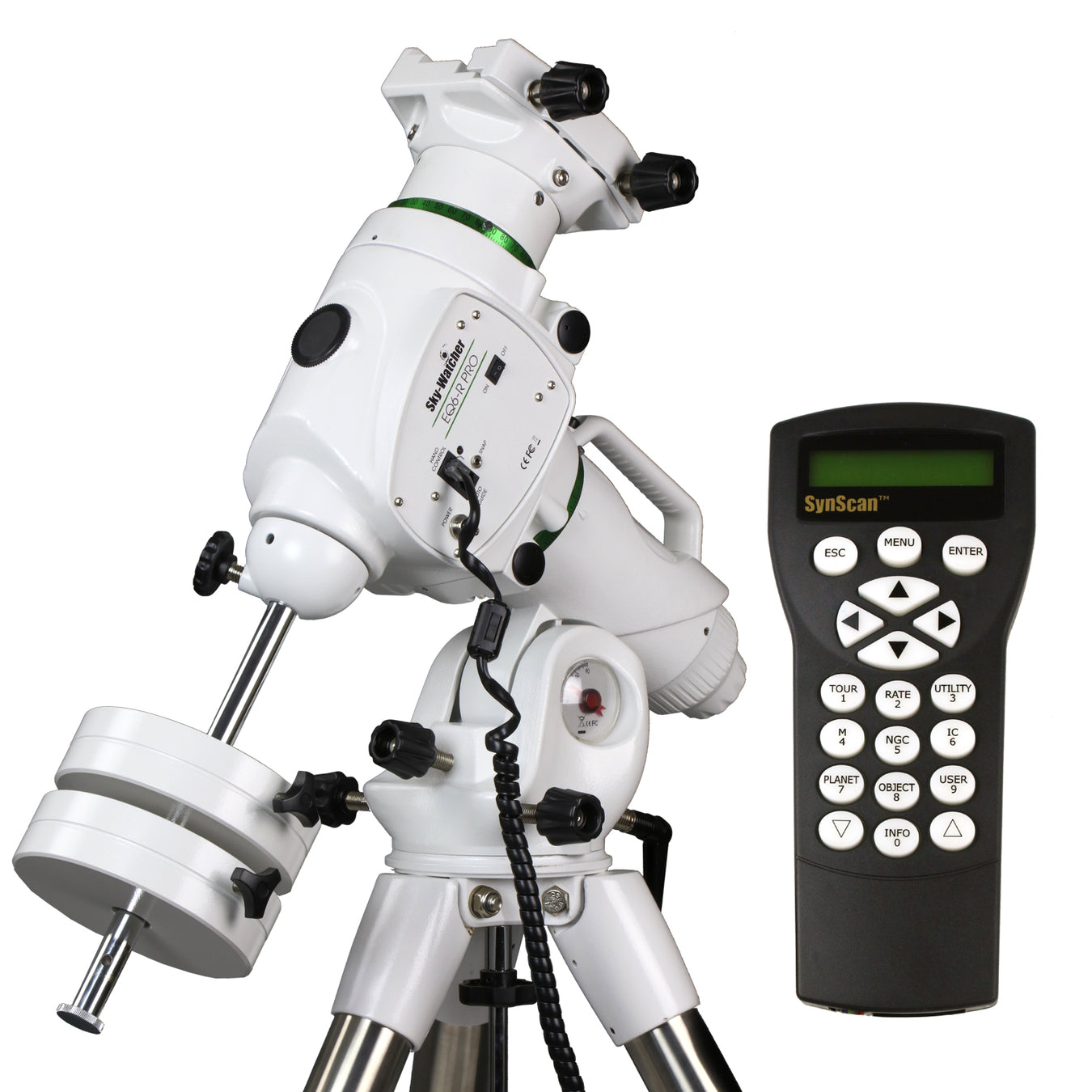
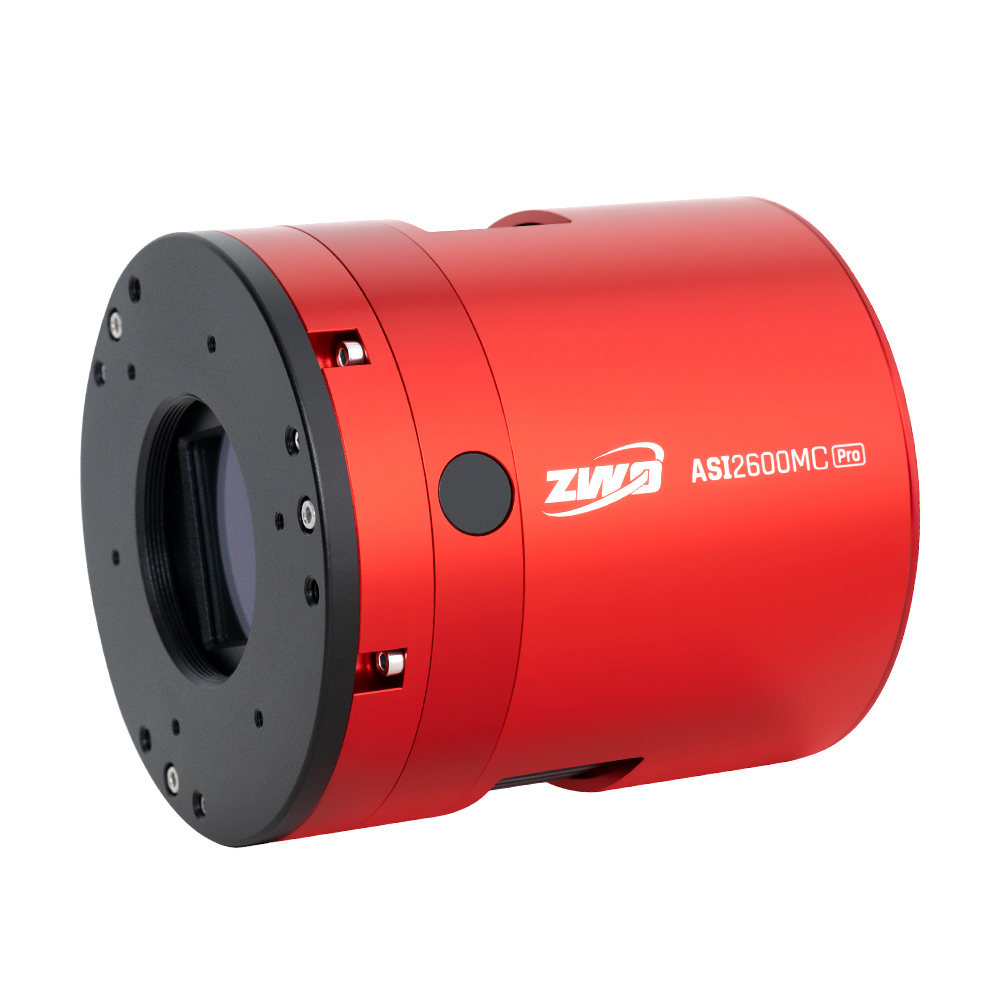
Start imagingZWO ASI2600MC Pro
Lunar & planetary
Excellent contrast
Deep-sky imaging
Strong with a flattener
Deep-sky visual
Strong
06The numbers

Full specifications.

6 measured and stated values
Optics
Optical DesignTriplet APO
Aperture122mm
Focal Length854mm
Focal Ratiof/7
Mount & drive
Mount TypeNone (OTA only)
Physical
Weight6.44 kg