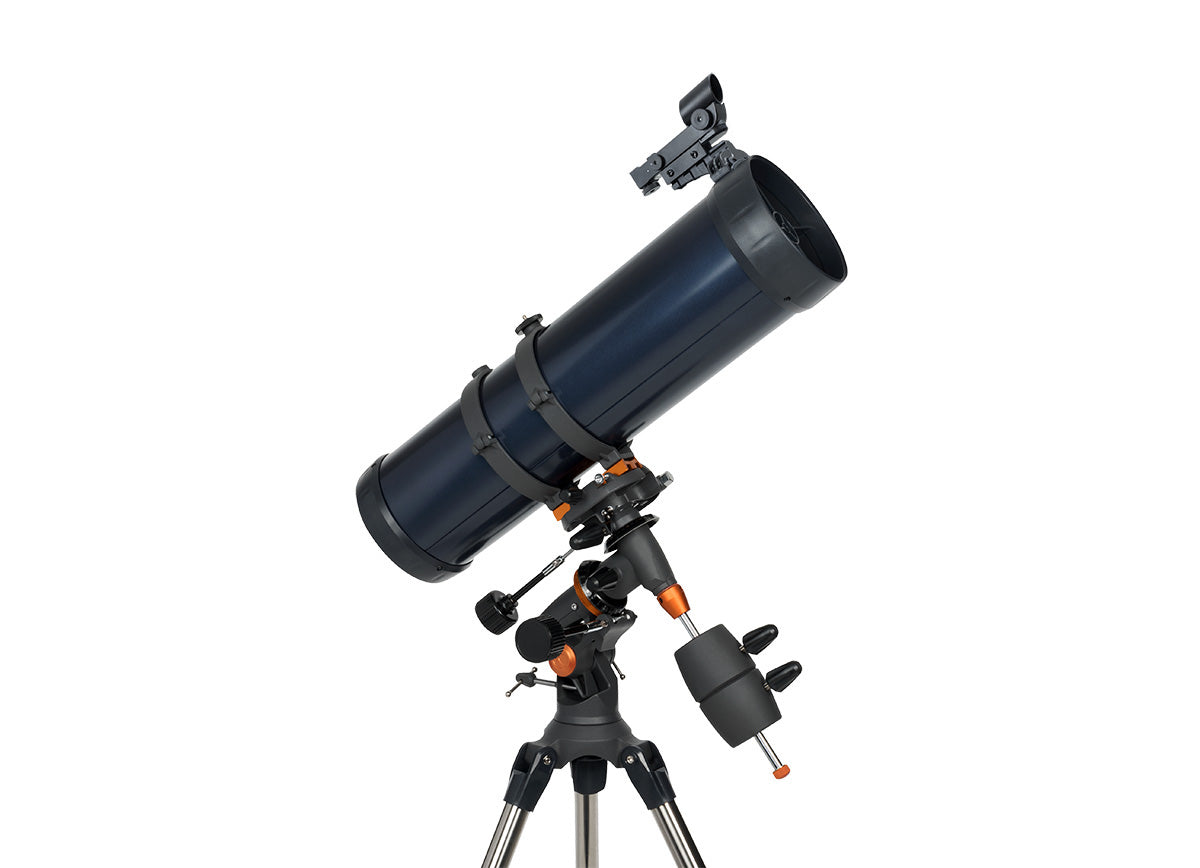
Celestron AstroMaster 130EQ — image 1
Celestron

Celestron AstroMaster 130EQ

Real aperture at a budget price, a safe first step into serious stargazing.

78/ 100
Polaris Score
#1 of 12 budget beginner telescopes
See the breakdown ↓
Aperture
130mm
Focal Length
650mm
Focal Ratio
f/5
Mount Type
Equatorial
Optical Design
Newtonian
Weight
7.7 kg
From$289.97

Lowest in 90 daysLast $249 in Apr 2026

Price tracked by PolarisObserved 60 timesTracking since Apr 2026

Try in simulator →
What it's built forOpen these in the simulator →

This telescope was built for sweeping wide.

A short, fast reflector with a generous true field — the whole sword of Orion in one view, star fields that spill past the field stop. It rewards low power and dark skies far more than chasing magnification.

Widest true fieldsBright at low power
The view people remember

Andromeda, wider than the Moon.

A vast soft oval with a blazing core — two and a half million light-years of galaxy, spilling well past the field of view under a genuinely dark sky.

See Andromeda Galaxy through this telescope →
01What it's good at

What it's best at — and the trade-offs.

Good aperture for its price range
Best at
✓Good aperture for its price range
✓Equatorial mount introduces tracking concepts
✓Widely available and supported
✓Solid beginner learning platform
Trade-offs
!Equatorial mount has a steep learning curve for beginners
!Tripod is wobbly, vibrations take seconds to settle
!Spherical primary mirror produces some optical aberration
!Narrow field of view compared to similarly priced Dobsonians
02In plain English

What These Numbers Mean

130mm · f/5 · 650mm FL · Equatorial
Aperture
130 mm
Five inches of mirror gathers about 345 times more light than your eye, which is a lot of telescope for the money. Expect the Orion Nebula with structure, dozens of Messier objects, lunar detail down to small craters, and Jupiter's belts and moons.
Focal length
650 mm
Short, so the tube stays compact and low-power views are wide and easy to navigate. High magnification depends on short eyepieces, and the useful ceiling is around 250x on a very steady night.
Focal ratio
f/5
Fast optics reach wide, low-power views easily, but they are demanding: budget eyepieces show soft, distorted stars near the edge of the field, and collimation errors are quickly visible. A better 25 mm eyepiece is the single most effective upgrade.
Optical design
Newtonian reflector
A mirror system with no false colour at any magnification, which is where the value comes from at this price. In return you will occasionally align the mirrors and wait for the tube to cool to outdoor temperature.
Weight
~13 kg complete
Roughly 29 lb with mount and tripod. It is manageable as one carry for an adult, or two easy trips if you separate the tube from the mount.
Mount
German equatorial (CG-3 class)
Once polar aligned, one slow-motion knob follows a star as Earth turns, which is genuinely useful at high power. The learning curve is real, the mount is the weakest link in the package for stability, and long-exposure imaging is out of reach without a motor drive and much better tracking.
03The Polaris Score

How it scores, and why.

78/100 · #1 of 12 budget beginner telescopes
78/ 100
Celestron AstroMaster 130EQ
#1 of 12 budget beginner telescopes
Performance
75
Ease of use
70
Portability
80
Upgrade potential
85

Polaris weighs optical capability, how easy the scope is to live with, how portable it is, and how far it takes you before you outgrow it — not list price or brand.

04Who it's for

An honest fit check.

First-time telescope buyers
Buy it if you
✓First-time telescope buyers
✓Budget-conscious beginners
✓People wanting to learn astronomy fundamentals
Look elsewhere if you
!Users wanting simple, plug-and-play setups
!People expecting strong deep sky performance
!Users unwilling to learn mount setup
05Build your rig

What to buy next — and where it leads.

12 pieces of gear, ordered by what changes the view most
Recommended upgrades
See wider, brighter deep-sky views★ Top pickGSO SuperView 30mm 2-inch
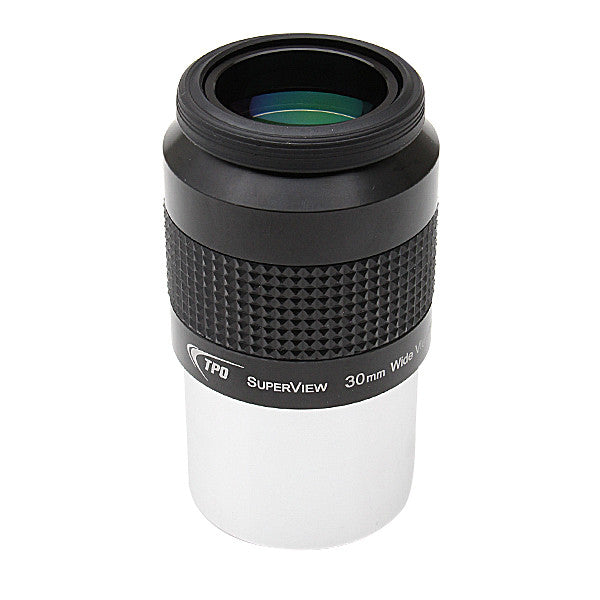
Big, bright low-power field on a budget.

Double your magnificationGSO 2x ED Barlow 1.25-inch
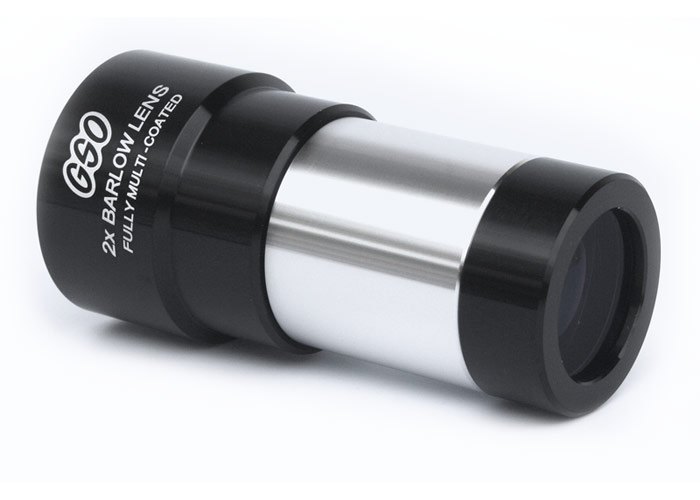
Doubles magnification without buying another eyepiece.

Tame lunar glareGSO Moon Filter 13pct 1.25-inch

Tames glare on the bright Moon.

Grow your kit
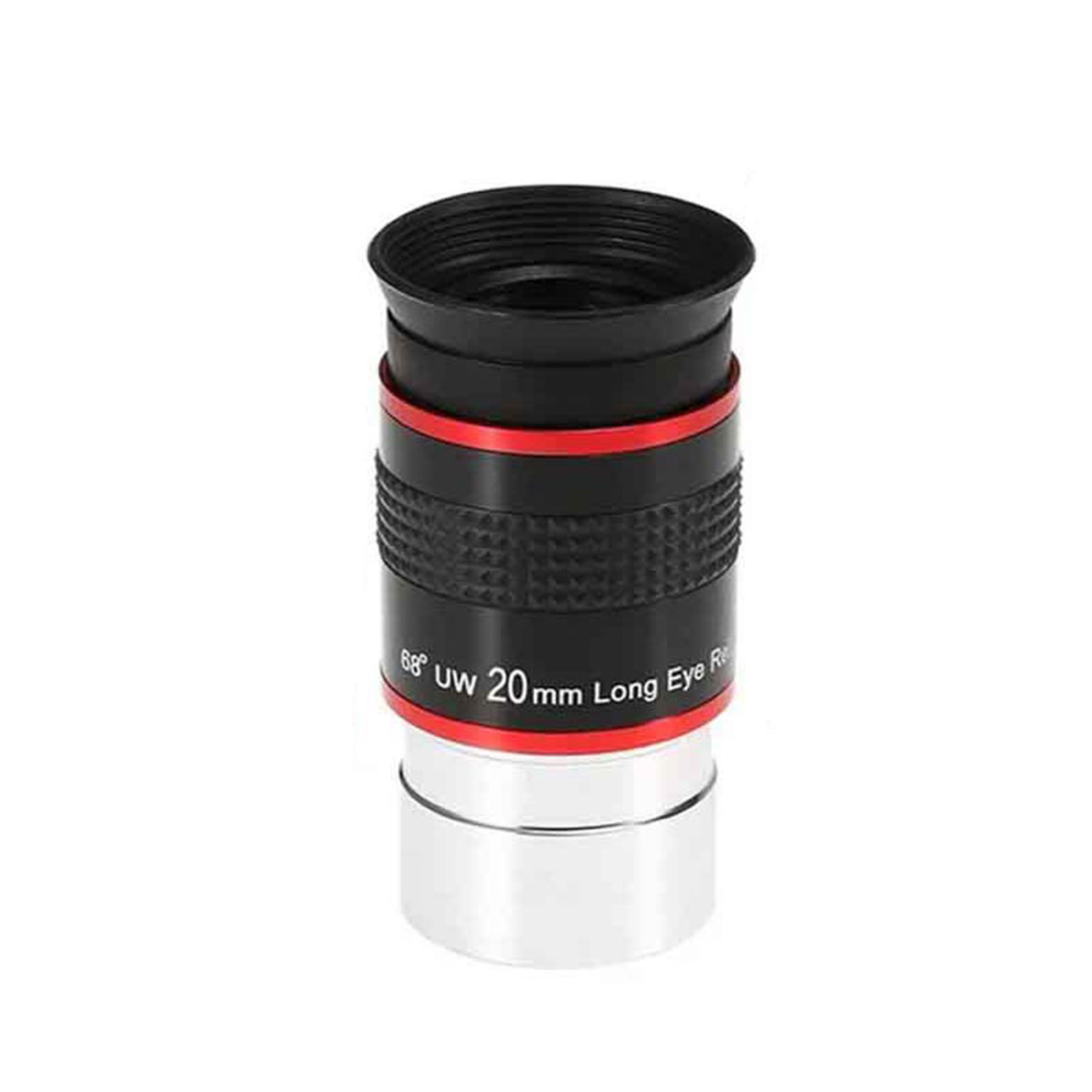
A sharper everyday viewSVBony Redline 20mm Ultra Wide Angle
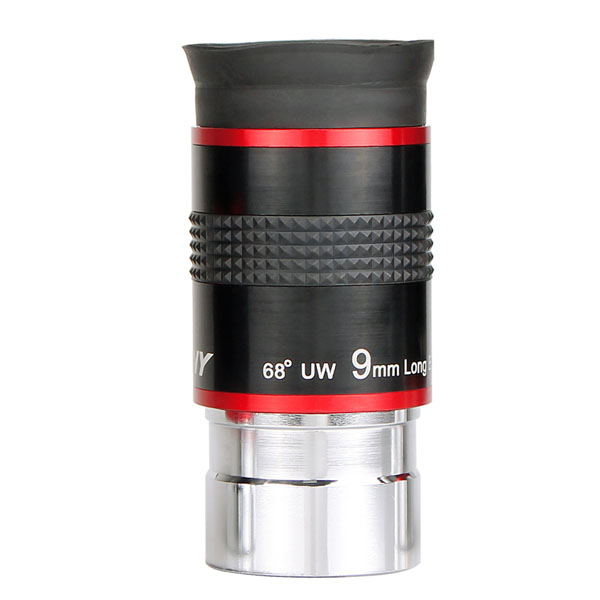
Sharper planets & lunar detailSVBony Redline 9mm Ultra Wide Angle
Make nebulae popSVBony UHC 1.25-inch

Commonly paired with this telescope

Tame lunar glareMoon Filter

Reduces glare for comfortable lunar observing, essential first filter

Lunar & planetary
Good
Deep-sky visual
Capable
Astrophotography
Short exposures with tracking
06The numbers

Full specifications.

6 measured and stated values
Optics
Optical DesignNewtonian
Aperture130mm
Focal Length650mm
Focal Ratiof/5
Mount & drive
Mount TypeEquatorial
Physical
Weight7.7 kg
Editor’s Take

The AstroMaster 130EQ is a 130 mm (5-inch) Newtonian reflector (a mirror at the bottom of an open tube) on a German equatorial (EQ) mount. Five inches shows the Moon and planets well and reaches the brighter nebulae and clusters. The EQ mount is the part with a learning curve: instead of swinging up-down and left-right, it tilts to match your latitude so one slow-motion knob follows the sky, great once it clicks, fiddlier than a Dob at first. There is no computer; you find targets yourself and occasionally collimate. An honest, affordable way to learn the sky.

— The Skynocular verdict