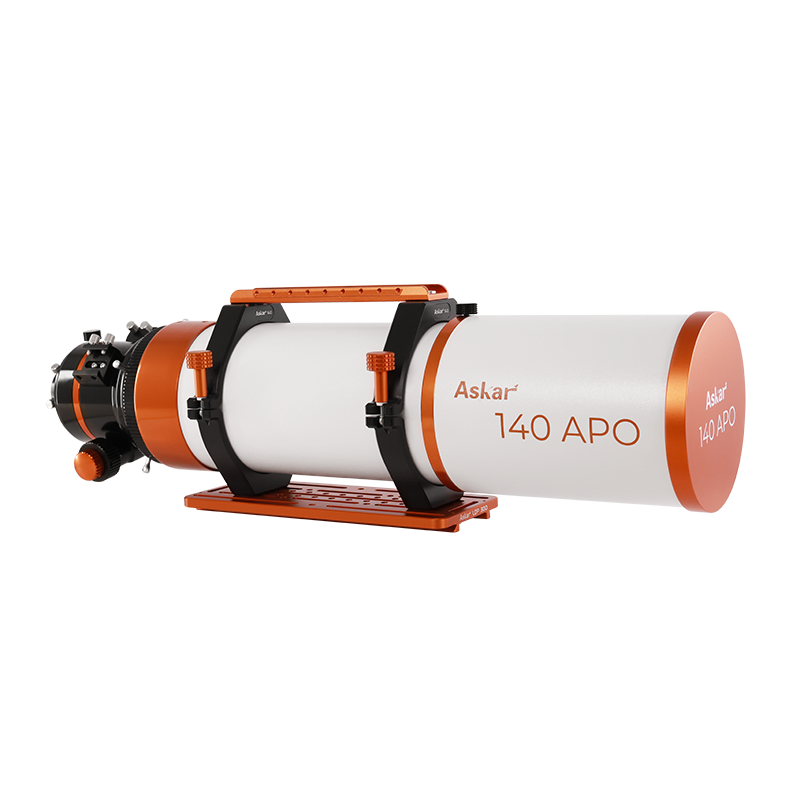
Askar 140APO Triplet Air-Spaced Refractor — image 1
Askar

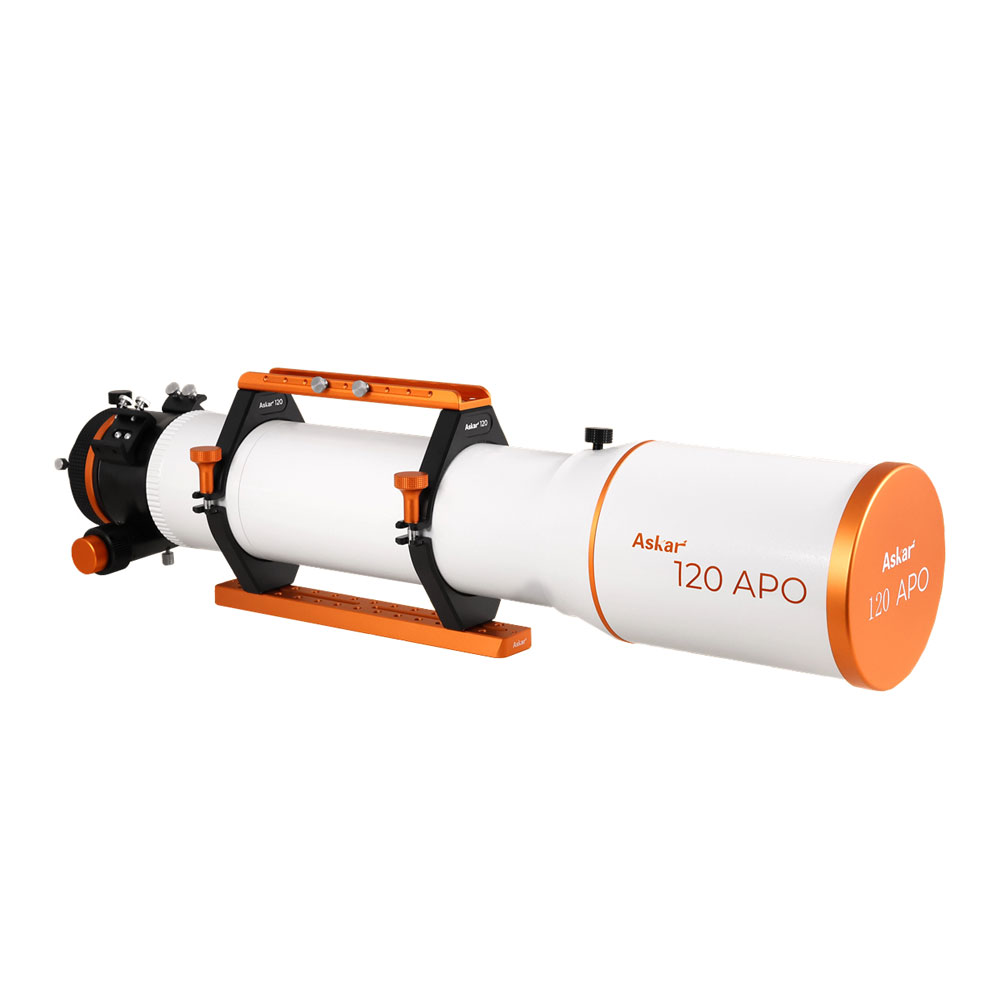
Askar 140APO Triplet Air-Spaced Refractor

A 140mm air-spaced triplet that pushes serious refractor aperture into reach, working as both a high-end visual instrument and a long-focal-length imaging platform at a price the premium brands cannot match.

89/ 100
Polaris Score
#1 of 5 large triplet apo
See the breakdown ↓
Aperture
140mm
Focal Length
980mm
Focal Ratio
f/7
Mount Type
None (OTA only)
Optical Design
Triplet APO
Weight
8.5 kg
From$2,499

Lowest in 90 days

Price tracked by PolarisObserved 55 timesTracking since Aug 2026

Try in simulator →
What it's built forOpen these in the simulator →

This telescope was built for sweeping wide.

A short, fast refractor with a generous true field — the whole sword of Orion in one view, star fields that spill past the field stop. It rewards low power and dark skies far more than chasing magnification.

Widest true fieldsTack-sharp to the edge
The view people remember

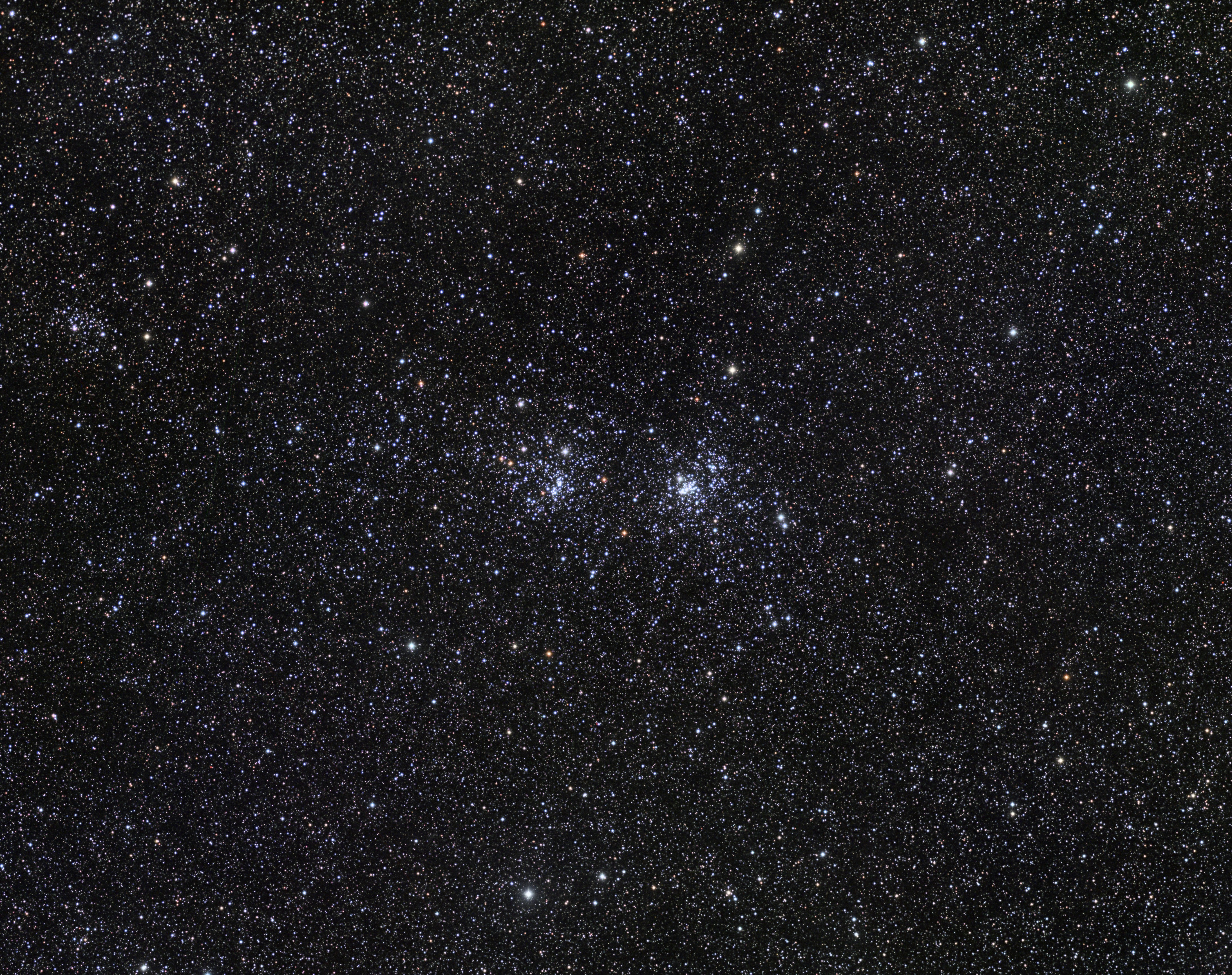
The Double Cluster, side by side.

Two glittering knots of stars sharing one low-power field — a wide, effortless showpiece that rewards the biggest true field you can throw at it.

See Double Cluster through this telescope →
01What it's good at

What it's best at — and the trade-offs.

The air-spaced triplet controls color to the point that even the brightest planets and stars show no meaningful fringing
Best at
✓The air-spaced triplet controls color to the point that even the brightest planets and stars show no meaningful fringing
✓140mm at f/7 delivers high-resolution visual views and a focal length that frames galaxies and nebulae for imaging
✓Dedicated Askar reducer and flattener options tune the same tube for wide imaging or native visual use
✓A robust dual-speed focuser holds heavy cameras square without slipping
Trade-offs
!At 8.5kg it demands a heavy, stable mount to reach its potential
!A large triplet takes longer to cool than a smaller apo
!The best imaging results need the matched reducer or flattener, sold separately
!The size and weight make it a deliberate setup, not a spontaneous one
02In plain English

What These Numbers Mean

140mm · f/7 · 980mm FL
Aperture
140 mm
Five and a half inches of apochromatic glass, which is large for a refractor. Visually it gives the kind of contrast-rich planetary and lunar views that need a much larger reflector to match, and it has the light grasp for demanding deep-sky work.
Focal length
980 mm
Close to a metre, so galaxies, globulars and compact nebulae frame well and 250x is comfortable visually. Large emission nebulae will need a reducer or a second, shorter telescope.
Focal ratio
f/7
A moderate ratio that keeps colour correction easy and eyepieces well behaved. For imaging it sits in the practical middle: not fast, but not punishing either, especially with a reducer.
Optical design
Air-spaced triplet APO
Three-element correction across a large aperture, where colour error would otherwise be obvious. The mass of glass means a genuinely long thermal settling time, so put it outside early.
Weight
8.5 kg tube
About 19 lb bare and noticeably long. Mounting it is a deliberate lift rather than a casual one, and a heavy tripod is part of the purchase.
Mount
OTA only
You supply the mount, and this tube deserves a substantial one. Expect an EQ6-class equatorial or better before the views and the images match what the optics can do.
03The Polaris Score

How it scores, and why.

89/100 · #1 of 5 large triplet apo
89/ 100
Askar 140APO Triplet Air-Spaced Refractor
#1 of 5 large triplet apo
Performance
94
Ease of use
65
Portability
55
Upgrade potential
85

Polaris weighs optical capability, how easy the scope is to live with, how portable it is, and how far it takes you before you outgrow it — not list price or brand.

04Who it's for

An honest fit check.

Observers who want a large, no-compromise visual refractor for planets and doubles
Buy it if you
✓Observers who want a large, no-compromise visual refractor for planets and doubles
✓Imagers wanting a 140mm apo that scales from native to reduced focal length
✓People building a do-it-all premium refractor rig for less
Look elsewhere if you
!Beginners, since it is a heavy OTA needing a substantial mount and accessories
!Grab-and-go users, because a 140mm triplet is large and heavy
!Budget buyers, since the tube plus mount plus corrector adds up quickly
05Build your rig

What to buy next — and where it leads.

6 pieces of gear, ordered by what changes the view most
Recommended upgrades
No fogging on long sessions★ Top pickPegasus Astro Multi-Channel Dew Controller
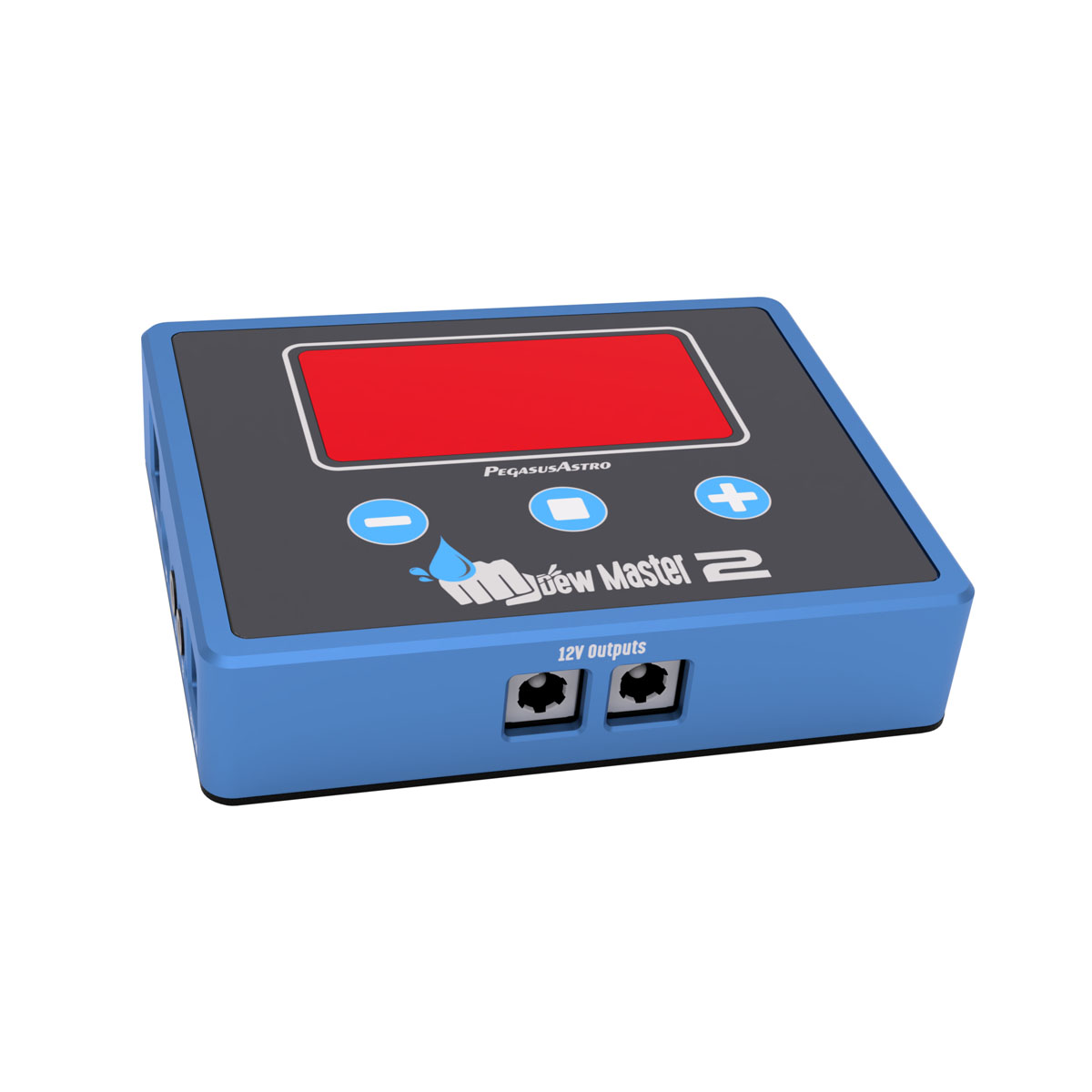
Protects the large front triplet from dew on long nights

Make nebulae popOptolong UHC Filter 2″
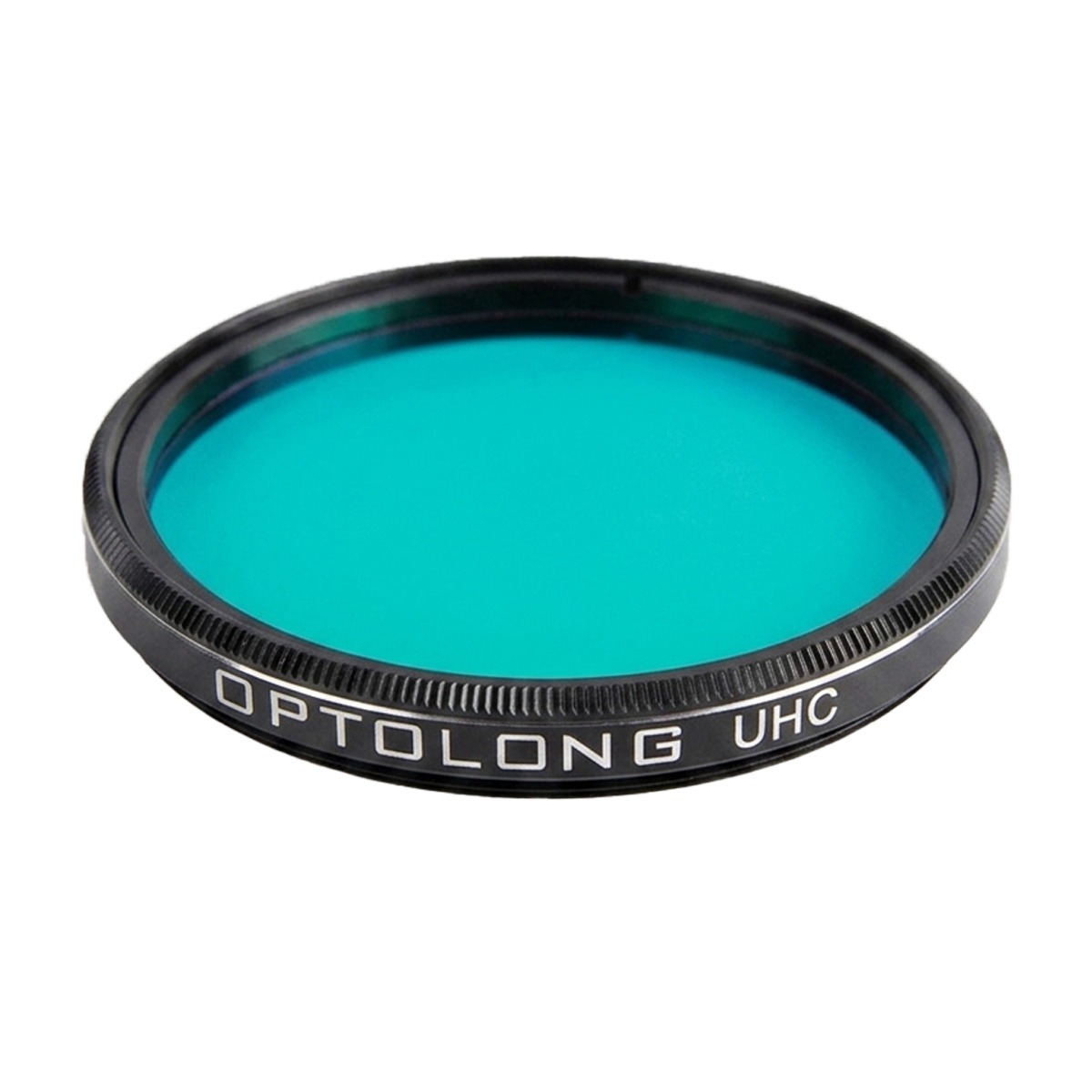
Boosts nebula contrast for both visual and imaging

Observe all night, no AA batteriesCelestron PowerTank Lithium
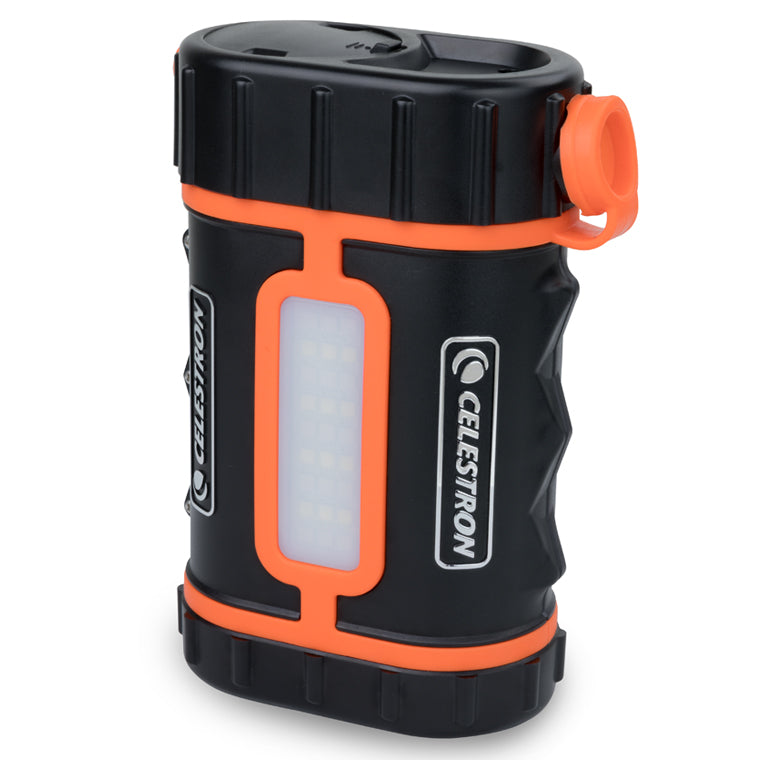
Runs the mount, camera and dew heater away from mains power

Growth path
Portable astrophotographyZWO AM5N Harmonic Equatorial Mount✓ Compatible

Start capturing images of the Moon and planets

Permanent-setup astrophotographySky-Watcher EQ6-R Pro✓ Compatible
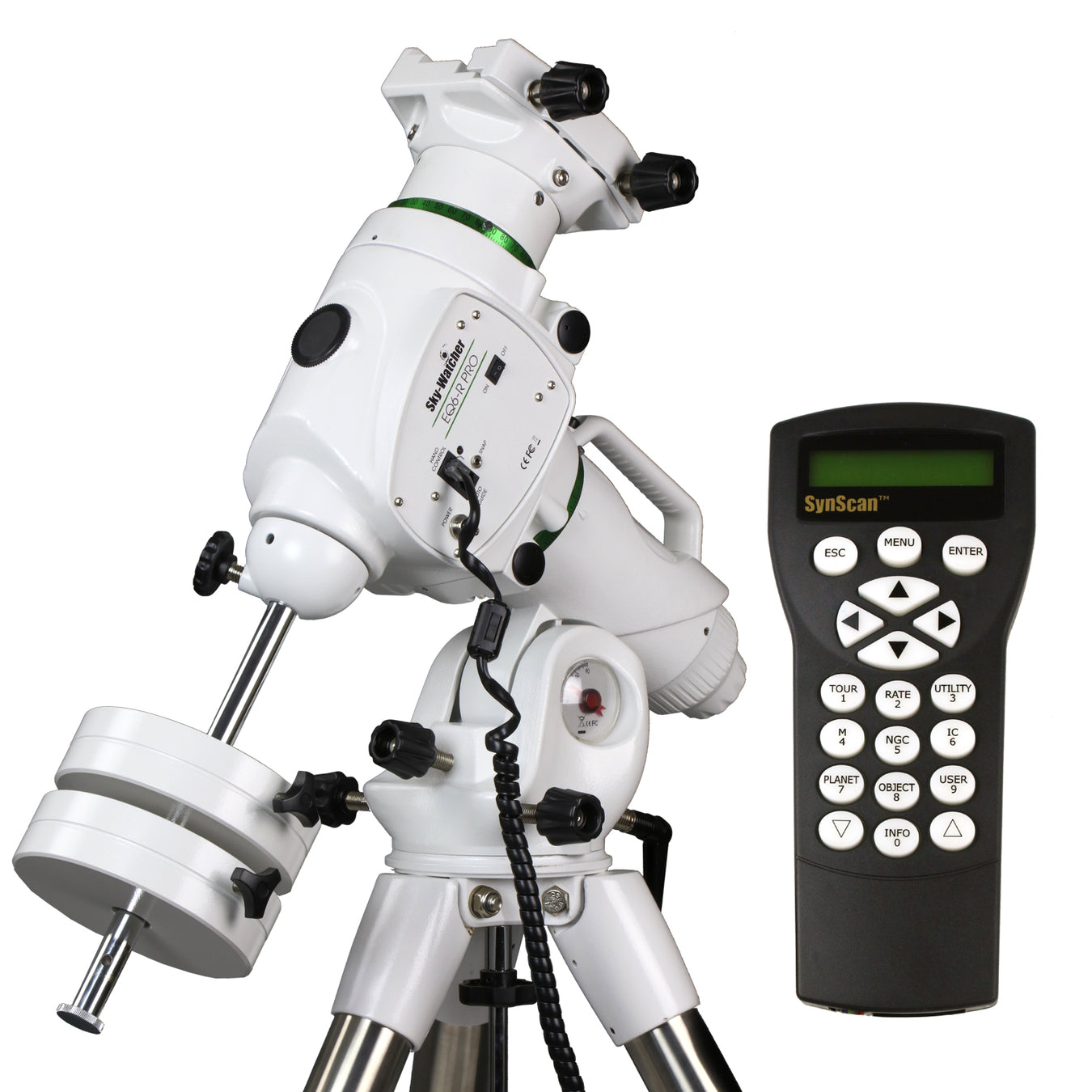
Commonly paired with this telescope

Start imagingZWO ASI2600MC Pro
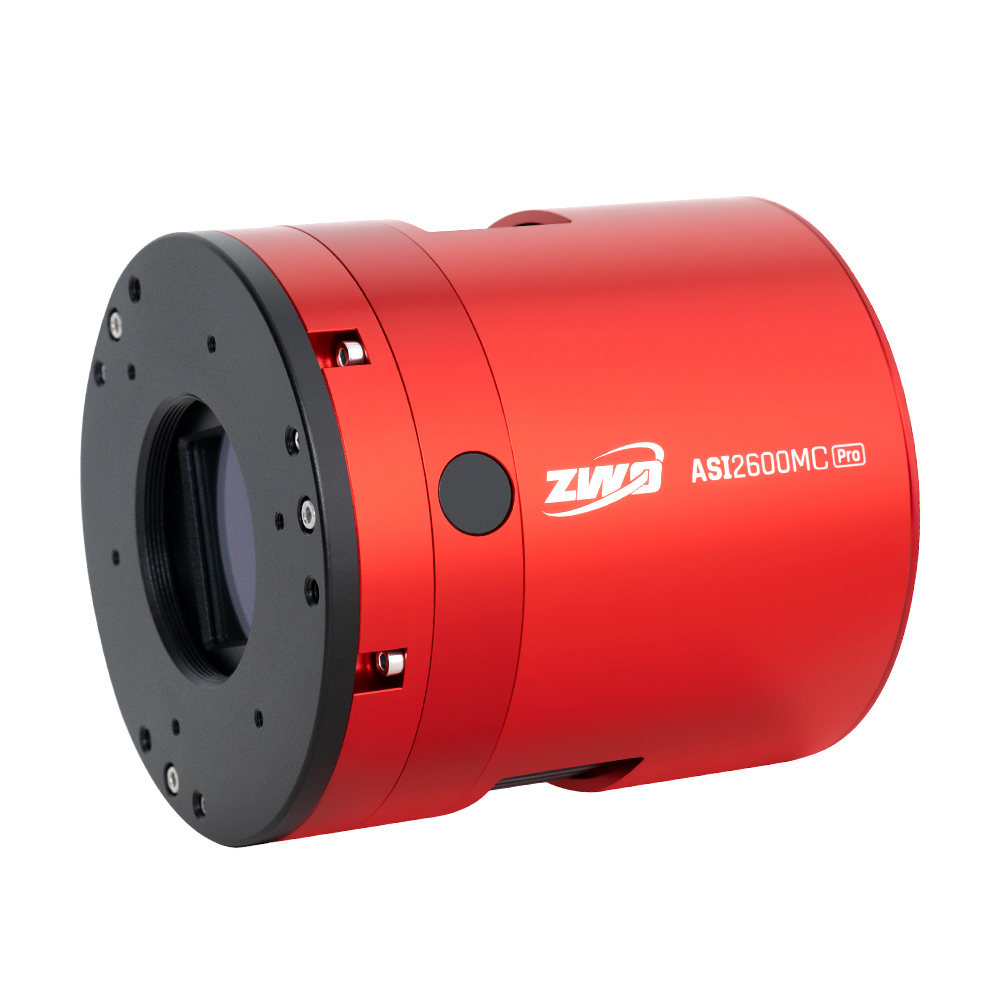
Start capturing images of the Moon and planets

Lunar & planetary
Excellent contrast
Deep-sky imaging
Strong with a flattener
Deep-sky visual
Strong
06The numbers

Full specifications.

6 measured and stated values
Optics
Optical DesignTriplet APO
Aperture140mm
Focal Length980mm
Focal Ratiof/7
Mount & drive
Mount TypeNone (OTA only)
Physical
Weight8.5 kg