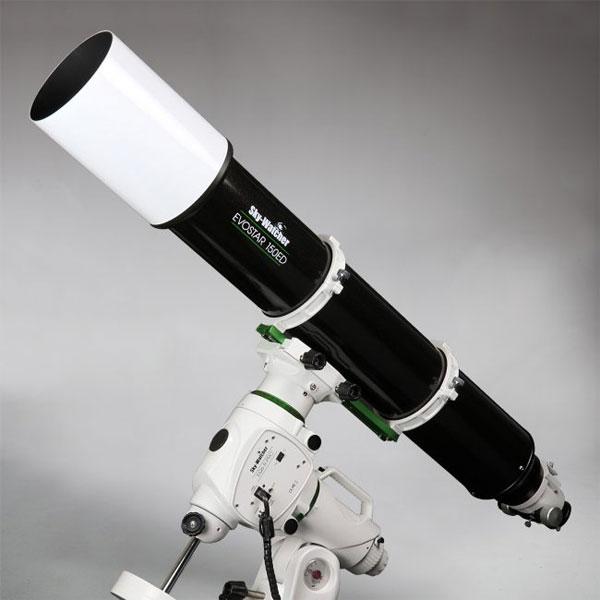
Sky-Watcher Evostar 150 APO Refractor — image 1
Sky-Watcher

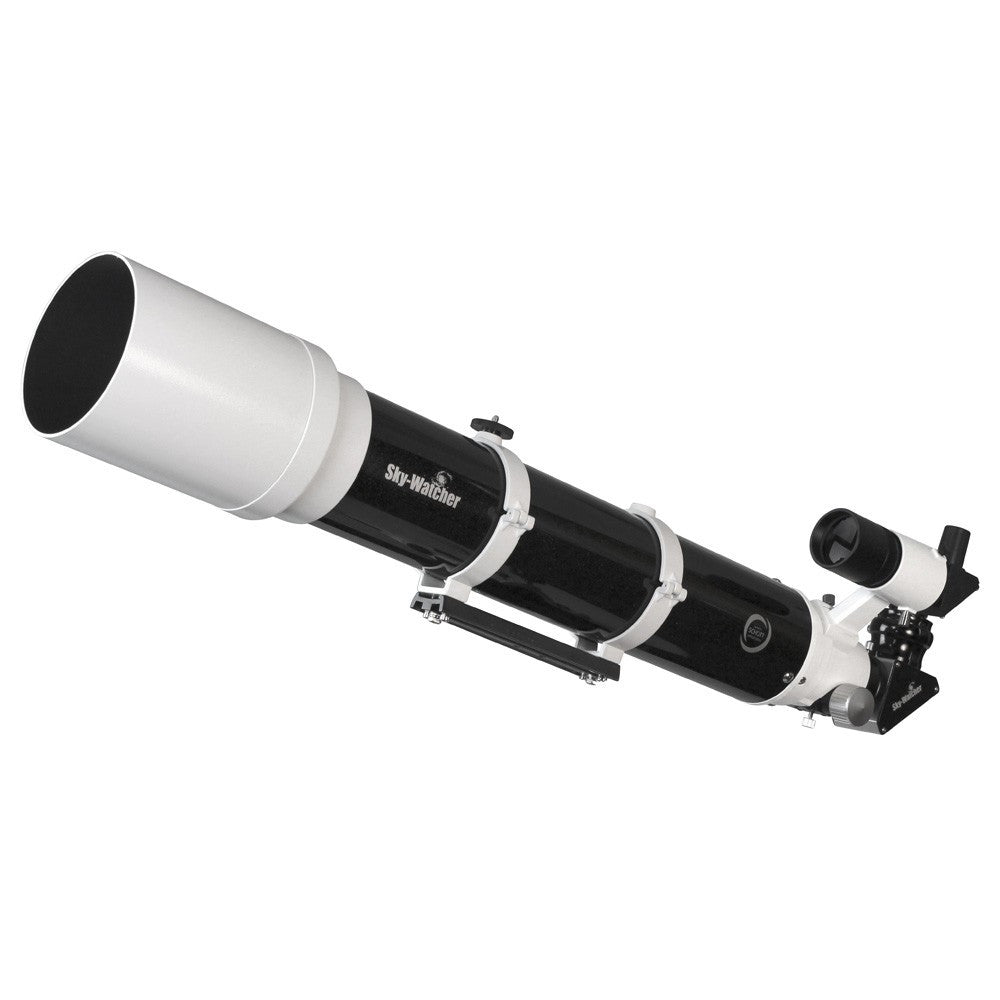
Sky-Watcher Evostar 150 APO Refractor

No longer sold

A 6-inch ED doublet, about as much refractor aperture as most people will ever mount, delivering bright, high-contrast views of the planets, Moon and doubles that rival far larger reflectors.

87/ 100
Polaris Score
#1 of 6 large ED refractor
See the breakdown ↓
Aperture
150mm
Focal Length
1200mm
Focal Ratio
f/8
Mount Type
None (OTA only)
Optical Design
ED Doublet Refractor
Weight
12 kg
Try in simulator →
No longer sold

Discontinued by the manufacturer (per Agena Astro). We keep the page for reference — see current alternatives below.

See alternatives ↓


What it's built forOpen these in the simulator →

This telescope was built for sweeping wide.

A short, fast refractor with a generous true field — the whole sword of Orion in one view, star fields that spill past the field stop. It rewards low power and dark skies far more than chasing magnification.

Widest true fieldsTack-sharp to the edge
The view people remember

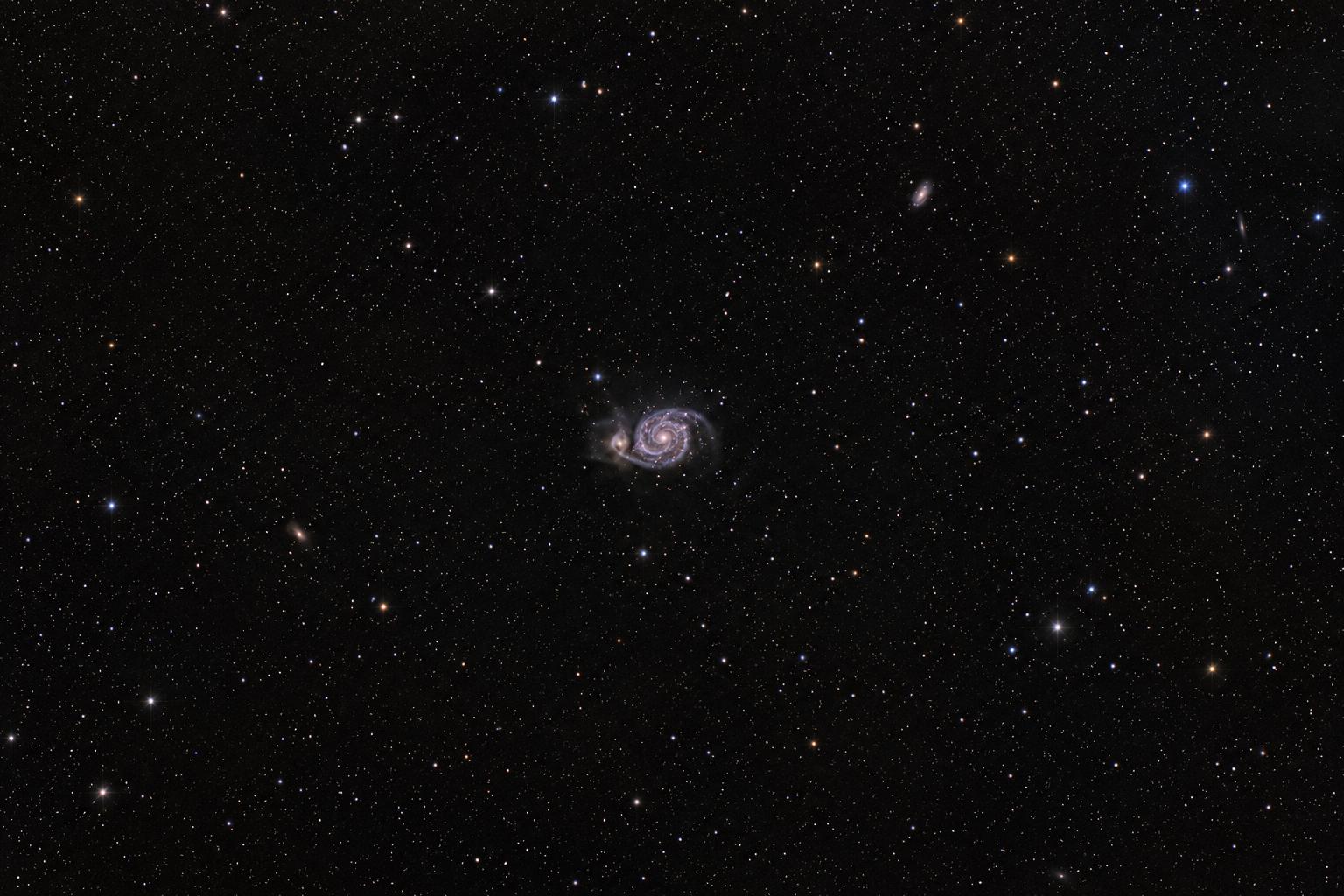
Andromeda, wider than the Moon.

A vast soft oval with a blazing core — two and a half million light-years of galaxy, spilling well past the field of view under a genuinely dark sky.

See Andromeda Galaxy through this telescope →
01What it's good at

What it's best at — and the trade-offs.

150mm is exceptional refractor aperture, bright enough to split very tight doubles and resolve fine planetary detail
Best at
✓150mm is exceptional refractor aperture, bright enough to split very tight doubles and resolve fine planetary detail
✓The ED glass controls color well for a doublet, keeping views clean on Jupiter, the Moon and bright stars
✓At f/8 the long focal ratio makes color correction easier and lets eyepieces perform at their best
✓It ships with a dual-speed focuser, rings and hardware, so the tube is ready to mount and observe
Trade-offs
!The tube is very long and heavy and demands a large, stable mount to steady it
!As a doublet a trace of color remains on the brightest targets versus a triplet
!f/8 and 1200mm are slow and long for wide-field deep-sky imaging
!It is an OTA only and needs a mount, diagonal and eyepieces to observe
02In plain English

What These Numbers Mean

150mm · f/8 · 1200mm FL
Aperture
150 mm
Six inches of refractor aperture is a lot of glass, gathering about 56 percent more light than a 120 mm. On the Moon, planets and double stars the combination of size and no central obstruction produces views that a much larger reflector struggles to equal.
Focal length
1200 mm
Long. It reaches 240x with a 5 mm eyepiece and frames planets, globular clusters and small galaxies naturally, but the field stays narrow and wide nebulae are not its territory.
Focal ratio
f/8
Slow enough to keep the doublet's colour correction strong at this aperture and to make eyepieces easy to match. For imaging it means long exposures, so most owners buy this one for visual observing.
Optical design
ED doublet apochromat
A large ED doublet trades a little residual colour on the very brightest objects for far lower weight and cost than a six-inch triplet would carry. It also cools faster than a triplet of the same aperture.
Weight
12 kg tube
About 26 lb of long tube. This is a two-hands lift onto a mount and needs a heavy tripod, so realistically it becomes a fixed-location telescope.
Mount
OTA only
You supply the mount, and it must be a serious one. An EQ6-class equatorial or a heavy alt-azimuth is the entry point for steady views at high magnification with a tube this long.
03The Polaris Score

How it scores, and why.

87/100 · #1 of 6 large ED refractor
87/ 100
Sky-Watcher Evostar 150 APO Refractor
#1 of 6 large ED refractor
Performance
92
Ease of use
60
Portability
35
Upgrade potential
80

Polaris weighs optical capability, how easy the scope is to live with, how portable it is, and how far it takes you before you outgrow it — not list price or brand.

04Who it's for

An honest fit check.

Serious visual observers who want the largest practical refractor for planets and doubles
Buy it if you
✓Serious visual observers who want the largest practical refractor for planets and doubles
✓People who prize a low-maintenance, ready-now refractor over a reflector
✓Observers with a heavy mount already in place
Look elsewhere if you
!Anyone needing a portable or grab-and-go scope, since a 6-inch refractor is long and heavy
!Deep-sky imagers wanting a fast, short flat-field astrograph
!Buyers who need a complete package, since this is an OTA only
05Build your rig

What to buy next — and where it leads.

6 pieces of gear, ordered by what changes the view most
Recommended upgrades
See wider, brighter deep-sky views★ Top pickExplore Scientific 68deg 28mm 2-inch
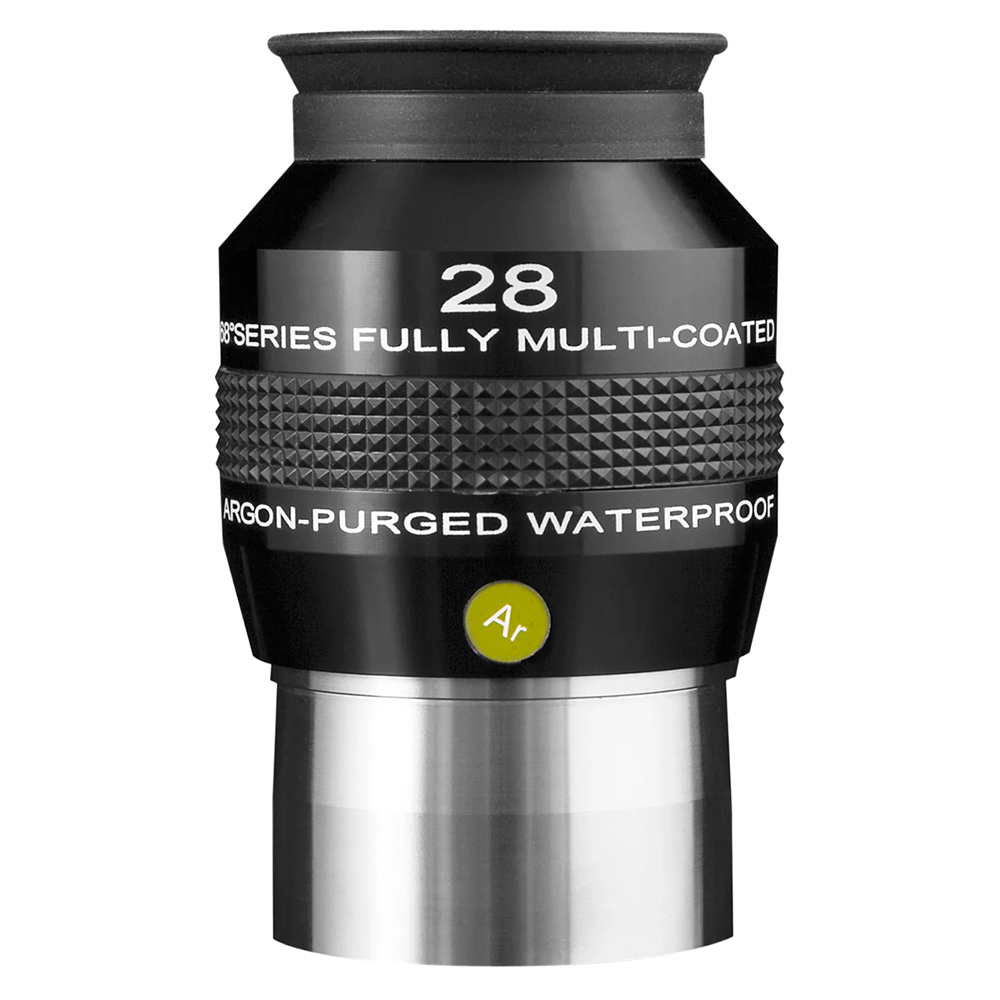
Widest true field this long 6-inch refractor can deliver

Observe all night, no AA batteriesTele Vue 2.5x Powermate
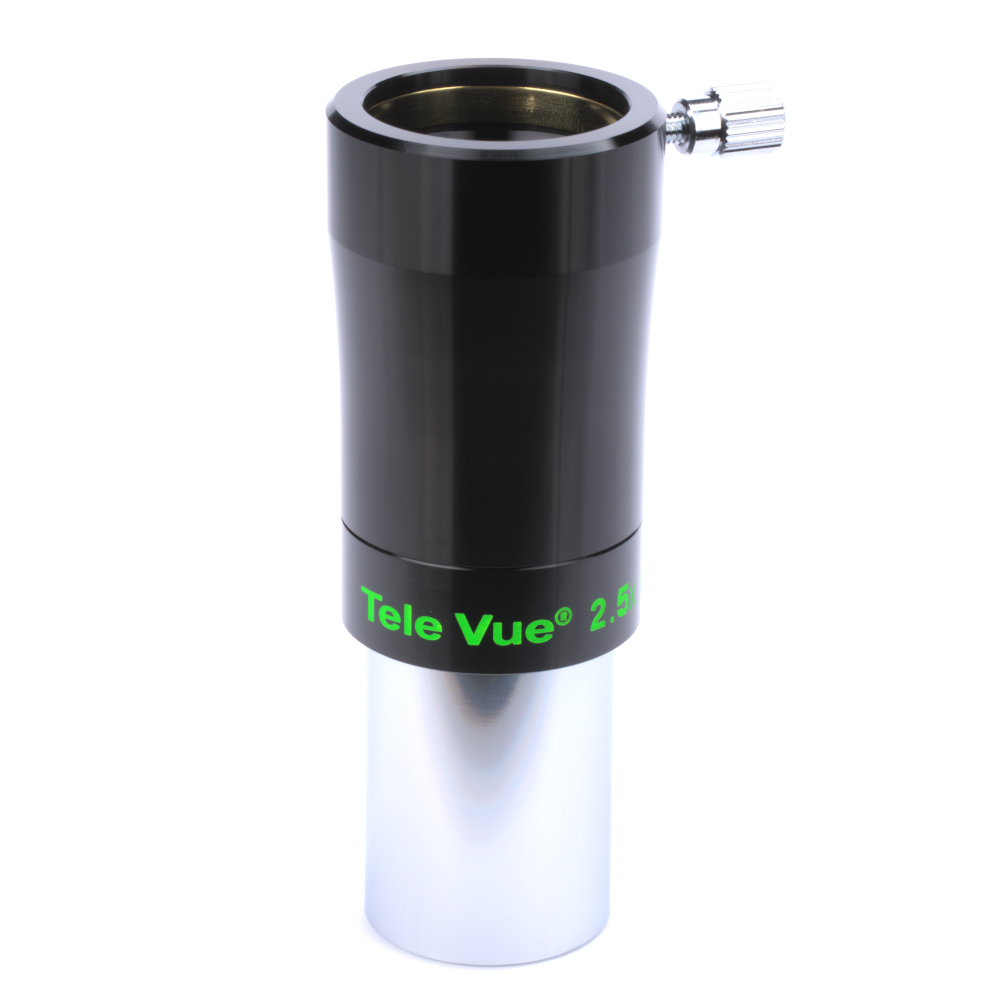
Clean high-power reach for planetary and double-star detail

No fogging on long sessionsPegasus Astro Multi-Channel Dew Controller
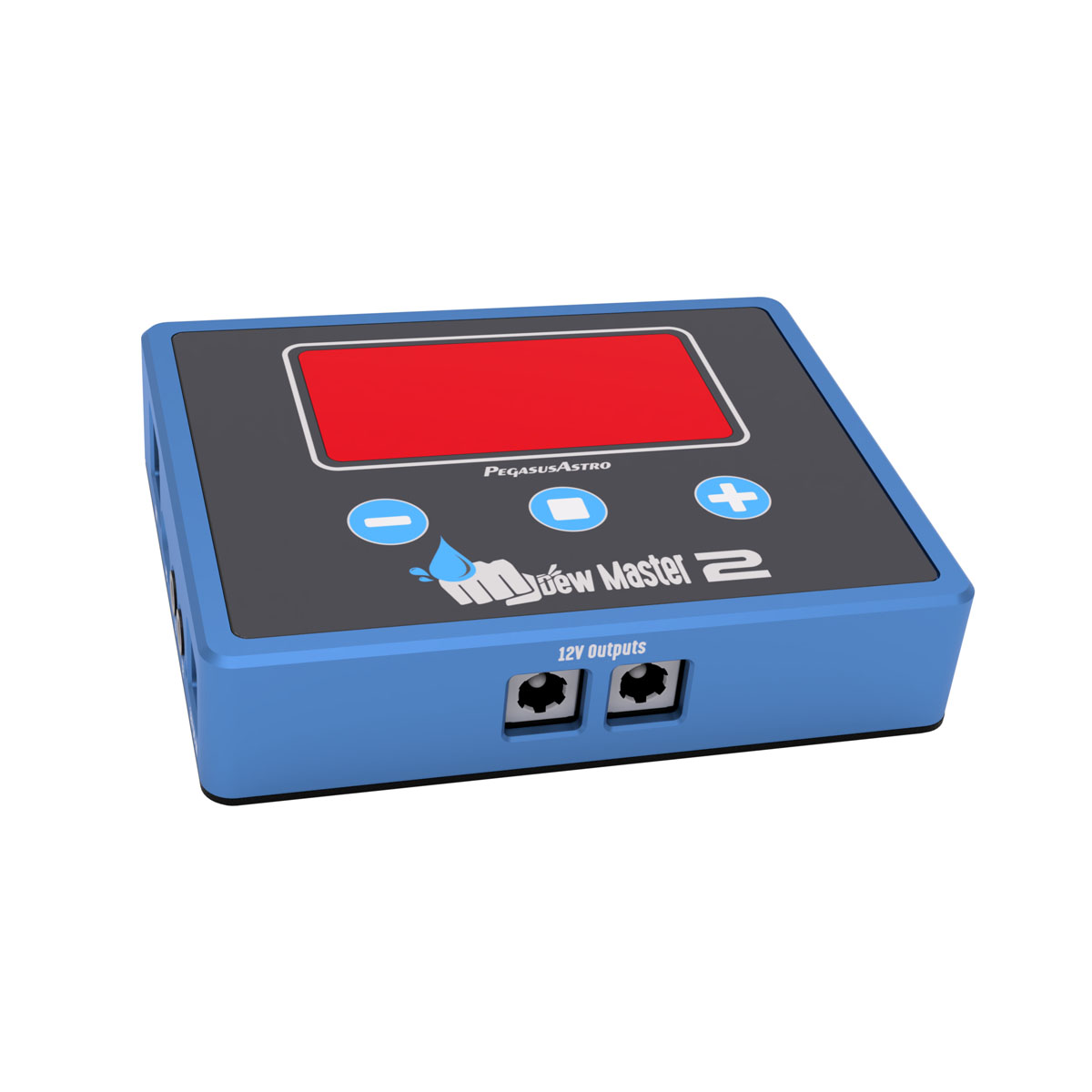
Prevents dew on the large front objective

Growth path
Portable astrophotographyZWO AM5N Harmonic Equatorial Mount✓ Compatible

Start capturing images of the Moon and planets

Permanent-setup astrophotographySky-Watcher EQ6-R Pro✓ Compatible
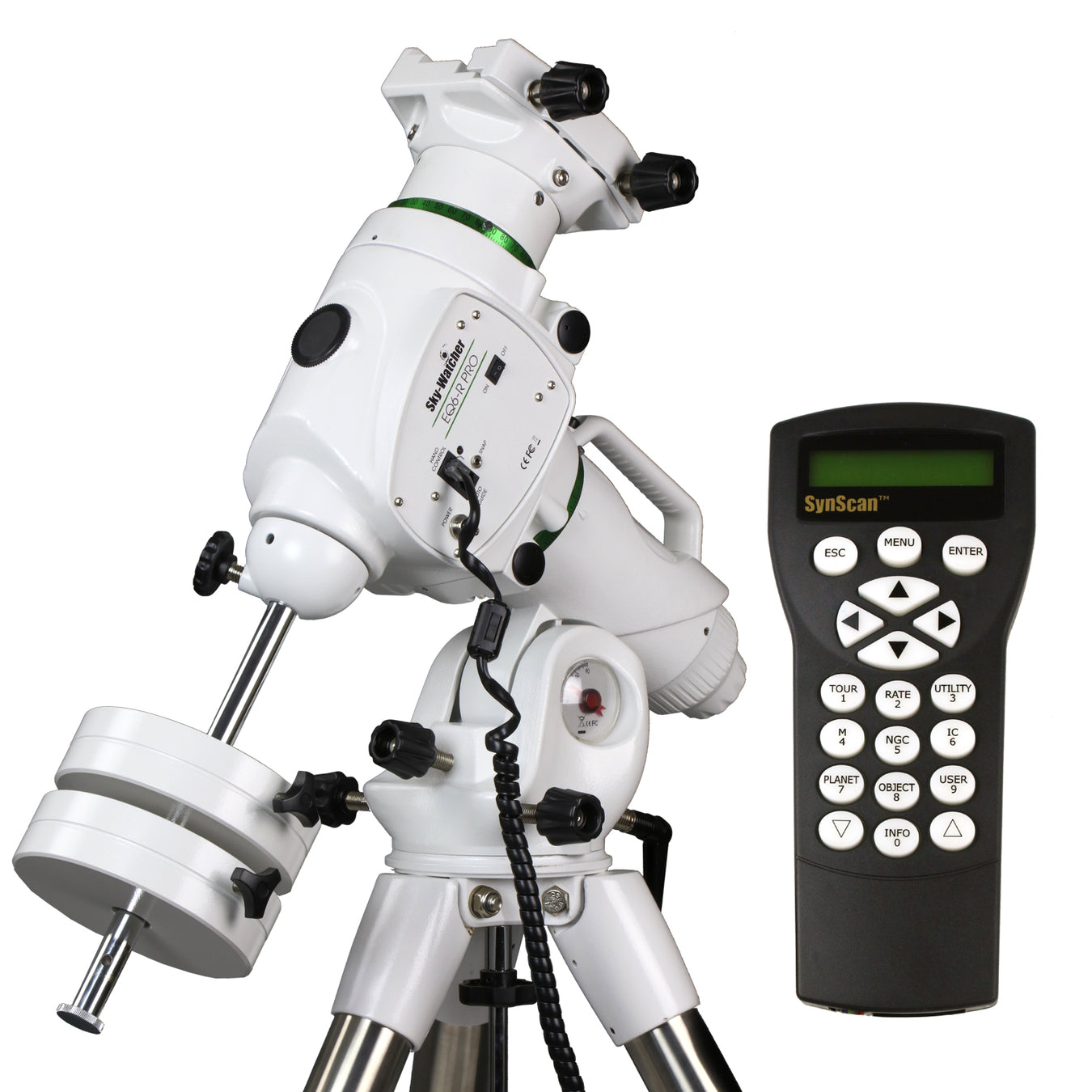
Commonly paired with this telescope

Start imagingZWO ASI2600MC Pro
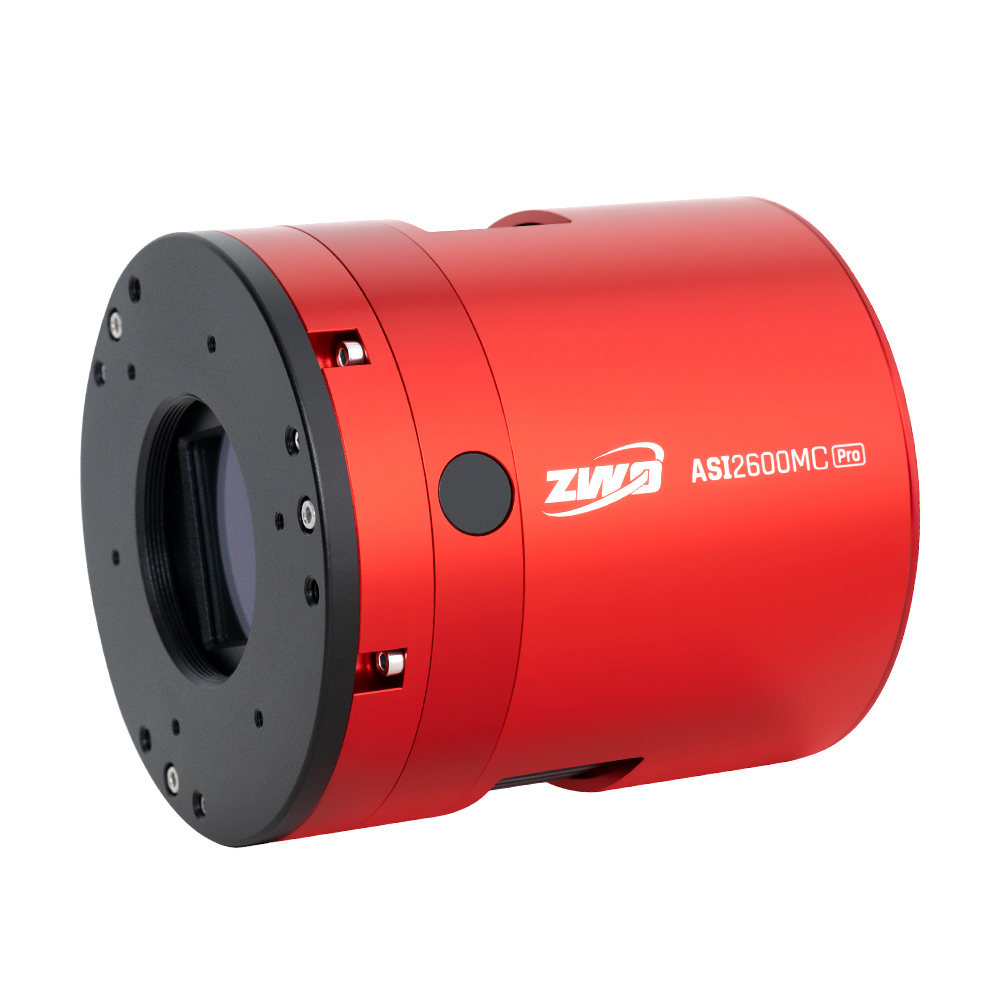
Start capturing images of the Moon and planets

Lunar & planetary
Excellent contrast
Deep-sky imaging
Strong with a flattener
Deep-sky visual
Strong
06The numbers

Full specifications.

6 measured and stated values
Optics
Optical DesignED Doublet Refractor
Aperture150mm
Focal Length1200mm
Focal Ratiof/8
Mount & drive
Mount TypeNone (OTA only)
Physical
Weight12 kg