Celestron
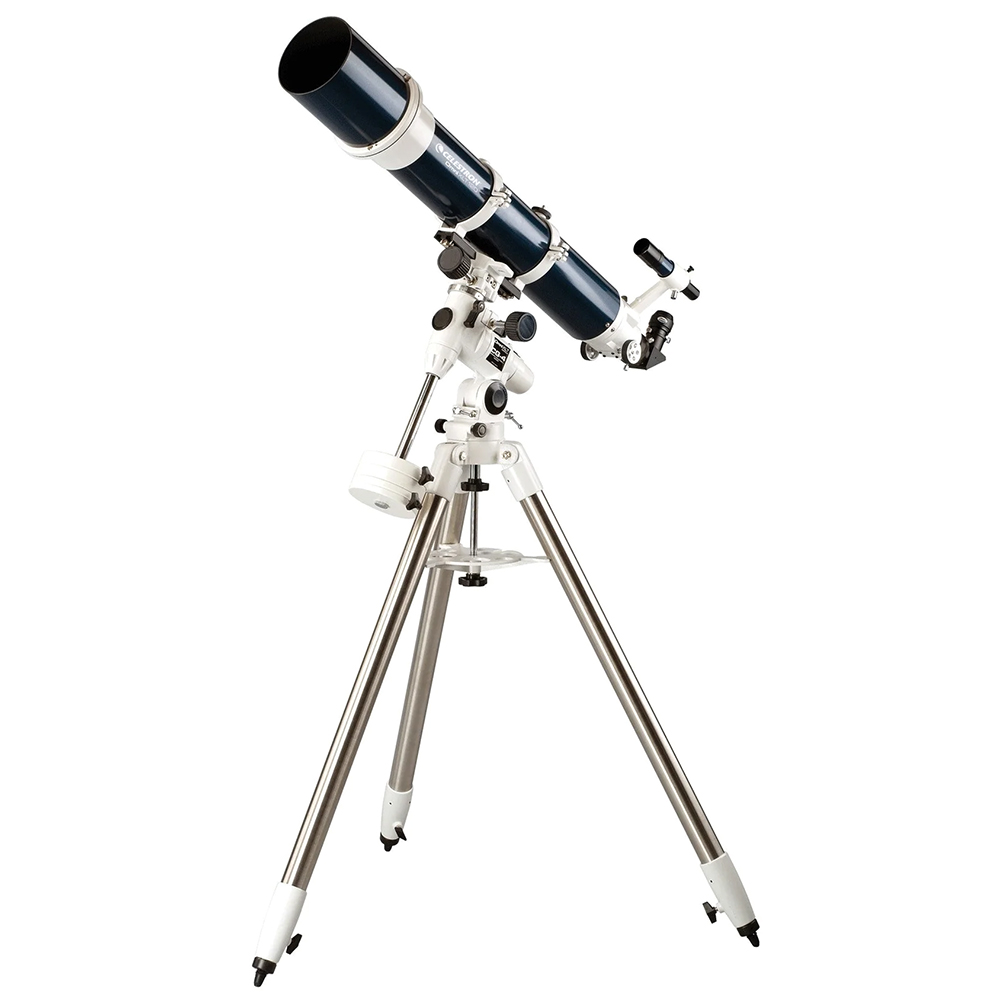
Celestron Omni XLT 120 Refractor
A 120mm achromat on a proper CG-4 equatorial mount, sharp, high-contrast views of the Moon, planets and doubles, with a tracking-capable mount you can grow into.
80/ 100
Aperture
120mm
Focal Length
1000mm
Focal Ratio
f/8.3
Mount Type
Equatorial
Optical Design
Refractor
Weight
20.9 kg
From$849.95
Lowest in 90 days
Price tracked by PolarisObserved 55 timesTracking since Aug 2026
Where to buy
Verified 9h ago · prices tracked daily




01What it's good atWhat it's best at — and the trade-offs.
120mm at f/8.3 gives crisp, high-contrast planetary and lunar views with well-controlled colour for an achromat.
01What it's good at
What it's best at — and the trade-offs.
120mm at f/8.3 gives crisp, high-contrast planetary and lunar views with well-controlled colour for an achromat.
Best at
✓120mm at f/8.3 gives crisp, high-contrast planetary and lunar views with well-controlled colour for an achromat.
✓The CG-4 German equatorial mount tracks the sky with a slow-motion or optional motor drive.
✓XLT multi-coatings squeeze extra brightness and contrast from the optics.
✓A real intermediate instrument that rewards better eyepieces as you grow.
Trade-offs
!An achromat still shows some violet fringing on the brightest stars.
!The German equatorial mount takes learning and a rough polar alignment.
!Heavy and bulky compared with a small apo.
!A motor drive for hands-free tracking is an extra purchase.
02In plain EnglishWhat These Numbers Mean
120mm · f/8.3 · 1000mm FL · Equatorial
02In plain English
What These Numbers Mean
120mm · f/8.3 · 1000mm FL · Equatorial
Aperture
120 mm
Nearly five inches of unobstructed lens, which gives high-contrast planetary and lunar views and enough light grasp for the brighter deep-sky objects. Refractors of this size punch above their aperture on the Moon and planets because there is no central obstruction.
Focal length
1000 mm
A metre of focal length gives 100x with a 10 mm eyepiece and reaches 200x with a 5 mm, which suits the planetary and double-star work this scope is best at. A 32 mm eyepiece still yields a usable 31x for clusters.
Focal ratio
f/8.3
Moderately slow, which keeps colour error under control for an achromat and makes ordinary eyepieces perform well. There is still some violet fringing on the brightest objects, which is inherent to the two-element design.
Optical design
Achromatic refractor with XLT coatings
A sealed doublet lens with enhanced coatings: nothing to collimate, minimal cooling, and consistent performance session after session. An ED or apochromatic doublet would remove the residual colour, at several times the price.
Weight
13 kg complete
About 29 lb with the CG-4 mount and tripod, and the tube is long. Most people carry it out in two pieces, and the length means a solid setup surface matters.
Mount
CG-4 German equatorial
A proper equatorial with slow-motion controls that tracks with one knob once polar aligned, and accepts motor drives later. It is adequate rather than generous for a metre-long tube, so let vibrations settle before judging the view.
03The Polaris ScoreHow it scores, and why.
80/100 · #1 of 5 intermediate refractors
03The Polaris Score
How it scores, and why.
80/100 · #1 of 5 intermediate refractors
80/ 100
Celestron Omni XLT 120 Refractor
#1 of 5 intermediate refractors
Performance82
Ease of use72
Portability56
Upgrade potential76
Polaris weighs optical capability, how easy the scope is to live with, how portable it is, and how far it takes you before you outgrow it — not list price or brand.
04Who it's forAn honest fit check.
Observers ready to move past a beginner alt-az scope.
04Who it's for
An honest fit check.
Observers ready to move past a beginner alt-az scope.
Buy it if you
✓Observers ready to move past a beginner alt-az scope.
✓Planetary and lunar fans who want aperture with refractor contrast.
✓People willing to learn an equatorial mount for smoother tracking.
Look elsewhere if you
!Beginners who want the simplest possible setup, an EQ mount has a learning curve.
!Deep-sky imagers; the slow achromat is a visual instrument.
!Anyone needing portability, the mount and tube are a real load.
05Build your rigWhat to buy next — and where it leads.
6 pieces of gear, ordered by what changes the view most
05Build your rig
What to buy next — and where it leads.
6 pieces of gear, ordered by what changes the view most
Recommended upgrades
A sharper everyday view★ Top pickExplore Scientific 68deg 24mm
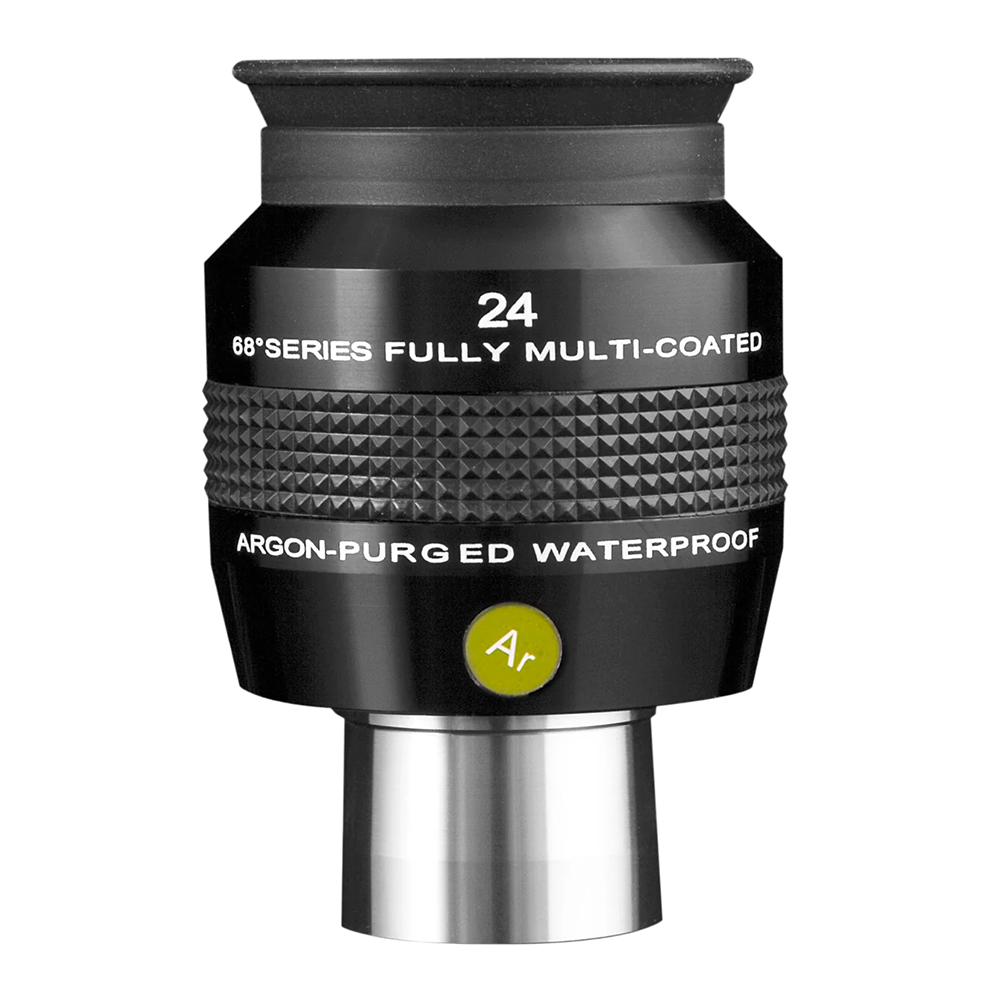
Wide, comfortable low-power views.
$109.99View details →
Double your magnificationTele Vue 2x Barlow 1.25-inch
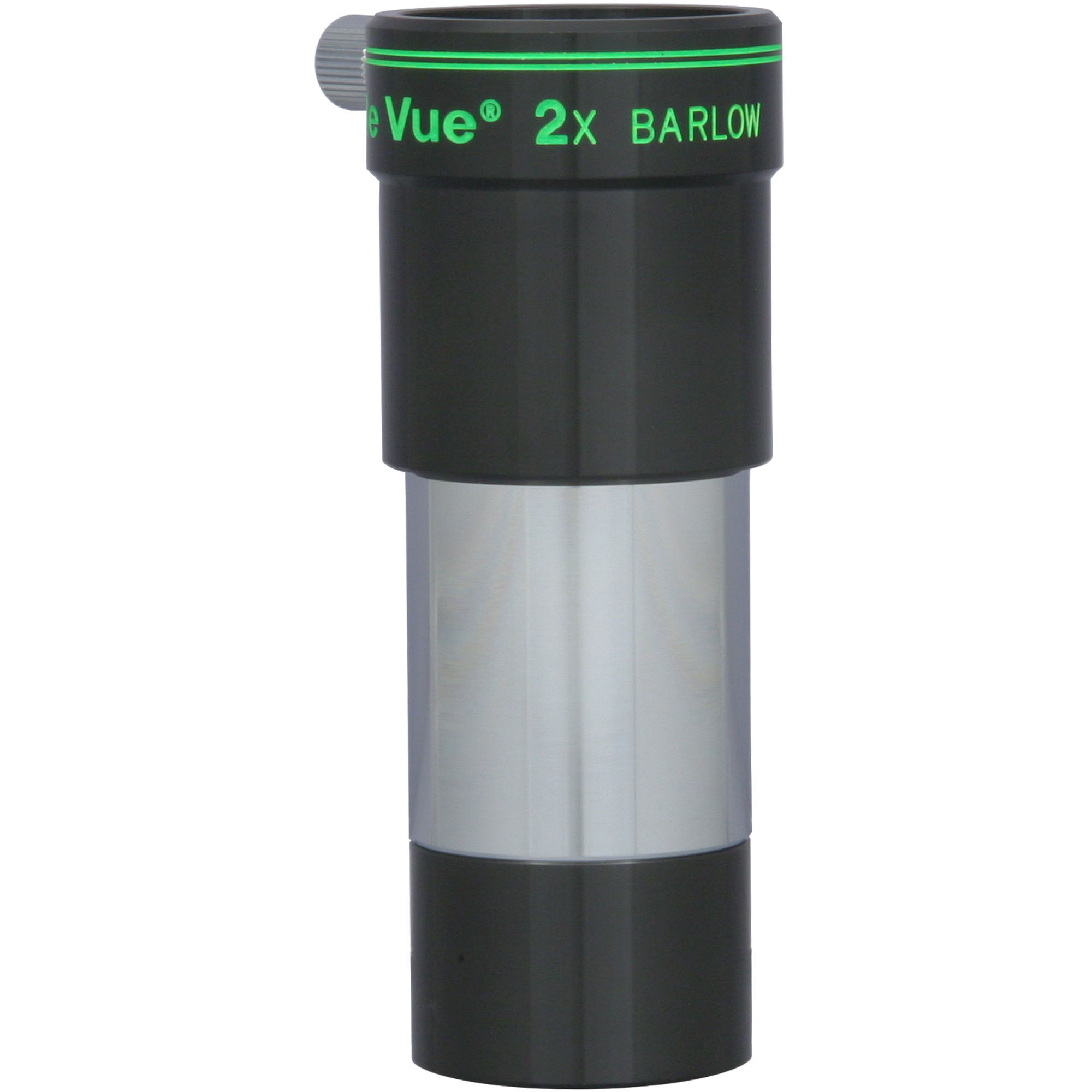
Doubles magnification with no image loss.
$153View details →
Tame lunar glareGSO Moon Filter 13pct 1.25-inch

Tames glare on the bright Moon.
$11.95View details →
Grow your kit
Sharper planets & lunar detailCelestron X-Cel LX 7mm
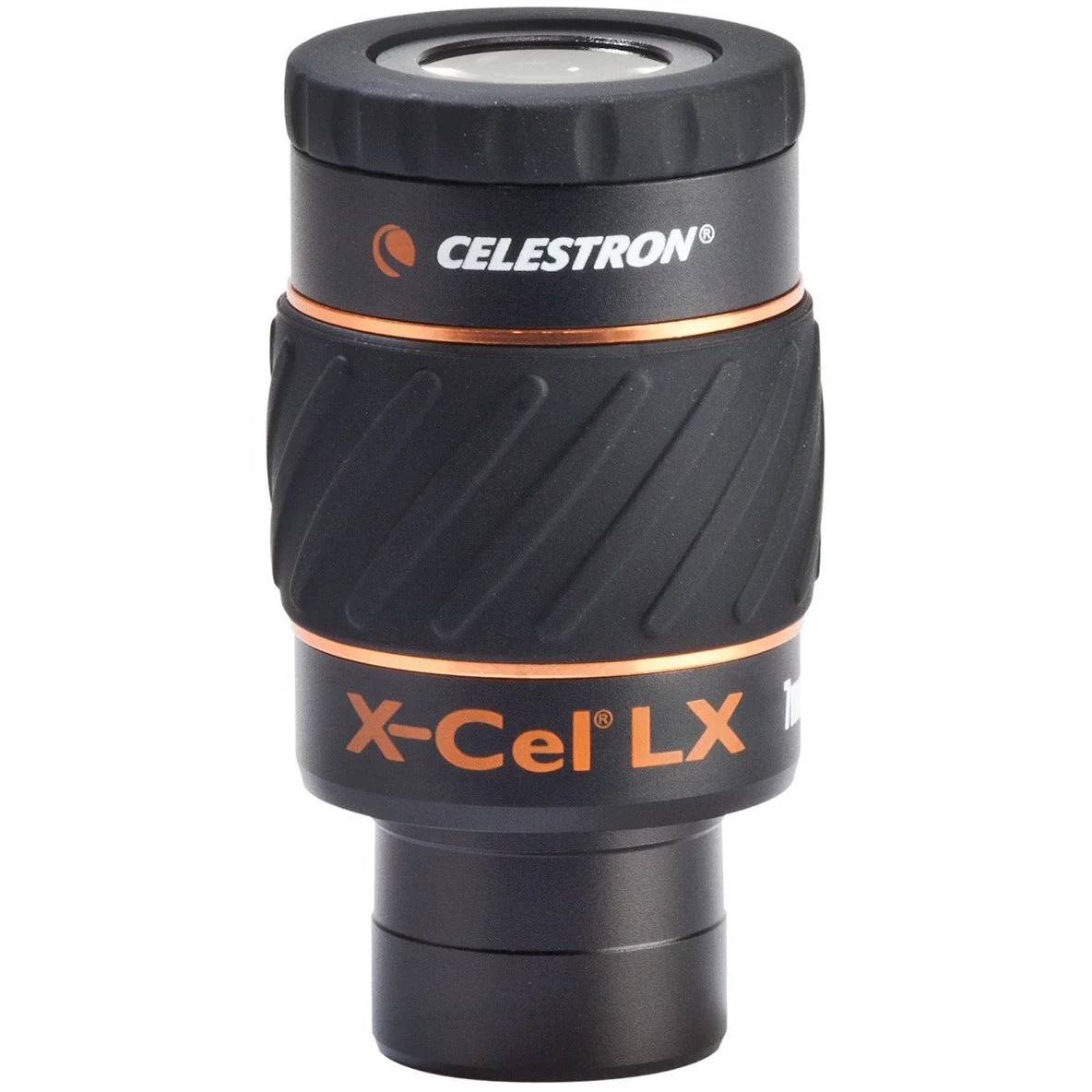
Commonly paired with this telescope
$109.95View details →
A sharper everyday viewCelestron X-Cel LX 18mm
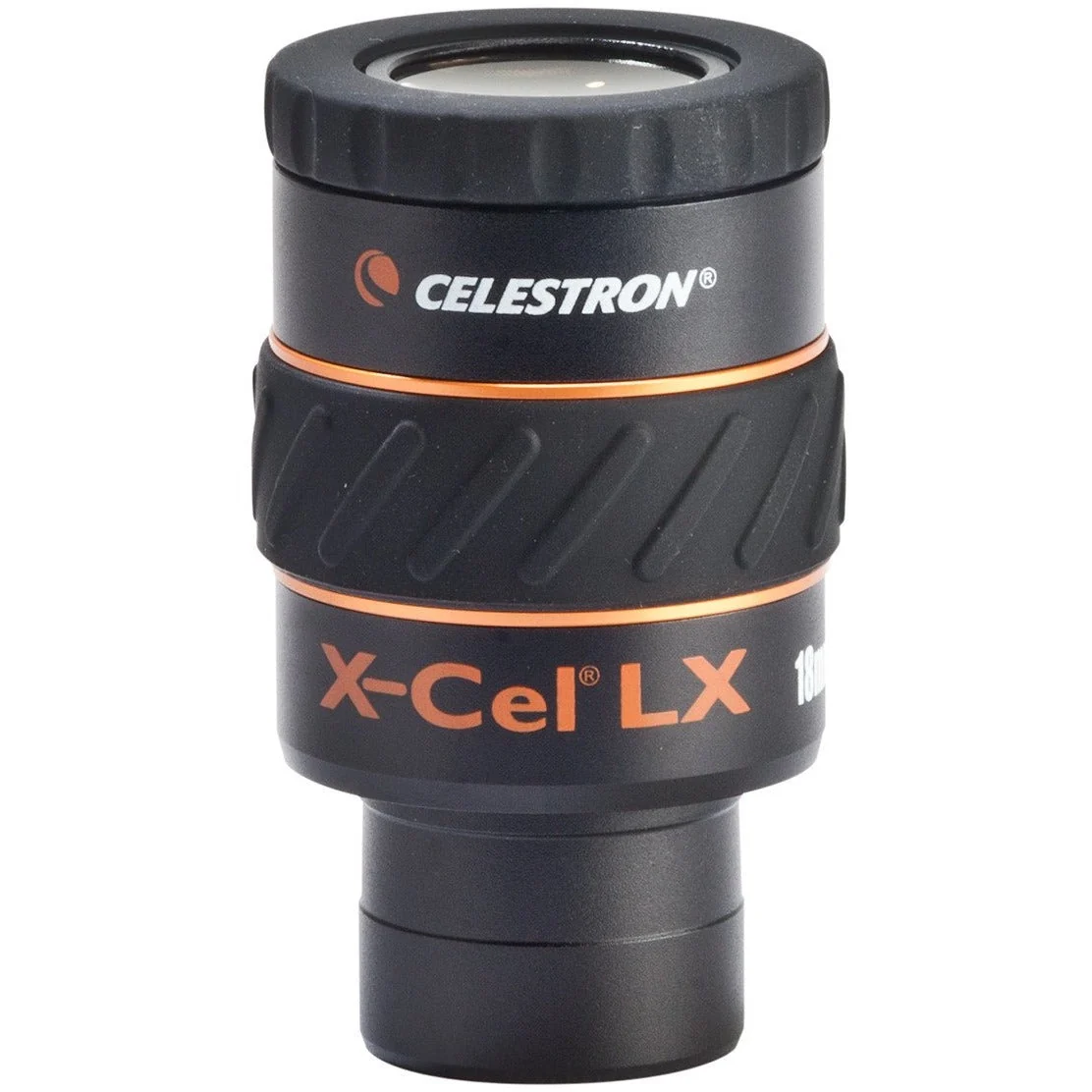
Commonly paired with this telescope
$109.95View details →
Make nebulae popSVBony UHC 1.25-inch

Commonly paired with this telescope
$28.99View details →
06The numbersFull specifications.
6 measured and stated values
06The numbers
Full specifications.
6 measured and stated values
Optics
Optical DesignRefractor
Aperture120mm
Focal Length1000mm
Focal Ratiof/8.3
Mount & drive
Mount TypeEquatorial
Physical
Weight20.9 kg
07AlternativesFor a different goal, start here.
2 alternatives, each mapped to the goal it wins at
07Alternatives
For a different goal, start here.
2 alternatives, each mapped to the goal it wins at